In 2024, the median wait times for referrals from primary care providers to Specialist Outpatient Clinics were
23 days
longer for subsidised patients than for private patients

Issue 59
Aug 2026
STUDENT MATTERS
By Cherie Ong Ying Tong, Class of 2029, NUS Yong Loo Lin School of Medicine, Chair, InciSioN Singapore, Vice-President, Asian Medical Students’ Association Singapore, and Founder, Incision Challenge
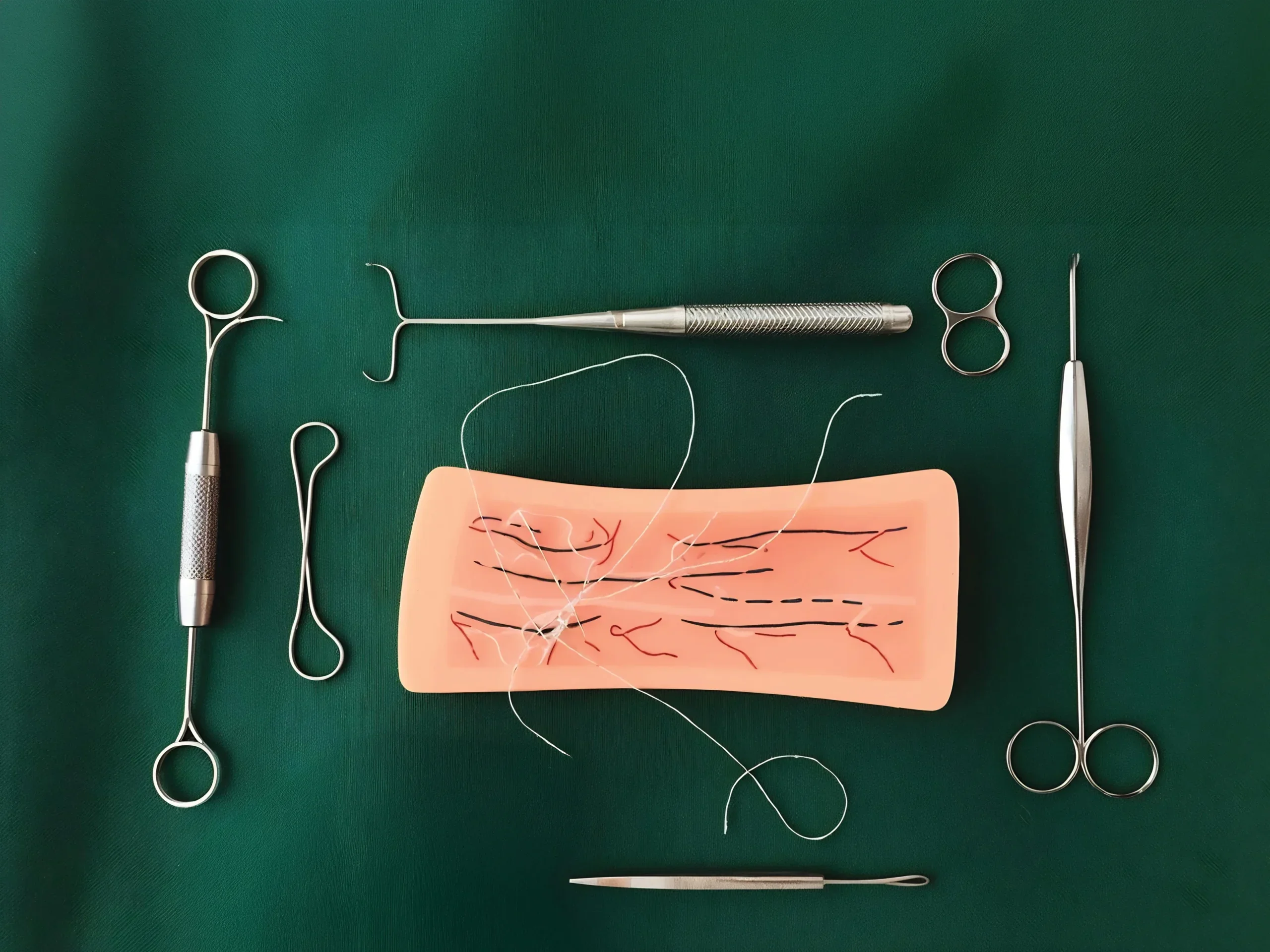
“Global Surgery is defined as a fastgrowing area of study, research, practice, and advocacy that seeks to improve health outcomes and achieve health equity for all people who need surgical and anaesthesia care, with a special emphasis on underserved populations and populations in crisis. It uses collaborative, cross-sectoral, and transnational approaches and is a synthesis of population-based strategies with individual surgical and anaesthesia care.” – InciSioN
To me, global surgery is like the trusty toolbox at home that you bring out to fix everyday household problems, like a leaking pipe or a loose screw. Not fancy equipment, but when the right tools are used in the right way, it helps to get the job done. Similarly, global surgery is not about bringing the most advanced surgical technologies or elite surgeons to resource-limited settings, but about ensuring healthcare systems worldwide have access to the essential “toolbox” of safe equipment, trained providers and the support needed to deliver timely, affordable and quality surgical care.
My understanding of global surgery began to deepen through my role as Chair of InciSioN Singapore. InciSioN Singapore is a newly established national working group in the International Student Surgical Network (InciSioN) and is also part of the Asian Medical Students’ Association Singapore. I had the privilege to participate in the Training Global Surgery Advocates World Health Summit 2025 Edition course organised by InciSioN. During which, I learnt to appreciate the vision of a world where surgical, obstetrics, trauma and anaesthesia care are recognised not as luxuries, but as essential components of equitable healthcare systems.
One of the most striking lessons for me was how misunderstood global surgery often is. Surgical care is commonly viewed as dependent on highly specialised expertise and advanced infrastructure. Yet in reality, many life-saving procedures can be safely performed at district-level hospitals with trained providers, essential equipment and more efficient distribution of tasks within the multidisciplinary team.
This misconception about global surgery also contributes to another common assumption—surgical care is too costly to prioritise. However, evidence shows that many essential surgical procedures are highly cost-effective and generate substantial social and economic returns. For example, cataract surgery can cost only about US$5 per disability—adjusted life year averted.
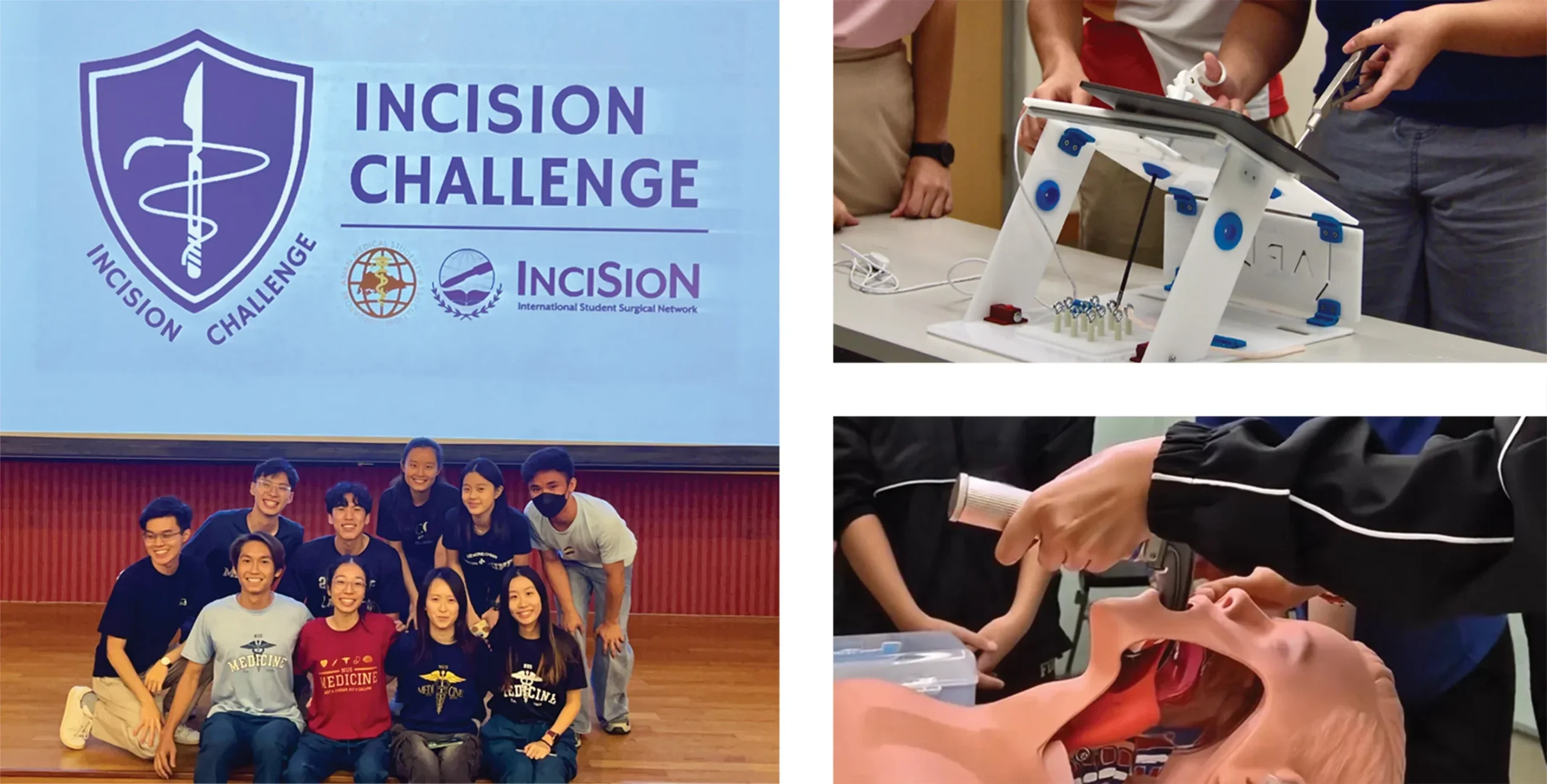
Images from the first run of Incision Challenge in June 2025.
Understanding these misconceptions makes the necessity of quality and affordable surgeries more striking. Around 30% of the global burden of disease is surgically treatable, and deaths from surgically treatable conditions exceed those from human immunodeficiency virus, tuberculosis and malaria combined. These highlight that surgery is not a luxury service, but a fundamental pillar of healthcare systems worldwide.

What about our local context? Growing up in Singapore, where healthcare is often perceived as highly accessible and well-developed, it is easy to assume global surgery is an issue that only affects lower-resource countries. Yet, there can be inequities in a high-income healthcare system like Singapore too. Long waiting times in public healthcare institutions exist, with the median wait times for referrals from primary care providers to public hospital Specialist Outpatient Clinics at 35 days for subsidised patients, compared to just 12 days for private patients in 2024. There is also the potential problem of manpower shortages worsening these inequities, with the Ministry of Health projecting that the healthcare workforce must grow by 20% from 2024 to 2030 to meet growing healthcare demands in our ageing population. Evidently, global surgery is not only relevant to low-resource countries, but also to strengthening equity within healthcare systems like our own.
Being a newly established national working group, my team at InciSioN Singapore aims to start by building awareness that can potentially translate into greater impact in the future. One of our key initiatives is the Incision Challenge, an annual surgical knowledge and skills competition for pre-medical students founded in 2025. This competition enables participants to engage meaningfully with the principles behind global surgery. Participants are exposed not only to foundational surgical knowledge through the quiz, but also to hands-on skills stations such as suturing and intubation. These stations focus on procedures that are relatively low-cost yet high-impact, and are commonly relied upon in resource-limited settings. Our laparoscopy station also encourages participants to reflect critically on both the advantages and limitations of implementing more technologically advanced surgical techniques in lower-resourced environments.
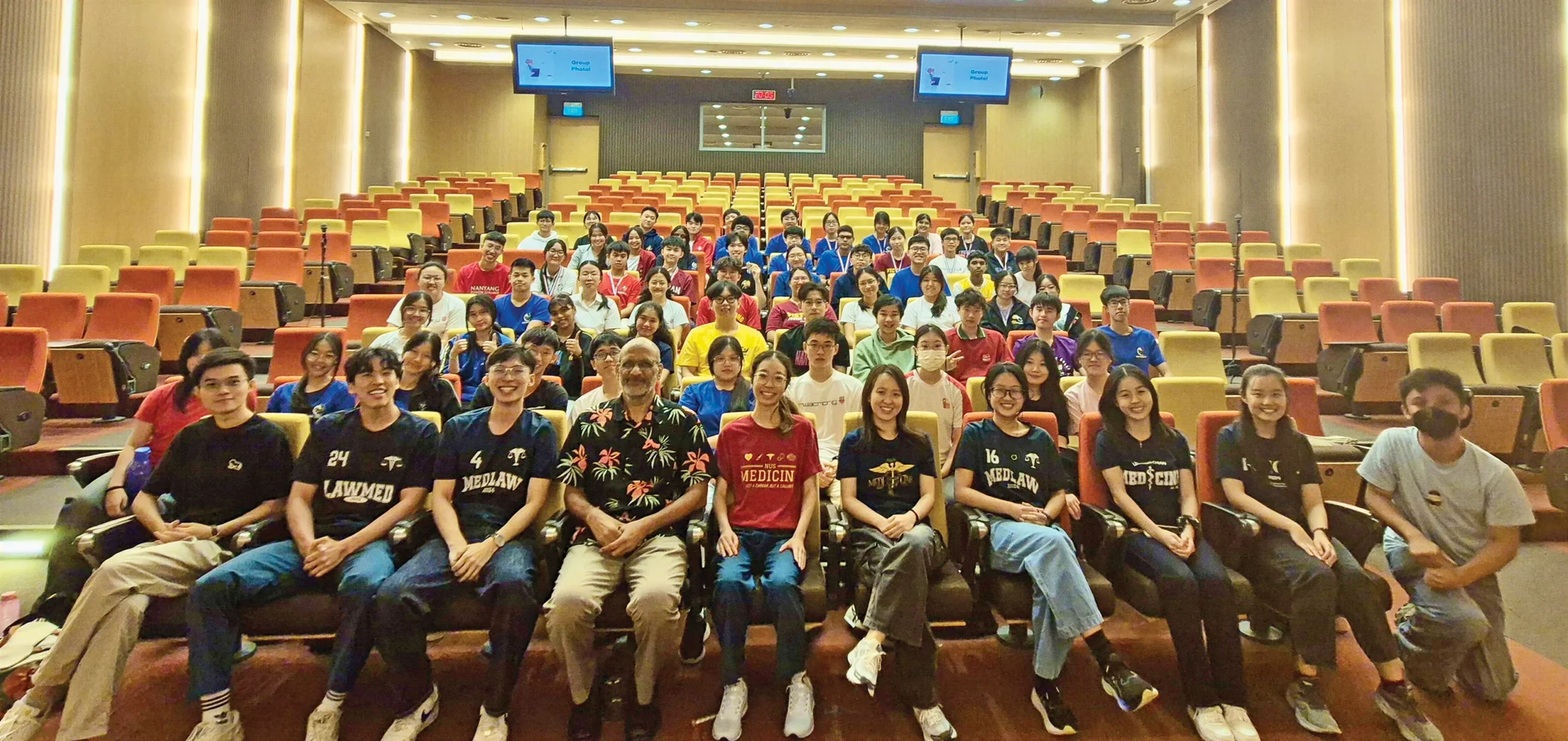
Many other aspects of the competition design also revolve around the idea of greater access to learning. We designed the Incision Challenge to allow independent sign‑ups, welcoming hundreds of participants from diverse backgrounds, including full‑time national servicemen, individuals taking gap years, and aspiring graduate-entry medical students. Coupled with the provision of preparation materials, we hope to make surgical exposure more accessible to those who may otherwise have limited opportunities to explore Medicine due to institutional barriers. Additionally, we provide participants with explanations after the competition, giving them the opportunity to address their knowledge gaps and allowing them to leave with greater clarity and confidence. This reflects the value of lifelong learning as a healthcare professional.
As a relatively new organisation, there is still much for us to learn and refine. Nonetheless, hearing from participants who found the experience meaningful and who developed a deeper appreciation for surgery was encouraging for our team. Our initiative reflects how meaningful impact does not always begin at the policy level. Sometimes, it begins with creating opportunities for learning, nurturing curiosity and widening access for those early in their journeys. As InciSioN Singapore continues to grow, these small steps lay the foundation for broader advocacy and more equitable healthcare systems in the future.
I hope to contribute to a future where surgical care is not treated as a privilege reserved for a few, but as a reliable and essential toolbox that supports healthcare systems worldwide and ensures safe, timely and affordable care for all.

Acknowledgements
I would like to thank the following individuals whose valuable feedback helped shape this article:
Dr Angela Mei Seiler Torres, Chair, InciSioN Global
Dr Shee Loke Yuan, Vice President, National Working Groups of InciSioN Global
Dr Niickes Deelen Surindran, President, InciSioN Malaysia
Sun Jiayi, President, Asian Medical Students’ Association Singapore
More from this issue