Issue 59
Aug 2026
SCIENCE OF LIFE
By Associate Professor Thai Tran, Assistant Dean (Research) and Professor Roger Foo, Vice-Dean (Research), NUS Yong Loo Lin School of Medicine
The Rising Star lecture series shines a light on the next generation of scientific innovators, showcasing researchers who are pushing the boundaries of discovery across emerging fields.
Introduced by Professor Chong Yap Seng, Dean of Yong Loo Lin School of Medicine, National University of Singapore (NUS Medicine) as a complement to the Trailblazers series, which celebrates established pioneers and expanded in 2026 to include newly appointed professors, the series is hosted by the NUSMedSci Alliance. Together, these lectures bring emerging scientific leaders to the forefront, showcasing fresh perspectives, bold ideas and highly specialised research.
What sets the Rising Stars and Trailblazers series apart is their ability to bridge cutting-edge science with personal stories behind discovery. Beyond data and breakthrough findings, the speakers share the challenges, motivations and inspiration that have shaped their research journeys. In doing so, the series aims to inspire students and researchers, while fostering greater awareness and appreciation of the impact of scientific research on society.
For regular attendee, PhD candidate, Lee Jia Wei, the appeal lies in that sense of connection. Hearing directly from scientists, she shared, makes cutting-edge research feel more relatable and accessible, while sparking curiosity about her own interests in science, innovation and future research pathways.
The inaugural Rising Stars lecture series opened with Associate Professor Thomas Yeo, whose session “Personalised Brain Models For Precision Medicine” drew a packed audience and set a strong tone for the series ahead. An expert in neuroscience and neuroengineering, Assoc Prof Yeo is renowned for pioneering large-scale brain network mapping and personalised brain models. His research has revealed key insights into the organisation and individual variability of the human brain, advancing precision medicine and the treatment of brain disorders. By integrating advanced neuroimaging, computational modelling and machine learning, he has set new standards in the field. His contributions have been recognised with the Organization for Human Brain Mapping (OHBM) Early Career Investigator Award, the National Research Foundation (NRF) Fellowship, and the NRF Investigatorship.
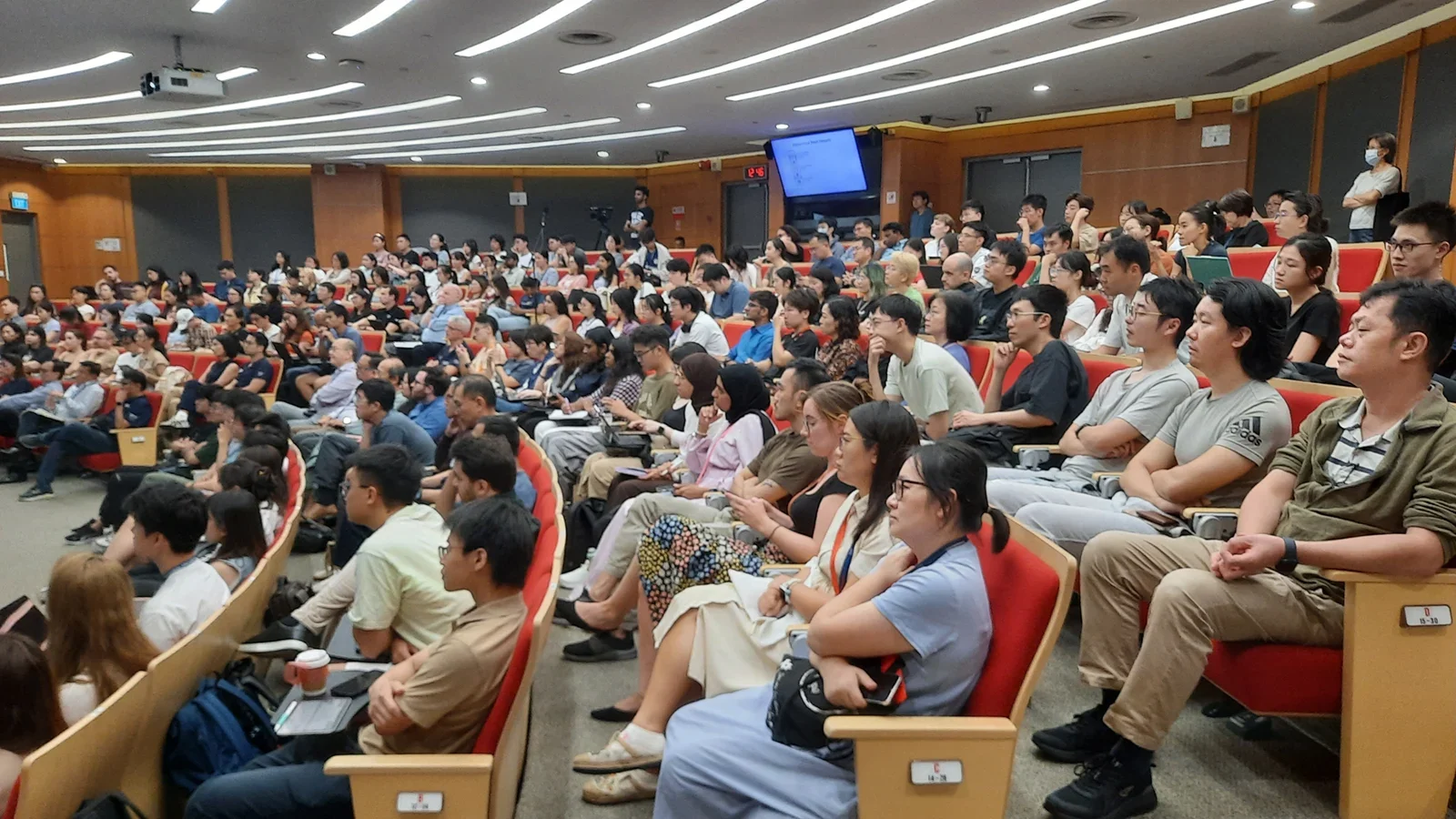
A full house of faculty members, researchers, clinicians and students underscored the growing reputation of the series as a platform for spotlighting scientific minds shaping the future of research and innovation.
Reflecting on his career journey, Assoc Prof Yeo spoke candidly about the role of luck, adaptability, and willingness to pivot. “Unfortunately, many of my good ideas don’t work… so I believe in iterating fast. Try many ideas. If it doesn’t work, throw it away.” He also encouraged young researchers to pursue problems with real‐world impact and to find a research niche that opens doors for meaningful complementary partnerships across disciplines.
The next lecture featured Assistant Professor Chunyi Hu, whose talk “Reprogramming Biology: From CRISPR to OMEGA” explored RNA-guided systems beyond CRISPR and their potential as powerful molecular tools. Drawing on structural biology, protein engineering, Artificial Intelligence (AI) and therapeutic development, Asst Prof Hu’s work spans applications from disease treatment to preparing for future pandemics. His two pearls of wisdom included knowing when to seek help, and strengthening one’s inner game.
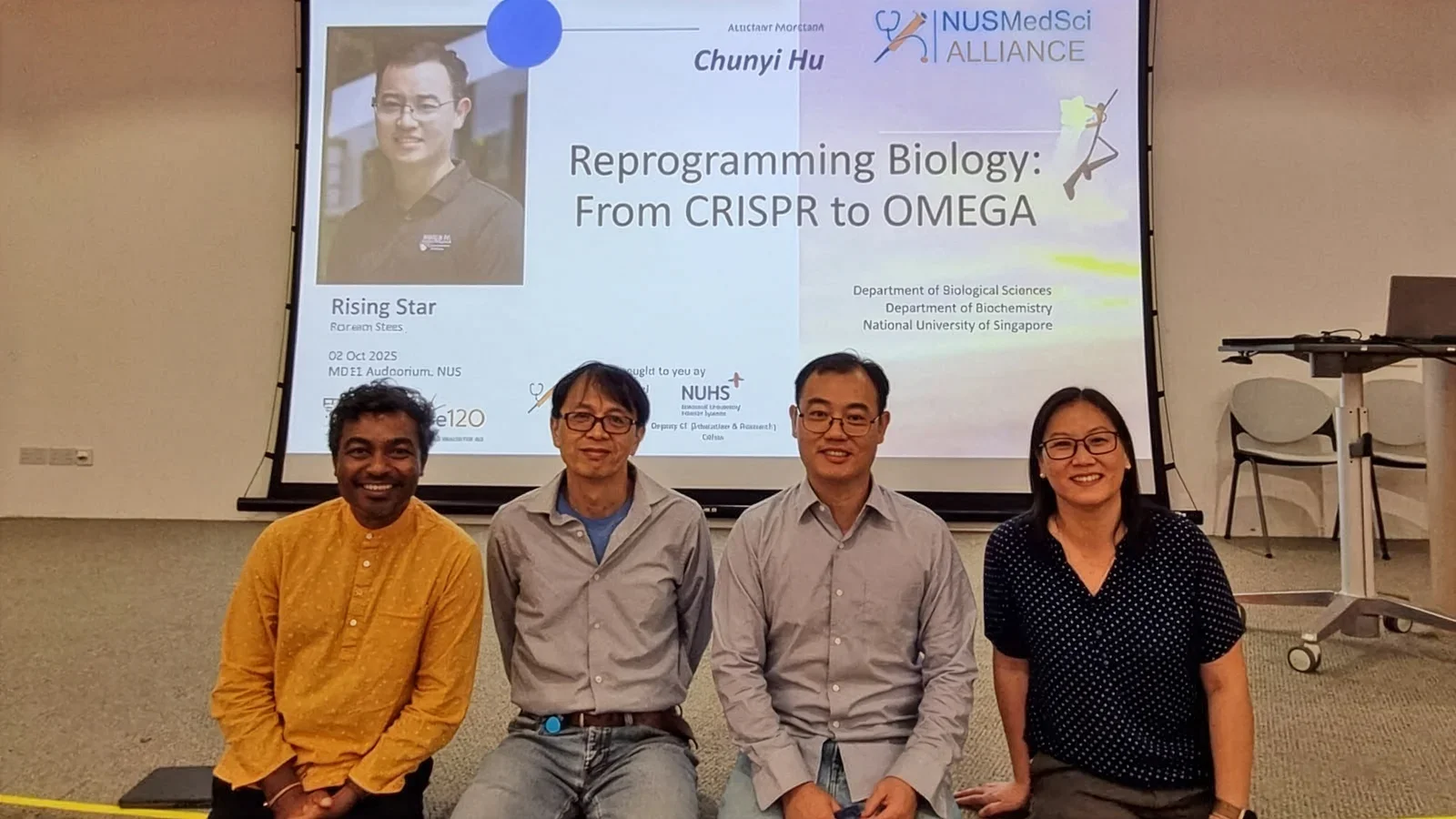
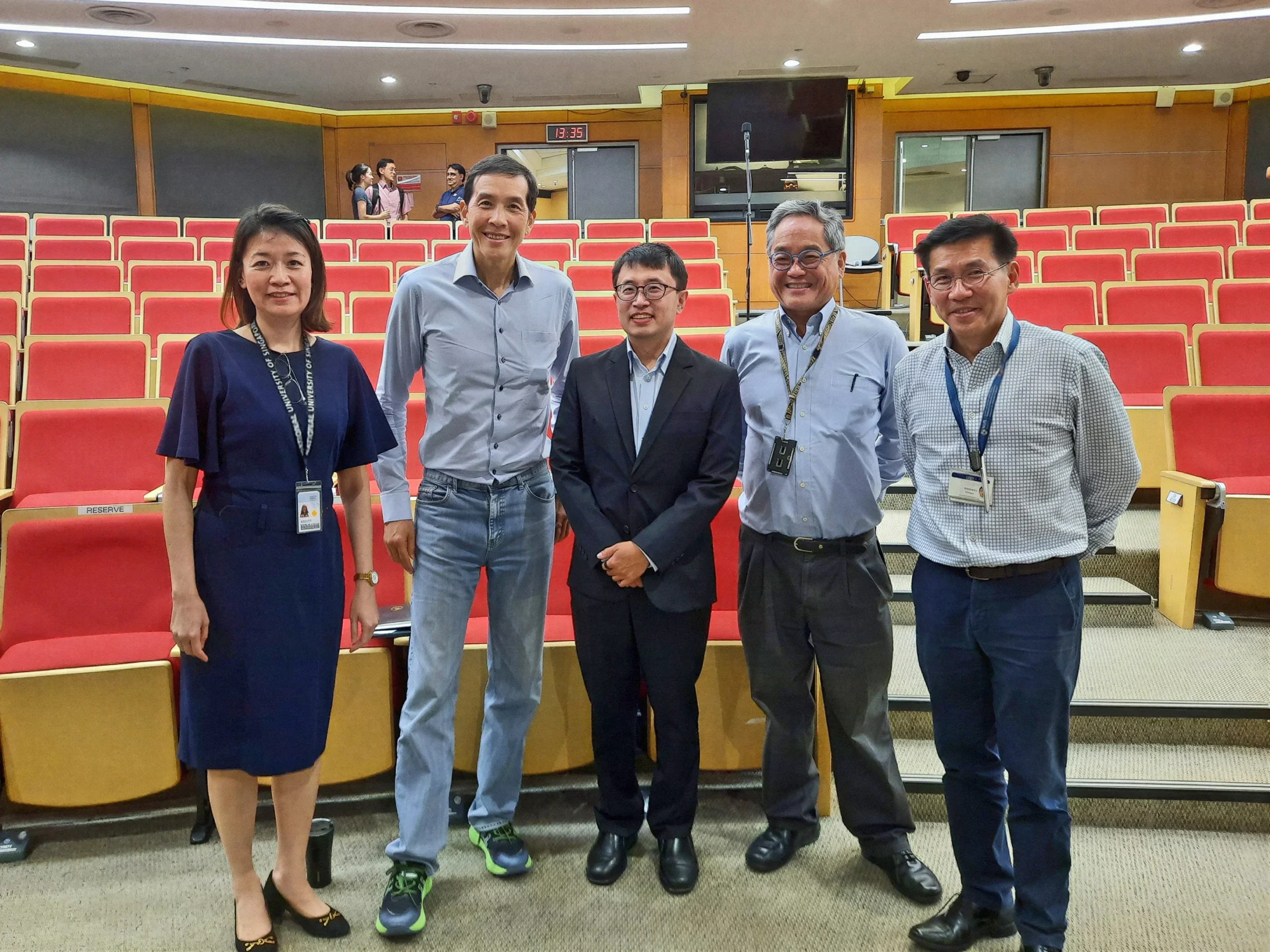
Rising Star presenter Asst Prof Chunyi Hu (second from right) with NUSMedSci Alliance council members Associate Professor Ling Shuo-Chien (second from left), who also served as Chair of the session, Associate Professor Ajay Sriram Mathuru (first from left), and Associate Professor Thai Tran (right), Assistant Dean and Chair of the NUSMedSci Alliance.
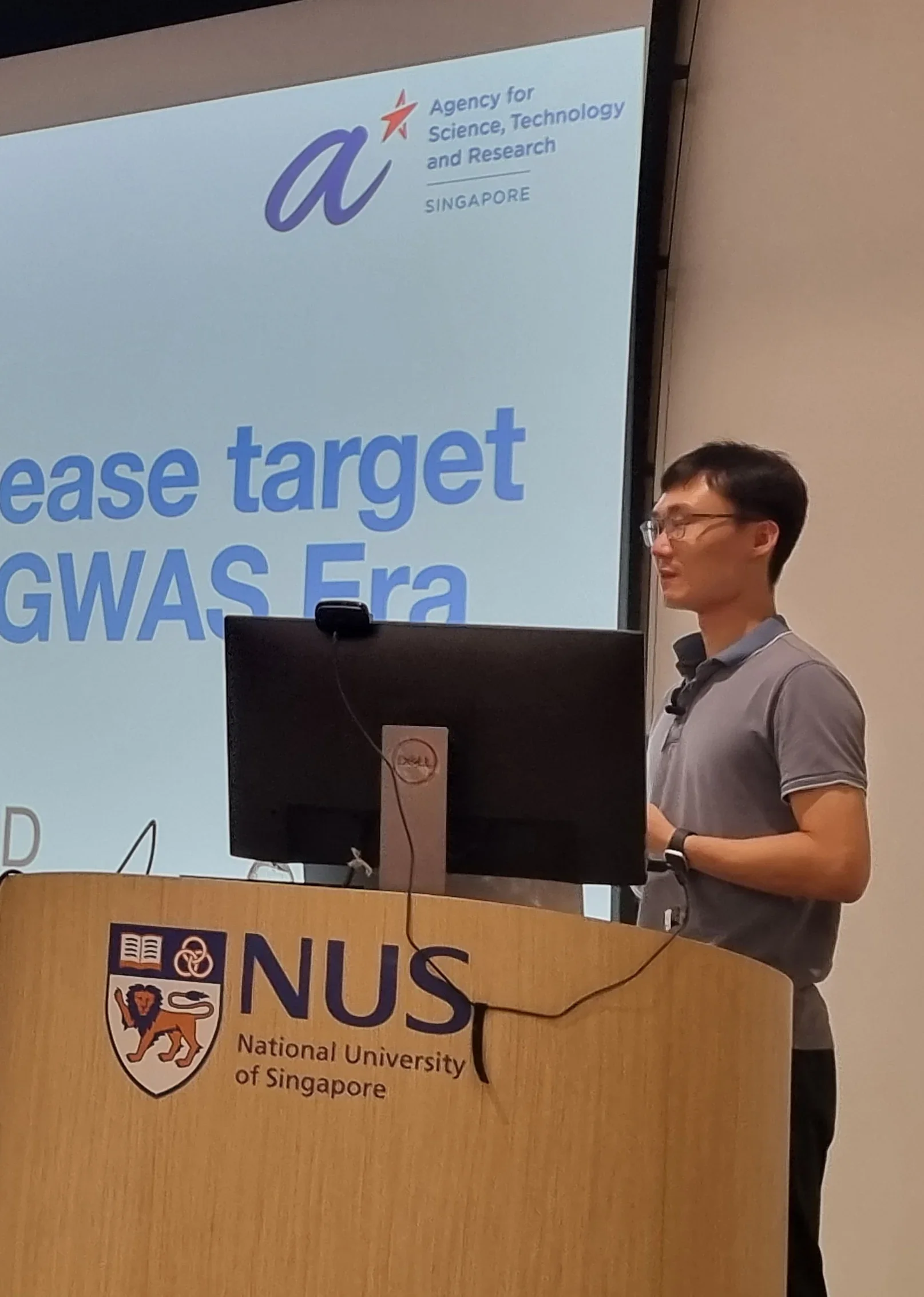
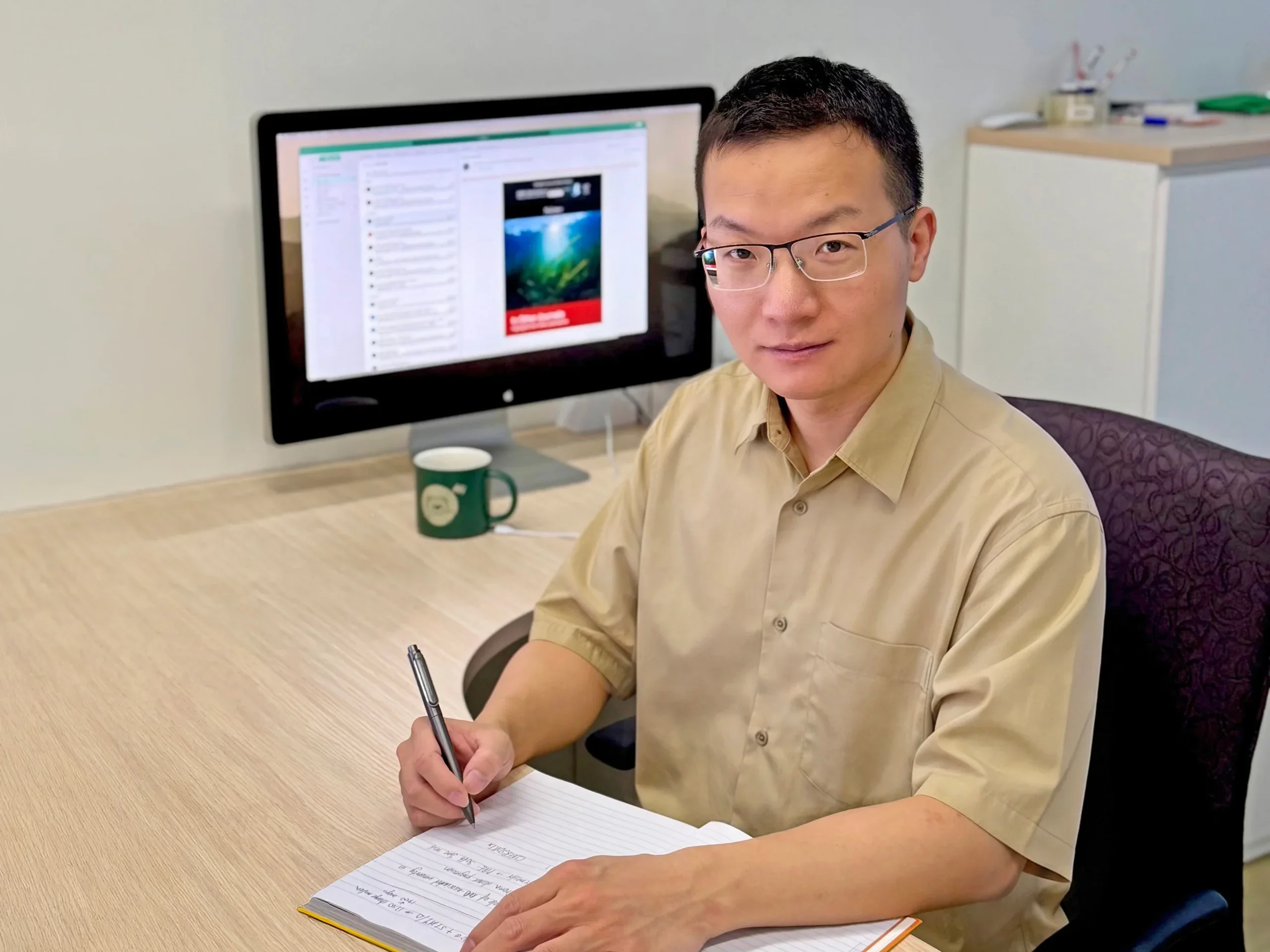
Asst Prof Liu Boxiang, Department of Biomedical Informatics, NUS Medicine.
The series continued with Assistant Professor Liu Boxiang who presented “Identification of Disease Target Genes in the post-GWAS era”. A leader in genomic medicine, Asst Prof Liu shared how his research integrates single-cell specific QTLs, ensemble methods and LocusCompare2 to improve the identification of disease-driving genes and accelerate the discovery of novel therapeutic targets. In his talk, he stressed the fundamentals: question assumptions, learn from mistakes, focus deeply and work hard. His reflections struck a chord with the audience, underscoring the value of critical thinking and perseverance in research.
The series continues to draw faculty members, clinicians, researchers and students into a vibrant space for discovery, dialogue and inspiration. With each session, it reaffirms its place as a platform for scientific voices shaping the future of research and innovation at NUS Medicine.
Click here to see the recordings.
To find out more about NUSMedSciAlliance, click here to browse the NUSMedSci Alliance Yearbook.
Better yet, join the conversation through the NUSMedSci Alliance WhatsApp chat group.
More from this issue