Singapore needs
328 units
of blood every day
This figure is projected to increase
1% to 1.3%
annually

Issue 59
Aug 2026
ETHICALLY SPEAKING
By Professor Julian Savulescu, Centre for Biomedical Ethics, NUS Yong Loo Lin School of Medicine
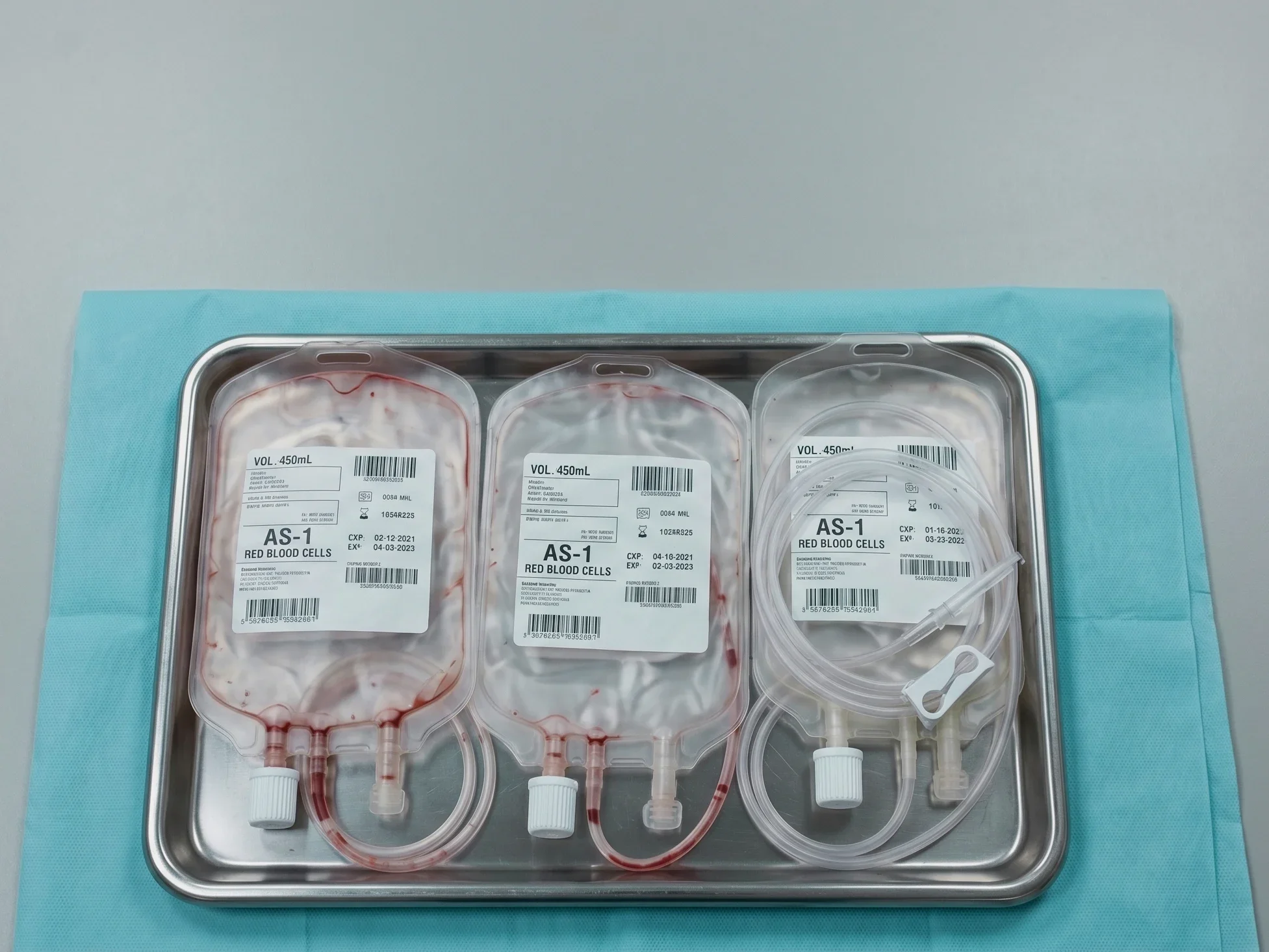
A looming shortage demands more than gratitude. Properly regulated financial incentives can save lives without compromising the safety of donors or recipients.
Singapore has long relied on the generosity of strangers. Since 1946, blood for transfusion has been collected from voluntary, non‐remunerated donors—a model endorsed by the World Health Organization (WHO) and operated locally by the Health Sciences Authority together with the Singapore Red Cross. In 2025, the programme collected nearly 128,000 whole blood and 8,000 blood product donations, distributed across five blood banks. It is, by any reasonable measure, one of the world’s better‐functioning altruistic systems.

It is also running out of time. The HSA now warns that demand could outstrip supply within seven years. Youth donations have fallen by more than half over the past decade, from 20,000 to under 9,600, while patients aged 60 and above already account for the majority of transfusions. By 2026, the country will need 328 units of blood every day—a figure projected to climb 1% to 1.3% annually as the population ages and cancer incidence rises. Periodic shortages already happen: in early 2024, Group O blood stocks dipped below six days and were declared critical.
The consequences of running short are not abstract. When blood banks empty, doctors are left with no acceptable options: transfusions are delayed or withheld, elective surgery is cancelled, cancer chemotherapy is interrupted, and trauma patients face worse outcomes. There is a saying: time is money. In medicine, time is lives.
Singapore’s response, announced in April 2026, is to award donors Healthpoints redeemable through the Healthy 365 app for MediShield Life premium discounts of up to S$580, e-vouchers and donations to charity. This is a thoughtful, distinctively Singaporean compromise. But it has met with opposition. Critics claim it amounts to payment for blood and that it may “pressure” financially disadvantaged individuals and change the ethos from one of goodwill to one of personal benefit.
Globally, the picture is instructive. The US collects nearly two-thirds of the world’s plasma by paying donors directly. Germany, Austria, the Czech Republic and Hungary permit cash compensation for plasma; the Czech Republic leads Europe with 133 donations per 1,000 inhabitants. Germany, a highly conservative country, moved to paid donations of blood products like plasma because of shortages. Countries that prohibit payment, including most of Europe, rely on imported American plasma to make up roughly 40% of their needs. Singapore is no different in this respect: when local supply falters, finished plasma products are bought from jurisdictions that pay their donors.
Singapore is right to incentivise blood donation—at home, transparently, and under its own ethical control—rather risk importing moral compromise from abroad. Blood donation is a potentially life-saving act. Properly regulated financial incentives can save lives without compromising the safety
of donors or recipients.
The Healthpoints incentive scheme is a step in the right direction. The spirit of goodwill can be largely preserved: altruists can continue to donate for free, or redirect their compensation to charity, as the Healthpoints scheme permits.
Three objections to incentives are typically raised. The first concerns donor safety. Blood and plasma donation in a properly regulated system is extremely safe; risks are minimised by medical screening, deferral intervals and volume limits. Singapore already enforces these standards, and would continue to. The second objection concerns the safety of the supply. The historical worry—that paid donors conceal infections—is addressed today by universal nucleic‐acid testing, behavioural questionnaires and donor deferral registries. Modern screening does not care whether a donor was paid. It cares whether the blood is safe.
The third objection is moral: that payment constitutes undue influence, coercion or exploitation, particularly of the financially disadvantaged. But coercion, properly understood, involves pressuring someone to do something against their interests. Donating blood under medical supervision is not against a healthy adult’s interests; it is a low‐risk act that helps strangers (indeed, in many cases, it is life‐saving) and now, modestly, helps the donor. Such modest incentives do not “cloud judgement” in a manner that constitutes undue influence. And donors are not exploited when the risks to them are properly controlled.
Singapore is right to incentivise blood donation—at home, transparently, and under its own ethical control—rather risk importing moral compromise from abroad. Blood donation is a potentially life‐saving act. The safety of the supply and of the donor must be paramount concerns. But the Healthpoints initiative achieves both of these aims. Properly regulated financial incentives can save lives without compromising the safety of donors or recipients.
More from this issue
THE LAST MILE
Preparing for the Dawn
STUDENT MATTERS
Making the InciSioN in Global Surgery