Issue 59
Aug 2026
THE BANYAN TREE
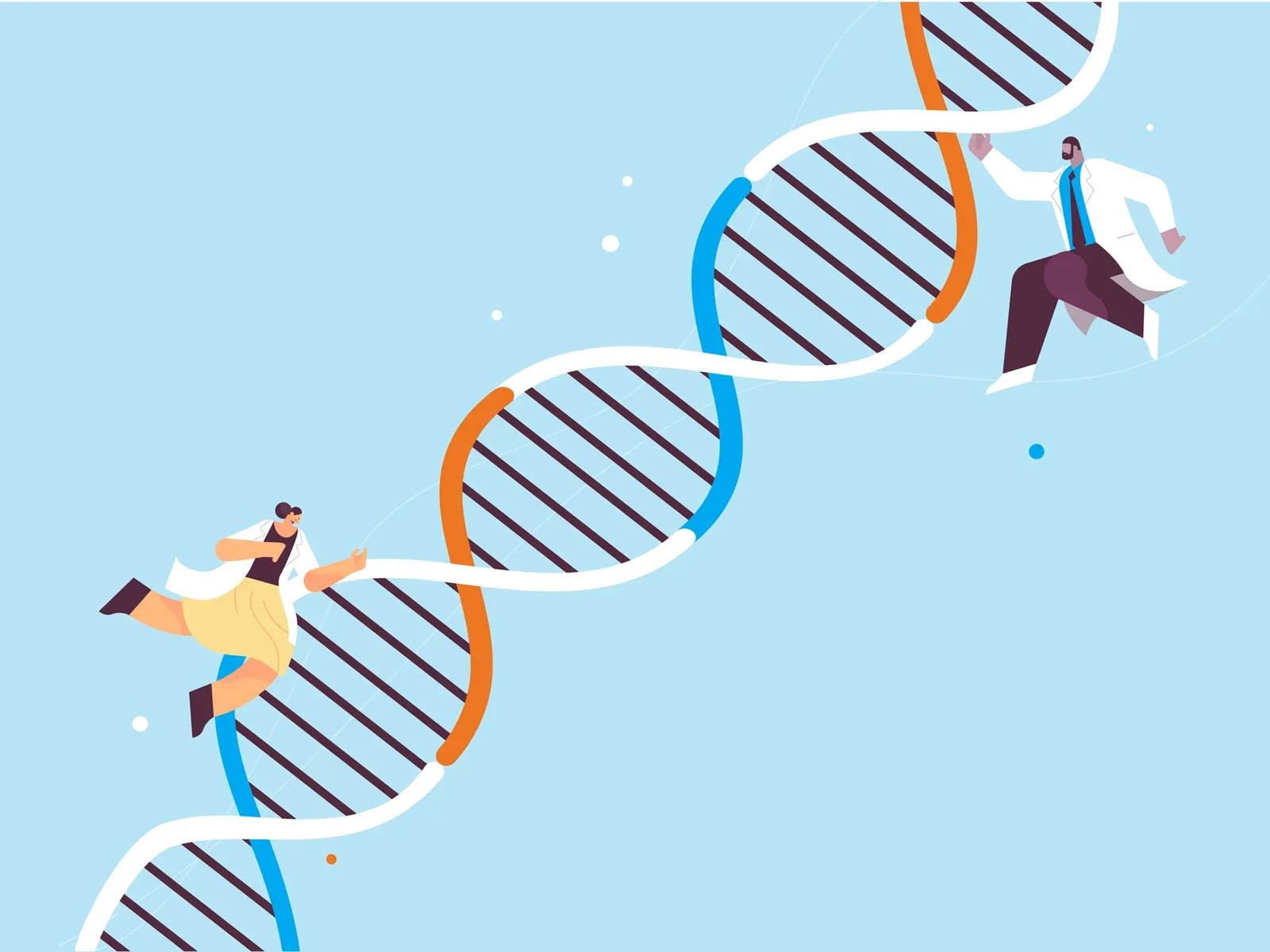
Healthcare is undergoing rapid transformation, driven by advances in biomedical science and the emergence of highly targeted therapeutic approaches. Among the most significant is CAR-T cell therapy, which is reshaping the treatment landscape for complex diseases such as cancer, particularly where conventional therapies have limited effectiveness.
This shift is not only redefining clinical outcomes but also changing the competencies required of healthcare professionals. The ability to interpret complex biological systems, integrate multidisciplinary knowledge and translate scientific discoveries into clinical applications has become increasingly essential.
Yet behind every breakthrough lies a less visible but critical foundation: rigorous scientific understanding, precise laboratory practice and the ability to bridge research with real-world clinical impact. To remain effective in this evolving landscape, healthcare professionals must develop capabilities that span both foundational science and advanced innovation.
From foundation to breakthrough
Modern healthcare is defined not only by scientific innovation, but also by the ability to connect discovery with application. Foundational training in pathology provides an essential understanding of disease mechanisms that underpin biomedical progress, while advanced education in cell therapy demonstrates how this knowledge can be translated into transformative clinical solutions.
Together, these domains represent the full continuum of biomedical advancement, from microscopic analysis of tissue structures to the development of next-generation therapies such as CAR-T. The integration of both perspectives is increasingly important as healthcare systems move towards more complex, data-driven and personalised models of care.
Strengthening the Foundations of Biomedical Science
Progress in Medicine begins with understanding disease at its most fundamental level. Pathology and histology remain central to this process, providing the basis for accurate diagnosis, biomedical research and therapeutic development.
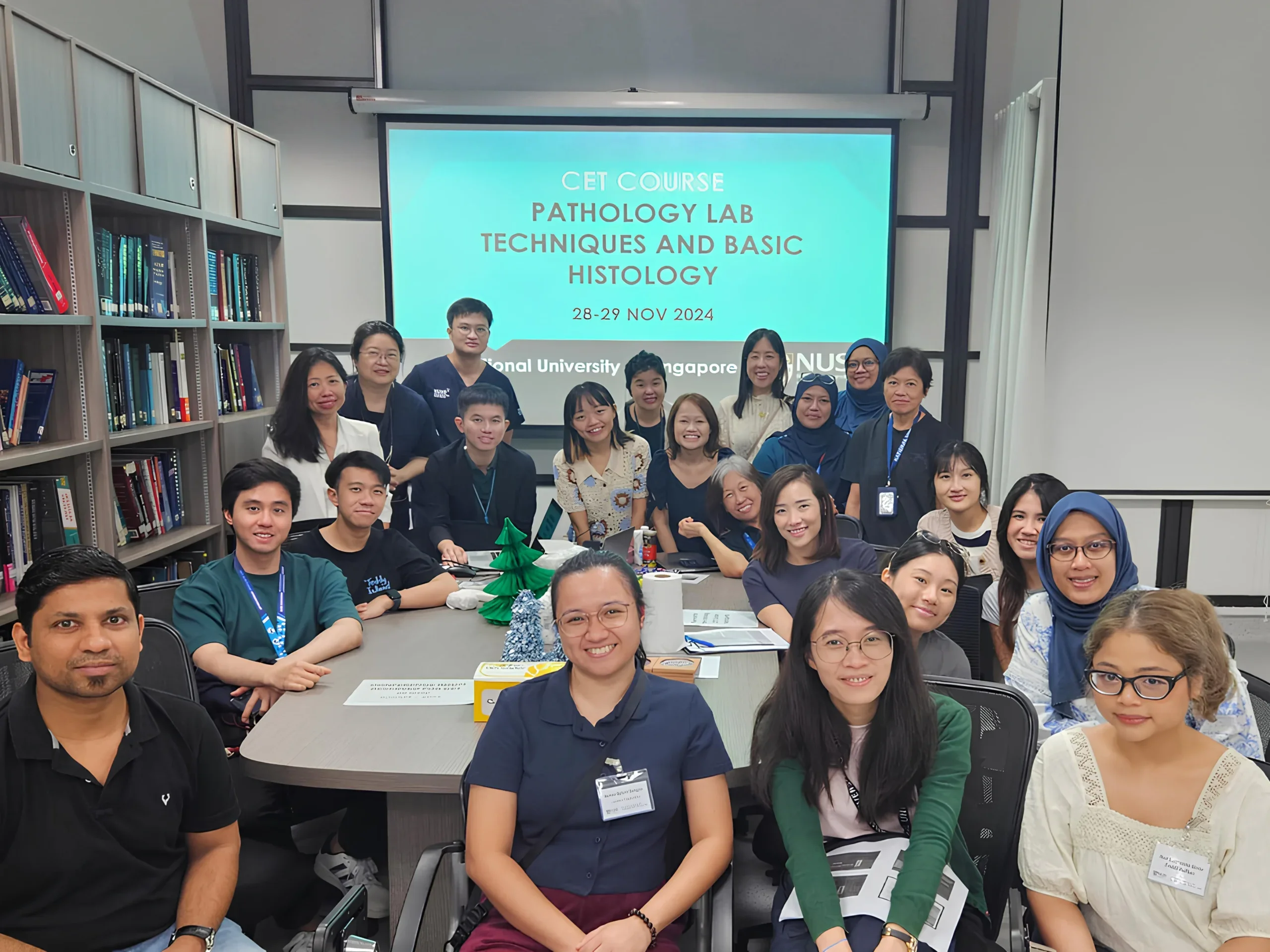
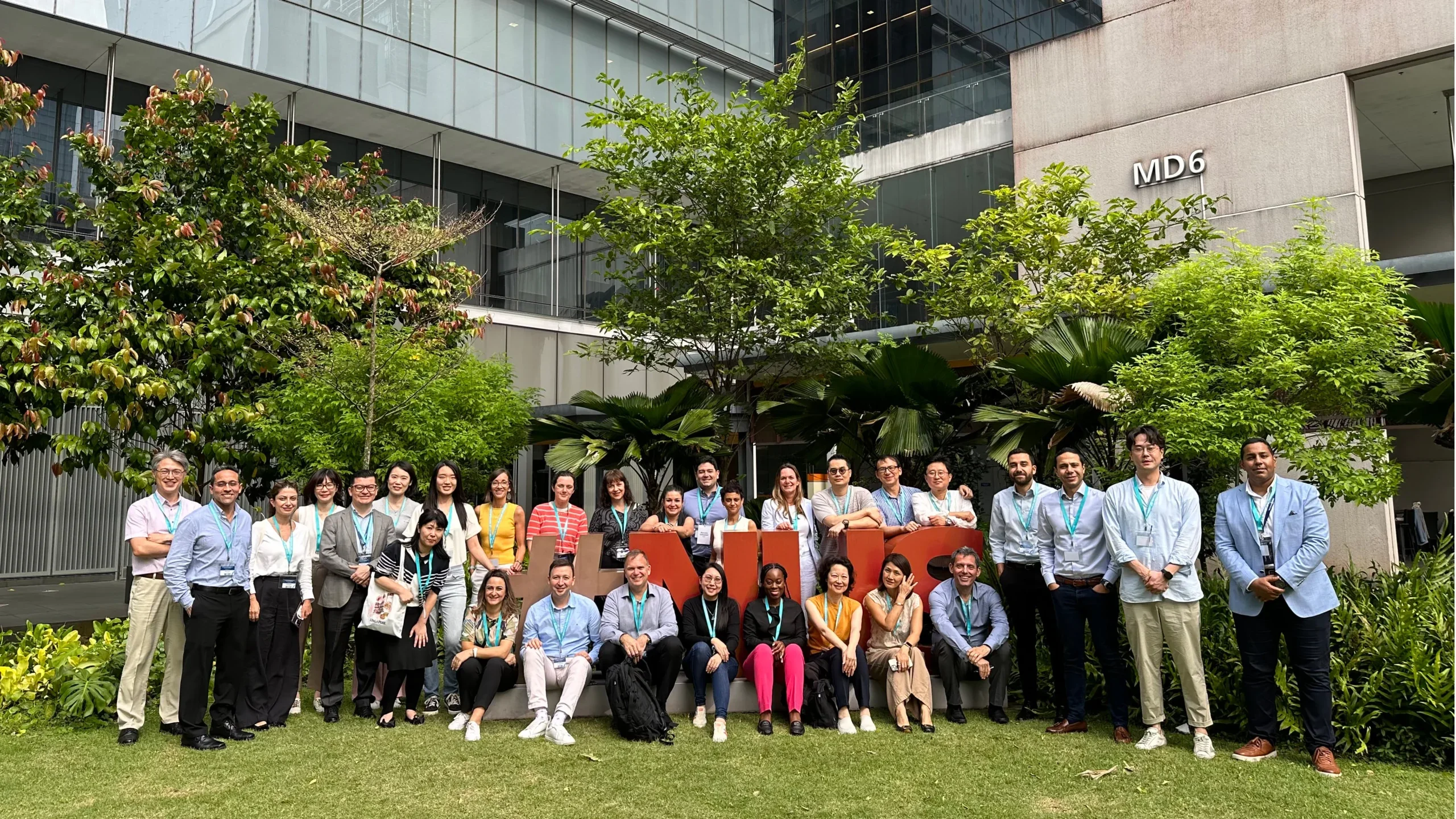
The Pathology Lab Techniques and Basic Histology programme, conducted by the Department of Pathology in Yong Loo Lin School of Medicine, National University of Singapore (NUS Medicine), equips participants with essential competencies in tissue handling, laboratory workflows and microscopic interpretation. These skills are increasingly important as biomedical research becomes more complex and data-driven, requiring both technical accuracy and strong interpretive ability.
Through structured learning and hands-on laboratory exposure, participants gain experience in key techniques including tissue processing, immunohistochemistry and molecular testing. In addition, they are trained to recognise normal and diseased tissue structures, including malignant changes, enabling more confident and accurate histological interpretation.
Beyond technical proficiency, the programme reinforces thinking by encouraging participants to understand not only what they observe under the microscope, but also the significance of those observations within the clinical and research context. This strengthens their ability to contribute to diagnostics, experimental design and translational research.
Ultimately, these competencies form a critical foundation for healthcare professionals and biomedical scientists, enabling deeper engagement with both clinical challenges and scientific inquiry.
I found the course highly insightful, with comprehensive content covering both principles and applications of histopathology. The hands-on practical sessions were particularly engaging, allowing me to apply theoretical knowledge in an interactive and immersive environment.”
The course offered strong learning materials and engaging hands-on activities. There were also many opportunities to interact with knowledgeable instructors, which enhanced the overall learning experience.”
Advancing into the Era of Cell Therapy
As foundational knowledge strengthens, the next frontier of Medicine lies in translating scientific understanding into targeted, high-impact therapies. Cell-based therapies, particularly CAR-T, represent one of the most significant advances in modern oncology and immunotherapy.
The Professional Certificate in Principles & Practice of Cell Therapy with Emphasis on CAR-T introduces participants to this rapidly evolving field. Jointly organised by the Advanced Cell Therapy and Research Institute, Singapore (ACTRIS) and NUS Medicine, the programme provides a structured and comprehensive exploration of the CAR-T cell therapy.
Participants are guided through key scientific and clinical domains, including immunological principles, gene delivery systems, CAR-T design and development, manufacturing workflows, regulatory frameworks and clinical application. This integrated approach ensures that learners understand not only the science behind CAR-T therapy, but also the practical and regulatory considerations to bring such therapies into clinical use.
Importantly, the programme emphasises translation—specifically, how laboratory discoveries are developed into clinically viable treatments. This includes understanding manufacturing standards, quality systems and the broader ecosystem required to support advanced therapy implementation.
In oncology, CAR-T cell therapy is an emerging and rapidly evolving approach to cancer treatment. This makes the programme particularly relevant, reflecting the growing need for expertise across immunology, manufacturing, regulatory frameworks and clinical application.
One of the best available courses in the APAC region, delivered by experts in cell and gene therapy.”
Building the future of healthcare practice
As Medicine continues to evolve, the ability to bridge foundational science with advanced therapeutic innovation will become increasingly critical. This requires not only technical expertise, but also the capacity to think across disciplines and apply knowledge in dynamic clinical and research environments.
Programmes that strengthen core laboratory expertise while introducing emerging fields such as cell therapy equip healthcare professionals with the breadth of capability needed to navigate this shift. Together, these learning pathways support the development of a more agile, skilled and future-ready healthcare workforce.
By engaging across both foundational and advanced domains of biomedical science, professionals are better positioned to contribute meaningfully to ongoing advancements and shape the next chapter of healthcare innovation.

Advancing Your Practice
Healthcare professionals and biomedical practitioners are invited to explore these programmes:
Pathology Lab Techniques and Basic Histology
• |
Asynchronous Online Lectures: |
• |
Live Online Histology Session: |
• |
Hands-on Laboratory Training: |
Applications open till 29 Jan 2027.
Professional Certificate in Principles & Practice of Cell Therapy with Emphasis on CAR-T
This column is dedicated to the pursuit of continuous learning and development and takes its name from the banyan tree. It has roots that grow deep, anchoring it firmly in the soil. The tree spreads its shade wide and far and provides space for reflection and discussion. We invite you to come and take a seat under its shade.
More from this issue