Dean's Message
Aug 2026
DEAN’S MESSAGE
Medical education, biomedical research and service to the community. These three areas define the work and raison d’etre of the Yong Loo Lin School of Medicine, National University of Singapore (NUS Medicine).
The last was exemplified recently by National University Hospital’s Dr Ian Mathews (Class of 2007) and Dr Kanwar Lather, both adjunct assistant professors at NUS Medicine. Working in tandem with Dr Michael Fung from Khoo Teck Puat Hospital, the three emergency physicians who were travelling on an overnight Singapore Airlines flight to Sydney for a conference, revived a passenger who had collapsed from a heart attack and kept the man conscious until he was handed over to paramedics on the ground. On a separate Turkish Airlines flight, Ng Teng Fong General Hospital intensive care specialist Dr Jasmine Tan responded to in‐flight calls for medical assistance to save the life of a crew member who had collapsed.
Occurring almost one after another, the two mid-air medical dramas made the news. In both instances, the doctors did what was expected of medical professionals. And while the settings were less than ideal, their training and experience enabled them to save the lives of the two passengers. Doctors never really go “off duty”.
Saving lives, restoring health, pursuing new and better ways to treat disease. This has been the focus of the School for the past 120 years. But with Singaporeans living longer and yet spending the final decade of their lives in ill health, we need to prepare future doctors to be active advocates of healthy living. Even as we welcome the Class of 2031 this August, we are undertaking a deliberate and significant shift from teaching focused on the natural history of disease, to teaching about health and well‐being, and its maintenance and sustenance at individual, community and national levels. This aligns with Singapore’s national strategic pivot toward health and increased public expectations for doctors to know about health and not just disease.
Our students will be introduced to health‐focused case studies across the curriculum. Lifestyle Medicine will be embedded into the undergraduate preclinical years by drawing out the health dimensions of the foundational sciences (Anatomy, Biochemistry, Microbiology, Immunology, Pharmacology and Physiology), covering key lifestyle Medicine domains: nutrition, physical exercise, sleep, mental health and healthy longevity. We will educate and train our students, placing them on a solid foundation of sound science, careful reasoning, disciplined practice, and deep respect for patients and communities.
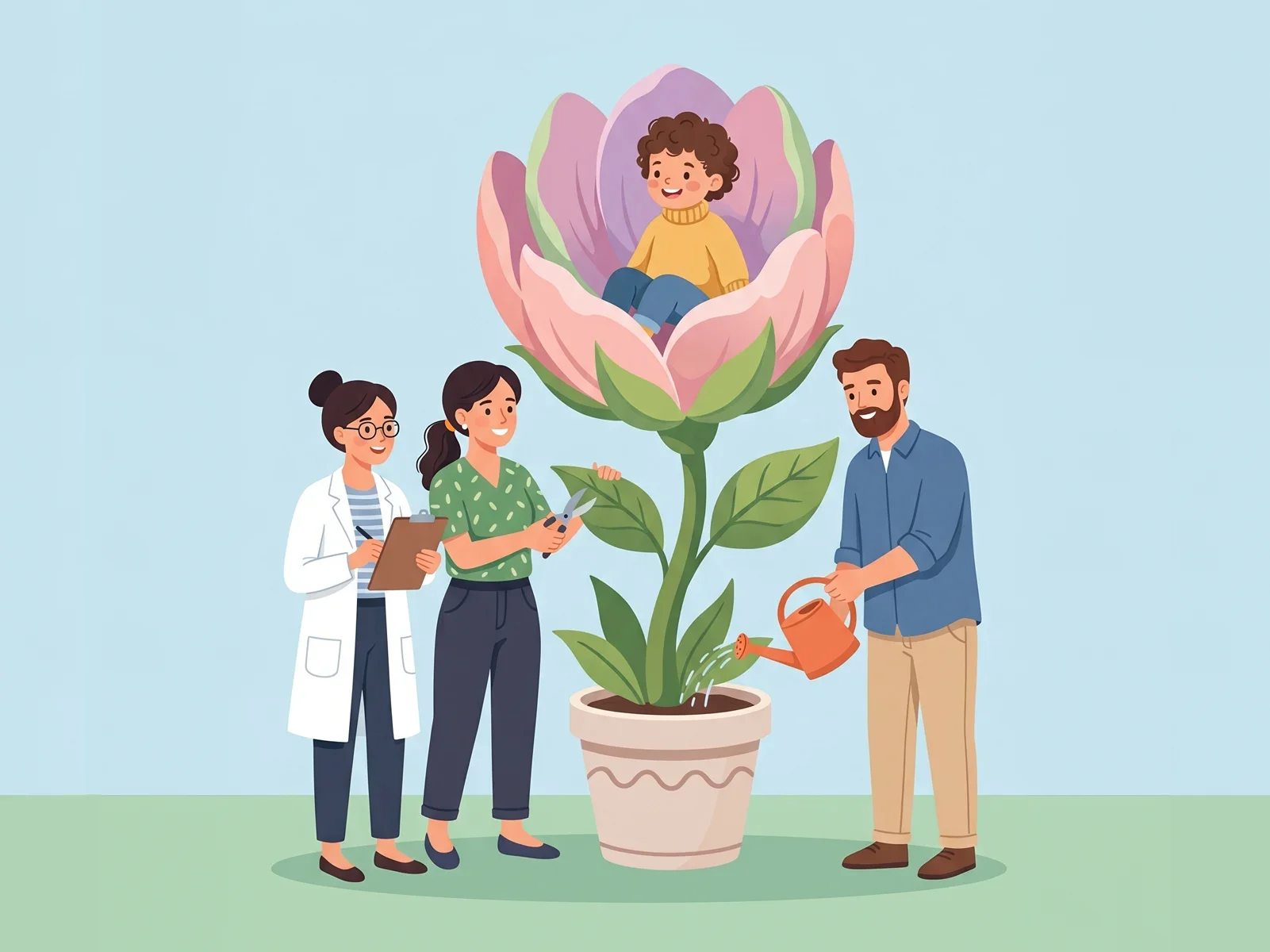
Biomedical research complements and increases medical knowledge, with new insights translated into practical treatments and even cures. In this regard, the work of Professor Matthew Chang and his team from NUS Synthetic Biology for Clinical and Technological Innovation (NUS SynCTI) is truly noteworthy. Their eight‐year long effort succeeded in engineering good gut bacteria to protect the brain from toxins produced by liver failure. On the other end of the spectrum, large‐scale research is underway with our scientific partners to understand how sensitive parenting impacts the emotional, cognitive and physical development of young children.
The education and training of tomorrow’s healthcare professionals must continue to evolve to meet the panoply of future needs.
Yours sincerely,