
Issue 58
May 2026
ETHICALLY SPEAKING

What happens when a patient refuses life-saving treatment, or family members want to hide a terminal diagnosis from the patient? As Singapore’s healthcare landscape grows increasingly complex, these are just some of the ethical posers that healthcare professionals face every day.
Against a backdrop of advancing medical technologies, an ageing society and increasingly informed patients, critical issues such as consent, resource constraints and privacy have moved closer to the bedside—with healthcare professionals often straddling the delicate balance between providing quality, ethical care and the realities of clinical practice.
To advance capabilities in healthcare ethics, Yong Loo Lin School of Medicine, National University of Singapore (NUS Medicine) has launched the MOH‐NUS Postgraduate Fellowship in Biomedical Ethics. The inaugural recipient of the Fellowship is Kwek Shi Qi, a registered nurse at the National University Hospital (NUH), and an alumna of the Alice Lee Centre for Nursing Studies (NUS Nursing).
Through the Fellowship, Shi Qi is working towards a full-time Master of Science in Biomedical Ethics at NUS Medicine, supported by a scholarship that covers tuition fees and other related university fees, as well as a monthly stipend of S$3,800 for the programme’s duration. As part of the programme, she will also take on a six‐month study attachment at the Ministry of Health (MOH) or public healthcare institutions and complete a research thesis under the supervision of faculty from NUS Medicine’s Centre for Biomedical Ethics.
Developing a passion for ethics
Caring for cardiovascular patients at the National University Heart Centre, Singapore (NUHCS) since graduating from her undergraduate studies in 2024, Shi Qi, 25, is the youngest student and also the only nurse in the Master of Science in Biomedical Ethics programme. Witnessing patients and their families wrestling with difficult decisions during her time with NUHCS’ wards reinforced her conviction that she needed to know more about healthcare ethics in order to provide truly holistic care and advocate for patients.
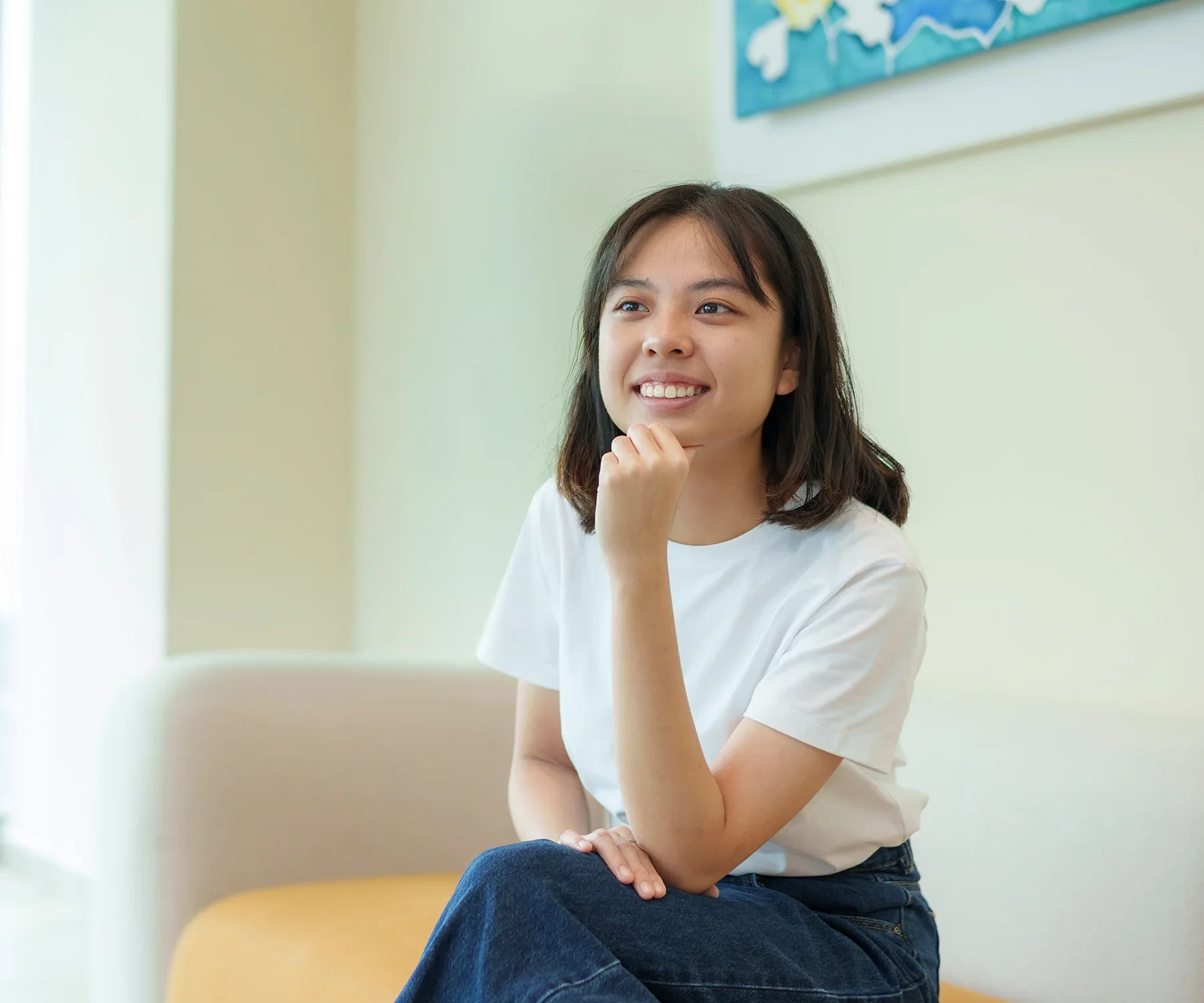
“As nurses, we are privileged. We spend a lot of time with patients and caregivers in the wards, and over time, they often come to see us as confidants. Nonetheless, this privilege also comes with a heavy responsibility—both as a recipient of confidential knowledge and in our role as patient advocates.”
Recalling a particular encounter during a night shift with a patient suffering from triple-vessel coronary artery disease, she said, “It was close to midnight when he began to express his worries—although he had been advised to undergo bypass surgery, financial constraints led him to consider the more affordable option of stenting instead.”
She continued, “As a nurse, I hope every patient can recover well and return home safely to their families. But the only thing I could do then was refer him to the medical social workers. I felt morally distressed that there wasn’t more I could do.” That was also one of the first times when Shi Qi started to question the boundaries of her professional responsibility—was it appropriate for her to intervene further? Where should she stop? At that time, she had no answers.
Returning to the classroom
It was while Shi Qi was mulling over these that a fortuitous email from the NUS Nursing Alumni group sharing about the Fellowship caught her eye. She decided to submit her application. “I wasn’t exactly sure of my chances—and I spoke to my head nurse at NUHCS, who was encouraging,” she said. The application process further clarified and solidified her interest in the course.
It was a welcome surprise when she was awarded the Fellowship. “I’m very grateful for the opportunity and I hope I can eventually use what I learn to give back to the field.” Now a couple of months into her Master’s studies, Shi Qi is enjoying delving into the foundational theories of bioethics, as well as the ethics of health data and artificial intelligence.
“It has been an eye-opening experience so far. With classmates from backgrounds such as cognitive science, finance and psychology, they bring different perspectives. Our professors are also very encouraging. These experiences have driven me to approach sensitive ethical issues with a more critical lens, thinking beyond my own viewpoint and emotions.”
As nurses, we are privileged. We spend a lot of time with patients and caregivers in the wards, and over time, they often come to see us as confidants. Nonetheless, this privilege also comes with a heavy responsibility—both as a recipient of confidential knowledge and in our role as patient advocates.”
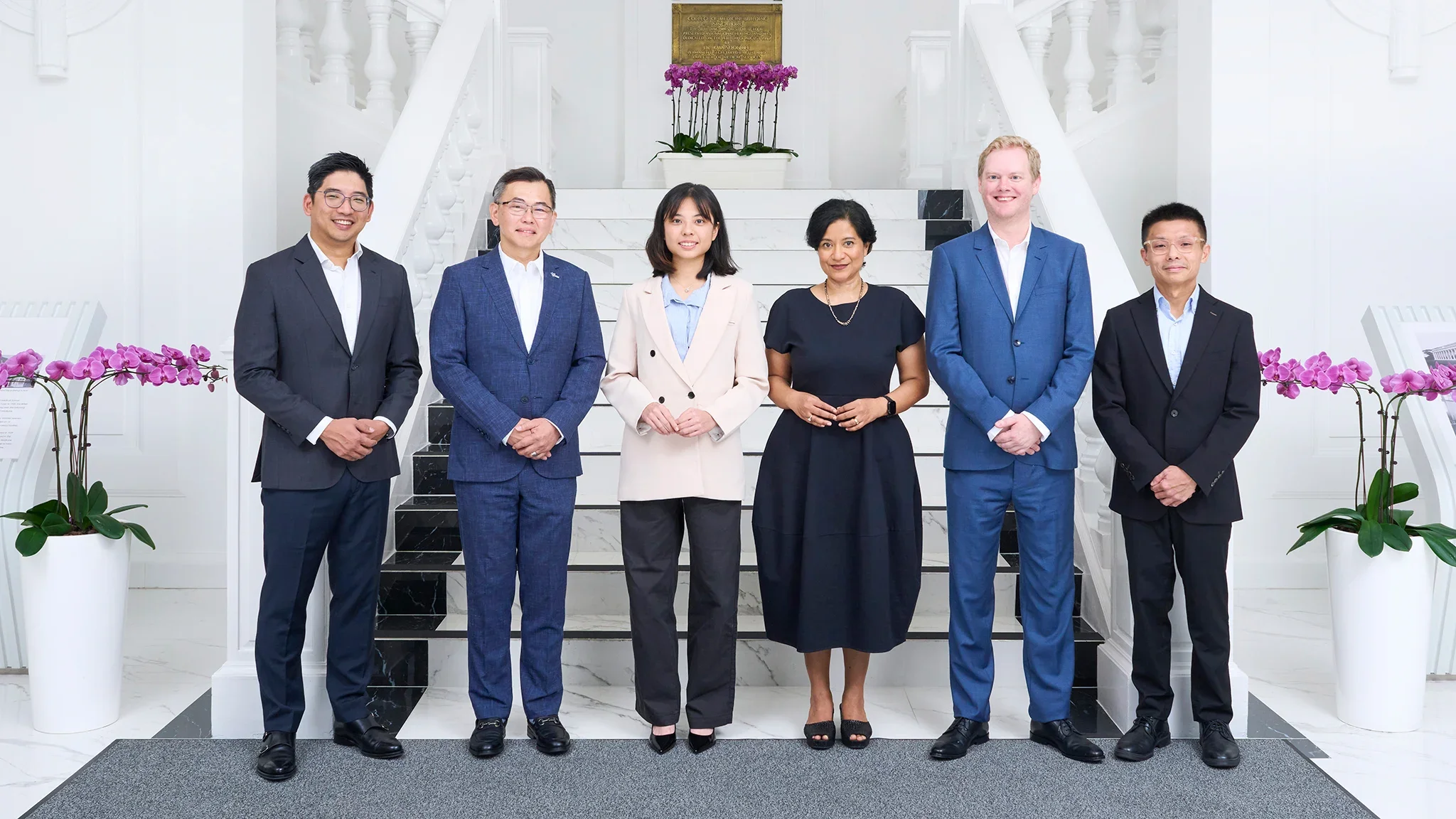
The MOH‐NUS Postgraduate Fellowship in Biomedical Ethics, a new fellowship by the Ministry of Health and NUS Medicine, will strengthen everyday ethics in Singapore’s healthcare sector. (From left: Mr Ivan Koh, Director (Regulatory Policy and Legislation), MOH; Adj Prof (Dr) Raymond Chua, Deputy Director-General of Health (Health Regulation), MOH; Ms Kwek Shi Qi, awardee of the fellowship and NUH nurse; Dr Sumytra Menon, Director, NUS Medicine Centre for Biomedical Ethics; A/Prof Michael Dunn and Dr Yeo Shang Long from NUS Medicine Centre for Biomedical Ethics.) Photo credit: NUS Medicine / Photographer Tan Eng Keng.
Applying ethical considerations at work
While it’s early days yet, Shi Qi has started discussions with her advisor on options for her upcoming study attachment next year. “Right now I’m looking at the Ageing Planning Office in relation to ethical issues that come with an ageing society, as well as the Healthcare Planning Group that addresses the ethics of healthcare resource allocation.”
Also on her mind is her research project, titled “Everyday ethics on the ward: Exploring nurse-led ethics support”. Shi Qi said, “I am inspired by my own experience to help build a framework which helps nurses better navigate ethics at the bedside and with more clearly defined professional boundaries.” Currently, the plan is to work with other nurses and healthcare professionals to obtain their input, in order to create a relevant, applicable and sustainable tool that complements the work of existing ethics committees.
Looking further ahead, Shi Qi is keeping her options open in terms of returning to Nursing work, research or even pursuing further studies after her Fellowship. “The future is something I’m still thinking hard about, having been exposed to so many new horizons and possibilities,” she said. But she’s certain of her commitment to continue contributing to the field of healthcare ethics, as a nurse.
For aspiring Fellowship applicants, she said, “Every healthcare profession has a unique role to play in addressing current and emerging issues in the field—be it physicians with their expertise in medical treatment or pharmacists’ knowledge of drug safety. I believe the Fellowship will be a valuable opportunity to develop personally and professionally, building a solid foundation in healthcare ethics, so that patients can truly receive holistic and quality care.”
“Medicine, beyond its technicalities, is a moral practice. By contributing to the ethical discussion from a nurse’s perspective, I hope to work with other like-minded healthcare professionals to foster a culture where ethical practice is not an aspiration, but a lived reality—where care is not only medically sound, but deeply human.”
Click here for more information about the MOH‐NUS Postgraduate Fellowship in Biomedical Ethics.
More from this issue
PEOPLE OF NUS MEDICINE
A Portrait of the Artist as a Young Student
LIFE, FULL OF YEARS
Adding Life to Years