Issue 58
May 2026
SCIENCE OF LIFE
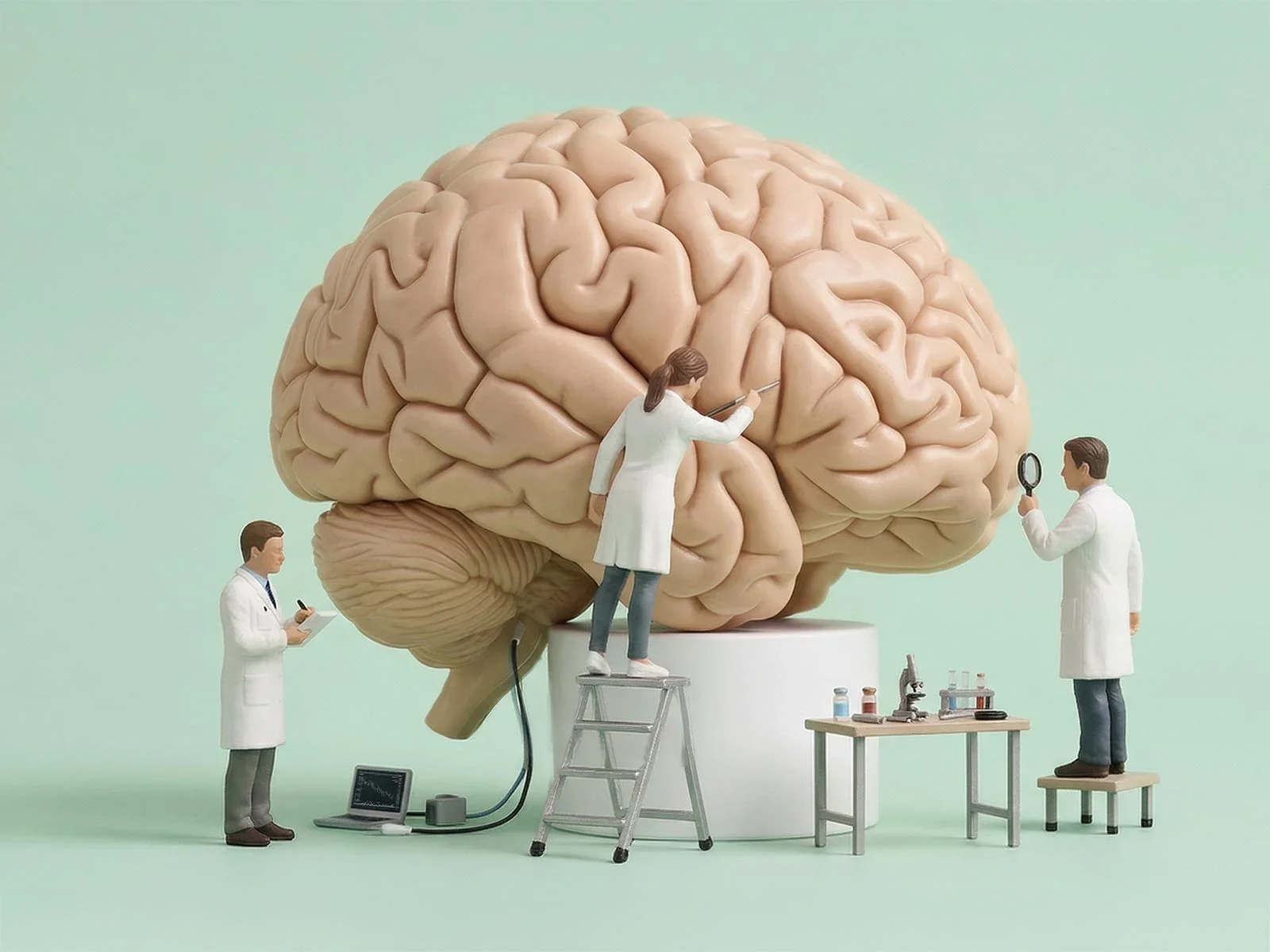
Researchers at the Yong Loo Lin School of Medicine, National University of Singapore (NUS Medicine) have found that a key protein can help to regenerate neural stem cells, which may improve ageing-associated decline in neuronal production of an ageing brain.
The study, led by Assistant Professor Ong Sek Tong Derrick and first author Dr Liang Yajing, both from the Department of Physiology and the NUS Centre for Cancer Research (N2CR) at NUS Medicine, sought to identify biological factors that influence the degeneration of neural stem cell function often associated with ageing, and guide the development of therapeutic approaches to mitigate the adverse effects of neurological ageing.
Published in Science Advances, the study identified a transcription factor in the brain, cyclin D-binding myb‐like transcription factor 1 (DMTF1), as a critical driver of neural stem cell function during the ageing process. Transcription factors are proteins that regulate genes to ensure that they are expressed correctly in the intended cells.
The research team assessed the role of DMTF1 in affecting neural stem cell function during brain ageing, using neural stem cells derived from human and laboratory models that simulate premature ageing through telomere attrition. Telomeres are the ends of chromosomes and gradually erode as cells divide. The progressive erosion of telomeres is an indicator of ageing. Genome binding and transcriptome analyses were employed to elucidate the mechanism of how DMTF1 promotes neural stem cell function.
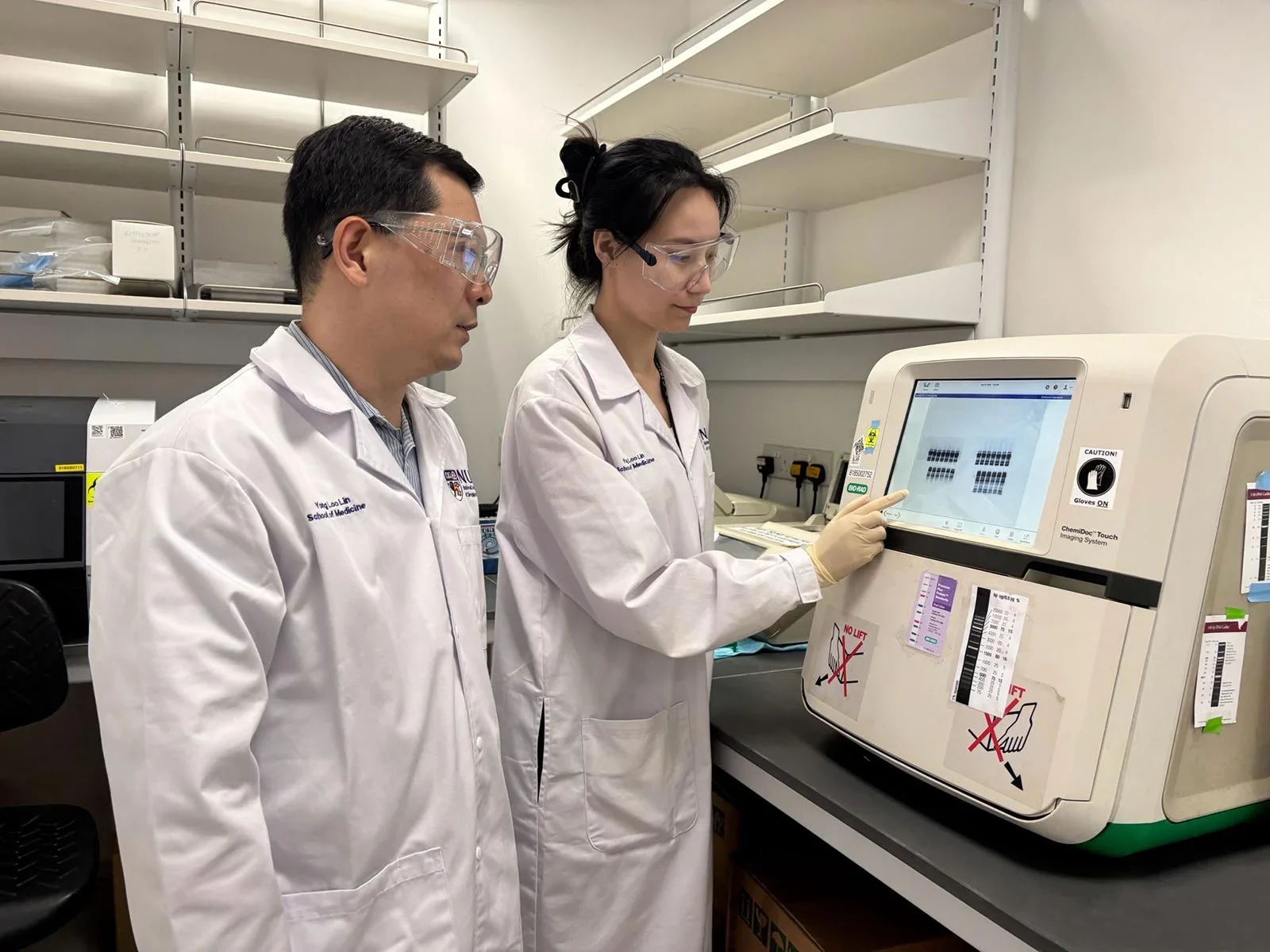
Asst Prof Ong (left) and Dr Liang (right), both from the Department of Physiology and the N2CR at NUS Medicine, examining protein expression of candidate DMTF1 target genes in the laboratory.
The study found that DMTF1 levels are repressed in the “aged” neural stem cells, while restoring DMTF1 expression suffices to restore the regeneration capabilities of such neural stem cells. The study results suggest that DMTF1 may serve as a potential therapeutic target to restore neural stem cell function during brain ageing. In contrast to the previously reported role of DMTF1 in regulating the transcription of cancer-related genes, the researchers also uncovered novel gene targets of DMTF1 in neural stem cells. These DMTF1 gene targets include ARID2 and SS18, which help to open up DNA for other transcription factors to activate growth-related genes.
“Impaired neural stem cell regeneration has long been associated with neurological ageing. Inadequate neural stem cell regeneration inhibits the formation of new cells needed to support learning and memory functions,” said Asst Prof Ong. “While studies have found that defective neural stem cell regeneration can be partially restored, its underlying mechanisms remain poorly understood. Understanding the mechanisms for neural stem cell regeneration provides a stronger foundation for studying age-related cognitive decline.”
The study findings also suggest approaches that enhance expression or activity of DMTF1 may have therapeutic potential in reversing or delaying ageing-associated decline of neural stem cell function.
While the preliminary findings stemmed mainly from in-vitro experiments, the researchers hope to explore if elevating DMTF1 expression can regenerate neural stem cell numbers as well as improve learning and memory under the conditions of telomere shortening and natural ageing, without increasing the risk of brain tumours. The long-term objective is to discover small molecules that can enhance DMTF1 expression and activity to improve the function of aged neural stem cells.
Click here to read the research paper.
Impaired neural stem cell regeneration has long been associated with neurological ageing. Inadequate neural stem cell regeneration inhibits the formation of new cells needed to support learning and memory functions. While studies have found that defective neural stem cell regeneration can be partially restored, its underlying mechanisms remain poorly understood. Understanding the mechanisms for neural stem cell regeneration provides a stronger foundation for studying age-related cognitive decline.”
More from this issue