In 2024, NUS Medicine admitted its largest intake of female students, at
60%
of the cohort

Issue 58
May 2026
SPECIAL FEATURE

For almost 25 years, the number of female students at Yong Loo Lin School of Medicine, National University of Singapore (NUS Medicine), was capped at one-third of the cohort. Although the quota was lifted in 2003, gender equity in certain medical specialisations and leadership roles remains elusive.
“When the quota was lifted, it took just three years for the proportion of female students to become roughly 50%,” said Associate Professor Sophia Archuleta, Assistant Dean of Equal Opportunities and Career Development.
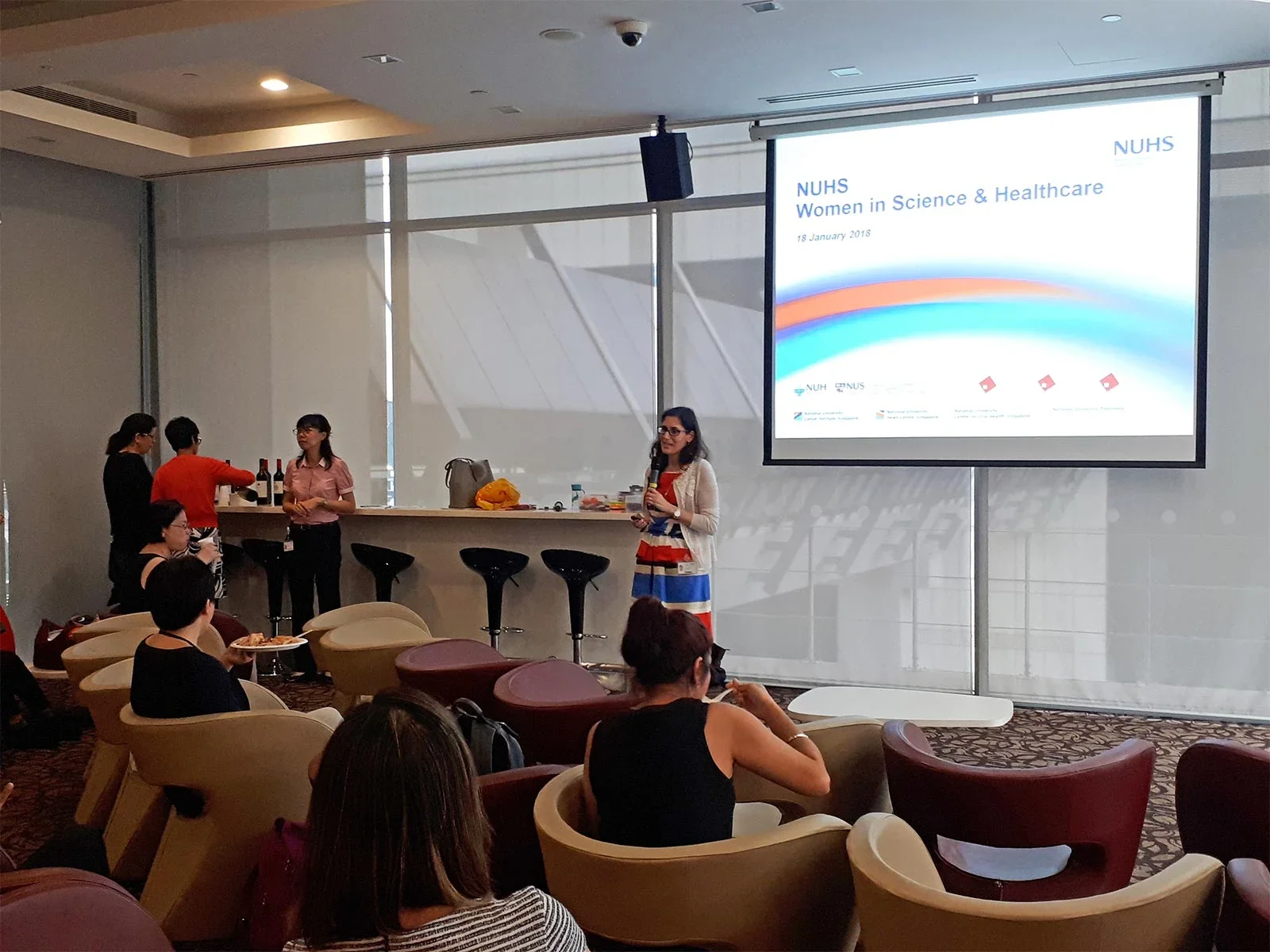
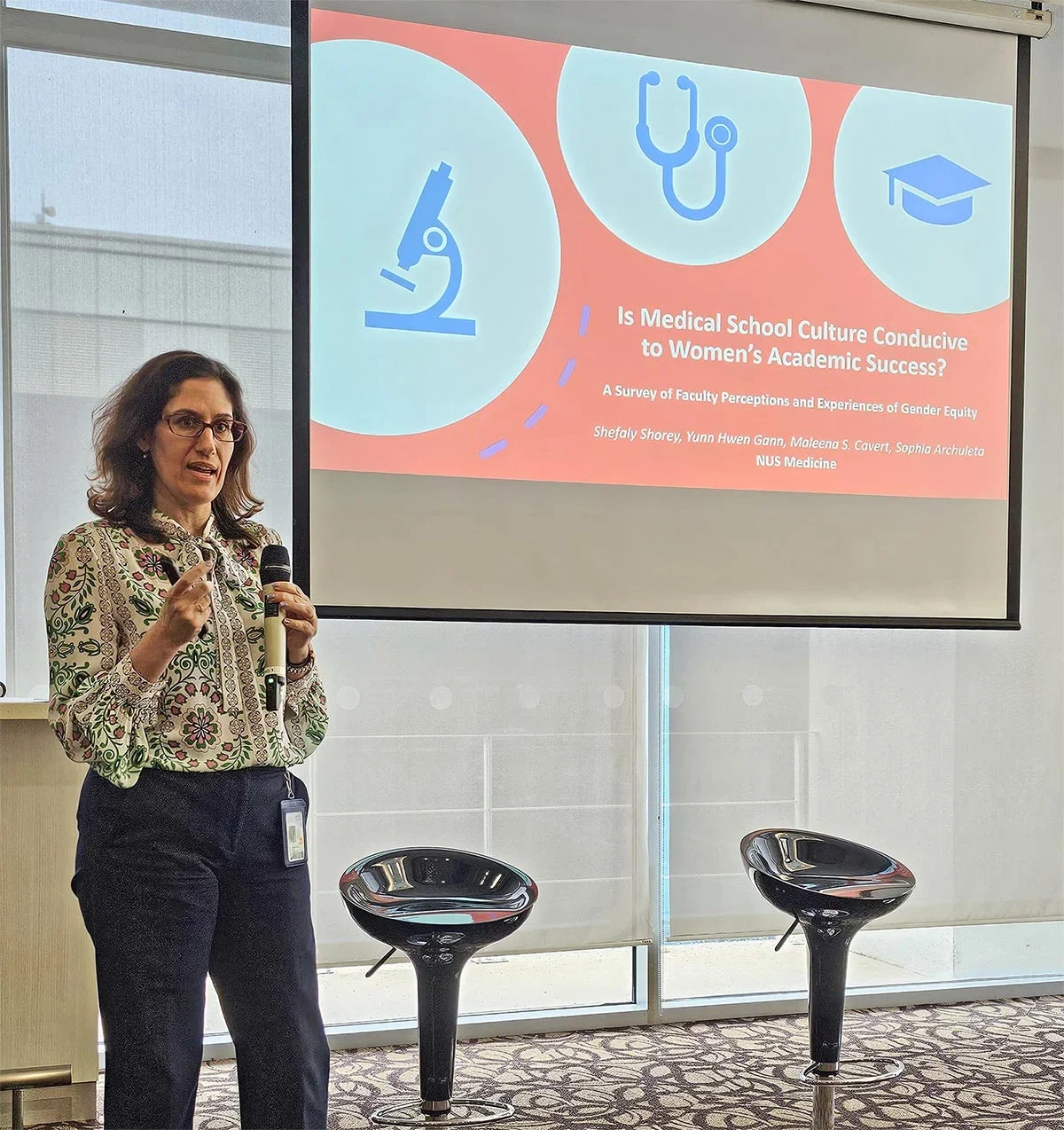
But the number of women in academia and healthcare dwindles with seniority, in what is termed the “leaky pipeline” phenomenon. “Many of us reached a point in our careers where we increasingly sat in rooms where men outnumbered women,” said Assoc Prof Archuleta, who is also Senior Consultant in the Division of Infectious Diseases at National University Hospital. “There was some sort of attrition going on, and we wanted to figure out why.” That led to the formation of Women in Science & Healthcare (WISH), a voluntary group within the National University Health System (NUHS), in 2017.
Removing barriers
What the group found was a mix of social and cultural norms, systemic constraints and unconscious bias. “No one is trying to exclude women,” Assoc Prof Archuleta explained. “Men in senior positions often rely on their network (which is predominantly male) when reaching out to potential collaborators or talent, which may unintentionally influence who gets approached for opportunities. The system is also structured such that crucial stages of career progression may coincide with women’s very personal decisions about starting or caring for their families, amplifying the effects of taking time away.”
While unintentional, such instances can have far-reaching consequences. “Unless we address them deliberately, these biases will remain,” Assoc Prof Archuleta said. She and WISH members compiled their findings into a White Paper and presented it to Professor Chong Yap Seng, Dean of NUS Medicine.
“Dean Chong was incredibly supportive,” she recalled. As a result of the meeting, NUS Medicine’s Office of Equal Opportunities and Career Development (EOCD) was officially established in 2019 to look at policies and best practices to promote equity for women faculty. Different from WISH (a voluntary group), EOCD is an official entity under the Office of Academic Affairs which is resourced accordingly.
It’s not just about women
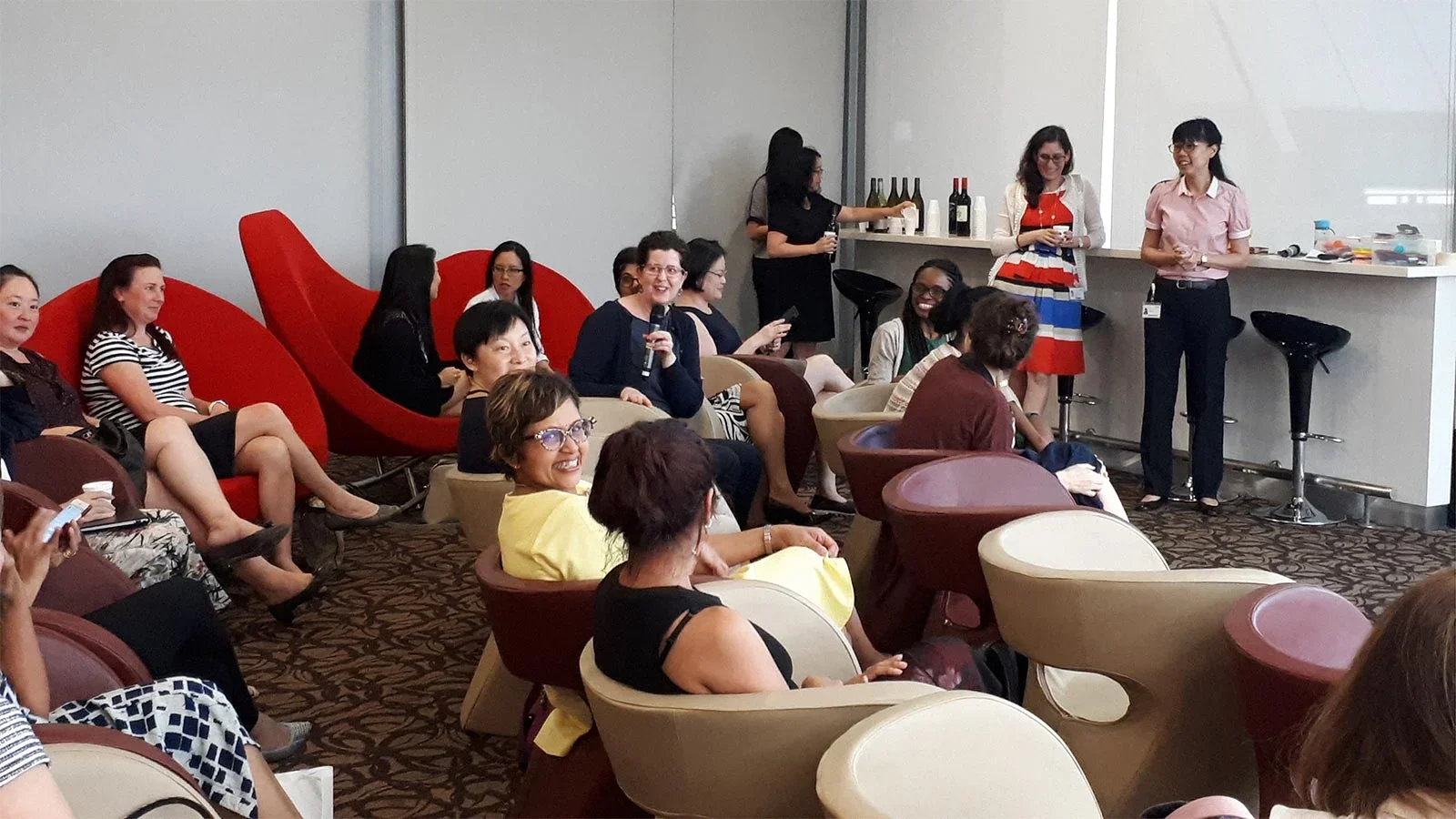
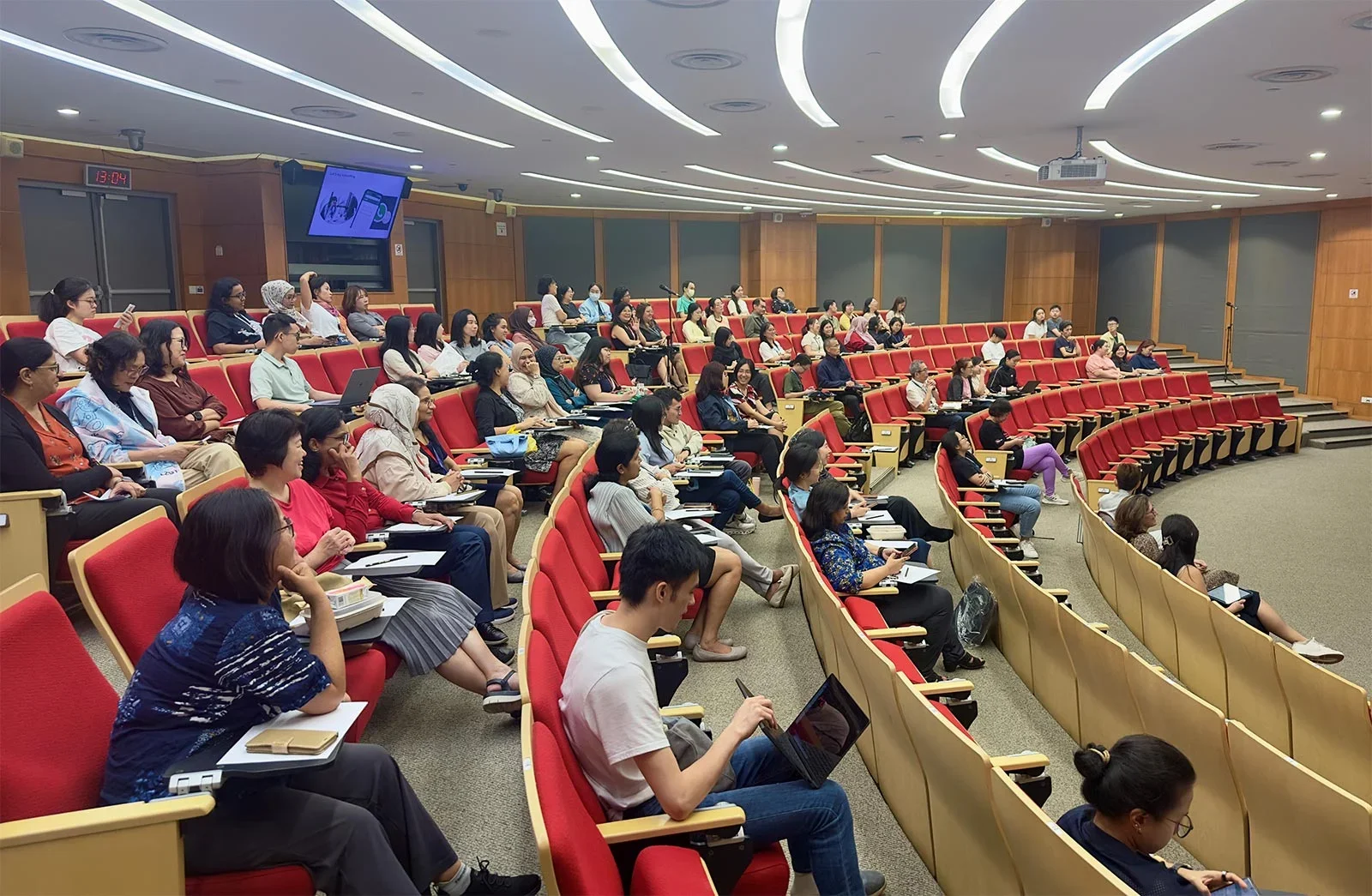
Today, EOCD actively works with WISH to advance awareness of gender equity—holding cognitive bias training workshops and a quarterly Lunch and Learn series to share about diversity and inclusion. Noting the prevalence of “manels” (all-male line-ups at conferences and events), EOCD released diversity and inclusion guidelines for conference planning.
The positive impact of EOCD events and initiatives goes further. “Many of the issues we tackle—such as parental leave or caregiving—don’t just affect women,” Assoc Prof Archuleta said. “Research has also shown that diversity fosters greater innovation and better quality of care. This means the entire organisation stands to gain when we address these equity gaps.”

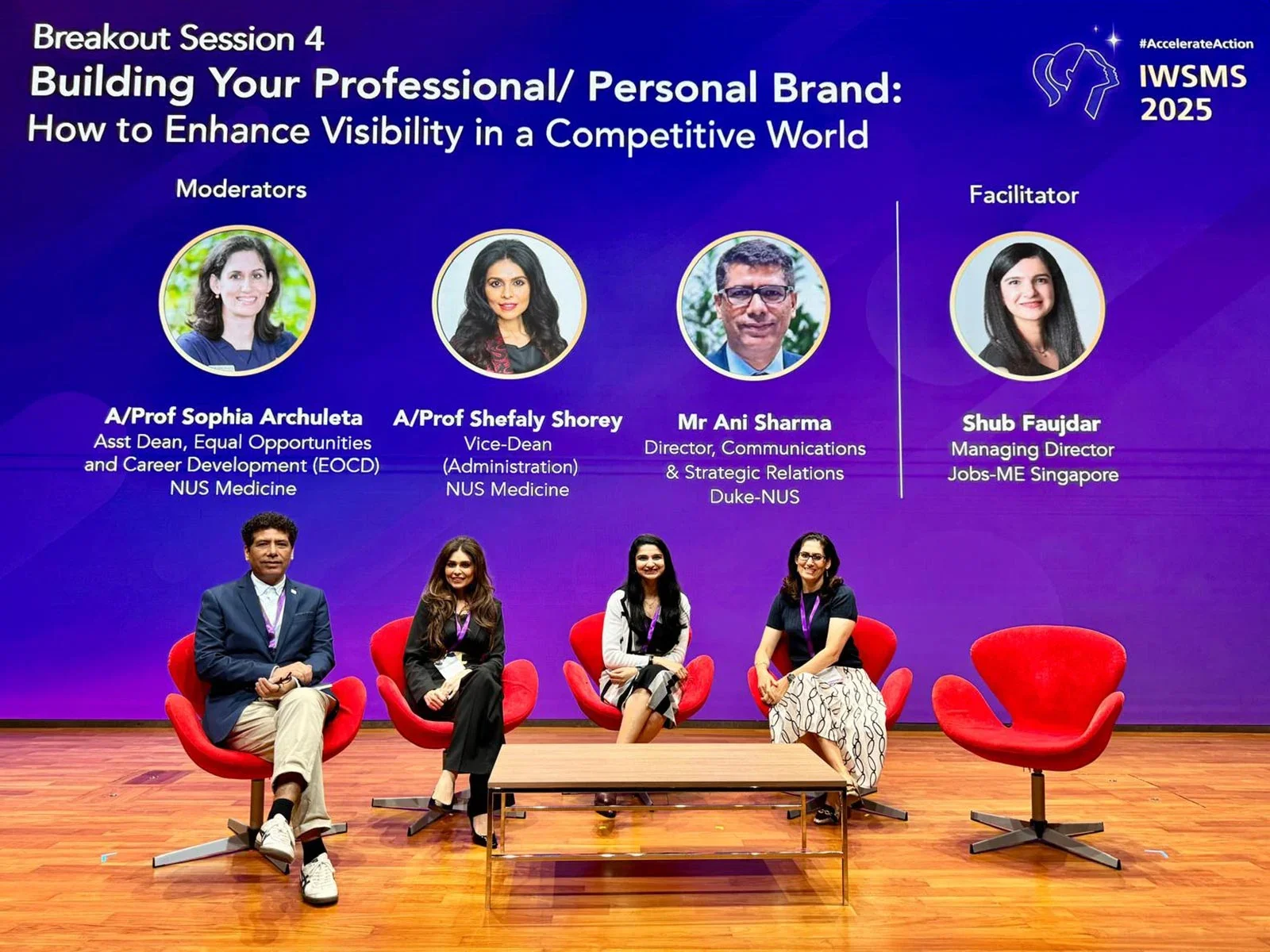
Hearteningly, awareness and male participation at EOCD events are rising—the annual International Women in STEM & Medicine Symposium (previously International Women’s Conference) now sees participants from Singapore’s three medical schools and all healthcare clusters. She said, “We see more men at our events, and senior leaders have shared instances where they called out and rectified blind spots.”
Pushing for sustainable change
Along with NUS Medicine admitting its largest intake of female students in 2024 at 60% of the cohort, women are now also better represented among the faculty and leadership, including the ranks of Vice-Deans and Assistant Deans.
But while gains have been made, EOCD’s job is not done yet. “Awareness and representation are still issues,” Assoc Prof Archuleta said. “Women remain underrepresented among Heads of Department and full professors—creating a void of female mentors and role models.”
Furthermore, initiatives like EOCD’s Leave Support Grant which offers financial support for researchers (both male and female) who have to take an extended leave of absence—has had only one recipient in three years. “This shows that it’s well and good to have supportive policies, but we need faculty members to know about them and apply, and leaders who encourage them to do so.”
To that end—in addition to EOCD’s ongoing initiatives—cross-promotion and collaboration are underway with other divisions such as the Global Centre for Asian Women’s Health and the Centre for Healthy Longevity.
Assoc Prof Archuleta is also on the lookout for successors and allies. “Not because I’m ready to call it a day,” she said with a smile. “We are on the right track now. And if we can get more young blood from various specialties and healthcare professions, I hope we can continue creating a ripple effect of positive change that leaves things better than we found them.”
We are on the right track now. And if we can get more young blood from various specialties and healthcare professions, I hope we can continue creating a ripple effect of positive change that leaves things better than we found them.”
More from this issue