Assoc Prof Manoor Prakash Hande lauded with the 2026 EMGS Education Award
Published: 28 Oct 2026
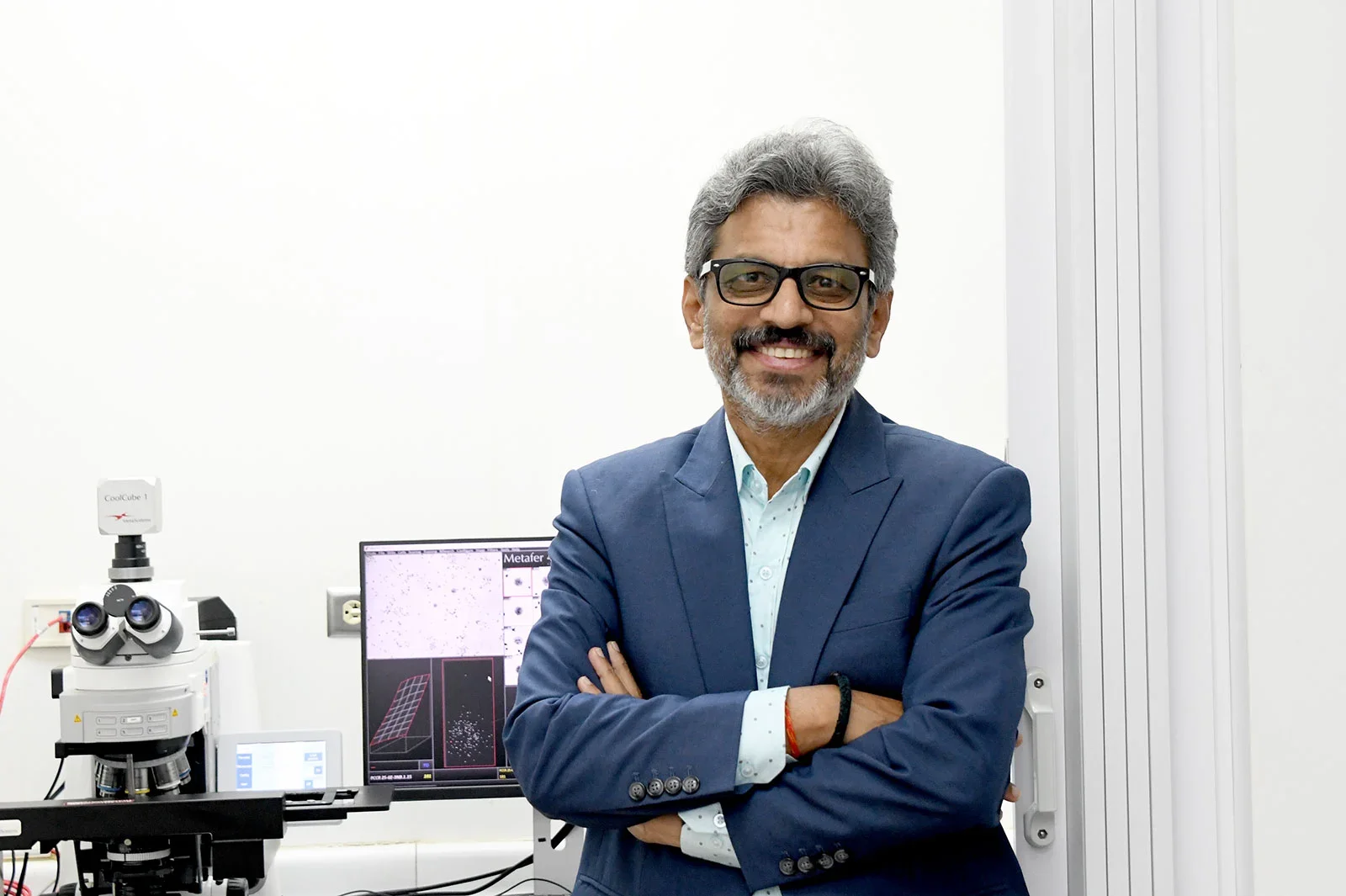
Assoc Prof Manoor Prakash Hande from the Department of Physiology at NUS Medicine received the 2026 Education Award from the Environmental Mutagenesis and Genomics Society (EMGS) on 15 October, recognising his contributions to scientific education, training and mentorship in environmental mutagenesis, genetic toxicology and related fields.
An EMGS member since 1997, Assoc Prof Hande has dedicated much of his academic career to teaching and mentoring students and researchers in Singapore and abroad. One of the most rewarding aspects of his work has been bearing witness to former students becoming independent researchers, establishing their own laboratories and mentoring the next generation of scientists.
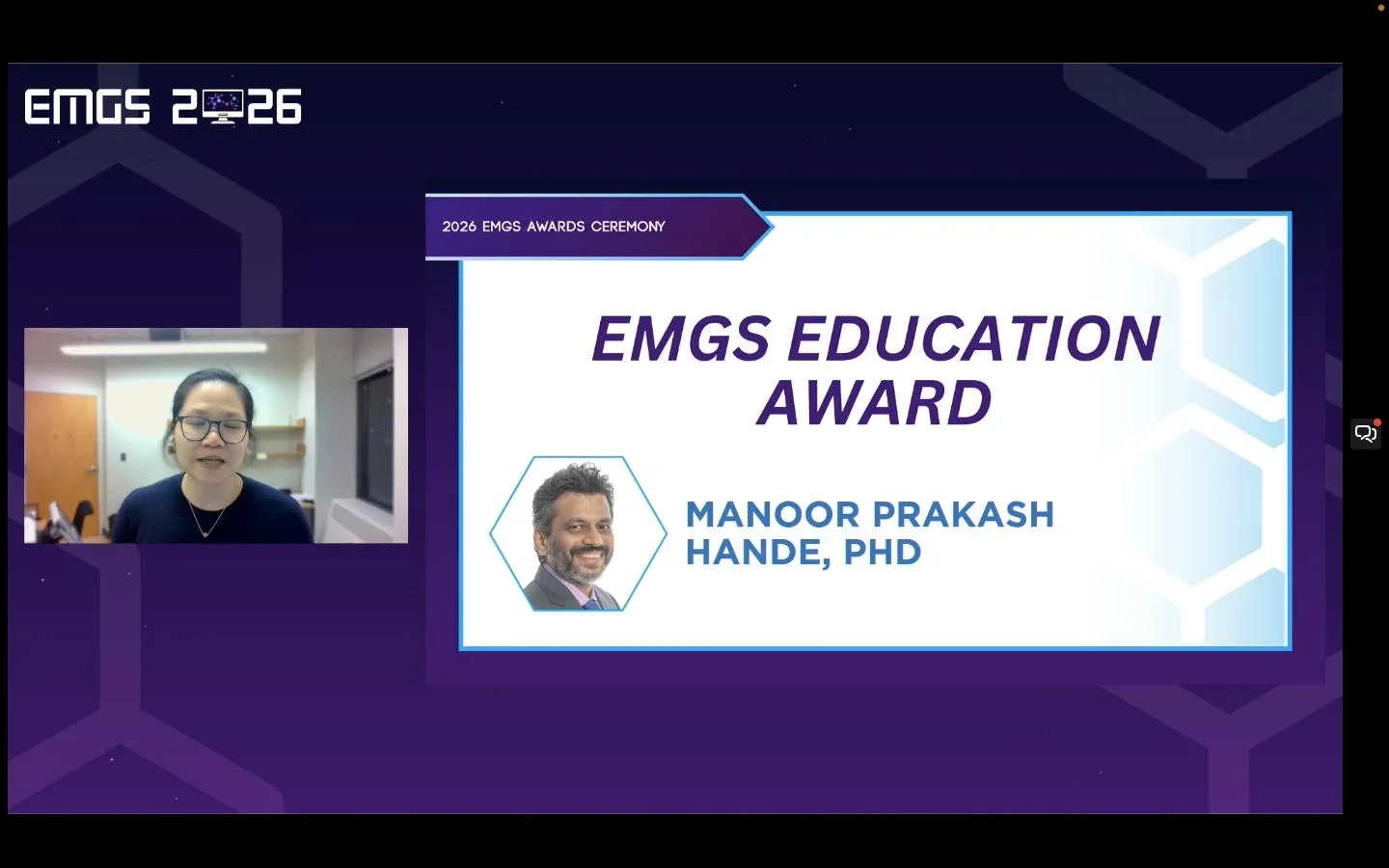
The Environmental Mutagenesis and Genomics Society (EMGS) announcing Assoc Prof Manoor Prakash Hande as the recipient of the 2026 Education Award during its virtual award ceremony on 15 October 2026.
A journey shaped by mentorship
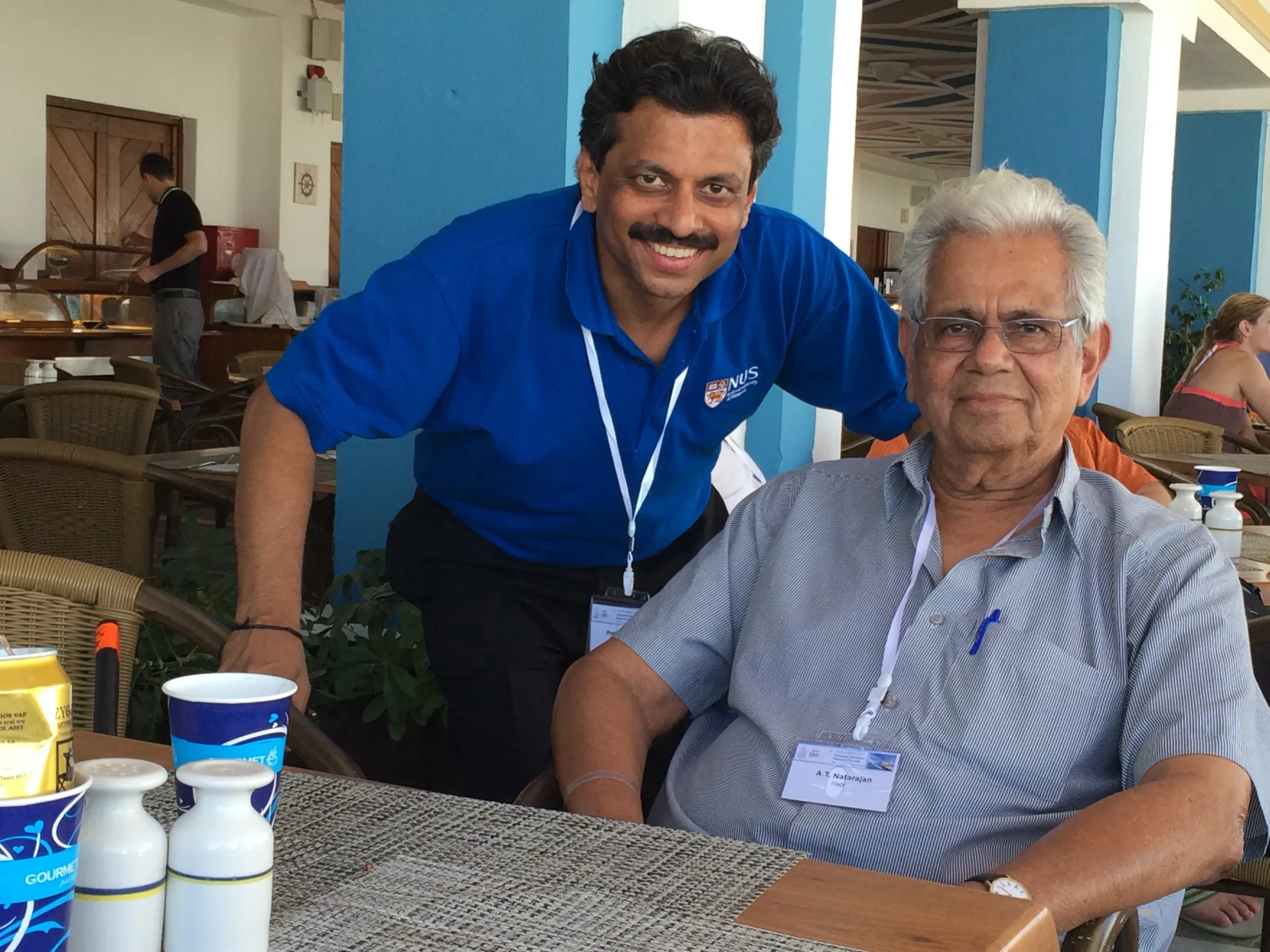
Assoc Prof Hande (left) with his mentor, the late Professor A. T. Natarajan (right), at the International Symposium on Chromosome Aberrations in Athens, Greece, on 16 September 2014. Professor Natarajan played an important role in shaping Assoc Prof Hande’s scientific career and approach to mentoring younger researchers.
Assoc Prof Hande’s approach to mentorship was shaped by his own experiences as a young researcher, particularly his time working with the late Professor A. T. Natarajan at Leiden University in the Netherlands.
He first met Professor Natarajan in 1987 at a scientific conference in India and later joined his laboratory as a postdoctoral researcher in 1994. There, he developed a strong foundation in molecular cytogenetics and genetic toxicology, while learning the value of scientific independence.
Professor Natarajan encouraged him to pursue his own research interests, develop ideas and explore questions beyond his mentor’s immediate areas of expertise. Assoc Prof Hande said, “His approach has influenced how I mentor my own students. I believe in providing guidance when needed, while giving students sufficient freedom to explore their interests, make decisions, and develop their own scientific thinking.”
Sharing knowledge across borders
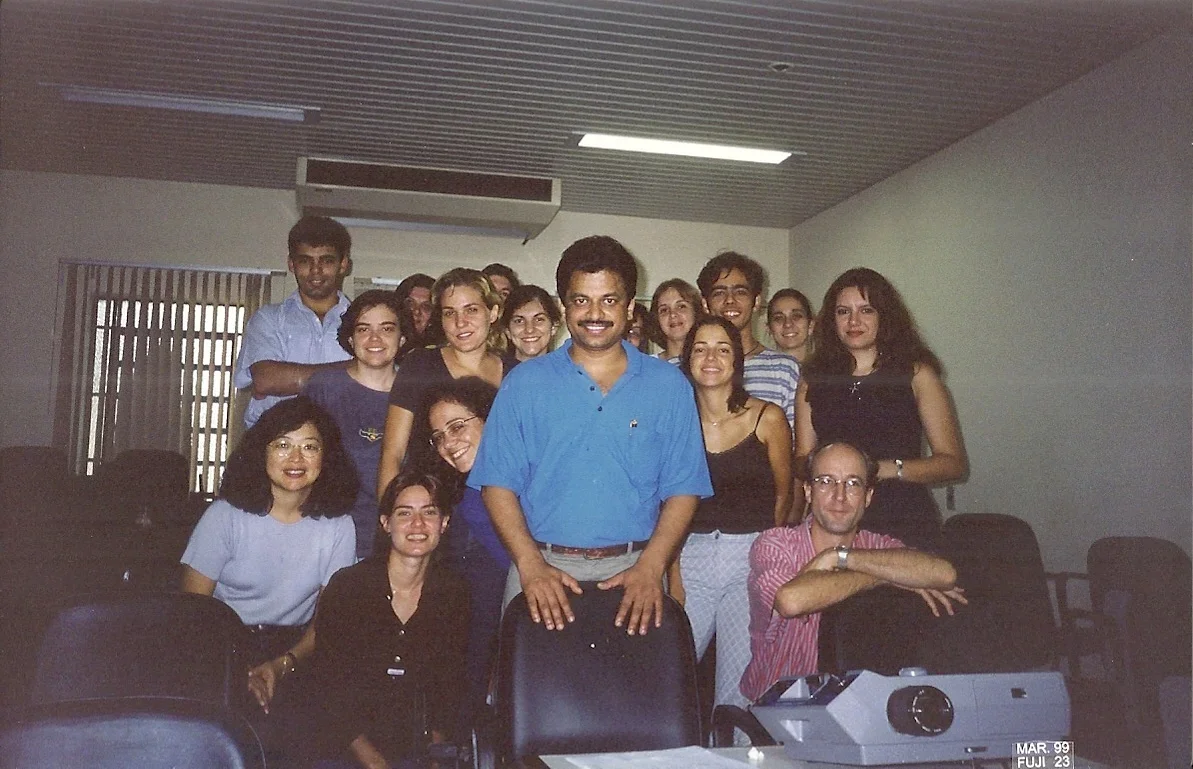
Assoc Prof Hande (centre foreground) with MSc students in Human Genetics from the University of São Paulo, Ribeirão Preto, Brazil, in February 1999, during an international teaching visit.
Assoc Prof Hande began conducting international training in 1997 through an International Atomic Energy Agency (IAEA) expert mission to South Korea, sharing his expertise in fluorescence in situ hybridisation (FISH), a technique used to study chromosomes and genetic changes. His training activities have since taken him to countries including India, Brazil, Uruguay, Costa Rica, Chile and Argentina.
These experiences have taught him to adapt his teaching to different research environments, ensuring participants can apply scientific techniques in their own laboratories. They have also fostered lasting professional relationships and scientific collaborations.
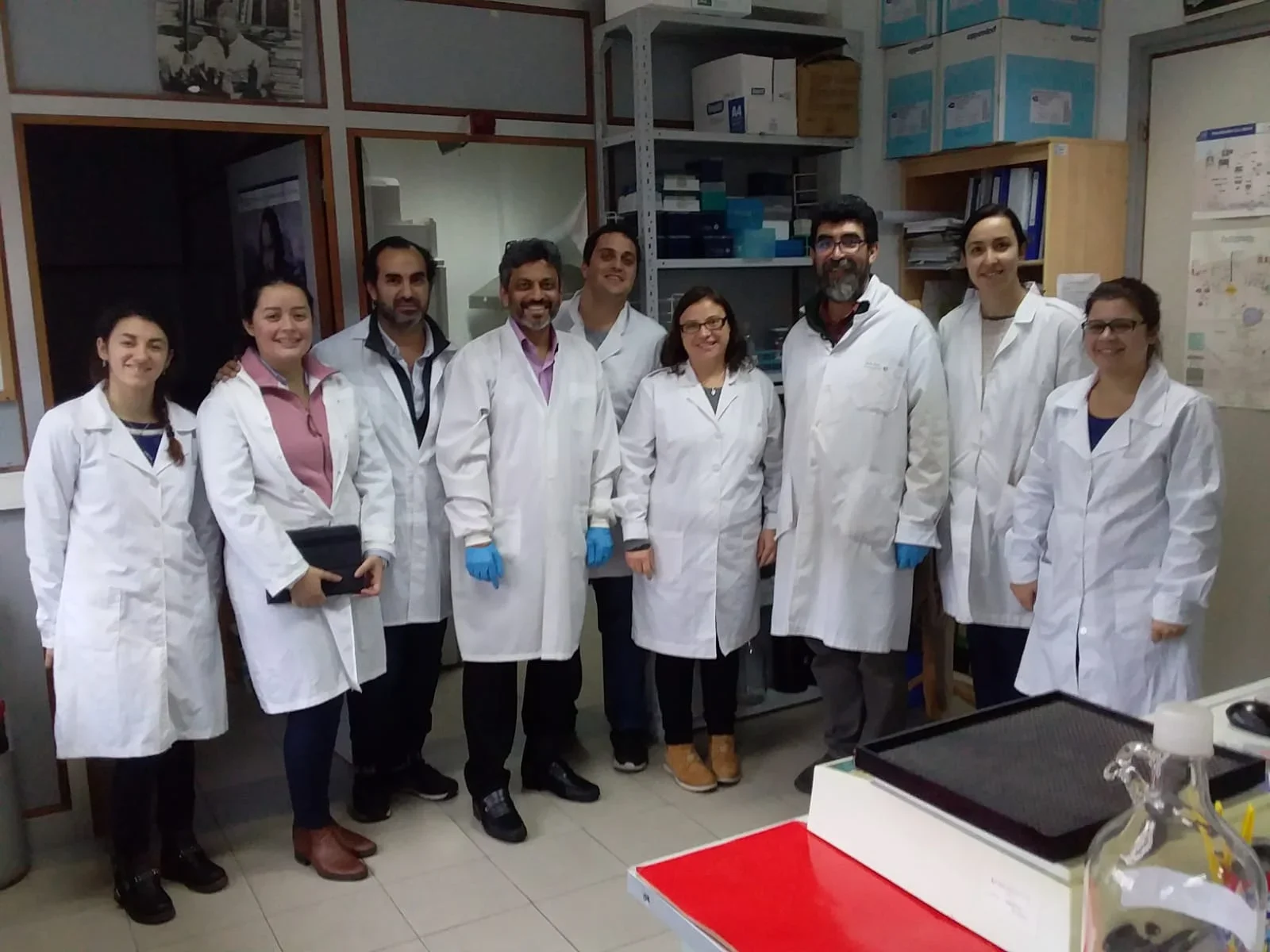
Assoc Prof Hande (fourth from the left) with participants of the National Training Course on Fluorescence in situ Hybridisation Using Peptide Nucleic Acid Probes, conducted in June 2019 at the Instituto de Investigaciones Biológicas Clemente Estable, Montevideo, Uruguay, as part of an International Atomic Energy Agency (IAEA) expert mission.
Beyond technical skills, Assoc Prof Hande emphasised the importance of independent thinking, scientific curiosity, rigour and integrity. He believes that mentoring is a two-way learning experience, with students’ questions and perspectives continuing to enrich his own understanding.
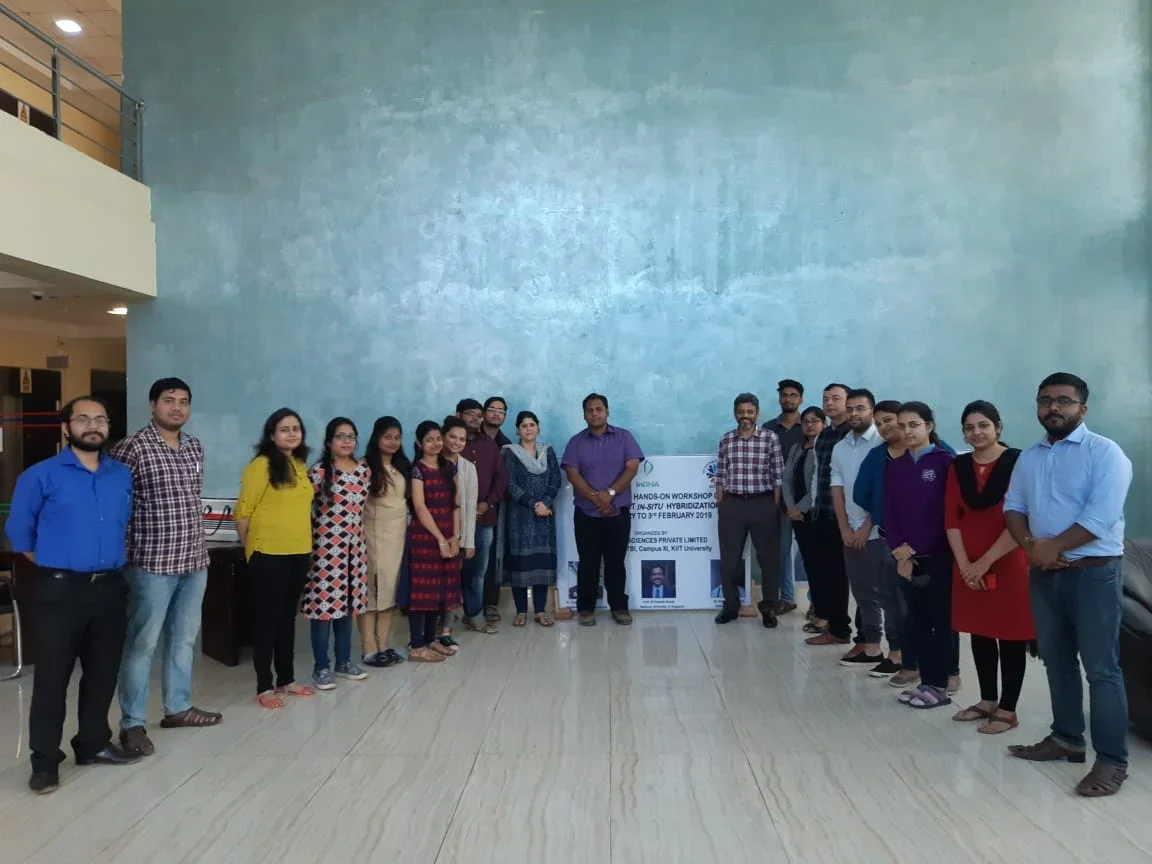
Assoc Prof Hande (ninth from the right) with participants of a hands-on workshop on fluorescence in situ hybridisation (FISH) at KIIT University, India, on 3 February 2019. The workshop was organised by one of his former mentees for postgraduate students.
An impact that extends across generations
For Assoc Prof Hande, the influence of education often becomes apparent only years later. Former students have gone on to become educators, researchers and industry professionals, with some now supervising their own postgraduate students and advancing research in areas such as genome integrity and cancer.
He hopes his students and trainees will carry forward not only the ability to evaluate scientific evidence critically, but also a willingness to share their knowledge and mentor others. He shared, “Much of what I learned came from people who invested their time in my development. If my former students continue that tradition with the next generation of researchers, I would consider that one of the most meaningful outcomes of my teaching and mentorship.”