
What does the Nursing profession look like in other countries? Is there something we can learn from them? The answer is an unequivocal “yes” for Nursing students who took the opportunity to venture out to different parts of the world—whether through an exchange programme, study trip or an overseas community involvement project.
They went, they saw—and most importantly, they learnt. For many of these students, the learning experience is multifaceted. From communication and leadership to cultural awareness, they each have much to share about their experiences.
Student Exchange Programmes (SEP)
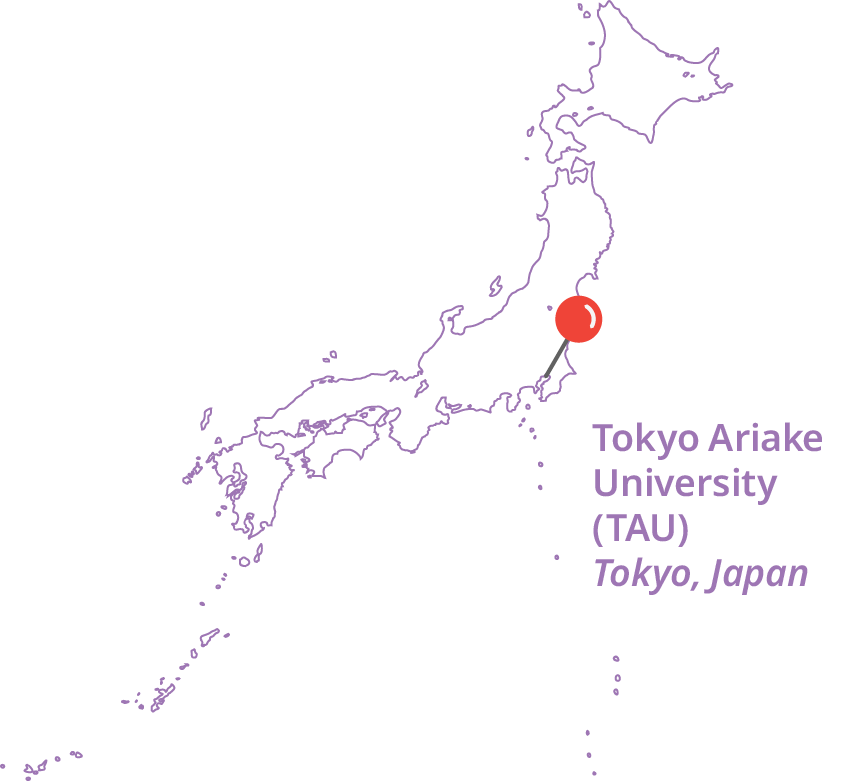
“I have always been curious about healthcare systems in different parts of the world. Therefore, when the opportunity arose, I was excited to see for myself how Japan’s healthcare system worked, as well as how TAU uses technology to train their nurses and promotes cooperation and teamwork between different healthcare courses.
“I had a rewarding experience over the five-day programme. With Japan being a super-aged society and Singapore projected to follow suit by 2026, this experience has provided me with many new perspectives and insights regarding ageing at home. I hope to apply what I have learnt, especially in the field of community Nursing, in the future. By adapting and adjusting various ideas to fit Singapore’s context, I believe we can improve Nursing care for the elderly outside the hospital setting.”
Brandon Tan, Year 2
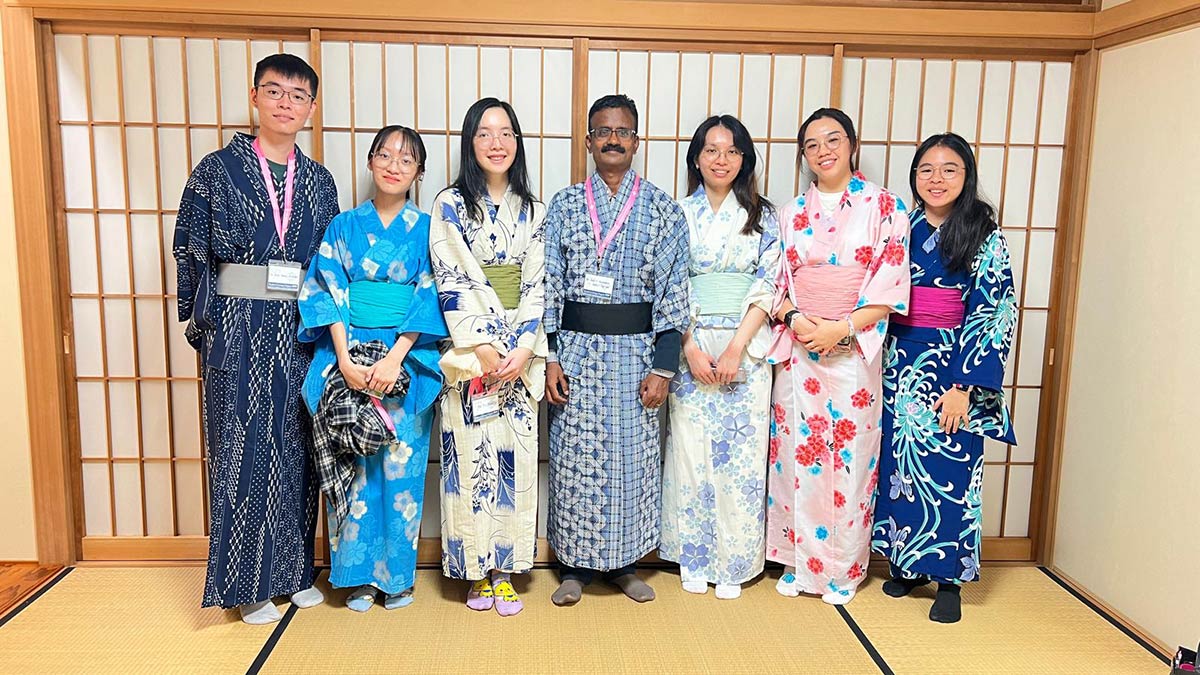
Brandon with other NUS students and Dr Zakir in yukata.
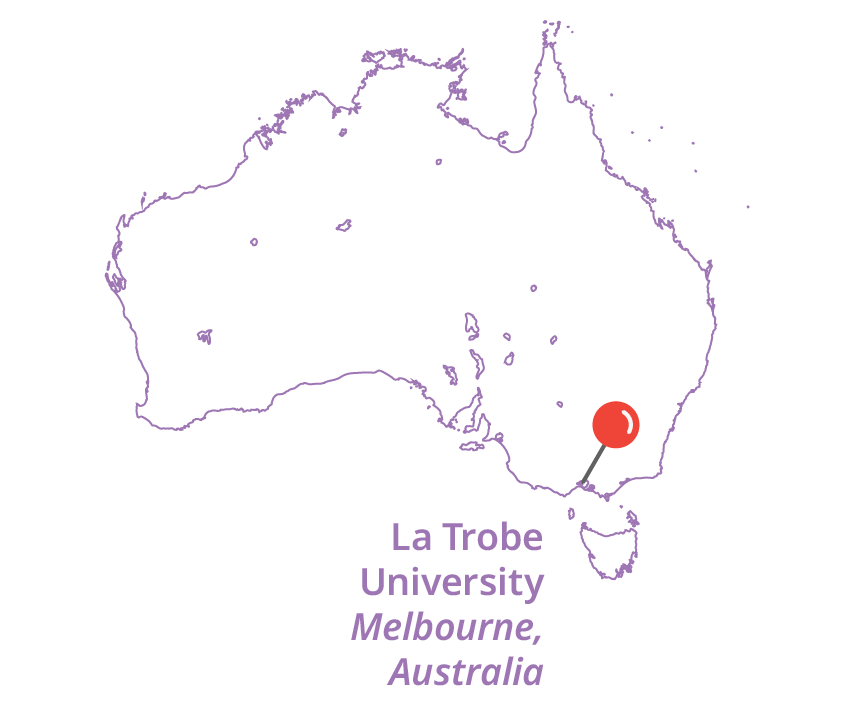
“My experience in Australia has significantly broadened my perspective on Nursing practices and patient care. One key takeaway was the emphasis on holistic well-being in community healthcare settings. In Australian community hospitals, there is a strong focus on encouraging patients, particularly the elderly, to engage in outdoor activities such as gardening or simply enjoying fresh air in an outdoor garden. This approach keeps their minds and bodies active, promoting better recovery and overall well-being.
“Additionally, the experience highlighted the importance of workplace well-being in Nursing. The structured patient care approach in Australia ensures that nurses can deliver high-quality, individualised care, ultimately benefiting both healthcare workers and patients. Observing these practices has provided valuable insights into potential enhancements in Nursing education and patient care models in Singapore.”
Lim Kai Zhe, Year 3
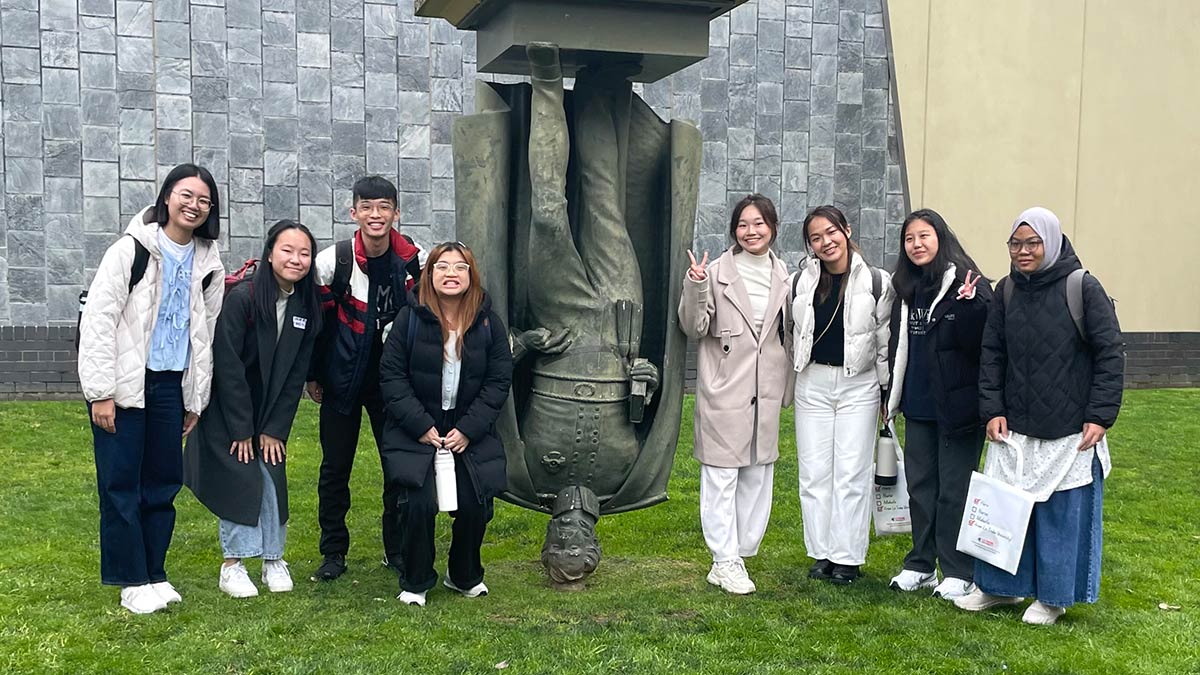
Kai Zhe with other SEP students on the campus of La Trobe University.
Study Trips for Engagement & EnRichment (STEER)
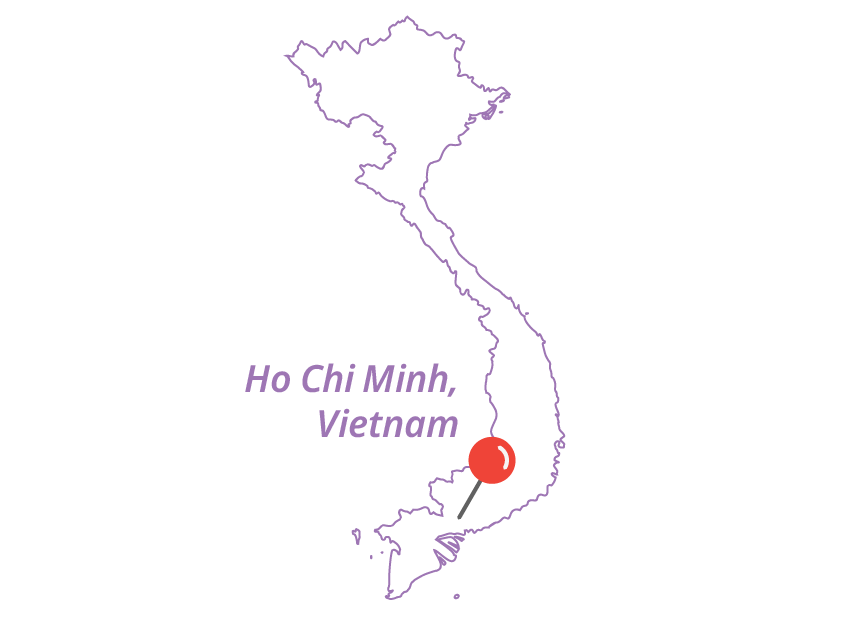
“I chose to go for STEER because it offered a rounded and robust experience. The opportunity to participate in an immersive live animal surgical training workshop was especially memorable. I got to learn and practise basic suturing techniques on both big and small animal models, enhancing my understanding of the principles of proper suturing.
“Overall, this study trip to Vietnam was eye-opening and enriching. From hands-on surgical training to meaningful interactions with the local community, every experience provided valuable lessons that will stay with me as I progress in my Nursing journey. The trip not only deepened my appreciation for Singapore’s healthcare system but also highlighted the importance of adaptability and cross-cultural understanding in our pursuit of quality Nursing care. I would highly recommend STEER for anyone looking to expand their knowledge beyond the classroom.”
Pearline Chong, Year 2
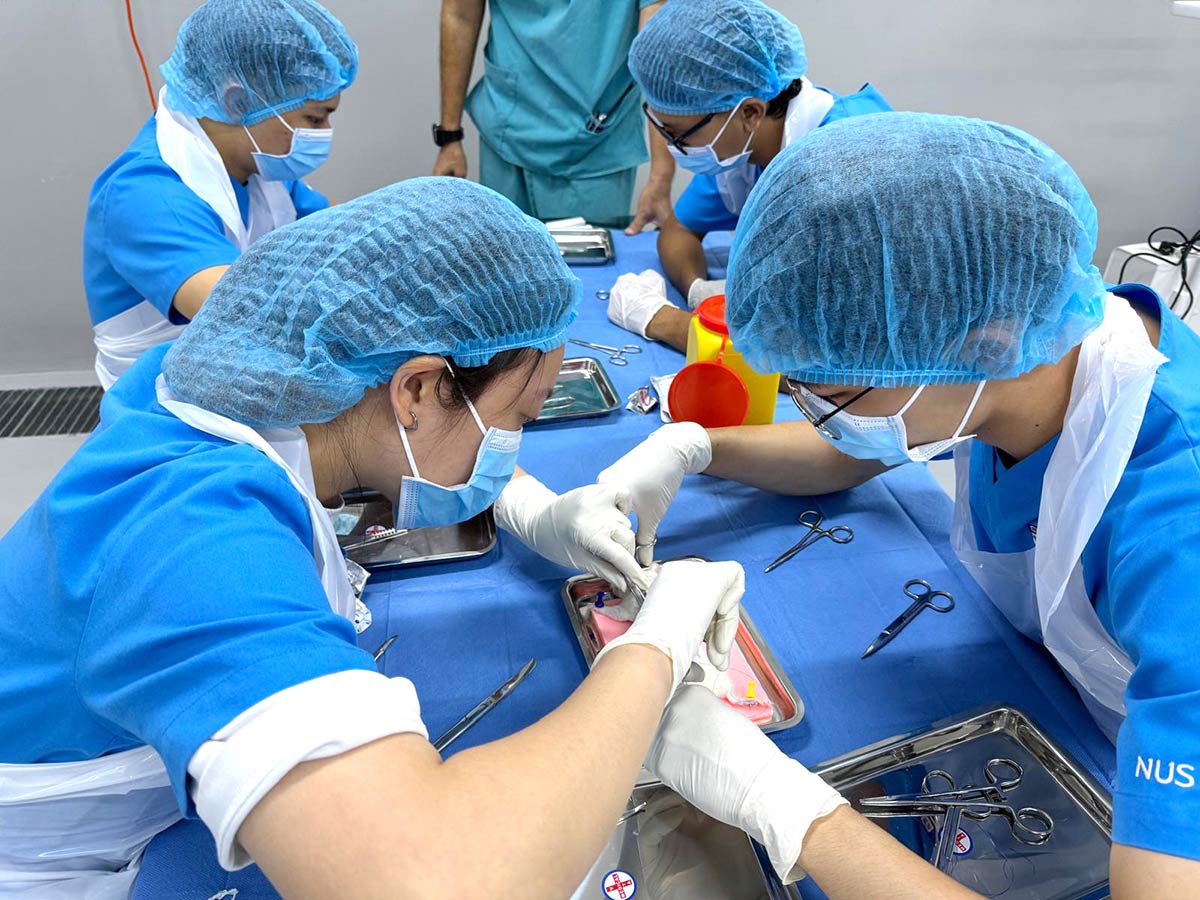
Learning basic suturing techniques on a silica gel training model first!
NUS Overseas Colleges (NOC)
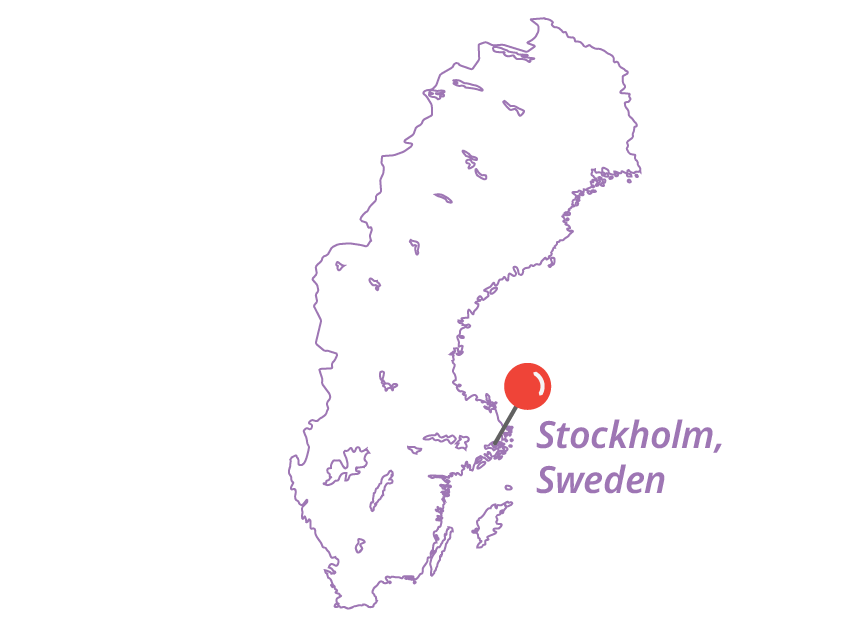
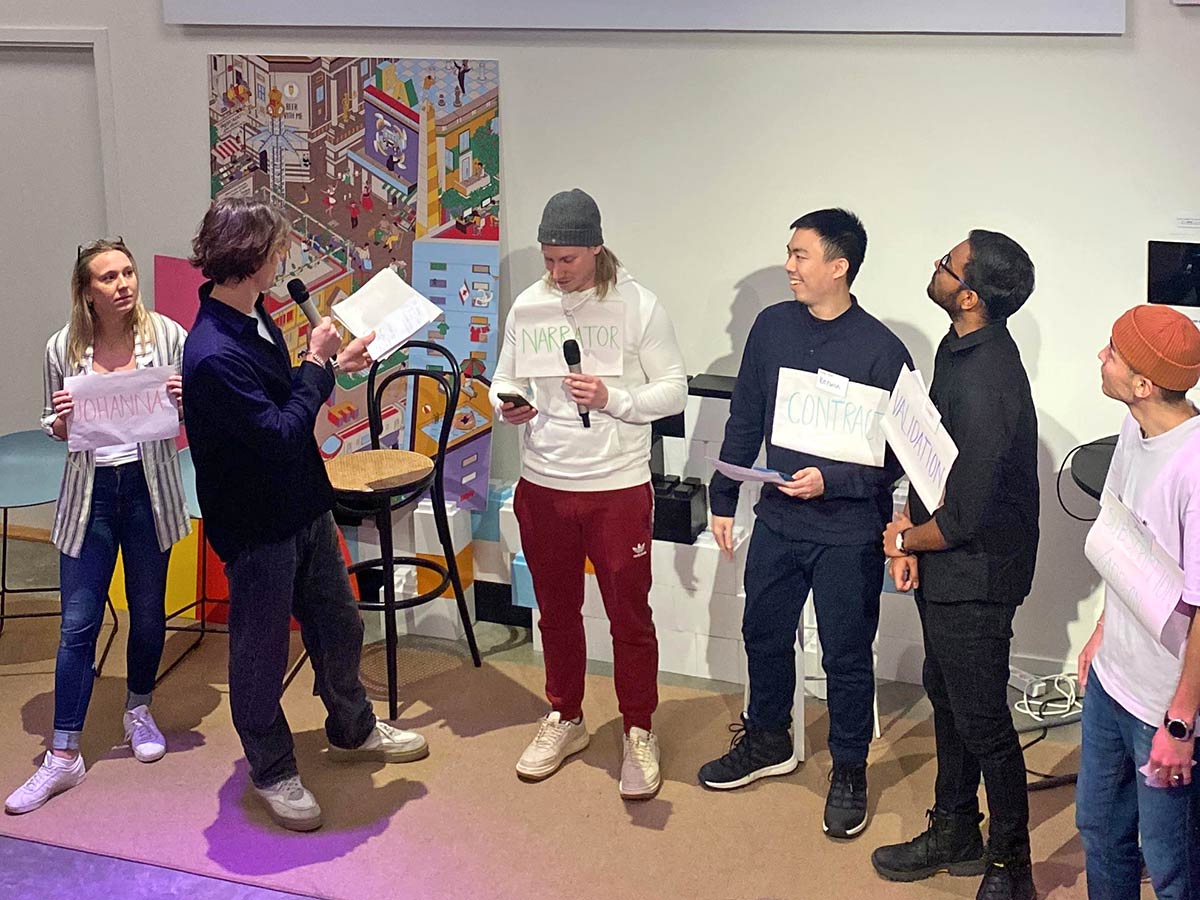
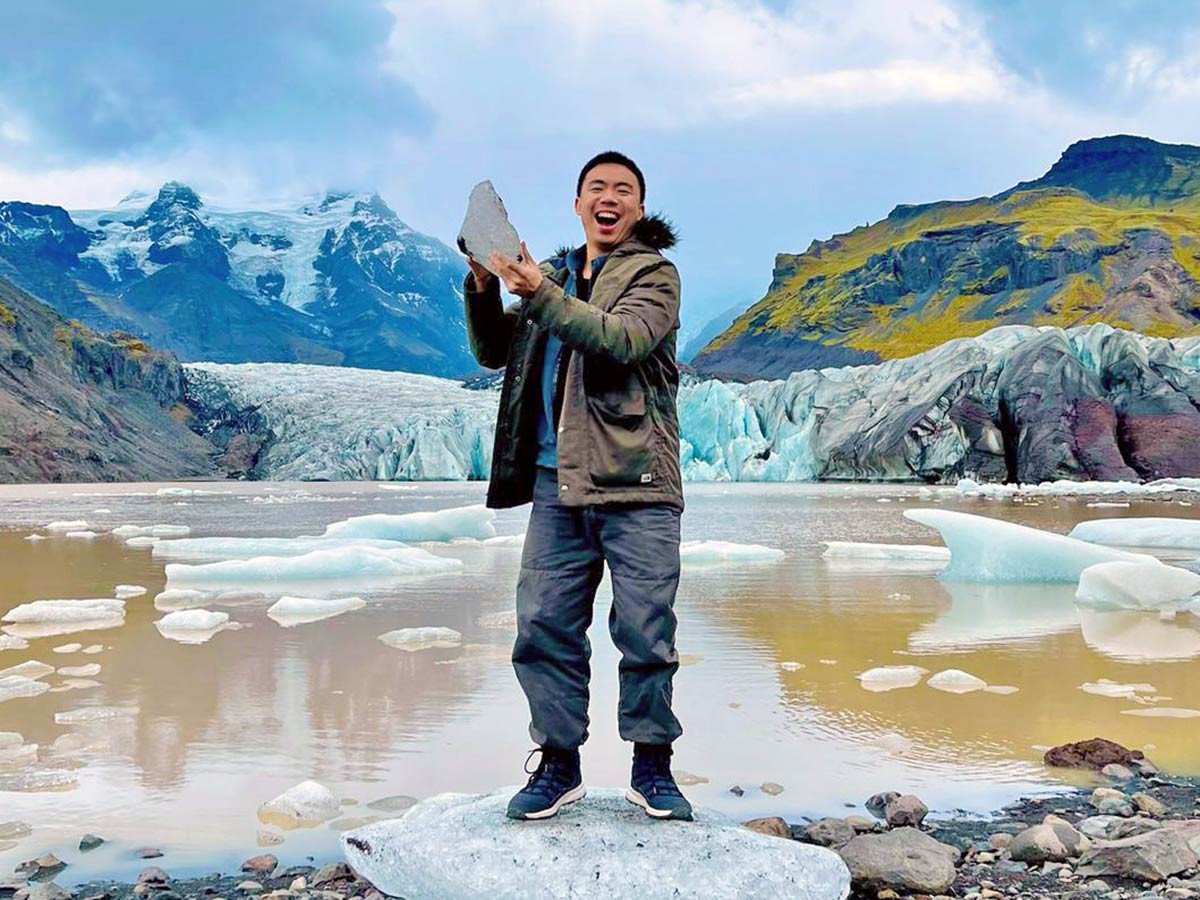
“NOC is not typically offered to Nursing students due to the demanding nature of the Nursing curriculum. However, my passion for innovation, technology and entrepreneurship—and my ambition to start something on my own one day—drove me to take a year off from Nursing to immerse myself in the startup ecosystem in Stockholm, Sweden.
“Working alongside like-minded people driven to build something impactful was an experience that money and time can’t buy. The experience also challenged me in ways that I did not expect—but it also made me realise that there are limitless possibilities for innovation in Nursing. There’s so much untapped potential for integrating technology into healthcare, whether through Artificial Intelligence (AI), remote monitoring, or data-driven patient care.”
Kerwin Chia, Nursing Alumni 2024
Overseas Community Involvement Projects (OCIP)
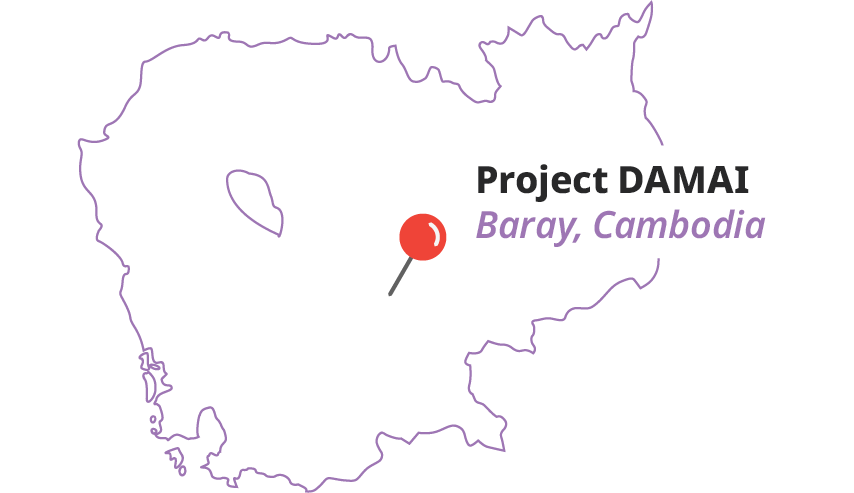
“Project DAMAI was a 12-day expedition to Baray, Cambodia, where 24 of us conducted health screenings through a mobile clinic and facilitated educational sessions on basic hygiene, nutrition and disease prevention. After months of planning and preparing, seeing everything come to life and experiencing the impact first-hand was incredibly rewarding. The gratitude of the villagers, the smiles on their faces, and the sense of fulfilment among our team members made all the effort worth it. It was a moment of realisation that the work we put in—late-night meetings, fundraisers, logistical planning—had truly made a difference. It was a powerful reminder of why we embarked on this journey in the first place.
“This trip was eye-opening. While our interaction with Nursing students at the University of Puthisastra in Phnom Penh gave me insights into their Nursing training and healthcare system, visits to local hospitals made me realise how vastly different healthcare infrastructure and accessibility can be in different parts of the world. Seeing how resourceful and resilient healthcare workers in Cambodia are despite limited resources reinforced my appreciation for the profession. It reminded me that Nursing isn’t just about technical skills—it’s about adaptability, empathy, and making the best out of any situation to provide care.”
Sarah Anyssa,
Co-Project Director of Project DAMAI, Year 3
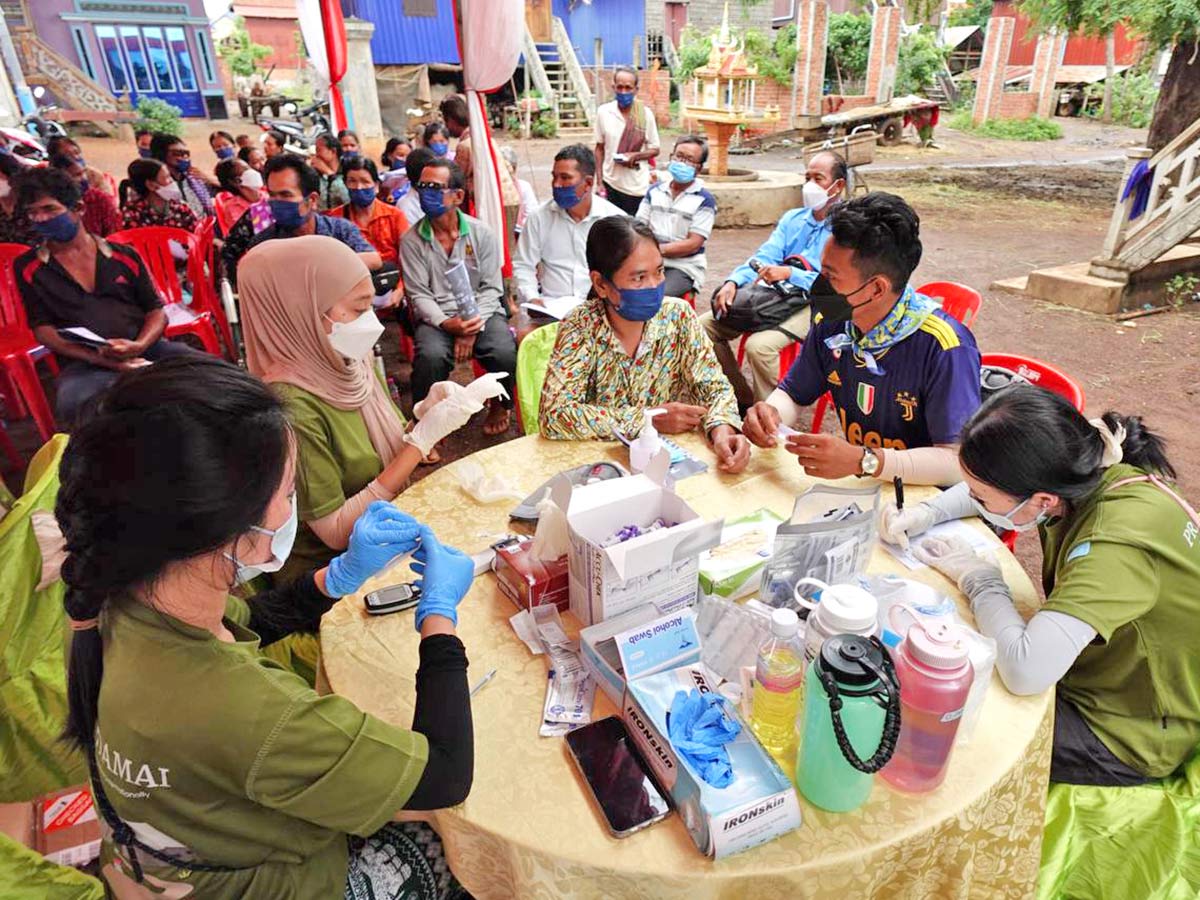
Conducting health screenings at the mobile clinic.
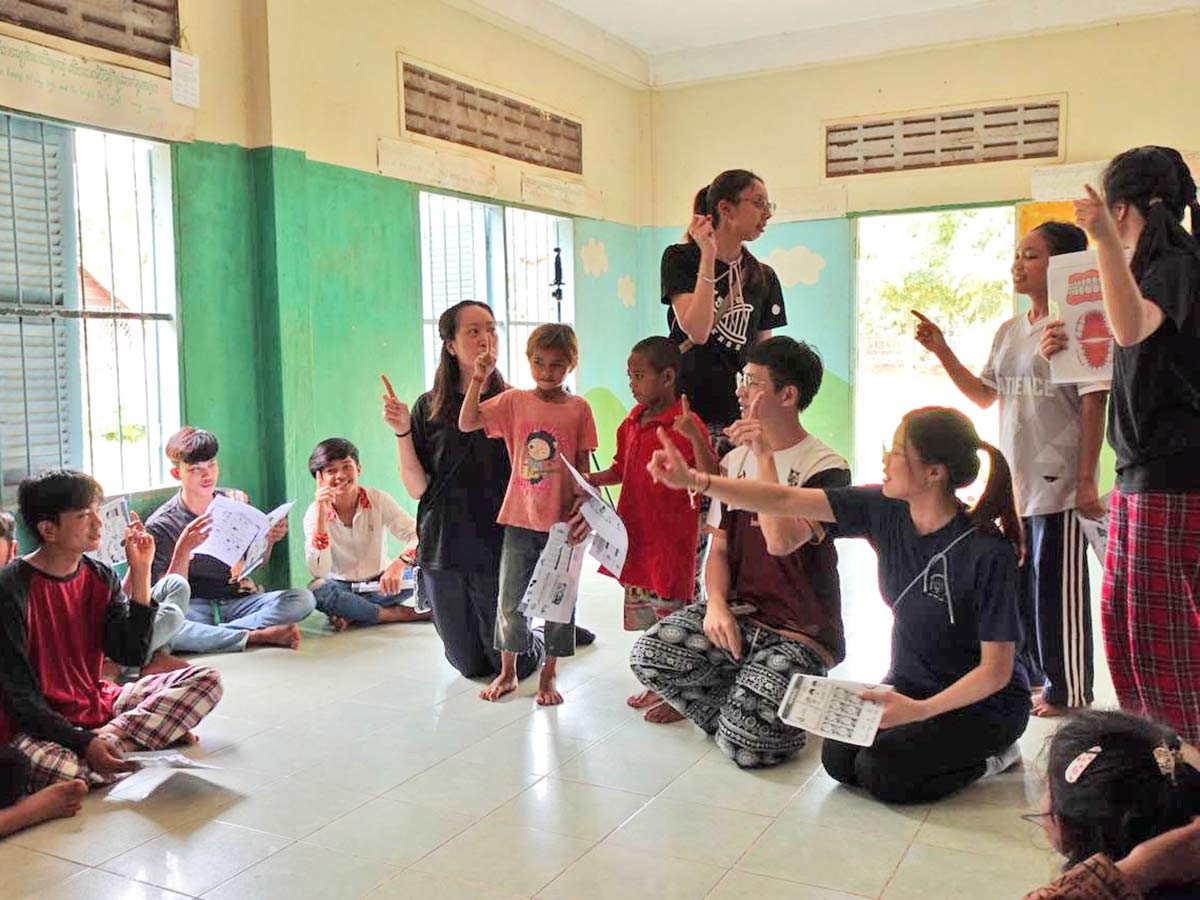
Sharing hygiene knowledge with children at the orphanage through play.
“Leading a project of this nature for the first time, I learnt the importance of involving the team during planning. Engaged team members have a stronger sense of ownership and commitment to the cause. I also learnt to be patient. It takes time, and trial and error for a diverse team to find the right dynamics and workflow. Additionally, liaising with partners from different countries requires empathy for cultural differences, including norms and language.
“My experience in Cambodia deepened my appreciation for the role healthcare workers play in a community. As a Nursing student, this experience made me feel incredibly grateful for the resources, education, and support I have. It also strengthened my commitment to Nursing—not just as a profession but as a means to care and advocate for those who lack access to proper healthcare.”
Maisarah Ishak,
Co-Project Director of Project DAMAI, Year 3
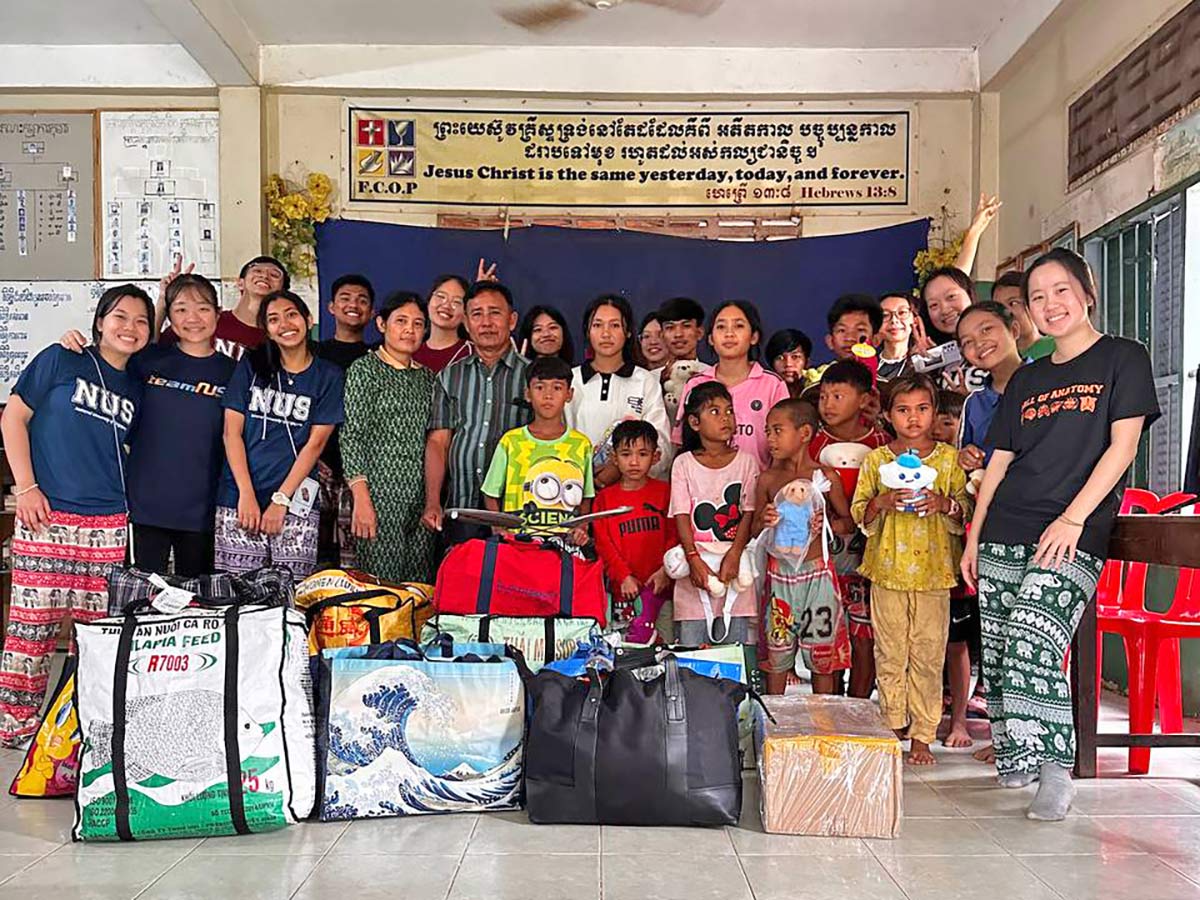
Visit to a local orphanage.
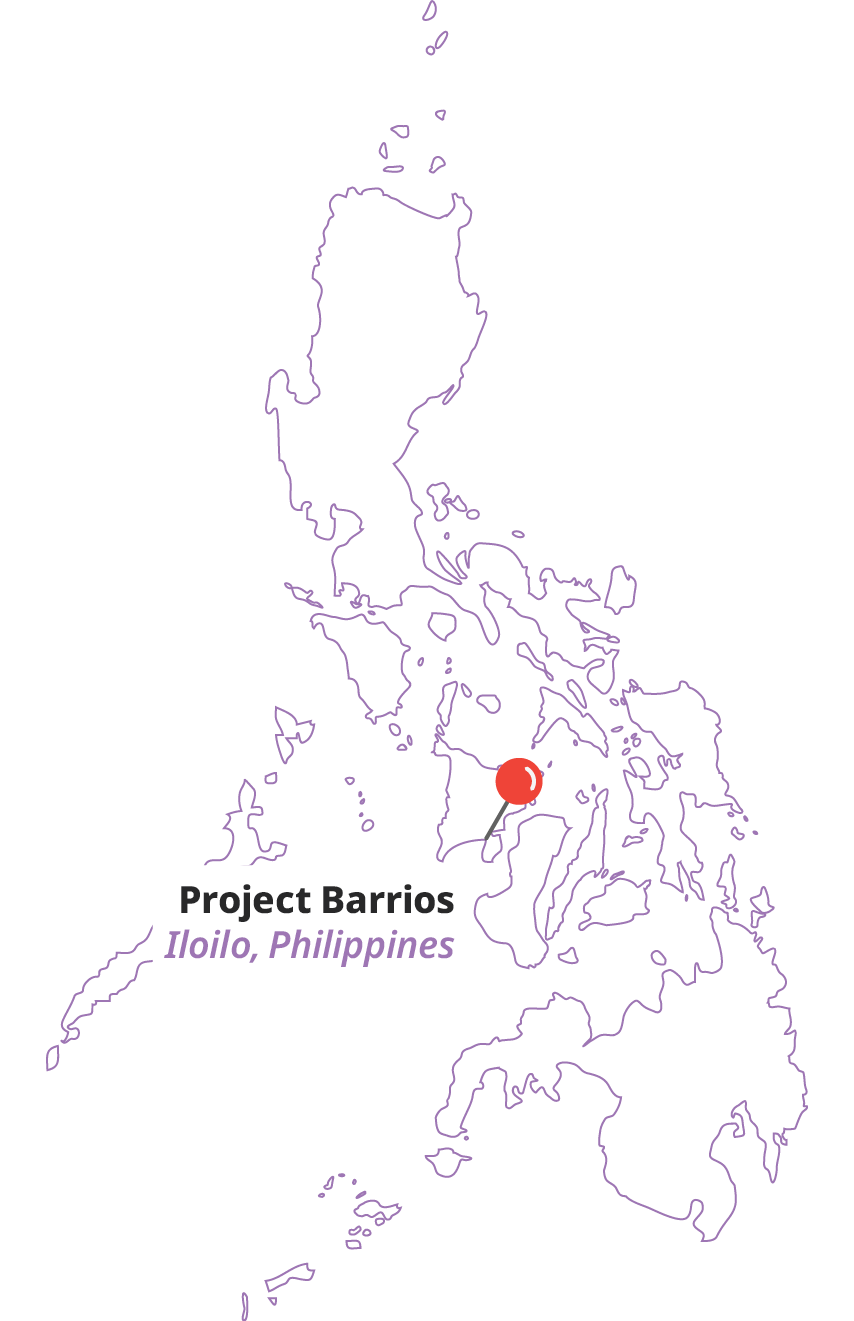
“Spanning the academic year from August 2023 to July 2024, Project Barrios culminated in a two-week visit to Iloilo, the Philippines. Our team of 23 provided medical services in the form of mobile clinics and health education to the community. The preparation leading up to the trip involved establishing and maintaining communication with partner universities, a local church, local government leaders, and the region’s village chief. The team also developed forms for the mobile clinic stations, and posters and materials for topics covered in the health education.
“It was my first time leading a project of this nature and scale—and I learnt the importance of leading with accountability, respect and integrity while also creating growth opportunities for myself and my team members. Additionally, our partnership with West Visayas State University College of Nursing and PHINMA University of Iloilo provided insights into how the Philippine Nursing education differs from that of NUS Nursing—and how each system is tailored to meet the different needs and healthcare priorities of its population. This experience has shown me that Nursing is not simply about attending to patients in clinics or wards. It is about serving the community in an accessible way.”
Mico Yanga,
Project Director of Project Barrios, Year 2
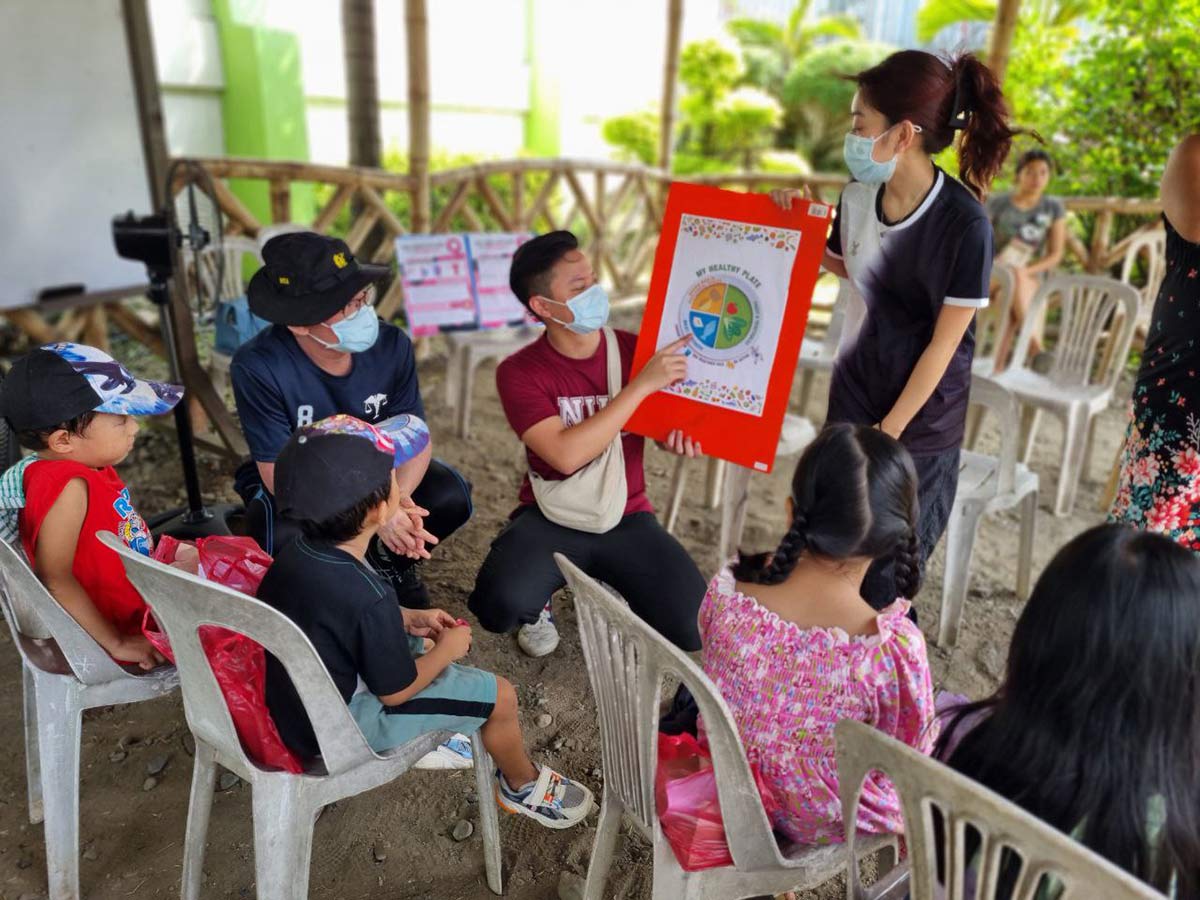
Mico (in red) teaching children about balanced nutrition.
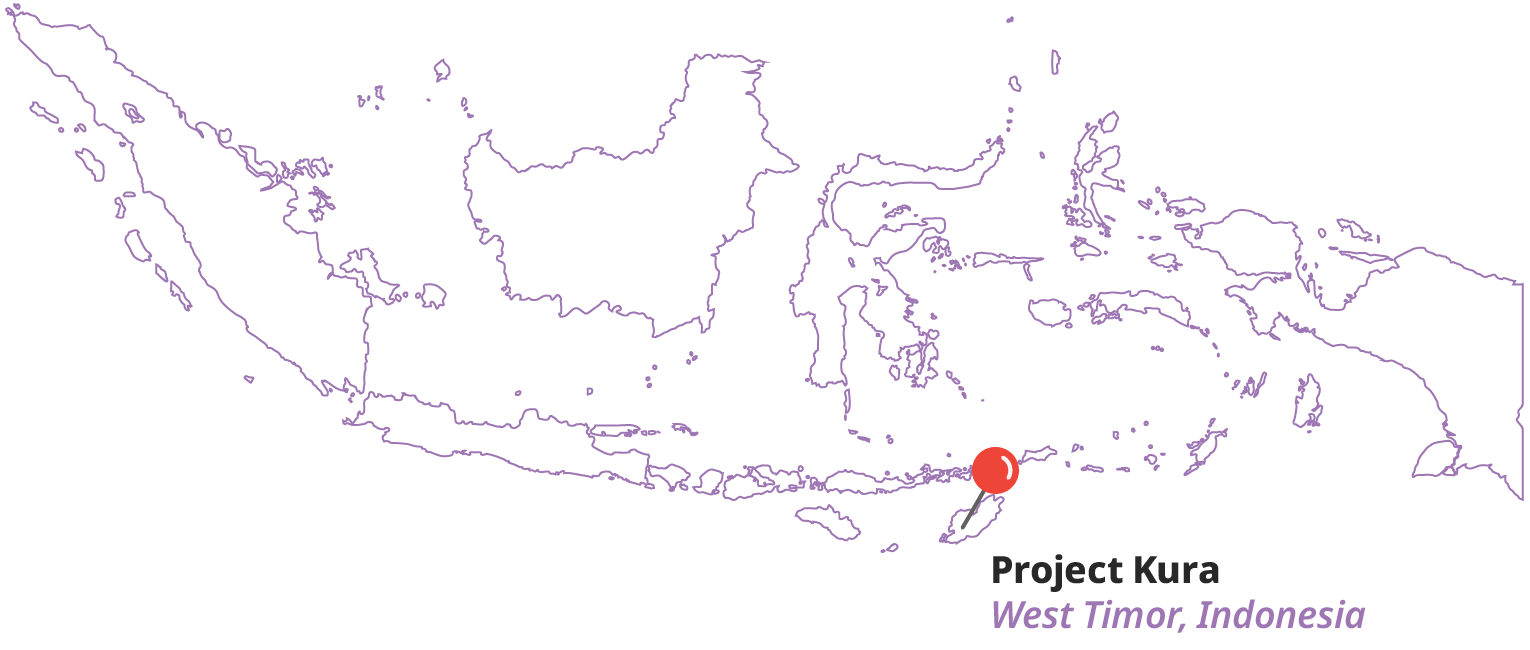
“The Project Kura team, comprising 26 team members, embarked on a 14-day journey to West Timor, Indonesia, to carry out a series of healthcare screenings and health education across multiple locations, including schools, homes and the wider community. Although I had previous experience in leadership roles, nothing compared to this experience.
“Project Kura has enhanced my appreciation that effective healthcare relies on building connections, empowering communities through education, and ensuring that care reaches those who need it most. Experiencing first-hand the challenges faced by local communities—from limited medical resources to gaps in health education—highlighted the critical need for accessible and preventive care. Nursing as a profession should extend beyond hospital walls to bridge healthcare gaps and make a meaningful impact in people’s lives.”
Janelle Marie Susa Barredo,
Project Director of Project Kura, Year 3
“This was my first time leading a healthcare-focused overseas community project. While I had previous experience managing a COVID-19 vaccination centre, this project was on a much larger scale, requiring greater coordination, problem-solving, and communication. Our collective hard work and months of preparation ultimately paid off as we worked tirelessly to serve the long lines of people awaiting screenings.
“Project Kura has enriched my perspectives about healthcare accessibility and the role of preventive education in underserved communities. It also highlighted how cultural awareness and adaptability are essential in providing effective care, as healthcare extends beyond treatment to understanding and respecting the community’s unique needs and constraints.”
Low Kang Wei Titus,
Project Director of Project Kura, Year 2
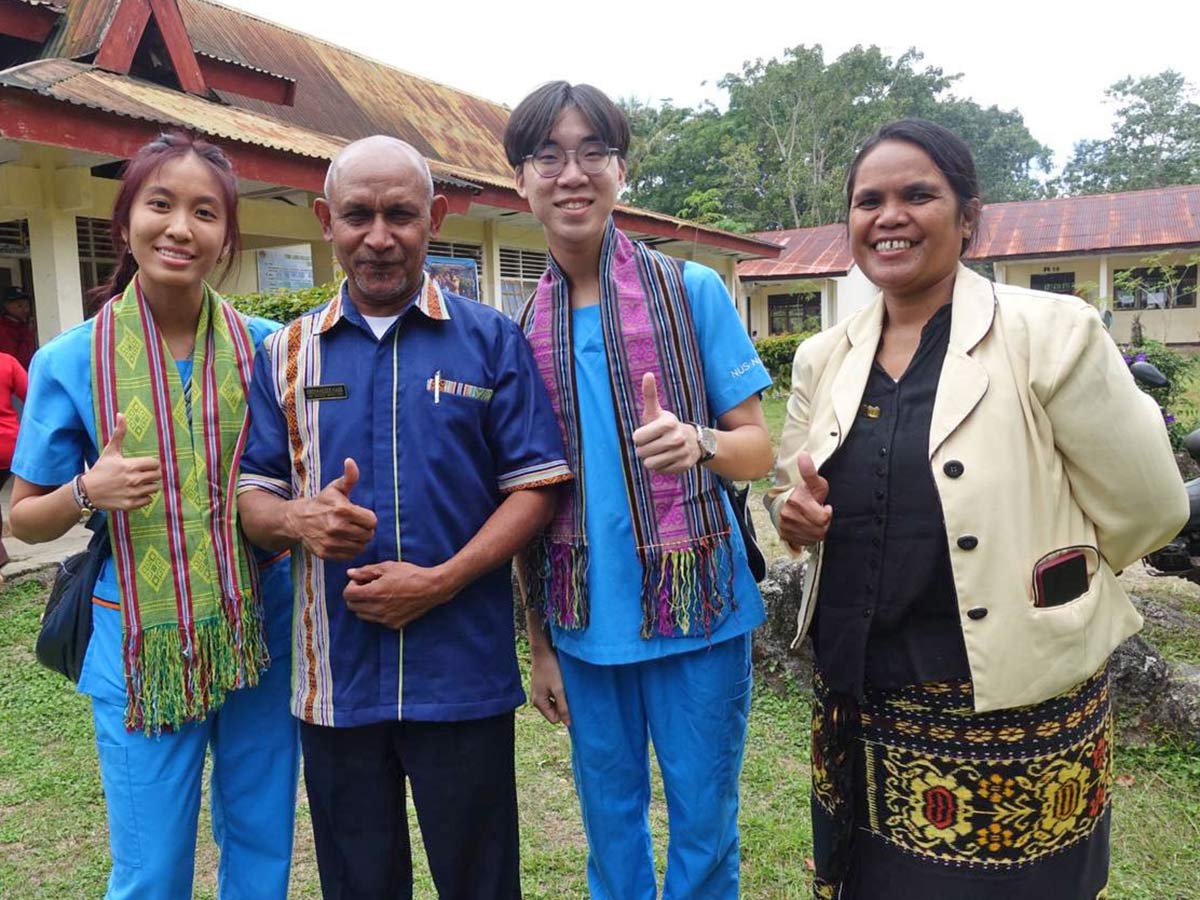
Project Kura Project Directors Janelle (left) and Titus (third from left).
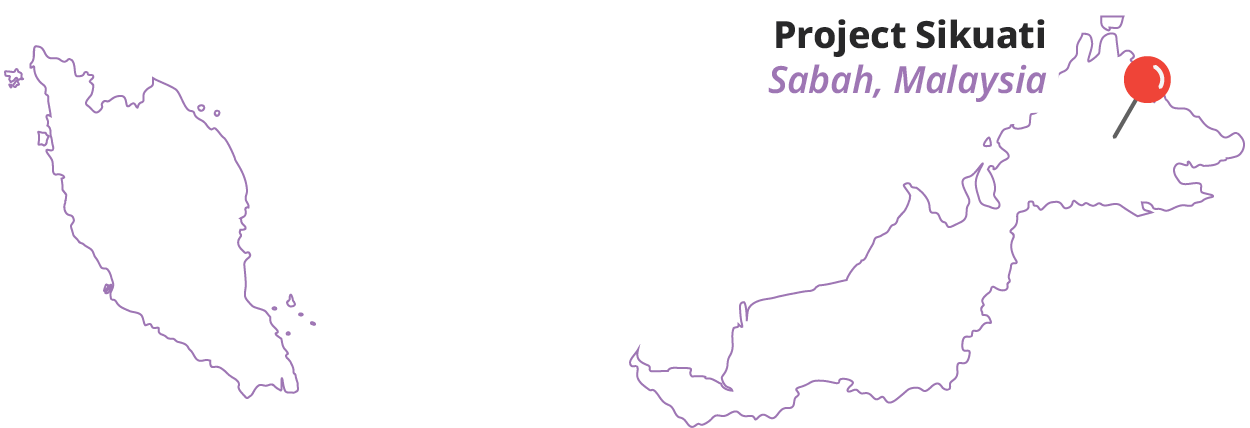
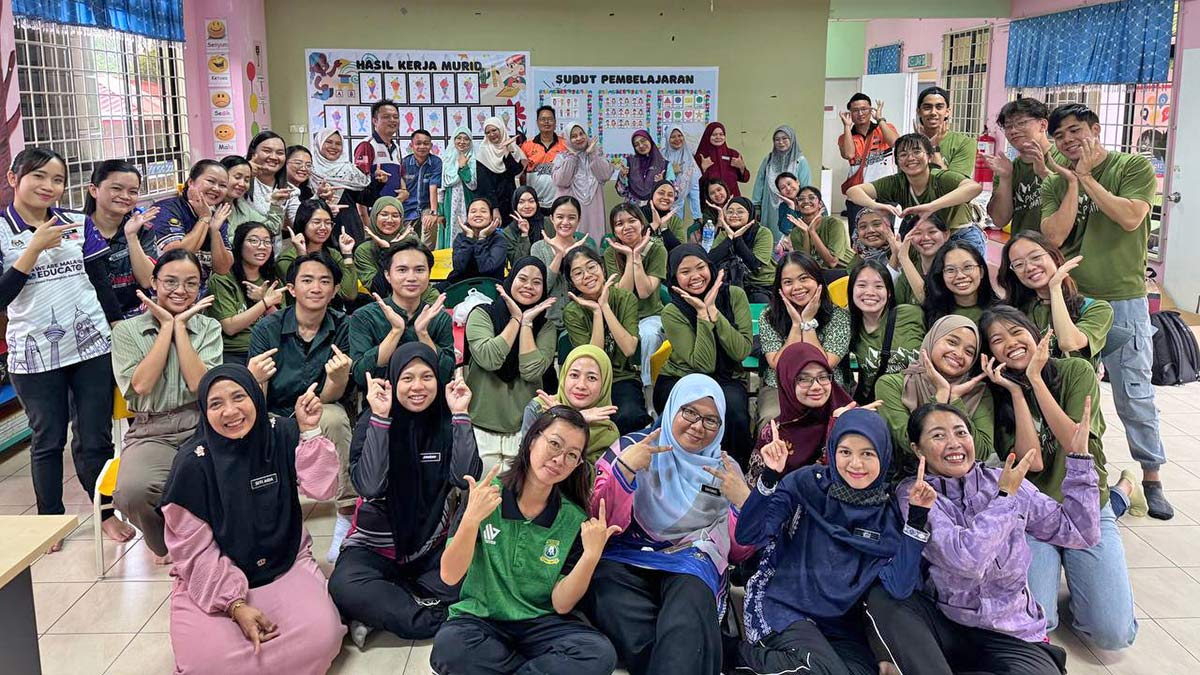
“Project Sikuati set out to provide health and medical education—including basic first aid, personal hygiene, women and men’s health, food and nutrition—to school children in Sabah, Malaysia. This was my first time managing an overseas initiative with such a large team—20 members.
“One of the biggest lessons I took away was the importance of strong interpersonal and communication skills. Besides communicating clearly, flexibility and adaptability to different working and communication styles were also necessary for complementing one another and working seamlessly to overcome challenges together.
“This experience broadened my perspective of Nursing. It emphasised that Nursing goes beyond medical interventions. The community’s attitude towards healthcare is essential in ensuring the well-being of each individual!”
Bethelyn Koh Tsin Tjie,
Project Director of Project Sikuati, Year 3
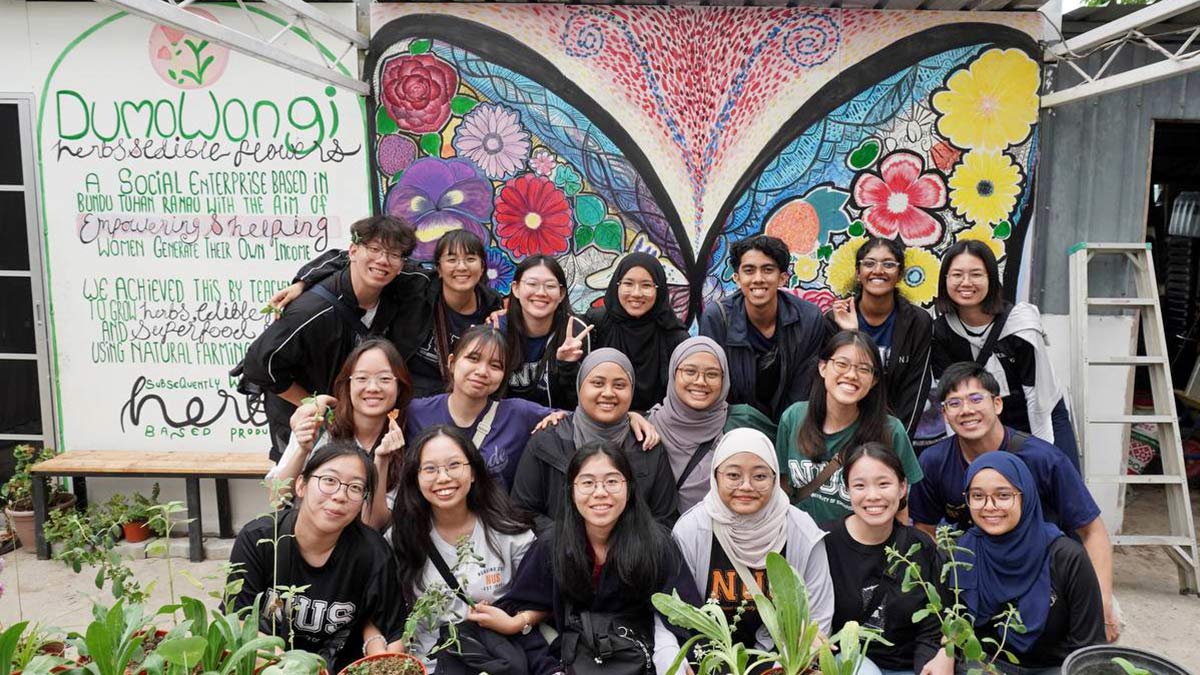
Project Sikuati Project Directors ‘Atifah (first row, far right) and Bethelyn (middle row, second from right).
“This was my first time spearheading a project of this kind, and I often look back in wonder at the many milestones this project has achieved. Some lessons I have learnt along the way include the importance of showing concern for team members’ personal well-being, compromise, accountability, and not taking things too personally. Hiccups are never a reflection of your abilities. But at the same time, you need to own your mistakes and be accountable. Additionally, working with the Nursing students from Universiti Malaysia Sabah (UMS) made me realise that there is never a one-size-fits-all approach to getting work done. Each group or individual forms a piece of the puzzle and every individual has their own strength; it just takes time and effort to uncover and tap into it.”
Nurul ‘Atifah Binte Saharudin,
Project Director of Project Sikuati, Year 3