4th Asia-Pacific Computational and Cognitive Neuroscience Conference (AP-CCN 2026)
Published: 05 Aug 2026
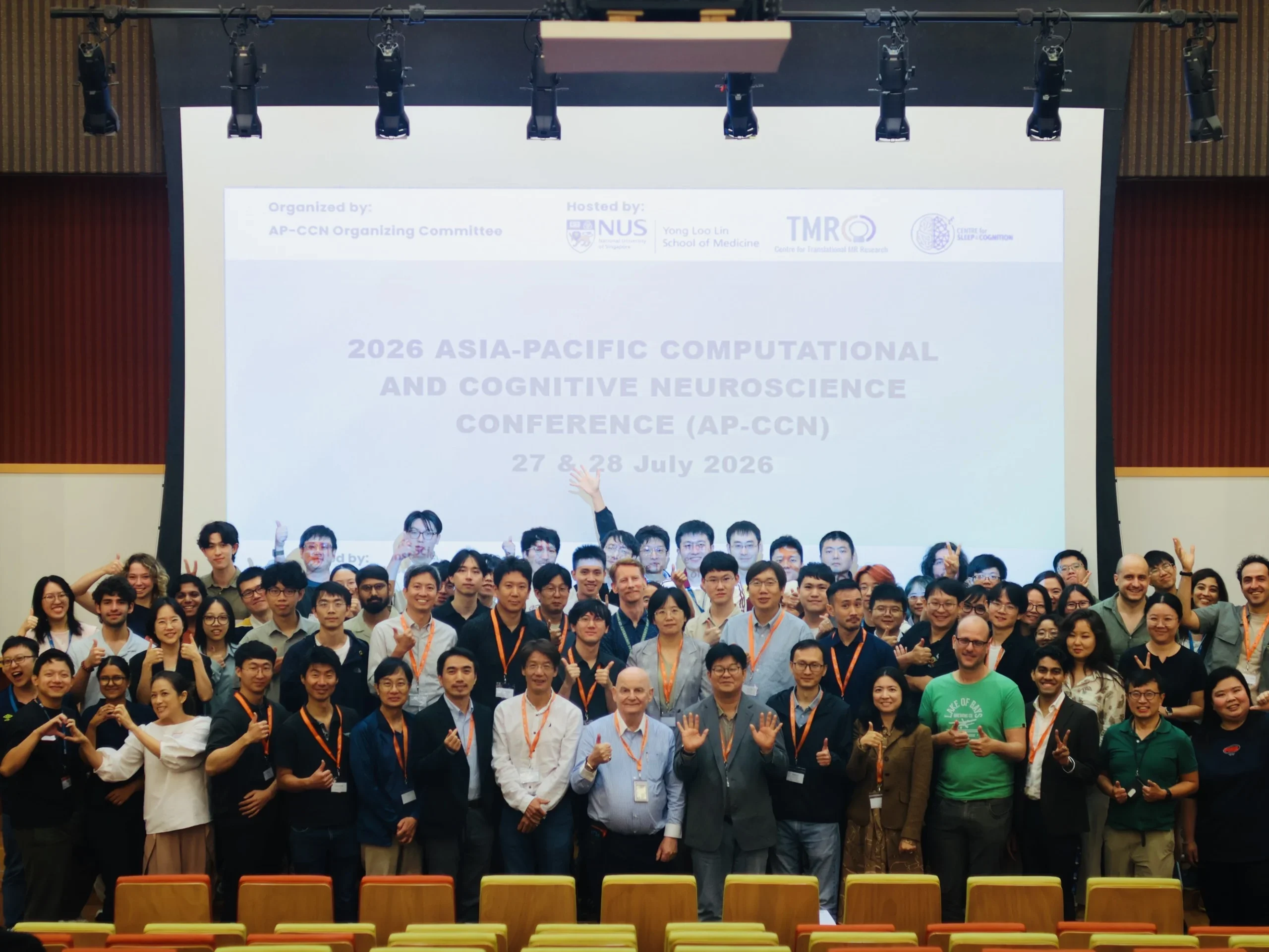
Group photo of participants at the 4th Asia-Pacific Computational and Cognitive Neuroscience Conference (AP-CCN 2026)
The Yong Loo Lin School of Medicine, National University of Singapore (NUS) recently welcomed leading scientists, clinicians, engineers, and computational researchers in brain science from across the Asia-Pacific and beyond for the 4th Asia-Pacific Computational and Cognitive Neuroscience Conference (AP-CCN 2026). Held from 27 to 28 July 2026 at the MD6 Centre for Translational Medicine, the conference showcased the remarkable progress being made at the intersection of neuroscience, medicine, engineering, and artificial intelligence.
The strong turnout reflected the increasingly multidisciplinary nature of brain science today, with participants representing major research institutions throughout the region, alongside a significant presence from Singapore’s research ecosystem, including NUS, A*STAR, and Nanyang Technological University (NTU).
Advancing Brain Science Through Collaboration
AP-CCN 2026 served as a platform for researchers studying the brain across multiple scales and disciplines. From circuit-level imaging in laboratory models to large-scale human neuroimaging and cognitive studies, participants explored how computational methods and AI are transforming our understanding of brain function.
The conference highlighted how the Asia-Pacific region has evolved into a global leader in neuroscience research. Through the development of landmark population cohorts, world-class imaging facilities, and innovative research programmes focused on both fundamental neuroscience and Asian populations, researchers across the region are helping shape the future of brain science.
The Growing Role of AI in Neuroscience
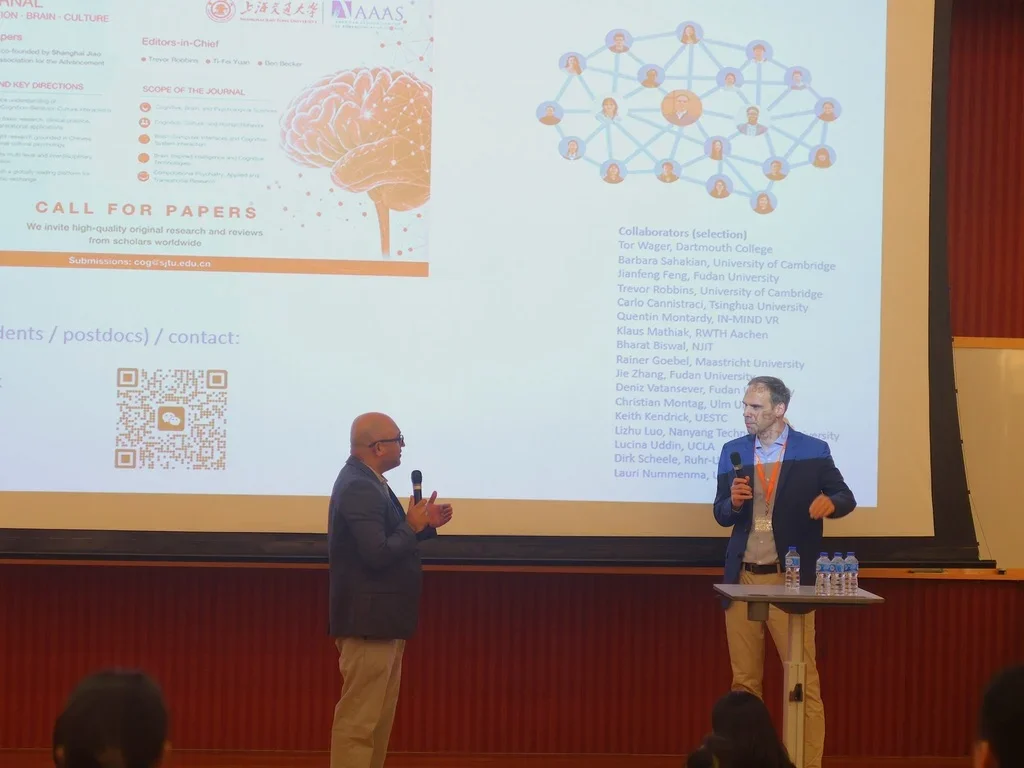
Prof Benjamin Becker (right), keynote speaker from The University of Hong Kong, in discussion with Prof Ricky Patani (left), Programme Chair of the Neuroscience Translational Research Programme (TRP) and Director of the Neurobiology Research Programme at the Life Sciences Institute (LSI), NUS Medicine, on the topic about Innovative Strategies to Decode and Regulate Affective Experiences in Humans
Researchers shared insights into how large-scale neuroimaging datasets, multi-electrode neural recordings, and sophisticated mathematical models are accelerating discoveries in brain function and cognition. These technological advances are providing unprecedented opportunities to better understand complex neural mechanisms and develop meaningful clinical applications for individuals affected by neurological and neurocognitive disorders.
At the same time, discussions acknowledged the challenges that accompany these developments. Delegates explored the importance of balancing large AI models with hypothesis-driven research, interpretability, and ethical considerations to ensure that neuroscience remains both scientifically rigorous and clinically impactful.
Investing in the Next Generation of Neuroscientists
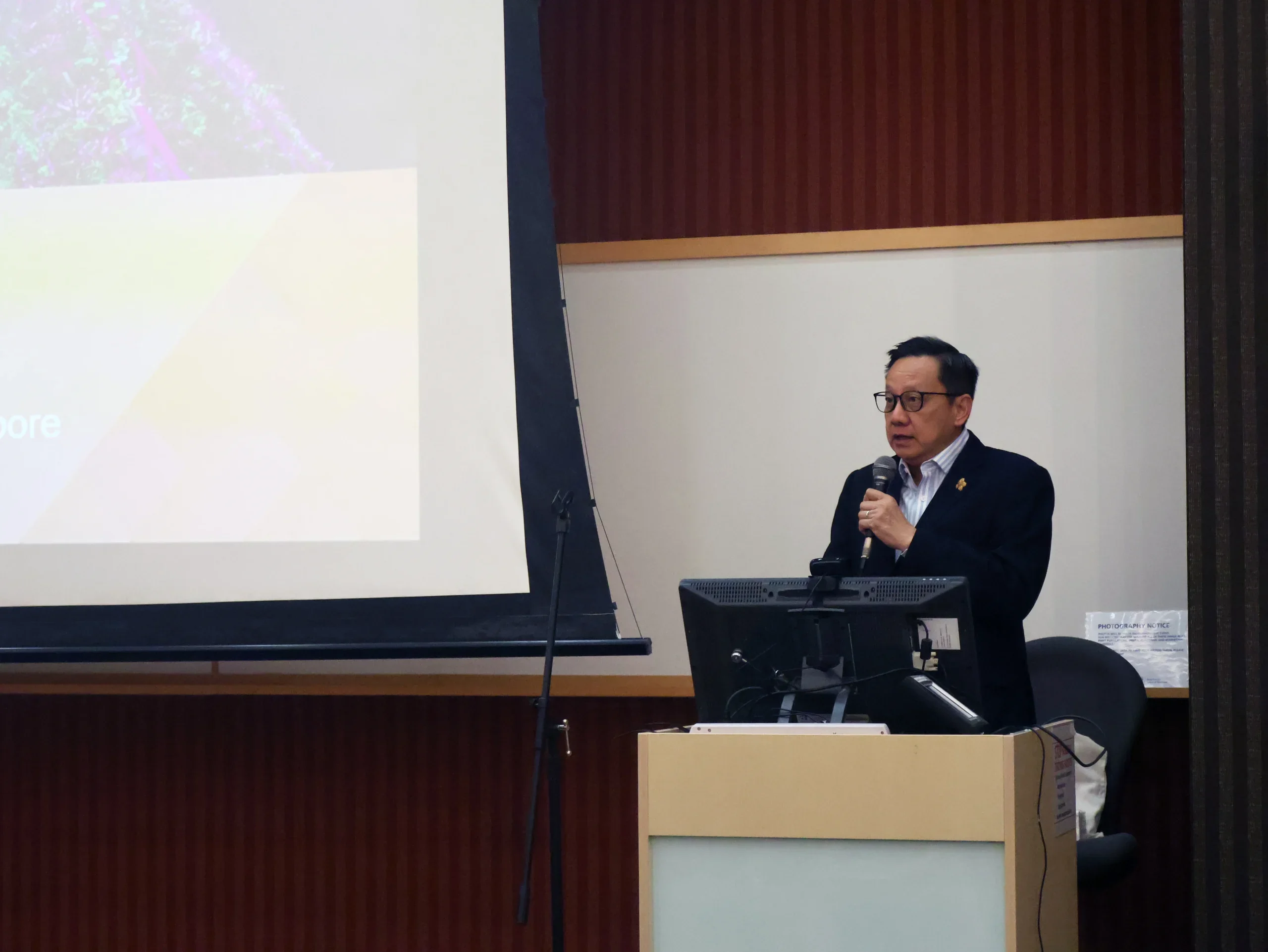
Opening speech by Prof Chong Yap Seng, Dean of NUS Yong Loo Lin School of Medicine
As neuroscience becomes increasingly integrated with computation, data science, and engineering, there is growing demand for researchers who can move seamlessly between preclinical studies, human neuroscience, and advanced computational approaches.
Supporting this vision, NUS Medicine’s new Neuroscience Translational Research Programme (TRP) aims to strengthen efforts to detect, slow, and prevent neurological and mental health conditions. The initiative reinforces NUS Medicine’s commitment to translating scientific discoveries into real-world patient outcomes.
Scientific Exchange and Knowledge Sharing
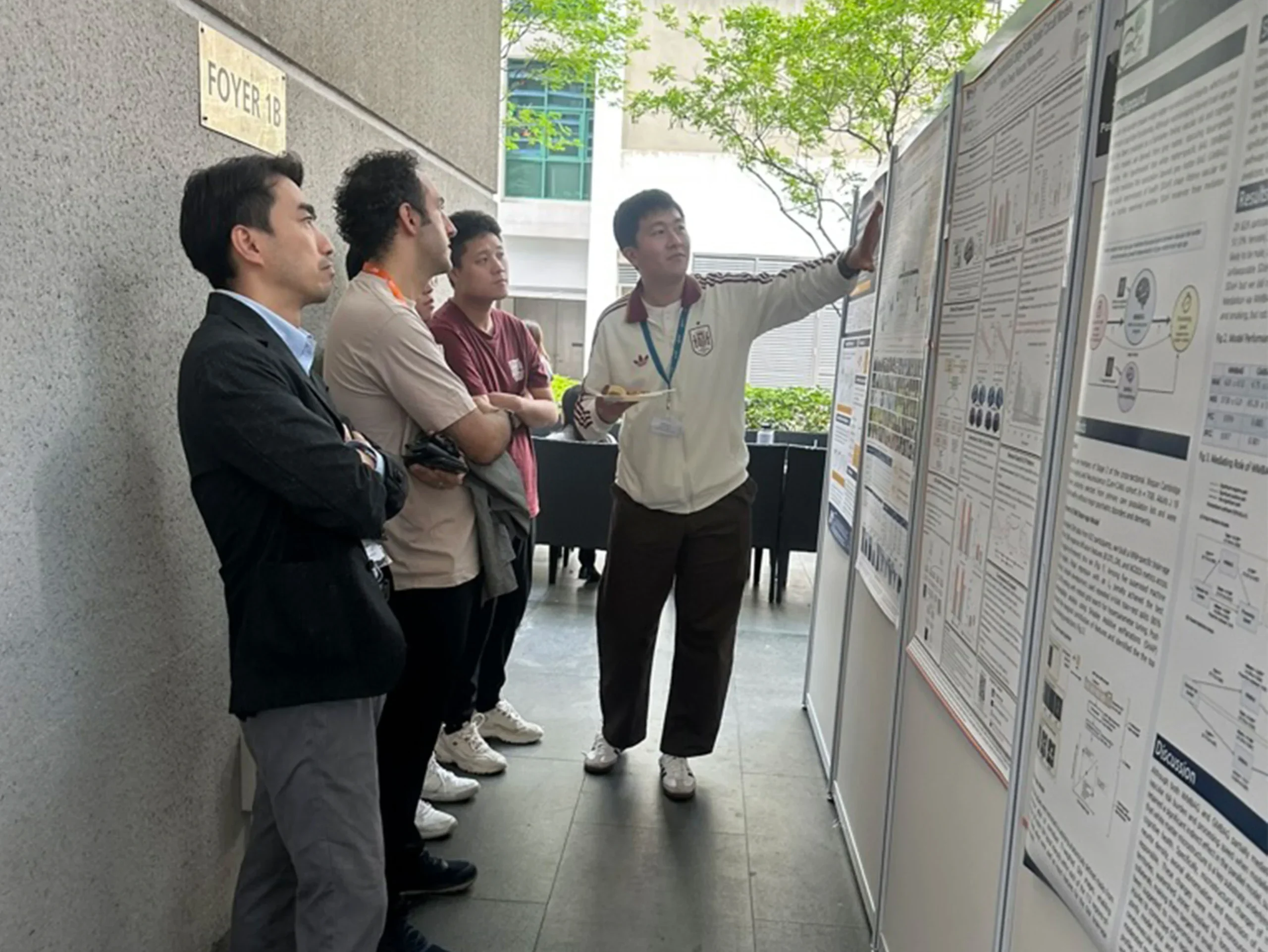
Participants at a poster session held at the outdoor exhibition area
Over the two-day event, attendees participated in a range of keynote presentations, scientific talks, poster sessions, and discussions covering:
- Computational neuroscience and cognitive modelling
- Brain connectivity and neural information processing
- Theoretical and experimental studies of brain dynamics
- Perception and cognition research
- Applications of artificial intelligence in neuroscience
- Translational approaches to neurological and mental health conditions
The diverse programme fostered meaningful exchanges between early-career researchers and established leaders in the field, creating opportunities for new collaborations and knowledge sharing across institutional and geographical boundaries.
A Heartfelt Thank You to Our Organisers
The success of AP-CCN 2026 would not have been possible without the dedication, vision, and hard work of our organisers and partners.
We extend our sincere appreciation to the AP-CCN Organising Committee for bringing together an outstanding programme that fostered meaningful scientific exchange and collaboration across the global neuroscience community.
Our deepest thanks also go to our host centres, NUS Medicine’s Centre for Sleep and Cognition (CSC) and the Centre for Translational MR Research (TMR), whose invaluable support and commitment were instrumental in making this conference a success.
Visit the AP-CNN 2026 website here for more information.