The Master of Science in Medical Pharmacology (MSc PHC) at the NUS Yong Loo Lin School of Medicine is a postgraduate programme designed with input from industry experts and offered full-time (1 year) or part-time (2 years). It equips students with expertise in pharmacology, toxicology, regulatory sciences and pharmacology education to advance the development of safe and effective medicines for patients.
Our curriculum combines rigorous academic training with hands-on experience. Students can specialise in Clinical Pharmacology, Translational Pharmacology, Pharmacology Education, or Regulatory Pharmacology, aligning their learning with their career aspirations. Graduates will be highly competitive for roles in academia, healthcare, contract research organisations, educational institutions and the pharmaceutical industry.
Develop interdisciplinary expertise for sustainable and innovative drug development in research and education
Master pharmacology and toxicology to ensure patient safety and train future biomedical professionals
Gain a comprehensive understanding of the drug development lifecycle guided by real-world industry insights
Collaborate on capstone projects with industry, academic, and clinical mentors for practical training and professional networking
Intake: August 2027
Duration:
1 Year (Full-time)
2 Years (Part-time)
Application Start Date:
1 September 2026
Application Deadline:
International applicants: 30 April 2027 Local applicants: 31 May 2027
Graduates and Professionals from the Healthcare, Academic, Pharmaceutical and Biotechnology sectors aiming to deepen their subject matter expertise, enhance job-readiness or to upskill for career progression.
Graduates can pursue careers in roles such as:
Clinical Investigator
Clinical Pharmacologist
Clinical Trial Coordinator/ Research Associate/ Manager
Drug Discovery Scientist
Pharmaceuticals Patient Educator
Industry Trainer
IP& Patent Manager
Regulatory Affairs Specialist
Toxicologist
Programme Faculty
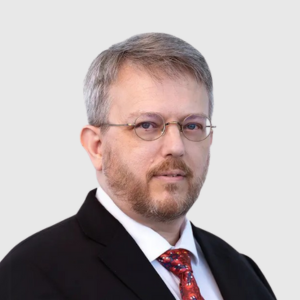
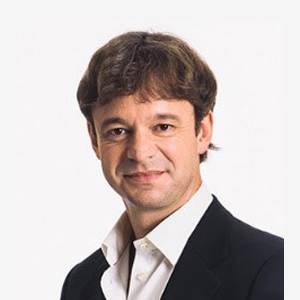
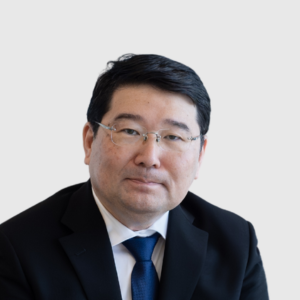
A/Prof Gavin Stewart Dawe
Director MSc in Medical Pharmacology NUS Yong Loo Lin School of Medicine
The MSc PHC is available as a 1-year (full-time) or a 2-year (part-time) degree programme. Students can choose to specialise in one of the 4 specialisations offered; Clinical, Translational, Education, and Regulatory.
Graduation Requirements Total Units Required: 40 Units
To graduate, students have to:
Master of Science in Medical Pharmacology (Clinical Pharmacology)
Complete 6 core courses (16 units in total) Complete 1 Capstone Project (6 units) Choose and complete elective courses, including at least 3 Specialisation Elective courses (18 units in total)
Master of Science in Medical Pharmacology (Translational Pharmacology)
Complete 5 core courses (12 units in total) Complete 1 Capstone Project (6 units) Choose and complete elective courses, including at least 3 Specialisation Elective courses (22 units in total)
Master of Science in Medical Pharmacology (Pharmacology Education)
Complete 5 core courses (16 units in total) Complete 1 Capstone Project (6 units) Choose and complete elective courses, including at least 3 Specialisation Elective courses (18 units in total)
Master of Science in Medical Pharmacology (Regulatory Pharmacology)
Complete 6 core courses (18 units in total) Complete 1 Capstone Project or Industry Internship (6 units) Choose and complete elective courses, including at least 3 Specialisation Elective courses (16 units in total)
Please refer HERE for the proposed study plan for full-time and part-time students.
Full-time students are expected to complete the programme within 12 – 24 months. The maximum candidature is 24 months; excluding Leave of Absence (LOA).
Part-time students are expected to complete the programme within 24 – 36 months. The maximum candidature is 36 months; excluding Leave of Absence (LOA).
Important:
The University does not engage external agencies for student recruitment. Candidates should apply directly to the University and not through any agents. Applications submitted through agents will not receive any added advantage and the University reserves the right to reject such application without explanation.
Review the Checklist for Applicants. Please upload the relevant supporting documents according to the checklist when submitting your online application.
To be eligible for enrolment, applicants must meet the following requirements. However, please note that selection of candidates is based on a competitive basis and candidates with relevant industry experience will be considered favourably. Meeting the minimum requirements does not guarantee admission into the programme.
Minimum Requirements:
A medical degree such as M.B.B.S., or a relevant Bachelor’s degree (preferably with Honours) in Life Sciences (e.g. Biochemistry, Biology, Pharmacology), Nursing, Bioengineering, Bioinformatics, Computational Biology, Health Sciences or related disciplines.
Candidates with other qualifications and relevant industrial experience will be evaluated on a case-by-case basis, subject to approval of the Programme Committee.
International applicants from non-English speaking universities must demonstrate English proficiency with a minimum TOEFL score of 85 (Internet-based) or a minimum IELTS Academic score of 6.0. Scores must be valid for two years from the test date and should not have expired at the time of application. Expired scores will not be considered.
Note: Interviews will be requested for selected applications
Tuition Fees:
Total Tuition Fees (for students enrolled in the Academic Year 2027/2028 only): S$67,362.00 (inclusive of Goods & Services Tax (GST))
The payment schedule is as follows (inclusive of 9% GST):
Full-Time Students
Full-Time SC/PR Students
Part-Time SC/PR Students
Year 1 Semester 1
S$30,956.00
S$16,393.60
S$7,106.80
Year 1 Semester 2
S$30,956.00
S$18,573.60
S$9,286.80
Year 2 Semester 1
–
–
S$9,286.80
Year 2 Semester 2
–
–
S$9,286.80
Acceptance Fee (Including GST):
S$5,450.00
Additional Fee:
In addition to tuition fees, students will be charged miscellaneous student fees each semester.
Miscellaneous student fees help meet costs incurred by the University in providing services to the student community that are either not covered or only partially covered by the tuition fees. These services include healthcare for students; facilitating student cultural, social and recreational programmes; and maintaining the shuttle bus service, IT network and other essential campus infrastructure and services.
Application fee for successful submission is S$50.00 (including GST)
All Singapore Citizens and Singapore PRs will receive a 40% tuition fee rebate, while all NUS alumni will receive a 20% tuition fee rebate. These rebates are not stackable and cannot be combined with other scholarships, study awards, grants, sponsorships, bursaries, or other forms of financial assistance. If you are a recipient of any scholarship or financial aid, please contact your programme administrator for clarification on your billing arrangements. For more information, please visit the following website.
Upon acceptance of offer, an acceptance fee of S$5,450.00 (including GST) will be charged on the Graduate Admission System (GDA). Acceptance fees is non-refundable, non-transferable and will be credited towards the tuition fee once the programme starts.
The MSc PHC is available as a 1-year (full-time) or a 2-year (part-time) degree programme. Students can choose to specialise in one of the 4 specialisations offered; Clinical, Translation, Education, and Regulatory.
Graduation Requirements Total Units Required: 40 Units
To graduate, students have to:
Master of Science in Medical Pharmacology (Clinical Pharmacology)
Complete 6 core courses (16 units in total) Complete 1 Capstone Project (6 units) Choose and complete elective courses, including at least 3 Specialisation Elective courses (18 units in total)
Master of Science in Medical Pharmacology (Translational Pharmacology)
Complete 5 core courses (12 units in total) Complete 1 Capstone Project (6 units) Choose and complete elective courses, including at least 3 Specialisation Elective courses (22 units in total)
Master of Science in Medical Pharmacology (Pharmacology Education)
Complete 5 core courses (16 units in total) Complete 1 Capstone Project (6 units) Choose and complete elective courses, including at least 3 Specialisation Elective courses (18 units in total)
Master of Science in Medical Pharmacology (Regulatory Pharmacology)
Complete 6 core courses (18 units in total) Complete 1 Capstone Project or Industry Internship (6 units) Choose and complete elective courses, including at least 3 Specialisation Elective courses (16 units in total)
Please refer HERE for the proposed study plan for full-time and part-time students.
Full-time students are expected to complete the programme within 12 – 24 months. The maximum candidature is 24 months; excluding Leave of Absence (LOA).
Part-time students are expected to complete the programme within 24 – 36 months. The maximum candidature is 36 months; excluding Leave of Absence (LOA).
Important:
The University does not engage external agencies for student recruitment. Candidates should apply directly to the University and not through any agents. Applications submitted through agents will not receive any added advantage and the University reserves the right to reject such application without explanation.
Review the Checklist for Applicants. Please upload the relevant supporting documents according to the checklist when submitting your online application.
To be eligible for enrolment, applicants must meet the following requirements. However, please note that selection of candidates is based on a competitive basis and candidates with relevant industry experience will be considered favourably. Meeting the minimum requirements does not guarantee admission into the programme.
Minimum Requirements:
A medical degree such as M.B.B.S., or a relevant Bachelor’s degree (preferably with Honours) in Life Sciences (e.g. Biochemistry, Biology, Pharmacology), Nursing, Bioengineering, Bioinformatics, Computational Biology, Health Sciences or related disciplines.
Candidates with other qualifications or relevant industrial experience will be evaluated on a case-by-case basis, subject to approval of the Programme Committee.
International applicants from non-English speaking universities must demonstrate English proficiency with a minimum TOEFL score of 85 (Internet-based) or a minimum IELTS Academic score of 6.0. Scores must be valid for two years from the test date and should not have expired at the time of application. Expired scores will not be considered.
Note: Interviews will be requested for selected applications.
Tuition Fees:
Total Tuition Fees (for students enrolled in the Academic Year 2027/2028 only): S$67,362.00 (inclusive of Goods & Services Tax (GST))
The payment schedule is as follows (inclusive of 9% GST):
Year 1 Semester 1
Full-Time Students
S$30,956.00
Full-Time SC/PR Students
S$16,393.60
Part-Time SC/PR Students
S$7,106.80
Year 1 Semester 2
Full-Time Students
S$30,956.00
Full-Time SC/PR Students
S$18,573.60
Part-Time SC/PR Students
S$9,286.80
Year 2 Semester 1
Full-Time Students
–
Full-Time SC/PR Students
–
Part-Time SC/PR Students
S$9,286.80
Year 2 Semester 2
Full-Time Students
–
Full-Time SC/PR Students
–
Part-Time SC/PR Students
S$9,286.80
Acceptance Fee (Including GST):
S$5,450.00
Additional Fee:
In addition to tuition fees, students will be charged miscellaneous student fees each semester.
Miscellaneous student fees help meet costs incurred by the University in providing services to the student community that are either not covered or only partially covered by the tuition fees. These services include healthcare for students; facilitating student cultural, social and recreational programmes; and maintaining the shuttle bus service, IT network and other essential campus infrastructure and services.
Application fee for successful submission is S$50.00 (including GST).
All Singapore Citizens and Singapore PRs will receive a 40% tuition fee rebate, while all NUS alumni will receive a 20% tuition fee rebate. These rebates are not stackable and cannot be combined with other scholarships, study awards, grants, sponsorships, bursaries, or other forms of financial assistance. If you are a recipient of any scholarship or financial aid, please contact your programme administrator for clarification on your billing arrangements. For more information, please visit the following website.
Tuition fees are subjected to annual review and inflation.
Upon acceptance of offer, an acceptance fee of S$5,450.00 (including GST) will be charged on the Graduate Admission System (GDA). Acceptance fees is non-refundable, non-transferable and will be credited towards the tuition fee once the programme starts.
Frequently Asked Questions
When/how will I receive the application outcome?
You should receive an outcome latest, at the end of June of your application year via the email you submitted your application with e.g. if you are applying for AY25/26 intake that commences in August 2025, you will receive outcome by June 2025.
Applications will be reviewed on a rolling basis.
The official application requires us to submit a documentary proof of financial support in English. What does this refer to? What document can I submit as financial proof?
You may submit a bank statement (original, certified true copy or electronically generated statements will be accepted) OR a certificate of deposit (Chinese: 存款证明) in English issued by the bank as a proof that you (or your parent) have the stated amount in the bank account. If you are not the account holder indicated in the bank statement, attach another document stating your relationship with the account holder.
The financial proof should certify your financial ability to make payment for the Miscellaneous Student Fees (MSFs) and tuition fees for at least 2 semesters. For the actual rates of MSF, please refer to the page: NUS Office of the University Registrar.
There is a ‘Referee’ section on the application page. Is this compulsory?
Yes, applicants are required to provide referee details as part of the application.
Can I upload supporting documents that are not in English?
All supporting documents which are not in English must be accompanied by an official certified English translation.
If my application is unsuccessful, can I reapply?
Yes, applicants who are unsuccessful in their application can submit a new online application with all the relevant and updated supporting documents uploaded, if they are interested to be considered for the programme again in the next intake.
I am an international student, what documents do I need for the duration of study in Singapore?
Upon acceptance of your offer of Admission, the University will apply for the Student’s Pass on your behalf via the Singapore Immigration & Checkpoints Authority (ICA) SOLAR system. Once NUS has successfully registered your information, you may login to SOLAR to submit eForm 16.
Will NUS help to arrange for my accommodation in Singapore?
Full-time NUS Graduate students may apply for a place in selected Student Residences. The Residences offer independent living in a communal setting with opportunities for cross cultural interaction. For more information, visit Home – NUS OSA
Being a research-intensive university, new Graduate students by Research are prioritised for campus accommodation. As demand far exceeds supply, not all applicants will be successful in their applications. With the present high demand for campus housing, Graduate students by Coursework are unlikely to be offered campus accommodation in Kent Ridge Campus with the exception of College Green. It is advisable to budget for off-campus housing and source for one early. More information on off-campus housing can be found on Other Accommodation – NUS OSA
*Any agreement signed between a Student and the Private Hostel is deemed to be a private arrangement between the two parties. NUS is unable to mediate in the event of a dispute. Students are advised to practice due care and diligence prior to any contractual commitments.
What is my maximum candidature?
The MSc in Medical Pharmacology programme is a 1-year full-time or 2-year part-time, 40-unit degree with three specialisations: Clinical, Translation or Education.
Full-time students are expected to complete the programme within 12 – 24 months. The maximum candidature is 24 months; excluding Leave of Absence (LOA).
Part-time students are expected to complete the programme within 24 – 36months. The maximum candidature is 36 months; excluding Leave of Absence (LOA).
For full-time students who exceed their expected candidature of 2 semesters, the criteria for minimum number of courses will not be imposed but you are required to enrol for all remaining courses in the final semester.
What are the graduation requirements?
Students must read and pass designated core courses, elective courses and one Capstone project on the respective tracks; completing the 40-unit requirement. Students should obtain a minimum Grade Point Average (GPA) of 3.0 out of 5.0 or equivalently, an average grade of at least B-.
Still can’t find your answer in the FAQs? Click here for more, or email us at mscphc@nus.edu.sgand we will reply to you within 3 working days.
Voices That Inspire
Through the Harvard Macy Institute, NUS educators will connect with a global community of health professions scholars and faculty, learning together across institutions, disciplines, and borders.”
Sarah Wood, MD
Director, Harvard Macy Institute
Harvard Medical School
I offer my strong and enthusiastic support for the Master's programme in Medical Pharmacology at the NUS Yong Loo Lin School of Medicine. The development of totally new types of courses in pharmacology – interdisciplinary in nature – that explain the entire cycle of development of these new biotherapeutics, ranging from laboratory discoveries through the multiple pre-clinical and clinical development stages…(these) courses are essential to training the new generation of pharmacological scientists who will work in both the industry and academic sectors… should be very attractive to talented students throughout Asia and beyond…"
Harvey F. Lodish
Professor of Biology & Professor of Biological Engineering at MIT, Founding Member of the Whitehead Institute
Whitehead Institute for Biomedical Research, Massachusetts Institute of Technology
…I find the concept, the content and the focus of this new course very useful and suitable for the students aiming at a career in the pharmaceutical industry or in a CRO working in respective areas.….”
Prof Dr Jörg Kreuzer
Head of Medicine, Human Pharma, ASEAN, Korea, Australia & New Zealand (ASKAN), Boehringer Ingelheim
• Director, MSc in Medical Pharmacology, NUS Yong Loo Lin School of Medicine • Head of Department, Department of Pharmacology, NUS Yong Loo Lin School of Medicine • Director, Neuroscience and Metabolic Phenotyping Core, NUS Yong Loo Lin School of Medicine
• Deputy Director, Drug Discovery and Optimisation Platform, NUS Yong Loo Lin School of Medicine
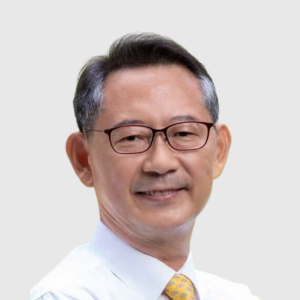
Associate Professor Gavin Dawe, a renowned pharmacologist, excels in neuropsychopharmacology, neuroscience, and education. As Department of Pharmacology Head, he’s lauded for teaching and nurturing aspiring pharmacologists. A/Prof. Dawe, Director of the Neuroscience and Metabolic Phenotyping Core, leads cutting-edge research on brain health, neuropeptides, neural stem cells, and stapled peptides.
• Co-Director, MSc in Medical Pharmacology, NUS Yong Loo Lin School of Medicine • Education Lead, Department of Pharmacology, NUS Yong Loo Lin School of Medicine
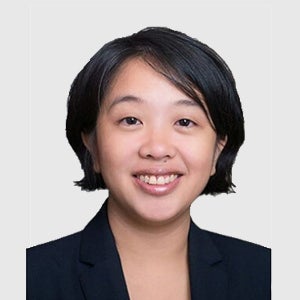
Associate Professor Judy Sng is an award-winning educator. As an Education Lead in the Department of Pharmacology, Dr. Sng has spearheaded transformative initiatives, including the development of the AI-enabled chatbot, Virtual Integrated Patient, a pioneering tool to enhance clinical decision-making. Dr. Sng’s research focuses on the relationship between Artificial Intelligence (AI) and Neuroscience.
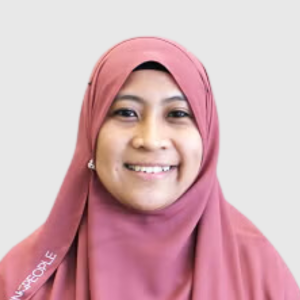
• Deputy Director, MSc in Medical Pharmacology, NUS Yong Loo Lin School of Medicine
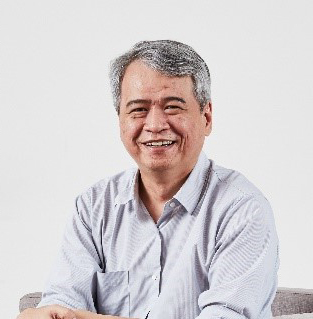
Nurulhuda Mustafa, Deputy Director for the MSc in Medical Pharmacology, is a distinguished cancer biologist specializing in antibody therapeutics and resistance mechanisms. An innovative educator and curriculum developer, she bridges academia and industry, transforming complex science into real-world applications, empowering students to excel in their chosen fields.
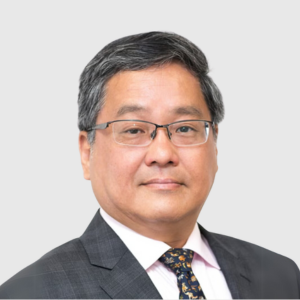
• Clinical Specialisation Lead, MSc Medical Pharmacology, NUS Yong Loo Lin School of Medicine • Director, Memory Aging and Cognition Centre, National University Health System • Senior Consultant, Department of Psychological Medicine, National University Hospital
As Director of the Memory, Ageing & Cognition Centre (MACC) at National University Health System (NUHS), he leads groundbreaking research into the interplay between cerebrovascular and neurodegenerative diseases. His clinical focus includes developing therapeutic approaches for behavioral and psychiatric disorders in dementia and investigating prognostic factors in stroke-related cognitive impairment.
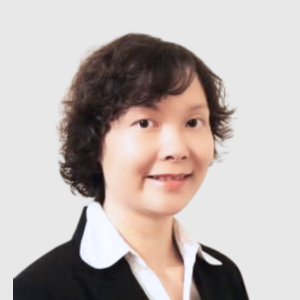
• Translation Specialisation Lead, MSc Medical Pharmacology, NUS Yong Loo Lin School of Medicine •Principal Investigator, Institute for Digital Medicine, NUS Yong Loo Lin School of Medicine • Scientific Co-Founder and Advisor, Carmine Therapeutics • Associate Editor, Journal of Extracellular Vesicles • Deputy Editor, Journal of Extracellular Biology
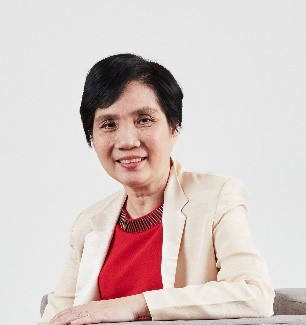
Associate Professor Le Minh is a pioneer in the field of extracellular vesicle (EV)-based therapeutics and nanomedicine. Dr. Le Minh leads groundbreaking work on the development of red blood cell extracellular vesicles (RBCEVs) for the targeted delivery of nucleic acid therapeutics. Her research extends to anticancer, neuro-regenerative, and anti-inflammatory applications.
• Industry Lead, MSc Medical Pharmacology, NUS Yong Loo Lin School of Medicine
Dr. Seok (Soga) Kwon brings over 24 years of extensive industry experience in industrial toxicology, risk assessment, and regulatory affairs. As a former R&D Director and Principal Scientist at Procter & Gamble (P&G) Singapore, he led global product stewardship efforts. His career spans Japan, USA, and Germany, highlighting his global expertise.
Professor of Epidemiology and Nutrition, Department of Nutrition, Harvard T.H. Chan School of Public Health
Co-Chair, EAT-Lancet Commission
Director, Thich Nhat Hanh Center for Mindfulness in Public Health, Harvard T.H. Chan School of Public Health
Faculty Affiliate, Department of Epidemiology, Harvard T.H. Chan School of Public Health
Former Chair, Department of Nutrition, Harvard T.H. Chan School of Public Health
Elected Member, National Academy of Medicine, United States
Author, Nutritional Epidemiology
Member, MSc NLM Programme Curriculum Committee
Walter C. Willett, a Professor of Epidemiology and Nutrition at Harvard T.H. Chan School of Public Health and a Director of the Thich Nhat Hanh Center for Mindfulness in Public Health. He served as Chair of the Department of Nutrition for 25 years. A globally recognised expert in nutritional epidemiology, his research on diet and chronic disease prevention has shaped public health policies worldwide. An elected member of the National Academy of Medicine, he has published over 2,000 scientific articles and authored influential books, including Nutritional Epidemiology.
Programme Director, National Supercomputing Cluster Singapore (NSCC)
Assoc Prof, Dept of Biochemistry, NUS Yong Loo Lin School of Medicine
Prof Kenneth Ban graduated from NUS Yong Loo Lin School of Medicine and completed his PhD in Stanford University, As a medical educator and Phase I Director at the Yong Loo Lin School of Medicine, Kenneth is leading the development of a Health Informatics track aiming to build foundational competencies in data science for medical students.
Vice Dean, NUS Graduate School, NUS Yong Loo Lin School of Medicine
Assoc Prof, Dept of Biochemistry, NUS Yong Loo Lin School of Medicine
Prof Caroline Lee graduated with PhD from Baylor College of Medicine and did her post-doctoral training with Dr. Michael Gottesman at the National Cancer Institute, National Institutes of Health. She has ~100 peer reviewed publications focused on the functional genomics of hepatocellular carcinoma (HCC) and pharmacogenetics.
• Principal Lecturer and Consultant, Digital Strategy & Leadership Practice, NUS-ISS
His research interests comprise health-related quality-of-life studies, clinical trials, and modelling transmission of infectious disease. He has also worked with projects in various therapeutic areas including oncology, stroke, ophthalmology and orthopaedics.
• Head, Department of Biomedical Informatics, NUS Yong Loo Lin School of Medicine • Head, Artificial Intelligence Office, NUHS • Head & Senior Consultant, Division of General Surgery (Endocrine & Thyroid Surgery), Department of Surgery, NUH
• Programme Director, MSc in Behavioural and Implementation Sciences in Health (MSc BIS) • Senior Lecturer, Centre for Behavioural and Implementation Science Interventions (BISI) NUS Yong Loo Lin School of Medicine
• Biomedical Innovation & Enterprise Course Coordinator, MSc in Applied Biomedicine
• Senior Lecturer, Department of Microbiology & Immunology, NUS Yong Loo Lin School of Medicine
Dr Volker Patzel is a Senior Lecturer at NUS Yong Loo Lin School of Medicine and holds a PhD from the Ruprecht Karls University in Heidelberg. With more than 20 years of teaching experience, he coordinates six modules at NUS Yong Loo Lin School of Medicine and leads research on RNA technologies for therapeutic and diagnostic applications. Dr Patzel has published over 50 papers, filed 15 patent families, and founded AVECRIS Pte Ltd in Singapore.
• Drug Discovery and Development Specialisation Coordinator
• Capstone Project Co-Coordinator, MSc in Applied Biomedicine
• Associate Professor, Department of Pharmacology, NUS Yong Loo Lin School of Medicine
A/Prof Gautam Sethi is a tenured Associate Professor at NUS Yong Loo Lin School of Medicine, focusing on oncogenic transcription factor activation and cancer therapy. His work has led to over 400 scientific publications in high-impact journals. A/Prof Sethi is an editorial board member for numerous international journals and has been recognized as one of the world’s most highly cited researchers in 2020 and 2021 by Clarivate.
• Capstone Project Coordinator, MSc in Applied Biomedicine •
Associate Professor, Department of Microbiology & Immunology, NUS Yong Loo Lin School of Medicine
A/Prof Chris Sham is an Associate Professor at the Department of Microbiology & Immunology, NUS Yong Loo Lin School of Medicine, where he teaches multiple microbiology-related courses, including Microbiology and Infection and Immunity He also serves as the Undergraduate Research Opportunities Programme coordinator and the Deputy Research Director of the Infectious Diseases Translational Research Programme. His research focuses on bacterial cell envelope synthesis, and in 2019, he received the prestigious National Research Foundation Fellowship.
• Deputy Programme Director
• Vaccinology and Immunotherapy Specialisation Coordinator, MSc in Applied Biomedicine
• Senior Lecturer, Department of Microbiology & Immunology, NUS Yong Loo Lin School of Medicine
Dr Png Chin Wen earned his PhD from the University of Queensland and is a Senior Lecturer at NUS Yong Loo Lin School of Medicine, where he teaches topics such as immunology, cellular signaling, and vaccine development. His research focuses on gut microbiome and mucosal inflammation related to gastrointestinal cancers. Dr Png collaborates with clinicians to explore the role of gut bacteria in disease progression and serves as course coordinator for the MSc in Applied Biomedicine’s Vaccinology and Immunotherapy specialisation.
• Infectious Diseases Management Specialisation Coordinator, MSc in Applied Biomedicine •
Lecturer, Department of Microbiology & Immunology, NUS Yong Loo Lin School of Medicine
Dr Jaishree Tripathi is a Lecturer at the NUS Yong Loo Lin School of Medicine, where she leads the Infectious Diseases Management track for the MSc in Applied Biomedicine programme. She has over 11 years of research experience in malaria parasite biology, including drug resistance and host-parasite interactions. Dr Tripathi holds a PhD in Biological Sciences from the University of Cambridge and has made significant contributions to malaria research using stem-cell-based models and single-cell transcriptomics.
• Co-Programme Director, MSc in Applied Biomedicine
• Associate Professor, Department of Microbiology & Immunology, NUS Yong Loo Lin School of Medicine
A/Prof Zhang Yongliang is a tenured Associate Professor and Deputy Research Director of the Translational Immunology Programme at NUS Yong Loo Lin School of Medicine. With over 15 years of teaching experience, he has created several programmes focused on infection and cancer. A/Prof Zhang’s contributions to immunology research have earned him recognition, including the Graduate Mentor of the Year award in 2019.
• Programme Director, MSc in Applied Biomedicine
• Associate Professor and Head, Department of Microbiology & Immunology, NUS Yong Loo Lin School of Medicine
A/Prof Kevin Tan is the Head of the Department of Microbiology & Immunology at NUS and Vice-Dean (Graduate Studies) at the Yong Loo Lin School of Medicine. He has 20 years of teaching experience and played a key role in developing the world’s first online course on the biomedical aspects of COVID-19. A/Prof Tan has received numerous teaching awards, including the Faculty Teaching Excellence Award and Graduate Mentor of the Year.
• Assistant Professor, Centre for Quantitative Medicine, Duke-NUS Medical School
Dr Lee Chun Fan is an assistant professor at the Centre for Quantitative Medicine at the Duke-NUS Medical School. Prior to this, he was also affiliated with the Division of Epidemiology and Biostatistics in the School of Public Health at The University of Hong Kong and the Singapore Clinical Research Institute.
His research interests comprise health-related quality-of-life studies, clinical trials, and modelling transmission of infectious disease. He has also worked with projects in various therapeutic areas including oncology, stroke, ophthalmology and orthopaedics.
• Assistant Professor, Centre for Quantitative Medicine, Duke-NUS Medical School
Dr. Xinyi (Cindy) Lin is an Assistant Professor at the Centre for Quantitative Medicine, Duke- NUS Medical School. She serves as the course coordinator for two modular courses in in the MCI programme: MCI5001 (Design and Planning of Clinical Studies) and MCI5006 (Design and Planning of Epidemiological Studies). Dr. Lin has extensive experience utilising advanced statistical methods in clinical research studies and genetic epidemiology investigations. She has taught biostatistics coursework to a diverse audience, including PhD students and clinical researchers.
• Assistant Professor, Centre for Quantitative Medicine, Duke-NUS Medical School
Mihir Gandhi is an Assistant Professor in the Signature Program in Health Services & Systems Research, Lien Centre for Palliative Care, as well as the Head of Biostatistics Core team at the Centre for Quantitative Medicine, Duke-NUS Medical School, Singapore. He is also affiliated with the Singapore Clinical Research Institute, Singapore as the Head of Biostatistics Department and the Global Health Group at the Center for Child Health Research, Tampere University, Finland as a Visiting Researcher.
He is primarily working on planning, analysis and reporting of clinical trials. He has experience in wide range of therapeutic areas such as oncology, paediatrics, and hypertension for drug and health services interventional trials. In addition to clinical trials, he has research interest in applied statistics, health-related quality of life, quality of healthcare and health state valuation.
• Associate Professor, Centre for Quantitative Medicine • Office of Clinical Sciences, Duke-NUS Medical School
A/Prof Chan is a clinical epidemiologist with over twenty years of experience in clinical research and evidence synthesis as the Chief Scientific Officer of the Singapore Clinical Research Institute (SCRI). He has been the Director of Cochrane Singapore since its establishment and is currently the Senior Scientific Advisor to SCRI. He teaches research literature critical appraisal skills and mentors students in clinical research (MCI programme, NUS). He has taught many research methodology courses on clinical trials, biostatistics, epidemiology, clinical practice guidelines (CPG) development, meta-analysis & evidence- based medicine (EBM). His interests are in the teaching of critical appraisal skills, epidemiology, health technology assessment and evidence synthesis.
• Professor, Centre for Quantitative Medicine • Deputy Director, Centre for Quantitative Medicine, Duke-NUS Medical School
CHEUNG Yin Bun is Professor at Duke-NUS Medical School, Singapore, and Adjunct Professor at Tampere University, Finland. Prior to joining Duke-NUS, he was a Senior Lecturer at the London School of Hygiene & Tropical Medicine and Chief Scientific Officer at the Singapore Clinical Research Institute.
He received his degrees in social science, medical demography, statistics and paediatric epidemiology from institutions in Hong Kong, Singapore, and the United Kingdom. He has broad interest in the studies of global child health, statistical methodology, and quality of life in palliative care setting. He has been the principal investigator of multiple research grants on statistical methodology and quality of life research. He is the author of Statistical Analysis of Human Growth and Development (CRC Press, 2014) and co-author of Survival Analysis: A Practical Approach (Wiley, 2006). He is the developer of the Singapore Caregiver Quality of Life Scale.
• Programme Director, Master of Clinical Investigation • Clinical-Scientist Mentor, Master of Clinical Investigation • Research Assistant Professor • Department of Pediatrics, NUS Yong Loo Lin School of Medicine • Principal Investigator, Immunology Programme, Life Sciences Institute, National University of Singapore • Principal Investigator, NUS Medicine Immunology Translational Research Programme, National University of Singapore
Makoto YAWATA is the Director of the MCI Programme, where he also serves as a clinician-scientist mentor guiding the students in designing and planning their clinical studies and as coordinator of the MCI wet lab experiential research workshop. He is affiliated with the Department of Paediatrics at the NUS Yong Loo Lin School of Medicine and a Principal Investigator in the Immunology Programme in the NUS Life Sciences Institute and the NUS Medicine Immunology Translational Research Programme.
His clinical background is autoimmune diseases; however, the research he conducted as postdoctoral fellow in the Department of Structural Biology in Stanford University School of Medicine has led him to become more involved in hematology and transplantation. His laboratory has been investigating the mechanisms of human natural killer cell responses against particular types of virus infections and cancer, and also in transplantation immunology.