Master of Clinical Investigation (MCI)

Empowering Healthcare Professionals to Design and Conduct Clinical Research Relevant to Patient Care

Overview

The Master of Clinical Investigation (MCI) Programme at the NUS Yong Loo Lin School of Medicine, is a coursework-based programme designed to build Singapore’s clinical research capacity by equipping physicians and healthcare professionals with the skills to design and conduct impactful studies. 

With rigorous training in study design, biostatistics, clinical trials, ethics, and health services research, MCI prepares clinicians to evaluate new treatments, technologies, and healthcare system research that directly improves patient outcomes. Developed in consultation with the Ministry of Health, senior clinician-researchers, and the National Medical Research Council, the programme bridges clinical practice with scientific inquiry and positions graduates to compete globally in academic medicine.

Designed for clinicians and allied health professionals, MCI’s focus include evaluating:

What You Will Gain From MCI

By the end of the course, you will gain valuable hands-on experience integrating research into clinical practice, preparing competitive research proposals and carrying out studies relevant to your career.

After graduation, you will be able to:

    • Lead innovation in developing therapeutic drugs, medical devices, diagnostics, and treatment regimens.
    • Generate evidence to improve clinical practices and inform health policy.
    • Advance public health by contributing to the discovery and monitoring of epidemiological trends.
    • Enhance your professional growth with broader perspectives and deeper understanding of human health and disease, becoming a more effective physician or healthcare professional.
    • Join a vibrant research community, contributing to Singapore’s evolving interdisciplinary network of clinician-scientists and healthcare researchers.

Whether you are advancing in your specialty or laying the groundwork for a PhD, MCI prepares you to be a research-ready clinician — able to lead innovation, generate evidence, and shape the future of healthcare.

Intake: August 2026

Duration:

2 years (Part-time)
Application Start Date:

1 November 2025

Application Deadline:

31 March 2026

Outcome of Applications:

Mid-May 2026

Ideal candidates for the programme

Healthcare Professionals, Clinician-Researchers, and Allied Health Professionals

Graduates can pursue careers in roles such as:

Programme Faculty

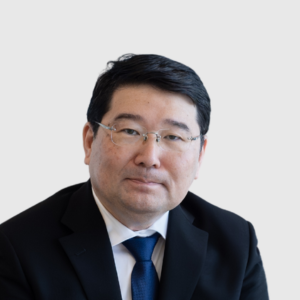
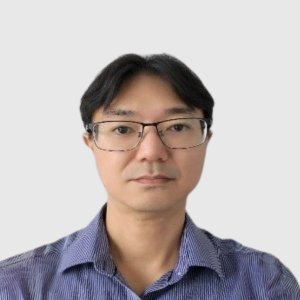
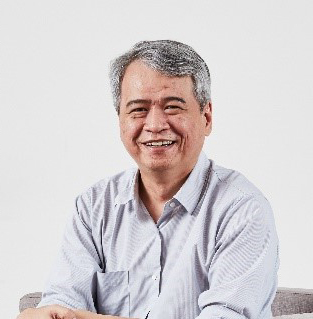
Makoto Yawata, M.D., Ph.D.

MCI Programme Director,
Clinical-Scientist Mentor,
NUS Yong Loo Lin School of Medicine

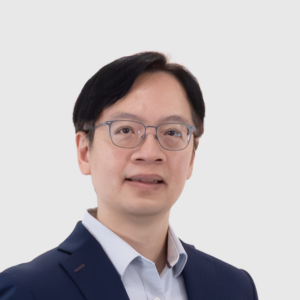
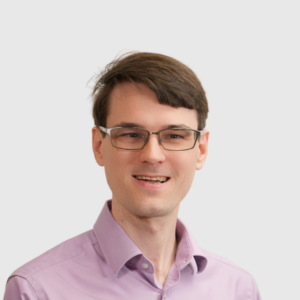
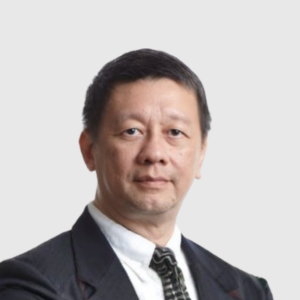
A/Prof Jeremy Tey Chee Seong

MCI Deputy Programme Director,
Assistant Dean (Graduate Studies),
NUS Yong Loo Lin School of Medicine

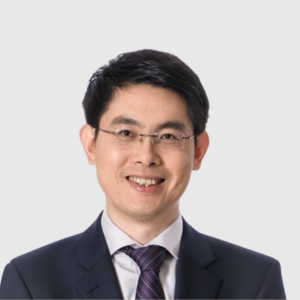
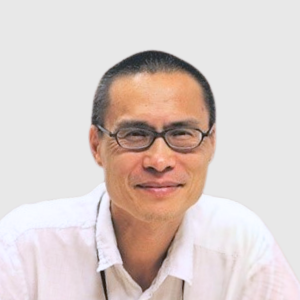
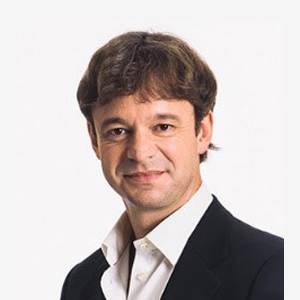
Prof Jerry Menikoff

MCI Course Coordinator,
Professor of Bioethics, Centre for Biomedical Ethics,
NUS Yong Loo Lin School of Medicine

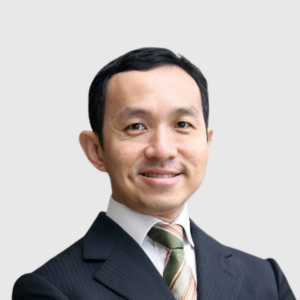
A/Prof Luo Nan

MCI Course Coordinator,
Associate Professor,
NUS Saw Swee Hock School of Public Health

Dr Yong Wei Peng

MCI Course Coordinator,
Senior Consultant, Department of Haematology-Oncology,
National University Cancer Institute, Singapore

Dr Lee Chun Fan

MCI Course Coordinator,
Assistant Professor, Centre for Quantitative Medicine, Duke-NUS Medical School

Dr Owen Schaefer

Assistant Professor, Centre for Biomedical Ethics,
NUS Yong Loo Lin School of Medicine

Prof Cheung Yin Bun

Professor, Centre for Quantitative Medicine,
Duke-NUS Medical School

A/Prof Edwin Chan

Associate Professor, Centre for Quantitative Medicine,
Duke-NUS Medical School

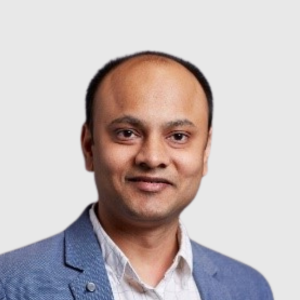
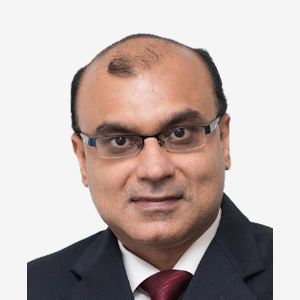
Mihir Gandhi

Assistant Professor, Centre for Quantitative Medicine, Duke-NUS Medical School

Dr Cindy Lin Xinyi

Assistant Professor, Centre for Quantitative Medicine, Duke-NUS Medical School

The MCI programme runs part-time over two academic years and comprises two components — Coursework and Research — with the option to extend to a third year if additional time is needed for the research component.

    • The Coursework Component is completed in the first year, comprising ten courses delivered across two intensive teaching blocks designed to fit around clinical schedules. This component carries 32 units.
    • The Research Component runs across both years and contributes 8 units, bringing the programme to a total of 40 units.

Graduation Requirements

    • Complete and pass all ten coursework courses (32 units), including Advanced Quantitative Methods
    • Obtain a minimum Grade Point Average (GPA) of 3.0
    • Achieve at least a B- grade in the Research Project (8 units)

To graduate, students have to fullfill both the coursework and research requirements:

Coursework (32 Units):

Nine coursework courses will be offered as a core requirement for all students.

Coursework will be conducted in two blocks, each comprising between five to seven weeks of full-time study, and held semesterly (in August-September and January-February).

All students are expected to complete the coursework requirements in the first year as it is foundational for the research component.

Research Component (8 Units):

The research component will span a minimum of eight months. The aims of this component are to enable students to apply knowledge, acquire skills to plan a project, and to integrate and sustain research within clinical practice.

COURSEWORK COMPONENT

10 Courses

SEM 1 (6 – 7 Weeks, Full Day) – 22 units in total

SEM 2 (4 – 5 Weeks, Full Day) – 10 units in total

  1. MCI5001 Design and Planning of Clinical Studies
  2. MCI5002 Clinical Biostatistics
  3. MCI5003 Basic Clinical Pharmacology for Clinical Research
  4. MCI5004 Molecular Biomarkers in Clinical Research 
  5. MCI5005 Ethics and Regulation of Clinical Research
  6. MCI5006 Design and Planning of Epidemiological Studies
  1. MCI5007 Scientific Writing 
  2. MCI5009 Health Services Research Methods for Clinicians 
  3. SPH5102 Design, Conduct and Analysis of Clinical Trials
  4. AQM Advanced Quantitative Method

32 Units in Total

RESEARCH COMPONENT

PHASE 1 (Academic Year 1)
Conceptualisation, Planning & Proposal Preparation
PHASE 2 (Academic Year 2)
Practical Experience Conducting an Actual Research Project

MCI5008 Research Project

Features:

  • Wet-lab session* (Academic Year 1 Semester 1): Gain exposure to the basic research lab environment
  • Mentorship: Each student is paired with two mentors – one in biostatistics and one clinical – who will guide them throughout their research project.

8 Units in Total

Fast-track to NUS PhD MCI graduates may be eligible for a transfer of up to 24 units towards the NUS PhD programme, waiving most of the first-year coursework.

*Compulsory

Proposed Study Plan

Please refer HERE for the proposed study plan for part-time students.

Important:

The University does not engage external agencies for student recruitment. Candidates should apply directly to the University and not through any agents. Applications submitted through agents will not receive any added advantage and the University reserves the right to reject such application without explanation.
Only online applications are accepted.

Before submitting your application:

To be eligible for enrolment, applicants must meet the following requirements. However, please note that selection of candidates is based on a competitive basis and meeting the minimum requirements does not guarantee admission into the programme.

Minimum Requirements:

For Physicians

  • An MBBS or equivalent degree from an internationally-recognised medical school or university
  • Physicians who have entered specialist training or residency programme
  • Demonstrated aptitude for clinical research
For Allied Health and Other Healthcare Professionals
  • Internationally-recognised qualification in their profession
  • At least three years of professional practice experience
  • Demonstrated aptitude for clinical research

Tuition Fees:

Total Tuition Fees (for students enrolled in the Academic Year 2026/2027 only): S$63,750 (inclusive of 9% Goods & Services Tax (GST))

The payment schedule is as follows (inclusive of 9% GST):

Part-Time Students (Non-SC/PR)

Part-Time Students (SC/PR)

NUS Alumni

Year 1 Semester 1

S$15,937.50

S$9,562.50

S$12,750.00

Year 1 Semester 2

S$15,937.50

S$9,562.50

S$12,750.00

Year 2 Semester 1

S$15,937.50

S$9,562.50
S$12,750.00

Year 2 Semester 2

S$15,937.50
S$9,562.50
S$12,750.00
Final tuition fees payable per semester may be subject to adjustments based on the Acceptance Fee payment and applicable rebates.

Acceptance Fee (Including GST):

S$5,450

Additional Fee:

In addition to tuition fees, students will be charged miscellaneous student fees each semester.

Miscellaneous student fees help meet costs incurred by the University in providing services to the student community that are either not covered or only partially covered by the tuition fees. These services include healthcare for students; facilitating student cultural, social and recreational programmes; and maintaining the shuttle bus service, IT network and other essential campus infrastructure and services.

For more information, please visit the Office of the University Registrar website.

Note:
  • The application fee for a successful submission is S$54.50 (including GST).
  • For the AY2627 intake, all Singaporeans and Singapore PRs will receive a 40% tuition fee rebate under the NUS Enhanced Tuition Fee* scheme. This rebate cannot be combined with any scholarships, study awards, grants, sponsorships, bursaries, or other financial assistance. For more information, please visit the following website.
  • For the AY2627 intake, all NUS alumni will receive a 20% tuition fee rebate. No other rebate can be used concurrently.
  • Upon acceptance of the offer, an acceptance fee of S$5,450 (including GST) will be charged in the Graduate Admission System (GDA). This fee is non-refundable, non-transferable, and will be credited toward the tuition fee once the programme begins.
  • Tuition fees are subject to annual review and inflation adjustments.
  • Penalties apply for late or partial payment of fees. Please refer here for more details on student finance matters.
  • A Module Fee will apply for any repeated module. This fee is payable together with the Miscellaneous Student Fees according to the NUS fee payment schedule.

* For eligible students under company sponsorship, NUS will issue an invoice to the student reflecting the tuition fee after the 40% rebate. They may then seek reimbursement from their company.

Applicants may apply to the NMRC Research Training Fellowship for funding for the course fees, subject to eligibility requirements. For more information, please visit the NMRC Research Training Fellowship webpage.

The MCI programme runs part-time over two academic years and comprises two components — Coursework and Research — with the option to extend to a third year if additional time is needed for the research component.
    • The Coursework Component is completed in the first year, comprising ten courses delivered across two intensive teaching blocks designed to fit around clinical schedules. This component carries 32 units.
    • The Research Component runs across both years and contributes 8 units, bringing the programme to a total of 40 units.

Graduation Requirements

    • Complete and pass all ten coursework courses (32 units), including Advanced Quantitative Methods 
    • Obtain a minimum Grade Point Average (GPA) of 3.0
    • Achieve at least a B- grade in the Research Project (8 units)

Coursework (32 Units):

Nine coursework courses will be offered as a core requirement for all students.

Coursework will be conducted in two blocks, each comprising between five to seven weeks of full-time study, and held semesterly (in August-September and January-February).

All students are expected to complete the coursework requirements in the first year as it is foundational for the research component.

Research Component (8 Units):

The research component will span a minimum of eight months. The aims of this component are to enable students to apply knowledge, acquire skills to plan a project, and to integrate and sustain research within clinical practice.

COURSEWORK COMPONENT

10 Courses

SEM 1 (6 – 7 Weeks, Full Day) – 22 units in total

  1. MCI5001 Design and Planning of Clinical Studies 
  2. MCI5002 Clinical Biostatistics 
  3. MCI5003 Basic Clinical Pharmacology for Clinical Research 
  4. MCI5004 Molecular Biomarkers in Clinical Research
  5. MCI5005 Ethics and Regulation of Clinical Research
  6. MCI5006 Design and Planning of Epidemiological Studies 

SEM 2 (4 – 5 Weeks, Full Day) – 10 units in total

  1. MCI5007 Scientific Writing 
  2. MCI5009 Health Services Research Methods for Clinicians 
  3. SPH5102 Design, Conduct and Analysis of Clinical Trials 
  4. AQM Advanced Quantitative Method

32 Units in Total

RESEARCH COMPONENT

PHASE 1 (Academic Year 1)
Conceptualisation, Planning & Proposal Preparation

PHASE 2 (Academic Year 2)

Practical Experience Conducting an Actual Research Project

MCI5008 Research Project 

Features:

  • Wet-lab session* (Academic Year 1 Semester 1): Gain exposure to the basic research lab environment
  • Mentorship: Each student is paired with two mentors – one in biostatistics and one clinical – who will guide them throughout their research project.

8 Units in Total

Fast-track to NUS PhD

MCI graduates may be eligible for a transfer of up to 24 units towards the NUS PhD programme, waiving most of the first-year coursework.

*Compulsory

Proposed Study Plan

Please refer HERE for the proposed study plan for part-time students.

Important:

The University does not engage external agencies for student recruitment. Candidates should apply directly to the University and not through any agents. Applications submitted through agents will not receive any added advantage and the University reserves the right to reject such application without explanation.
Only online applications are accepted.

Before submitting your application:

To be eligible for enrolment, applicants must meet the following requirements. However, please note that selection of candidates is based on a competitive basis and meeting the minimum requirements does not guarantee admission into the programme.

Minimum Requirements:

For Physicians

  • An MBBS or equivalent degree from an internationally-recognised medical school or university
  • Physicians who have entered specialist training or residency programme
  • Demonstrated aptitude for clinical research
For Allied Health and Other Healthcare Professionals
  • Internationally-recognised qualification in their profession
  • At least three years of professional practice experience
  • Demonstrated aptitude for clinical research

Tuition Fees:

Total Tuition Fees (for students enrolled in the Academic Year 2026/2027 only): S$63,750 (inclusive of 9% Goods & Services Tax (GST))

The payment schedule is as follows (inclusive of 9% GST):

Year 1 Semester 1

Part-Time Students (Non-SC/PR)

S$15,937.50

Part-Time Students (SC/PR)
S$9,562.50
NUS Alumni
S$12,750.00

Year 1 Semester 2

Part-Time Students (Non-SC/PR)
S$15,937.50
Part-Time Students (SC/PR)
S$9,562.50
NUS Alumni
S$12,750.00

Year 2 Semester 1

Part-Time Students (Non-SC/PR)
S$15,937.50
Part-Time Students (SC/PR)
S$9,562.50
NUS Alumni
S$12,750.00

Year 2 Semester 2

Part-Time Students (Non-SC/PR)
S$15,937.50
Part-Time Students (SC/PR)

S$9,562.50

NUS Alumni
S$12,750.00
Final tuition fees payable per semester may be subject to adjustments based on the Acceptance Fee payment and applicable rebates.

Acceptance Fee (Including GST):

S$5,450

Additional Fee:

In addition to tuition fees, students will be charged miscellaneous student fees each semester.

Miscellaneous student fees help meet costs incurred by the University in providing services to the student community that are either not covered or only partially covered by the tuition fees. These services include healthcare for students; facilitating student cultural, social and recreational programmes; and maintaining the shuttle bus service, IT network and other essential campus infrastructure and services.

For more information, please visit the Office of the University Registrar website.

Note:

  • The application fee for a successful submission is S$54.50 (including GST).
  • For the AY2627 intake, all Singaporeans and Singapore PRs will receive a 40% tuition fee rebate under the NUS Enhanced Tuition Fee* scheme. This rebate cannot be combined with any scholarships, study awards, grants, sponsorships, bursaries, or other financial assistance. For more information, please visit the following website.
  • For the AY2627 intake, all NUS alumni will receive a 20% tuition fee rebate. No other rebate can be used concurrently.
  • Upon acceptance of the offer, an acceptance fee of S$5,450 (including GST) will be charged in the Graduate Admission System (GDA). This fee is non-refundable, non-transferable, and will be credited toward the tuition fee once the programme begins.
  • Tuition fees are subject to annual review and inflation adjustments.
  • Penalties apply for late or partial payment of fees. Please refer here for more details on student finance matters.
  • A Module Fee will apply for any repeated module. This fee is payable together with the Miscellaneous Student Fees according to the NUS fee payment schedule.
* For eligible students under company sponsorship, NUS will issue an invoice to the student reflecting the tuition fee after the 40% rebate. They may then seek reimbursement from their company.
Applicants may apply to the NMRC Research Training Fellowship for funding for the course fees, subject to eligibility requirements. For more information, please visit the NMRC Research Training Fellowship webpage.

Frequently Asked Questions

Coursework I (Semester 1, August – September) will require seven weeks of full-time study and Coursework II (Semester 2, January – February) will require five weeks of full-time study.
All classes are carried out during office hours, while some of the continual assessments and examinations are conducted on Saturday mornings. Students enrolled in the MCI Programme will need to take time off (study leave, etc.) from their institutions.

Continuation Requirement:
For continuation of candidature, a student must obtain satisfactory progress during his/her candidature (Coursework), i.e., Student will be issued a warning for any semester in which his/her GPA falls below 2.50. If in the following semester, the student’s GPA again falls below 2.5, he/she will be placed on probation.

Graduation Requirement:
  • Complete and pass all nine coursework courses listed in the study plan (32 units); and
  • Obtain a minimum Grade Point Average (GPA) of 3.0, and
  • Achieve at least a B- grade in the Research Project (8 units)
Yes, graduates may be eligible for a transfer of up to 24 units toward the NUS PhD programme. This typically waives most of Year-1 coursework, allowing you to fast-track into research earlier.

No, MCI is open to a broad range of healthcare professionals, not just specialists. The programme welcomes physicians, dentists, nurses, pharmacists, TCM practitioners, and allied health professionals with experience in patient care — provided they have a relevant clinical research topic or question they wish to pursue.

No, MCI students could also undertake projects in areas such as Health Services Research.

Coursework 1 must always be taken in Year 1. Both Coursework 1 and 2 are normally scheduled in Semester 1 and Semester 2 of the first year. However, if you have valid reasons — such as maternity leave, departmental scheduling conflicts, or HMDP — you may request approval to defer Coursework 2 to Year 2.
Students could extend their candidature for a third year.

As tuition fees for MCI are charged on a per programme basis, not per annum, students who extend their candidature beyond the standard 2 years will not be charged additional tuition fees. However, they will still be liable for the NUS miscellaneous student fees.

It is recommended that you provide a clear title, hypothesis/research problem, and specific aims, backed by literature review (a survey of past/existing/ongoing research).

The NUS MCI programme offers close mentorship from experienced researchers, with personalised guidance on each student’s project, and provides a direct pathway to the PhD — allowing up to 24 units of coursework exemption.

Still can’t find your answer in the FAQs? Click here for more, or email us at mci@nus.edu.sg and we will reply to you within 3 working days.

Voices That Inspire

Top

Have Questions? Get in Touch with Us

    By submitting this form, you consent to the National University of Singapore (NUS) Yong Loo Lin School of Medicine collecting, using, and disclosing your business data, as provided in this form, for administrative and marketing purposes. For more information, please refer to our NUS Privacy Notice.

    Makoto Yawata, M.D., Ph.D.

    • Programme Director, Master of Clinical Investigation
    • Clinical-Scientist Mentor, Master of Clinical Investigation
    • Research Assistant Professor
    • Department of Pediatrics, NUS Yong Loo Lin School of Medicine
    • Principal Investigator, Immunology Programme, Life Sciences Institute, National University of Singapore
    • Principal Investigator, NUS Medicine Immunology Translational Research Programme, National University of Singapore

    Makoto YAWATA is the Director of the MCI Programme, where he also serves as a clinician-scientist mentor guiding the students in designing and planning their clinical studies and as coordinator of the MCI wet lab experiential research workshop. He is affiliated with the Department of Paediatrics at the NUS Yong Loo Lin School of Medicine and a Principal Investigator in the Immunology Programme in the NUS Life Sciences Institute and the NUS Medicine Immunology Translational Research Programme. 

    His clinical background is autoimmune diseases; however, the research he conducted as postdoctoral fellow in the Department of Structural Biology in Stanford University School of Medicine has led him to become more involved in hematology and transplantation. His laboratory has been investigating the mechanisms of human natural killer cell responses against particular types of virus infections and cancer, and also in transplantation immunology.

    A/Prof Jeremy Tey Chee Seong

    • Deputy Programme Director, Master of Clinical Investigation
    • Assistant Dean (Graduate Studies), NUS Yong Loo Lin School of Medicine
    • Adjunct Associate Professor, NUS Yong Loo Lin School of Medicine
    • Senior Consultant, Department of Radiation Oncology, National University Cancer Institute

    Adjunct Associate Professor Jeremy Tey graduated from the National University of Singapore Yong Loo Lin School of Medicine, and obtained his fellowship from the Royal Australian and New Zealand College of Radiologists.

    A/Prof Tey is currently practising as a Senior Consultant in the Department of Radiation Oncology at the National University Cancer Institute, Singapore and serves as the Clinical Director of the Department. He completed his training in high dose rate endorectal brachytherapy for rectal cancer at the Jewish General Hospital, Montreal, Canada. A/Prof Tey’s sub-specialty interests are in Gastrointestinal and Genitourinary cancers. He has published in peer review journals and written book chapters.

    Prof Jerry Menikoff

    • Course Coordinator, Master of Clinical Investigation
    • Professor of Bioethics, Centre for Biomedical Ethics, NUS Yong Loo Lin School of Medicine

    Jerry Menikoff is Professor of Bioethics at the Centre for Biomedical Ethics and Senior Fellow at the NUS Faculty of Law. Trained as both attorney and physician, he has long worked at the intersection of law and bioethics, focusing on the ethics and regulation of human research. He directed the U.S. Office for Human Research Protections for 14 years, leading revisions to regulations that strengthened informed consent, reduced duplicative reviews, and increased transparency. Previously, he oversaw research participant protections at the NIH. His books include Law and Bioethics: An Introduction and What the Doctor Didn’t Say.

    A/Prof Luo Nan

    • Course Coordinator, Master of Clinical Investigation
    • Associate Professor, NUS Saw Swee Hock School of Public Health

    A/Prof Luo Nan is Associate Professor at the Saw Swee Hock School of Public Health, National University of Singapore. His research focuses on health economics and outcomes research, particularly in measuring and valuing health-related quality of life and developing patient-reported outcome measures. He has published extensively on the development and application of quality-of-life instruments in clinical and population health studies. His work contributes to advancing methodologies in health services research and provides evidence to inform healthcare policy and practice in Singapore and internationally.

    Dr Yong Wei Peng

    • Course Coordinator, Master of Clinical Investigation
    • Senior Consultant, Department of Haematology-Oncology, National University Cancer Institute, Singapore

    Dr Yong Wei Peng is Senior Consultant in Medical Oncology at the National University Hospital. He obtained his medical degree and postgraduate training from the University of Aberdeen, Scotland, and completed an oncology fellowship at NUH before pursuing an A*STAR international clinical pharmacology fellowship at the University of Chicago. Awarded a Clinician Scientist Investigatorship, he advanced research in personalized therapy. He leads the therapeutic arm of the Singapore Gastric Cancer Consortium, recipient of the Translational Clinical Research grant, and serves as Chairman of the NHG Domain-Specific Ethics Review Board. His clinical and research interests focus on gastrointestinal cancers, pharmacogenetics and epigenetics.

    Dr Lee Chun Fan

    • Assistant Professor, Centre for Quantitative Medicine, Duke-NUS Medical School

    Dr Lee Chun Fan is an assistant professor at the Centre for Quantitative Medicine at the Duke-NUS Medical School. Prior to this, he was also affiliated with the Division of Epidemiology and Biostatistics in the School of Public Health at The University of Hong Kong and the Singapore Clinical Research Institute.
    His research interests comprise health-related quality-of-life studies, clinical trials, and modelling transmission of infectious disease. He has also worked with projects in various therapeutic areas including oncology, stroke, ophthalmology and orthopaedics.

    Dr Owen Schaefer

    • Assistant Professor, Centre for Biomedical Ethics, NUS Yong Loo Lin School of Medicine

    Dr. G. Owen Schaefer is Assistant Professor at the Centre for Biomedical Ethics (CBmE), where he directs the Phase II Health Ethics, Law and Professionalism (HeLP) curriculum. His research focuses on ethical issues arising from novel biotechnologies. Before his graduate studies, he trained in research ethics as a pre-doctoral fellow at the U.S. National Institutes of Health. He later earned BPhil and DPhil degrees in philosophy at Oxford, writing on moral enhancement, and was a post-doc at the Oxford Centre for Neuroethics. At CBmE since 2015, he has held research roles under CENTRES and SHAPES before his current appointment in 2020.

    Prof Cheung Yin Bun

    • Professor, Centre for Quantitative Medicine
    • Deputy Director, Centre for Quantitative Medicine, Duke-NUS Medical School

    CHEUNG Yin Bun is Professor at Duke-NUS Medical School, Singapore, and Adjunct Professor at Tampere University, Finland. Prior to joining Duke-NUS, he was a Senior Lecturer at the London School of Hygiene & Tropical Medicine and Chief Scientific Officer at the Singapore Clinical Research Institute.
    He received his degrees in social science, medical demography, statistics and paediatric epidemiology from institutions in Hong Kong, Singapore, and the United Kingdom. He has broad interest in the studies of global child health, statistical methodology, and quality of life in palliative care setting. He has been the principal investigator of multiple research grants on statistical methodology and quality of life research. He is the author of Statistical Analysis of Human Growth and Development (CRC Press, 2014) and co-author of Survival Analysis: A Practical Approach (Wiley, 2006). He is the developer of the Singapore Caregiver Quality of Life Scale.

    A/Prof Edwin Chan

    • Associate Professor, Centre for Quantitative Medicine
    • Office of Clinical Sciences, Duke-NUS Medical School

    A/Prof Chan is a clinical epidemiologist with over twenty years of experience in clinical research and evidence synthesis as the Chief Scientific Officer of the Singapore Clinical Research Institute (SCRI). He has been the Director of Cochrane Singapore since its establishment and is currently the Senior Scientific Advisor to SCRI. He teaches research literature critical appraisal skills and mentors students in clinical research (MCI programme, NUS). He has taught many research methodology courses on clinical trials, biostatistics, epidemiology, clinical practice guidelines (CPG) development, meta-analysis & evidence- based medicine (EBM). His interests are in the teaching of critical appraisal skills, epidemiology, health technology assessment and evidence synthesis.

    Mihir Gandhi

    • Assistant Professor, Centre for Quantitative Medicine, Duke-NUS Medical School

    Mihir Gandhi is an Assistant Professor in the Signature Program in Health Services & Systems Research, Lien Centre for Palliative Care, as well as the Head of Biostatistics Core team at the Centre for Quantitative Medicine, Duke-NUS Medical School, Singapore. He is also affiliated with the Singapore Clinical Research Institute, Singapore as the Head of Biostatistics Department and the Global Health Group at the Center for Child Health Research, Tampere University, Finland as a Visiting Researcher.
    He is primarily working on planning, analysis and reporting of clinical trials. He has experience in wide range of therapeutic areas such as oncology, paediatrics, and hypertension for drug and health services interventional trials. In addition to clinical trials, he has research interest in applied statistics, health-related quality of life, quality of healthcare and health state valuation.

    Dr Cindy Lin Xinyi

    • Assistant Professor, Centre for Quantitative Medicine, Duke-NUS Medical School

    Dr. Xinyi (Cindy) Lin is an Assistant Professor at the Centre for Quantitative Medicine, Duke- NUS Medical School. She serves as the course coordinator for two modular courses in in the MCI programme: MCI5001 (Design and Planning of Clinical Studies) and MCI5006 (Design and Planning of Epidemiological Studies). Dr. Lin has extensive experience utilising advanced statistical methods in clinical research studies and genetic epidemiology investigations. She has taught biostatistics coursework to a diverse audience, including PhD students and clinical researchers.

    Walter C. Willett

    • Professor of Epidemiology and Nutrition, Department of Nutrition, Harvard T.H. Chan School of Public Health
    • Co-Chair, EAT-Lancet Commission
    • Director, Thich Nhat Hanh Center for Mindfulness in Public Health, Harvard T.H. Chan School of Public Health
    • Faculty Affiliate, Department of Epidemiology, Harvard T.H. Chan School of Public Health
    • Former Chair, Department of Nutrition, Harvard T.H. Chan School of Public Health
    • Elected Member, National Academy of Medicine, United States
    • Author, Nutritional Epidemiology
    • Member, MSc NLM Programme Curriculum Committee

    Walter C. Willett, a Professor of Epidemiology and Nutrition at Harvard T.H. Chan School of Public Health and a Director of the Thich Nhat Hanh Center for Mindfulness in Public Health. He served as Chair of the Department of Nutrition for 25 years. A globally recognised expert in nutritional epidemiology, his research on diet and chronic disease prevention has shaped public health policies worldwide. An elected member of the National Academy of Medicine, he has published over 2,000 scientific articles and authored influential books, including Nutritional Epidemiology.

    Adj Prof Joanne Yoong Su Yin

    • Adjunct Professor, NUS Yong Loo Lin School of Medicine
    • Founder and Chief Executive, Research for Impact, Singapore
    • Honorary Senior Lecturer, London School of Hygiene and Tropical Medicine
    • Adjunct Faculty, Department of Economics, Singapore Management University

    A/Prof Kenneth Ban

    Programme Director, National Supercomputing Cluster Singapore (NSCC)
    Assoc Prof, Dept of Biochemistry, NUS Yong Loo Lin School of Medicine

    Prof Kenneth Ban graduated from NUS Yong Loo Lin School of Medicine and completed his PhD in Stanford University, As a medical educator and Phase I Director at the Yong Loo Lin School of Medicine, Kenneth is leading the development of a Health Informatics track aiming to build foundational competencies in data science for medical students.

    A/Prof Caroline Lee

    Vice Dean, NUS Graduate School, NUS Yong Loo Lin School of Medicine
    Assoc Prof, Dept of Biochemistry, NUS Yong Loo Lin School of Medicine

    Prof Caroline Lee graduated with PhD from Baylor College of Medicine and did her post-doctoral training with Dr. Michael Gottesman at the National Cancer Institute, National Institutes of Health. She has ~100 peer reviewed publications focused on the functional genomics of hepatocellular carcinoma (HCC) and pharmacogenetics.

    Aaron Chua

    • Principal Lecturer and Consultant, Digital Strategy & Leadership Practice, NUS-ISS

    His research interests comprise health-related quality-of-life studies, clinical trials, and modelling transmission of infectious disease. He has also worked with projects in various therapeutic areas including oncology, stroke, ophthalmology and orthopaedics.

    A/Prof Jason Yap

    • Associate Professor, NUS Saw Swee Hock School of Public Health
    • Director, Public Health Translation, NUS Saw Swee Hock School of Public Health

    Prof Seth Gilbert

    • Dean’s Chair Associate Professor, NUS School of Computing
    • Head, Department of Computer Science, NUS School of Computing

    Adj. Prof Ngiam Kee Yuan

    • Head, Department of Biomedical Informatics, NUS Yong Loo Lin School of Medicine
    • Head, Artificial Intelligence Office, NUHS
    • Head & Senior Consultant, Division of General Surgery (Endocrine & Thyroid Surgery), Department of Surgery, NUH

    Dr Aoife Keohane

    • Programme Director, MSc in Behavioural and Implementation Sciences
    in Health (MSc BIS)
    • Senior Lecturer, Centre for Behavioural and Implementation
    Science Interventions (BISI) NUS Yong Loo Lin School of Medicine

    Prof Nick Sevdalis

    • Academic Director, Centre for Behavioural and Implementation Science Interventions (BISI)
    • Visiting Professor, Department of Psychological Medicine, NUS Yong Loo Lin School of Medicine
    • Academic Director (Joint), Quality Improvement & Implementation Science Clinical Academic Group, King's Health Partners, London, UK

    Dr Volker Patzel

    Biomedical Innovation & Enterprise Course Coordinator
    Senior Lecturer, Dept of Microbiology & Immunology, NUS Yong Loo Lin School of Medicine

    Dr Volker Patzel is a Senior Lecturer at NUS Yong Loo Lin School of Medicine and holds a PhD from the Ruprecht Karls University in Heidelberg. With more than 20 years of teaching experience, he coordinates six modules at NUS Yong Loo Lin School of Medicine and leads research on RNA technologies for therapeutic and diagnostic applications. Dr Patzel has published over 50 papers, filed 15 patent families, and founded AVECRIS Pte Ltd in Singapore.

    A/Prof Gautam Sethi

    Drug Discovery and Development Specialisation Coordinator
    Capstone Project Co-Coordinator
    Associate Professor, Dept of Pharmacology, NUS Yong Loo Lin School of Medicine

    A/Prof Gautam Sethi is a tenured Associate Professor at NUS Yong Loo Lin School of Medicine, focusing on oncogenic transcription factor activation and cancer therapy. His work has led to over 400 scientific publications in high-impact journals. A/Prof Sethi is an editorial board member for numerous international journals and has been recognized as one of the world’s most highly cited researchers in 2020 and 2021 by Clarivate.

    Dr Sham Lok-To (Chris)

    Capstone Project Coordinator
    Assistant Professor, Dept of Microbiology & Immunology, NUS Yong Loo Lin School of Medicine

    Dr Chris Sham is an Assistant Professor at the Department of Microbiology & Immunology, NUS Yong Loo Lin School of Medicine, where he teaches multiple microbiology-related courses, including Microbiology and Infection and Immunity He also serves as the Undergraduate Research Opportunities Programme coordinator and the Deputy Research Director of the Infectious Diseases Translational Research Programme. His research focuses on bacterial cell envelope synthesis, and in 2019, he received the prestigious National Research Foundation Fellowship.

    Dr Png Chin Wen

    Vaccinology and Immunotherapy Specialisation Coordinator
    Lecturer, Dept of Microbiology & Immunology, NUS Yong Loo Lin School of Medicine

    Dr Png Chin Wen earned his PhD from the University of Queensland and is a Lecturer at NUS Yong Loo Lin School of Medicine, where he teaches topics such as immunology, cellular signaling, and vaccine development. His research focuses on gut microbiome and mucosal inflammation related to gastrointestinal cancers. Dr Png collaborates with clinicians to explore the role of gut bacteria in disease progression and serves as course coordinator for the MSc in Applied Biomedicine’s Vaccinology and Immunotherapy specialisation.

    Dr Jaishree Tripathi

    Infectious Diseases Management Specialisation Coordinator
    Lecturer, Dept of Microbiology & Immunology, NUS Yong Loo Lin School of Medicine

    Dr Jaishree Tripathi is a Lecturer at the Yong Loo Lin School of Medicine, where she leads the Infectious Diseases Management track for the MSc in Applied Biomedicine programme. She has over 11 years of research experience in malaria parasite biology, including drug resistance and host-parasite interactions. Dr Tripathi holds a PhD in Biological Sciences from the University of Cambridge and has made significant contributions to malaria research using stem-cell-based models and single-cell transcriptomics.

    A/Prof Zhang Yongliang

    Co-Programme Director, MSc in Applied Biomedicine (ABM)
    Associate Professor, Dept of Microbiology & Immunology, NUS Yong Loo Lin School of Medicine

    A/Prof Zhang Yongliang is a tenured Associate Professor and Deputy Research Director of the Translational Immunology Programme at NUS Yong Loo Lin School of Medicine. With over 15 years of teaching experience, he has created several programmes focused on infection and cancer. A/Prof Zhang’s contributions to immunology research have earned him recognition, including the Graduate Mentor of the Year award in 2019.

    A/Prof Kevin Tan Shyong Wei

    Programme Director, MSc in Applied Biomedicine (ABM)
    Associate Professor and Head, Dept of Microbiology & Immunology, NUS Yong Loo Lin School of Medicine

    A/Prof Kevin Tan is the Head of the Department of Microbiology & Immunology at NUS and Vice-Dean (Graduate Studies) at the Yong Loo Lin School of Medicine. He has 20 years of teaching experience and played a key role in developing the world’s first online course on the biomedical aspects of COVID-19. A/Prof Tan has received numerous teaching awards, including the Faculty Teaching Excellence Award and Graduate Mentor of the Year.