Musical rhythms for ADHD — Project Sonetto’s use of Music in Medicine
Published: 31 Jul 2026
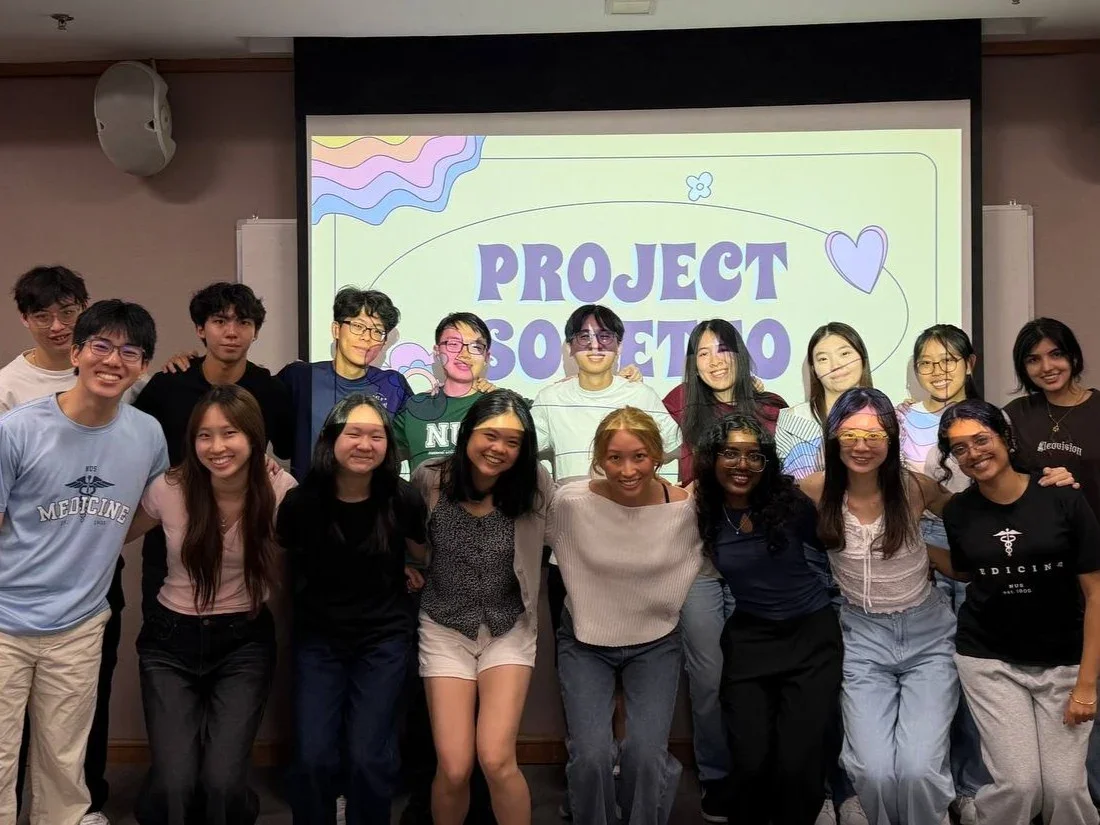
Project Sonetto’s general meeting, reflecting on its first year.
The heart behind Sonetto
Founded in 2025, Project Sonetto is the first and currently the only music-based Community Involvement Project led by students at NUS Medicine. Inspired by the growing field of Music and Medicine, the project explores how music can be harnessed as a therapeutic tool to support children with Attention Deficit Hyperactivity Disorder (ADHD), a condition that affects up to 8% of children and carries the fourth highest disease burden among childhood conditions in Singapore.
Current treatment for ADHD typically combines stimulant medications with non-pharmacological interventions such as Cognitive Behavioural Therapy (CBT) and Occupational Therapy. While these approaches are effective, stimulant medications may cause side effects such as reduced appetite, while CBT largely focuses on teaching compensatory skills rather than directly address the underlying neurobiological deficits.
Against this backdrop, the use of music in healthcare has emerged as a promising form of complementary and alternative medicine. While music intervention is used for conditions such as autism and dementia, no established programme currently exists for ADHD.
This gap inspired the creation of Project Sonetto. Founding directors Raeanne Wong Chien Yin and Yong Rei En, Kera Ruth, both Year 3 NUS Medicine students were intrigued by the possibility that music could potentially modulate neurobiological pathways in the brain. As research in this field grew, evidence began to suggest that music-based interventions may help improve core ADHD symptoms, including attention and impulsivity, as well as working memory — a core component of executive functioning that is commonly affected in ADHD.
Driven by this potential, Project Sonetto was born with a mission to explore how music can contribute to more holistic and innovative approaches to ADHD care.
Designing a music-based intervention for ADHD
As Singapore’s first music-based intervention programme for children with ADHD, Project Sonetto faced a unique challenge in crafting a musical programme that could meaningfully improve clinical symptoms of ADHD.
To evaluate the programme’s effectiveness, Project Sonetto conducted a four-month pilot study, tracking participants’ progress using the Vanderbilt scale, alongside qualitative interviews with parents conducted before and after intervention.
While ADHD is generally characterised by inattention, hyperactivity and impulsivity, its manifestations vary considerably among different children. Recognising this, the pilot programme adopted an individualised approach, tailoring musical activities and techniques to each child’s unique symptom profile and needs.
The presenting concerns among participants were diverse. Some children were having trouble paying attention, sitting still, while others experienced moments of emotional outbursts.
Mapping Music to Clinical Improvement
Drawing on musical expertise and current research in the field, the Sonetto team trialled a range of musical activities tailored to different clinical presentations of ADHD, carefully tracking each child’s progress throughout the programme.
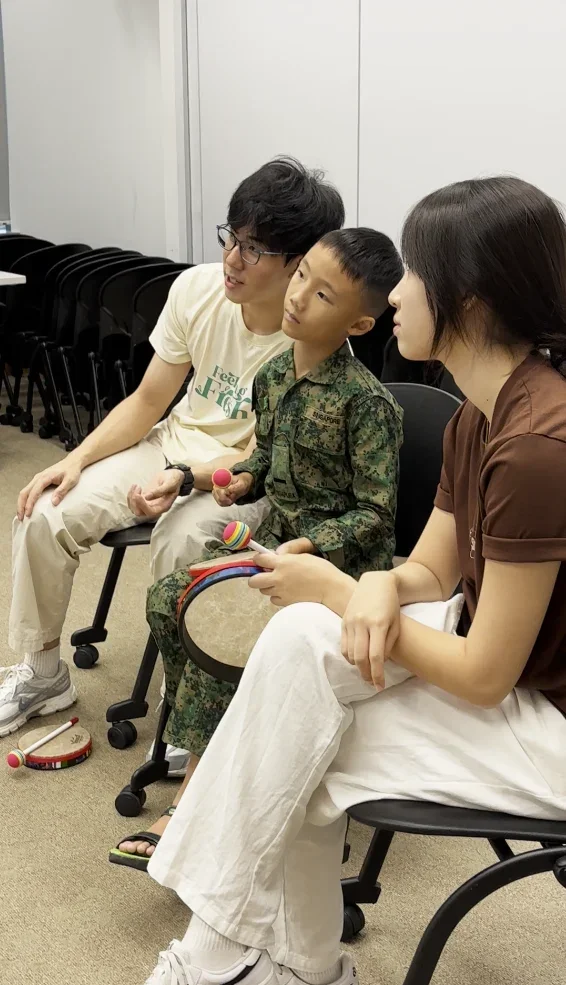
Snippets of pilot programme: Using rhythm as a form of impulsivity-control.
Rhythm was a key component of the programme, selected for its potential to address timing deficiencies and improve impulsivity. Throughout the sessions, the team observed that many children tended to rush through a set rhythm. This led to the insight that rhythmic exercises could serve as an external timing scaffold, helping children regulate their responses and pace their actions more effectively and develop stronger inhibitory control.
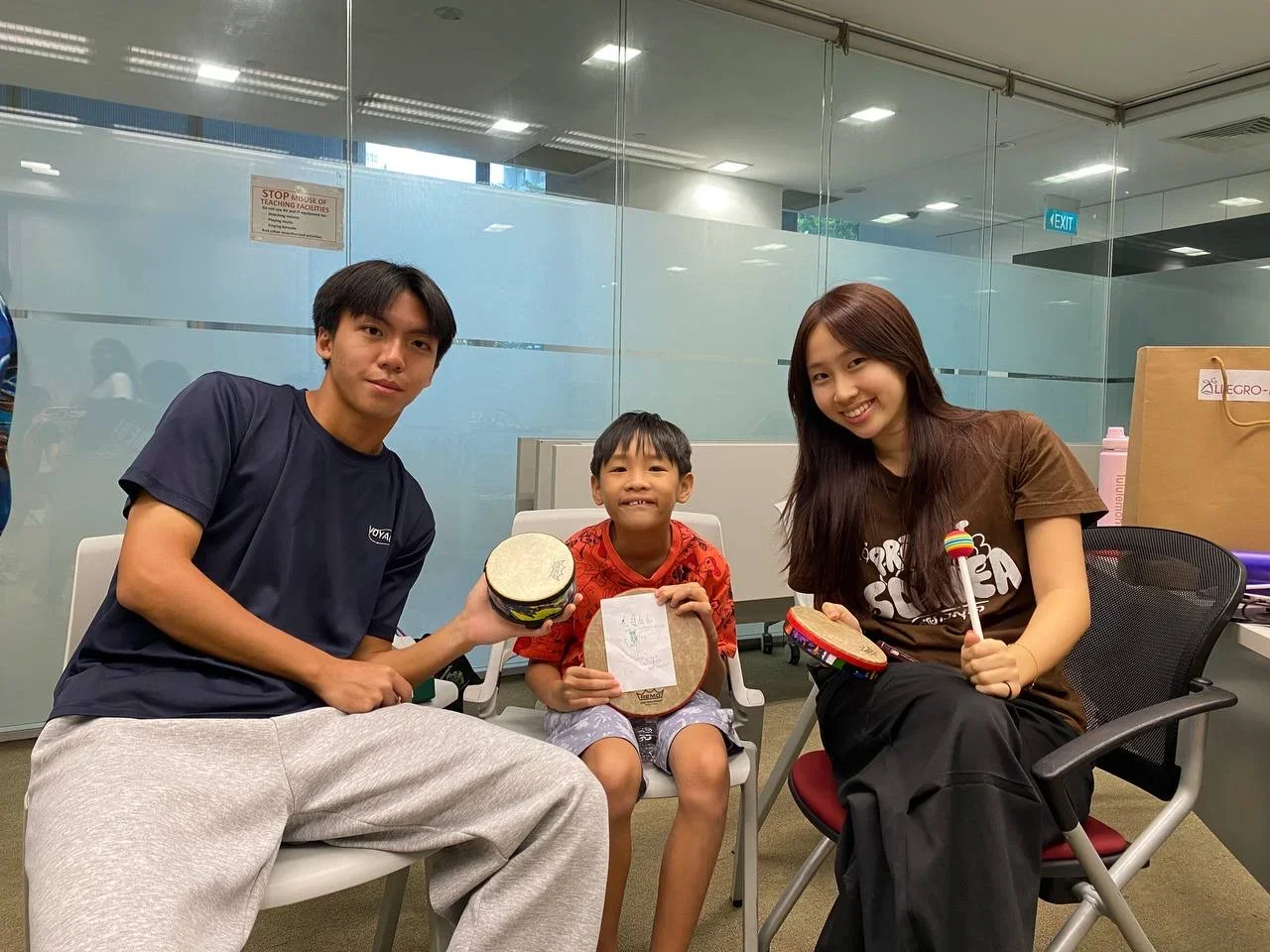
Children creating musical rhythms as part of a memory training activity.
Children were also encouraged to recall a set of notes and create their own melodic patterns using a variety of instruments. These activities encouraged both creativity and working memory. These activities also served as an outlet for self-expression and improved the children’s overall mood and enjoyment throughout the programme.
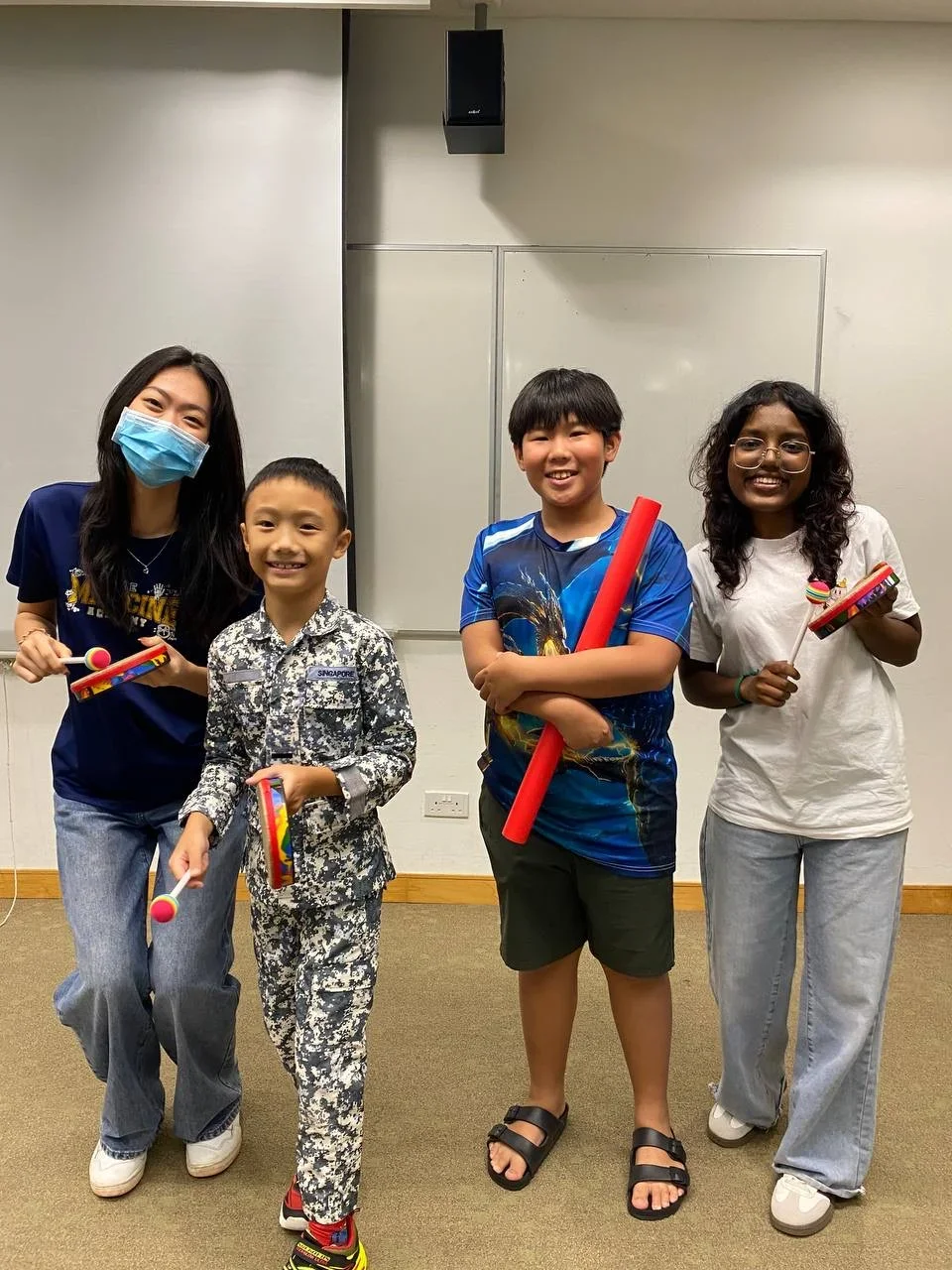
Children after a session with melodic activities and games.
Following the success of the pilot programme, Sonetto plans to partner with the National University Hospital’s Child Development Unit (NUH CDU) to evaluate the effects of music-based intervention on a larger cohort of Singaporean children with ADHD.
This collaboration aims to generate much-needed local evidence on the role of music in ADHD management, laying a foundation for greater recognition of music programmes for children with ADHD. By building on the findings from the pilot programme, Sonetto hopes to strengthen the evidence base for music as a scalable early intervention that can be integrated within educational and healthcare settings.
Expanding beyond ADHD
Project Sonetto has also expanded its outreaching beyond ADHD through its June Holiday Music Programme, conducted in partnership with Club Rainbow (Singapore). Held over four days, the programme brought together 14 children aged four to 14 with diverse developmental and medical needs.
Participants represented a broad spectrum of conditions, including not only ADHD but also Osteogenesis Imperfecta (OI) Type III, Global Developmental Delay (GDD), and Autism Spectrum Disorder (ASD).
Through four interactive sessions, the children explored fundamental musical elements such as rhythm, beat, pitch and melody through interactive activities involving body percussion, drumming and xylophones.
To better understand the impact of the programme, each child’s progress was monitored across five developmental domains: focus and attention, emotional engagement, social and communication initiation, sensory and behavioural regulation, and musical participation and initiative.
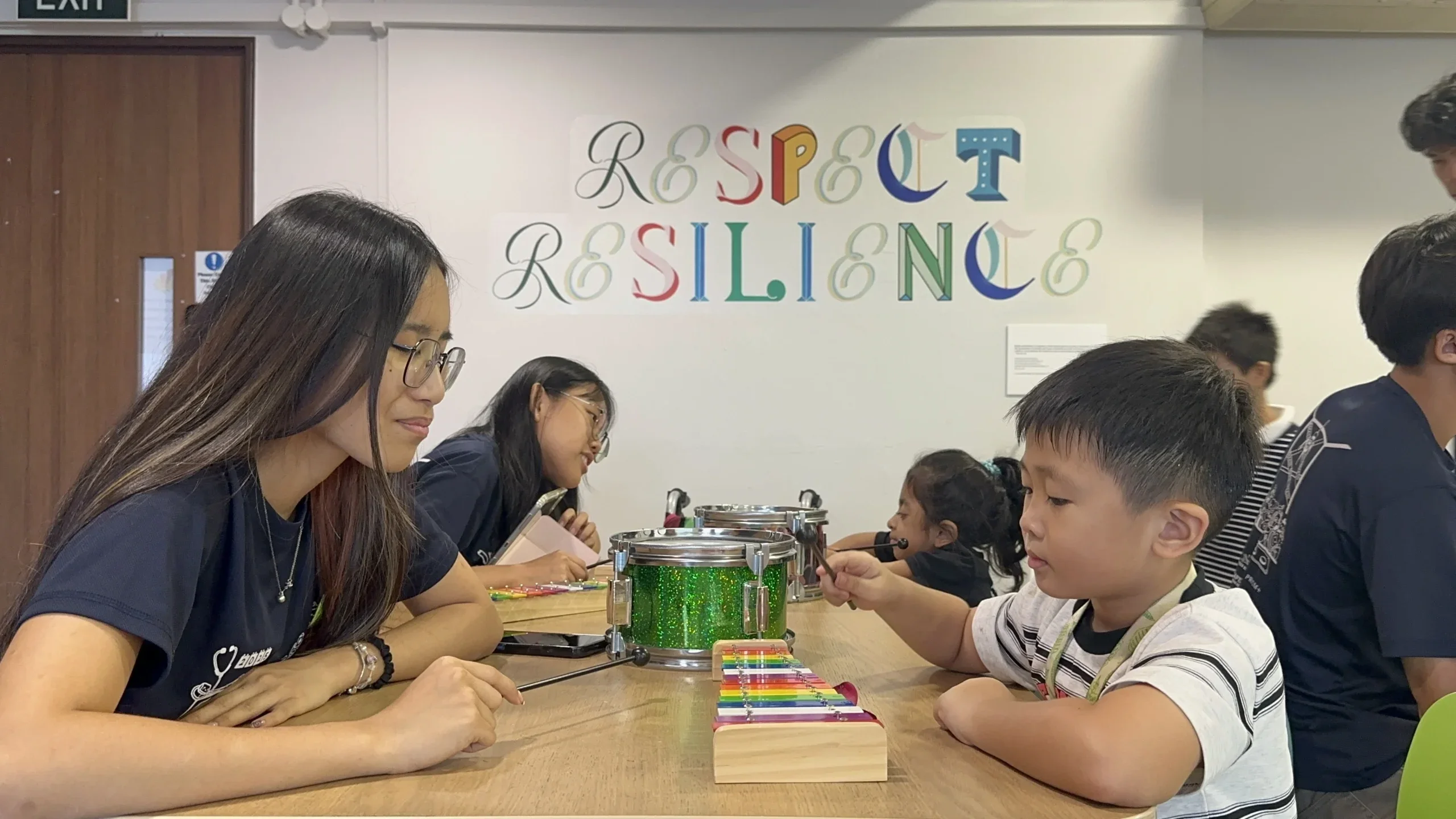
More than just melodies: exploring the use of music as an alternative intervention.
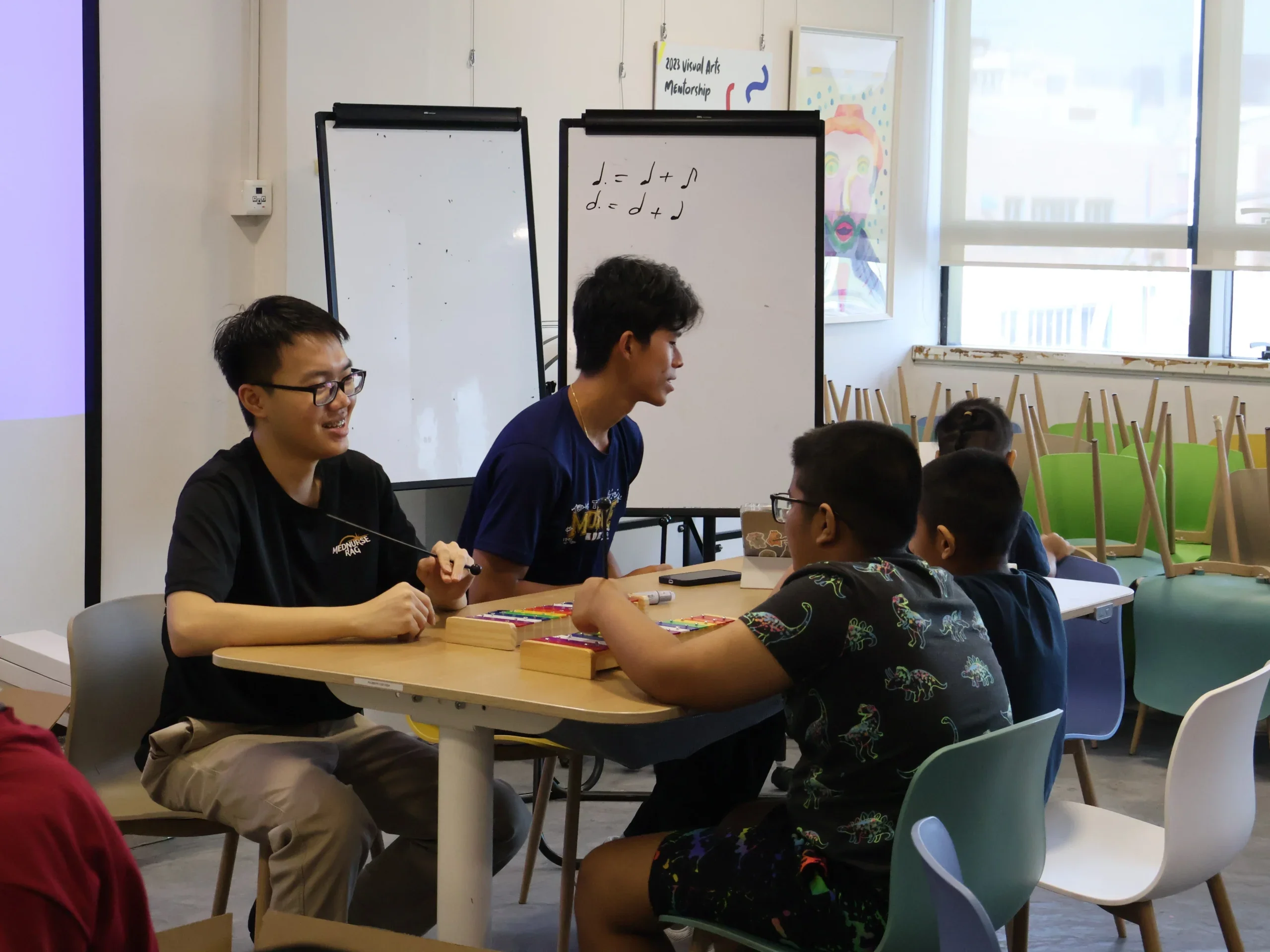
Music meets ADHD intervention — working individually with every child in the June Holiday Club Rainbow sessions.
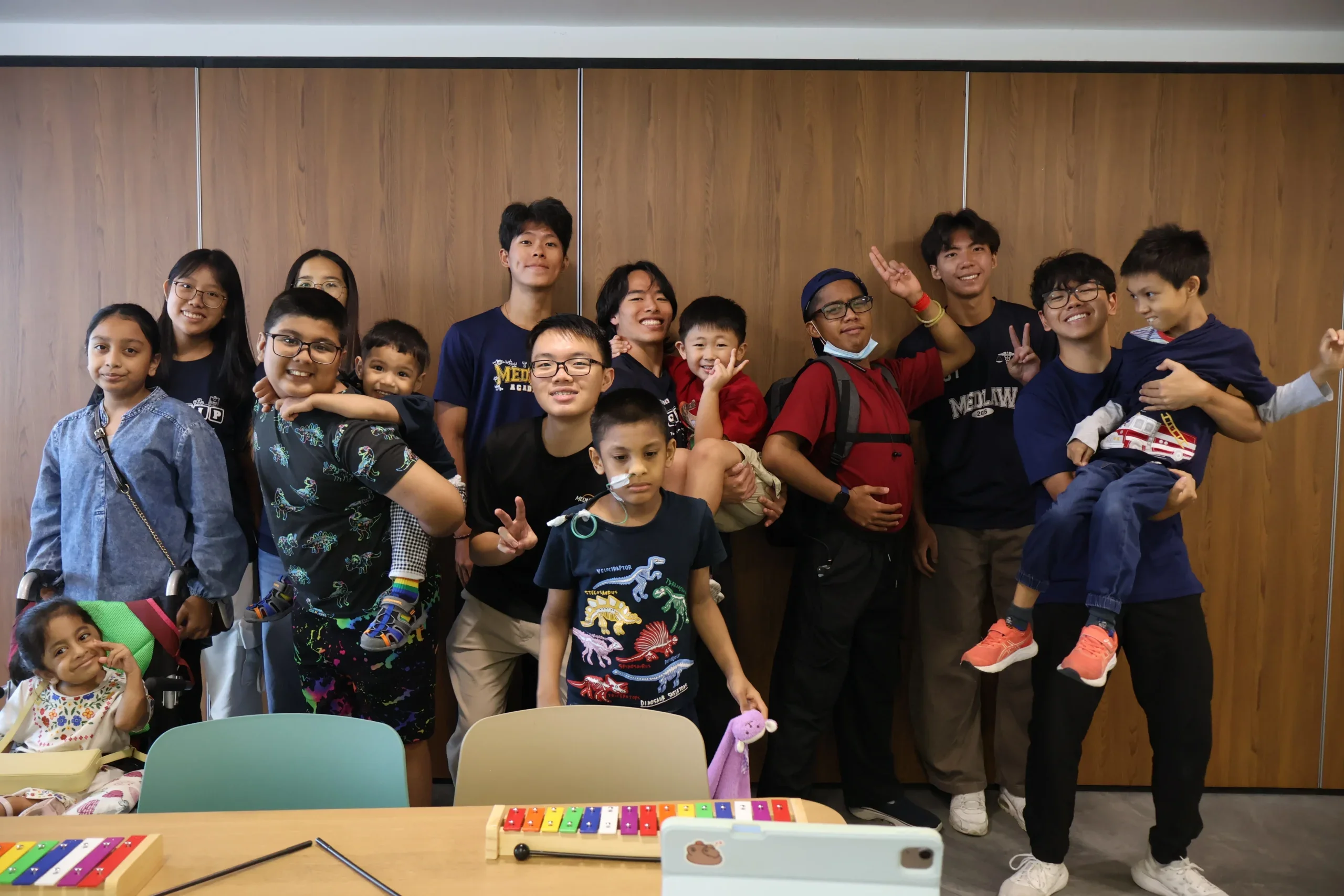
Project Sonetto team working with the participants.
By the end of the programme, many children demonstrated greater confidence as they participated in music-making activities. Facilitators also observed improvements in the children’s ability to sustain attention and remain engaged for longer periods during sessions. These encouraging outcomes highlighted the potential of structured music-based activities to promote engagement, build self-confidence, and support social participation amongst children with diverse developmental needs.
Driven by a deep commitment to supporting children with neurodevelopmental conditions through music, the Sonetto team continues to grow with each new cohort of medical students, building on top of its inaugural team of 14 members. It is their hope that music-based intervention can become an adjunctive and accessible form of treatment that will make a positive difference to the lives of every child in this programme for years to come.