Issue 58
May 2026
SCIENCE OF LIFE

What does it take to do scientific research at the highest level? What advice do accomplished researchers give to aspiring young scientists hoping to follow in their footsteps? Organised by the NUSMedSci Alliance in partnership with the NUHS Education and Research Office, the 2025-2026 NUS Medicine Trailblazer Research Series speakers explored these questions while sharing insights into the research that keeps their minds and labs busy.
Designed to inform and connect, the Series are monthly seminars that strengthen the research culture at Yong Loo Lin School of Medicine, National University of Singapore (NUS Medicine) by bringing together preclinical and clinical researchers across the School, National University Health System (NUHS) and national as well as community partners.
“Through this series, we aim to bring the community closer by providing a platform for meaningful interactions—and hopefully seed opportunities for even more collaborations, and research excellence at our School,” said Professor Roger Foo, Vice-Dean of Research at NUS Medicine.
Each session features leading researchers sharing the journeys behind transformative scientific discoveries, offering insights to inspire young scientists to chart their own paths towards research excellence. Interactive chats further encourage cross‐disciplinary exchange and new collaborations across the NUS Medicine community.
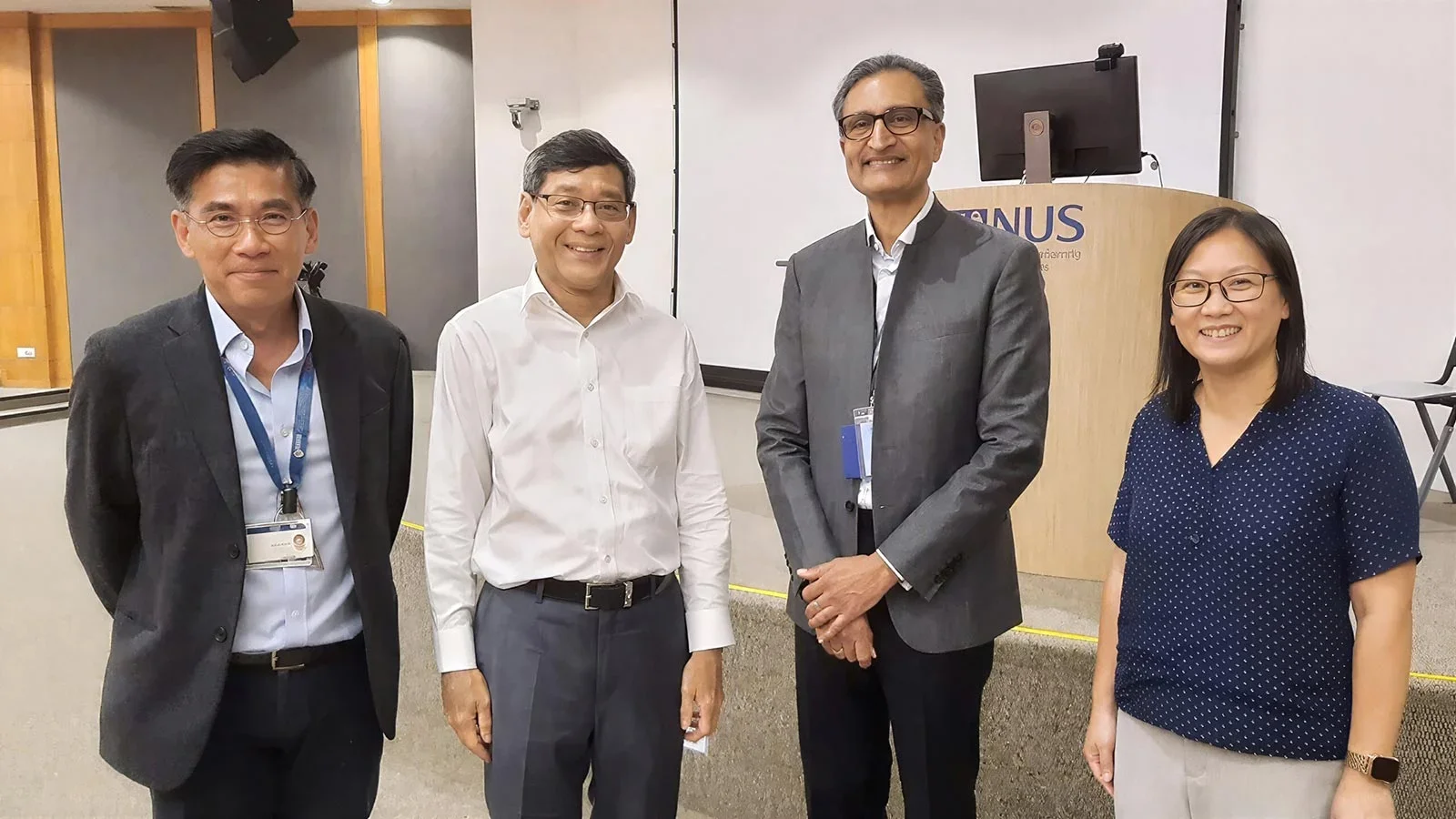
At the inaugural Trailblazer Research Series lecture. (From left) Prof Roger Foo, Vice-Dean of Research, Prof Yeoh Khay Guan, Chief Executive of NUHS, Prof Venkitaraman, guest speaker, and Assoc Prof Thai Tran, Chair of NUSMedSci Alliance.
Professor Ashok Venkitaraman: Research is a multi-splendoured journey best travelled with company
Widely recognised for his pioneering research on genome stability and cancer susceptibility, Professor Ashok Venkitaraman’s discoveries on the BRCA2 gene have transformed understanding of inherited cancer risk and early cancer intervention. At the opening lecture of the Trailblazer Research Series, he shared his journey from clinician to researcher, recounting his experience working alongside Michael Neuberger, Gregory Winter—a Nobel Prize winner, and Frederick Sanger—a double Nobel Prize winner.
“I was surrounded by some of the brightest scientific minds. Yet, these people did not care about Field-Weighted Citation Impact (FWCI), impact factors, which journals to publish in, or even how many,” he recalled. “Fred did not publish a single paper in seven years while developing methods for protein sequencing,” he recalled. “His impact factor and h-index were lower than mine. He is ranked somewhere around 3,000 in his field—but the man has two Nobel prizes. I am not the better scientist.”
I was surrounded by some of the brightest scientific minds. Yet, these people did not care about Field-Weighted Citation Impact (FWCI), impact factors, which journals to publish in, or even how many. Fred did not publish a single paper in seven years while developing methods for protein sequencing. His impact factor and h-index were lower than mine. He is ranked somewhere around 3,000 in his field—but the man has two Nobel prizes. I am not the better scientist.”
He urged the audience to reflect deeply on their work and remain connected to their original purpose. “We should not consider papers and research as achievements, as trophies we put on our walls, or worse, tokens we insert into grant giving machines.”
Drawing on his experience driving translational innovation through drug discovery platforms and leading international initiatives and institutions, Prof Venkitaraman spoke about the discipline to pursue deep scientific questions, the courage to bridge laboratory and clinic, and the responsibility to build institutions that enable others to thrive.
He also reflected on what he considers the highlight of his scientific journey—the people he has mentored. “I am very proud that so many alumni from our lab have gone on to do great things. Like anyone at the same stage of my career, I believe our greatest achievements do not lie only in the science we do, but in the science that will be done, and is already being done, by the many talented young people who have come out of our lab.”
Prof Venkitaraman concluded with a call to action: “Let’s work together more effectively. The competition is not between ourselves, but what we face ahead. Let’s embrace measured risk together. Without failing, nothing is achievable. Let’s find big problems that deserve our collective effort.”
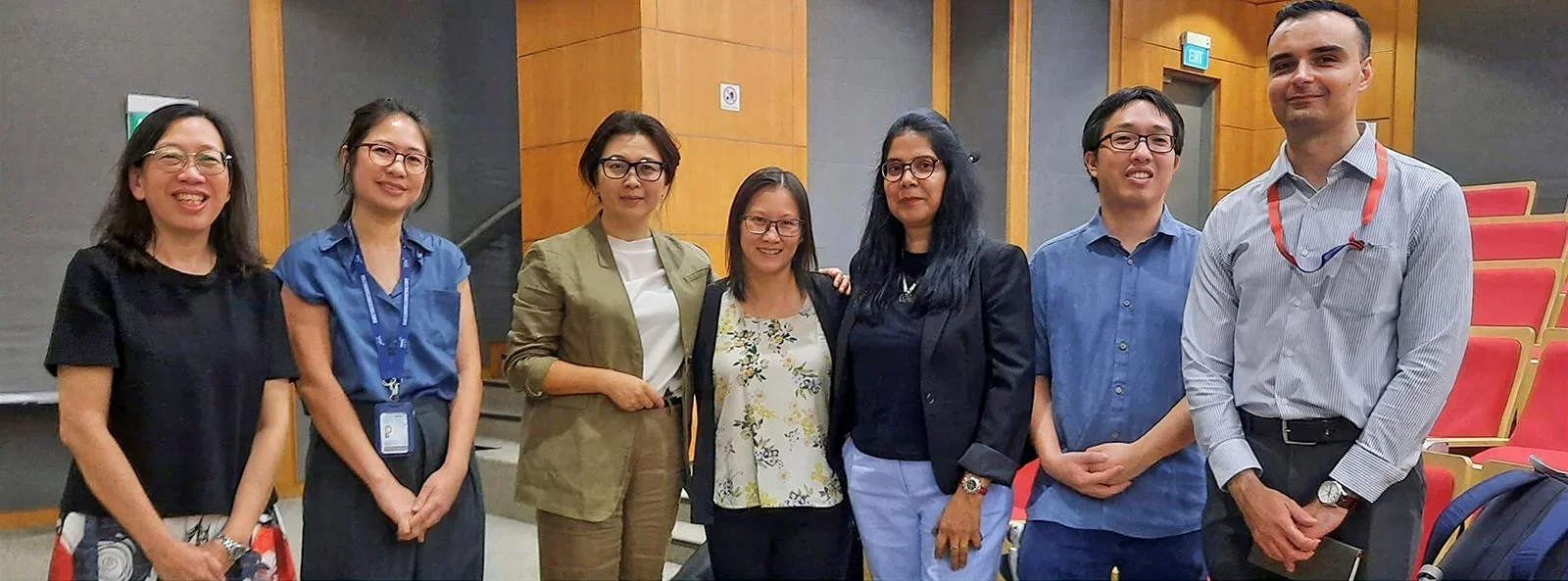
Prof Zhang (third from left) together with the NUSMedSci Alliance team supporting the Trailblazer series. (From left) Ms Sherline Tay, Manager, Dr Clara Cheong, Deputy Director – Education & Research Office NUHS, Prof Zhang, guest speaker, Assoc Prof Thai Tran, Chair of NUSMedSci Alliance, Ms Amutha Raju, Manager, Mr Woon Tien Cheng, Senior Executive and Mr Emanuel Dobrescu, Manager.
Professor Cuilin Zhang: Focusing research to improve population health and future generations
A global leader in advancing women’s health through precision nutrition, early diabetes screening and lifelong health after high-risk pregnancies, Professor Cuilin Zhang began her career as a clinical epidemiologist and physician-scientist in the US before establishing the Global Centre for Asian Women’s Health (GloW) at NUS Medicine. Today, her work helps to influence global health policy and intergenerational wellness.
In her lecture, Prof Zhang highlighted the importance of designing new studies and platforms to address population health knowledge gaps. She shared the work of GloW and her team’s life course approach to breaking the vicious cycle of diabetes and promoting human potential.
Known for pioneering translational innovations that combine sustainable nutrition and lifestyle changes with wearable devices, and omics technologies for high‐risk populations, Prof Zhang emphasised that research progress is not always linear and findings are not always predictable. She cautioned, “In research, it is inevitable that you’ll come across findings that are surprising and different from your hypothesis. These are the times when it is especially important to explore carefully to understand the cause of the contradiction—because that could redirect research efforts and offer valuable insights.”
One example was her team’s discovery that iron consumption increased the risk of gestational diabetes mellitus (GDM) in the US population. She explained, “Iron supplements are commonly prescribed for pregnant women in developing countries. However, the same practice in the US can put mothers at risk. This is why it is essential to consider nutritional baselines before supplementation—and why we advocate precision nutrition.”
Prof Zhang also stressed the role of genetics and social culture in shaping prevention strategies. She encouraged researchers to go beyond scientific questions to consider technical relevance and implementation. “Ask yourself: What are the important health issues for the local population, policymakers and funding agencies? Doing so not only improves your chances of securing resources, but also ensures your research truly matters and has impact.”
On a concluding note, she reminded the audience, “To make a global impact, start by building technical expertise in a domain you are passionate about. Don’t forget to practise work ethics while at it, because you are not aiming for short-term gains but long-term wins. Then when you become a leader, share your resources and collaborate to foster mutually beneficial growth.”
To make a global impact, start by building technical expertise in a domain you are passionate about. Don’t forget to practise work ethics while at it, because you are not aiming for short-term gains but long-term wins. Then when you become a leader, share your resources and collaborate to foster mutually beneficial growth.”
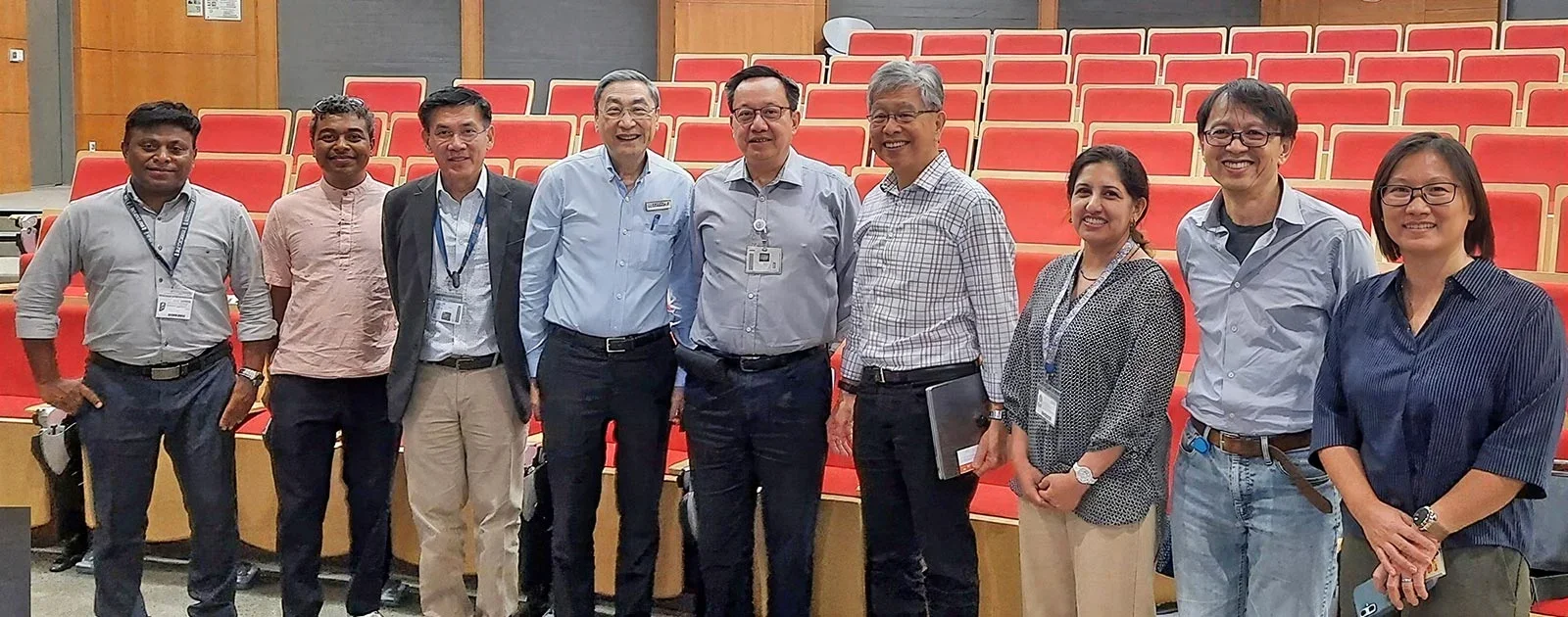
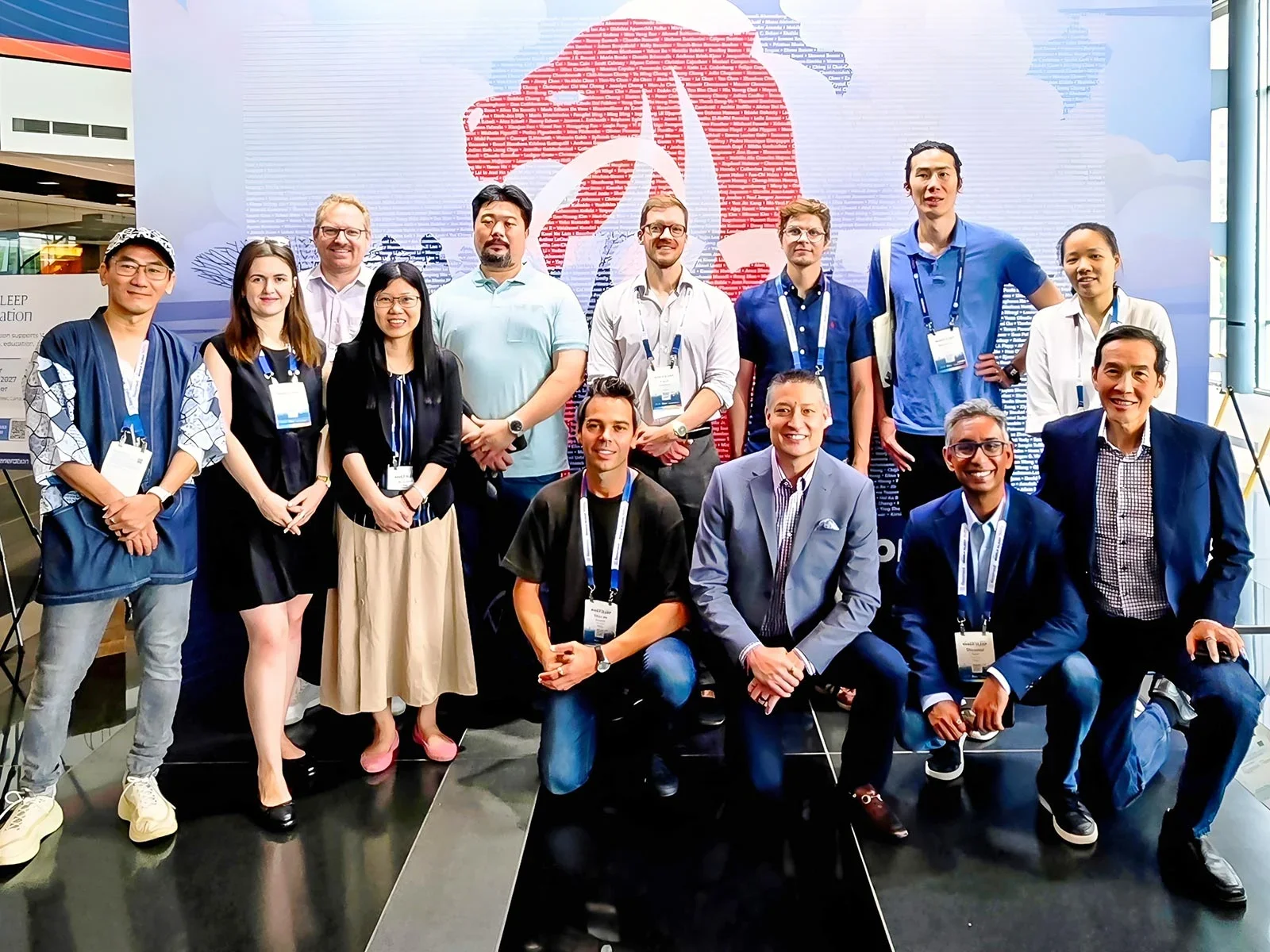
Prof Edison Liu, guest speaker (6th from left), together with Prof Chong Yap Seng, Dean of NUS Medicine (5th from left), Prof John Eu-Li Wong, Executive Director of NUS Centre for Population Health and Senior Advisor, NUHS (4th from left), and NUSMedSci Alliance Council members (from left) Assoc Prof Saji Kumar Sreedharan, Assoc Prof Ajay Sriram Mathuru, Prof Roger Foo, Asst Prof Karen Crasta Carmelina, Assoc Prof Shuo-Chien Ling, and Assoc Prof Thai Tran.
Professor Edison Liu: Seize the day
The Genome Institute of Singapore’s founding director, Professor Edison Liu began his talk by describing a future where precision medicine harnesses digital twins to transform healthcare. Addressing the audience in the third session of the Trailblazer Research Series, he said, “We are witnessing the fastest advancement in Medicine in human history—and those who can marshal current resources and leverage science and technology to create new ones will lead in the next millennium.”
Drawing a parallel between precision medicine advances and engineering innovations, Prof Liu, whose leadership at the Jackson Laboratory in the US transformed it into a global centre for genomic and translational research excellence, explained how digital twins—patient replicas that integrate genetic, epigenetic and environmental data—could predict health trajectories, drug responses, side effects and comorbidities. “Even with imperfect systems today, we are already making such predictions. But with digital twins, where models can be improved iteratively, imagine the opportunities for disease prevention and therapeutic precision.”
He added that developing digital twins of specific diseases could allow researchers to test drugs and study population responses, accelerating drug discovery and improving understanding of disease mechanisms. But to realise this vision, Prof Liu emphasised the need for cutting-edge technologies and the ability to integrate massive datasets across laboratories and nations. “The future belongs to those with the ecosystem to integrate massive data, conduct iterative clinical trials, and bring findings back to basic science labs for analysis. This virtuous cycle of generating hypotheses, testing them and refining models forms the foundation of a health‐based large language model—something we don’t have yet.”
Optimistic about Singapore’s potential, he said, “I am very excited about Singapore because we have talent, funds, and most importantly, a government that understands how science can improve not only population health but also the lives of researchers by enabling us to achieve our aspirations.”
He rounded up his talk by encouraging the audience, “This is a pivotal moment for researchers in Singapore because you are in a remarkably privileged space. Not many places have what it takes to do great work in an integrated manner. For the first time, instead of playing catch-up, Singapore is in a position to lead the world—and it is your responsibility to step up.”
This is a pivotal moment for researchers in Singapore because you are in a remarkably privileged space. Not many places have what it takes to do great work in an integrated manner. For the first time, instead of playing catch-up, Singapore is in a position to lead the world—and it is your responsibility to step up.”
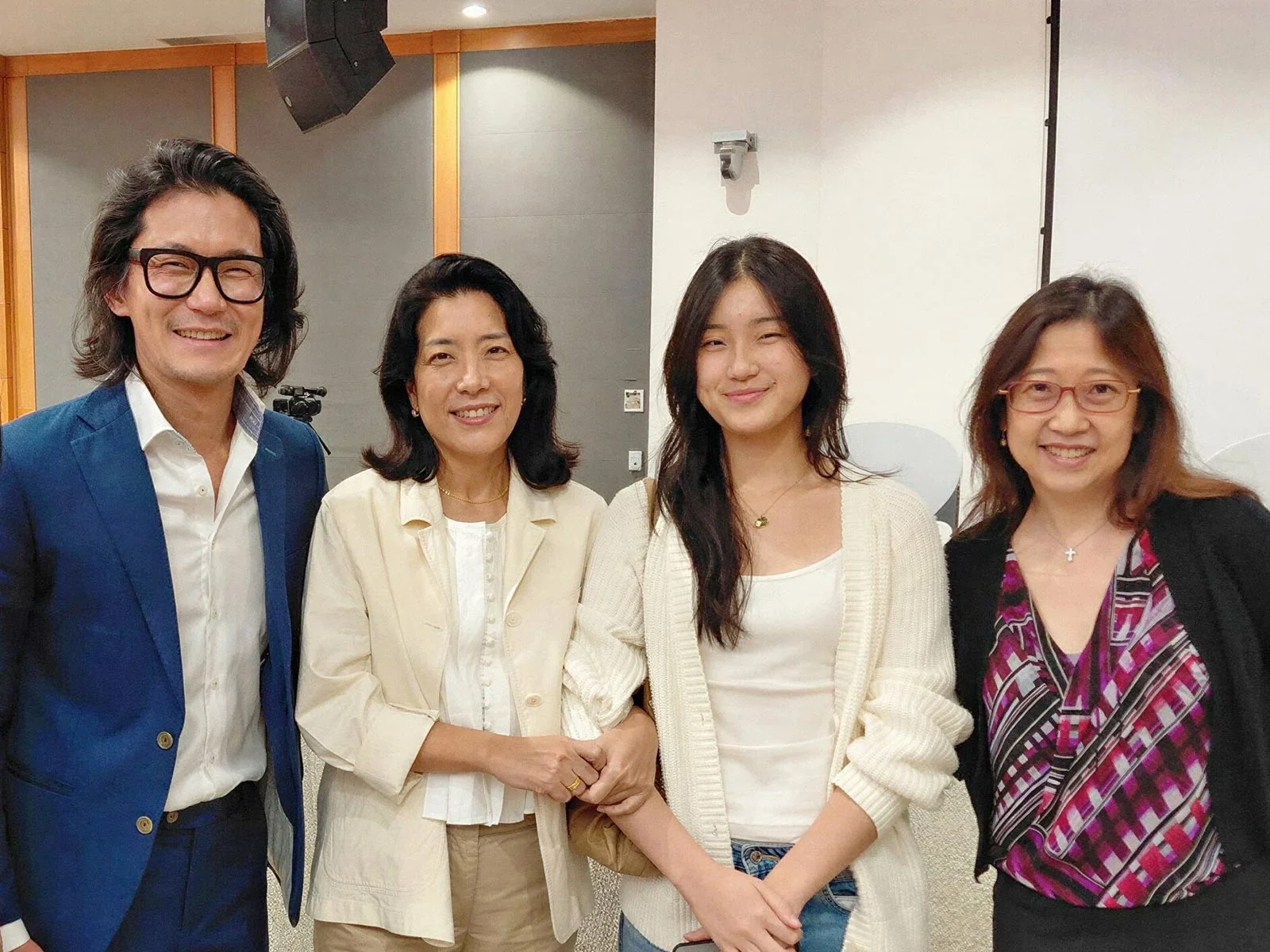
(From left) Prof Chang with his wife and daughter, a current NUS student, and Assoc Prof Yvonne Tay, who chaired the session.
Professor Matthew Chang: Unlocking new intervention opportunities with precision biology
Standing at the forefront of synthetic biology, Professor Matthew Chang uncovers fundamental design principles of living systems and engineers programmable biological functions to enable transformative biotechnological applications. The Executive Director of Singapore’s National Centre for Engineering Biology and Co-Chair of the World Economic Forum’s Synthetic Biology Council, Prof Chang began his talk by sharing how he got started in synthetic biology. “My background is in engineering, my PhD focused on applied microbiology and molecular biology, and my postdoc training was in systems biology and genomics—so I’m always in some kind of identity crisis. But I am very clear about my love for interdisciplinary science and my fascination with design.”
Despite his achievements today, his journey was not always smooth. During his PhD, an ambitious project failed to produce the expected results, leaving him with no publications. “With no papers upon graduation, my work prospects were limited. Thankfully, people who worked with me supported me, and I got opportunities to work in some exciting laboratories,” he reflected.
Focus on the problems that really matter—not only to science, but to society and the people we truly care about. And don’t forget to make friends who share your vision and are ready to work with you towards your collective goals.”
His postdoc work eventually brought him to Singapore and NUS, where he established his synthetic biology lab. “One big question my lab is always trying to answer is how to design biology so that it behaves in a predictable and precise manner.” Guided by this purpose, his team has pioneered numerous novel projects, producing groundbreaking discoveries that put both him and his lab on the global synthetic biology map.
Over the past decade, his lab has pushed the boundaries of synthetic biology—from ideas to proof of concept, to designing predictability and control, developing therapeutic functions, and now building the broader ecosystem. But Prof Chang is not done. “The future of synthetic biology is filled with exciting possibilities. The integration of synthetic biology with engineering, big data and robotics offers opportunities like never before, and this will only continue to accelerate. My hope is that we can leverage these technologies and work together for the public good.”
Reflecting on his own research journey, he concluded by advising scientists to be ambitious while staying humble and open to collaborations. “Focus on the problems that really matter—not only to science, but to society and the people we truly care about. And don’t forget to make friends who share your vision and are ready to work with you towards your collective goals.”
Click here to view the recordings.
More from this issue