
NUrSing Research Seminar Series: Nursing Workforce Sustainability – From Image and Retention to Cost-Effectiveness
22 September 2025
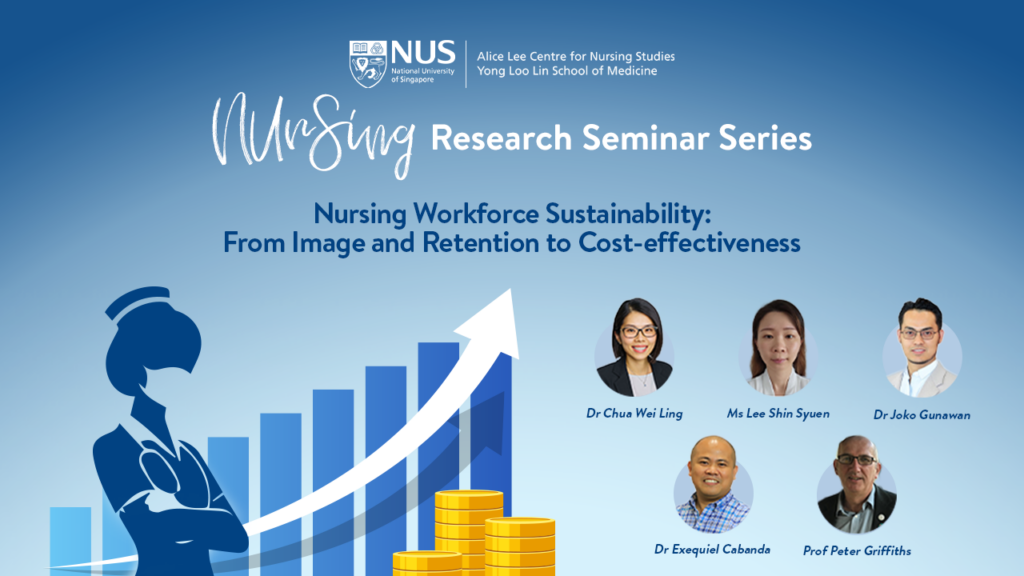
Join us for the NUrSing Research Seminar Series with Professor Peter Griffiths, who will speak on the critical issue of nursing workforce sustainability.
The session will explore:
- Nursing image and retention
- Policy integration
- Cost-effectiveness of strategies to mitigate understaffing
Programmes and Speakers
| 2.15pm – 2.30pm | Registration | |
| 2.30pm – 2.40pm | Welcome | Host: Dr Chua Wei Ling Assistant Professor, Alice Lee Centre for Nursing Studies, Yong Loo Lin School of Medicine, National University of Singapore |
| 2.40pm – 3pm | Factors Affecting the Perceived Image of the Nursing Profession Among Pre-Tertiary Students: A Cross-Sectional Mixed-Method Study | Ms Lee Shin Syeun PhD Student, Alice Lee Centre for Nursing Studies, Yong Loo Lin School of Medicine, National University of Singapore |
| 3pm -3.20pm | Stay or Switch? Career Turnover Intentions of Non-Sponsored Final-Year Nursing Students in Singapore | Dr Joko Gunawan Research Fellow, Alice Lee Centre for Nursing Studies, Yong Loo Lin School of Medicine, National University of Singapore |
| 3.30pm -3.40pm | Policy Integration and the Recruitment of Myanmar Nurses in Singapore | Dr Exequiel Cabanda Research Fellow, Alice Lee Centre for Nursing Studies, Yong Loo Lin School of Medicine, National University of Singapore |
| 3.40 – 4.30pm | Cost-Effectiveness of Mediating Nurse Shortages in Acute Wards | Professor Peter Griffiths Professor, Chair of Health Services Research, University of Southampton, United Kingdom; Senior Investigator (Emeritus), National Institute for Health and Care Research; Executive Editor, International Journal of Nursing Studies; Visiting Professor, Alice Lee Centre for Nursing Studies, Yong Loo Lin School of Medicine, National University of Singapore |
| 4.30pm – 5pm | Panel Discussion and Q&A | |
| 5pm – 5.30pm | Light Bites Networking and Poster Walkabout | |
This seminar also offers a valuable opportunity for networking and knowledge exchange among nursing leaders, researchers, and academics.
Please register by 29 September 2025 here: https://forms.office.com/r/siUuZ5rN1R
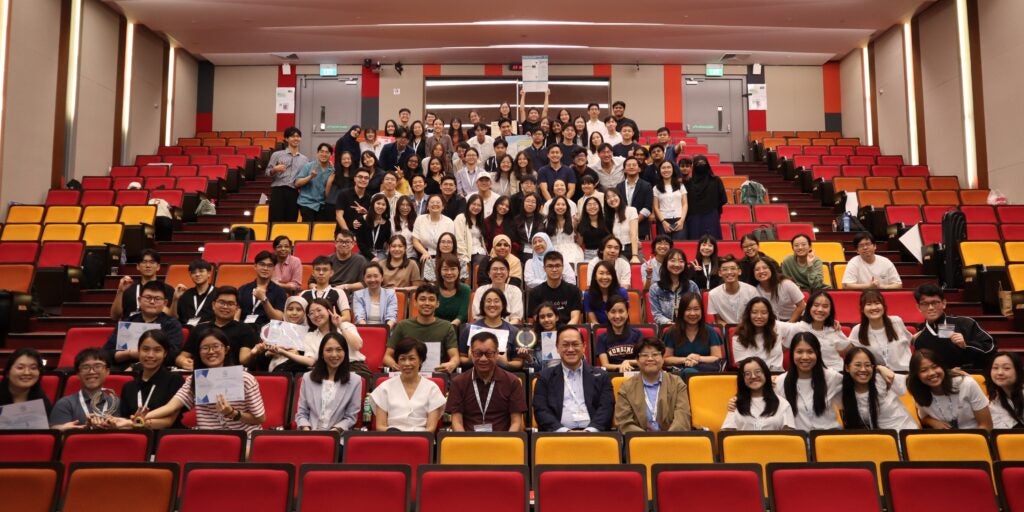
Participants, mentors and the judging panel of SHIFT gathered for a photograph at the end of the final showcase.
“No man is an island.” This maxim held true during the inaugural Shaping Healthcare Innovation For Tomorrow (SHIFT) hackathon, a ground-up hackathon that empowers students to co-create innovative solutions to real-world healthcare challenges.
Organised by the Singapore Nursing Innovation Group (SNIG), a student-led initiative under the NUS Alice Lee Centre for Nursing Studies (NUS Nursing), over 100 students from five local universities and polytechnics — NUS, the Singapore Institute of Technology (SIT), Ngee Ann Polytechnic , Nanyang Polytechnic (NYP) and the Institute of Technical Education — collaborated on winning innovations spanning three subthemes: Chronic Disease Prevention & Early Detection, Lifestyle & Behavioural Health Modification, and Ageing Population & Preventive Care.
Held from 31 August to 6 September 2025, the interdisciplinary hackathon comprised almost 30 teams, with at least one Nursing student per team, offering a valuable opportunity for students to collaborate across fields and gain mentorship from healthcare professionals.
At the final showcase on 6 September 2025, three teams walked away with top honours for their innovative ideas — a smart sock, an Artificial Intelligence (AI) social network, and a behavioural change virtual pet — all poised to shape the future of healthcare.
Grand Prize: SafeStep Smart Sock
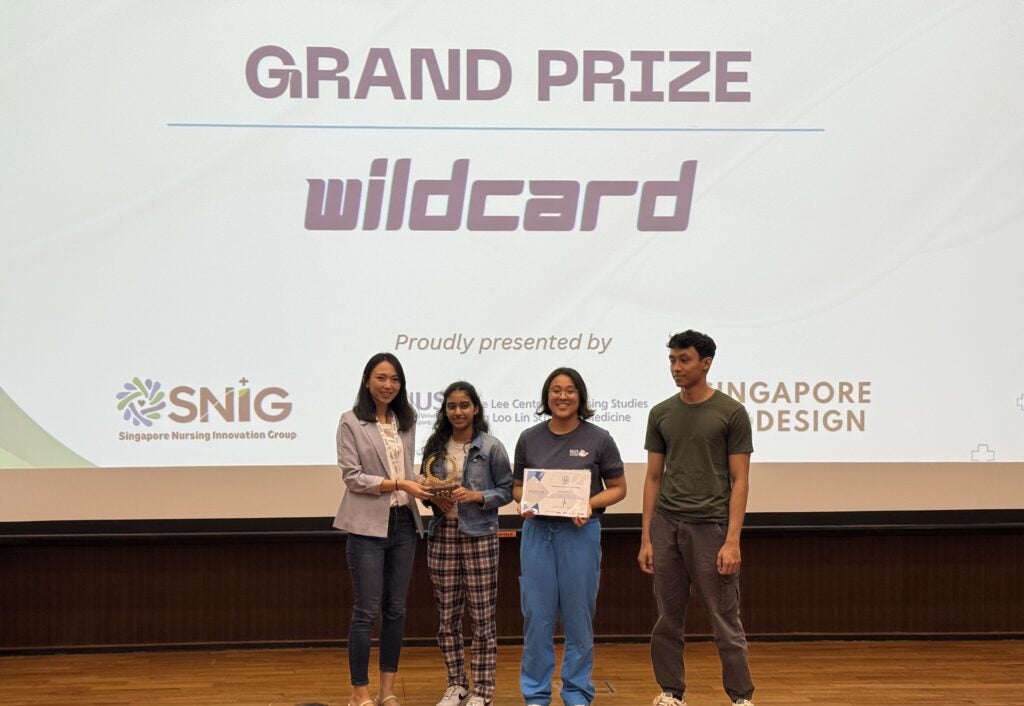
NUS Nursing Assistant Professor Jocelyn Chew, also the founder of SNIG, presented the grand prize to Team Wildcard.
The top prize went to Team Wildcard — a trio from NUS comprising Magdalene Lim from NUS Nursing, Roopashini Sivananthan from NUS College of Design and Engineering, and Hanzalah bin Azmi from the NUS Faculty of Law. Their prototype, SafeStep, is a breathable smart sock equipped with sensors that detect falls in real time and alert both wearer and caregiver. Designed for visually impaired elders, the sock aims to reduce fall-related injuries, one of the greatest impediments to seniors’ independence.
The smart sock is not the team’s first healthcare project. The trio, who first met at a design thinking workshop, had earlier collaborated on a pacifier for babies with cleft palates. They are now testing the viability and user experience of SafeStep by advancing it into the prototyping stage, with plans to conduct user interviews and design validation to ensure it meets patient and caregiver needs.
For Magdalene, the hackathon was a chance to bridge classroom learning with real-world insights. “As a student nurse, I don’t always have the full picture of what is being done in the community,” she said. “Our mentor’s wealth of experience really helped us see where the true pain points and gaps lie. That guidance shaped how we refined our idea, and it gave me a much deeper appreciation of how innovation must be rooted in real-world practice.”
1st Runner-Up: KampongNET for Seniors
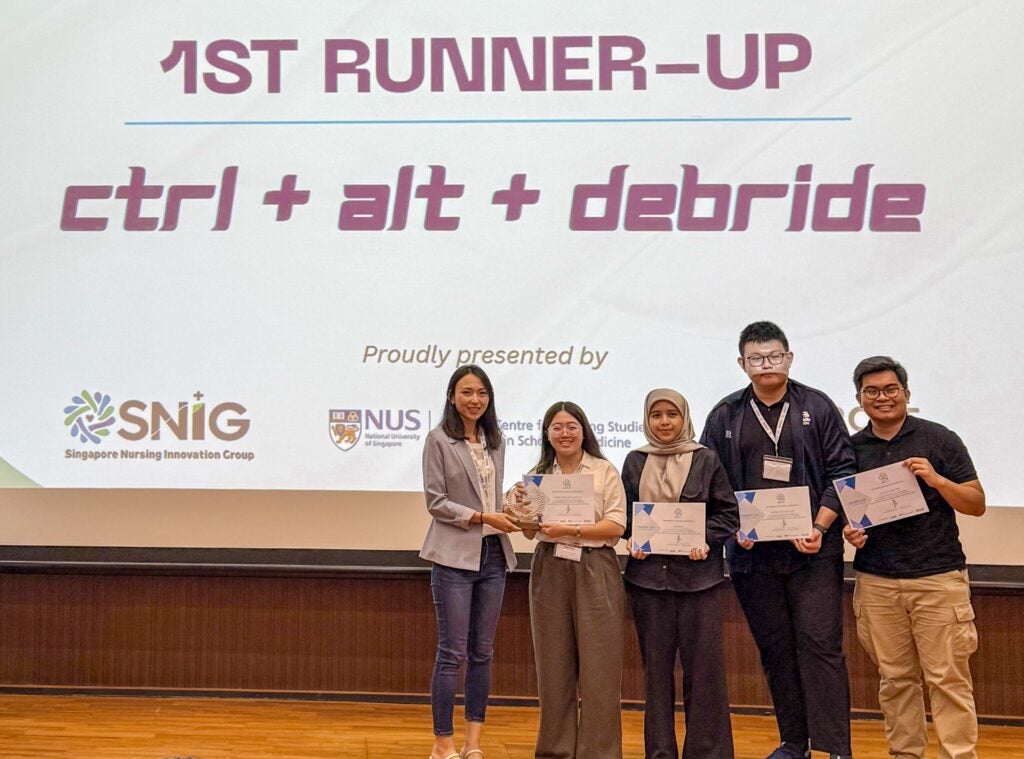
NUS Nursing Asst Prof Jocelyn Chew presented the first runner-up prize to Team Ctrl + Alt + Debride.
Ctrl + Alt + Debride — comprising Winnie Low and Ivan Tan from NUS Nursing and NUS Faculty of Science (FoS), Maryam Syamilah Binti Mahmood Shah from SIT Computing Science, and Yi Jiaxin and Onquit Jake Davis Areglo from NYP School of Information Technology — took second place with KampongNET, a digital social platform with an AI voice assistant. Built for seniors living in rental homes within Silver Zone areas, the solution combats social isolation by fostering conversations and connections.
Several members of the team first met in NYP as volunteers. Winnie was the catalyst who brought them together, spurred by the opportunity to merge two disciplines rarely seen side by side. “Coding and nursing are such distinct fields, but through this hackathon we finally had the opportunity to merge them. I don’t see many nursing-focused hackathons — most are technically heavy and can feel daunting. When I saw this opportunity, I wanted to give it a try, especially with friends I knew from NYP,” she said.
2nd Runner-Up: HabiTot Virtual Pet
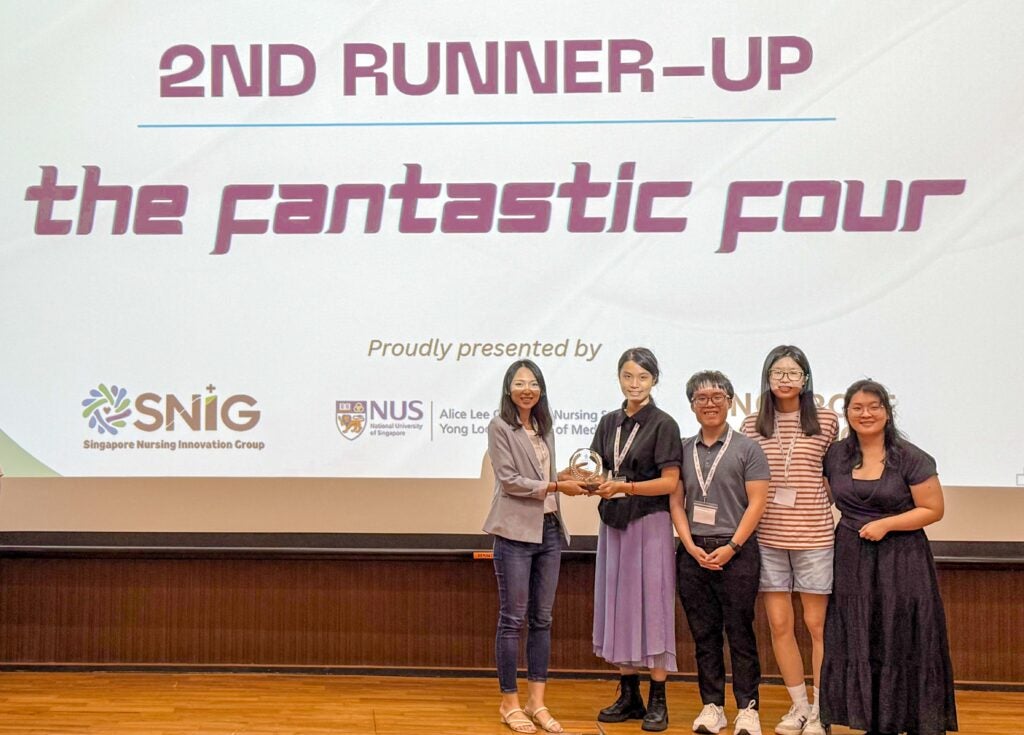
NUS Nursing Asst Prof Jocelyn Chew presented the second runner-up prize to Team The Fantastic Four.
In third place, The Fantastic Four — Jin Li Yao and Daniel Chong Zhao Yang from FoS), Guo Xinyi from NUS Nursing, and Peh Jia En Leticia from NUS Faculty of Arts and Social Sciences — developed HabiTot, a Tamagotchi-inspired virtual pet that rewards children for spending less time on screens. The playful interface nudges kids toward social interaction, hobbies, and healthier daily routines.
Team member Li Yao said the hackathon provided a springboard for the team to think bigger. “We see real potential in HabiTot, and when time allows, we hope to expand the idea into a patent and explore collaborations to turn it into a working prototype. This hackathon gave us a starting point, and we’re excited to see how far it could go with the right partners.”
For NUS Nursing Asst Prof Jocelyn Chew, who founded SNIG, this stemmed from a conviction that nursing should be recognised not only for its role in bedside care, but also for its strength in problem-solving at the frontlines.
Her vision is for SNIG to grow into a national platform where nurses at all levels engage in cross-institutional collaboration, entrepreneurship, and evidence-based change. “We want to create an ecosystem that empowers nurses to go beyond solely delivering care, to also design the systems, technologies, and models of care that will shape the future of healthcare,” she said. That philosophy inspired SNIG’s first flagship project, the SHIFT Hackathon — a proving ground where students, practitioners, technologists, and community partners came together to co-create solutions.
SHIFT’s student organising committee, led by third-year NUS Nursing students Weslyn Low and Magdalene Tong, spearheaded the planning of the hackathon. They were supported by 25 nursing mentors from hospitals across Singapore, who guided teams through the fast-paced ideation and prototyping process.
Dr Lee Yee Mei, Deputy Director of Nursing at National University Hospital and one of the mentors, described the hackathon as both inspiring and a proud moment for the profession. Seeing students step up to innovate, she said, showed their potential to create ideas that benefit patients and nurses alike. She encouraged students to view innovation as part of nursing education itself — where even something as basic as measuring vital signs can be re-imagined.
Mr Wong Kok Cheong, Deputy Director of Nursing at Changi General Hospital and one of the judges for the hackathon, shared that it was indicative of a larger shift in nursing as a profession. “Nursing innovation is the next milestone for nurses – with an ageing population and shrinking workforce, innovation is essential to improving productivity and patient outcomes.”
This article was first published in NUS News on 11 September 2025.
Singapore’s first Doctor of Nursing Practice and three new Master’s programmes are set to develop nursing leadership locally and globally, while deepening expertise in community health, critical care and infection control.
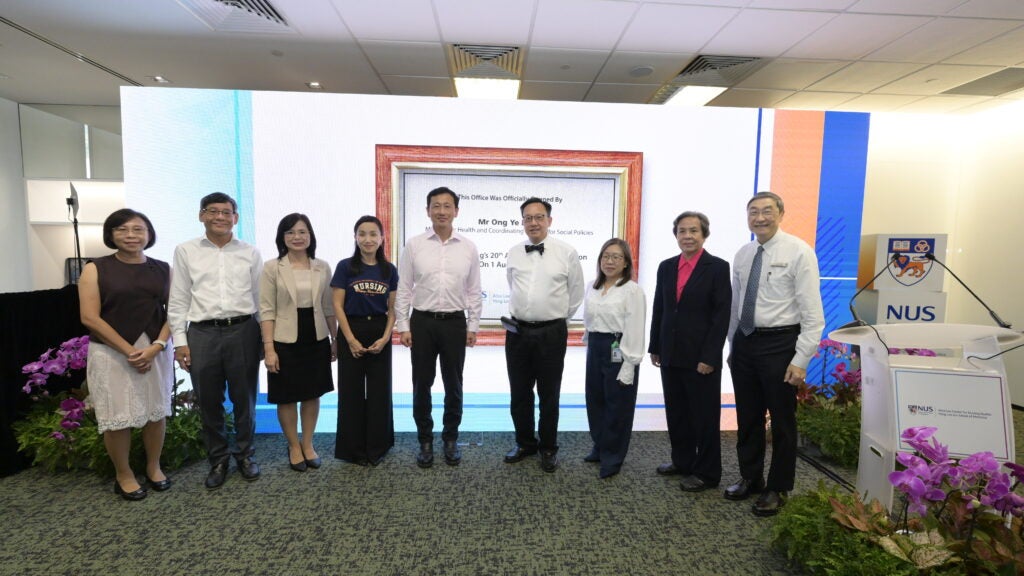
Singapore, 1 August 2025 — With an ageing population, rising chronic disease burden, a global nursing shortage, and rapid medical advancements, Singapore’s increasingly complex healthcare landscape requires a highly competent nursing workforce to lead care, make critical decisions, and ensure safe, high-quality patient outcomes. In response to these evolving healthcare needs, the Alice Lee Centre for Nursing Studies at the Yong Loo Lin School of Medicine, National University of Singapore (NUS Nursing), is expanding its programmes to offer nurses and healthcare professionals clearer pathways for career advancement and specialised training.
In conjunction with Nurses Day, and the Centre’s 20th anniversary celebration, it is launching Singapore’s first Doctor of Nursing Practice (DNP) programme and three new Master’s programmes – Master of Community Health, Master of Science in Critical Care Nursing, and Master of Science in Infection Prevention and Control.
To mark its 20th anniversary, the Centre also launched its new Nursing Education Gallery showcasing the evolution, milestones, and impact of nursing education and practice in Singapore over the past 20 years. The event was graced by Mr Ong Ye Kung, Minister for Health and Coordinating Minister for Social Policies.
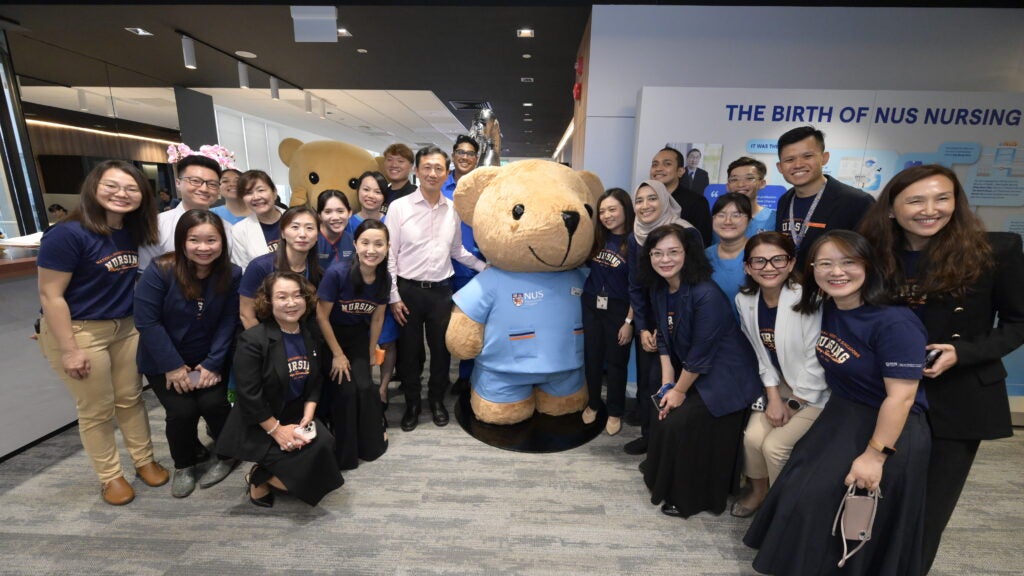
Empowering Nurses to Lead Care through the DNP
The DNP is a two-year, part-time programme designed to equip experienced nurses holding a Master’s degree with advanced clinical expertise, critical thinking, and leadership capabilities. Aligned with international standards, the DNP prepares nurses to deliver high-quality, evidence-based care, lead multidisciplinary teams, and drive healthcare innovation and policy. Its introduction marks a significant milestone in the evolution of Singapore’s nursing education, underscoring the profession’s expanding role in managing complex patient needs and delivering patient-centred care. The programme also reflects strong national confidence in the capabilities of nurses and affirms the country’s commitment to lifelong learning and professional development. By establishing the DNP, Singapore strengthens its position as a regional leader in nursing education, fostering international recognition, collaboration, and new pathways for professional growth.
Nurses can continue working while pursuing the DNP, as the programme is designed to support their professional development through a work-study arrangement, allowing them to upskill in tandem with their job responsibilities. Applications for the DNP opened on 1 April 2025, with the first cohort set to begin classes in August 2025. The inaugural run of the programme will welcome 16 local and international students.
Strengthening Nursing Expertise and Leadership through Work-Study Master’s Programmes
To further strengthen professional development across the nursing and healthcare workforce, NUS Nursing has introduced three new stackable, work-study Graduate Certificate-to-Master’s pathways to meet the growing demand for highly competent nurses in community health as well as in critical care nursing and infection control.
In response to Singapore’s rapidly ageing population and in line with the national vision to support citizens in maximising their quality of life and productivity within the community, the Master of Community Health (offered via the Graduate Certificate in Integrated Health) aims to build a robust and future-ready healthcare workforce. The programme is designed to equip nurses, allied health practitioners, and healthcare administrators with both clinical expertise and the advanced knowledge needed to deliver comprehensive, patient-centred care across community settings. With a strong focus on the social determinants of health, collaborative competencies, and sustainable care practices, the programme supports healthcare professionals in taking on leadership roles in nursing homes, delivering end-of-life care, and strengthening the delivery of integrated, seamless care. By doing so, it reinforces Singapore’s national shift towards preventive and community-based care, ensuring that the health system remains responsive, resilient, and anchored in the needs of the population.
The Master of Science in Critical Care Nursing (via the Graduate Certificate in Critical Care Nursing) trains nurses to manage complex, life-threatening patient conditions through evidence-based practice and interprofessional collaboration. The programme builds on lessons from the COVID-19 pandemic, when Singaporean nurses rapidly upskilled to care for critically ill patients in intensive care.
The Master of Science in Infection Prevention and Control (via the Graduate Certificate in Infection Prevention and Control) equips healthcare professionals with advanced competencies in infection surveillance, outbreak management, responsible antibiotic use, and quality improvement. Covering microbiology, immunology, and infectious diseases, the programme trains students to assess emerging health threats and apply evidence-based strategies in clinical and public health settings. Developed partly in response to lessons from the COVID-19 pandemic, it incorporates the best international practices and real-world crisis preparedness to prepare graduates to lead infection control efforts and protect patients and healthcare workers.
All three programmes are SkillsFuture-subsidised and structured to support work-study integration, enabling participants to pursue postgraduate qualifications while remaining active in the workforce.
Professor Liaw Sok Ying, Head, NUS Nursing, said, “Nurses, as architects of care and patient advocates, are increasingly taking on leadership roles not only in management but also in specialised clinical areas that address the needs of Singapore’s healthcare system. With the introduction of the Doctor of Nursing Practice and Master’s in Community Health, Critical Care Nursing and Infection Prevention and Control programmes, we aim to provide a platform for current nurses to upskill, lead care teams and drive better patient outcomes. This is also a means to attract and retain nurses, and further professionalise and elevate the nursing profession in Singapore.”
The launch of these new programmes marks two decades of NUS Nursing’s commitment to advancing nursing education, research, and leadership. Since the inception of NUS Nursing in 2005, it has grown from a single undergraduate cohort to a leading global institution, ranked 8th in the world in the 2025 QS World University Rankings. To date, the School has trained over 3,500 nursing professionals who are now serving across Singapore’s healthcare landscape.
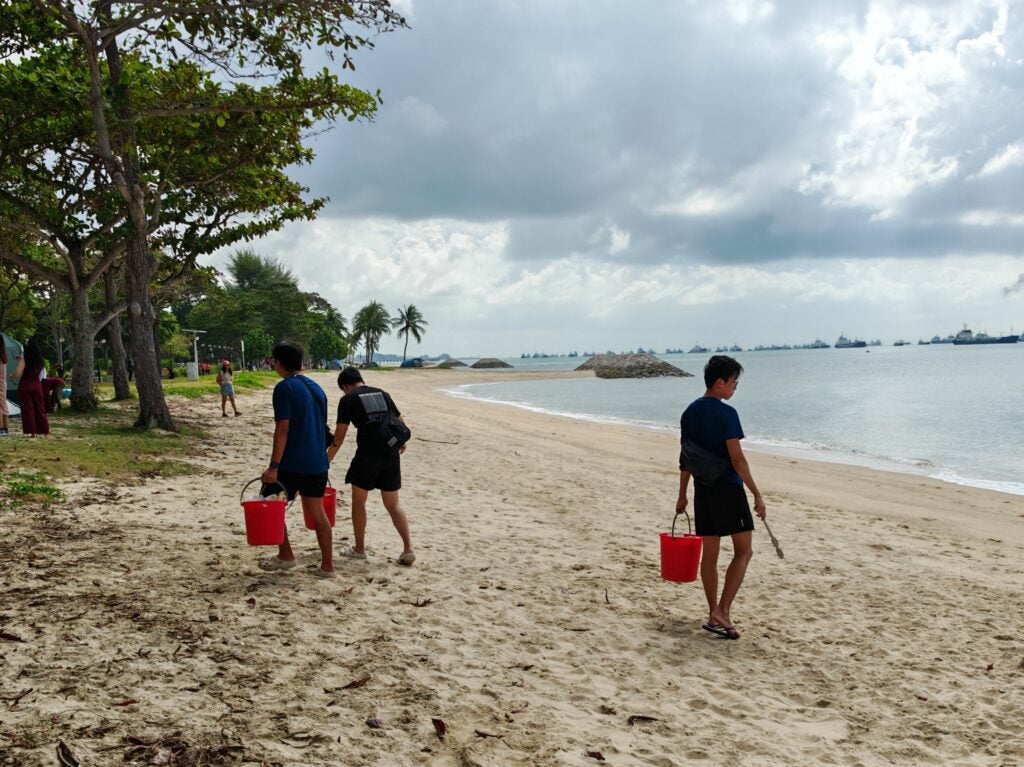
(Photos provided by Project Seas-the-Trash committee)
Singapore is known for being a clean and green city, but how clean is it really? That was the question a group of NUS Nursing students sought to answer—only to be shocked by the sheer amount of litter hidden in plain sight.
On February 23, students from the NUS Nursing Sub-club organised a beach cleanup at East Coast Park. What was meant to be a morning of covering ground quickly turned into an intense effort focused on a single spot amid the sprawling sands.
“Even though at first glance the beach looked quite clean, it was actually littered with broken styrofoam, cigarette butts, and plastic wrappers inconspicuously hidden around,” said Cheok Xin Lin, Year 3 BSc Nursing student at NUS and Project Director of the initiative. “We barely covered any distance because we were stuck in the same area, trying to pick up as much trash as possible.”
Launched under the Nursing Sub-club, Xin Lin and Housemaster Chloe Ngai Ling Xin (Year 2 BSc Nursing) led the initiative, collaborating with the National Environment Agency (NEA) and National Parks Board (NParks).
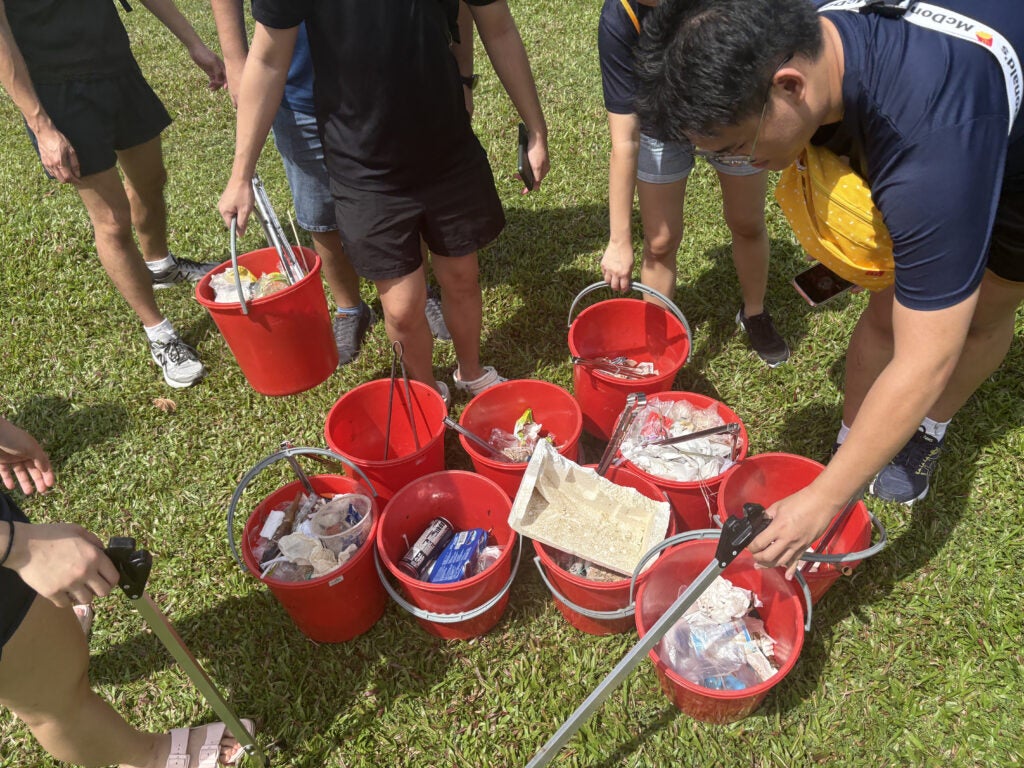
Cleaning requisites provided by NEA and NParks.
The cleanup even inspired other beachgoers to join in and take action. “One interesting thing that happened was when an uncle, who was just there to relax on a Sunday morning, approached us with the dangerous glass shards he found while playing in the sea. He even joined in the cleanup for a while,” Chloe recounted.
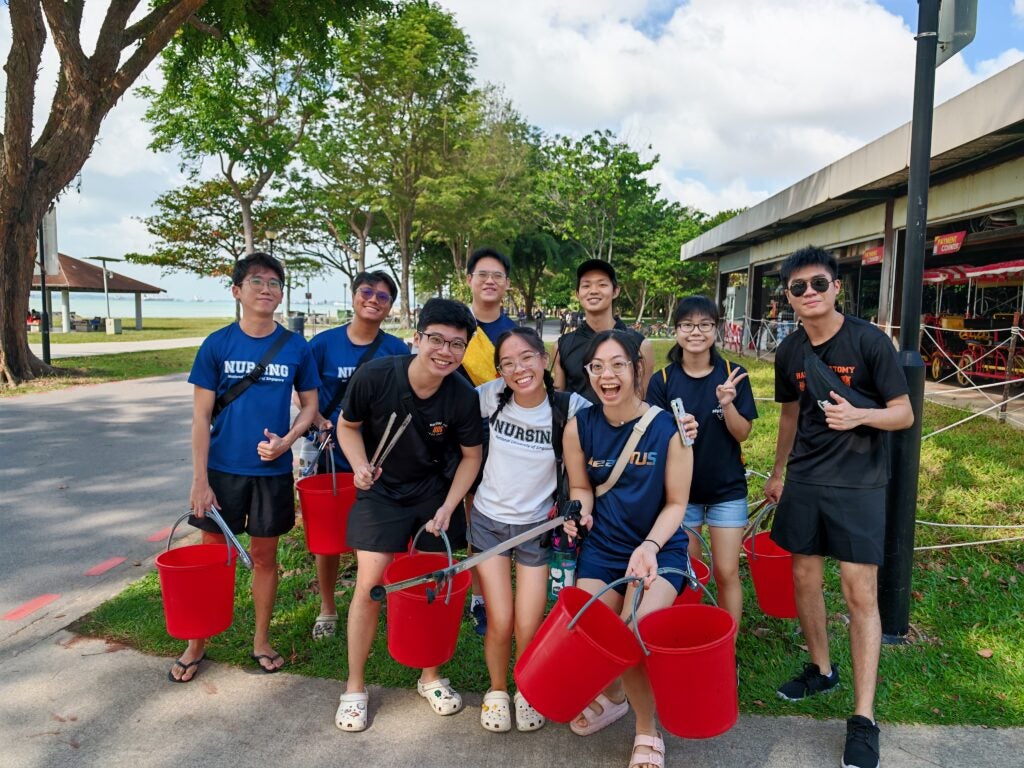
The experience reinforced a critical reminder: every small action counts.
“If everyone were to dispose of their trash in its designated receptacles, over time, the need for such cleanings would become obsolete,” Xin Lin reflected.
“This domino effect can be started even at the individual level, when one starts this habit and proceeds to influence the people around them to follow suit.”
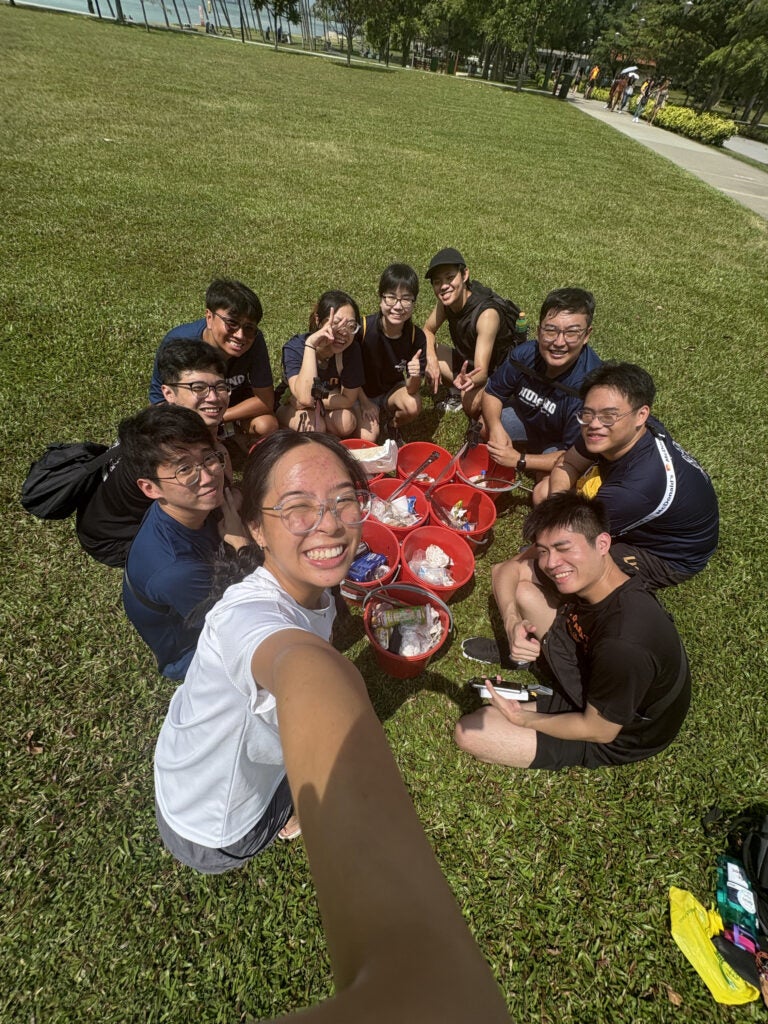
Project Seas-the-Trash is just one of the numerous student-led volunteer projects flourishing at NUS Nursing. Students actively organise and lead community projects that make a tangible difference—from smaller-scale local efforts to Overseas Community Involvement Projects (OCIP) that extend their impact beyond our shores.
Learn more about the other projects and opportunities: https://medicine.nus.edu.sg/nursing/our-people/our-students/community-involvement-projects/
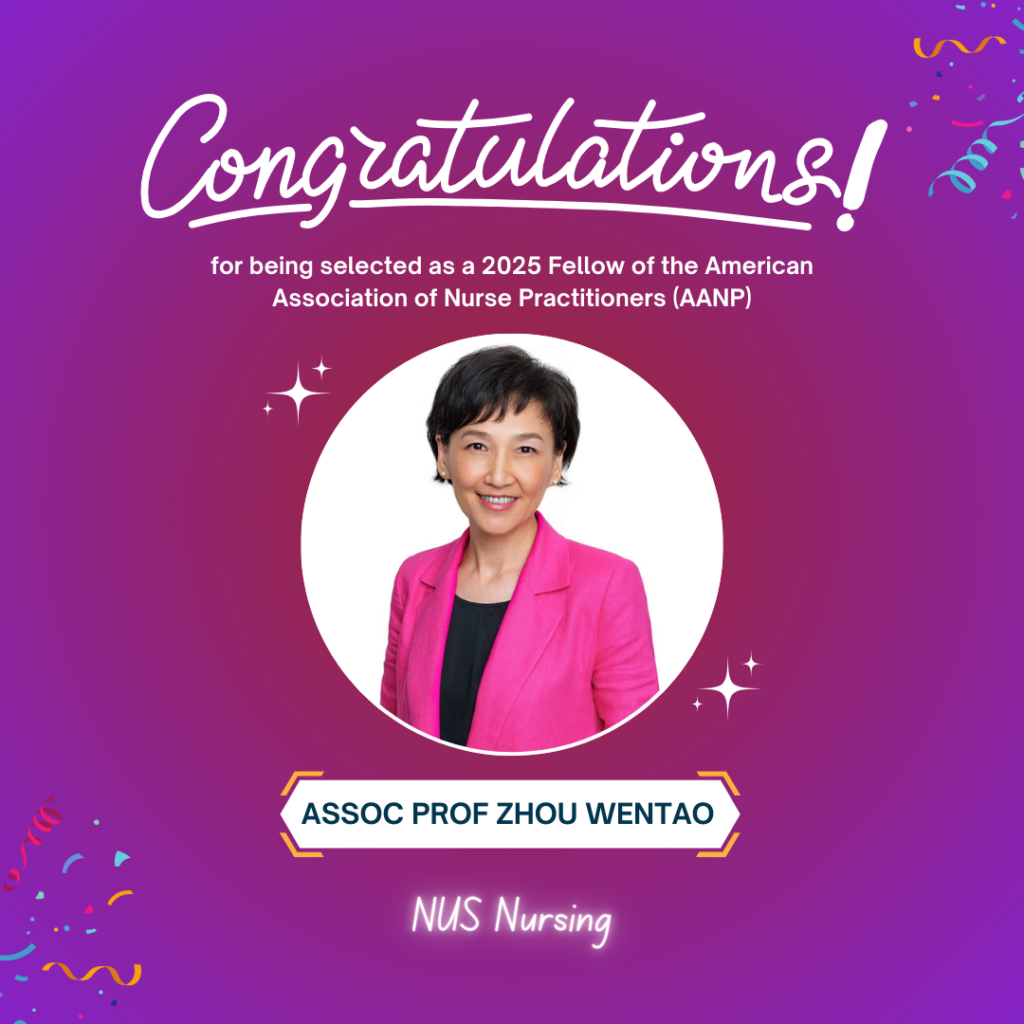
NUS Nursing is delighted to announce that Associate Professor Zhou Wentao has been selected as a 2025 Fellow of the American Association of Nurse Practitioners (AANP), a prestigious recognition that testifies to her outstanding contributions to advanced practice nursing.
The AANP Fellows programme, established in 2000, honours nurse practitioners who have made significant contributions to healthcare through clinical practice, research, education, or policy. Through a highly rigorous selection process, chosen Fellows beget a high level of respect and recognition from peers in the nursing community.
Assoc Prof Zhou serves as the Deputy Head of Postgraduate Programmes at NUS Nursing and has been the Director of the Master of Nursing programme since 2015, the sole nursing master’s degree in Singapore that trains Advanced Practice Nurses (APNs). As a registered APN, she maintains clinical practice through a joint appointment with the Singapore National Neuroscience Institute (NNI). She has also been pivotal in leading the development of the Entrustable Professional Activities (EPAs) for APN training and spearheaded the development of the Singapore Collaborative Practitioners Prescribing Programme (CP3) with colleagues from MOH to able APNs to practice to their full scopes.
Beyond her responsibilities at NUS, Assoc Prof Zhou sits on the steering committee of the International Council of Nursing Nurse Practitioner and Advanced Practice Nurses (ICN NP/APN) network after her 4 years term of co-chairs the research subgroup. An active participant in various APN development initiatives locally and globally, she was honoured as an International Ambassador for the AANP in 2022. She has worked with a group of fellow APNs to establish the Singapore APN Chapter under the Singapore Nurses Association (SNA) in 2024 to advance the role of APNs and promote professional development within the nursing community.
Congratulations and well-deserved, Assoc Prof Zhou!
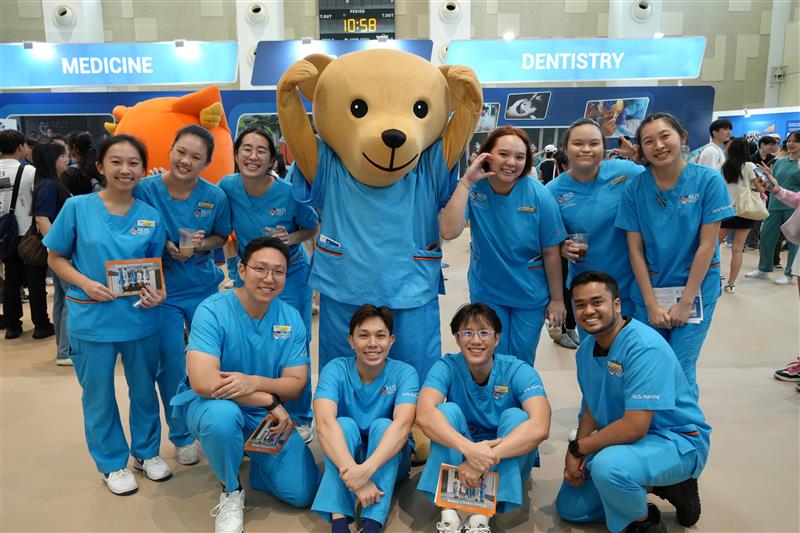
Neddy the NUS Nursing bear and friends at the NUS Nursing programme booth for NUS Open House 2025.
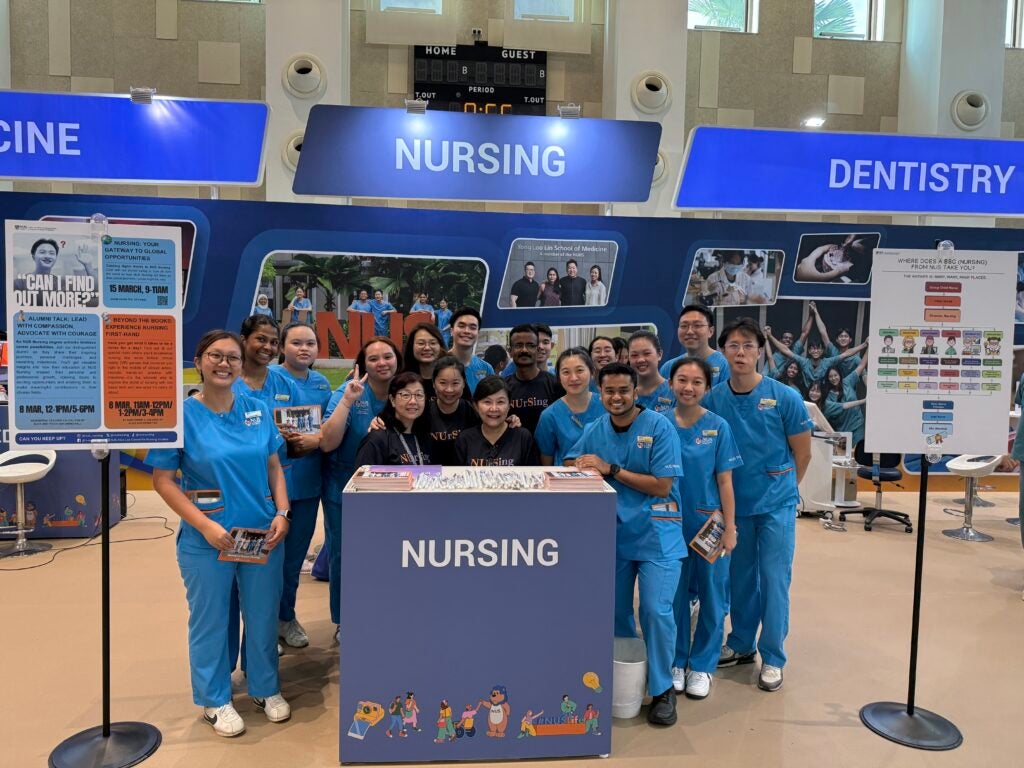
Students and faculty ready to host visitors of the NUS Nursing programme booth at the NUS Open House on 8 March 2025.
The NUS Open House was back on 8 March 2025 and better than ever. Held at the College of Alice and Peter Tan (CAPT) at University Town (UTown), around 780 visitors dropped by the NUS Nursing programme booth, the highest number in recent years, to speak with student and faculty ambassadors on everything NUS Nursing.
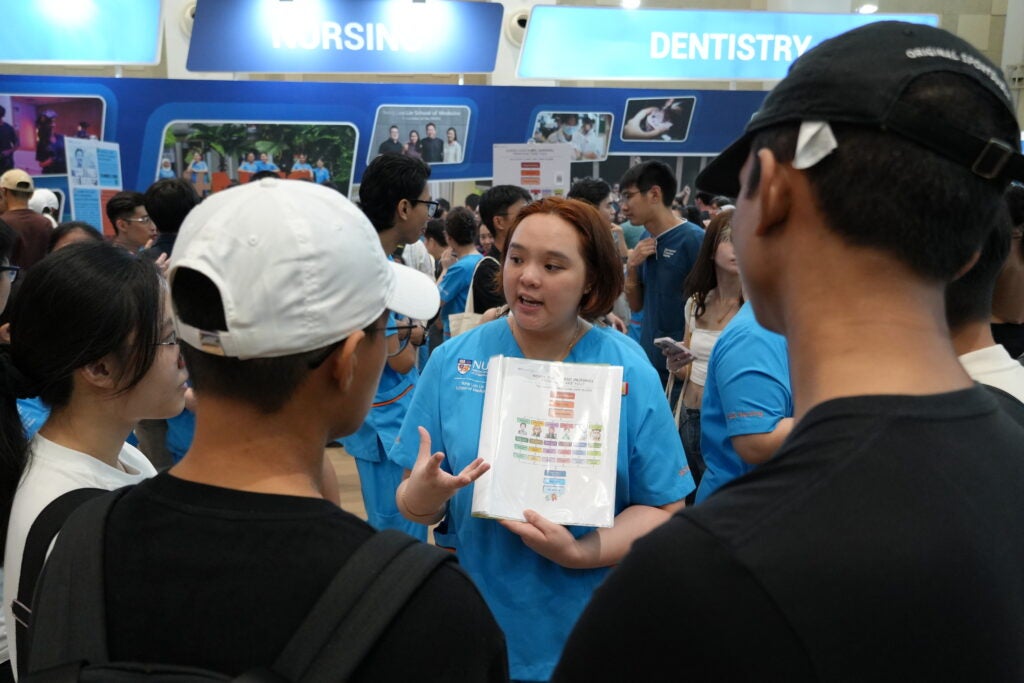
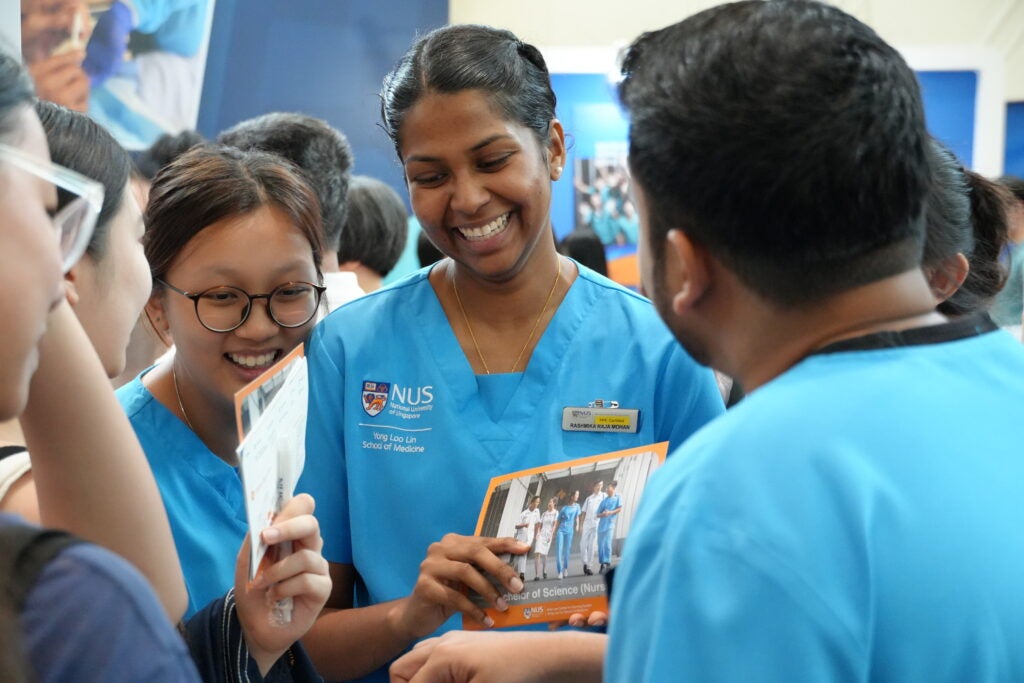
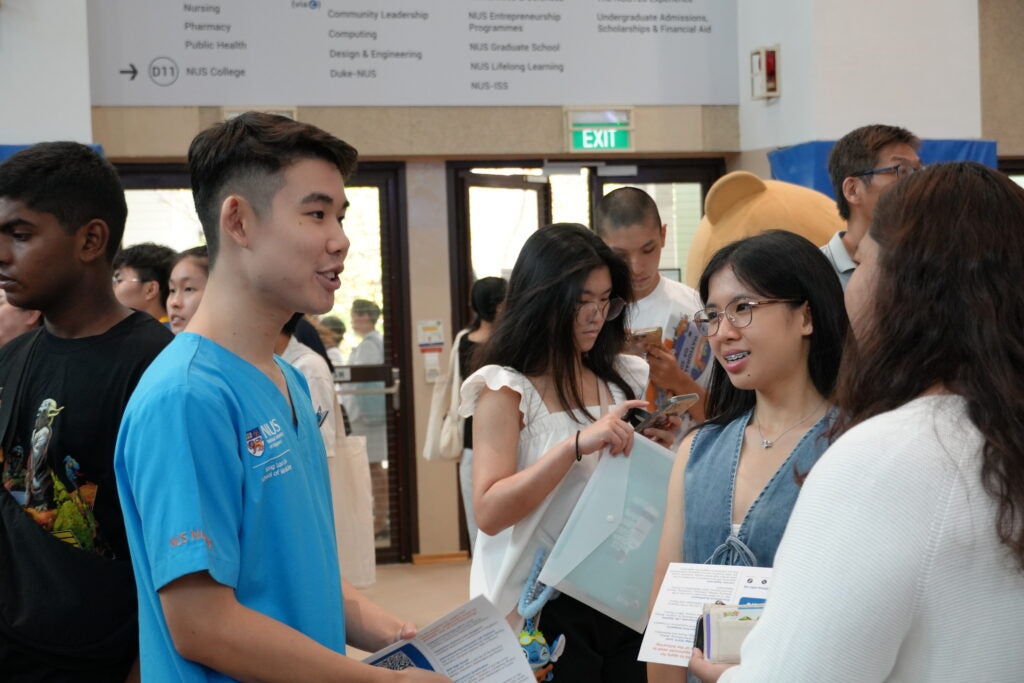
Ambassadors in the iconic NUS Nursing blue scrubs chatting with prospective students.
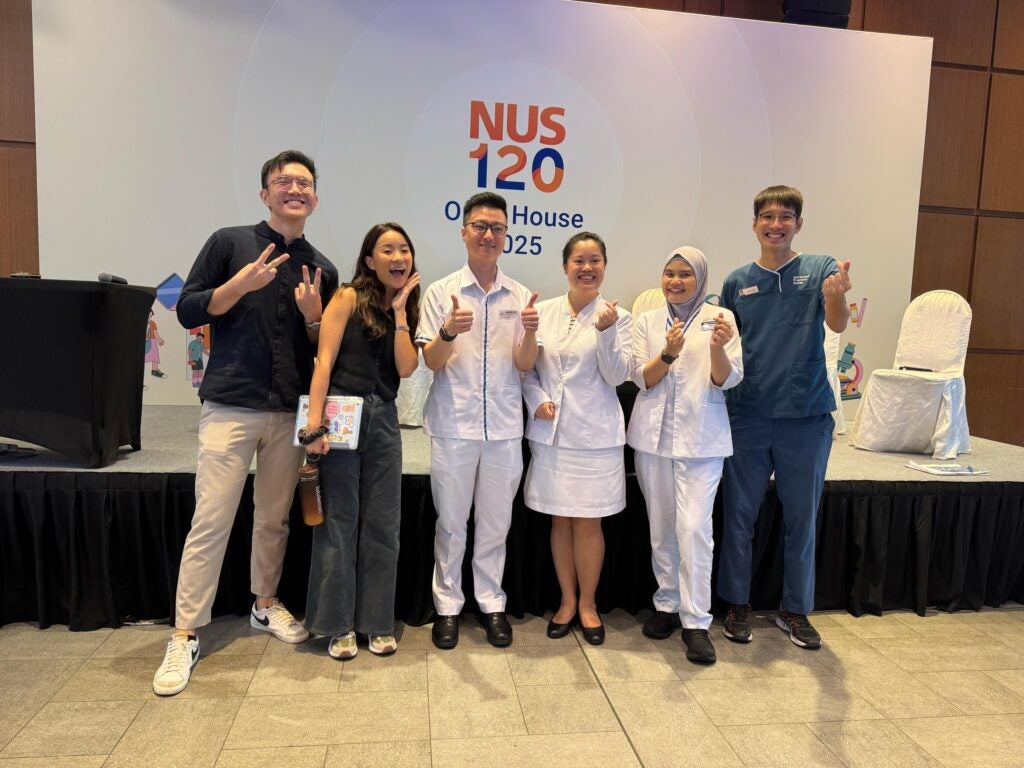
Across the bridge in the dining hall, five powerhouse alumni—each thriving in different nursing specialties—shared their nursing journeys and shed light on the diversity of pathways a nursing degree offers.
The panel discussion was hosted by NUS Nursing alumna, Kimberley-Ann Tan, who is senior staff nurse and creative lead of a nursing social media page at Tan Tock Seng Hospital (@nursesofttsh on Instagram). Our alumni generously shared their first experiences at NUS Nursing, and how they went on to specialise in their respective exciting tracks.
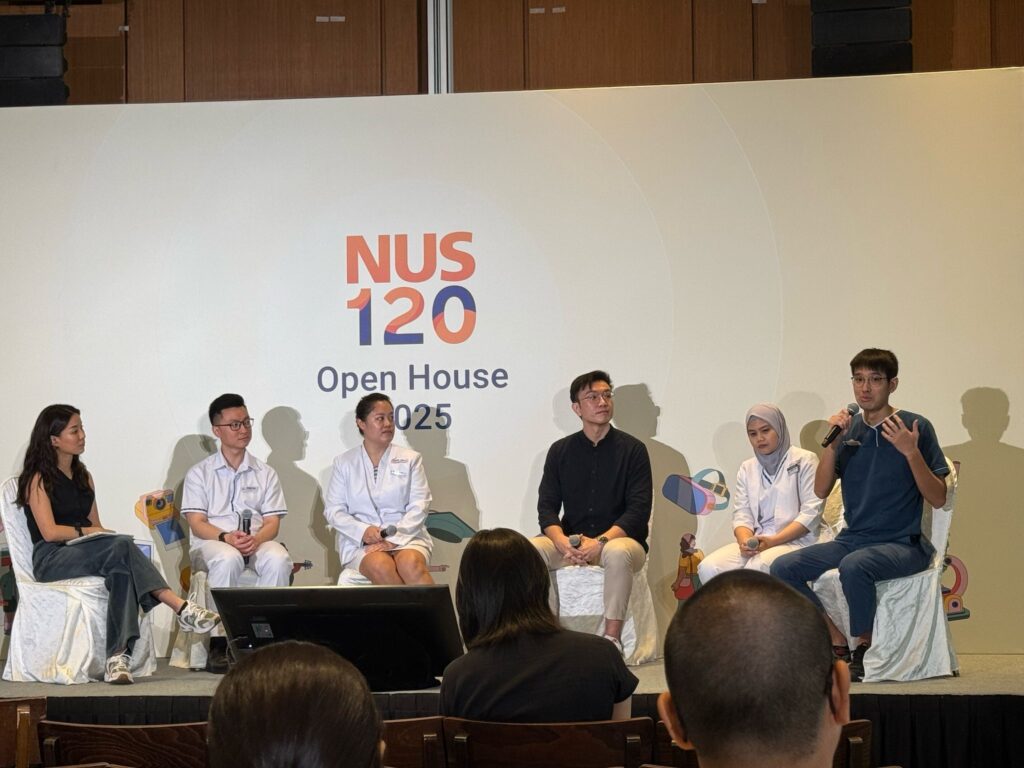
From left to right: Kimberley-Ann Tan Zi Ying, Senior Staff Nurse II, Tan Tock Seng Hospital; Eugene Tan Wei Jie, Senior Staff Nurse and Nurse Informaticist, SingHealth (nested in Singapore General Hospital); Ping Zuo Er, Nurse Clinician, Changi General Hospital; Nicholas Neo Wee Siong, PhD candidate, NUS Nursing; Sukmawati Binte Supar, Ward-based Clinical Instructor and Senior Staff Nurse, Changi General Hospital, Samuel Soon Guo Yu, Advanced Practice Nurse (APN), Tan Tock Seng Hospital.
Meanwhile, in UT Auditorium 3, visitors lived out their Grey’s Anatomy dreams (minus the drama) by testing out the skills and tech that NUS Nursing students use in their daily curriculum.
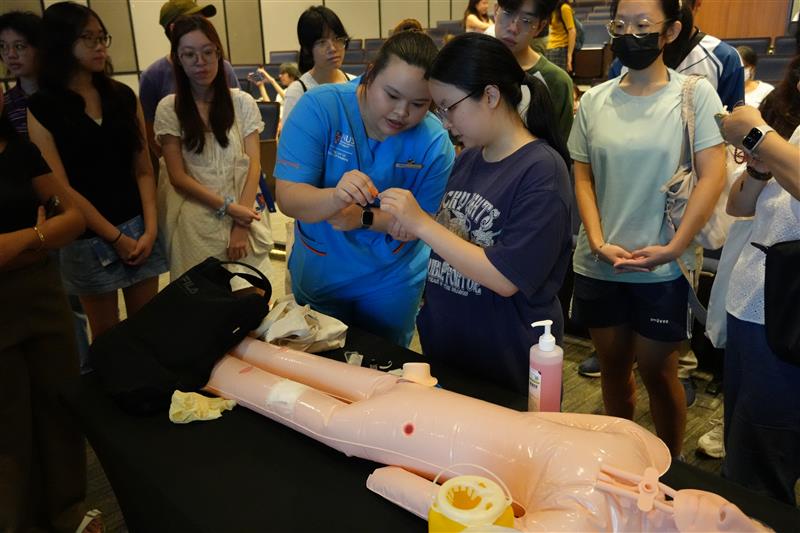
Top 10, an inflatable manikin co-developed by NUS Nursing and the College of Design and Engineering, Nursing’s latest teaching innovation designed to make training even more realistic.
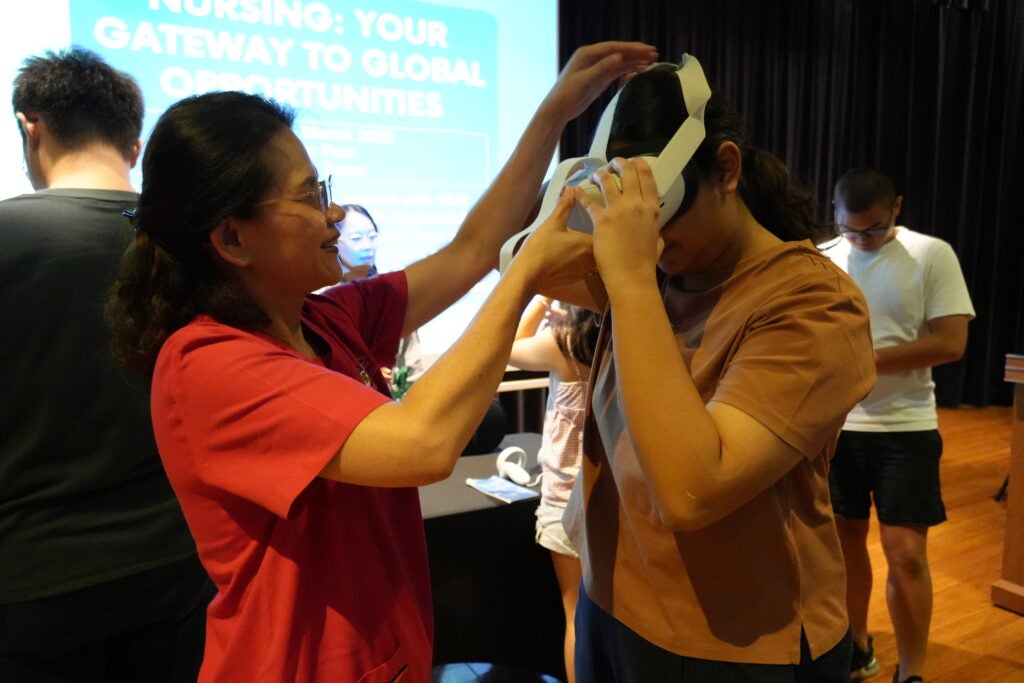
Immersive VR simulations that threw participants straight into clinical action, with high-stakes scenarios in a simulated operating theatre.
Did you know: this was not the school’s first Open House rodeo of the year? Just two months ago, NUS Nursing held an Open House specially for polytechnic students and graduates, where visitors toured the state-of-the-art simulation wards, practised CPR on lifelike manikins, and—of course—got another round of VR playthroughs.
Both Open Houses signalled the beginning of a milestone year for NUS Nursing as 2025 marks 20 years of shaping future healthcare leaders.

Applications for junior college graduates and diploma holders are open till 19 March 2025. Learn how to apply here: medicine.nus.edu.sg/nursing/education-admissions
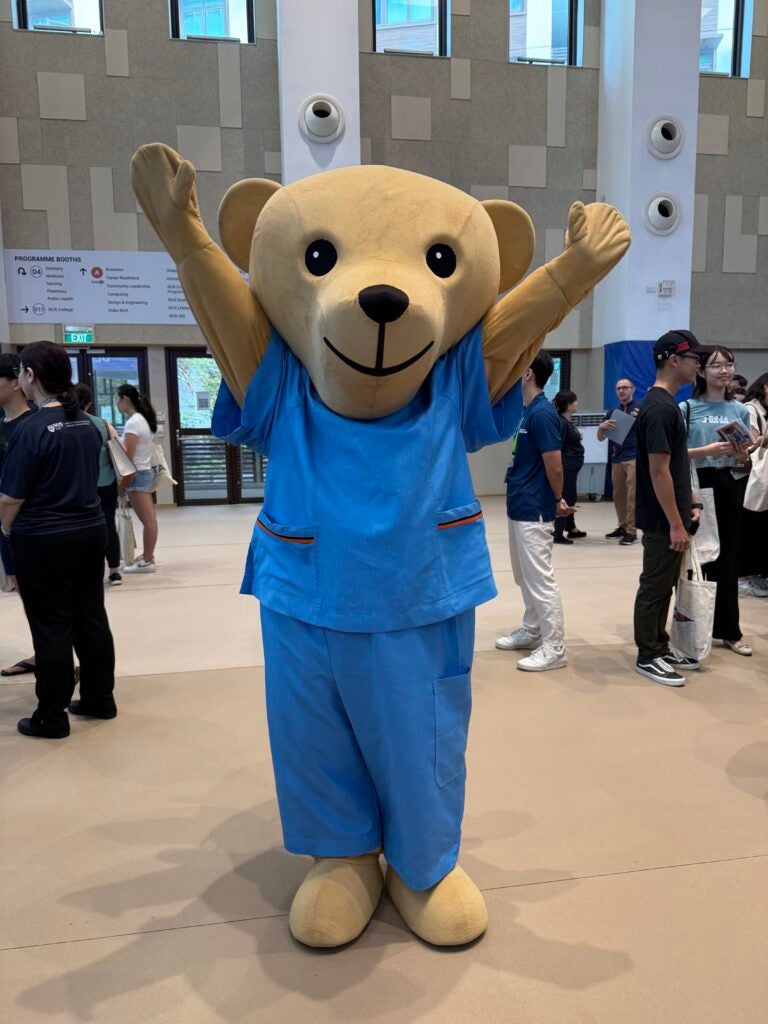
Neddy welcomes you to NUS Nursing!
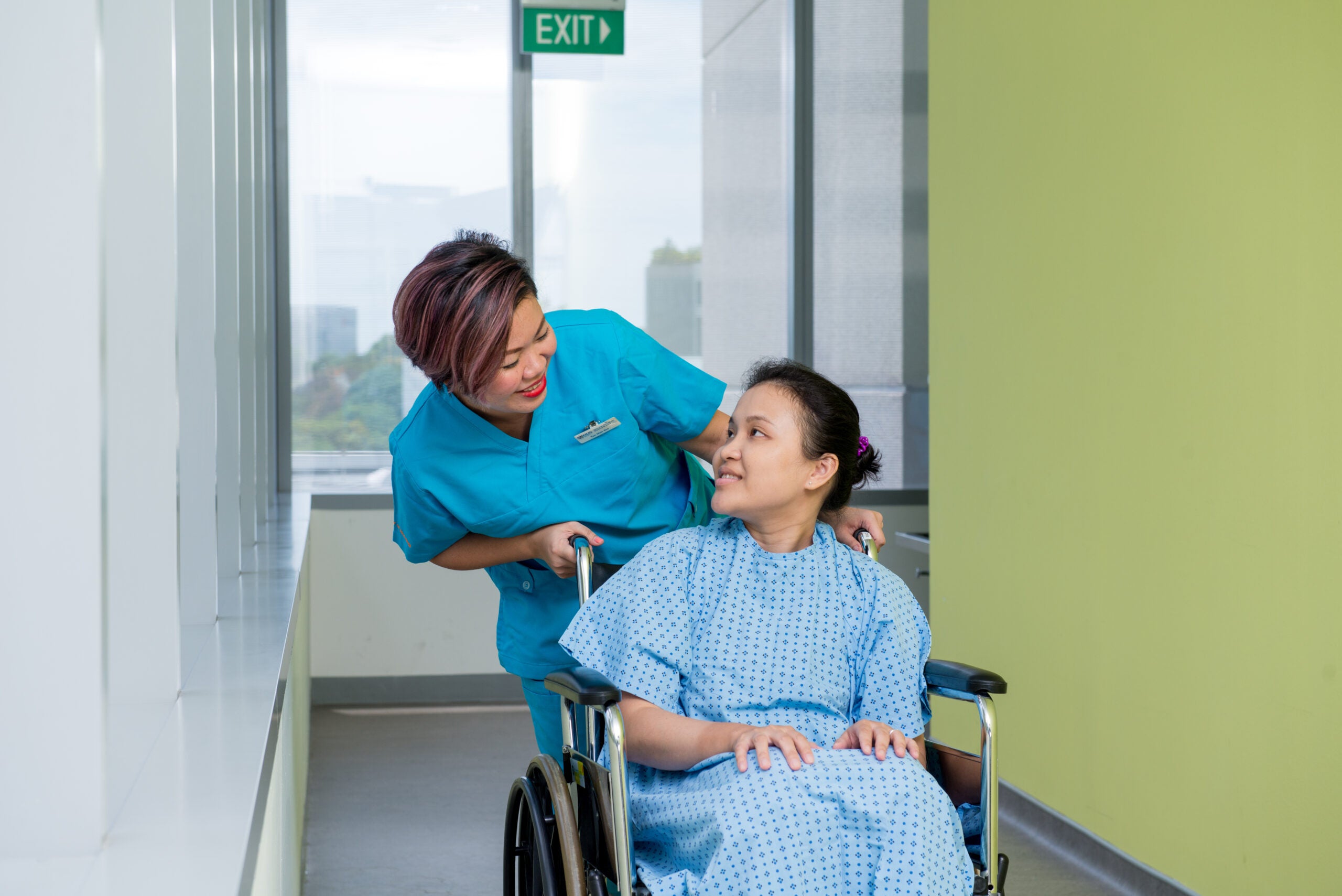
As our society faces evolving public health challenges, the need for skilled community health professionals has never been greater. NUS Nursing’s new Master in Community Health (MCH) programme enhances your understanding of public health, equipping you with the skills to address social factors and drive sustainable healthcare solutions.
📌 Find out more here.
|
Programme |
Master in Community Health (MCH) |
|
When |
|
|
Speakers |
|
|
Topics |
|
|
Registration |
🔗 Click here to access the Zoom link (same link for all talks).
Have questions? Contact us at nurbox13@nus.edu.sg or call us at 6516 8685.

The Master of Science (MSc) in Critical Care Nursing is designed for active nurses with a Bachelor’s degree working in acute hospital ICU settings. This work-study programme blends theory, clinical immersion, leadership training, research, and infection control, preparing nurses to specialise and lead in critical care settings.
📌 Find out more here.
|
Programme |
MSc (Critical Care Nursing) |
|
When |
|
|
Speakers |
|
|
Topics |
|
|
Registration |
🔗 Click here to access the Zoom link.
Have questions? Contact us at nurbox13@nus.edu.sg or call us at 6516 8685.
The Doctor of Nursing Practice (DNP) is the pinnacle of advanced nursing education, designed for nursing leaders who want to transform healthcare systems, enhance patient outcomes, and drive evidence-based practice. With a strong focus on innovation, leadership, and interdisciplinary collaboration, this programme prepares graduates to lead system-wide improvements in healthcare.
📌 Find out more here.
|
Programme |
Doctor of Nursing Practice (DNP) |
|
When |
|
|
Speakers |
|
|
Topics |
|
|
Registration |
🔗 Click here to access the Zoom link (same link for all talks).
Have questions? Contact us at nurbox13@nus.edu.sg or call us at 6516 8685.
Associate Professor Wilson Tam from the National University of Singapore’s Alice Lee Centre for Nursing Studies (NUS Nursing) is one of the world’s most highly cited researchers, based on the Highly Cited Researchers 2022 & 2023 List published by data analytics firm Clarivate.

Associate Professor Wilson Tam from the National University of Singapore’s Alice Lee Centre for Nursing Studies (NUS Nursing) is one of the world’s most highly cited researchers.
As the Director of Research at NUS Nursing, Assoc Prof Tam is an epidemiologist and statistician by training. He shares his thoughts of being one of the most influential researchers whose papers rank in the top 1 per cent by citations for field and publication year, in the Web of Science citation index over the past decade.
How do you feel, as one of the most cited researchers?
Of course, it is my honour to be included in the list of most cited researchers as it may be a once-in-a-lifetime opportunity. I could not believe I’d really be in the list until I received the formal notification from Clarivate on 15 Nov.
I am heartened that there are many excellent collaborators within NUS, I have worked with many of them, and they were all invaluable experiences.
What are your research interests, and why are you interested in studying these areas?
My primary research interest is the exploration of the risk factors to cardiovascular diseases –including factors such as air pollution, sleep disorders, obesity, and mental wellbeing.
I believe once we identify the risk factors, we can develop useful interventions to improve the health outcomes. For example, we recently completed a randomized controlled trial to explore the effectiveness of lifestyle modification in improving the metabolic profile of those with obesity and obstructive sleep apnea [1]. I was also involved in a project to explore the association between air quality and the risk of out-of-hospital cardiac arrest in Singapore [2]. These are projects and topics that deeply interest me, and they inspire me to keep going in my research.
Besides studies related to cardiovascular diseases, I also explore the methodological issues in conducting epidemiological studies, simply because it is essential to use appropriate methods when conducting research. One of the studies we completed recently is the evaluation of the methodological and reporting quality of the individual patient data meta-analysis [3].
What are some of your most cited works?
I was very fortunate to have been involved in some important research projects on the Severe Acute Respiratory Syndrome (SARS) and COVID-19 diseases. Two of my highly cited papers were centred on the investigation of the SARS outbreak in hospitals and the community [4, 5] and together, they garnered over 200 citations over the last two years.
I also collaborated with Prof Roger Ho from the Department of Psychological Medicine at NUS Medicine on studies about the psychological impacts of COVID-19 on healthcare workers and patients.
They are titled “Is returning to work during the COVID-19 pandemic stressful? A study on immediate mental health status and psychoneuroimmunity prevention measures of Chinese workforce” [6] and “Do psychiatric patients experience more psychiatric symptoms during COVID-19 pandemic and lockdown? A case-control study with service and research implications for immunopsychiatry” [7].
The research was conducted at the early stage of the COVID-19 outbreak, to examine the psychological impacts of COVID-19 on workers and patients, and two of those papers have received an extremely high number of citations over the last 2 years, around 350 and 570 respectively [6, 7].
How do you apply statistics and epidemiology to nursing?
I believe that both epidemiology and statistics are key to conducting any nursing or health research.
Epidemiology provides insights into the frequency and distribution of diseases in populations and its determinants. This contributes to the identification of appropriate targets for health interventions, and the evaluation of health promotion initiatives. Statistics provides various methods and tools for researchers to reveal meaning from the data in order to make conclusions.
Therefore, I think the basic knowledge of epidemiology and statistics is the prerequisite for conducting nursing research, though not limited to any specific area. I marry both disciplines and use my knowledge in epidemiology to design and implement studies to answer various research questions, and then apply appropriate statistical methods to analyse the data, in order to get a reliable conclusion.
Relating this to your research work on the psychological impacts of COVID-19 on workers and patients, how have epidemiology and statistics been used?
These papers involved the use of different epidemiological study designs, quantitative methods, (cross-sectional e-surveys) [6, 7], qualitative methods (individual interviews) [8], and mixed methods [9].
In term of statistics, we used descriptive statistics (e.g. mean, standard deviation, median, inter-quartile range), inferential statistics (independent samples t-test, Chi-square test), and statistical modelling (e.g. Multiple Linear Regression, Logistic Regression).
These methods were paramount, as it helped us with the study of 673 workers (551 Workers and Technical staff; 122 Management and executive staff) and 185 patients (76 Psychiatric patients; 109 Healthy subjects), giving us insight into the stress conditions among the worker and patient populations, to identify appropriate intervention methods.
With these methods, we could analyse the factors that contributed to the alleviation of stress levels among workers returning to work during the pandemic, such as personal psychoneuroimmunity prevention measures like hand hygiene and wearing face masks, and organisational measures such as improving workplace hygiene and addressing employee concerns. It also allowed us to identify that people with psychiatric illnesses were significantly more likely to endorse higher levels of PTSD, depression, anxiety, stress, and insomnia scores (compared to healthy people) at the peak of the pandemic.
The results suggested the need for a new immunopsychiatry service to be implemented during the COVID-19 pandemic to disseminate management plans with psychiatric patients, via platforms like tele-psychiatry consultations. All these were done through the complex and intriguing disciplines of epidemiology and statistics.
The application of data analytics to healthcare is pivotal and yet overlooked by many. Could you share about the importance of its application to nursing?
It is really an interesting question. Did you know that Florence Nightingale (known as “The Lady With the Lamp”), was deemed as one of the pioneer statisticians who used data visualization and analysis, through simple graphs or numbers, to improve healthcare for patients during the Crimean war? This shows that the use of data analytics is not a novel concept, and has been pivotal to healthcare since eons ago.
Nowadays, with the advancement of computer and internet, the volume of the data can be tremendous and complex. Hence, it is all the more essential to have robust data analytic methods on hand, to analyze the data for meaningful conclusions. I do believe that data analytics will soon become an indispensable component in healthcare.
What would you like to say to the research community in NUS Nursing?
I would like to thank my Head of Department, Prof Emily Ang, and my academic and administrative colleagues for their support over the years. They have been providing me with a very good environment to conduct research projects.
Although NUS Nursing is still very young, it is energetic. We are one of the top Nursing institutions in Asia. With many young talents joining us as research fellows and assistant professors, we’ll undoubtedly be able to achieve more in the near future.
References
[1] Ng, S. S. S., Tam, W. W. S., Lee, R. W. W., Chan, T. O., Yiu, K., Yuen, B. T. Y., Wong, K. T., Woo, J., Ma, R. C. W., Chan, K. K. P., Ko, F. W. S., Cistulli, P. A., & Hui, D. S. (2022). Effect of Weight Loss and Continuous Positive Airway Pressure on Obstructive Sleep Apnea and Metabolic Profile Stratified by Craniofacial Phenotype: A Randomized Clinical Trial. American journal of respiratory and critical care medicine, 205(6), 711–720. https://doi.org/10.1164/rccm.202106-1401OC
[2] Ho, A. F. W., Ho, J. S. Y., Tan, B. Y., Saffari, S. E., Yeo, J. W., Sia, C. H., Wang, M., Aik, J., Zheng, H., Morgan, G., Tam, W. W. S., Seow, W. J., Ong, M. E. H., & PAROS Singapore Investigators (2022). Air quality and the risk of out-of-hospital cardiac arrest in Singapore (PAROS): a time series analysis. The Lancet. Public health, 7(11), e932–e941. https://doi.org/10.1016/S2468-2667(22)00234-1
[3] Wang, H., Chen, Y., Lin, Y., Abesig, J., Wu, I. X., & Tam, W. (2021). The methodological quality of individual participant data meta-analysis on intervention effects: systematic review. BMJ (Clinical research ed.), 373, n736. https://doi.org/10.1136/bmj.n736
[4] Yu, I. T., Li, Y., Wong, T. W., Tam, W., Chan, A. T., Lee, J. H., Leung, D. Y., & Ho, T. (2004). Evidence of airborne transmission of the severe acute respiratory syndrome virus. The New England journal of medicine, 350(17), 1731–1739. https://doi.org/10.1056/NEJMoa032867
[5] Wong, T. W., Lee, C. K., Tam, W., Lau, J. T., Yu, T. S., Lui, S. F., Chan, P. K., Li, Y., Bresee, J. S., Sung, J. J., Parashar, U. D., & Outbreak Study Group (2004). Cluster of SARS among medical students exposed to single patient, Hong Kong. Emerging infectious diseases, 10(2), 269–276. https://doi.org/10.3201/eid1002.030452
[6] Tan, W., Hao, F., McIntyre, R. S., Jiang, L., Jiang, X., Zhang, L., Zhao, X., Zou, Y., Hu, Y., Luo, X., Zhang, Z., Lai, A., Ho, R., Tran, B., Ho, C., & Tam, W. (2020). Is returning to work during the COVID-19 pandemic stressful? A study on immediate mental health status and psychoneuroimmunity prevention measures of Chinese workforce. Brain, behavior, and immunity, 87, 84–92. https://doi.org/10.1016/j.bbi.2020.04.055
[7] Hao, F., Tan, W., Jiang, L., Zhang, L., Zhao, X., Zou, Y., Hu, Y., Luo, X., Jiang, X., McIntyre, R. S., Tran, B., Sun, J., Zhang, Z., Ho, R., Ho, C., & Tam, W. (2020). Do psychiatric patients experience more psychiatric symptoms during COVID-19 pandemic and lockdown? A case-control study with service and research implications for immunopsychiatry. Brain, behavior, and immunity, 87, 100–106. https://doi.org/10.1016/j.bbi.2020.04.069
[8] Woo, B. F. Y., Poon, S. N., Tam, W. W. S., & Zhou, W. (2022). The impact of COVID19 on advanced practice nursing education and practice: A qualitative study. International nursing review, 69(3), 330–339. https://doi.org/10.1111/inr.12732
[9] Hao, F., Tam, W., Hu, X., Tan, W., Jiang, L., Jiang, X., Zhang, L., Zhao, X., Zou, Y., Hu, Y., Luo, X., McIntyre, R. S., Quek, T., Tran, B. X., Zhang, Z., Pham, H. Q., Ho, C. S. H., & Ho, R. C. M. (2020). A quantitative and qualitative study on the neuropsychiatric sequelae of acutely ill COVID-19 inpatients in isolation facilities. Translational psychiatry, 10(1), 355. https://doi.org/10.1038/s41398-020-01039-2
