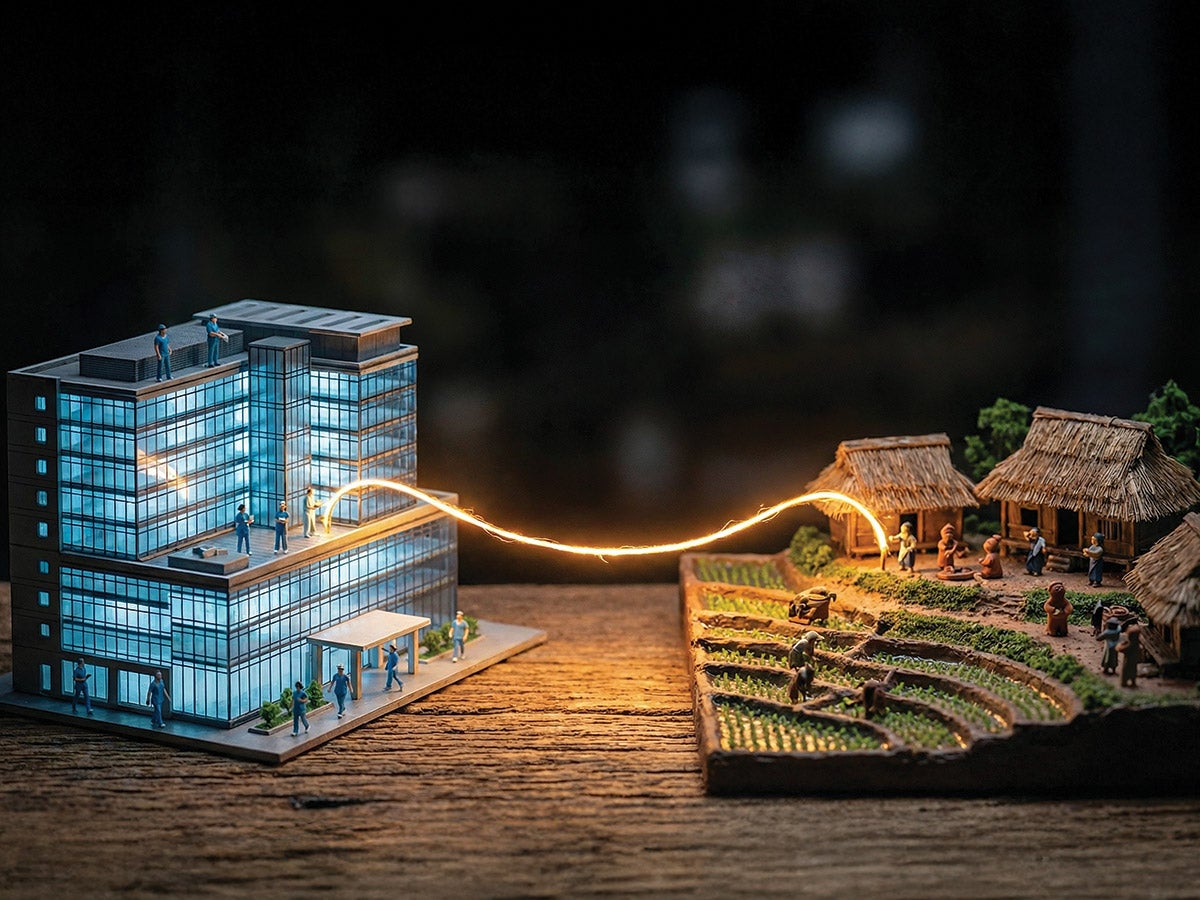
It is no secret that lessons learned outside the classroom can be just as rich and pivotal in shaping students into compassionate healthcare professionals ready to inspire health for all. The reflections of two pairs of students who recently completed the Study Trips for Engagement and EnRichment (STEER) to Vietnam and Indonesia affirmed this truth.
STEER Indonesia Welcomes Project Iris+
We are Rashmika and Chroe, Project Directors of Project Iris, an initiative that aims to create a safe, joyful space where children with cancer can continue to explore, learn and thrive. Project Iris was founded in 2022 as a local community involvement project (LCIP). But when we took over leadership, we saw an opportunity: to create sustainable change and expand the project’s reach by bringing joy and support to children with cancer overseas.
This vision marked the initiation of Project Iris+.
Off to a Challenging Start
Once decided, there was no time to waste. We soon found ourselves sending countless emails and messages to a multitude of organisations and individuals who were working with or connected to the local children’s cancer community.
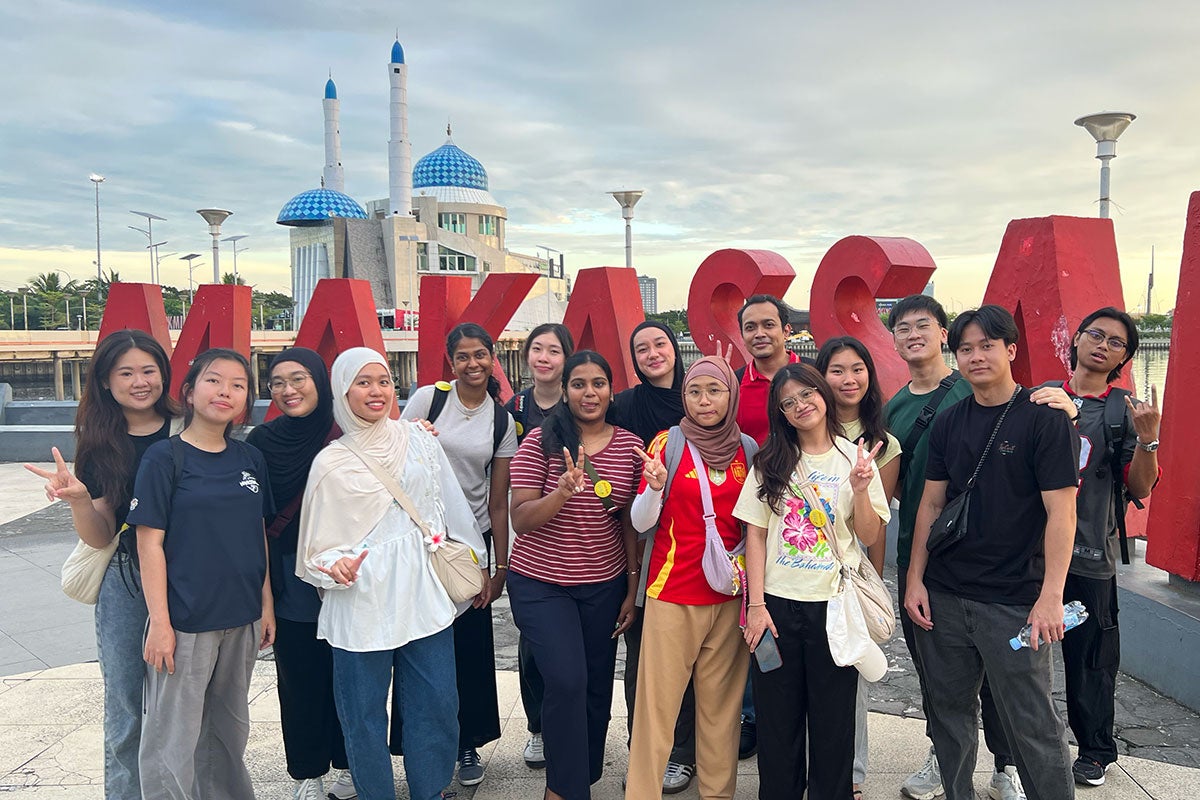
Multiple rejections, many unanswered emails and messages and almost three months later, we finally connected with Dr Tan Lai Yong who introduced us to Yayasan Kasih Anak Kanker Indonesia (YKAKI) in Makassar, Indonesia. YKAKI is an organisation that supports children with cancer—providing them with shelter and education. Through them, we also connected with RSUP Wahidin SudiroHusodo Makassar—the hospital offering paediatric oncology treatment for the children YKAKI shelters.
Making Mission Impossible Possible
Our goal was to have the trip in July. That left us approximately three months to finalise our project proposal for STEER funding, conceptualise activities, recruit team members, and prepare for the trip. With time ticking, we had to move fast, often burning the midnight oil.
There were other bumps along the way. One of which was language. YKAKI’s key mode of communication was Bahasa Indonesia—and our basic understanding of Bahasa Melayu meant that we often had to rely on Google Translate, which wasn’t always accurate. Nonetheless, our determination to create something meaningful together won out.
Planning the activities was similarly no walk in the park. We knew that play and interaction were core, but we wanted to go beyond that—we wanted to educate and empower. The question we constantly asked ourselves was: in such a short time, how do we leave behind knowledge and skills that the children can continue to use long after we are gone? Not being able to conduct a recce or knowing the number and ages of the children beforehand added to the challenge.
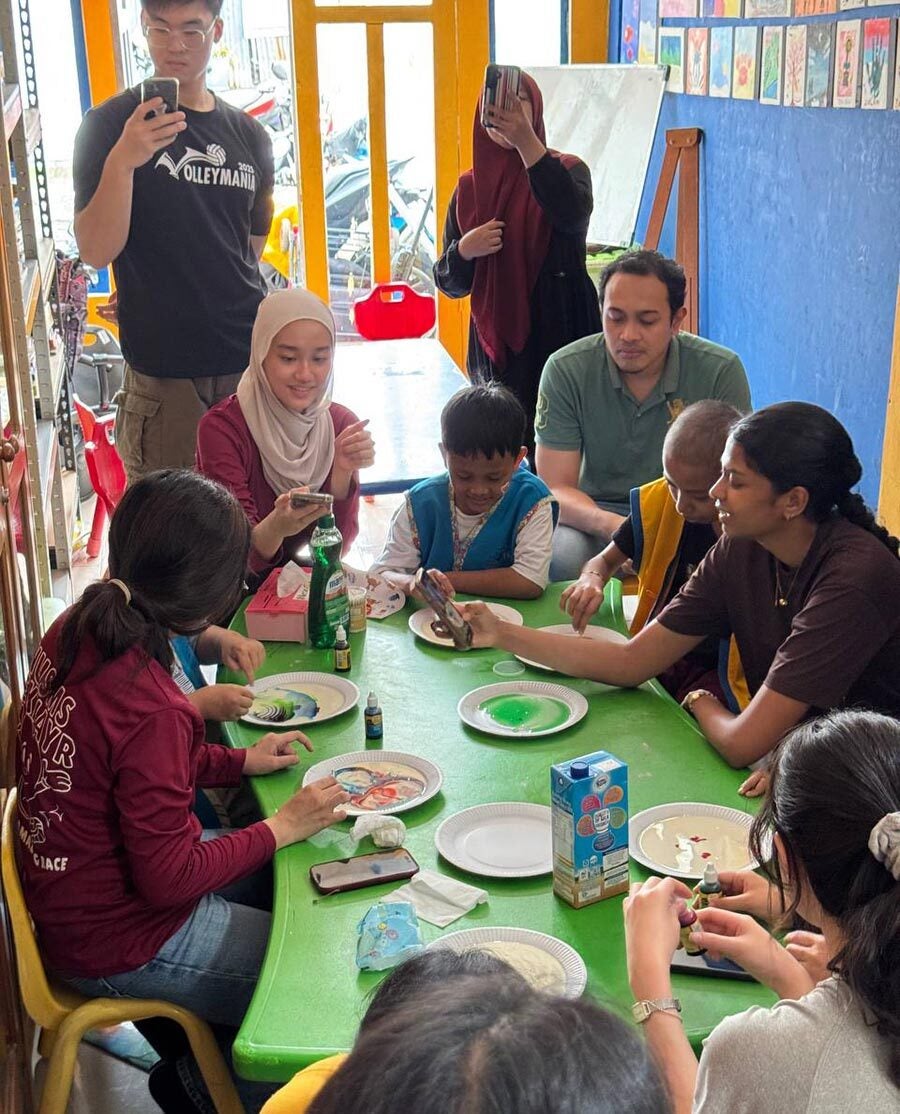
Our final programme line-up included icebreakers, medical education sessions on toothbrushing and handwashing techniques, simple wound care, and recognising signs of infection, and art and play therapy. We also ran a Teddy Bear Hospital to familiarise children with medical procedures—explaining CT scans, MRIs, tumour removal, IV lines, and drips in child-friendly ways to help them feel less afraid.
Where the Rubber Meets the Road
Arriving in Makassar, we quickly learnt that the best laid plans could go astray without adaptation. The varying number of children, their differing energy levels and attention spans required us to switch between activities nimbly. Then the language and cultural differences were also ever-present. Thankfully, laughter, smiles, and trust are universal languages.
While there, we visited RSUP Hasanuddin Hospital, where YKAKI has a school that allows children to continue their education amid treatment. We also learnt that Makassar had only one paediatric oncologist serving the entire region—a sobering fact that deepened our appreciation for the resources we often take for granted in Singapore.
|
Our team also toured Hasanuddin University’s Nursing faculty where we discovered that Nursing students are trained not only in Nursing skills but also in crisis response, such as earthquakes and floods, and in crafting toys from recycled materials for play therapy. Their resourcefulness and creativity left a strong impression on us. There were also deeply personal encounters, like Maria. The 14-year-old always wore a bright smile despite her pain. These moments reaffirmed the purpose of Project Iris—to bring comfort, companionship and hope to children navigating some of the toughest battles of their lives. |
The First for Many More Project Iris+ Ahead
This journey taught us many lessons. It opened our eyes to the differences in paediatric oncology care across countries, reminding us that healthcare is not just about treating illness, but about ensuring that children can still live, learn, and dream despite their circumstances.
Sustainability lies at the heart of the Project Iris and Project Iris+ vision. Looking ahead, we will utilise knowledge and lessons learnt from Project Iris+ to build on this foundation—whether by deepening ties with YKAKI through further collaborations or exploring new connections with other like-minded organisations in Indonesia and beyond.
STEER Vietnam: Land of the Ascending Dragon*
We had never been to Vietnam before, so when the opportunity for STEER came up, we went for it. As it turned out, its rich cross-cultural learning experience left a lasting impact on us—both emotionally and professionally.
Seeing History from a Different Lens
From the moment we arrived, it felt like stepping into a world shaped by deep scars and extraordinary resilience. Crawling through the narrow, hand-dug Cu Chi tunnels offered a glimpse into the brutal reality Vietnamese soldiers faced, where all they had to defend their land were simple weapons, sheer willpower and an unbreakable sense of purpose.
We also saw first-hand the lingering effects of Agent Orange during our visit to the War Remnants Museum. It was heartbreaking to learn that it is not just a historical tragedy, but a present-day reality for many families. That knowledge weighed heavily on us, prompting our reflection on how trauma ripples through time, affecting lives not yet born.
These experiences were powerful reminders that history is not merely words in a textbook, but real events that affected lives and continue to shape the present. They also made us realise that our choices today echo into the future, strengthening our resolve to be agents of change who act with compassion and responsibility—ensuring that the legacy we leave uplifts, rather than burdens those who follow.
At the traditional medicine museum, we gained a newfound fascination and respect for traditional medicine when we learnt how practitioners can determine pregnancy stages and even the baby’s gender just by pulse reading. This encounter deepened our respect for cultural wisdom and its continuing relevance in holistic healing.
Learning about Healthcare in Vietnam
The clinical and academic components of the programme were equally enriching. We visited Hong Bang International University and saw how traditional Vietnamese medicine is seamlessly integrated into mainstream hospital care. Nursing students also receive formal training in traditional Vietnamese medicine as part of their curriculum. This broadened our perspective on the importance of culturally informed, integrative approaches that respect both tradition and modern science.
Our visit to the 175 Military Hospital further highlighted the realities of healthcare delivery in a resource-limited environment. With no standalone dialysis centres, patients depend on hospitals where staff manage around 200 cases in a single session. Despite these constraints, the commitment and efficiency of the staff were inspiring. It reminded us that healthcare is not defined by technology but by human dedication.
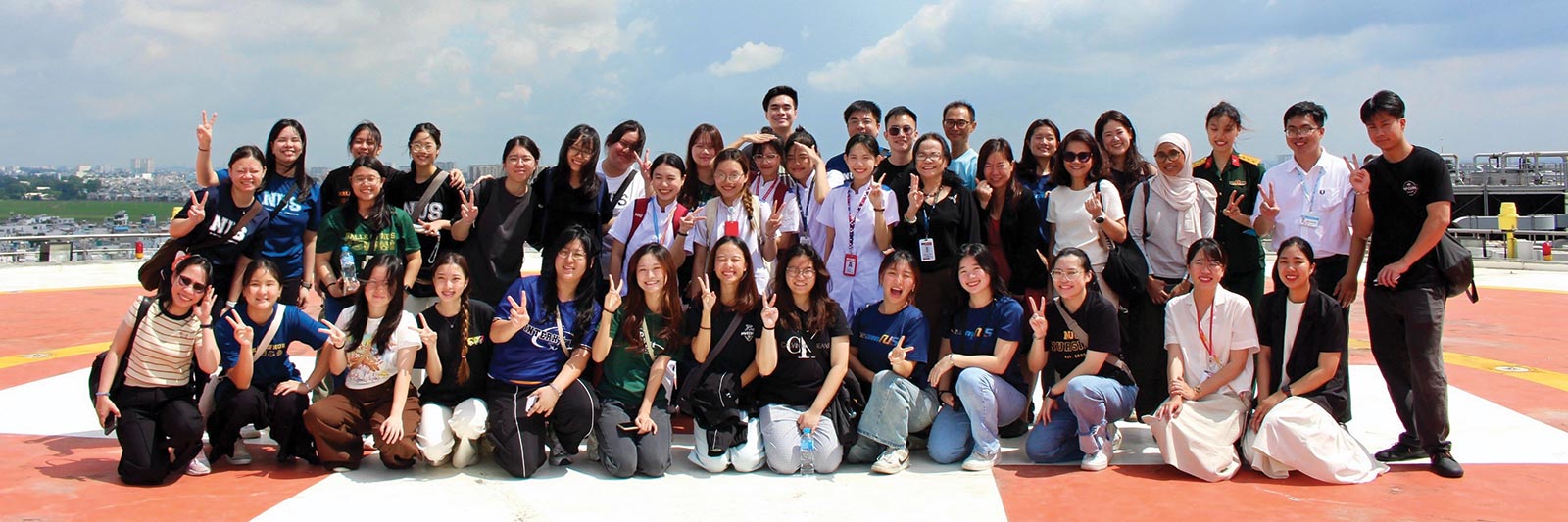
Standing on the hospital helipad, used to transfer patients from rural areas in urgent need, was another powerful moment. Looking out over the city, we can imagine the countless lives that had passed through that platform. For some, it symbolised hope and survival, and for others, a final chance at life. That moment reminded us of the privilege and responsibility that come with being part of a profession that stands at the intersection of life and loss.
Another unforgettable experience was the opportunity to perform surgery on a pig. It was surreal, intense, and unlike anything we had ever done. Learning how to cut through the different layers of the pig’s skin to perform an appendectomy and cholecystectomy pushed us out of our comfort zone. Meanwhile, stepping into the surgeon’s position offered insight into the immense pressure of the operating theatre, where urgency demands direct and precise communication. Personally performing the surgery also heightened our awareness of how organ handling and surgical precision impact post-operative outcomes. This experience deepened our understanding of perioperative care and reinforced the vital role nurses play in supporting patients through safe and comfortable recoveries.
Bringing the Lessons Back
The STEER Vietnam programme taught us much. It broadened our worldview, strengthened our intercultural competence, and equipped us with fresh perspectives on compassionate and holistic care. We returned with a deeper appreciation for resilience in all its forms, for the integration of culture into healthcare, and for the privilege of serving others as nurses.
The programme reminded us that healing is both a science and an art, and that as healthcare professionals our responsibility is not only to treat illness but also to honour the human stories behind every patient we encounter.
* This nickname “Land of the Ascending Dragon” reflects Vietnam’s dramatic, rugged coastline, which resembles a dragon and is symbolic of strength and good fortune.
