
Project Kura

Providing sustainable healthcare services

Project Kura is a nursing-led community involvement project that aims to conduct medical missions beyond and within local shores.  Prior to our current partnership with West Timor, Project Kura was first started by the Alice Lee School of Nursing Centre (NUS Nursing) Nursing Alumni in Batam, Indonesia.  KURA means ‘Turtle’ in Bahasa Indonesian.   

Project Kura’s mission is to conduct medical consultation and health screening for villages with poor access to medical facilities in West Timor.  We also aim to provide basic health education and identify individuals who require long term treatment follow ups.  We intend to apply the principles of sustainable healthcare in Project Kura by providing high quality care to our West Timor beneficiaries without damaging the environment, and at the same time delivering positive social impact to the community.  We will then use the knowledge we gained from our work from our overseas medical missions and apply it in the local context. 

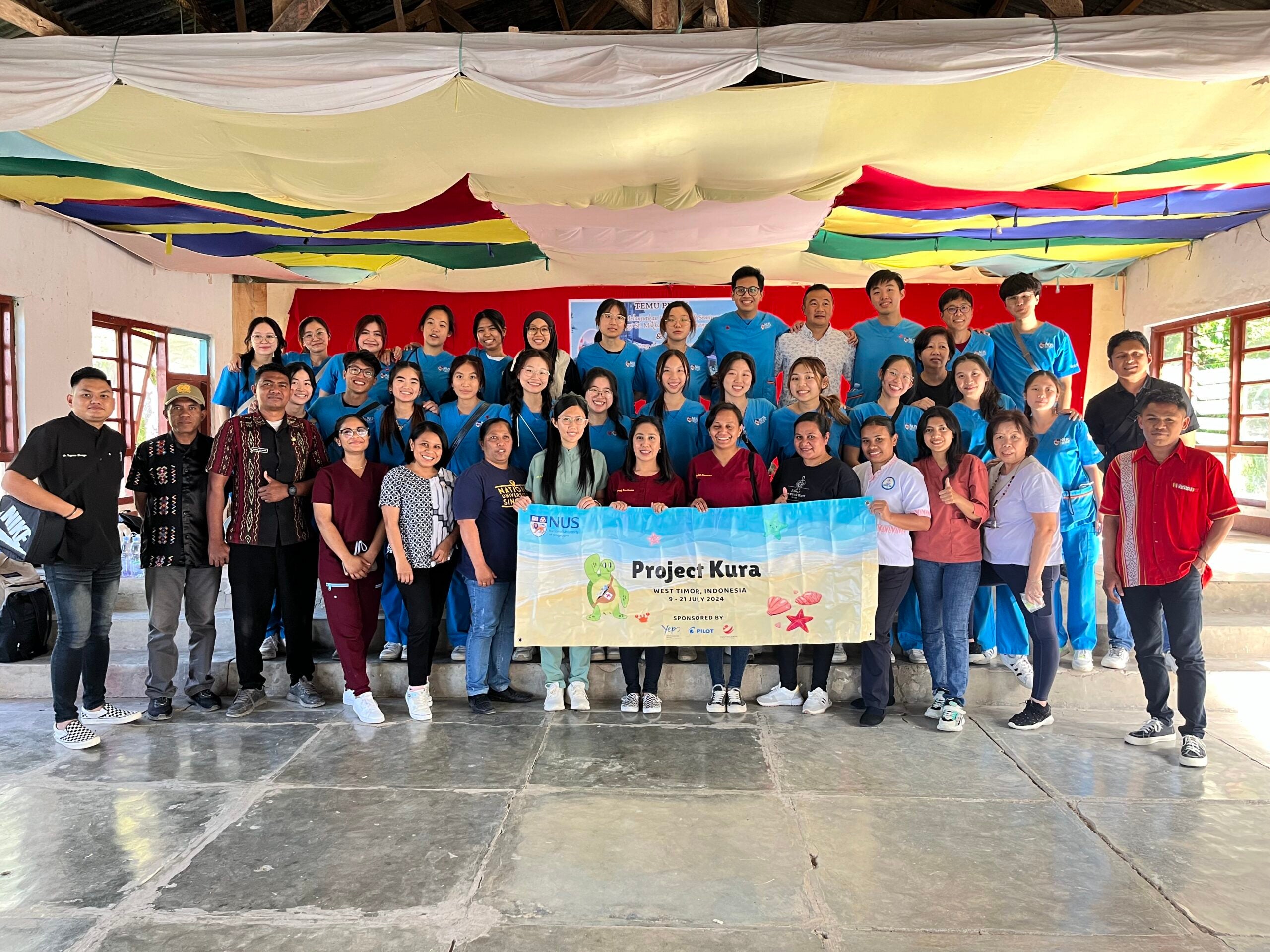
Our students and the team of doctors at one of our medical mission sites in 2024

For AY23/24, our team carried out Medical Missions in July 2024 in five different rural regions in West Timor, alongside local doctors who guided us towards areas that required more attention. The primary goals of these medical missions was to conduct basic health screening and medical consultation, to extend access to healthcare to these five regions, where some regions would take hours by vehicle to reach even the nearest clinic. An example would be Loli, where the journey from the main city of Kupang takes about 3.5 hours. .

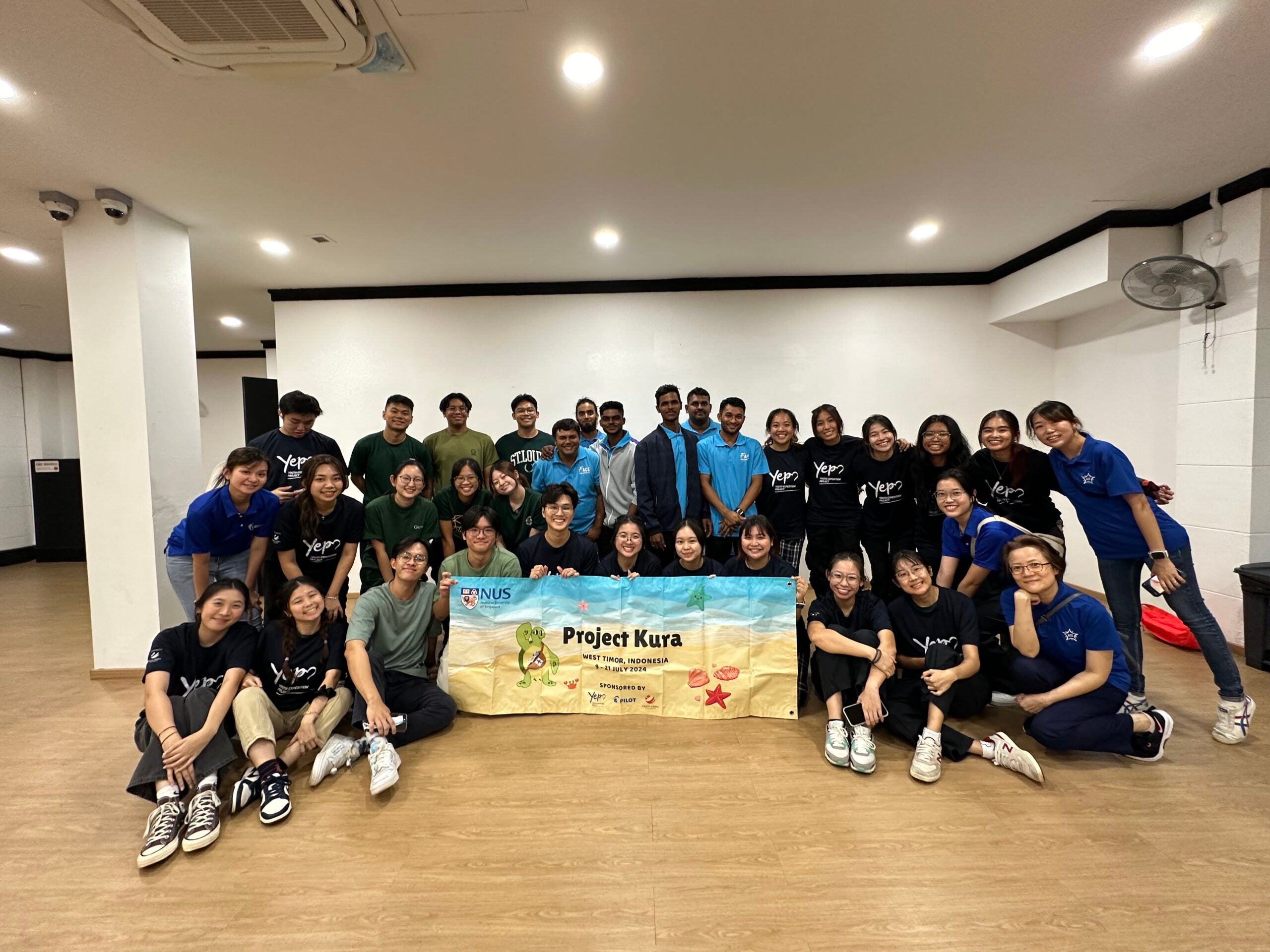
Our team together with the Ministry of Manpower and Friends of ACE (FACE) Volunteers in our Medical Screening at Sembawang Recreational Centre

In August 2023, Project Kura partnered with the Ministry of Manpower (MOM). Our volunteers conducted basic health screenings similar to the Medical Missions conducted in West Timor, where they also educated the migrant workers on the importance of maintaining a healthy lifestyle to prevent conditions such as hypertension and hyperlipidaemia. Dental hygiene was also an issue raised by MOM. As such, we had also integrated dental assessments as part of our health screening. The event enabled the migrant workers to be more mindful of their health and it also allowed us to educate them on proper dental hygiene while flagging out individuals that may have required more professional services. Project Kura’s partnership with the Ministry of Manpower is an example of how our overseas services have enabled our teams to apply our hands-on experiences gained from our missions to our local context. 

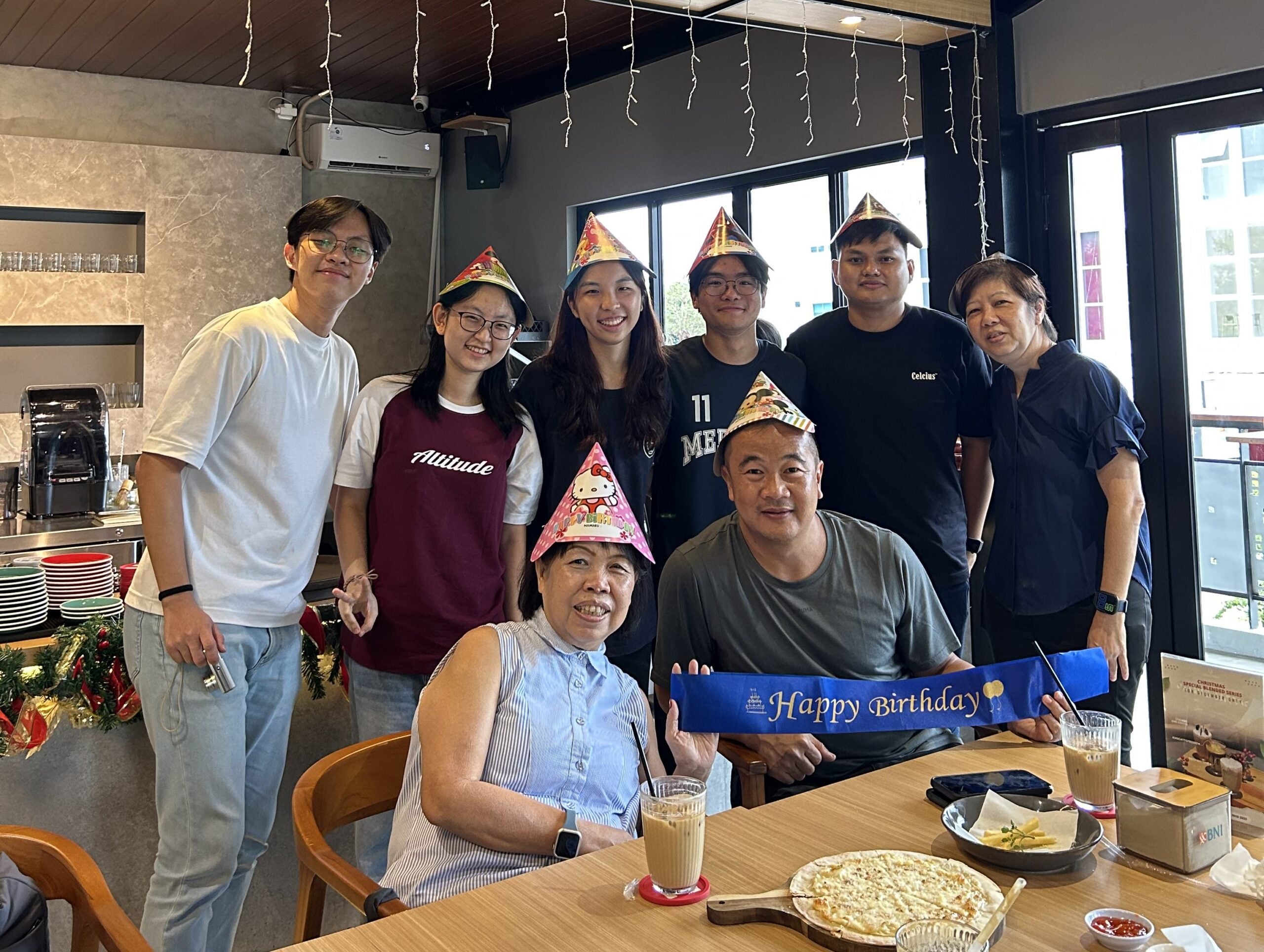
Project Kura's 2025 reconnaissance team with the group of doctors and aunties that contribute greatly to the project

In January 2025, our team conducted a Medical Mission reconnaisance in West Timor to prepare for our trip in July 2025. The purpose for the reconnaisance was to understand the locals living conditions as well as their medical needs. The trip also helped to re-establish connections with the local doctors who would be working alongside us to conduct free medical screening. During the trip, we also visited Institut Agama Kristen Negeri Kupang, a local University to understand the health concerns raised by the Principal and Teachers so that we could design, develop and prepare a suitable cultural exchange programme for the students, as well as include certain health topics such as Mental Health that is often neglected. Information gathered on this trip will in turn be used to further optimise our Project, maximising the social impact that we can bring for the communities in West Timor. 


For more information, you may check us out on these platforms! 

Instagram: @kurawesttimor (https://www.instagram.com/kurawesttimor) 

TikTok: @kurawesttimor (https://www.tiktok.com/@kurawesttimor) 

I joined Project Kura in my first year at NUS, initially for a rather superficial reason—I simply wanted to wear scrubs on a mountain. However, as I progressed through the journey, I was reminded of why I chose to pursue nursing in the first place.

Serving underprivileged communities in West Timor opened my eyes to the differences between their reality and the privileges we often take for granted in Singapore. The biggest challenge I faced was the language barrier, as the locals spoke only Bahasa Indonesia, a language I did not understand at the time. However, this experience deepened my appreciation for the power of non-verbal communication. Though words were limited, I learned that genuine care can be conveyed through actions, body language, and emotion. It was incredibly moving to see the smiles on their faces when we took the time to understand their needs and provide the necessary care.

This project really touched me, which is why I returned this year as Project Director. In this role, I not only continue to grow but also give back to a community that has become dear to my heart. 

– Chia Jia Xuan, Project Director AY2024/2025