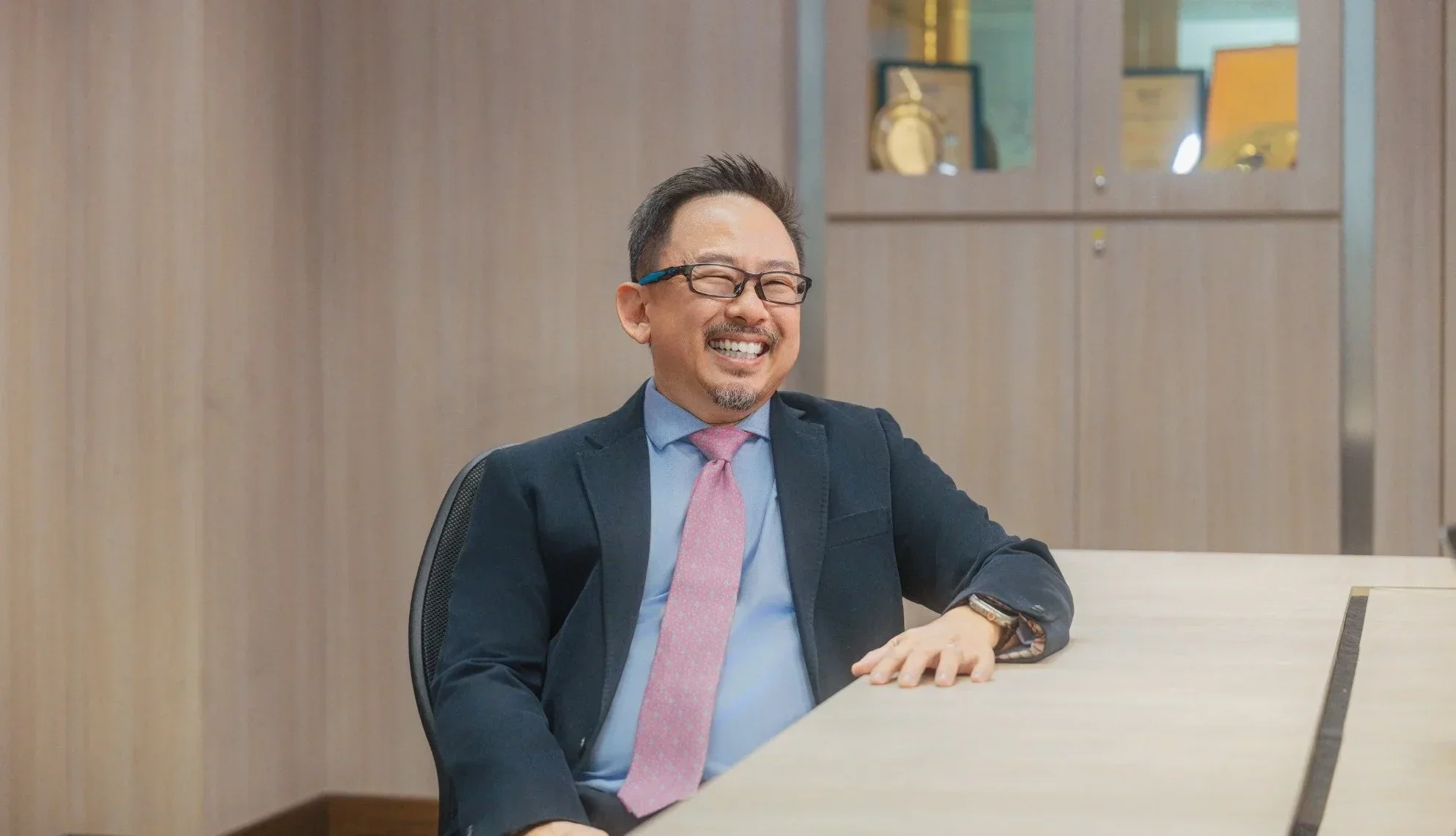
“There’s Beauty in Being Proven Wrong”: Associate Professor Kevin Tan on Embracing Challenges
Published: 03 Jul 2025
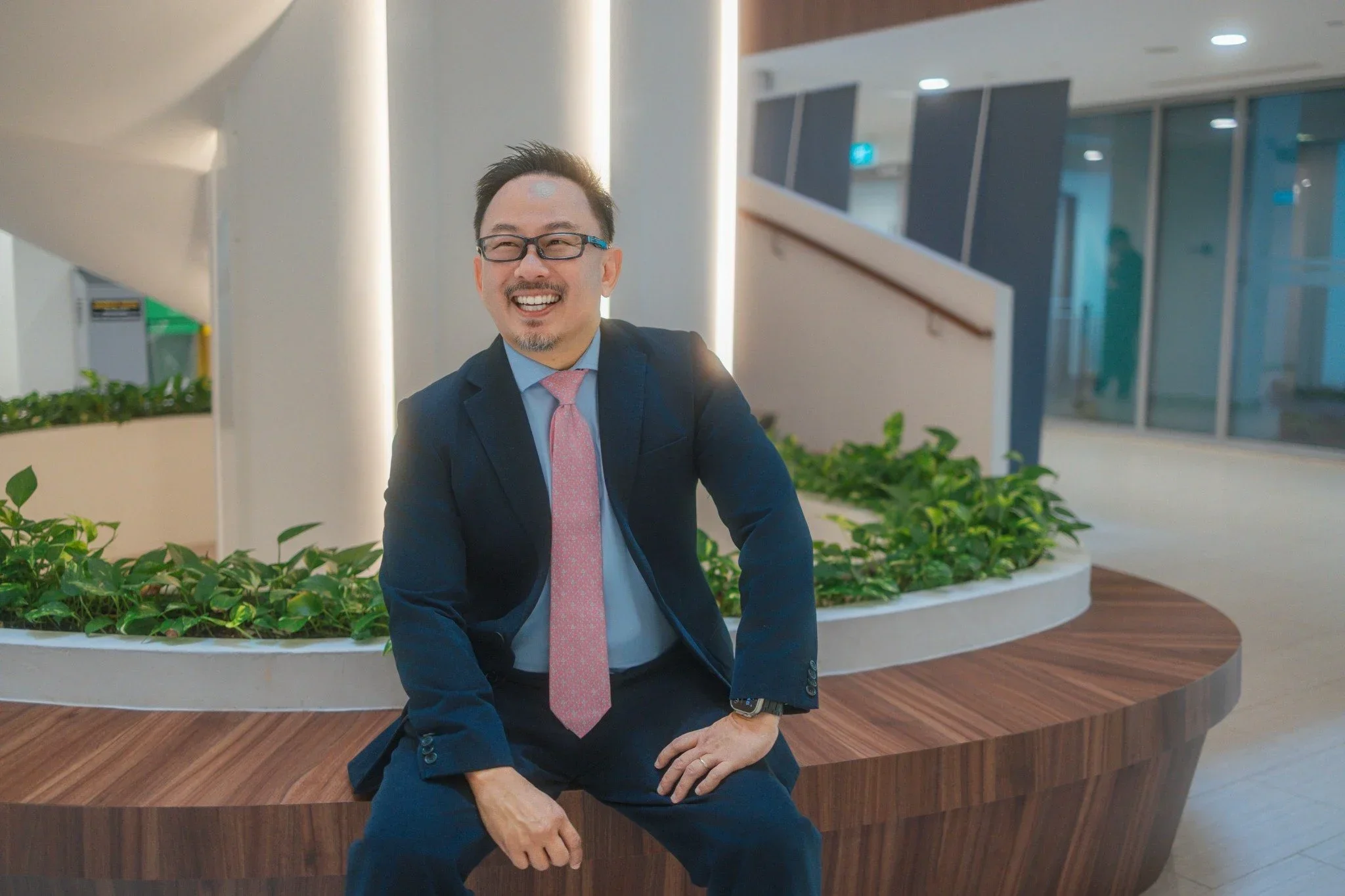
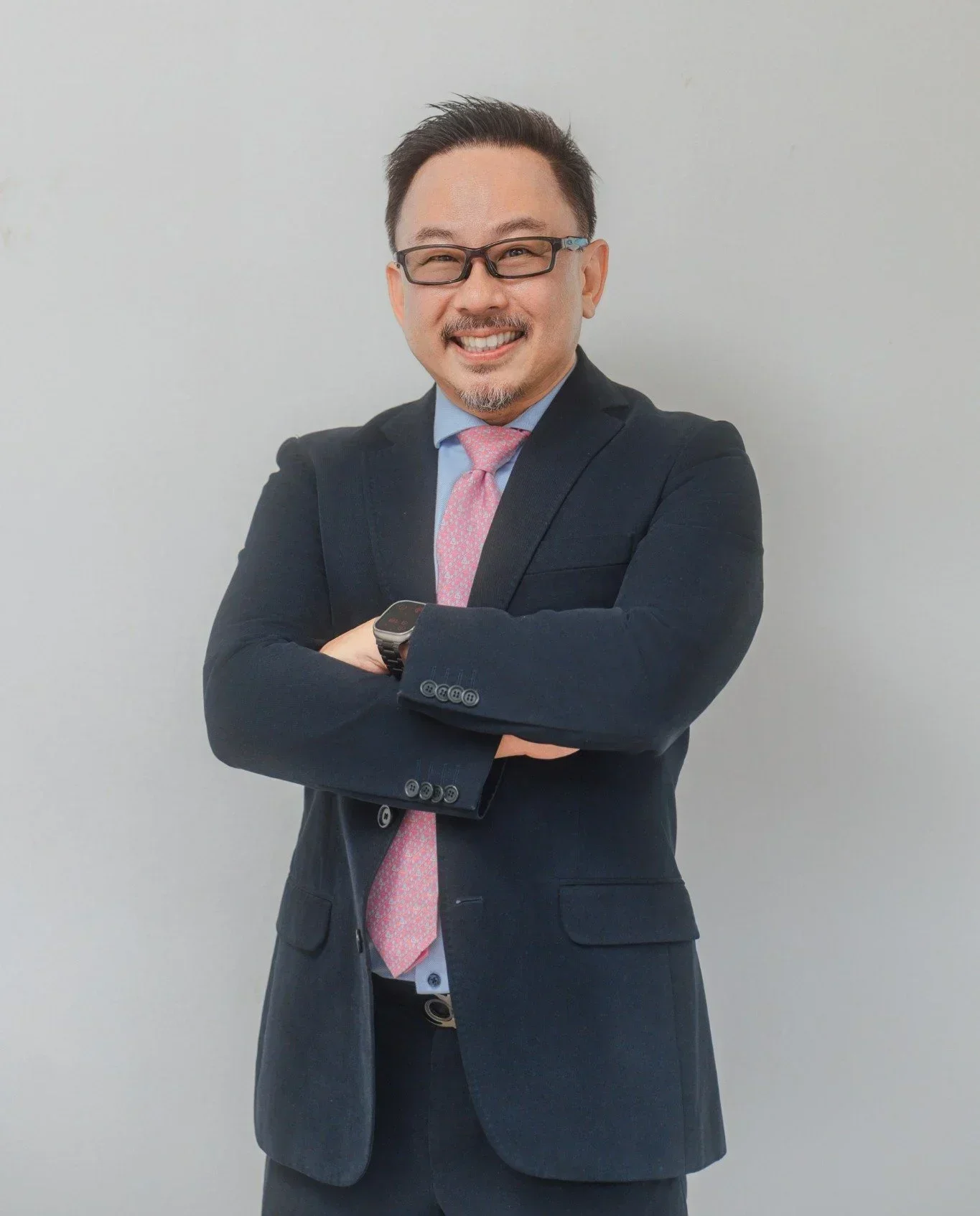
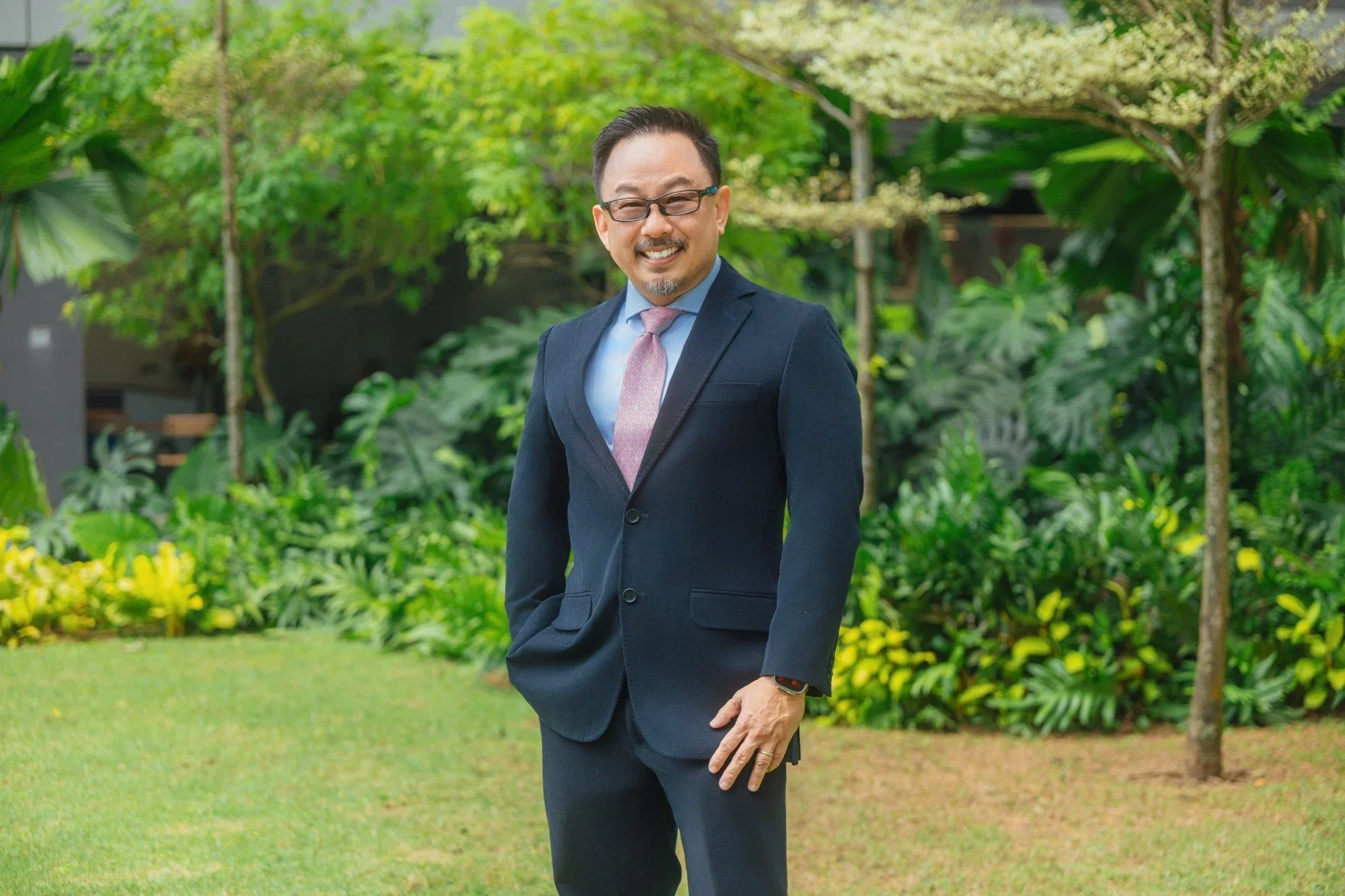
From studying ants as a curious child to pioneering research in microbial diseases at the Yong Loo Lin School of Medicine, National University of Singapore (NUS Medicine), Associate Professor Kevin Tan’s scientific journey embodies the transformative power of wonder. His impact extends far beyond his groundbreaking research – it lies in his ability to inspire generations of scientists through an approach that celebrates curiosity, embraces challenges, and finds beauty in the unexpected.
“Since young, I’ve always been a curious child”, reflects A/Prof Tan, whose early fascination with nature led him to microbiology. “Microbiology fascinated me because it revealed how the smallest organisms could create the biggest changes in our world.” This observation would shape his entire career, leading to significant discoveries in parasitic diseases and innovative approaches to drug resistance.
Between Order and Chaos: A Scientific Philosophy
His scientific philosophy has been profoundly shaped by experiences in two vastly different cities – Singapore and New York. While Singapore offered structure and methodical approaches, New York taught him valuable lessons about embracing uncertainty during his postdoctoral stint at The Rockefeller University. “New York taught me that brilliance often emerges from disorder,” he reflects. “In its vibrant, sometimes chaotic energy, I discovered that uncertainty could be a powerful catalyst for discovery.” This perspective would prove invaluable in his scientific career, where some of his most significant discoveries emerged from unexpected places.
The impact of these contrasting environments is evident in his approach to research, particularly in understanding what he calls the “arms race” between microbes and immune responses. “The COVID-19 pandemic perfectly illustrates this constant evolutionary dance,” he explains. “As our immunity develops, the virus adapts, leading to new variants and reinfections. So there’s always this arms race, which I find fascinating.” The drive to shed light on this relationship between pathogen and host continues to drive his research, pushing the boundaries of our understanding of microbial diseases.
Making Science Accessible
Known for making complex microbiology concepts accessible through storytelling, A/Prof Tan often explains malaria treatment through the history of gin and tonic. “In the 1800s, the British soldiers based in India had to take quinine to prevent malaria… But they hated it because quinine is bitter. So they added gin,” he explains, demonstrating how medical discoveries interweave with cultural history.
A cocktail enthusiast himself, he believes that stepping away from the laboratory can lead to fresh insights. “Sometimes the ideas come when you’re mixing a cocktail or when you’re feeling relaxed with a whisky in your hand.” This balanced perspective helps maintain what he calls “the right distance from your work,” allowing for clearer scientific thinking.
The Courage to Question
A/Prof Tan’s laboratory embraces what he calls “productive mistakes” – a philosophy born from experience. He recounts how one of his earliest PhD students made what appeared to be a critical error in drug dosage calculations, which initially drew criticism from journal editors. However, this “mistake” led to an unexpected discovery about drug concentrations in malaria treatment, demonstrating how scientific advancement often follows unpredictable paths.
This openness to being challenged is perhaps best exemplified in his interaction with PhD student Deng Lei from China. When Deng Lei arrived declaring, “You say that your bug is bad. I say it’s good,” A/Prof Tan welcomed the scientific debate. Through rigorous research, Deng Lei proved that a related parasite could actually benefit its host – a discovery that led to ten published papers and a position at MIT. “I love it when students want to contest my views,” he says. “There’s so much beauty in the evolution of science and there’s so much beauty in your student proving you wrong and appreciating you for it.” This philosophy of embracing challenges and nurturing intellectual debate has become a cornerstone of his teaching approach, fostering a new generation of scientists who aren’t afraid to question existing knowledge.
Inspiring Future Scientists
A/Prof Tan’s impact creates what he calls an “amplifier effect” in scientific discovery. “If I talk about my discovery, it’s just one discovery. But my protégés or mentees would go on to make more discoveries,” he explains. His students’ successes span the globe, with many going on to prestigious positions at leading institutions worldwide, from Yale University to major medical schools across Asia.
His passion for nurturing future scientists extends to younger students in secondary schools, planting the seed of scientific curiosity early on. He’s enthusiastic about his educators’ latest initiative – an ambitious Learning Journey that will reach nearly 1,000 students through hands-on scientific discovery. Particularly meaningful to him is the programme’s focus on students from underprivileged backgrounds. “We want to open their eyes to the possibilities of a career in science that they might not otherwise consider,” A/Prof Tan shares. He believes that a truly comprehensive understanding of the world requires the contributions of individuals from all walks of life.
As NUS Medicine celebrates its 120th anniversary, A/Prof Tan’s work exemplifies the institution’s enduring legacy of nurturing pioneering spirits who dare to challenge conventions and inspire future generations to push the boundaries of medical science.