In Service of Science and Society: Two Graduates, One Mission
Published: 10 Jul 2025
Dr Lee Wei Jie, Jonathan
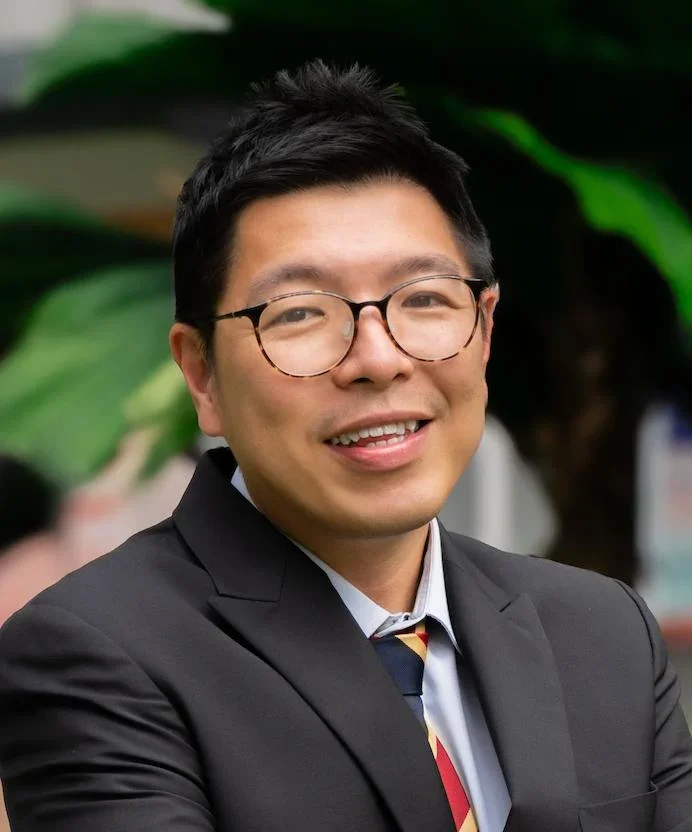
Valedictorian, Class of 2025, PhD Yong Loo Lin School of Medicine (NUS Medicine)
Senior Consultant, Department of Gastroenterology and Hepatology, National University Hospital
Assistant Professor, Yong Loo Lin School of Medicine
When Dr Jonathan Lee looks through the microscope, he doesn’t just see microbes, he also sees the future of personalised medicine.
A Senior Consultant in Gastroenterology and Hepatology at the National University Hospital and Assistant Professor at the Yong Loo Lin School of Medicine, National University of Singapore (NUS Medicine), Dr Lee stands at the intersection of clinical care and academic research. This year, he graduates with a Doctor of Philosophy (PhD) degree, and has been named Valedictorian of the NUS Medicine Class of 2025.
It may come as a surprise, even to his closest colleagues, that pursuing a PhD was never part of Dr Lee’s plans. “I started my research journal by being offered the opportunity to assist a senior colleague to study gastric cancer risk in local patients,” he recalled. That project was the catalyst that encouraged Dr Lee to consider pursuing a PhD, “because the research wasn’t some abstract academic exercise—it was directly explaining what I was seeing in clinic every day.” From that moment, his career took on a dual focus: to ask better, deeper questions through research and to ultimately transform those findings into meaningful clinical applications.
In the midst of the dynamic complexities of his work, Dr Lee’s guiding ethos is simple: “My research questions come from the patients I see in my practice.”
This unwavering, patient-first perspective grounds his scientific pursuits, even as his research ventures into more complex territory. One enduring observation continues to fuel his curiosity: “You can have patients with identical risk profiles—same diet, lifestyle, and exposures—yet only some go on to develop colorectal polyps or cancer. Similarly, two individuals with near-identical Irritable Bowel Disease (IBD) presentations may respond in completely different ways to the same biologic treatment.”
These clinical puzzles sparked his deep interest in the human microbiome. As the Principal Investigator of the Gastrointestinal Molecular and Microbiome Laboratory at NUS, Dr Lee’s lab investigates how gut microbes influence inflammation, immunity, and gastrointestinal cancers. His research is helping to redefine how such diseases are diagnosed and treated. “The microbiome isn’t just a collection of bacteria. It’s a dynamic ecosystem that interprets our environment and translates it into biological signals.”
Dr Lee’s work already has real-world impact. He leads National University Hospital’s fecal microbiota transplant (FMT) clinical service and designs microbiome-based studies that help predict outcomes in IBD and colorectal cancer. His work between the bench and bedside allows him to push science forward while keeping his research grounded in lived clinical experience.
Yet the path to discovery has not always been smooth-sailing.
“I remember one project where I spent four months getting absolutely nowhere,” he shared. “But I learned that research doesn’t reward perfection, it rewards persistence.”
That resilience became one of the defining lessons of his PhD journey. He now brings the same mindset to his students at NUS Medicine. As an Assistant Professor, he is passionate about nurturing curiosity and self-belief among the next generation of clinician-scientists, “Research can be intimidating — especially when you’re coming from clinical medicine where there are protocols for everything. In research, sometimes you’re making it up as you go. I want my students to feel safe asking obvious questions, to be okay with making spectacular mistakes, and to grow into researchers driven by genuine curiosity.”
When asked what being named Valedictorian means to him, Dr Lee responded modestly, “This recognition isn’t just mine—it belongs to everyone who believed in this path before I did. My family, mentors, and the patients that kept me going. It’s a reminder that showing up every day, even when it’s hard, can take you places you never imagined.”
Looking ahead, Dr Lee is energised by how rapidly the field is evolving especially with precision medicine. What once seemed like a distant ambition is now within reach. “I see a future where we can tune someone’s microbiome like adjusting the settings on a complex system,” he explained. “Not just with drugs, but with targeted foods, prebiotics or even personalized microbial cocktails.”
To achieve this, he noted, requires more than scientific expertise, but also demands fluency across disciplines. “We need to stay bilingual—fluent in both worlds. Keep one foot firmly planted in patient care, and let their needs and stories drive your research questions. At the same time, understand the science well enough to know what’s actually possible versus what’s simply hype.”
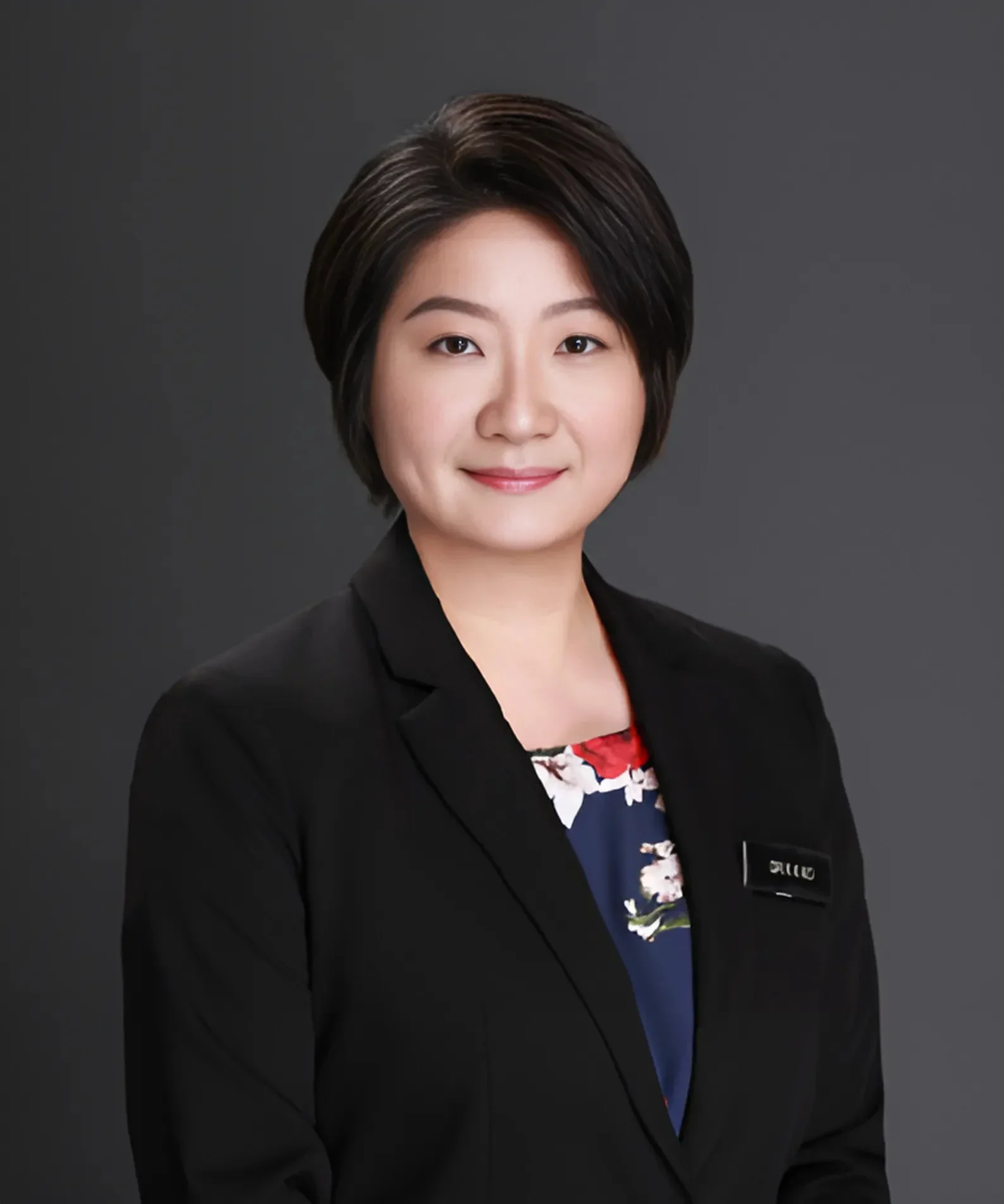
Dr Ko Kwan Ki, Karrie
Class of 2025, Yong Loo Lin School of Medicine (NUS Medicine)
Consultant, Department of Microbiology, Singapore General Hospital
For Dr Ko, the practice of medicine has never been confined to the clinic.
A Clinical Assistant Professor at Duke-NUS Medical School and a Consultant at the Department of Microbiology at the Singapore General Hospital, her work lies in the invisible margins—where routine diagnostic tests become early warnings, and genomic data quietly informs decisions that could protect entire populations.
A newly minted PhD graduate from Yong Loo Lin School of Medicine, Dr Ko’s contributions span clinical diagnostics, cutting-edge genomics, and pandemic preparedness, driven by a profound sense of duty. Her path into microbiology was lit by the memory of SARS, a defining chapter in Singapore’s medical history. From the moment she saw the devastating effects of SARS as a young medical student, Dr Ko understood how quickly pathogens could unravel even the best systems.
Later, during her specialist training, Dr Ko became involved in investigating healthcare-associated infections, including various putative transmission events, which evoked a sense of helplessness as such critical events seemed so avoidable. These events pushed her to pursue further research into clinical microbiology, where timely and accurate data can directly and systematically improve patient care and support public health action.
After years working in clinical microbiology, Dr Ko realised that routine diagnostics were no longer enough to effectively and accurately meet the changing needs of patients. “Genomics, data science, and new technologies were evolving quickly,” she explained. “I wanted to bridge those innovations into everyday clinical practice.” Hence, with years of clinical work where she had the opportunity to pinpoint the biggest unmet needs, she pursued a PhD to master the skills and evidence base to help to fix them. She was confident that a PhD could empower her with understanding how diagnostics could better support both patient care and public health on a broader scale, where her mastery could benefit larger communities in dealing with infectious disease.
Dr Ko’s PhD journey was nothing she imagined. It unfolded in tandem with the global Covid-19 pandemic, during which she juggled clinical duties with scientific research. The emotional and mental toll was high, and the dynamic workload and uncertainty constantly shadowed her. She was also unable to spend time with her grandmother before she passed away, due to travel restrictions at that time. In spite of this, she knew that the stakes were too high to give up halfway and her research could benefit many. “That purpose kept me going, even when things were at their hardest.”
Her determination led to her discovery of a new variant of Candida auris, a deadly fungus, in 2023. While Candida auris cases in Singapore are typically imported, this specific variant was detected in a patient with no recent travel history. This finding challenged existing assumptions about local transmission and underscored the need of genomic surveillance in routine hospital workflows to detect such silent, emerging variants. “Investing in real-time, scalable genomics and integrated machine-learning tools could give health systems the chance to respond earlier and limit wider transmission.”
Today, Dr Ko is focused on implementing such tools across routine diagnostics. “My goal is to develop and validate methods that are scalable, clinically relevant, and sustainable for everyday practice.” She remains a strong advocate for stronger, data-driven systems within public health infrastructure, to effectively respond to evolving infectious disease threats. However, for Singapore and the world to effectively combat these threats, collaboration is key. As Co-Director of the SingHealth Duke-NUS Infectious Diseases Research Institute, Dr Ko actively fosters partnerships across disciplines and institutions. Such collaborations reinforce the importance of multidisciplinary teamwork to solving complex problems in infectious diseases.
To those starting their own scientific journeys, she offered this advice: “That willingness to take a chance, to go beyond what is strictly necessary, can lead to growth, discovery, and opportunities you’d never imagine.”
Photo highlights from the Post-graduate programmes 2025 Commencement Ceremony
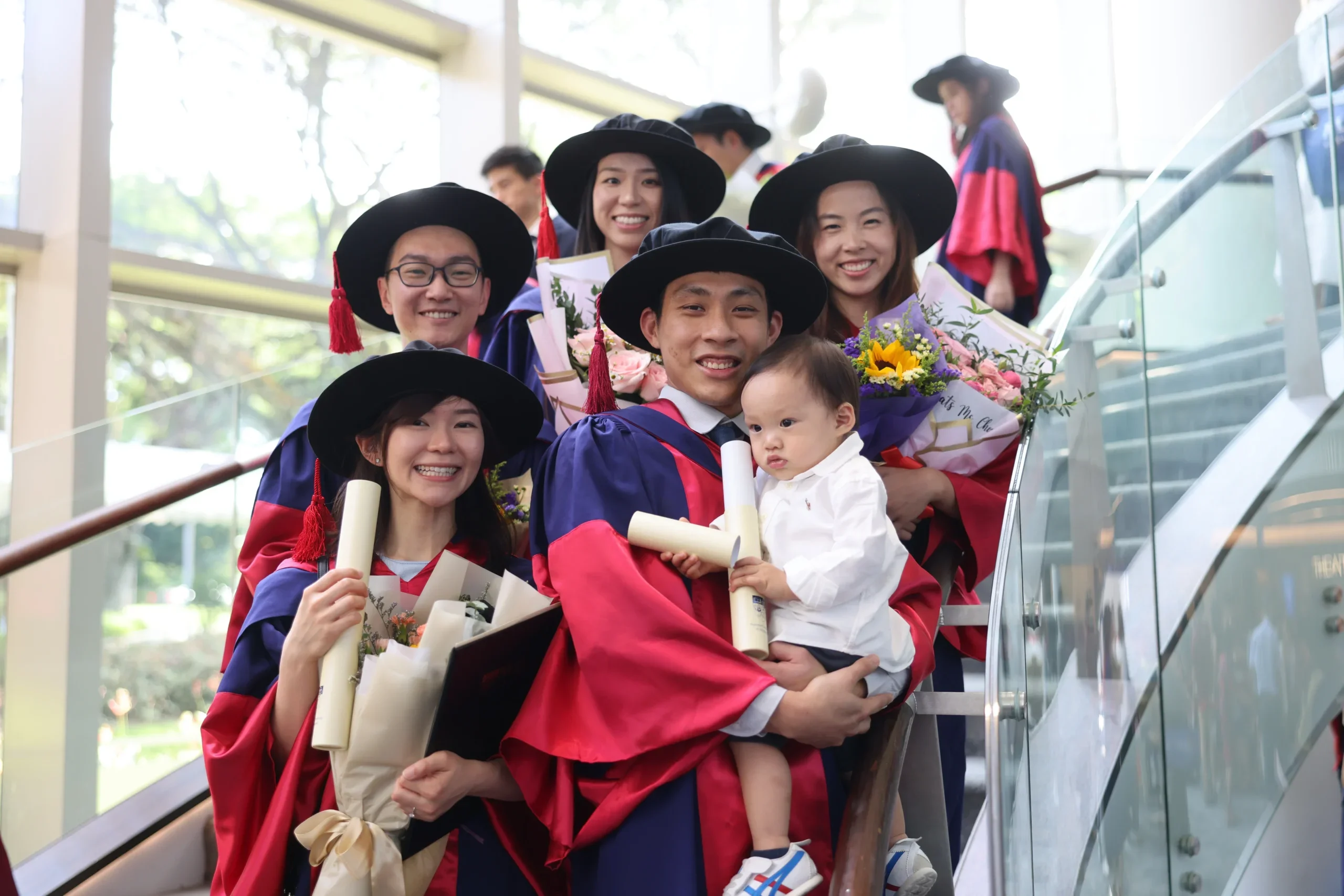
Arrival of graduands with friends and family at the University Cultural Centre.

Graduands taking photographs at the AlumNUS pop-up photo booth.
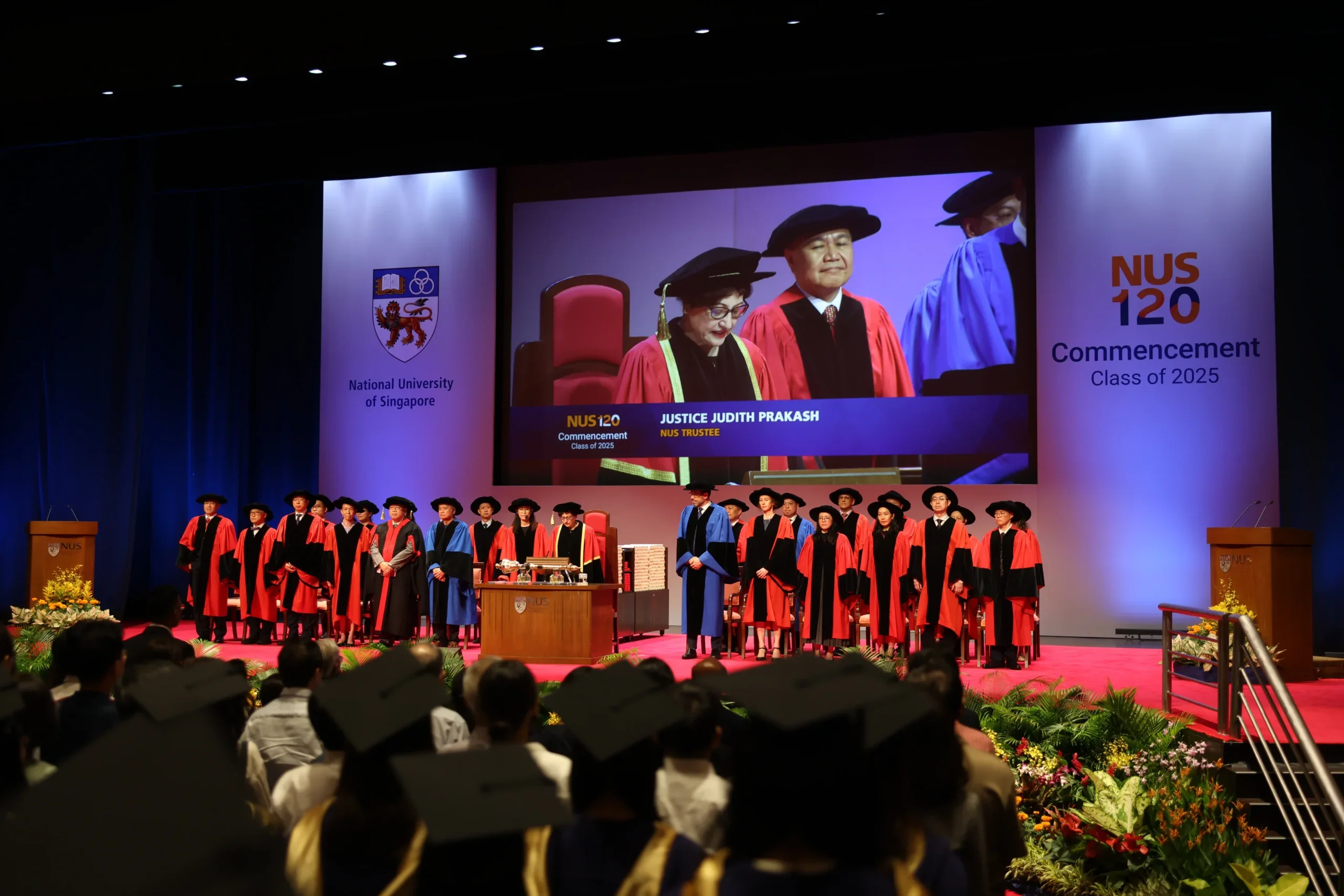
Ceremony begins with the academic procession and arrival of faculty.

Guest speaker Dr Wong Chiang Yin, Master, Acadamy of Medicine, Singapore, addressing graduands in his speech.
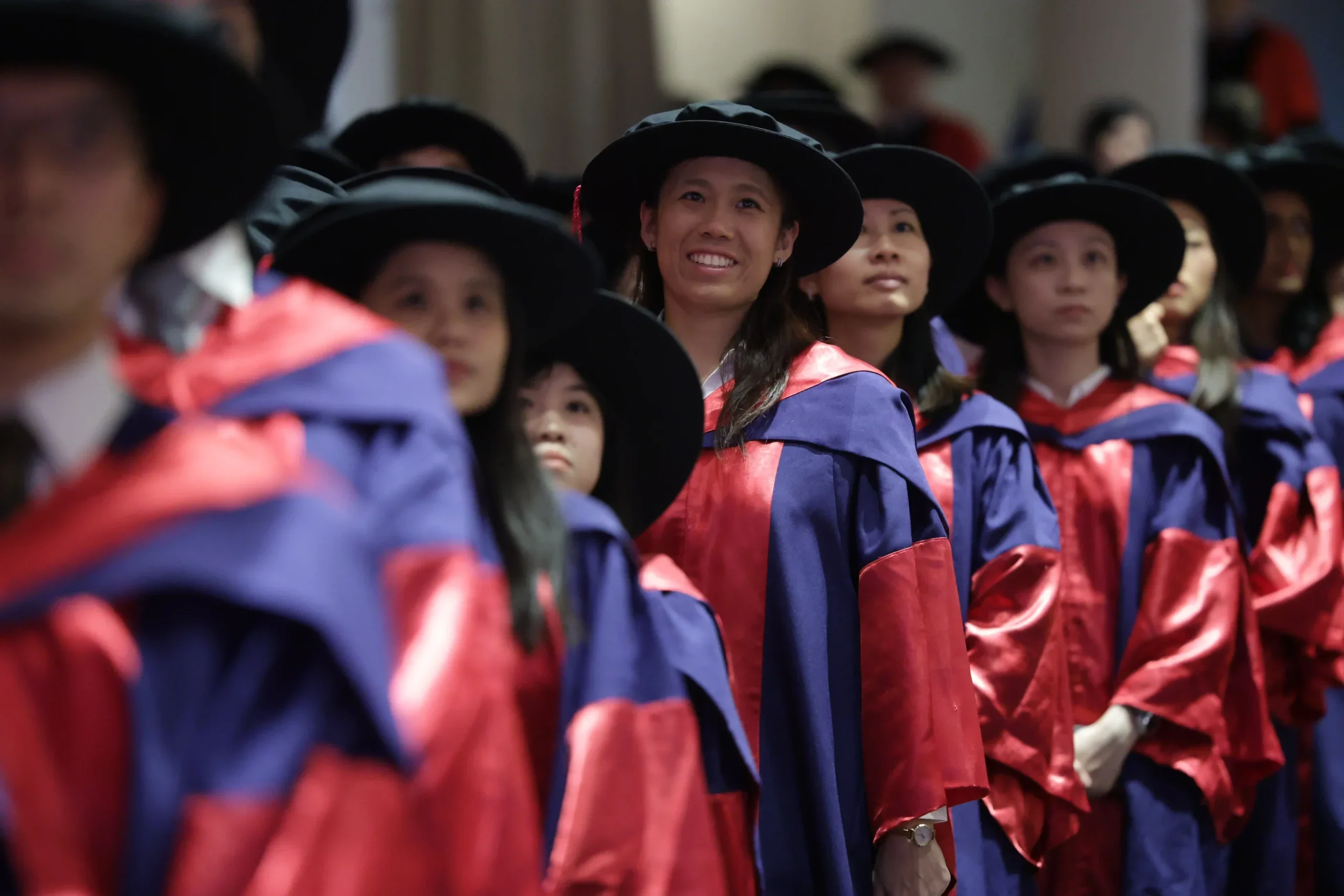
Graduands lined up, eagerly awaiting their turn to walk the stage.
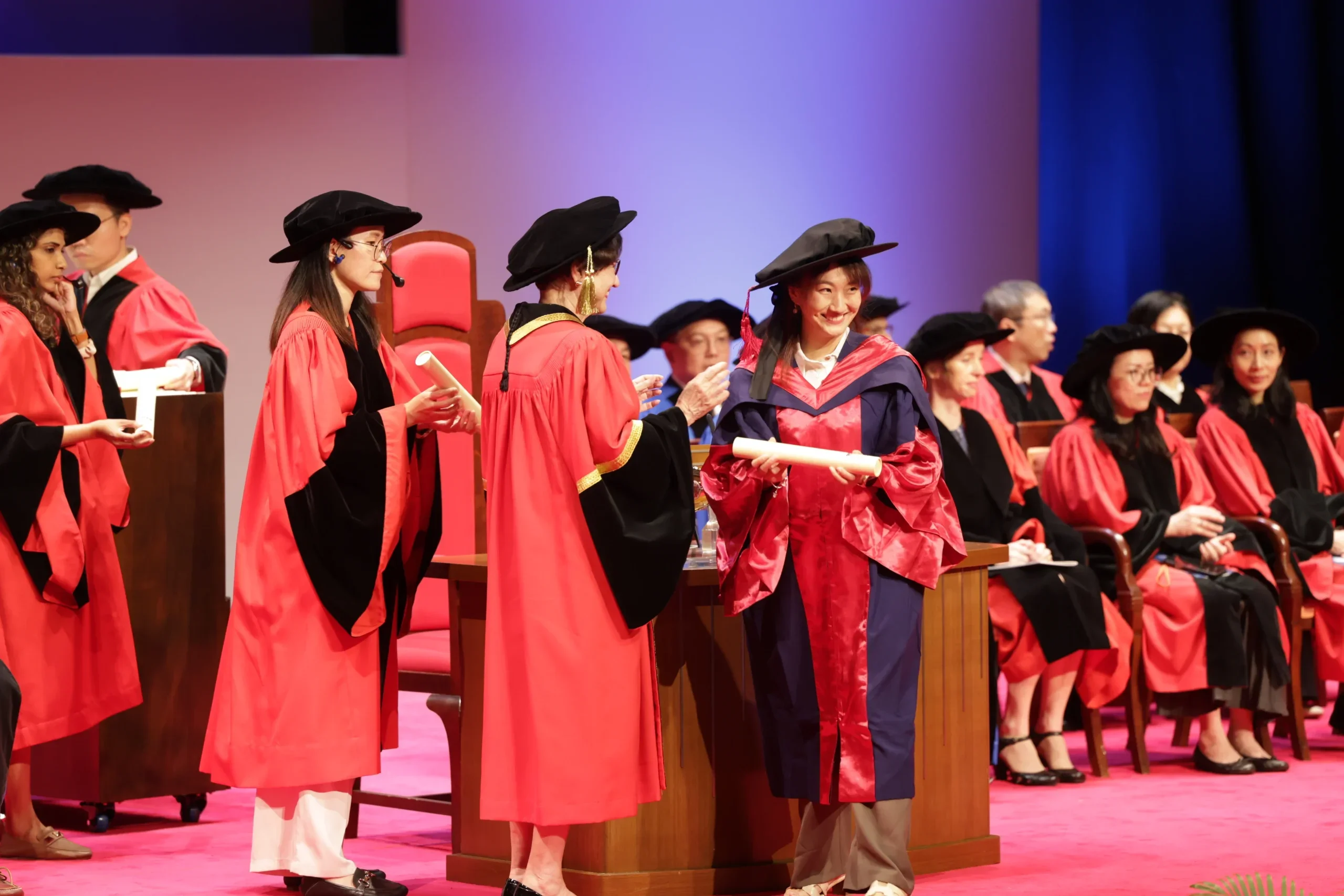
Graduands receiving their scrolls on stage.
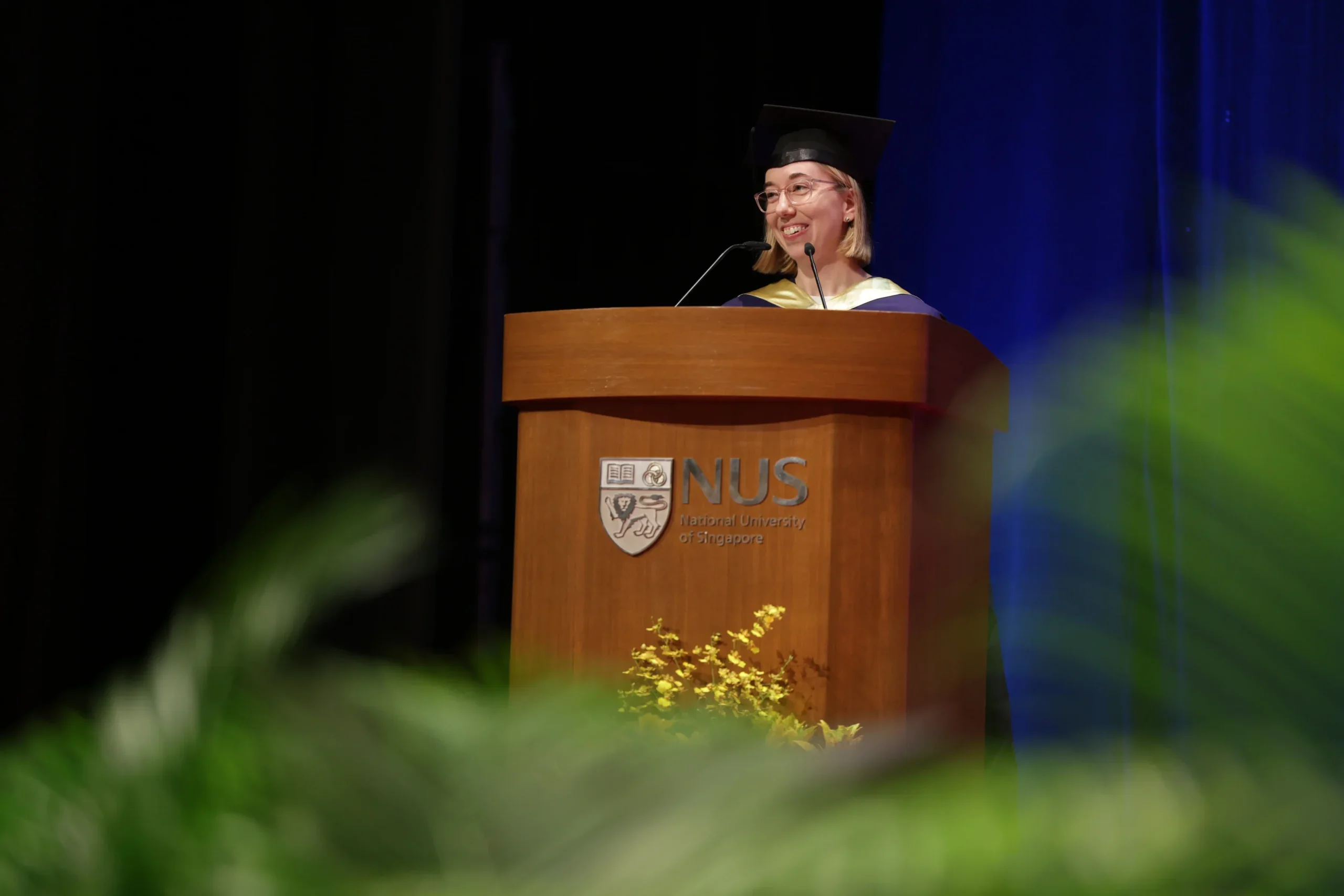
Eva Louise Baker, Valedictorian of the Class of 2025 delivers her speech to address her peers.
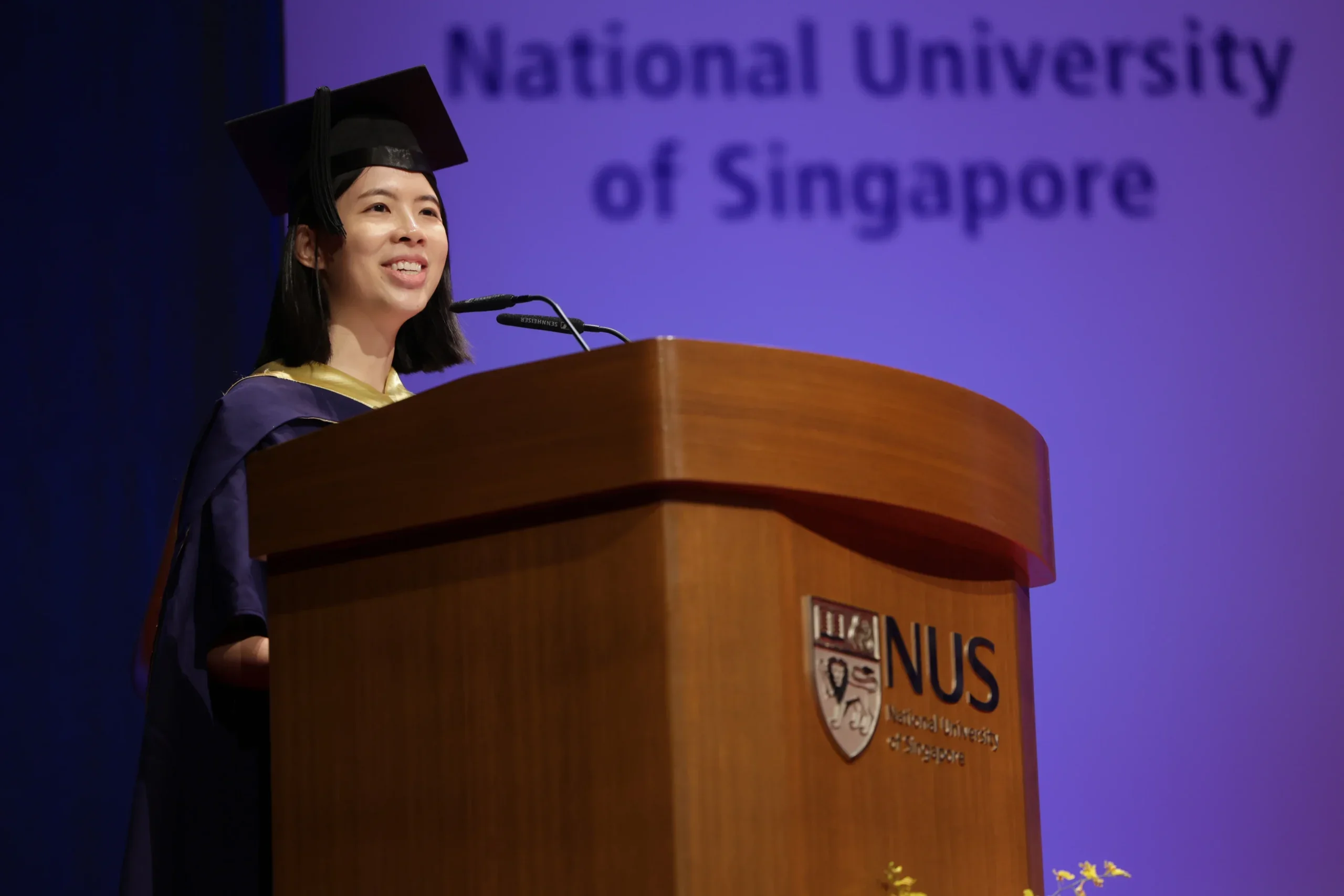
Tong Wan Yan, Valedictorian of the Class of 2025 delivers her speech to address her peers.
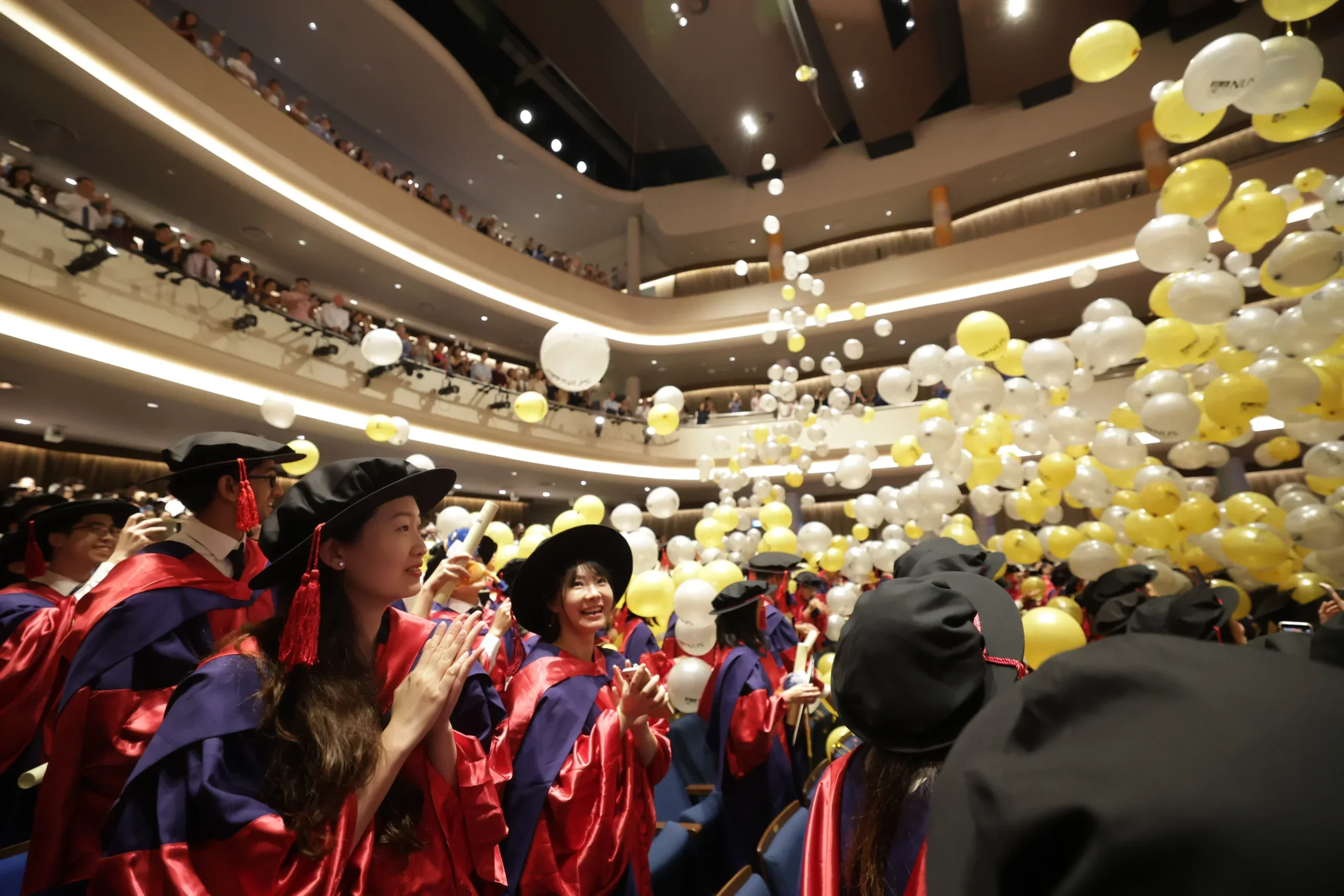
Graduands celebrate as the ceremony comes to a close.