HRPC Partners with HOT BODIES Exhibition to Bring Heat Science to the Public
Published: 15 Dec 2025
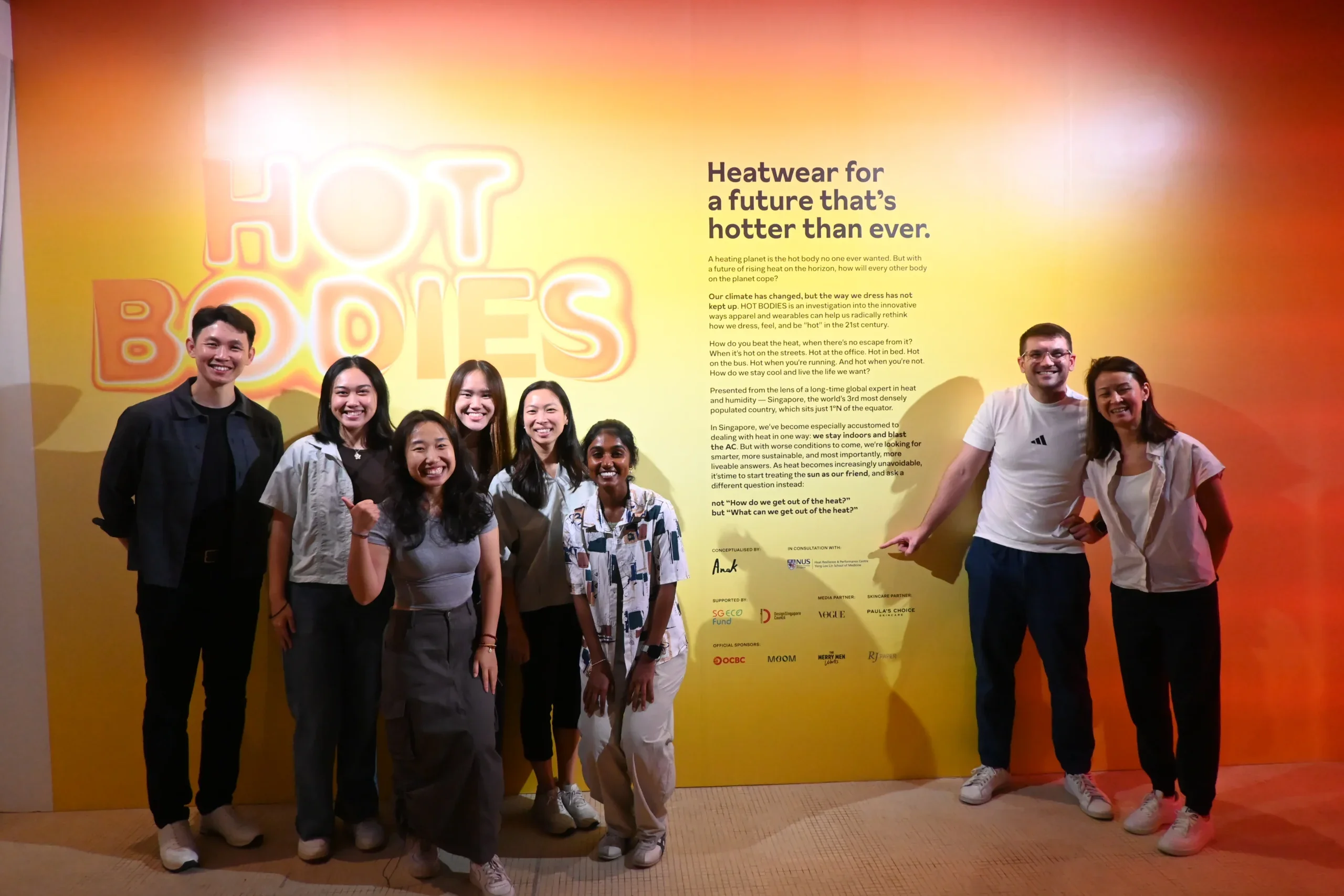 The Heat Resilience & Performance Centre team at the preview of HOT BODIES.
As extreme heat events become more frequent and intense across Southeast Asia, building public understanding of heat risks and how the body responds have become even more critical. To make scientific insights more accessible, the Heat Resilience & Performance Centre (HRPC) at the NUS Yong Loo Lin School of Medicine partnered with Anak, the organiser of HOT BODIES—to create an experiential exhibition at New Bahru that explores how our bodies respond to heat and how we can adapt in a warming climate.
This collaboration sought to translate complex scientific knowledge into engaging public education and bring science to life through art and design. HRPC provided guidance to shape the narrative direction, refine scientific explanations, and ensure that the content aligned with current evidence on heat, health, and human performance.
Transforming research into experience
One of the central challenges in public communication is explaining human thermoregulation in ways that are intuitive and relatable. The exhibition visually and interactively communicates what happens inside the body when temperatures rise: perspiring, cardiovascular strain, and the limits of the body’s cooling mechanisms, depicted through installations, graphics and hands-on experiences that make the science accessible and memorable.
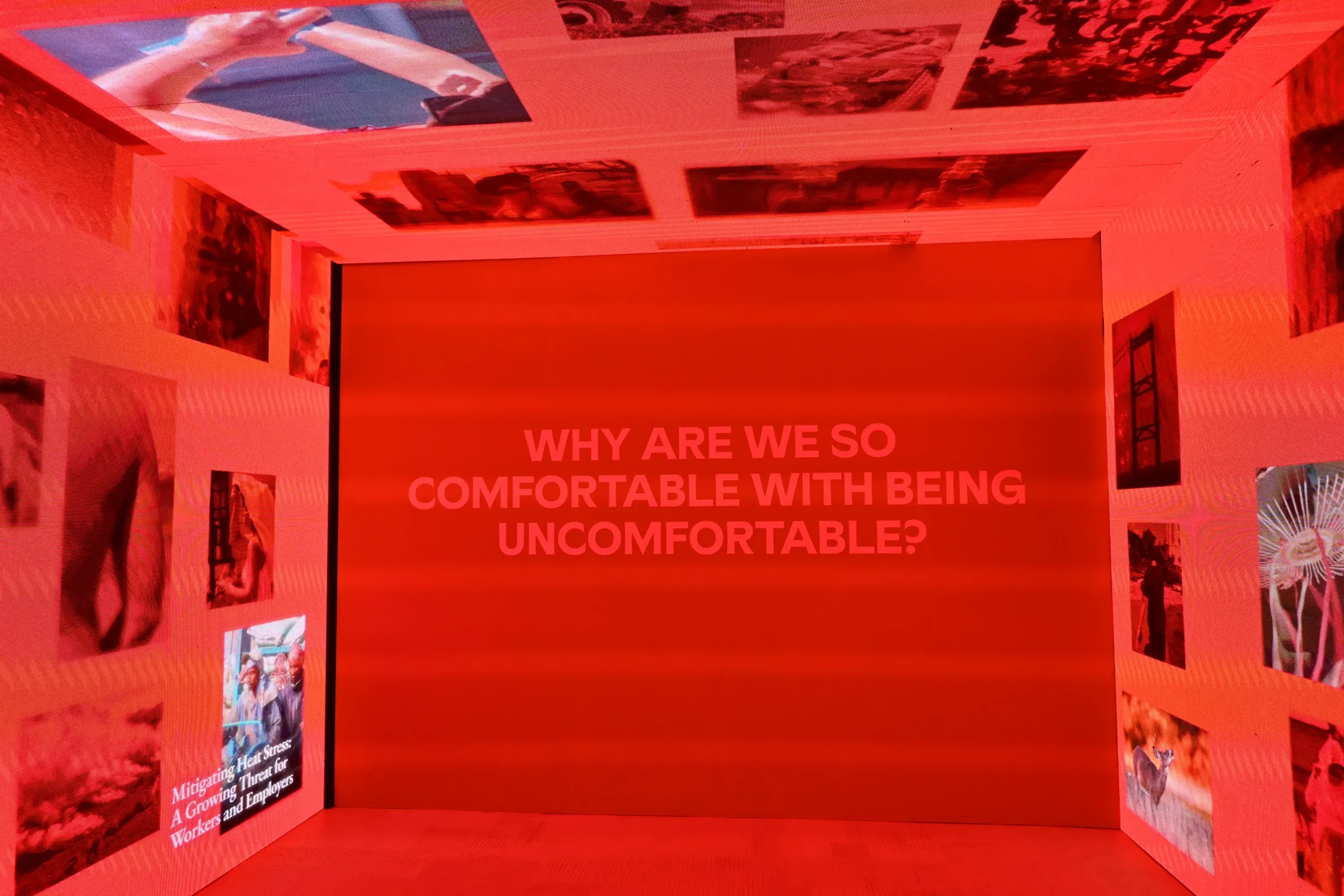
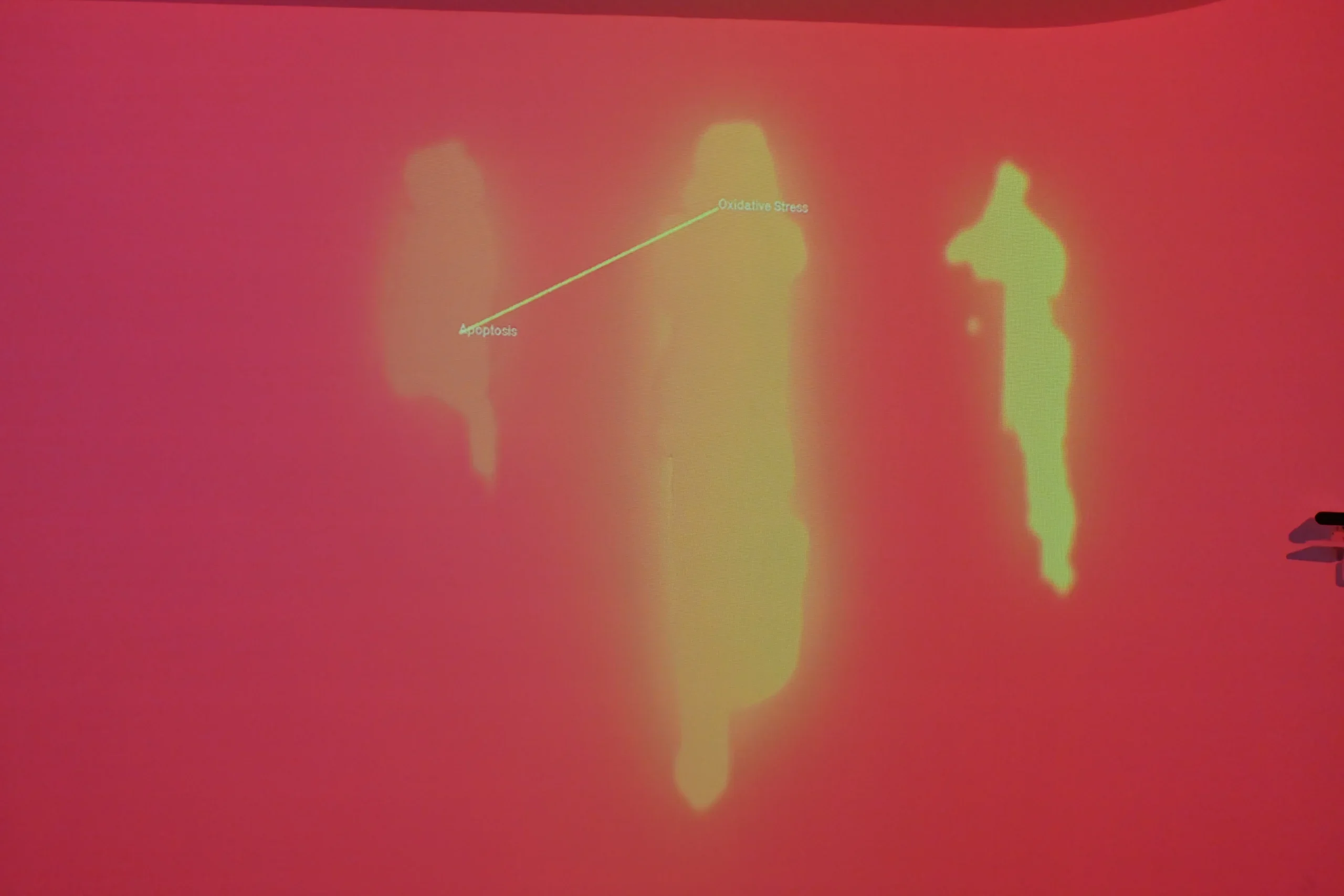
This set the stage for exploring heat challenges from design and artistic perspectives, while also highlighting why groups such as older adults, people with chronic conditions, and outdoor workers are more vulnerable to extreme heat.
This effort reflects HRPC’s broader mission to promote heat literacy across communities and workplaces. By bringing scientific findings into public spaces, the Centre hopes to equip individuals with practical insights that support safer behaviour in a warming world.
Addressing misconceptions and promoting resilience
To address common misconceptions about heat, HRPC helped shape a central narrative on the importance of balanced, informed exposure to heat. Many people instinctively avoid outdoor heat entirely, relying heavily on air-conditioning. However, HRPC’s research shows that safe, controlled activity in warm environments can help strengthen heat tolerance, reduce health risks during heatwaves, and decrease over-reliance on cooling systems.
Through evidence-based guidance, the exhibition presents this message in an empowering way. It encourages visitors to rethink their relationship with heat by understanding the risks and the body’s natural capacity to adapt when supported with the right strategies.
Engaging the community through dialogue
As part of the exhibition’s public programme, Assoc Prof Lee delivered a talk titled, “How to deal with the sun.” In his session, he unpacked how the human body responds to high temperatures, highlighted why certain groups are more vulnerable, and shared practical strategies individuals and communities can adopt to prepare for a hotter future.
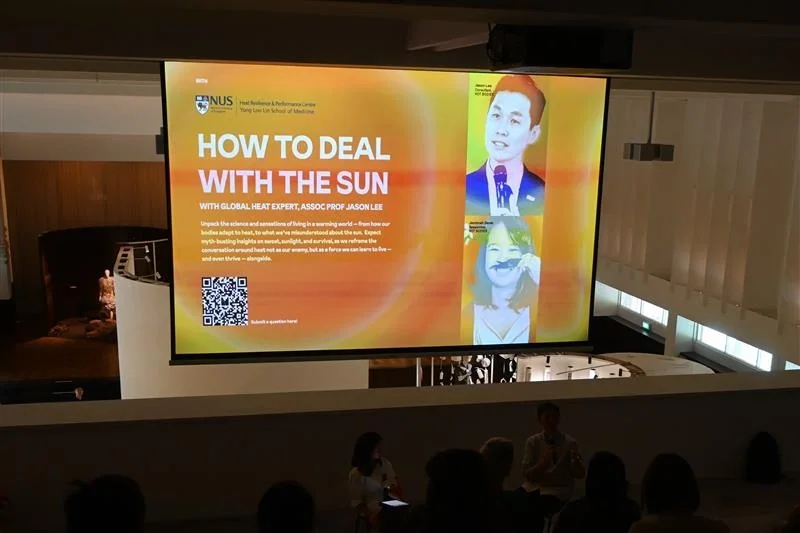
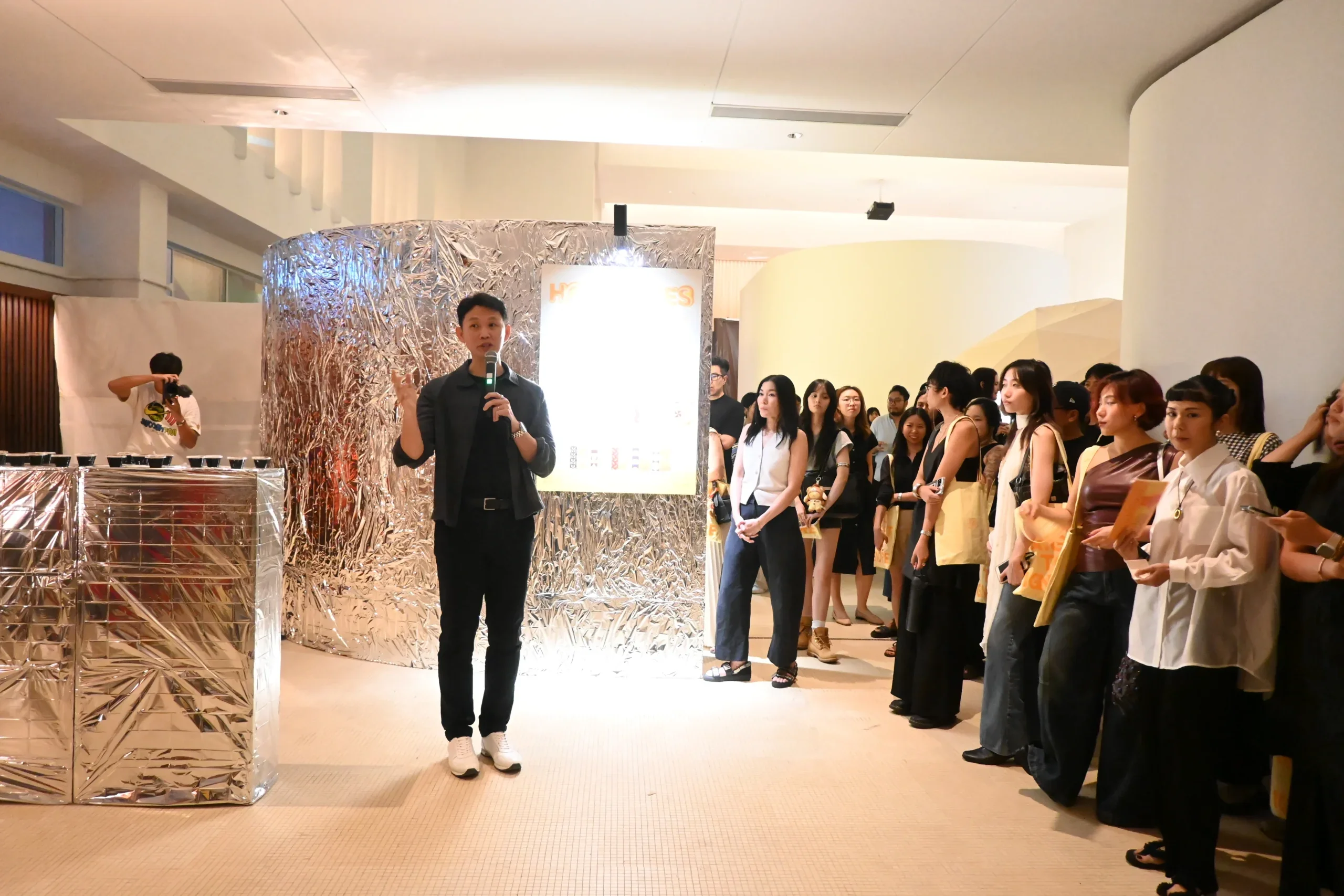
Through clear explanations and myth-busting demonstrations, Assoc Prof Lee reframed heat not simply as a hazard, but as a physiological challenge that humans can navigate more effectively by combining scientific understanding, community empathy, and forward-looking adaptation.
Visitors who attended the talk also explored the broader exhibition at New Bahru, which showcased creative concepts, apparel innovations, and interactive experiences. Together, the exhibition and talk offered an engaging environment for families, students, designers, and the public to learn about how climate and health intersect in meaningful, accessible ways.
Building heat resilience through collaboration
The HOT BODIES exhibition demonstrates the value of multidisciplinary collaboration in strengthening public understanding of climate-related health challenges. HRPC’s involvement ensured that the exhibition’s scientific foundations were rigorous, relevant, and aligned with ongoing regional initiatives to improve heat resilience.
HRPC continues to work through such collaborations to advance its mission to protect communities in a warming world. The Centre embraces a truly multidisciplinary approach, including disciplines traditionally not associated with science, into its efforts to provide a holistic understanding to addressing heat. By transforming research into accessible public learning, the Centre hopes to encourage greater preparedness and spark meaningful conversations about heat, health, and resilience.
The exhibition is now running at New Bahru, offering visitors a timely opportunity to understand how the human body copes with heat and how we can adapt to rising temperatures in the years ahead.