From Surveillance to Strategy: Empowering Southeast Asia’s fight against tick-borne diseases
Published: 10 Sep 2025
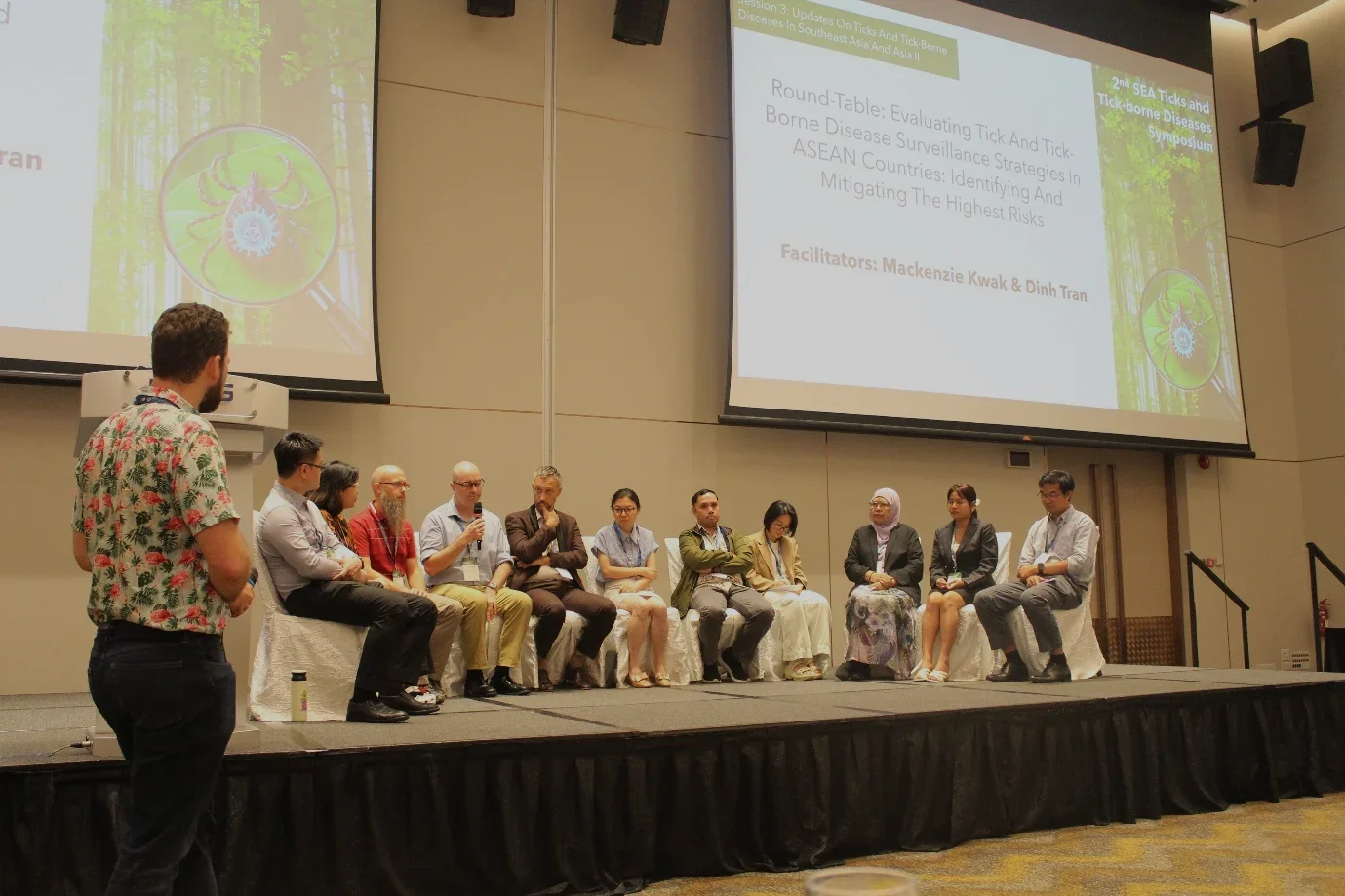
Panelists from Southeast Asia in discussion on the impact of different ticks and tick-borne diseases on public health in the region.
As environmental changes reshape our world, ticks and the diseases they carry are rapidly becoming a public health concern in Southeast Asia (SEA) and beyond. Understanding their biology, the pathogens they harbour, and the ways they spread is crucial in protecting our communities and ecosystems.
The Department of Microbiology and Immunology at the Yong Loo Lin School of Medicine, National University of Singapore (NUS Medicine) hosted the second Southeast Asia Ticks and Tick-borne Diseases Symposium, on 28 to 29 August 2025, with approximately 100 guests in attendance. Building on the momentum of the regional initiative launched in 2023 by Institut Pasteur du Cambodge, the event aimed to review progress, foster collaboration, and strengthen the regional network dedicated to advancing research and control strategies for ticks and tick-borne diseases. The 2025 edition of the symposium was organised by NUS Medicine, in collaboration with the Duke-NUS Medical School, NUS Saw Swee Hock School Of Public Health, Communicable Diseases Agency, Mandai Wildlife Reserve, Environmental Health Institute, and the A*STAR Infectious Diseases Labs.
The symposium highlighted ticks and tick-borne diseases (TBDs) as a significant yet under-recognised public health threat in SEA. Driven by climate change, expanding green spaces, wildlife movement, and the complex ecology of ticks, TBDs are rising in prevalence across the region. SEA’s rich biodiversity further heightens the risk of emerging tick-borne pathogens. By convening researchers, clinicians, and public health practitioners, the event promotes international scientific exchange, advances shared goals for TBD prevention and control in SEA, and catalyses local, regional, and global collaborations to confront these threats.
Key highlights of the 2025 symposium include:
• Focus on Collaboration: The symposium called for ongoing and coordinated efforts between agencies and researchers at local, regional, and international levels. Strengthening surveillance, facilitating data sharing, and developing innovative tools and strategies were central themes.
• One Health Approach: Singapore’s integrated approach, adopting the One Health framework, brings together human, animal, and environmental health sectors to manage TBDs. This collaborative model was shared as a blueprint for regional efforts.
• Research and Surveillance Advances: The symposium highlighted recent achievements such as Singapore’s preliminary review of tick fauna and the establishment of the Singapore National Tick Reference Collection. The event also featured updates on large-scale biosurveillance research initiatives, multidisciplinary collaborations, and early warning systems for emerging diseases.
• Addressing Knowledge Gaps: The event addressed the lack of common knowledge on ticks in the region, reviewing the current state of research and fostering the development of a regional tick-borne disease network to implement effective prevention strategies.
• Opportunities for Professional Exchange: The symposium provided a valuable platform for sharing experiences and strategies, encouraging active participation, and building a sustainable expert network among established and early-career scientists alike.
By bringing together key stakeholders and experts from across SEA, the 2nd SEA Ticks and Tick-borne Diseases Symposium sought to strengthen the region’s capacity for research, surveillance, and control of ticks and TBDs, ultimately enhancing collective public health resilience.
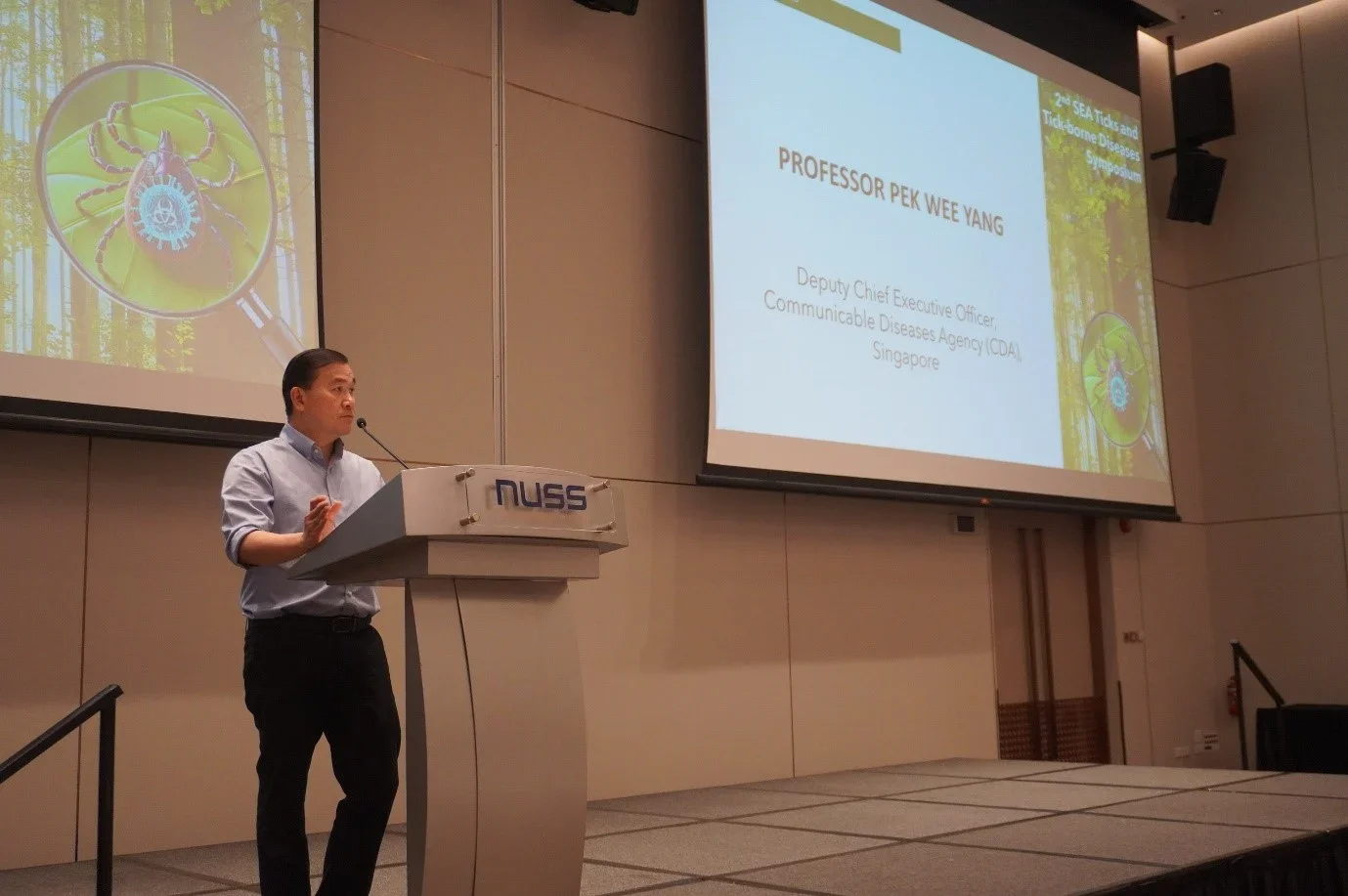
Opening remarks were delivered by Prof Wee Yang Pek, Deputy Chief Executive Officer, Communicable Diseases Agency, Singapore, on the first day of the conference.
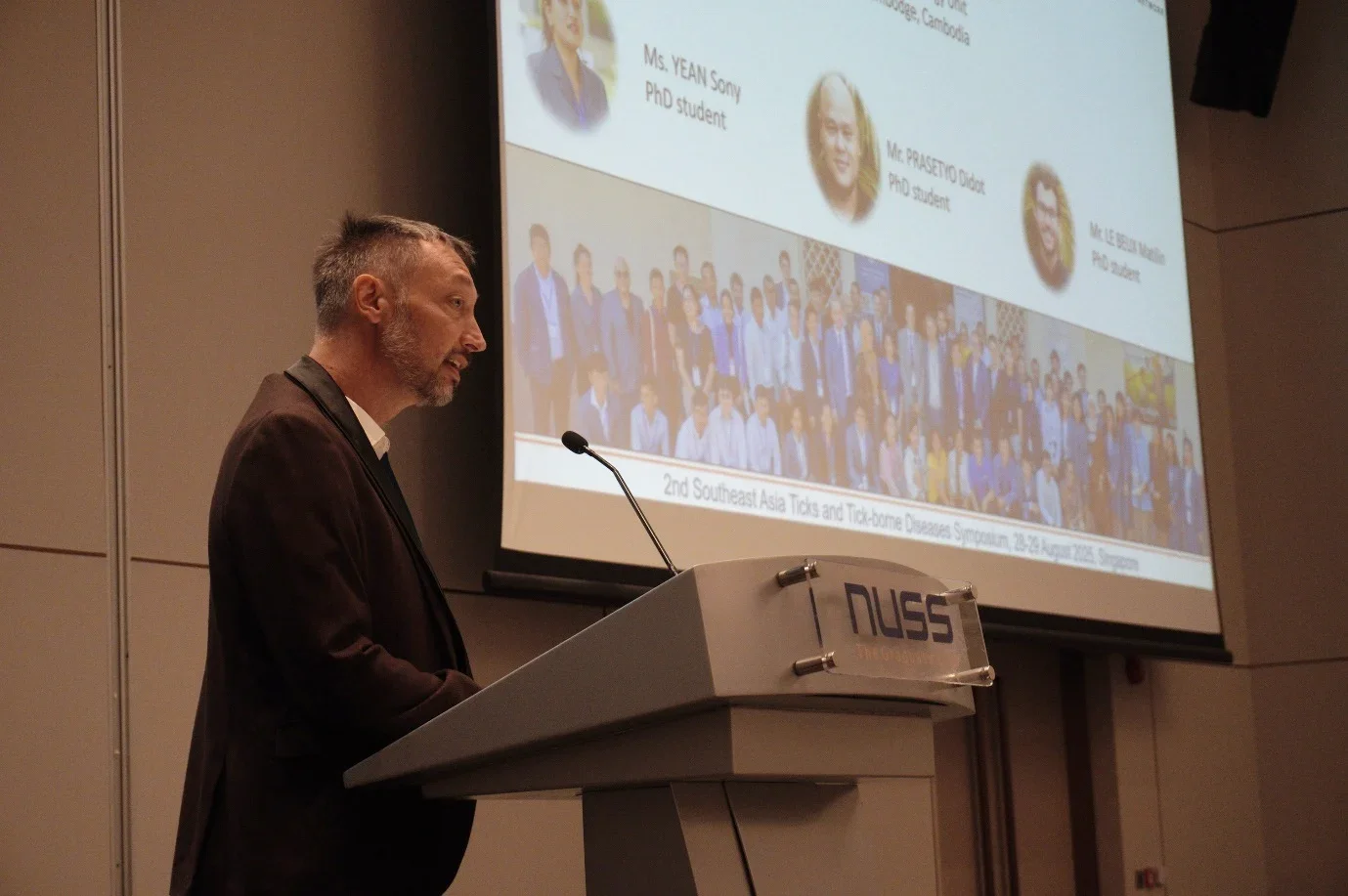
Lecture by Sebastien Boyer, Institut Pasteur du Cambodge, organiser of the first edtion of South-East Asia Ticks and Tick-borne Diseases Symposium.
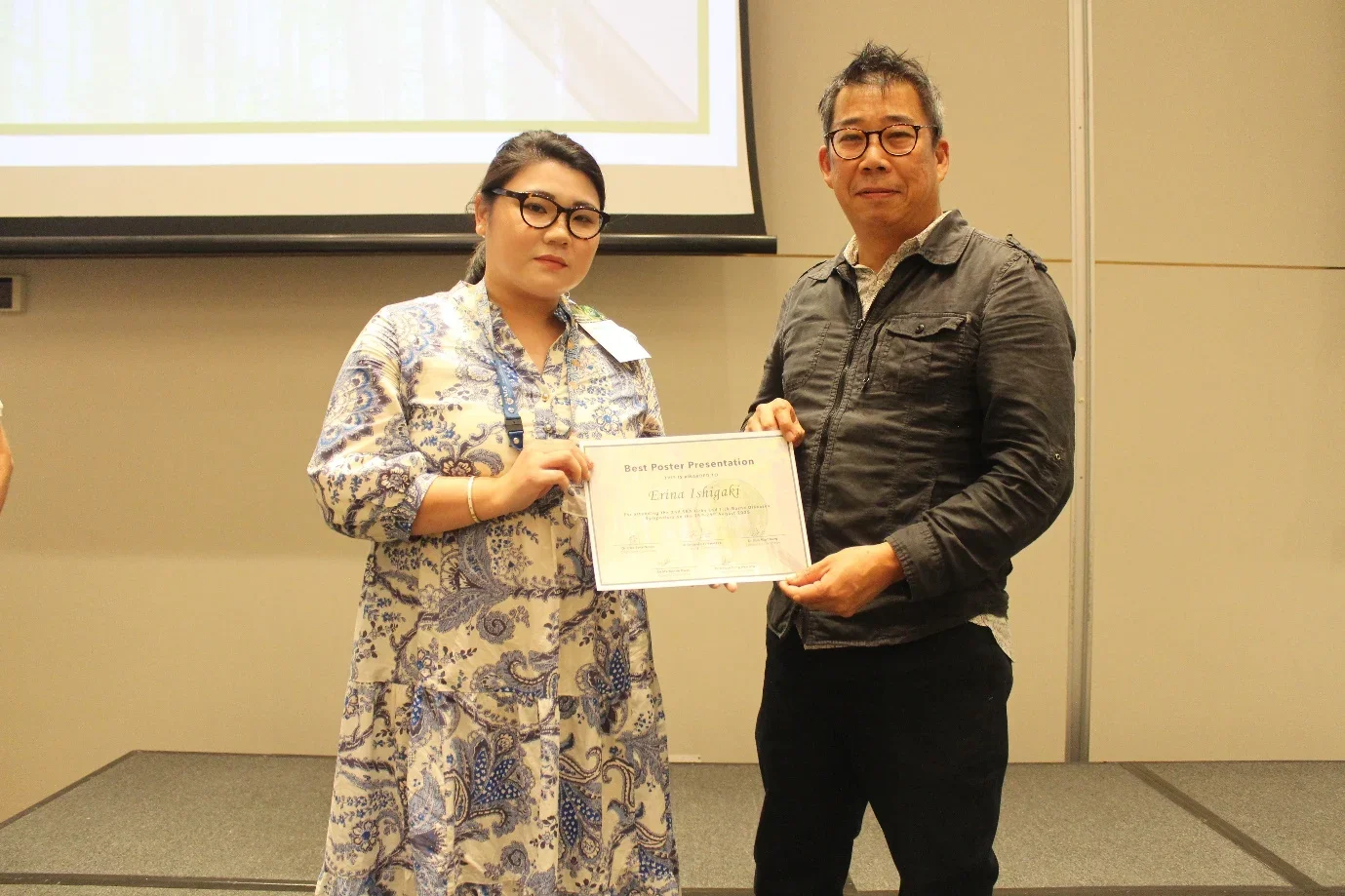
Erina Ishigaki from Nagasaki University (left) receiving the Best Poster Award from Dr. Benjamin Lee, a member of the symposium scientific committee.
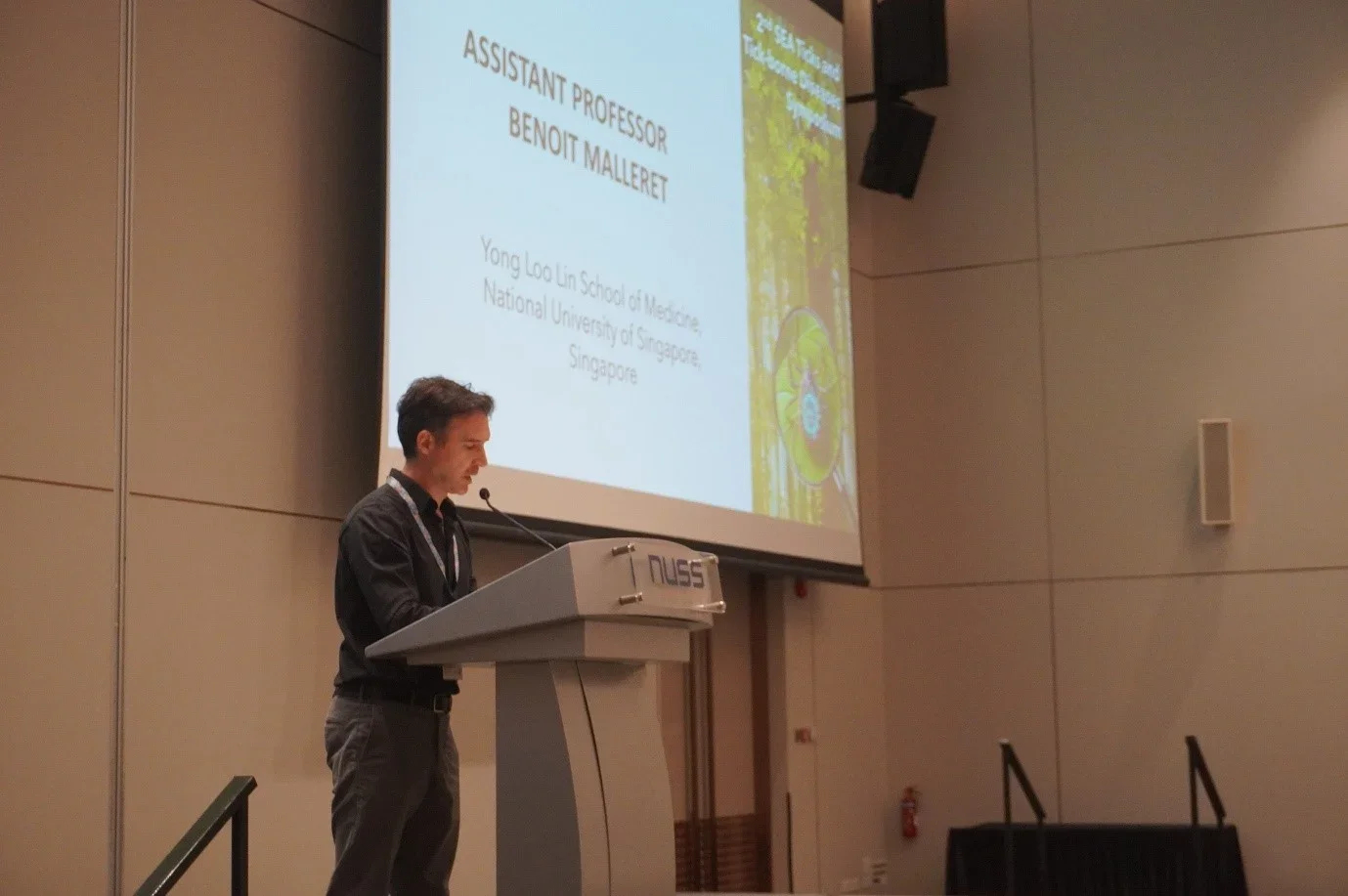
Welcome remarks were delivered by Assistant Professor Benoit Malleret, Chair Organiser of the conference, from the Department of Microbiology and Immunology, NUS Medicine.
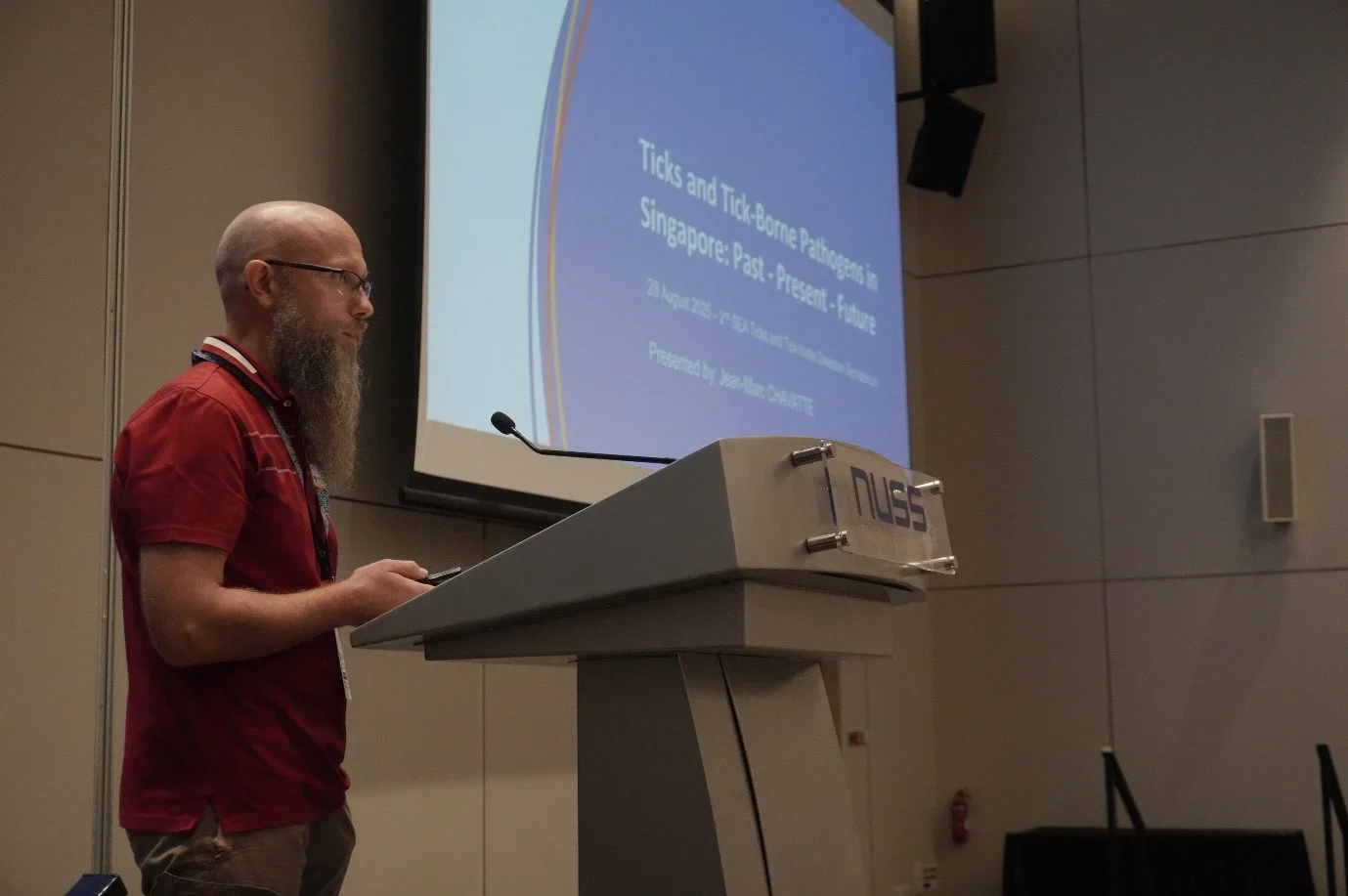
Lecture by Dr Jean-Marc Chavatte, co-organiser of the conference, from Communicable Diseases Agency, Singapore, on ticks and tick-borne diseases in Singapore.
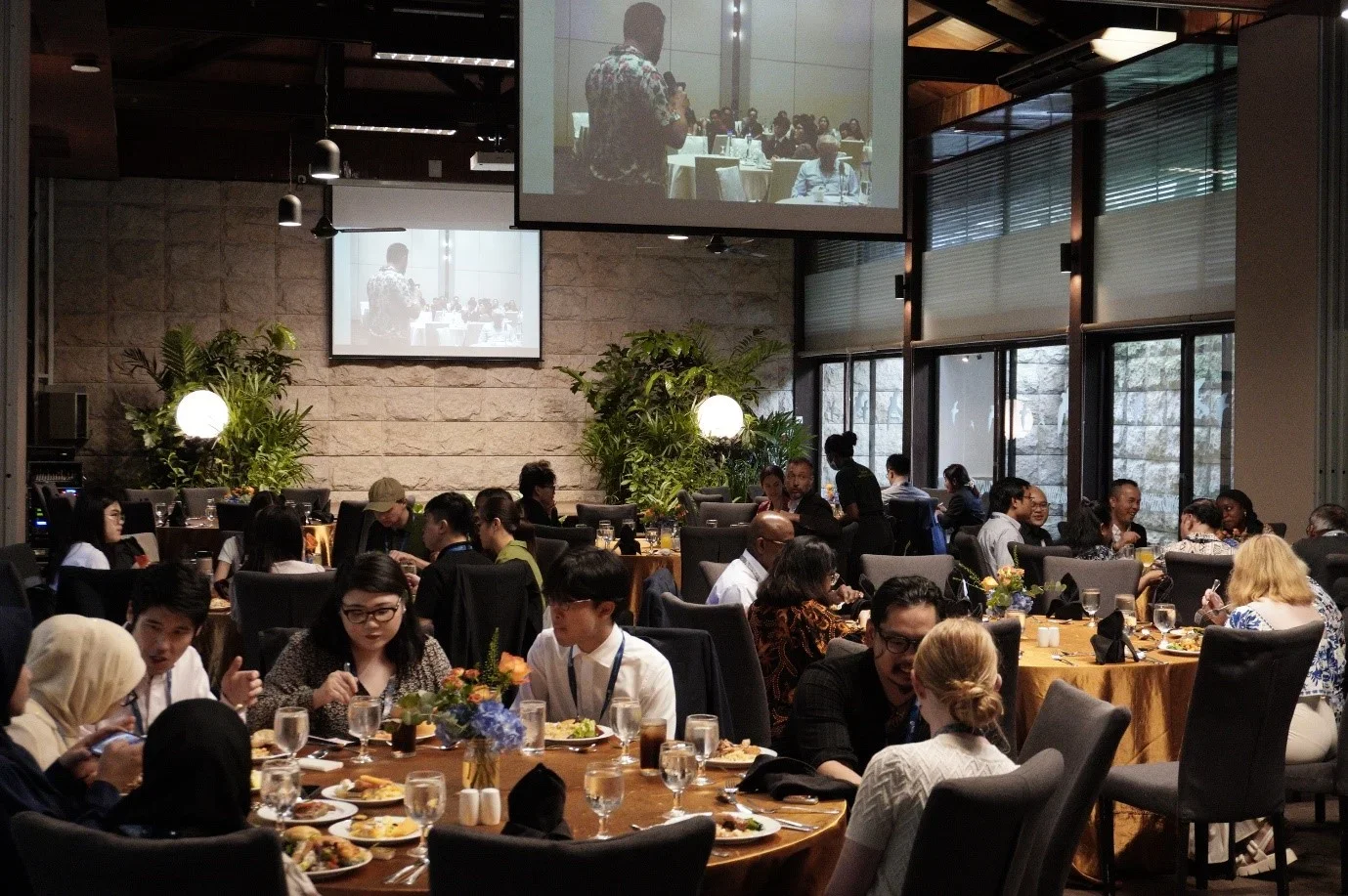

A dinner reception was held after the symposium, at the Mandai Wildlife Park.