
Novel Treatment Strategy for Gastric Cancer
Gastric cancer with the development of peritoneal metastasis (cancer that has spread to the peritoneum) can be an incapacitating disease with poor survival outcome. This disease is usually treated with



Gastric cancer with the development of peritoneal metastasis (cancer that has spread to the peritoneum) can be an incapacitating disease with poor survival outcome. This disease is usually treated with

Phase I trials are an essential part of bringing new cancer therapies into the clinic. As participation in Phase I trials usually requires life expectancy of greater than 3 months

Immune checkpoint inhibitors (ICIs), a type of therapy which can greatly enhance the ability of the immune system to recognise and attack cancer cells, have been effective in improving the
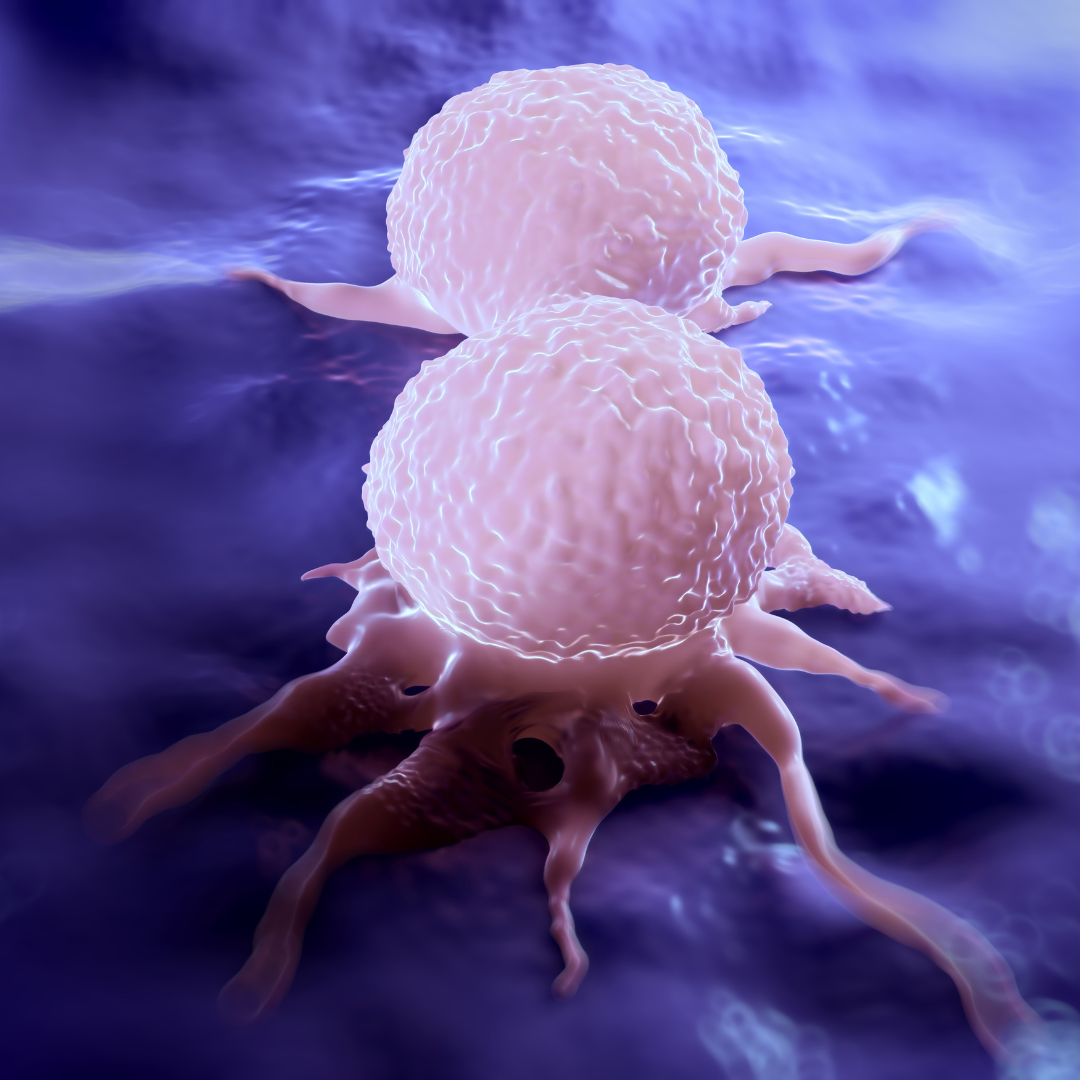
Breast cancer is the most common cancer in women globally. Survival from this complex disease is limited by challenges that include the development of drug resistance. These challenges necessitate the

Phase I trials are an essential part of bringing new cancer therapies into the clinic. As participation in Phase I trials usually requires life expectancy of greater than 3 months

Cancer is known to kill mainly by spread to distant organs and destroying normal function. For a long time, the relationship between the original cancer, and the metastases in distant
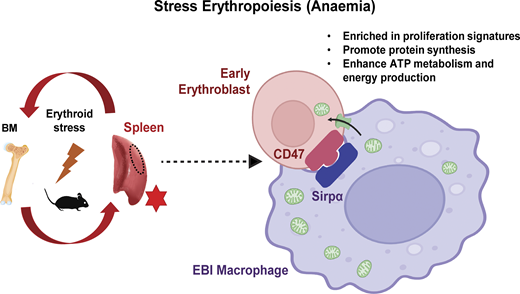
Mitochondria are specialised compartments of the cell that function as powerhouses by playing a crucial role in metabolism. The transfer of mitochondria between cells is a biological phenomenon implicated in

Early-stage colorectal cancer (CRC) patients are recommended to get a review every 3-6 months for 5 years after operation for the detection of cancer recurrence. As an increasing number of

Non-Hodgkin’s lymphoma is a common form of blood cancer with a high proportion of patients either developing treatment resistance or relapsing after initial treatment. The combination of multiple therapies is

Hepatocellular carcinoma (HCC) remains difficult to treat due to a lack of effective treatment options. While various drugs have shown promising preclinical results, poor drug combination design results in less