

A New “Master Switch” Discovery Could Change the Future of Breast Cancer Treatment
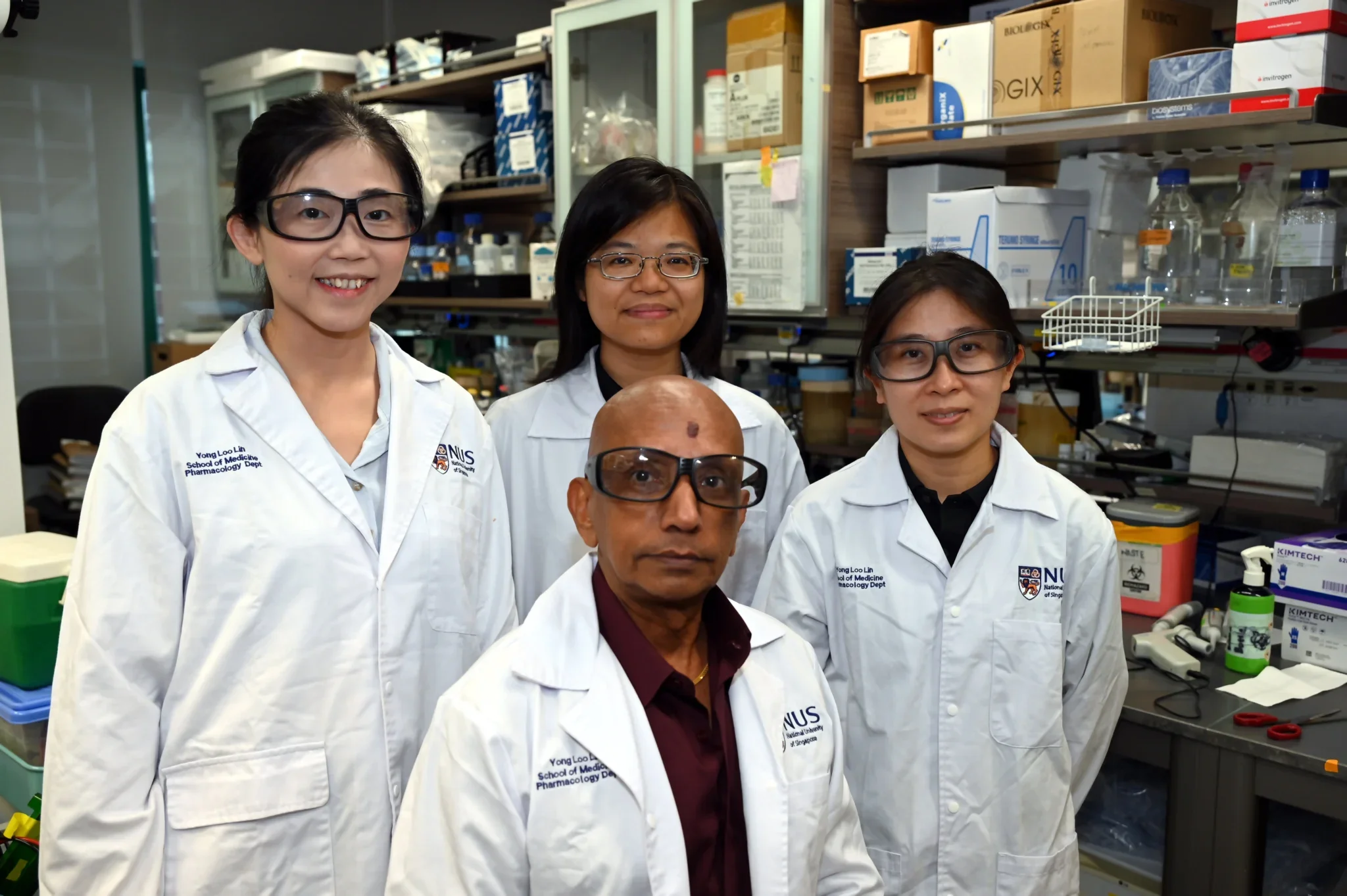
Dr Alan Prem Kumar and his team have discovered a key protein called DP103 that acts like a “master switch,” helping one of the most aggressive forms of breast cancer

Dr Alan Prem Kumar and his team have discovered a key protein called DP103 that acts like a “master switch,” helping one of the most aggressive forms of breast cancer

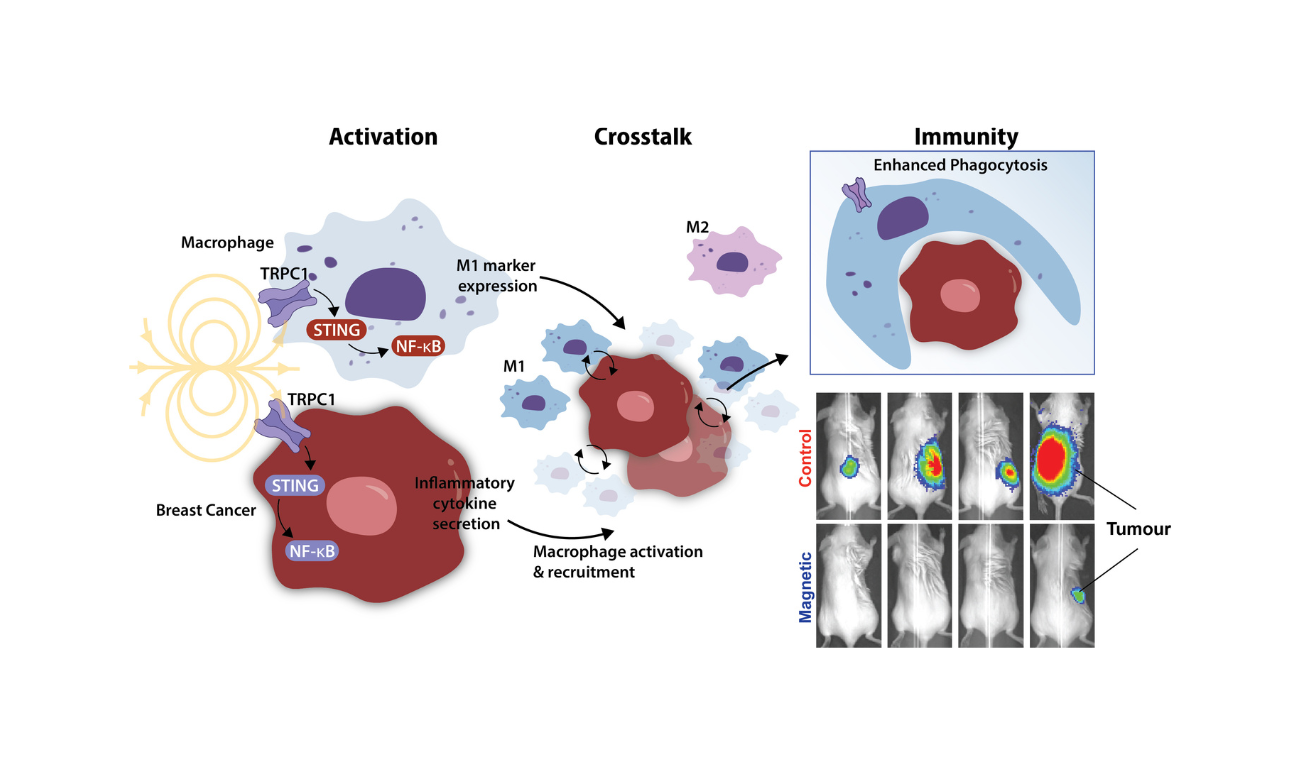
Researchers at N2CR have discovered that brief exposure to magnetic fields can reprogramme the immune landscape of solid tumours. This shifts tumour‑associated macrophages (TAMs), immune cells that normally help cancer

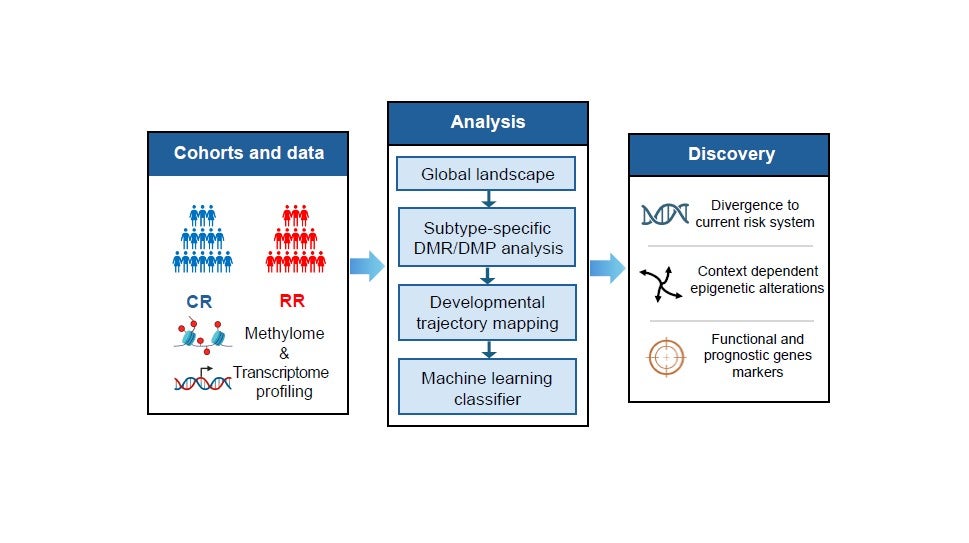
Acute Myeloid Leukemia (AML) is a cancer of the blood and bone marrow. About 30% of patients do not respond well to the first treatment. Current risk stratification systems such

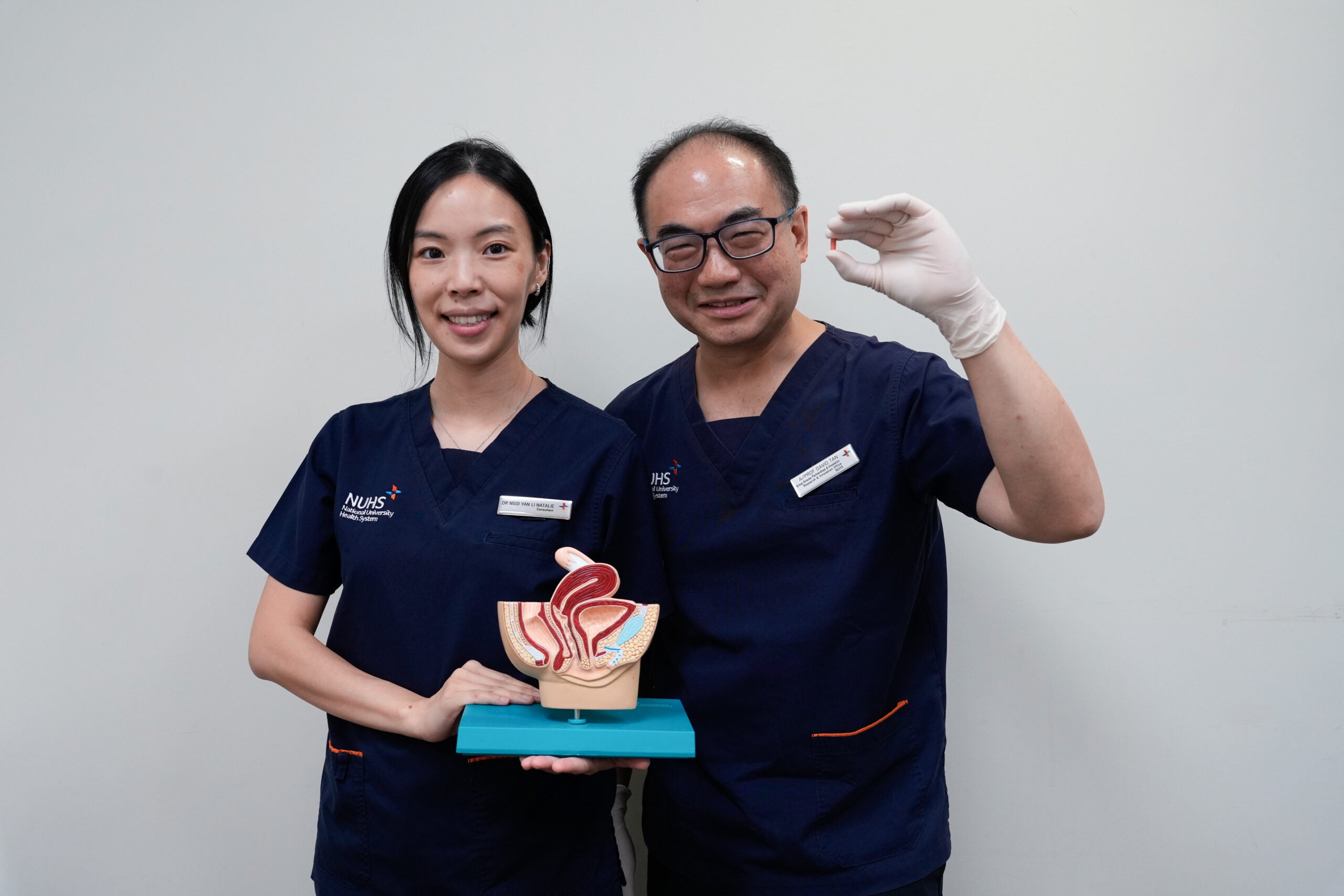
The LARA trial, led by Assoc Prof David Tan and Dr Natalie Ngoi, marks a major step forward in tackling clear cell gynaecological cancers which disproportionately affect Asian women and

Multiple myeloma is a type of blood cancer that affects plasma cells, a kind of white blood cell found in the bone marrow. These cells normally help fight infections by

Intrahepatic cholangiocarcinoma (ICC) is a fast-growing cancer that starts in the bile ducts inside the liver, and it is difficult to treat because patients’ tumours can behave very differently. In

A recent study has uncovered that blocking the immune checkpoint protein CD47, long recognised for enabling immune clearance of cancer cells via phagocytosis, also activates a distinct cell death pathway

As we age, stem cells in the brain — responsible for repair and renewal—become less active. Researchers, led by N2CR member Dr Derrick Ong, discovered that a protein called DMTF1

We are pleased to share that Prof. Goh Boon Cher and A/Prof. Wang Lingzhi have published a new edited volume with World Scientific titled Organoids: Advancements in Drug Discovery and Precision

Acute myeloid leukaemia (AML) is a fast-growing blood cancer that often becomes resistant to standard treatments. This resistance is linked to proteins that prevent cancer cells from dying. A new