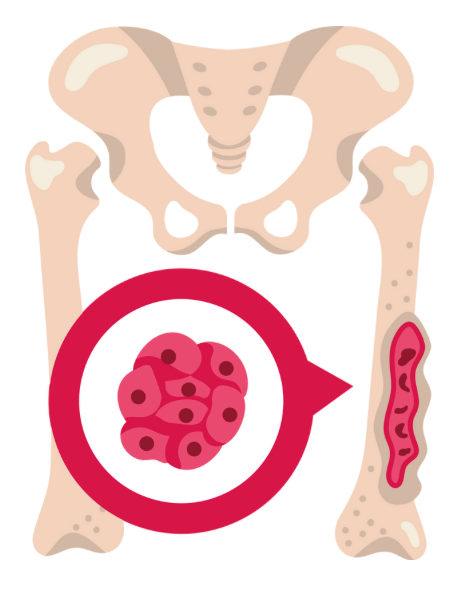
A Gene Switch that Fuels Myeloma Growth
Multiple myeloma is a type of blood cancer that affects plasma cells, a kind of white blood cell found in the bone marrow. These cells normally help fight infections by



Multiple myeloma is a type of blood cancer that affects plasma cells, a kind of white blood cell found in the bone marrow. These cells normally help fight infections by
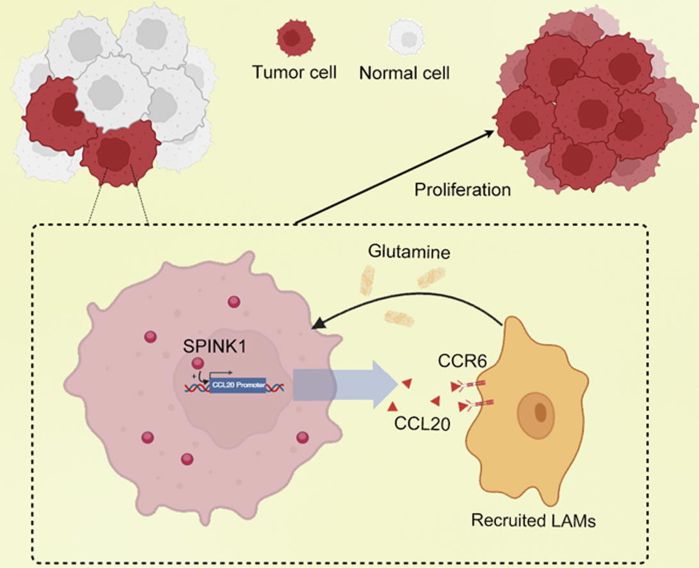
Intrahepatic cholangiocarcinoma (ICC) is a fast-growing cancer that starts in the bile ducts inside the liver, and it is difficult to treat because patients’ tumours can behave very differently. In
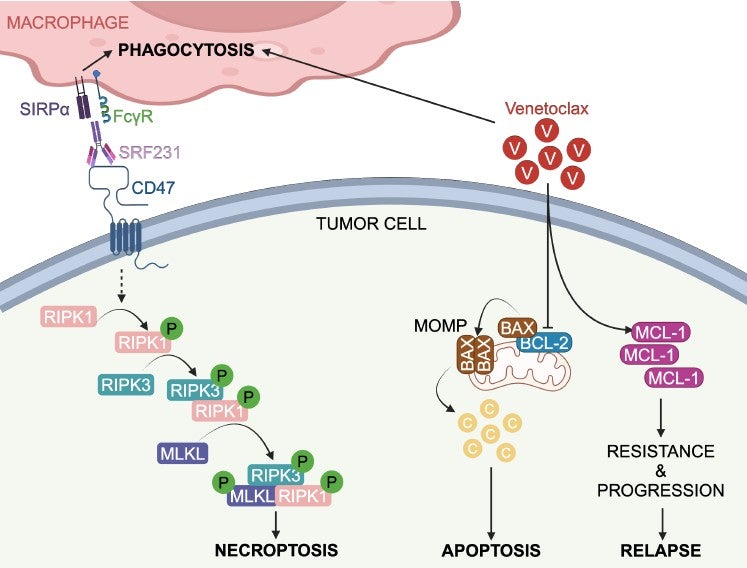
A recent study has uncovered that blocking the immune checkpoint protein CD47, long recognised for enabling immune clearance of cancer cells via phagocytosis, also activates a distinct cell death pathway

As we age, stem cells in the brain — responsible for repair and renewal—become less active. Researchers, led by N2CR member Dr Derrick Ong, discovered that a protein called DMTF1
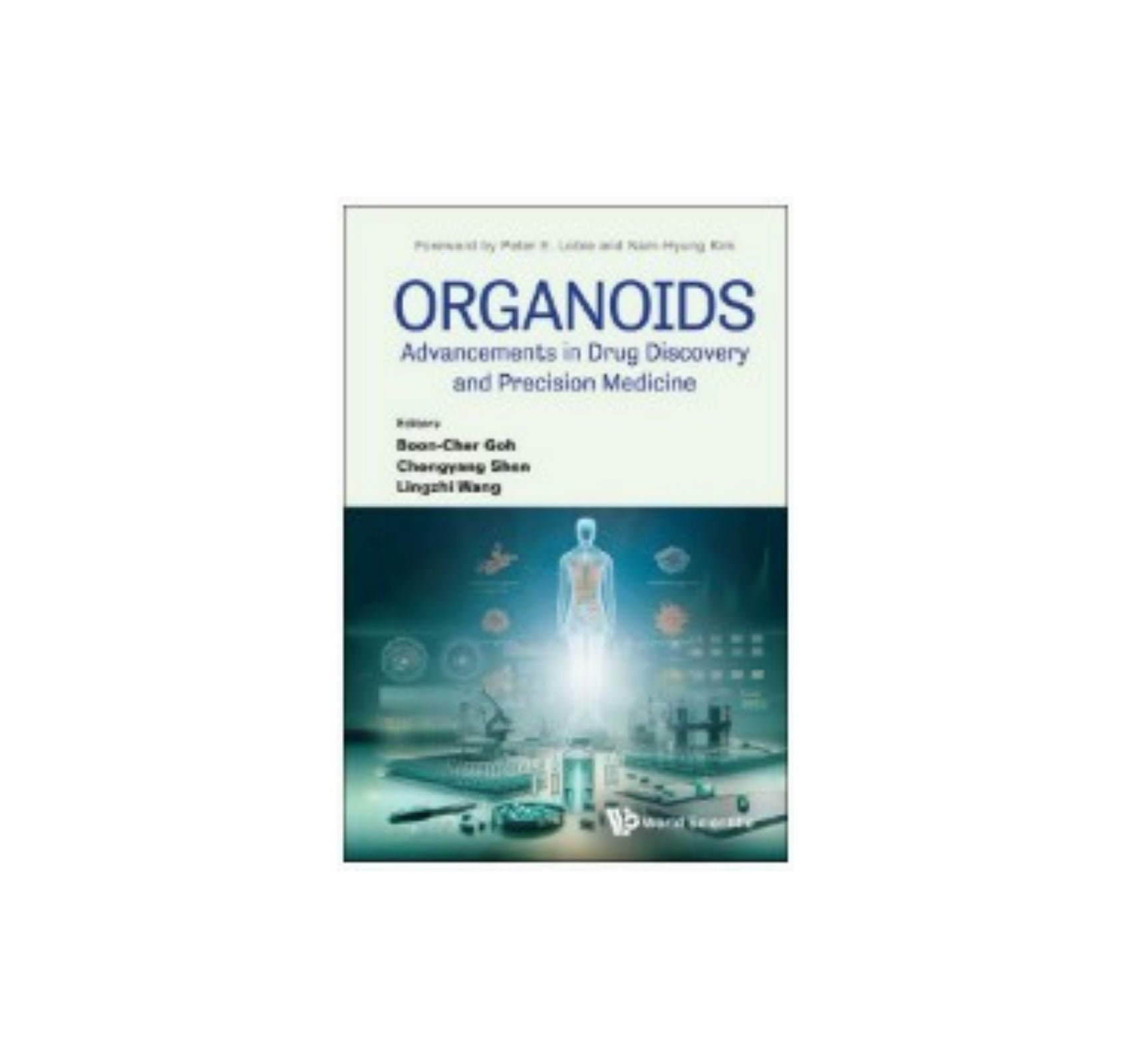
We are pleased to share that Prof. Goh Boon Cher and A/Prof. Wang Lingzhi have published a new edited volume with World Scientific titled Organoids: Advancements in Drug Discovery and Precision

Acute myeloid leukaemia (AML) is a fast-growing blood cancer that often becomes resistant to standard treatments. This resistance is linked to proteins that prevent cancer cells from dying. A new

Treatment of relapsed/refractory non-Hodgkin’s lymphoma (R/R-NHL) remains one of the most difficult challenges in haematologic malignancies, with many patients exhausting standard therapies and facing limited treatment options. In a final
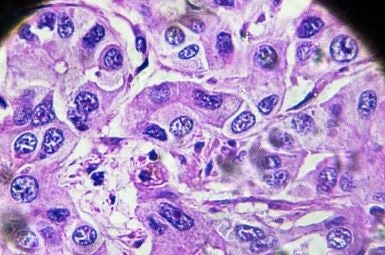
Sorafenib is a first-line therapy used to treat advanced liver cancer, but its effectiveness is often reduced due to resistance in cancer cells. This study co-led by N2CR member, A/Prof

Venetoclax (VEN) is a targeted therapy used to treat chronic lymphocytic leukemia and acute myeloid leukemia. It works by blocking Bcl-2, a protein that prevents cells from undergoing programmed cell

A Phase I clinical trial, led by N2CR clinician-scientist A/Prof David Tan, tested a new drug combination—Selinexor, nivolumab (NIVO), and ipilimumab (IPI)—in Asian patients with advanced solid tumours/cancers and had