

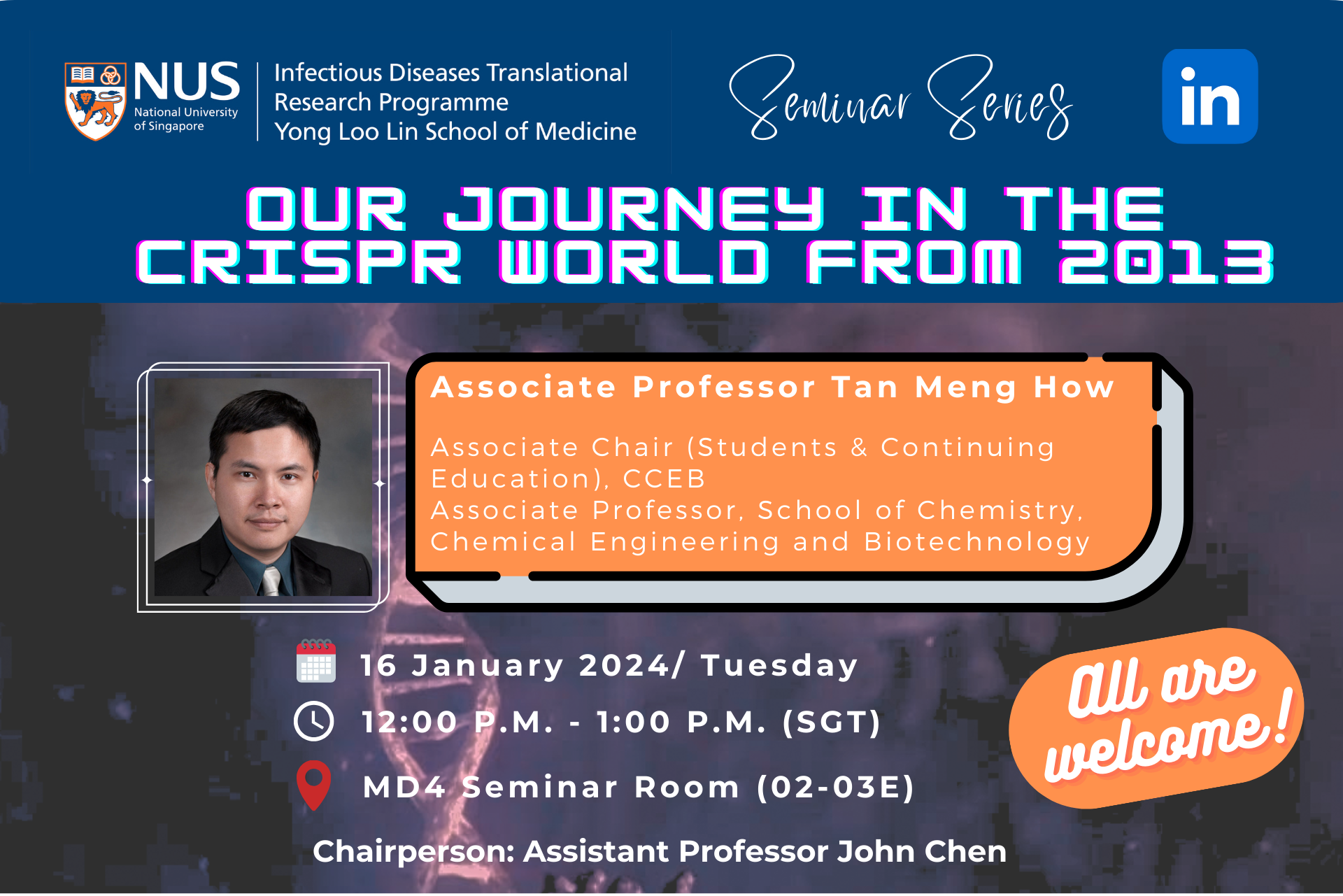
Our journey in the CRISPR world from 2013

Jan 16, 2024
MD4 level 2 Seminar Room (MD4-02-03E)

? #IDTRPseminar

Abstract:

The emergence of CRISPR technologies has ushered in a new era in cell engineering. Many biomedical and biotechnological applications, including gene therapy and crop engineering, are enabled by the ease of programming CRISPR-Cas nucleases to target any specific site in the genome or transcriptome. In this talk, I will outline how the field has evolved over the years and share some of our work on the development and application of new CRISPR tools to manipulate DNA and RNA in vitro and in living cells.

Biography

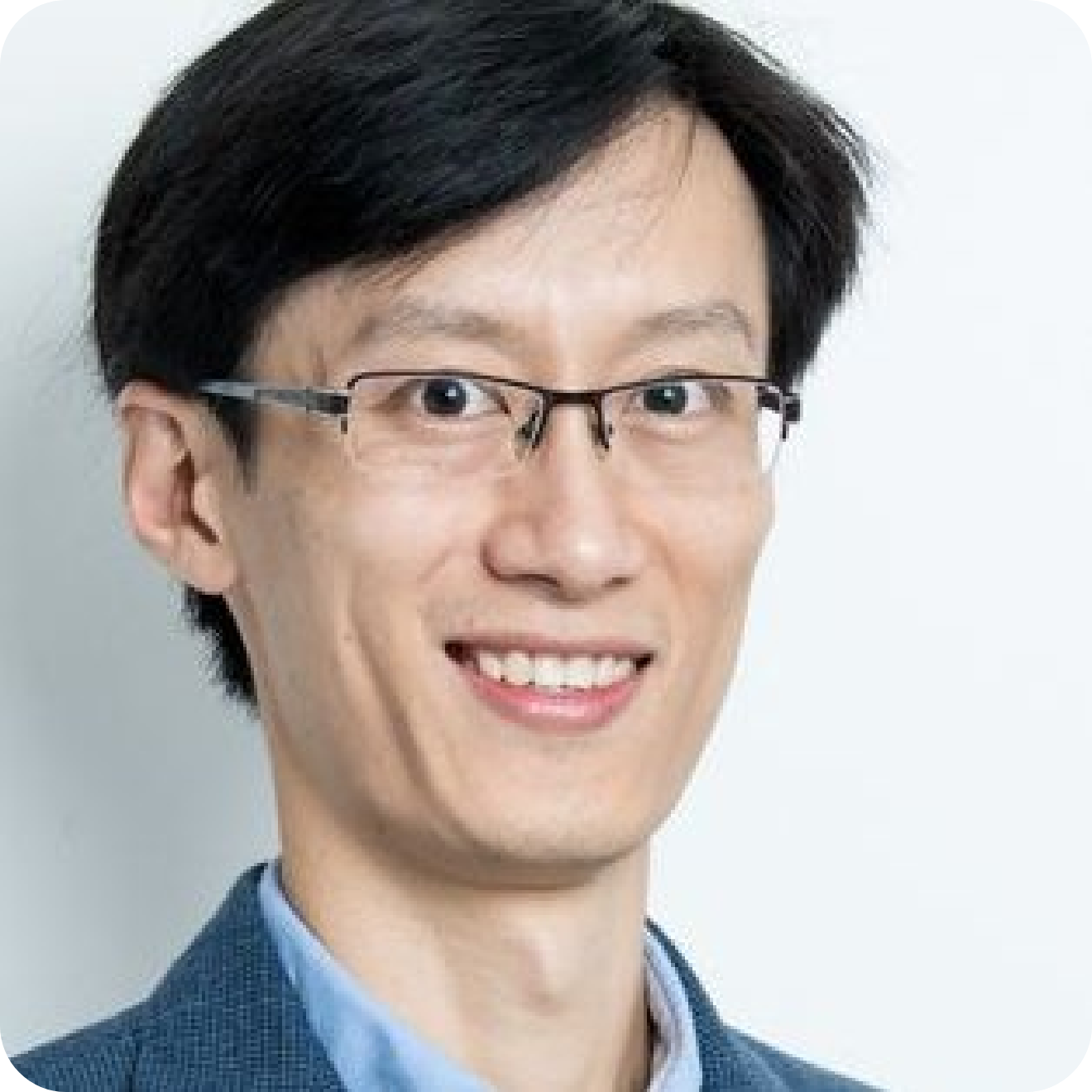
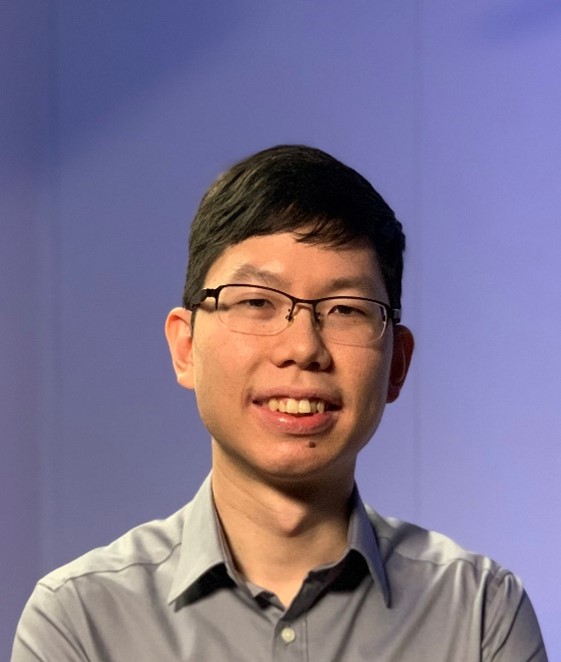
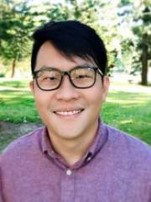
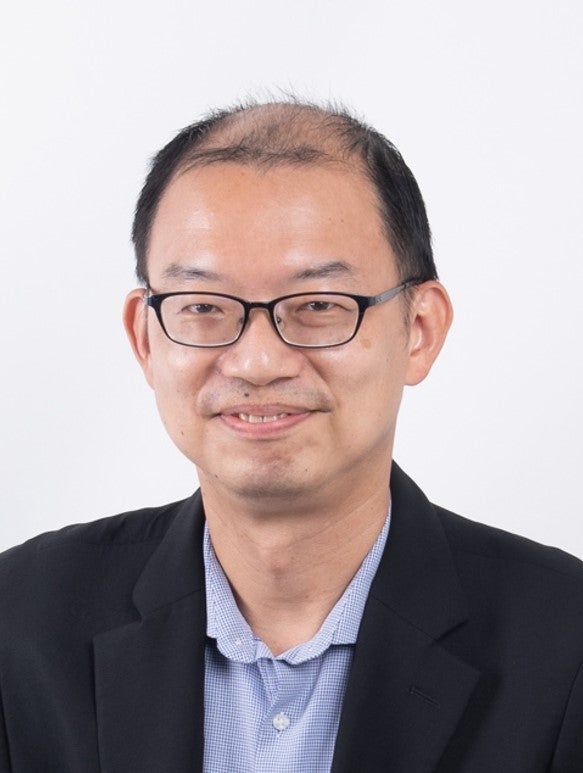
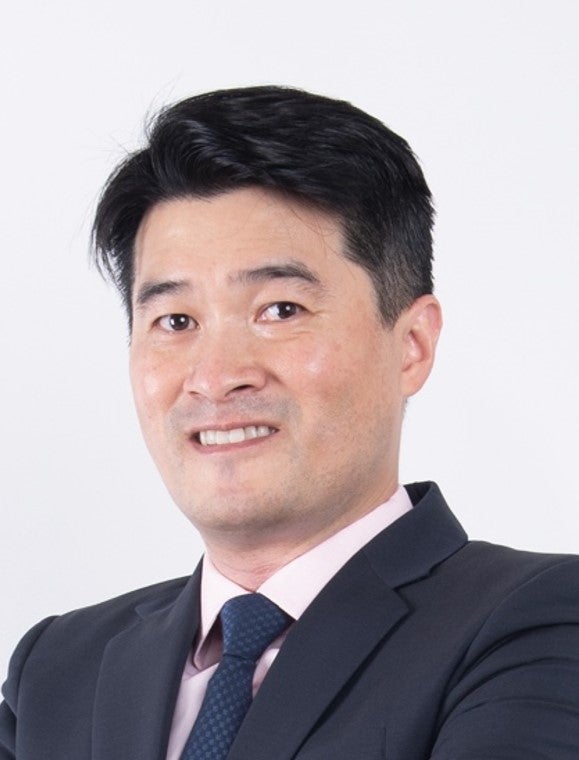
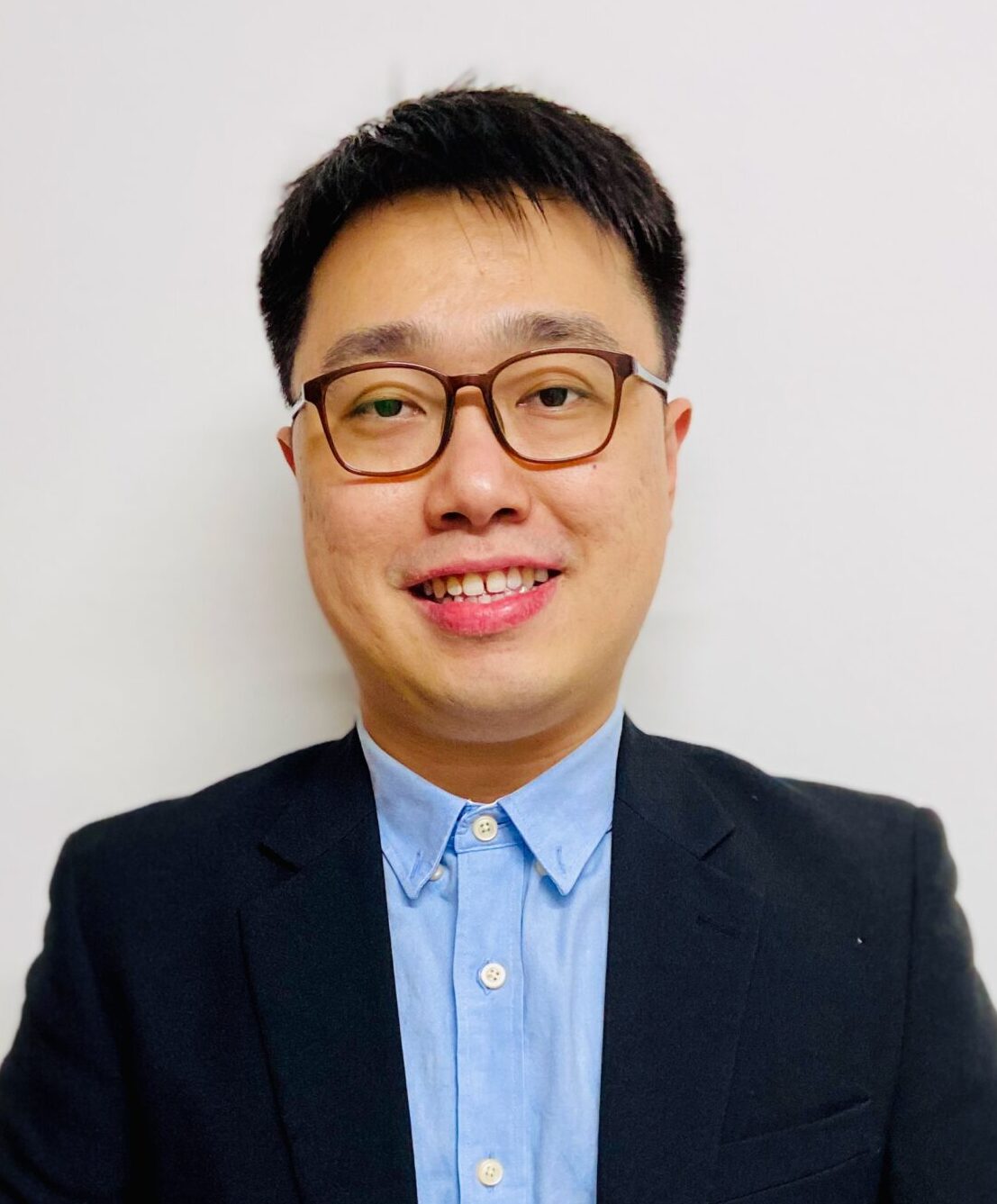
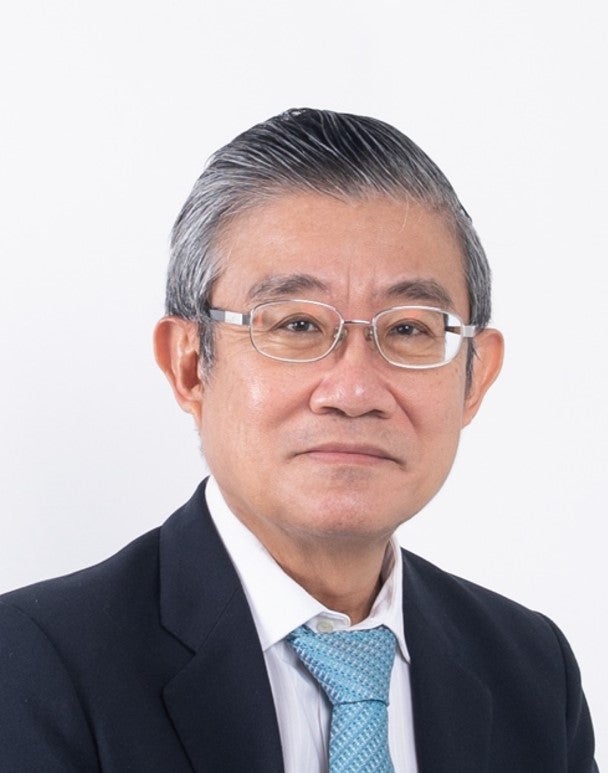
Meng How Tan is a tenured associate professor in the School of Chemistry, Chemical Engineering and Biotechnology (CCEB) at Nanyang Technological University (NTU). He received his bachelor’s degrees in mechanical engineering and economics from University of California Berkeley, his master’s degrees in aeronautics and biomedical engineering from California Institute of Technology and NTU respectively, and his PhD in developmental biology from Stanford University. After postdoctoral training in Stanford, he returned to Singapore to set up his independent laboratory, focusing on the basic biology and translational applications of DNA and RNA editing. To date, he has published corresponding authored papers in top academic journals, including Nature, Nature Methods, Nature Chemical Biology, and Nature Communications. He received the Outstanding Young Principal Investigator Award from AIChE-SLS in 2019 and was named an EMBO Global Investigator in 2020.
More Seminar, Courses & Workshops

On-site

Decoding Maternal-Fetal Immunity to Viral Infection

Abstract: Pregnancy requires finely tuned immune adaptations to maintain fetal ...
On-site

Evolutionary Drivers of influenza A Host Switching and Pandemic Emergence

Abstract: Successful zoonotic transmission of a virus from animals to ...
On-site

Deciphering Viral Replication Factories: Mechanisms, Antivirals, and RNA Therapeutics

Abstract: Positive-sense RNA viruses, such as coronaviruses, flaviviruses, and alphaviruses, ...

Secondary Members

David ALLEN

Associate Professor​ (Medicine)​ ​

Sophia ARCHULETA

Associate Professor (Medicine)

Yann BOUCHER

Associate Professor (SPH)​

Louis CHAI

Associate Professor​ (Medicine)​

Kaiwen CHEN

Assistant Professor (Micro & Immuno)

CHN'G Jun Hong

Senior Lecturer (Micro & Immuno)


LOK Shee Mei

 Professor (Duke-NUS)

Hannah CLAPHAM

Assistant Professor (SPH)

Dale FISHER​

Professor​ (Medicine)​

KOH Cho Yeow

Associate Professor (Medicine)

Raymond LIN

Associate Professor​ (NPHL-NCID)​

LUO Min

Assistant Professor (DBS)

Benoit MALLERET

Assistant Professor (Micro & Immuno)

Matthew TAY

Adjunct Assistant Professor (Biochemistry)

Kevin TAN

Associate Professor​ (Micro & Immuno)​

Adjunct Members

Guillaume CARISSIMO

Assistant Professor​ (A*STAR ID Labs)

Yin Xiang SETOH​

Assistant Professor​ (EHI)​

Marco VIGNUZZI

Associate Professor 
(A*STAR ID Labs)

Primary Members

Catherine ONG

Associate Professor

Cheryl LEE

Assistant Professor

CHNG Shu Sin

Associate Professor

David PATERSON

Professor

GAN Yunn Hwen

Professor

HSU Li Yang

Professor

John CHEN

Associate Professor

Justin Jang Hann CHU

Associate Professor

MO Yin

Adjunct Assistant Professor

Nick PATON

Professor

Niranjan NAGARAJAN

Associate Professor

Paul A. TAMBYAH

Professor

QU Kun

Assistant Professor

Seng Gee LIM

Professor

SHAM Lok To

Associate Professor

Sylvie ALONSO

Professor

TAN Chee Wah

Assistant Professor

TAN Yee Joo

Associate Professor

Thai TRAN

Associate Professor

Vincent CHOW

Associate Professor

WANG De Yun

Professor

Yassine CHERRAK

Assistant Professor

ZHONG Youjia

Assistant Professor