Abstract:
Antimicrobial Resistance (AMR) is an urgent global health threat that demands immediate action. However, we currently face a paucity of novel drugs in the development pipeline to find replacements for antimicrobials that are no longer effective due to AMR. Gram negative bacteria pose a particular challenge due to the presence of a highly impermeant outer membrane and multiple drug efflux pumps. The ability of bacteria to switch between different lifestyles is also a major contributor to their ability to survive exposure to antibiotics. Bacteria residing in matrix-encased biofilm communities have greatly elevated resistances to antibiotics and disinfectants compared to their planktonic counterparts. Some bacterial pathogens are also able to tolerate exposure to cell-wall targeting antibiotics by reversibly transitioning to a cell wall deficient (CWD) lifestyle. Understanding how bacteria live and thrive in these alternate lifestyles may yield novel approaches to combat infections caused by AMR bacteria.
Biography:
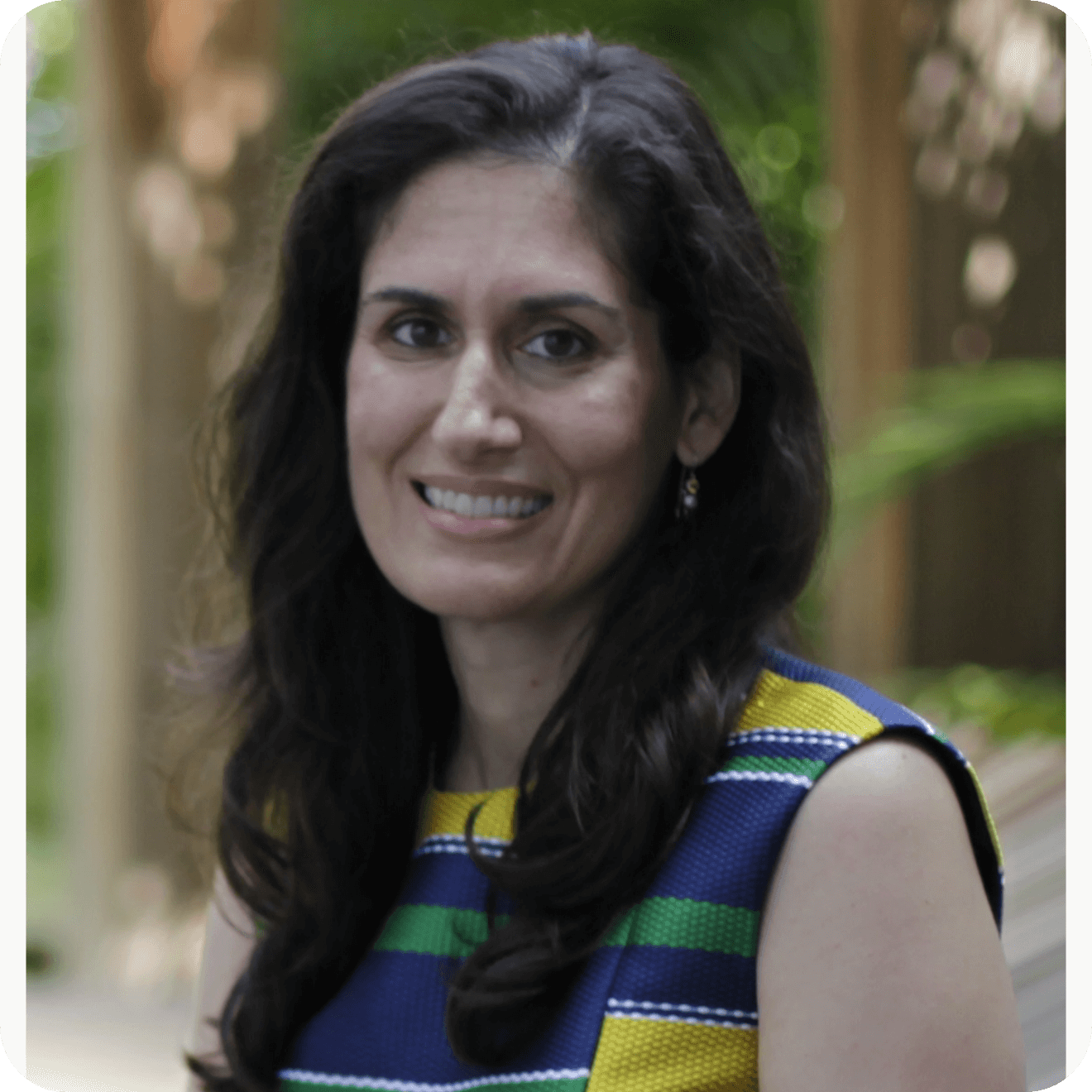
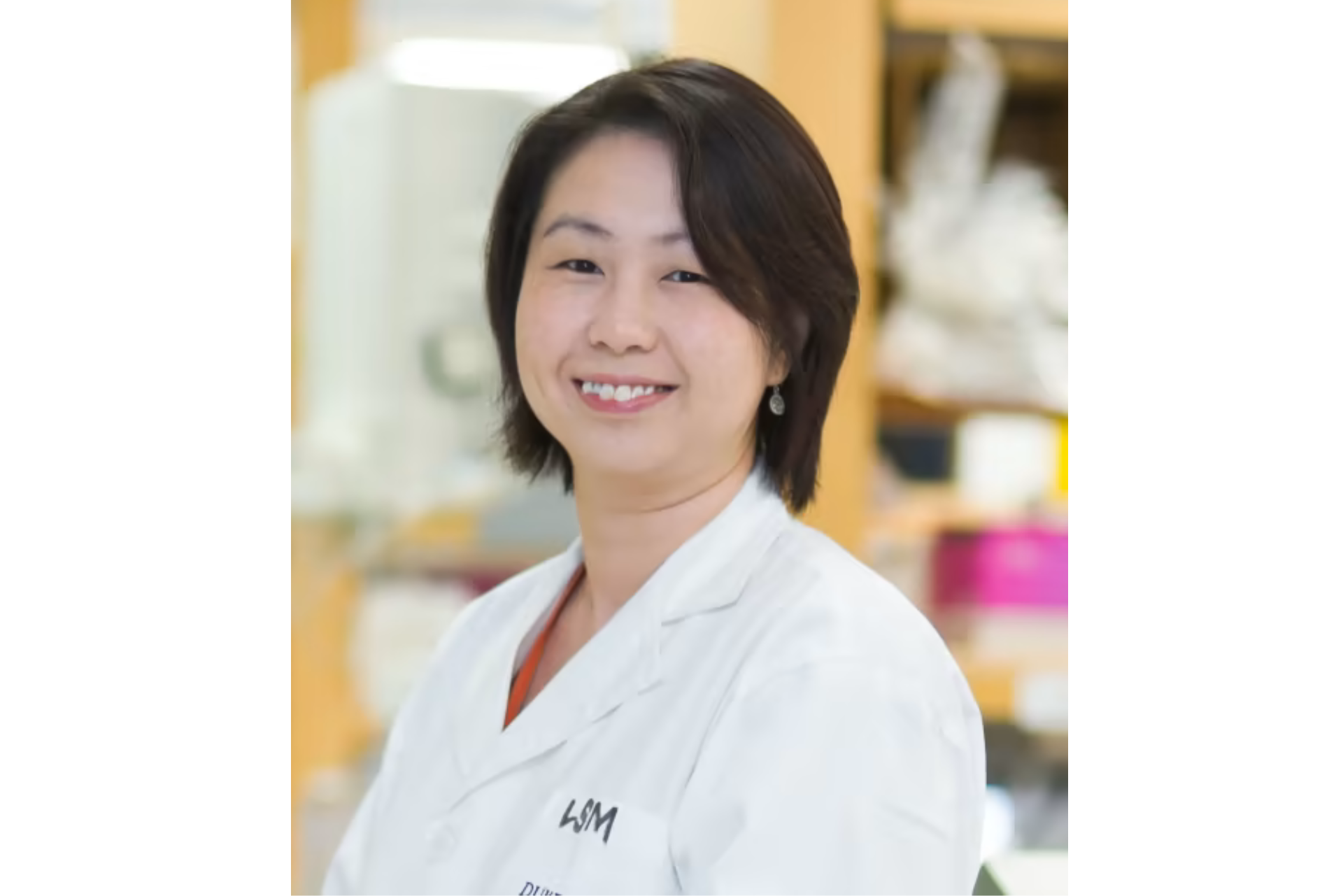
Professor Cynthia Whitchurch is the Research Director of the Biofilm Biology cluster in the Singapore Centre for Environmental Life Sciences Engineering (SCELSE). Her research aims to understand the contributions and interplay of alternative bacterial lifestyles to infection, persistence and antimicrobial resistance and to exploit this knowledge to develop innovative approaches to combat infection. She has made a number of seminal discoveries in understanding how bacteria build biofilms, co-ordinate collective behaviours, share genetic information through natural transformation and the role of extracellular DNA in these processes. She also explores how bacteria survive antibiotic treatment by lifestyle switching.