

Research News

Unveiling p53’s Role in DNA Protection: New Cancer Insights

Research led by N2CR member Dr. Cheok Chit Fang found that the tumour suppressor protein p53 protects DNA during replication by preventing the hyperactivation of PARP1 caused by oxidative stress. In the absence of p53, cells experience increased replication stress and DNA damage. The study revealed that p53 collaborates with the RRM2B gene to prevent this damage. Without both p53 and RRM2B, cells activate an antioxidant stress response involving NRF2, leading to PARP1 activation and degradation of newly replicated DNA. The enzyme G6PD was also identified as a key player in this process. This deeper understanding of the interactions between p53, PARP1, and redox metabolism could provide valuable insights for cancer treatments.

Click here to read more
Share this story:
Facebook
Twitter
LinkedIn

Related Research News

Research News

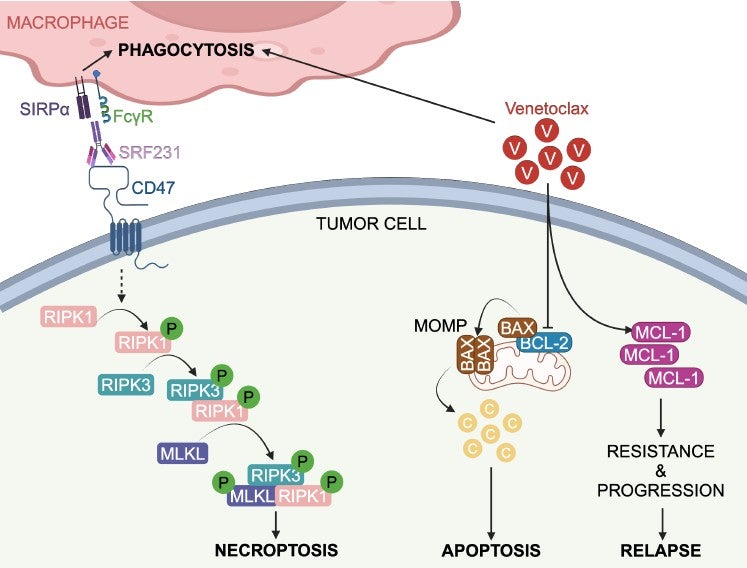
New Hope for Treating Drug-Resistant Leukaemia

Acute myeloid leukaemia (AML) is a fast-growing blood cancer that often becomes resistant to standard treatments. This resistance is linked …

Read More →
Research News

Prospective Evaluation of QPOP in Relapsed/ Refractory Non-Hodgkin’s Lymphoma

Treatment of relapsed/refractory non-Hodgkin’s lymphoma (R/R-NHL) remains one of the most difficult challenges in haematologic malignancies, with many patients exhausting …

Read More →
Research News

Overcoming Drug Resistance in Liver Cancer

Sorafenib is a first-line therapy used to treat advanced liver cancer, but its effectiveness is often reduced due to resistance …

Read More →