

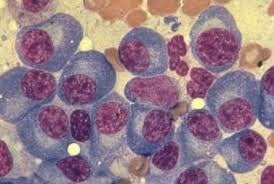
Multiple myeloma (MM) is a type of blood cancer that originates from abnormal plasma cells in the bone marrow, leading to serious complications such as bone damage, anaemia, kidney dysfunction, and an increased risk of infections.
A cornerstone of MM treatment involves immunomodulatory drugs (IMiDs), such as lenalidomide, which work by binding to the protein Cereblon (CRBN). This interaction triggers the breakdown of several proteins critical for the survival and growth of MM cells. However, many patients eventually develop resistance to lenalidomide, leading to disease relapse.
Recent research, co-led by Prof Chng Wee Joo, A/Prof Polly Chen, and Dr Teoh Phaik Ju, has identified a new mechanism of resistance beyond the previously understood CRBN pathway, involving the RNA-editing enzyme, named ADAR1. The study reveals that ADAR1 interferes with lenalidomide’s activity by altering the structure of double-stranded RNA (dsRNA). This mechanism would lead to the suppression of the immune response triggered by lenalidomide, thus, reducing its effectiveness in killing myeloma cells.
These findings highlight ADAR1 as a promising therapeutic target to overcome lenalidomide resistance in MM. With ADAR1 inhibitors currently in preclinical development, combining them with lenalidomide could offer a more effective therapeutic approach and improve patient outcomes.
Click here to read more.