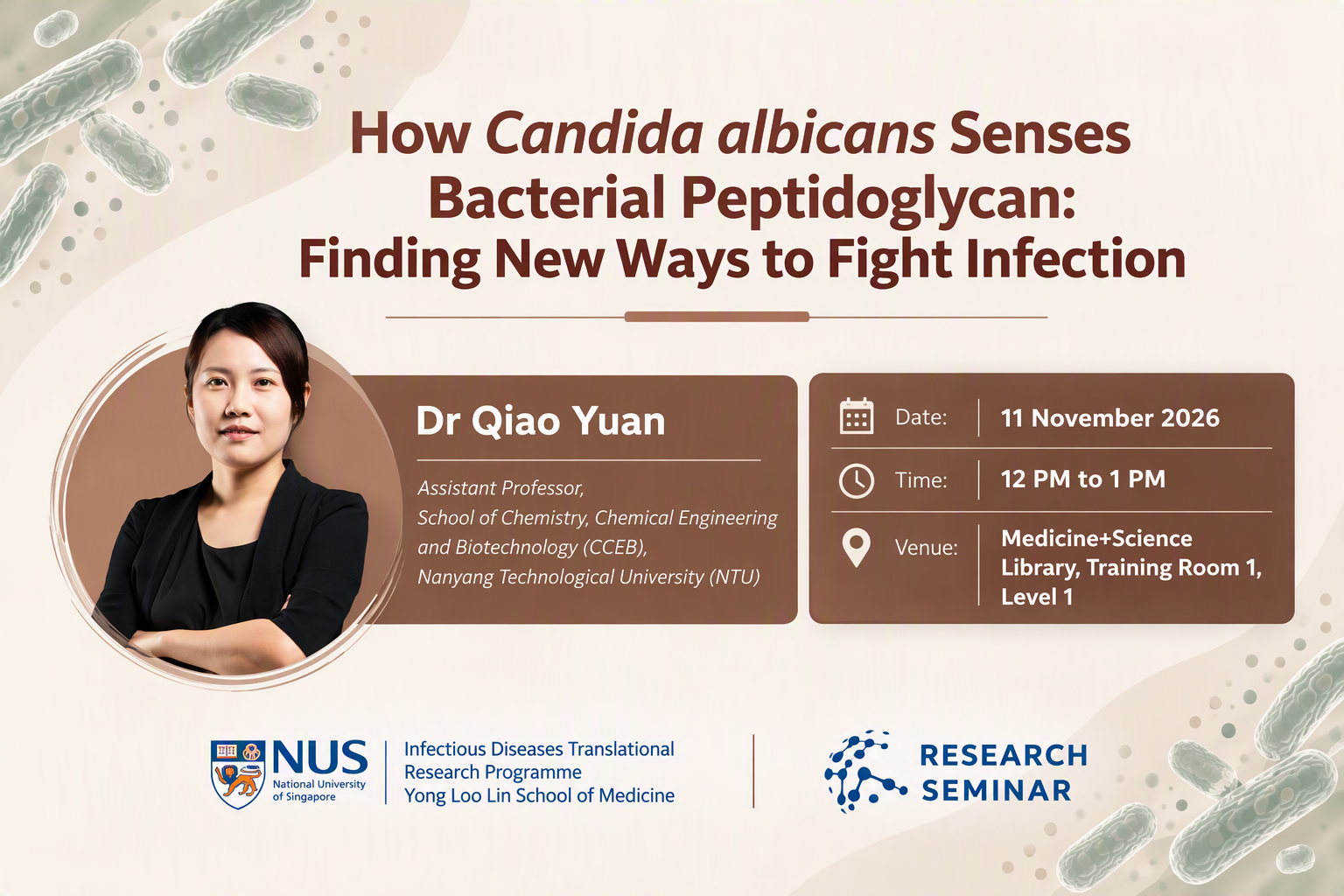
How Candida albicans Senses Bacterial Peptidoglycan: Finding New Ways to Fight Infection

Nov 11, 2026
Medicine+Science Library, Training Room 1, Level 1

Abstract

Candida albicans is a common fungal commensal of the human gut that can become an opportunistic pathogen, causing serious and potentially life-threatening infections. A key determinant of its pathogenicity is its ability to transition from the yeast to the filamentous hyphal form, a morphological switch that facilitates tissue invasion and infection.

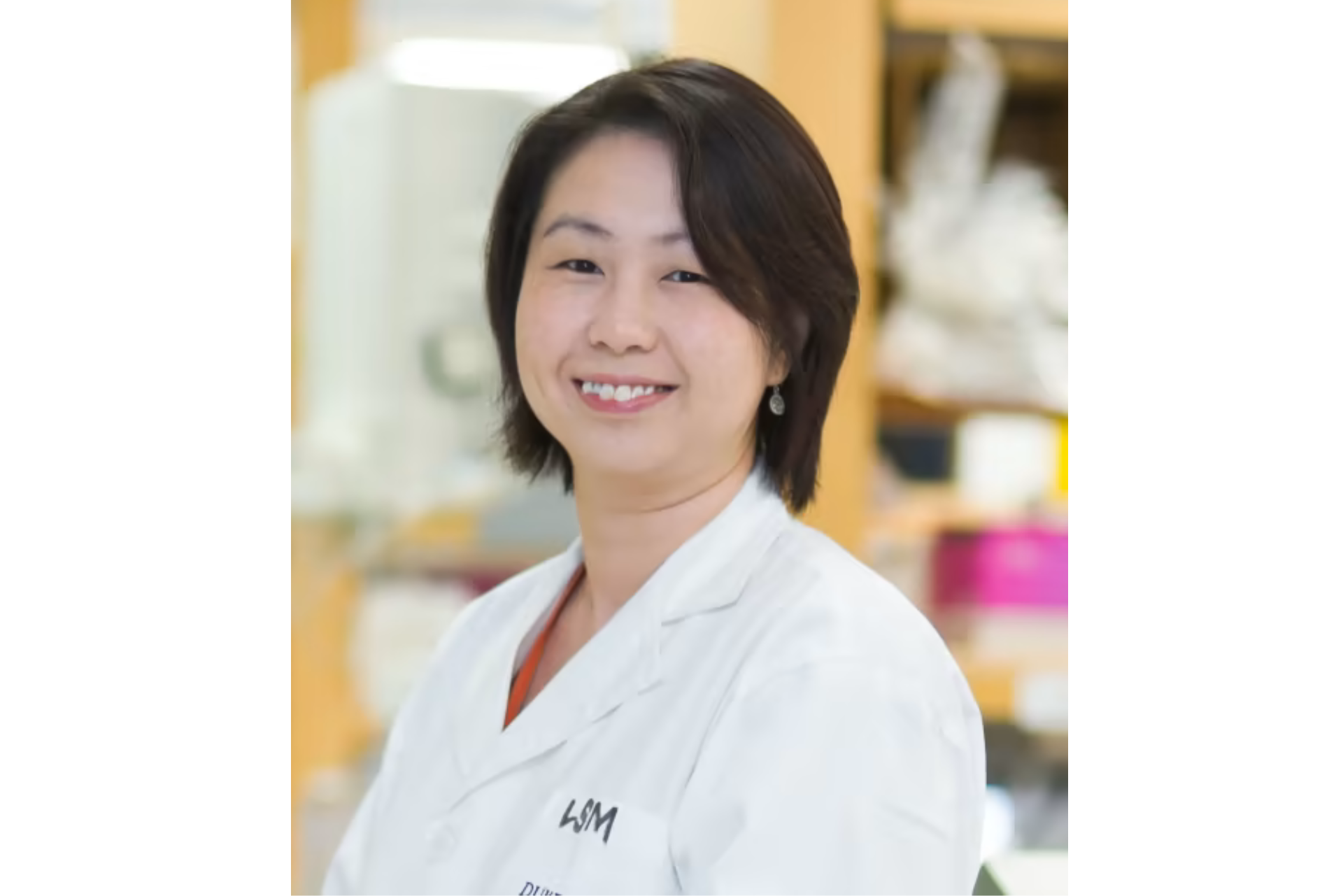
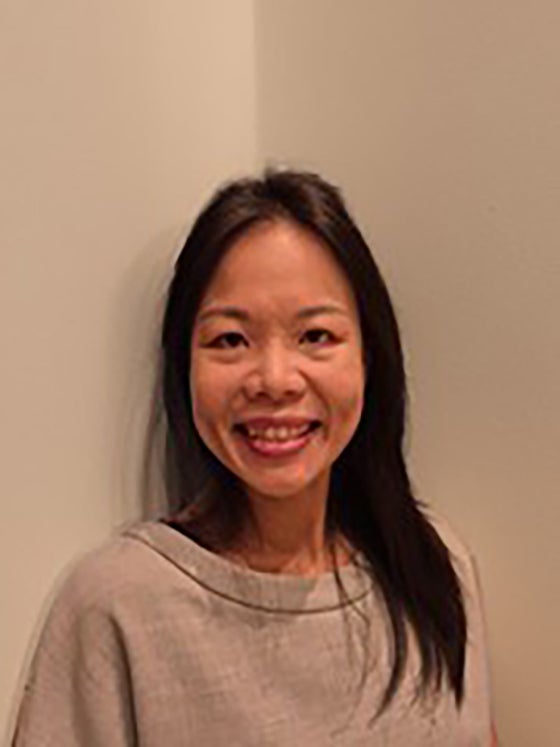
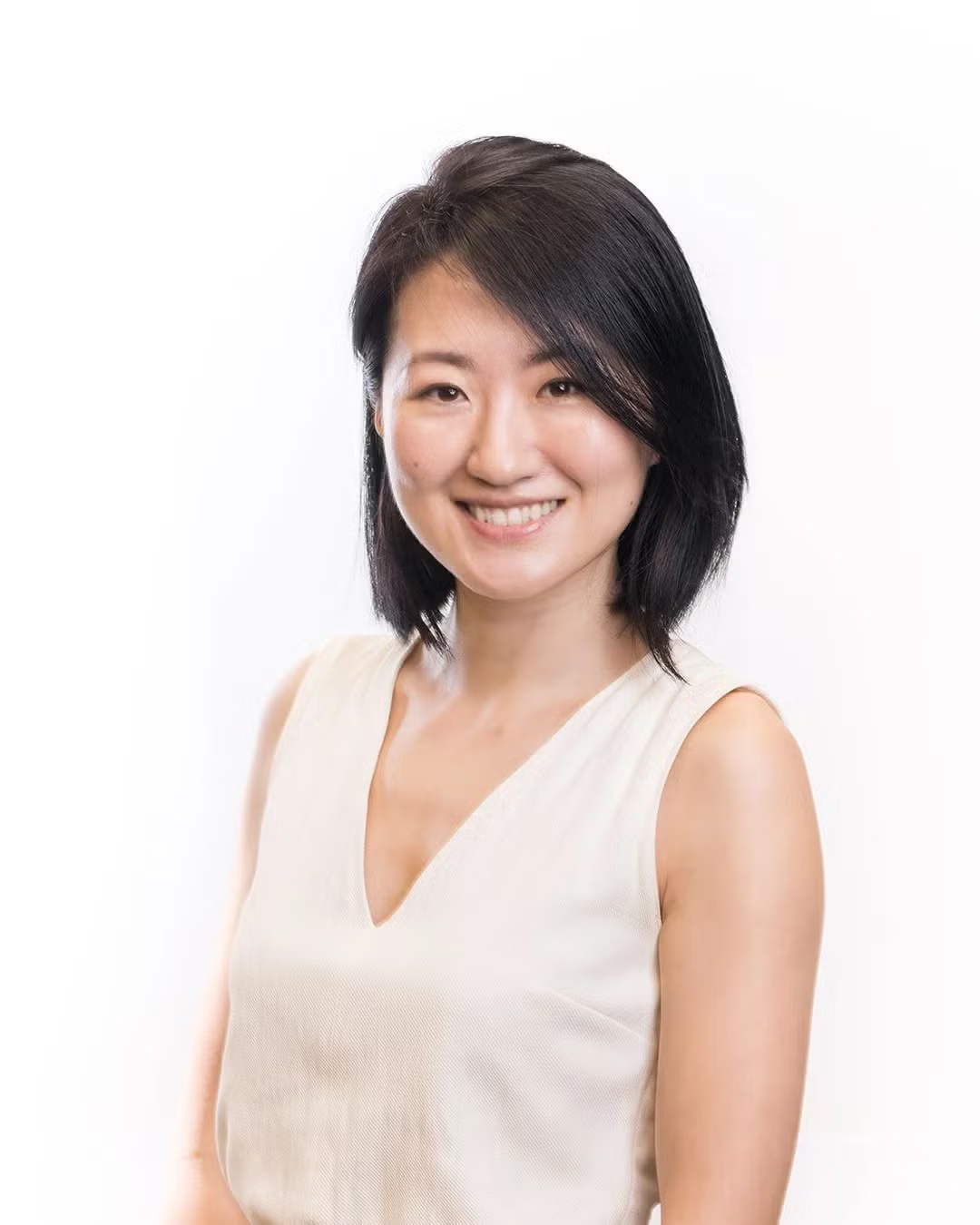
Interestingly, C. albicans can sense and respond to molecular signals derived from neighboring gut bacteria. Among these signals are peptidoglycan fragments (PGNs), released during bacterial cell wall remodeling and degradation, which can potently induce hyphal morphogenesis. In this talk, Dr Qiao will discuss our recent efforts to uncover how C. albicans detects extracellular PGNs, highlighting our identification of a cell-surface sensor that mediates this interkingdom communication. Understanding how bacterial signals regulate fungal morphogenesis and pathogenicity may reveal new opportunities for developing antifungal strategies.

Biography

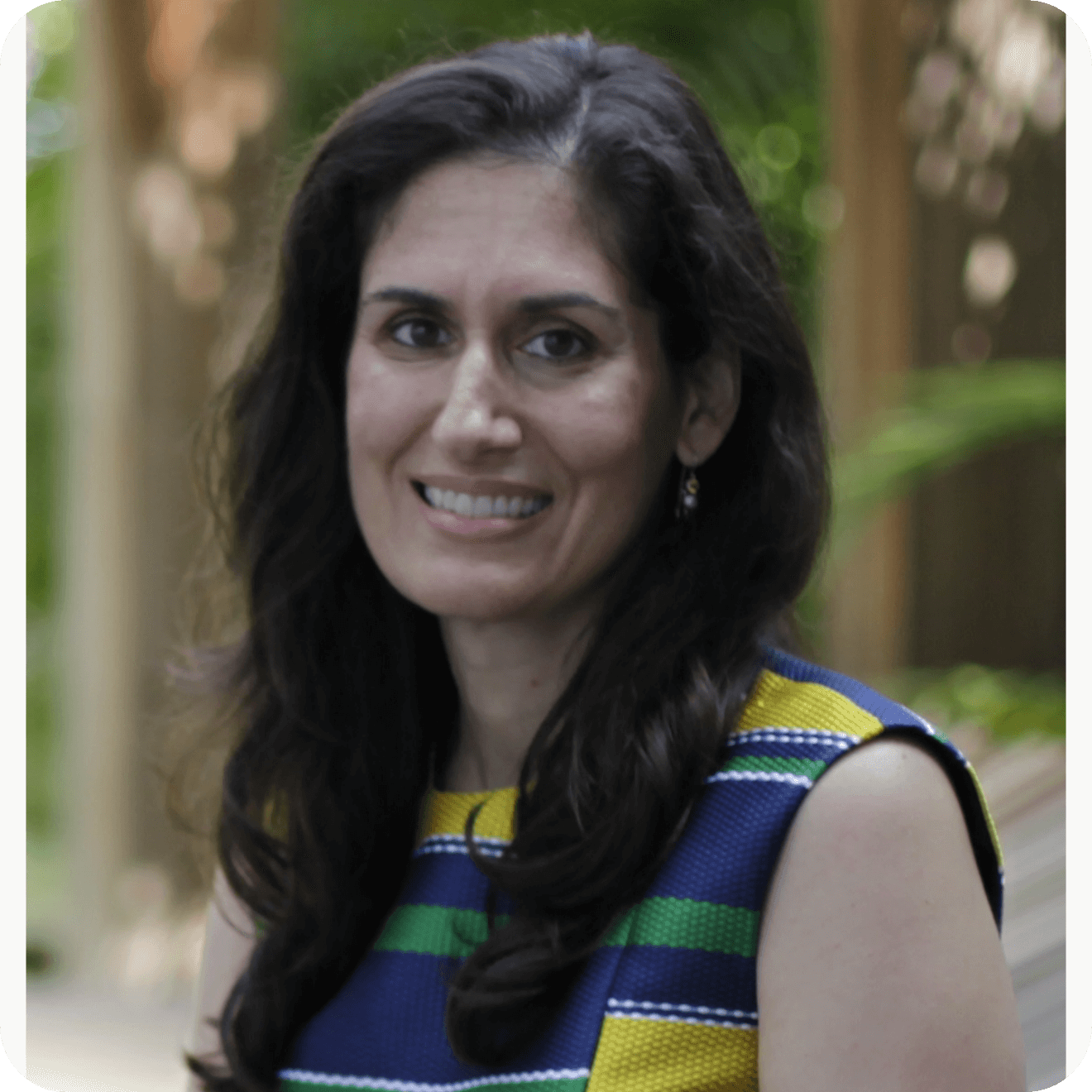
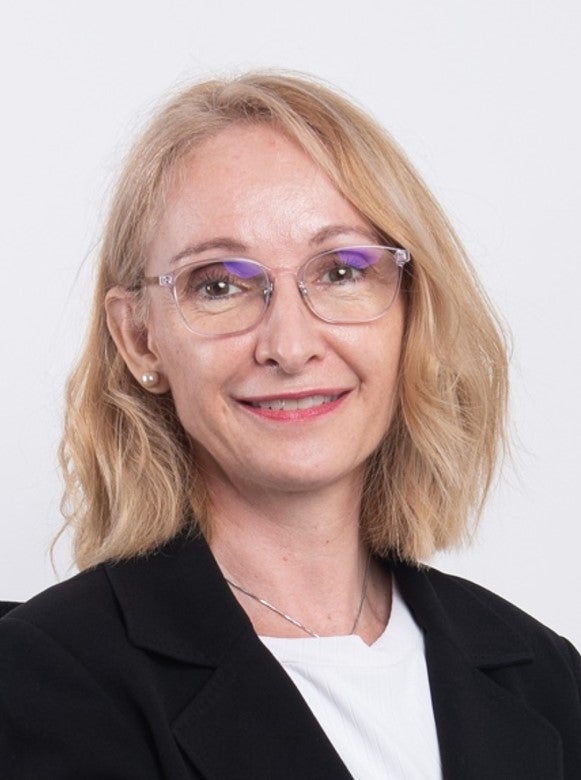
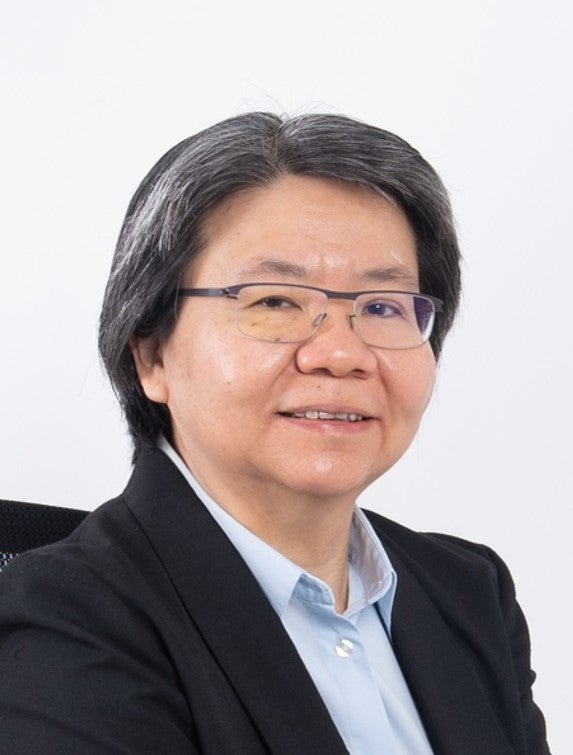
Dr. Qiao is an Assistant Professor in the School of Chemistry, Chemical Engineering and Biotechnology (CCEB) at Nanyang Technological University (NTU), Singapore. Her research focuses on elucidating the molecular signals that mediate gut microbiota–host interactions, with the goal of developing novel therapeutic strategies. She studied chemistry at Bryn Mawr College (USA) and earned her Ph.D. in Chemical Biology from Harvard University. She is an EMBO Global Investigator and serves as an Associate Editor of ACS Infectious Diseases.
More Seminar, Courses & Workshops

On-site

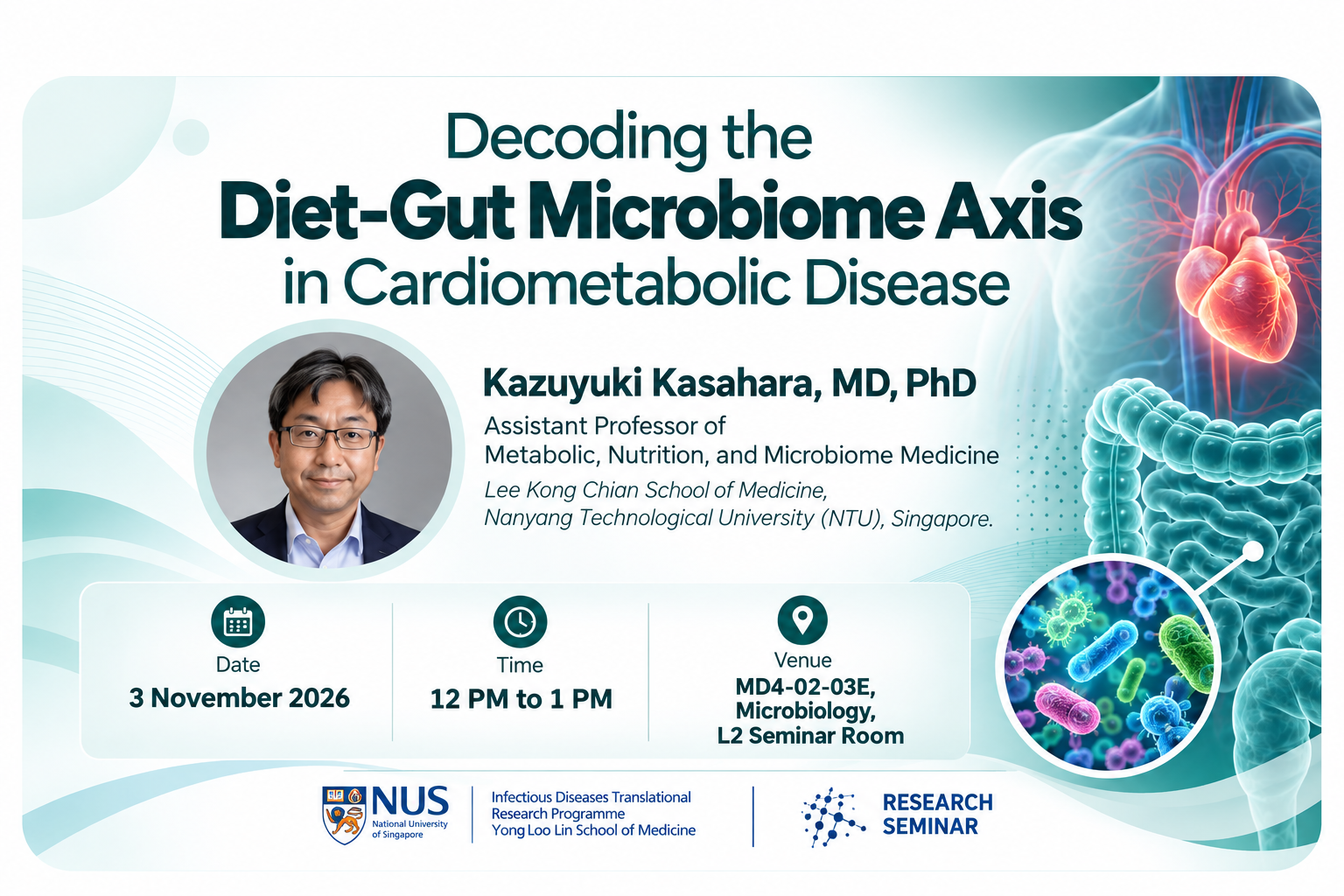
Decoding the Diet–Gut Microbiome Axis in Cardiometabolic Disease

Abstract The gut microbiome plays a critical role in shaping ...
On-site

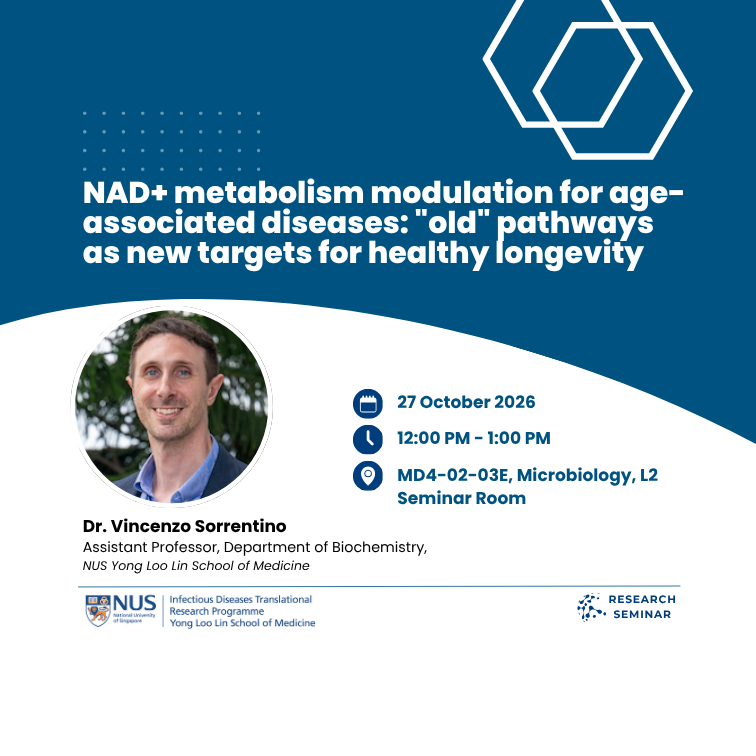
NAD+ metabolism modulation for age-associated diseases: “old” pathways as new targets for healthy longevity

Abstract Decline of the coenzyme NAD+ in tissues in aging ...
Seminars

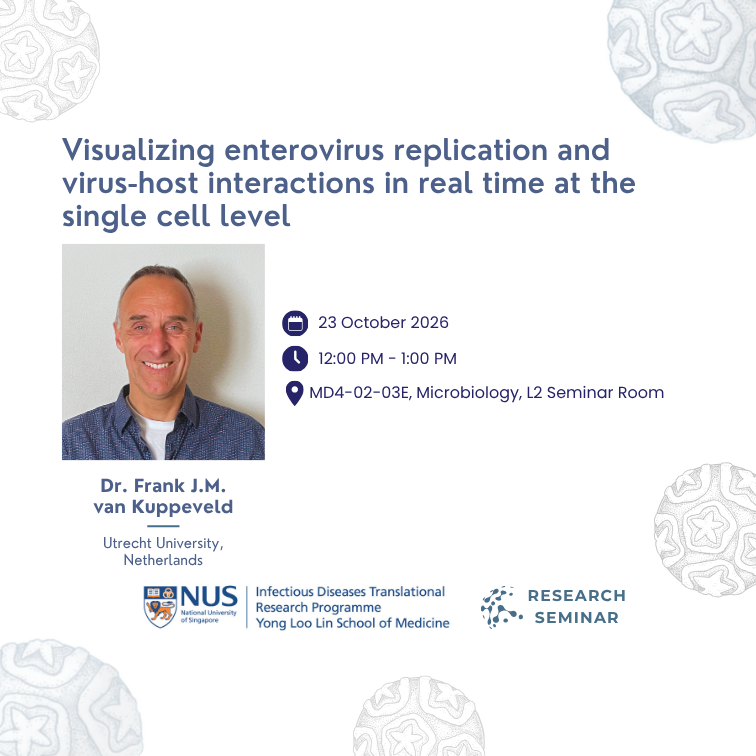
Visualizing enterovirus replication and virus-host interactions in real time at the single cell level

Abstract Although RNA viruses have been studied extensively, little is ...

Secondary Members

David ALLEN

Associate Professor​ (Medicine)​ ​

Sophia ARCHULETA

Associate Professor (Medicine)

Yann BOUCHER

Associate Professor (SPH)​

Louis CHAI

Associate Professor​ (Medicine)​

Kaiwen CHEN

Assistant Professor (Micro & Immuno)

CHN'G Jun Hong

Senior Lecturer (Micro & Immuno)


LOK Shee Mei

 Professor (Duke-NUS)

Hannah CLAPHAM

Assistant Professor (SPH)

Dale FISHER​

Professor​ (Medicine)​

KOH Cho Yeow

Associate Professor (Medicine)

Raymond LIN

Associate Professor​ (NPHL-NCID)​

LUO Min

Assistant Professor (DBS)

Benoit MALLERET

Assistant Professor (Micro & Immuno)

Matthew TAY

Adjunct Assistant Professor (Biochemistry)

Kevin TAN

Associate Professor​ (Micro & Immuno)​

Adjunct Members

Guillaume CARISSIMO

Assistant Professor​ (A*STAR ID Labs)

Yin Xiang SETOH​

Assistant Professor​ (EHI)​

Marco VIGNUZZI

Associate Professor 
(A*STAR ID Labs)

Primary Members

Catherine ONG

Associate Professor

Cheryl LEE

Assistant Professor

CHNG Shu Sin

Associate Professor

David PATERSON

Professor

GAN Yunn Hwen

Professor

HSU Li Yang

Professor

John CHEN

Associate Professor

Justin Jang Hann CHU

Associate Professor

MO Yin

Adjunct Assistant Professor

Nick PATON

Professor

Niranjan NAGARAJAN

Associate Professor

Paul A. TAMBYAH

Professor

QU Kun

Assistant Professor

Seng Gee LIM

Professor

SHAM Lok To

Associate Professor

Sylvie ALONSO

Professor

TAN Chee Wah

Assistant Professor

TAN Yee Joo

Associate Professor

Thai TRAN

Associate Professor

Vincent CHOW

Associate Professor

WANG De Yun

Professor

Yassine CHERRAK

Assistant Professor

ZHONG Youjia

Assistant Professor