



Abstract
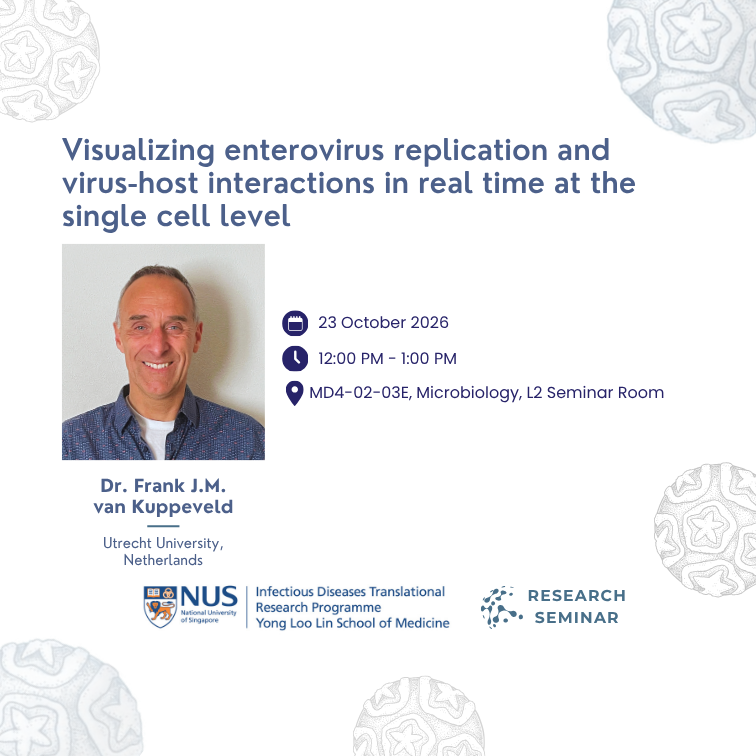
Although RNA viruses have been studied extensively, little is known about the processes that occur during the first several hours of infection because of a lack of sensitive assays. Previously, Dr. Frank van Kuppeveld and his team developed a single-molecule imaging assay, virus infection real-time imaging (VIRIM), to study translation and replication of individual RNA viruses in live cells. VIRIM uncovered a striking heterogeneity in replication dynamics between cells and revealed extensive coordination between translation and replication of single viral RNAs. Furthermore, using VIRIM, they identified the replication step of the incoming viral RNA as a major bottleneck of successful infection.
Recently, they developed a highly sensitive dsRNA sensor that selectively visualizes ‘cytosol-accessible’ dsRNA in live mammalian cells. dsRNA formed during viral replication activates the cellular antiviral response. Viruses are thought to shield dsRNA to limit these responses, but how dsRNA shielding is achieved, and when and where during infection dsRNA is sensed remains poorly understood. Dr. Van Kuppeveld will show that dsRNA becomes accessible relatively late during picornavirus infection. Moreover, they identify a key role for enterovirus replication organelles in dsRNA shielding and show that replication organelle formation is critical for dsRNA shielding already during the first round of viral replication.
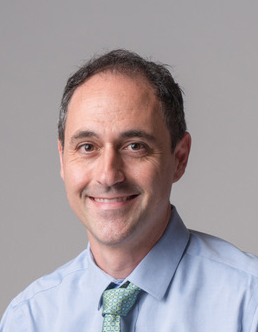
Biography
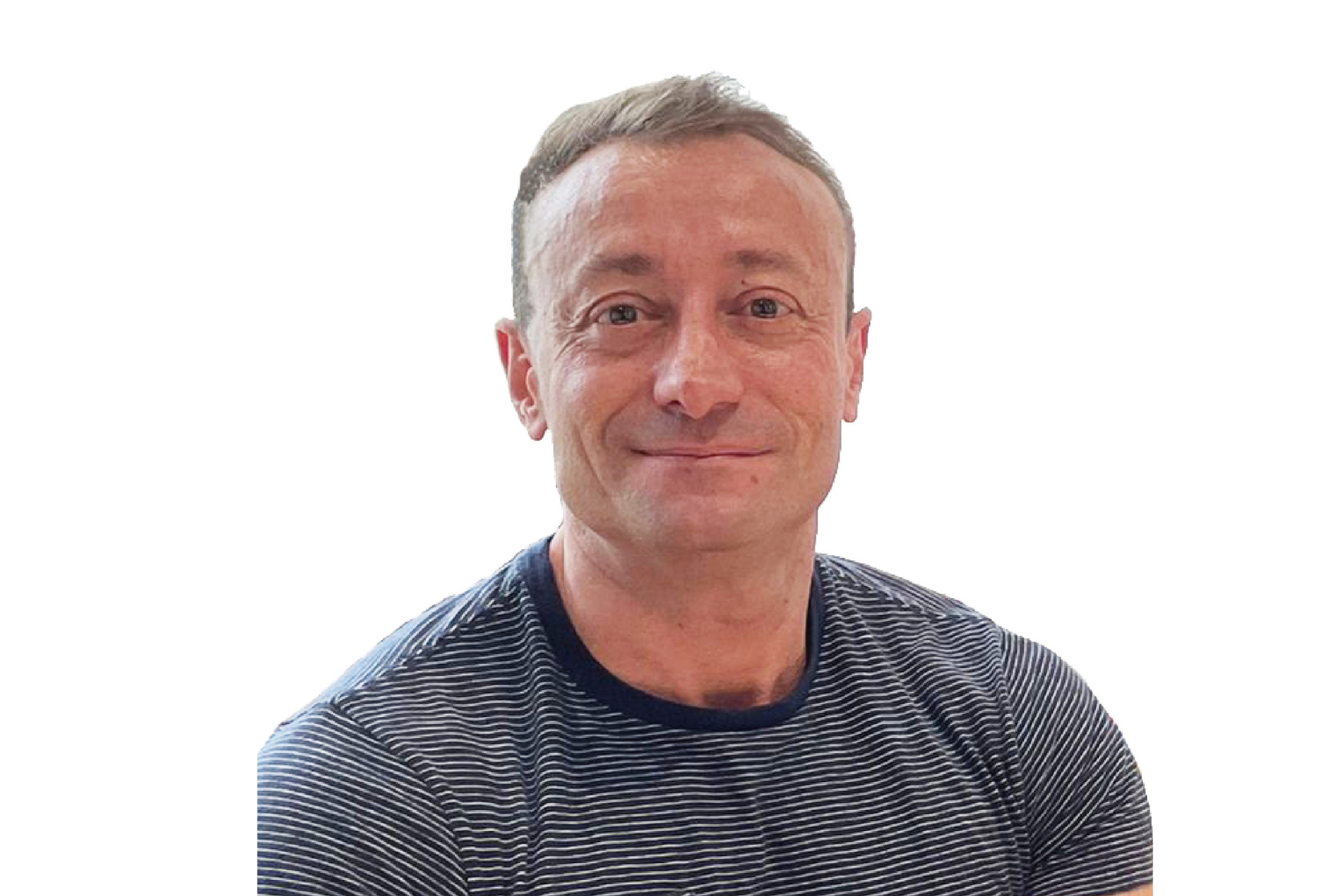
Frank van Kuppeveld is professor of Molecular Virology and head of the Virology section at Utrecht University (which focuses on corona-, influenza and picornaviruses). Van Kuppeveld’s research focuses on the molecular aspects of picornavirus structure, entry, replication, assembly and spreading, as well as host (innate) antiviral responses and pathogenesis.
He has published ~275 papers and obtained prestigious personal grants from the Dutch Research Council (e.g. NWO-VICI) as well as from the European Research Council (e.g. ERC Advanced Grant) to elucidate the enterovirus life cycle. He has coordinated two EU Marie Curie European Training Networks on antiviral drug development.