Publications

Pembrolizumab with or without bevacizumab in platinum-resistant recurrent or metastatic nasopharyngeal carcinoma: a randomised, open-label, phase 2 trial


Summary

Background

Vascular endothelial growth factor (VEGF) is overexpressed in nasopharyngeal carcinoma and suppresses the anti-tumour immune response. Previous studies have shown that adding anti-VEGF treatment to PD-1 inhibition treatment strategies improves tumour response. We aimed to compare the efficacy of pembrolizumab, a PD-1 inhibitor, with or without bevacizumab, a VEGF inhibitor, in nasopharyngeal carcinoma.

Methods

In this randomised, open-label, phase 2 trial done at two hospitals (National University Cancer Institute and Tan Tock Seng Hospital) in Singapore, patients with platinum-resistant recurrent or metastatic nasophayngeal carcinoma were eligible if they were aged 21 years or older and had an Eastern Cooperative Oncology Group (ECOG) performance status of 0–1. Patients were assigned (1:1; using random permuted blocks with varying sizes of 4 and 6) to receive either intravenous pembrolizumab (200 mg) every 21 days or a combination of pembrolizumab with intravenous bevacizumab (7·5 mg/kg) administered 1 week prior to each dose, until radiographic disease progression, unacceptable toxicity, completion of 32 cycles, or withdrawal of consent. The study was open label, therefore no masking of treatment assignment was implemented. The primary endpoint was objective response rate, assessed using RECIST (version 1.1) by independent radiologists and analysed in the intention-to-treat population (ie, all randomly assigned patients). This trial is registered with ClinicalTrials.gov, NCT03813394, and enrolment has closed.

Findings

Between May 13, 2019, and Dec 6, 2023, we assessed 60 individuals for eligibility, 12 were excluded, and 48 were randomly allocated to pembrolizumab alone (n=24) or a combination of bevacizumab and pembrolizumab (n=24). The median age was 56 years (IQR 48–65), and 40 (83%) of 48 patients were male and eight (17%) were female. The median follow-up was 28·3 months (IQR 15·1–55·9). The objective response rate was significantly higher in the bevacizumab and pembrolizumab group (58·3% [95% CI 36·6–77·9] than in the pembrolizumab group (12·5% [2·7–32·4]; unadjusted RR 4·67 [95% CI 1·54–14·18]; p=0·0010). Grade 3 treatment-related adverse events occurred in two (8%) of 24 patients in the pembrolizumab group and in seven (29%) of 24 patients in the bevacizumab and pembrolizumab group; the most common severe or grade 3–4 treatment-related adverse events were thrombosis or bleeding (four [17%] of 24 patients in the bevacizumab and pembrolizumab group vs none of 24 patients in the pembrolizumab group), and others were transaminitis (none vs 1 [4%]), colitis (1 [4%] vs none]), cytopenias (none vs 1 [4%]), dermatological toxicities (1 [4%] vs none]), hypertension (1 [4%] vs none]), and proteinuria (1 [4%] vs none]). There were no grade 4 treatment-related adverse events or treatment-related deaths in either group.

Interpretation

Pembrolizumab in combination with bevacizumab was more efficacious than pembrolizumab monotherapy, with manageable toxicities in platinum-resistant nasopharyngeal carcinoma. If validated in a phase 3 trial, the combination therapy could be a new standard of care in this population of patients.

Full article:https://doi.org/10.1016/s1470-2045(24)00677-6


Pembrolizumab with or without bevacizumab in platinum-resistant recurrent or metastatic nasopharyngeal carcinoma: a randomised, open-label, phase 2 trial Read More »

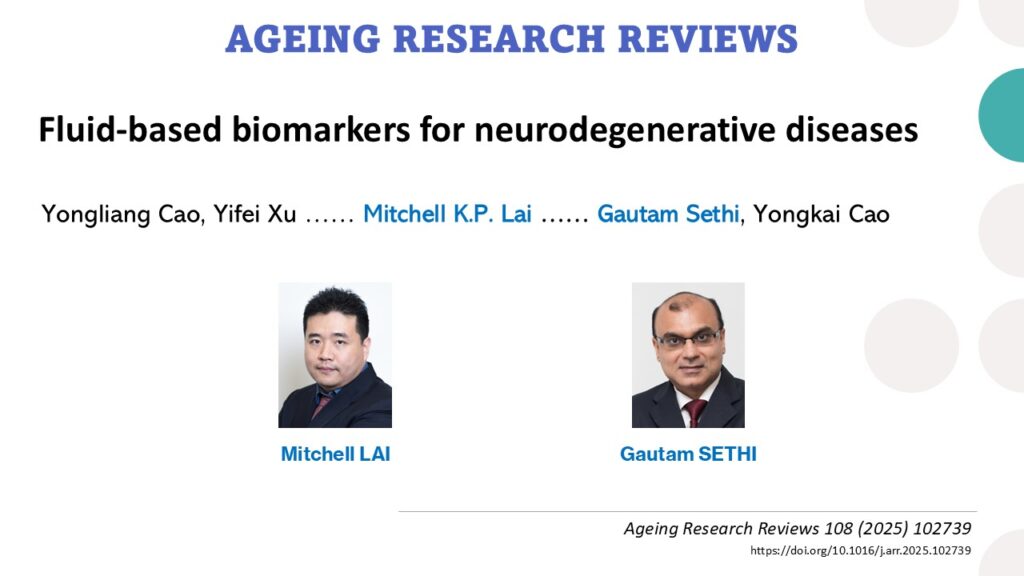
Clinical utility of plasma p-tau217 in identifying abnormal brain amyloid burden in an Asian cohortwith high prevalence of concomitant cerebrovascular disease


Abstract

INTRODUCTION: Using an Asian cohort with high prevalence of concomitant cerebrovascular disease (CeVD), we evaluated the performance of a plasma immunoassay for tau phosphorylated at threonine 217 (p-tau217) in detecting amyloid beta positivity (Aβ+) on positron emission tomography and cognitive decline, based on a three-range reference, which stratified patients into low-, intermediate-, and high-risk groups for Aβ+.

METHODS: Brain amyloid status (Aβ– [n = 142] vs Aβ+ [n = 73]) on amyloid PET scans was assessed along with the plasma ALZpath p-tau217 assay to derive three-range reference points for PET Aβ+ based on 90% sensitivity (lower threshold) and 90% specificity (upper threshold).

RESULTS: Plasma p-tau217 (area under the curve [AUC] = 0.923) outperformed routine clinical assessments (AUC=0.760–0.819; p≤0.003) and other plasma biomarkers (AUC = 0.817–0.834; p < 0.001). The high-risk group showed significantly higher rates of cognitive decline than the low-risk group.

DISCUSSION: Risk stratification for PET Aβ+ based on a plasma p-tau217 assay demonstrated potential diagnostic and prognostic utility in an Asian cohort with concomitant CeVD.

Full article: https://doi.org/10.1002/alz.14502


Clinical utility of plasma p-tau217 in identifying abnormal brain amyloid burden in an Asian cohortwith high prevalence of concomitant cerebrovascular disease Read More »

Harnessing the tumor microenvironment: targeted cancer therapies through modulation of epithelial-mesenchymal transition


ABSTRACT

The tumor microenvironment (TME) is integral to cancer progression, impacting metastasis and treatment response. It consists of diverse cell types, extracellular matrix components, and signaling molecules that interact to promote tumor growth and therapeutic resistance. Elucidating the intricate interactions between cancer cells and the TME is crucial in understanding cancer progression and therapeutic challenges. A critical process induced by TME signaling is the epithelial-mesenchymal transition (EMT), wherein epithelial cells acquire mesenchymal traits, which enhance their motility and invasiveness and promote metastasis and cancer progression. By targeting various components of the TME, novel investigational strategies aim to disrupt the TME’s contribution to the EMT, thereby improving treatment efficacy, addressing therapeutic resistance, and offering a nuanced approach to cancer therapy. This review scrutinizes the key players in the TME and the TME’s contribution to the EMT, emphasizing avenues to therapeutically disrupt the interactions between the various TME components. Moreover, the article discusses the TME’s implications for resistance mechanisms and highlights the current therapeutic strategies toward TME modulation along with potential caveats.


Full article:https://doi.org/10.1186/s13045-024-01634-6


Harnessing the tumor microenvironment: targeted cancer therapies through modulation of epithelial-mesenchymal transition Read More »

Interleukin-6 (IL-6)-associated tumor microenvironment remodelling and cancer immunotherapy


ABSTRACT

Interleukin-6 (IL-6) is a pro-inflammatory cytokine playing a pivotal role during inflammation and immune responses. In the recent years, the function of IL-6 in the tumor microenvironment (TME) for affecting tumorigenesis and immunotherapy response has been investigated. The genetic mutations are mainly responsible for the development of cancer, while interactions in TME are also important, involving both cancers and non-cancerous cells. IL-6 plays a significant role in these interactions, enhancing the proliferation, survival and metastasis of tumor cells through inflammatory pathways, highlighting its carcinogenic function. Multiple immune cells including macrophages, T cells, myeloid-derived suppressor cells, dendritic cells and natural killer cells can be affected by IL-6 to develop immunosuppressive TME. IL-6 can also participate in the immune evasion through increasing levels of PD-L1, compromising the efficacy of therapeutics. Notably, IL-6 exerts a double-edge sword function and it can dually increase or decrease cancer immunotherapy, providing a challenge for targeting this cytokine in cancer therapy. Highlighting the complicated function of IL-6 in TME can lead to the development of effective therapeutics for cancer immunity.


Full article:https://doi.org/10.1016/j.cytogfr.2025.01.001


Interleukin-6 (IL-6)-associated tumor microenvironment remodelling and cancer immunotherapy Read More »

Collagen deposition in lung parenchyma driven by depletion of interstitial Lyve-1+ macrophages prevents cigarette smoke-induced emphysema and loss of airway function


Introduction: Collagen is essential for maintaining lung structure and function and its remodeling has been associated with respiratory diseases including chronic obstructive pulmonary disease (COPD). However, the cellular mechanisms driving collagen remodeling and the functional implications of this process in the pathophysiology of pulmonary diseases remain poorly understood.

Methods: To address this question, we employed Lyve1wt/cre; Csf1rflox/flox mice with specific depletion of Lyve-1+ macrophages and assessed the content, types and organization of collagen in lung compartments at steady state and after chronic exposure to cigarette smoke (CS).

Results: Using this mouse model, we found that the absence of this subpopulation of tissue resident macrophage led to the deposition of type I collagen fibers around the alveoli and bronchi at steady state. Further analysis by polarized light microscopy and Sircol collagen assay revealed that the collagen fibers accumulating in the lungs depleted of Lyve-1+ macrophages were thicker and crosslinked. A decrease in MMP-9 gene expression and proteolytic activity together with an increase in Col1a1, Timp-3 and Lox expression accompanied the collagen alterations. Next, we investigated the effect of the collagen remodeling on the pathophysiology of COPD and airway function in mice lacking Lyve-1+ macrophages exposed chronically to cigarette smoke (CS), a well-established animal model of COPD. We found that deposition of collagen prior CS exposure protected these mice against destruction of alveoli (emphysema), and bronchi thickening and prevented loss of airway function.

Discussion: Thus, we uncover that interstitial Lyve-1+ macrophages regulate the composition, amount, and architecture of collagen network in the lungs at steady state and that such collagen remodeling functionally impacts the development of COPD. This study further supports the potential of targeting collagen as promising approaches to treat respiratory diseases.


Full article:https://doi.org/10.3389/fimmu.2024.1493395


Collagen deposition in lung parenchyma driven by depletion of interstitial Lyve-1+ macrophages prevents cigarette smoke-induced emphysema and loss of airway function Read More »

Regulating the regulators: long non-coding RNAs as autophagic controllers in chronic disease management

ABSTRACT

The increasing prevalence of chronic diseases and their associated morbidities demands a deeper understanding of underlying mechanism and causative factors, with the hope of developing novel therapeutic strategies. Autophagy, a conserved biological process, involves the degradation of damaged organelles or protein aggregates to maintain cellular homeostasis. Disruption of this crucial process leads to increased genomic instability, accumulation of reactive oxygen species (ROS), decreased mitochondrial functions, and suppression of ubiquitination, leading to overall decline in quality of intracellular components. Such deregulation has been implicated in a wide range of pathological conditions such as cancer, cardiovascular, inflammatory, and neurological disorders. This review explores the role of long non-coding RNAs (lncRNAs) as modulators of transcriptional and post-transcriptional gene expression, regulating diverse physiological process like proliferation, development, immunity, and metabolism. Moreover, lncRNAs are known to sequester autophagy related microRNAs by functioning as competing endogenous RNAs (ceRNAs), thereby regulating this vital process. In the present review, we delineate the multitiered regulation of lncRNAs in the autophagic dysfunction of various pathological diseases. Moreover, by highlighting recent findings on the modulation of lncRNAs in different stages of autophagy, and the emerging clinical landscape that recognizes lncRNAs in disease diagnosis and therapy, this review highlights the potential of lncRNAs as biomarkers and therapeutic targets in clinical settings of different stages of autophagic process by regulating ATG and its target genes. This focus on lncRNAs could lead to breakthroughs in personalized medicine, offering new avenues for diagnosis and treatment of complex diseases.


Full article:https://doi.org/10.1186/s12929-024-01092-9

Regulating the regulators: long non-coding RNAs as autophagic controllers in chronic disease management Read More »

Targeting RTKs/nRTKs as promising therapeutic strategies for the treatment of triple-negative breast cancer: evidence from clinical trials


ABSTRACT

The extensive heterogeneity and the limited availability of effective targeted therapies contribute to the challenging prognosis and restricted survival observed in triple-negative breast cancer (TNBC). Recent research indicates the aberrant expression of diverse tyrosine kinases (TKs) within this cancer, contributing significantly to tumor cell proliferation, survival, invasion, and migration. The contemporary paradigm shift towards precision medicine has highlighted TKs and their receptors as promising targets for pharmacotherapy against a range of malignancies, given their pivotal roles in tumor initiation, progression, and advancement. Intensive investigations have focused on various monoclonal antibodies (mAbs) and small molecule inhibitors that specifically target proteins such as epidermal growth factor receptor (EGFR), vascular endothelial growth factor (VEGF), vascular endothelial growth factor receptor (VEGFR), cellular mesenchymal-epithelial transition factor (c-MET), human epidermal growth factor receptor 2 (HER2), among others, for combating TNBC. These agents have been studied both in monotherapy and in combination with other chemotherapeutic agents. Despite these advances, a substantial terrain of unexplored potential lies within the realm of TK targeted therapeutics, which hold promise in reshaping the therapeutic landscape. This review summarizes the various TK targeted therapeutics that have undergone scrutiny as potential therapeutic interventions for TNBC, dissecting the outcomes and revelations stemming from diverse clinical investigations. A key conclusion from the umbrella clinical trials evidences the necessity for in-depth molecular characterization of TNBCs for the maximum efficiency of TK targeted therapeutics, either as standalone treatments or a combination. Moreover, our observation highlights that the outcomes of TK targeted therapeutics in TNBC are substantially influenced by the diversity of the patient cohort, emphasizing the prioritization of individual patient genetic/molecular profiles for precise TNBC patient stratification for clinical studies.


Full article:https://doi.org/10.1186/s40779-024-00582-z


Targeting RTKs/nRTKs as promising therapeutic strategies for the treatment of triple-negative breast cancer: evidence from clinical trials Read More »

Pro-resolving lipid mediators and therapeutic innovations in resolution of inflammation

ABSTRACT

This review summarizes findings presented at the 19th World Congress of Basic & Clinical Pharmacology 2023 (Glasgow, Scotland, July 3rd to 7th, 2023) from 8 speakers in the field of resolution of inflammation, resolution pharmacology and resolution biology. It is now accepted that the acute inflammatory response is protective to defend the host against infection or tissue injury. Acute inflammation is self-limited and programmed to be lim-ited in space and time: this is achieved through endogenous resolution processes that ensure return to homeo-stasis. Resolution is brought about by agonist mediators that include specialized pro-resolving lipid mediators (SPMs) and pro-resolving proteins and peptides such as annexin A1 and angiotensin-(1–7), all acting to initiate anti-inflammatory and pro-resolving processes. If the inflammatory reaction remains unchecked through dys-functional resolution mechanism, it can become chronic and contribute to a plethora of human diseases, includ-ing respiratory, cardiovascular, metabolic, allergic diseases, and arthritis. Herein, we discuss how non-resolving inflammation plays a role in the pathogenesis of these diseases. In addition to SPMs, we highlight the discovery, biosynthesis, biofunctions, and latest research updates on innovative therapeutics (including annexin-A1 peptide-mimetic RTP-026, small molecule FPR2 agonist BM-986235/LAR-1219, biased agonist for FPR1/FPR2 Cmpd17b, lipoxin mimetics AT-01-KG and AT-02-CT, melanocortin receptor agonist AP1189, gold nanoparticles, angiotensin-(1–7), and CD300a) that can promote resolution of inflammation directly or through modulation of SPMs production. Drug development strategies based on the biology of the resolution of inflammation can offer novel therapeutic means and/or add-on therapies for the treatment of chronic diseases.


Full article:https://doi.org/10.1016/j.pharmthera.2024.108753

Pro-resolving lipid mediators and therapeutic innovations in resolution of inflammation Read More »

Tackling exosome and nuclear receptor interaction: an emerging paradigm in the treatment of chronic diseases

ABSTRACT

Nuclear receptors (NRs) function as crucial transcription factors in orchestrating essential functions within the realms of development, host defense, and homeostasis of body. NRs have garnered increased attention due to their potential as therapeutic targets, with drugs directed at NRs demonstrating significant efficacy in impeding chronic disease progression. Consequently, these pharmacological agents hold promise for the treatment and management of various diseases. Accumulating evidence emphasizes the regulatory role of exosome-derived microRNAs (miRNAs)
in chronic inflammation, disease progression, and therapy resistance, primarily by modulating transcription factors, particularly NRs. By exploiting inflammatory pathways such as protein kinase B (Akt)/mammalian target of rapamycin (mTOR), nuclear factor kappa-B (NF-κB), signal transducer and activator of transcription 3 (STAT3), and Wnt/β-catenin signaling, exosomes and NRs play a pivotal role in the panorama of development, physiology, and pathology. The internalization of exosomes modulates NRs and initiates diverse autocrine or paracrine signaling cascades, influencing various processes in recipient cells such as survival, proliferation, differentiation, metabolism, and cellular defense mechanisms. This comprehensive review meticulously examines the involvement of exosome-mediated NR regulation in the pathogenesis of chronic ailments, including atherosclerosis, cancer, diabetes, liver diseases, and respiratory conditions. Additionally, it elucidates the molecular intricacies of exosome-mediated communication between host and recipient cells via NRs, leading to immunomodulation. Furthermore, it outlines the implications of exosome-modulated NR pathways in the prophylaxis of chronic inflammation, delineates current limitations, and provides insights into future perspectives. This review also presents existing evidence on the role of exosomes and their components in the emergence of therapeutic resistance.


Full article:https://doi.org/10.1016/s40779-024-00564-1

Tackling exosome and nuclear receptor interaction: an emerging paradigm in the treatment of chronic diseases Read More »

ARID1A is a coactivator of STAT5 that contributes to CD8+ T cell dysfunction and anti-PD-1 resistance in gastric cancer

ABSTRACT

ARID1A deletion mutation contributes to improved treatment of several malignancies with immune checkpoint inhibitors (ICIs). However, its role in modulating of tumor immune microenvironment (TIME) of gastric cancer (GC) remains unclear. Here, we report an increase of CD8+ T cells infiltration in GC patients with ARID1Amutation (MUT), which enhances sensitivity to ICIs. Kaplan-Meier survival analysis showed that ARID1Amutation patients with gastrointestinal malignancies benefit from immunotherapy. Transcriptome analysis implicated that ARID1A regulates STAT5 downstream targets to inhibit T-cell mediated toxicity. Integrated dual luciferase assay and ChIP-qPCR analyses indicated that ARID1A coordinated with STAT5 to facilitate the transcription of the immunosuppressive factors TGF-β1 and NOX4. ARID1A recruited canonical BAF complex (cBAF) subunits, including SMARCB1 and SMARCD1, to sustain DNA accessibility. Downregulation of ARID1A reduced chromatin remodeling into configurations which make GC more sensitive to ICIs. In addition, targeting STAT5 effectively improved anti-PD-1 efficiency in ARID1A-wild type (WT) GC patients. Taken together, ARID1A is a coactivator of STAT5, function as a chromatin organizer in GC ICIs resistance, and targeting STAT5 is an effective
strategy to improve the efficiency of ICIs in GC.


Full article:https://doi.org/10.1016/j.phrs.2024.107499

ARID1A is a coactivator of STAT5 that contributes to CD8+ T cell dysfunction and anti-PD-1 resistance in gastric cancer Read More »

Scroll to Top