
Speakers
KEYNOTE SPEAKERS
PLENARY SPEAKERS
INTERNATIONAL FACULTY
- Yang Faridah Abdul Aziz, Malaysia
- Aileen Adriano, USA
- Aaron Ang, Singapore
- Sophia Ang Bee Leng, Singapore
- Sophia Archuleta, Singapore
- Razan Baabdullah, Saudi Arabia
- Ashokka Balakrishnan, Singapore
- Kamna Balhara, USA
- Katharine Ann Mary Boursicot, Singapore
- Emmaline Brouwer, The Netherlands
- Audrea Burns, USA
- Pacifico Eric Eusebio Calderon, Philippines
- Albert Chan, Hong Kong S.A.R
- Chan Chi Ngong Lawrence, Hong Kong S.A.R
- Eunice Chan, China
- Gene Chan, Singapore
- Justin Chan Yik Hin, Hong Kong S.A.R
- Chan Ping Tak, Hong Kong S.A.R
- H Carrie Chen, USA
- Julie Chen, Hong Kong S.A.R
- Chen Zhi Xiong, Singapore
- Davy Cheng, China
- Chiang Hui Ling Michelle, Singapore
- Margaret Chisolm, USA
- Calvin Chou, USA
- Fremen Chihchen Chou, Taiwan
- Candace Chow, USA
- Peter Chiu-Leung Chow, Singapore
- Anna Cianciolo, USA
- Kimberly Dahlman, USA
- Peter GM de Jong, The Netherlands
- Vishna
Devi Nadarajah , Malaysia - Chaoyan Dong, Singapore
- Khoa Duong, Canada
- Laura Edgar, USA
- Diana Eley, Australia
- Ardi Findyartini, Indonesia
- Gan Han Nee, Singapore
- Gao Yujia, Singapore
- Shadi Gholami, Malaysia
- Brian Gin, USA
- Daniel Goh Yam Thian, Singapore
- Goh Poh-Sun, Singapore
- Yvonne Goh Guat Keng, Singapore
- Lesley Gray, New Zealand
- Sameera Gunawardena, Malaysia
- Aviad Haramati, USA
- Joanne Hart, Australia
- Jack Haywood, United Kingdom
- Eric Holmboe, USA
- Jo Horsburgh, United Kingdom
- Lisa Howley, USA
- Kejal Hasmukharay, Malaysia
- Ming-Jung Ho, USA
- Natthawut Iangtanarat, Thailand
- Halah Ibrahim, USA
- Noor Akmal Shareela Ismail, Malaysia
- Adareeka Jayasinghe, Australia
- Yan Jin, Hong Kong S.A.R
- Thanakorn Jirasevijinda, USA
- Elizabeth Kachur, USA
- Anne Kawamura, Canada
- Khong Mei Li, Hong Kong S.A.R
- Khoo Su Ann, Singapore
- Emma Keeling, United Kingdom
- Tehmina Khan, Malaysia
- Jung Kim, USA
- Marie Kitano, Australia
- Jean Klig, USA
- Juanita Kong, Singapore
- Lyuba Konopasek, USA
- Michael Krasner, USA
- Shekhar Kumta, Australia
- James Kwan Wei-Yung, Singapore
- Lai Siang Hui, Singapore
- Lee Shuh Shing, Singapore
- Lee Young-Mee, Republic of Korea
- Derrick Lian, Singapore
- Ahreum Lim, USA
- Hannah Lim Joo Min, Singapore
- Rachelle Lim Hao Yu, Singapore
- Lim Wen Phei, Singapore
- Andrew Linn, Australia
- Liu Chieh, Taiwan
- Liu Tzu-Hung (Leon), Taiwan
- Anne Lloyd, United Kingdom
- Rebecca Lock, Australia
- Victor Loh Weng Keong, Singapore
- Lu Peih-Ying, Taiwan
- Patricia Luck, USA
- Pauline Luk, Hong Kong S.A.R
- Nathasha Luke, Singapore
- Mataroria Lyndon, New Zealand
- Lauren Maggio, USA
- Jo-Anne Manski-Nankervis, Singapore
- David Mathew, Singapore
- Scott McCoombe, Australia
- Marion McCrary, USA
- Siriya Mektavepong, Thailand
- Briseida Mema, Canada
- Noran Naqiah Mohd Hairi, Malaysia
- Riitta Moller, Sweden
- Nancy Moreno, USA
- Dilum Lakshan Munaweera Thantreege, Sri Lanka
- Nurulhuda Mustafa, Singapore
- Maria Liza Naranjo, Philippines
- Alana Newell, USA
- Ng Hei Yue Hayley, Hong Kong S.A.R
- Nicholas Ng Beng Hui, Singapore
- Olivia Ng, Singapore
- Ivy Ng Weishan, Singapore
- Ng Wei Xiang, Singapore
- Nicola Ngiam, Singapore
- Jonas Nordquist, Sweden
- Neil Osheroff, USA
- Sajaratulnisah Othman, Malaysia
- Sophie Park, United Kingdom
- Yoon Soo Park, USA
- Monika Pazio Rossiter, United Kingdom
- Phua Dong Haur, Singapore
- Lindsey Pope, United Kingdom
- Vitaliy Popov, USA
- Helena Maria Prior Filipe, Portugal
- Martin Pusic, USA
- Inthrani Raja Indran, Singapore
- Subha Ramani, USA
- Constanze Richters, Germany
- David Roberts, USA
- Mariah Robertson, USA
- Anand Sanmugam, Malaysia
- Solomon Sathishkumar, India
- Elisabeth Frieda Schlegel, USA
- Stefanie Sebok-Syer, USA
- Noof Abdullah Saad Shaif, Singapore
- Anjana Shakya, China
- Seow Choon Sheong, Singapore
- Ina Ismiarti Shariffuddin, Malaysia
- Lawrence Sherman, USA
- Shefaly Shorey, Singapore
- Lynne Sinclair, Canada
- Sunila Sirisinghe, Malaysia
- Stuart Slavin, USA
- Judy Sng, Singapore
- So Hing Yu, Hong Kong S.A.R
- Diantha Soemantri, Indonesia
- Matthias
Stadler , Germany - Renée Stalmeijer, The Netherlands
- Yvonne Steinert, Canada
- Shara Steiner, USA
- Suttithan Suwannoppakun, Thailand
- Elaine Tan Ching Ching, Singapore
- Kevin Tan, Singapore
- Tan Kok Keong, Hong Kong S.A.R.
- Pedro Tanaka, USA
- Ara Tekian, USA
- Winnie Teo Li-Lian, Singapore
- Jaranrat Toranonboonsong, Thailand
- Dario Torre, Italy
- Sunil Venkateswaran, Malaysia
- Daniëlle Verstegen, The Netherlands
- Rashmi Vyas, USA
- Michael Wan, Australia
- Alison Whelan, USA
- Jennifer Williams, Australia
- Julie Willems, Australia
- Stefan Wisbauer, Germany
- Jeffrey Wiseman, Canada
- Jenny Wong Lee Yuen, Singapore
- Wong Ling Ying, Malaysia
- Wong Teck-Yee, Singapore
- Wong Wai-Tat, Hong Kong S.A.R.
- Sarah Wood, USA
- Celestial Therese Yap Suen Mei, Singapore
- Mabel Yap, Singapore
- Theophilia Yong, Singapore
- Yuan Shiyao, USA
- Yuen Ka Hei Karina, Singapore
- Alex Yung, Hong Kong S.A.R
LOCAL FACULTY
KEYNOTE SPEAKERS

Professor and Chair, Department of International Health Professions Education ; and Professor of Medicine, Centre for Infectious Diseases, International University of Health and Welfare School of Medicine, Japan
Dr Harumi Gomi graduated from Okayama University Medical School, Japan. She completed her residency in Internal Medicine at Mount Sinai Beth Israel, New York, followed by a fellowship in Infectious Diseases at the University of Texas-Houston. She earned a Master’s Degree in Public Health, Johns Hopkins University and a Master’s Degree in Health Professions Education, Maastricht University. Her international contributions include serving as a member of the AMEE Governing Committee as of August 2026, and as Governor of the American College of Physicians (ACP), Japan Chapter. Nationally, she serves as a Board Member of the Japan Society for Medical Education, a Member of the National Board Examination Committee under the Ministry of Health, Labour and Welfare, and a Member of the Revision Committee for the Model Core Curriculum for Medical Education under the Ministry of Education, Culture, Sports, Science and Technology.
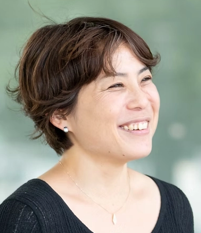
Medical Anthropologist and Professor, Institute of Science Tokyo, Japan
I am a medical anthropologist, researcher, and author. My work examines the social dynamics of care, cultural responses to public health, and the ethical dimensions of clinical interventions. I am the author of several books featured on my website (mahoisono.com/en/), including Obedience Without Law: Japan’s COVID Years: Voluntary Compliance and the Power of Social Pressure and Making Decisions Without Answers: An Anthropology of Healthcare Professionals and the Hidden Work of Care. My analysis of human behaviour also extended into cinema; the co-authored book When Life Suddenly Takes a Turn: Twenty Letters Between a Philosopher Living with Terminal Cancer and a Medical Anthropologist (with Makiko Miyano) became the basis for Ryusuke Hamaguchi’s film All of a Sudden. At APMEC 2027, I look forward to bringing an anthropological lens to question how risk mitigation shapes the reality of human happiness in medicine.

Director, Nagoya University, Japan
Professor Hiroshi Nishigori graduated from Nagoya University School of Medicine in 1998 and became a Fellow of the Japanese Society of Internal Medicine (2004) and a Diplomate in Primary Care of the Japan Primary Care Association (2011). He obtained a Master’s Degree in Medical Education from University of Dundee in 2008 and completed PhD in Health Professions Education in Maastricht University in 2020. His research interests include culture and medical professionalism (especially work ethic), Hypothesis-Driven Physical Examination (HDPE) and teaching and assessing behavioural and social sciences. He is one of the founders of the Asian Pacific Medical Education Network (APME-Net) and the KIPRIME (Karolinska Institutet Prize for Research in Medical Education) Fellow in 2025. He is currently the President of the Japan Society for Medical Education.
PLENARY SPEAKERS
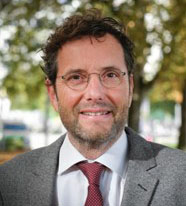
Professor, School of Health Professions Education. Maastricht University, The Netherlands
Erik Driessen is Professor at the School of Health Professions Education at Maastricht University, the Netherlands, and Editor-in-Chief of Perspectives on Medical Education. His research focuses on assessment and learning in the workplace, including mentoring and portfolios, as well as meta-research and responsible research conduct. He has published more than 250 peer-reviewed papers and book chapters.
Much of his work has an international focus. He mentors PhD students from different countries and is involved in international research projects and educational consultancies. He has also been a visiting professor at Gifu University in Japan.
In 2021, he received the Association for the Study of Medical Education (ASME) Gold Medal for his contributions to medical education. He is an Honorary Fellow of the Academy of Medical Educators in the United Kingdom.
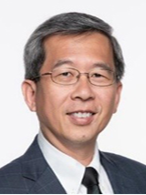
Adjunct Professor, Vice-Dean (Education), Yong Loo Lin School of Medicine, National University of Singapore, Singapore
Adjunct Professor Lau Tang Ching is a Senior Consultant in the Division of Rheumatology and Allergy, Department of Medicine in the National University Hospital. He is the Vice-Dean (Education) at NUS Yong Loo Lin School of Medicine. He is also the Group Director (Education Office) at the National University Health System. He graduated in 1991 from the National University of Singapore and obtained his Membership of the Royal College of Physician in United Kingdom and the Master of Medicine (Internal Medicine) degree in 1997. He is a fellow of the Academy of Medicine Singapore since 2001. He also holds both a Master of Medical Science degree in Clinical Epidemiology and a Doctor of Philosophy in School of Biomedical Sciences and Pharmacy, Faculty of Health and Medicine (University of Newcastle, Australia), a fellow of the Royal College of Physicians (Edinburgh) and holds a Graduate Diploma in Acupuncture (Singapore).

Clinical Dean and Professor, Royal Melbourne Institute of Technology; and Emeritus Professor, Faculty of Medicine, The University of Newcastle, Australia
Professor Balakrishnan R (Kichu) Nair AM is Clinical Dean and Professor at the Royal Melbourne Institute of Technology and Emeritus Professor, Faculty of Medicine, The University of Newcastle, Australia.
A geriatrician, clinician-researcher and medical educator, he is Director, Centre for Medical Professional Development, Hunter New England Local Health District; Chair, Workplace Based Assessment Development Committee, Australian Medical Council; Lead of ACcORD (Australian Community of Practice in Research in Dementia); and Foundation Director, Academy of Clinical Educators.
Appointed a Member of the Order of Australia in 2009 for services to medical education and geriatrics, he is a recipient of the ANZAME Award for Medical Education, John Sands Medal of the RACP, and The Asia Pacific Scholar Outstanding Reviewer Award.
He has authored over 160 publications, two textbooks including Clinical Examination: A Problem-Based Approach, and led the AMC workplace-based assessment program for international medical graduates, transforming assessment of doctors in Australia.
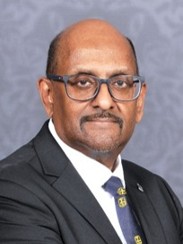
Dean of Medicine, School of Medicine and Dentistry, Griffith University, Australia
Professor Selvanayagam (Niru) Nirthanan, MBBS, FRCP (Edin), FRCP (Lond), PhD, SFHEA, FAcadMEd, FAAPE, FBPhS is Dean of Medicine and Professor of Pharmacology at Griffith University, Australia. His academic interests centre on future-focused generalist curricula, rural medical education, equity pathways for Indigenous and educationally disadvantaged students, technology-enhanced learning and medical humanities.
Following his medical degree, Professor Nirthanan completed his PhD at the National University of Singapore, earning the University Medal; fellowship at Harvard Medical School; and was elected Fellow of the Royal Colleges of Physician of London and Edinburgh. He is a Senior Fellow of the Higher Education Academy (UK) and a Fellow of the Academy of Medical Educators (UK), the Academy of Pharmacology Educators (USA) and the British Pharmacological Society. His contributions have been recognised through national and international awards, including an Australian National Citation for Teaching Excellence, Prime-Minister’s Australia-Asia Endeavour Award and the British Pharmacological Society’s Humphrey Rang Prize.
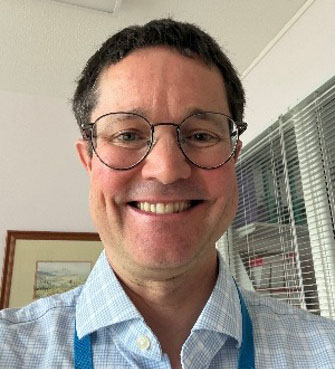
Clinical Dean, University of Cambridge, United Kingdom
Prof Paul Wilkinson is the Clinical Dean at the University of Cambridge, directing the Clinical Medicine course. Some major priorities of his work include improving integration within this complex course; improving support for students; and improving Equity, Diversity and Inclusion – for our students, their future patients and our staff. An important component of this is improving awareness of, and support for students and staff with, neurodiversity, across the university. Prof Wilkinson is also Professor of Youth Mental Health, conducting research in the epidemiology and treatment of self-harm and depression, in adolescents and young adults. He also conducts research in clinical education, in particular racism in medical education. Prof Wilkinson works as an Honorary Consultant in Child and Adolescent Psychiatry for the Cambridgeshire and Peterborough NHS Foundation Trust Paediatric Psychology Service in Cambridge. In this, he mainly carries out assessments of the complex mental health needs of children and adolescents with physical health problems.
INTERNATIONAL SPEAKERS
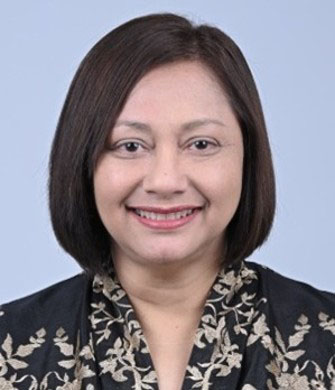
Dean, Faculty of Medicine, Universiti Malaya, Malaysia
Dr Yang Faridah Abdul Aziz is a Professor and Consultant Radiologist, and currently Dean of the Faculty of Medicine, Universiti Malaya, Malaysia.
She has led successful transitions to e-learning and is currently a member of the Virtual Patient at FOM research team, incorporating AI into an adaptive teaching and learning platform. She promotes a culture of continuous quality improvement, innovation, and agility within academic and healthcare institutions. She is committed to nurturing graduates who are adaptable, ethical, and future-ready.
She serves as Chair of the Medical Deans’ Council of Public Universities Malaysia, President of the ASEAN Medical School Network (AMSN), and Ambassador of the Southeast Asia Alliance of Academic Health Centers International (AAHCI). Through these roles, she drives collaborative partnerships, knowledge exchange, and shared solutions that strengthen institutions, advance educational excellence, and build resilient healthcare systems across the region.
Clinical Associate Professor, Stanford University, United States of America
Dr Aileen Adriano is a Clinical Associate Professor in the Department of Anaesthesiology, Perioperative and Pain Medicine at Stanford University and a certified executive coach. Her work advances physician coaching, leadership, and faculty development in health professions education. She served as Associate Program Director of the Stanford Anaesthesiology Residency for 15 years, mentoring more than 500 trainees and playing a key role in building a nationally recognized training program. Dr Adriano is the co-founder and chair of the Coaching Task Force within the Society for Education in Anaesthesia, where she leads national initiatives advancing coaching and professional growth in academic anaesthesiology. She regularly teaches and facilitates workshops on coaching and physician leadership for educators and clinicians worldwide.
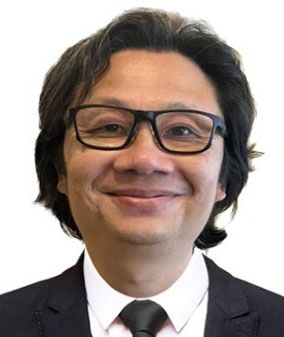
Senior Consultant, National Healthcare Group Pte Ltd, Singapore
A/Prof Aaron Ang is a Senior Consultant Psychiatrist at Tan Tock Seng Hospital and Director of the NHG Institute of Humanistic Medicine (HuMe). His career encompasses significant leadership and educational roles, including Head of Department and Associate Program Director for the National Psychiatry Residency Program. He currently holds Adjunct Associate Professor positions at both NUS-YLL and LKC-NTU Schools of Medicine. Dr Ang specialises in Psychiatry of Old Age, Shared Decision Making (SDM), and complex mental capacity assessments. With dual accreditation in Psychiatry and Medicine, he advocates strongly for holistic, humanistic care, particularly for complex patients managing multiple chronic illnesses and navigating the psychiatry-medicine interface. His work emphasises the importance of comprehensive, patient-centred approaches that address both medical and psychological needs, reflecting his commitment to advancing humanistic medicine within Singapore’s healthcare system.
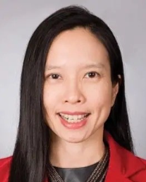
Vice Group Chairman, Medical Board (Clinical Governance and Medicolegal); and Senior Consultant, National University Health System Pte Ltd, Singapore
Associate Professor Sophia Ang serves as Vice Group Chairman Medical Board (Clinical Governance & Medicolegal) at NUHS, Steering Committee Member of the NUHS Institute of Clinical Quality (NICQ) and Senior Consultant in the Department of Anaesthesia at NUH. She graduated from NUS medical school in 1990 and obtained her Master of Medicine in Anaesthesia in 1995. A/Prof Ang specialises in cardiac anaesthesia, completing advanced training at Massachusetts General Hospital (1998-1999) and Texas Heart Institute (1999-2000). She is accredited in perioperative transoesophageal echocardiography by the National Board of Echocardiography US. A passionate advocate for patient safety, she leads initiatives in critical laboratory test communication and failure-to-rescue reduction. Her achievements include the Public Service Excellence Gold Award (2011) and Singapore National Medical Excellence Team Award (2012). She previously served as Ministry of Health Patient Safety Consultant and WHO High 5 Patient Safety Project representative.

Associate Professor, Yong Loo Lin School of Medicine, National University of Singapore (NUS), Singapore
Dr Sophia Archuleta is Senior Consultant in the Division of Infectious Diseases at the National University Hospital and Associate Professor at the Yong Loo Lin School of Medicine, National University of Singapore (NUS). She is a clinician educator with a focus on postgraduate medical education and has served in multiple leadership roles in this capacity. She is currently Assistant Dean for Equal Opportunities & Career Development at NUS Medicine, Chair of the ID Residency Advisory Committee and Director on the ACGME-International board. She was a programme director twice - leading transitional year and infectious diseases fellowship programmes to accreditation by ACGME-I in Singapore’s National University Health System. She is the immediate past chair of the ACGME-I Medicine Review Committee and founder of the Asia Pacific HIV Practice Course. Her clinical and educational research spans multinational collaborations with special expertise in interventional clinical trials, educational transformation and accreditation.
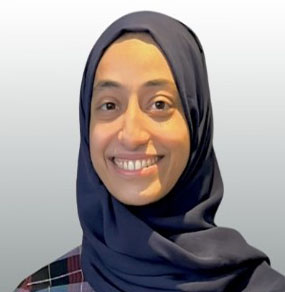
Assistant Professor, Department of Oral and Maxillofacial Surgery, King Abdulaziz University, Saudi Arabia
Dr Razan Baabdullah is an assistant professor of oral and maxillofacial surgeon, and vice dean of business development at the research and consulting Institute at King Abdulaziz University. She is a founder of InnoVSP.com, a platform for innovation in virtual surgical planning. She trained at King Abdulaziz University and McGill University and holds a master’s degree from Harvard Medical School. Her work sits at the intersection of surgery, education, and the arts. She explores how clinicians see, interpret, and make decisions bridging visual thinking and medical training, to build more perceptive and human-centred care.

Senior Consultant, National University Hospital, Singapore
Ashokka Balakrishnan is a senior consultant anaesthesiologist, specialises in obstetric labour pain relief at National University Hospital, Singapore. He has 20 years of experience teaching UG, PG and interprofessional teams through high-fidelity simulation and enjoys being a trainer for healthcare faculty at Centre for Medical Education, NUS. He is the Vice President of Pan Asian Society of Simulation in Healthcare (PASSH) and has global roles in patient safety (AMEE, Research Lead) and is in the board of directors of Asia Oceanic Society of Regional Anaesthesia (AOSRA). He conducts international workshops for simulation-based team training in crisis management, medical education and patient safety.
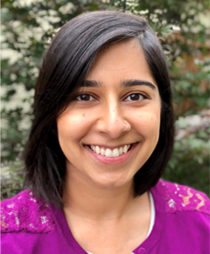
MD, MA, Johns Hopkins University, United States of America
Dr Balhara is an emergency physician, a founding co-director of the Health Humanities at Hopkins Emergency Medicine initiative, and director of the Health Humanities fellowship. Dr Balhara’s academic interests include the health humanities in medical education, equity in learning and clinical environments, and disparities in access to care in domestic and global settings. She has authored multiple publications on graduate medical education, humanities, social determinants of health, and disparities in healthcare access, and on access to care in domestic and global settings. Her work has been funded by the Association of American Medical Colleges, the Josiah Macy Foundation, the National Endowment for the Humanities, and the Emergency Medicine Foundation. She completed the Harvard Macy Institute Art Museum-based Health Professions Education fellowship and is a certified Visual Thinking Strategies facilitator.

Director, Health Professional Assessment Consultancy, Singapore
Katharine graduated from the University of London with an Honours BSc in Anatomy and MBBS from the Medical College of St Bartholomew’s Hospital. She worked as an Obstetrician and Gynaecologist for 20 years. After studying at the Institute of Education in London, she became a full-time medical educationalist, gaining experience and expertise in medical education and led the reform of assessment at the medical schools in the UK and Singapore. She has published her research in the leading medical education journals, was Chair the Assessment Panel for the AMEE ASPIRE Awards and led the Consensus Group on Performance Assessment for the Ottawa Conferences in 2010 and 2020. She led the ESMEA (Essential Skills in Medical Education: Assessment) course for AMEE from 2008 to 2020.Katharine has advised on numerous national and international initiatives including several Royal Medical Colleges in the UK, Ireland and Singapore, and undergraduate medical and veterinary schools.
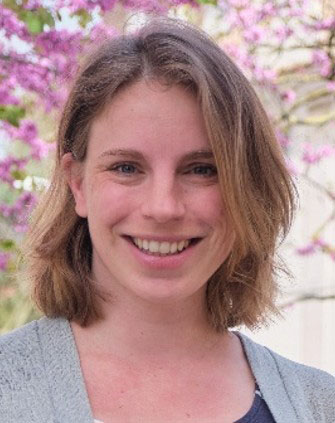
Assistant Professor, School of Health Professions Education (SHE) / Maastricht University, Faculty of Health, Medicine and Life Sciences, Department of Educational Development & Research, the Netherlands
Emmaline Brouwer (MD, MPH, PhD) is Director of SHE Collaborates, a dedicated Maastricht University office for strengthening medical education systems through equitable global partnerships. Emmaline is also an Assistant Professor at the School of Health Professions Education (SHE), Maastricht University, working at the intersection of health professions education and international capacity development. Her research interests include globalization and internationalization in health professions education, contextualization and transferability of education innovations, and the impact of international collaborations on educators and institutions. Emmaline combines her roles in research and leadership with teaching in various programmes at Maastricht’s Faculty of Health, Medicine and Life Sciences and beyond.
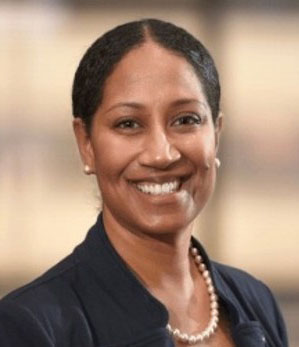
Associate Professor, Baylor College of Medicine, United States of America
Audrea M. Burns, PhD, is the Co-Director at the Texas Children’s Hospital Faculty College, the Associate Program Director of the Department of Paediatrics’ Physician-Scientist Program, an Associate Professor in the Departments of Huffington Department of Education, Innovation, and Technology and Paediatrics at Baylor College of Medicine, Houston, TX, USA. Dr Burns’ research focuses on best practices in supporting professional identity formation and developing novel frameworks to centre professional identity construction on principles of critical pedagogy. Dr Burns also serves as Chair of the Research and Scholarship Learning Community for the Association of Paediatric Program Directors and Immediate Past Chair for the National Paediatrician-Scientist Collaborative Workgroup. She completed her graduate studies in Immunology at The University of Chicago in Chicago, Illinois, and her postdoctoral fellowship in science education pedagogy at Baylor College of Medicine (BCM) in Houston, Texas. Dr Burns completed the Master Teachers Fellows Program for Medical Educators at BCM.
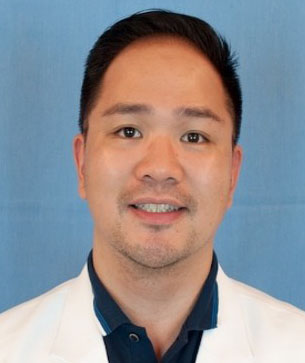
Associate Professor, St. Luke's Medical Centre, Philippines
Dr Pacifico Eric Eusebio Calderon is a physician and interdisciplinary scholar whose work engages the intersections of health professions education, healthcare ethics and law, and medical professionalism. He is Associate Professor in the Department of Professionalism, Medical Ethics, and Humanities at St. Luke's Medical Centre College of Medicine; and Head of Clinical Ethics Services at St. Luke's Medical Centre - Quezon City and Global City. He holds concurrent appointments as Head of the Bioethics Unit at the National Children's Hospital; and Head of the Department of Advanced Medical Education and Research at VRP Medical Centre, Philippines. He holds a Master of Bioethics from the University of Sydney and a Master of Education from Monash University. Pacifico has held research fellowships at Kyoto University, Japan, and Ruhr University Bochum, Germany. He is currently completing a PhD in Health Law and Ethics at the Faculty of Laws, University College London.
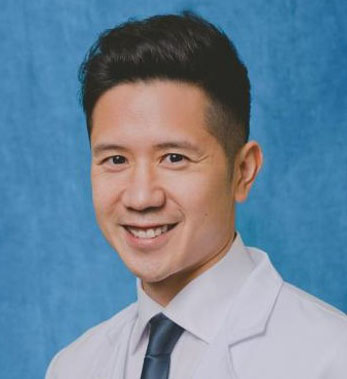
Chairman, Board of Education Committee, Hong Kong College of Anaesthesiologists; and Jockey Club Institute for Medical Education and Development, Hong Kong Academy of Medicine, Hong Kong S.A.R.
Dr Albert Chan (FHKCA, FANZCA, FHKAM Anaesthesiology) is Chief of Service and Consultant Anaesthetist at the Department of Anaesthesia, Pain and Perioperative Medicine, Prince of Wales Hospital, and Cluster Director of Anaesthesia Services, New Territories East Cluster, Hospital Authority, Hong Kong. He is Honorary Clinical Associate Professor at the Chinese University of Hong Kong.
His clinical interests include cardiac and regional anaesthesia, perioperative medicine, and structural heart interventions. With a background in computer science, he leads the Smart Operating Theatre and Perioperative Patient Journey Workgroup under COC (Anaesthesiology) in Hospital Authority, developing AI risk prediction tools and Operating Theatre Command Centre to enhance perioperative safety and workflows.
His greatest passion is medical education. Holding a Master of Health Professions Education from Maastricht University, he chairs the Board of Education of the Hong Kong College of Anaesthesiologists, with special interests in feedback, simulation-based education, and clinician well-being through positive psychology.
Assistant Educationist, Hong Kong Academy of Medicine, Hong Kong S.A.R.
Dr Lawrence Chan Chi Ngong is an Associate Consultant in the Department of Paediatrics at Prince of Wales Hospital and an Honorary Clinical Associate Professor at the Chinese University of Hong Kong (CUHK). Dr Chan is deeply committed to medical education and currently serves as the Assistant Medical Educator at the Hong Kong Academy of Medicine (HKAM). He has particular interest in simulation-based education and serves as senior faculty of the Comprehensive Simulation Educator Course at the HKAM Hong Kong Jockey Club Innovative Learning Centre for Medicine (HKJC ILCM). As a credentialed simulation instructor (Cat. C -HKJC ILCM), he has taught various clinical simulation courses for the Hospital Authority and the Hong Kong College of Paediatricians. He is a certified instructor in Paediatric Advanced Life Support (American Heart Association), and his educational initiatives encompass paediatric resuscitation, neonatal stabilisation, paediatric palliative care, and crew resource management.

Assistant Professor, The Chinese University of Hong Kong, China
Dr Eunice Chan is an Assistant Professor at the School of Medicine, The Chinese University of Hong Kong, Shenzhen, where she serves as the Associate Director for the MPhil-PhD Programme in Epidemiology and Biostatistics. Her educational research focuses on bridging the gap between math, statistics, technology, and clinical practice, with the primary goal of cultivating future-ready doctors in the age of AI. Dedicated to modernizing medical pedagogy, Dr Chan emphasizes the integration of tech-driven concepts into the clinical curriculum through experiential learning. Her work aims to ensure that medical students are equipped with the technical literacy needed to navigate an increasingly complex healthcare landscape. Her commitment to advancing medical education and innovative teaching methodologies has been recognized by multiple teaching grants.
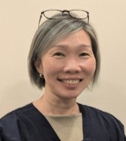
Senior Consultant, National University Hospital, Singapore
Dr Gene Chan (Medicine) is a Senior Consultant specialising in Emergency Medicine in Singapore. Current Roles: She serves as a Senior Consultant at the National University Hospital and Alexandra Hospital. Specialisation: Her expertise includes Point of Care Ultrasound and Emergency Airway Management. Academic Work: She is a core faculty member for the NUHS Emergency Medicine Residency Programme starting in 2015. She is also the director at the Centre for Healthcare simulation at NUS Yong Loo Lin School of Medicine.
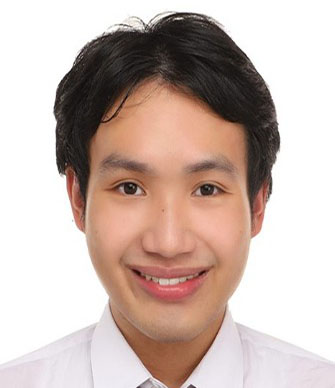
MBBS Student, The University of Hong Kong, Hong Kong S.A.R.
Mr Justin Yik Hin Chan is a medical student at the Li Ka Shing Faculty of Medicine, the University of Hong Kong. During his studies, he actively participated in the Students in Medical Education initiative at HKUMed. His contributions include a redesign of the flagship Active Learning Workshops, development of clinical interactive worksheets, and serving as a Moodle Forum Online Moderator to facilitate junior students’ learning. Additionally, Justin has led a gamification project, with the goal of demonstrating how gamification can enhance students; understanding of healthcare inequality while fostering empathy. This project was engaged in the Redesigning Student Learning Experience in Higher Education (RSLEIHE) in 2024 and achieved a Merit Award. In addition, the project also won the Poon Li Wai Hing Award for Medical Education in 2024.
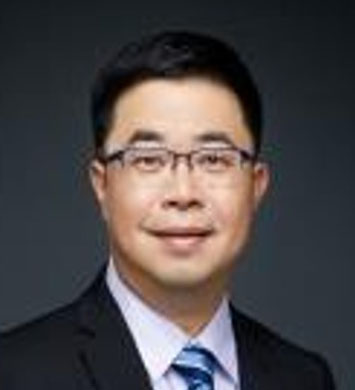
Assistant Educationist, Hong Kong Academy of Medicine, Hong Kong S.A.R.
Dr Chan Ping-tak is a Consultant Orthopaedic Surgeon at Tuen Mun Hospital, a position he has held since 2012. He further contributes to the future of healthcare training as an Assistant Educationist at the Jockey Club Institute of Medical Education and Development (JCIMED) at the Hong Kong Academy of Medicine. Dr Chan is an active leader in faculty development. Since 2021, he has been a key organiser and facilitator for courses in WBA, simulation education, online learning, and leadership through the JCIMED. He is a frequent presenter at academic congresses on topics ranging from faculty development to EPAs and has contributed to the medical literature with publications on WBA and feedback in CBME. His is supported by a strong foundation in educational theory, holding a MMEd from the University of Dundee (2024), accreditation as a Simulation Educator from the JCIMED and Associate Fellowship of AMEE (2025).
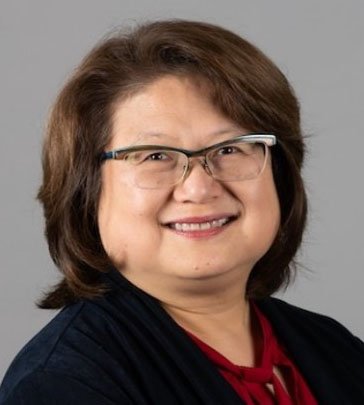
Associate Dean for Medical Education Research and Scholarship and Professor of Health Systems Science, Kaiser Permanente Bernard J. Tyson School of Medicine, United States of America
H. Carrie Chen, MD, PhD is Associate Dean for Medical Education Research and Scholarship and Professor of Health Systems Science at the Kaiser Permanente Bernard J. Tyson School of Medicine. She completed her medical degree and paediatric residency at the University of California San Francisco School of Medicine and received her Doctorate in Health Professions Education from Utrecht University in the Netherlands. She has developed curricula, assessment and evaluation programs, and provided leadership for medical student, resident, and fellow education as well as faculty development. Her research interests include workplace learning, workplace-based assessments and the use of entrustable professional activities (EPAs), and faculty skill development and support. She serves on the editorial board for Advances in Health Sciences Education, is a member of the International Competency-Based Health Professions Education Collaborators and is faculty for the International Course on the Ins and Outs of Entrustable Professional Activities.
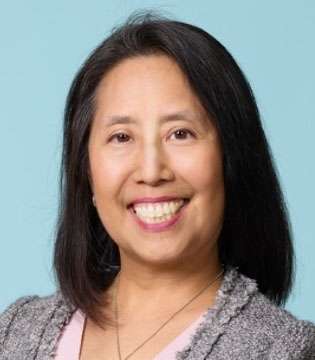
Associate Professor of Teaching, The University of Hong Kong, Hong Kong S.A.R.
Julie Chen is an academic family physician who is currently Assistant Dean (Student Wellness), Director of the Medical Ethics and Humanities Unit, and serves as the Chief of Undergraduate Education in the Department of Family Medicine and Primary Care. She teaches medical students across all six years of the MBBS programme in her own discipline as well as in professionalism and medical humanities. Her research interests derive from her teaching and lie in curriculum development, professionalism, and doctor and student wellbeing. In recognition of her work in medical education, she has been awarded a Faculty Teaching Medal, two University Outstanding Teaching Awards and a Teaching Innovation Award (Team) from The University of Hong Kong and a Senior Fellowship of AdvanceHE (SFHEA).

Associate Professor, National University of Singapore, Singapore
Zhi Xiong is an Associate Professor at the Department of Physiology and the Assistant Dean (Education) of NUS Medicine. He completed his fellowship with Ludwig Cancer Research at Karolinska Institutet and conducts research on paediatric solid tumours at NUS Centre for Cancer Research (N2CR) and KK Women’s and Children’s Hospital (KKH). Deeply interested in professional development, he obtained his Master of Health Professions Education from Maastricht University and founded Asia-Pacific Biomedical Science Educators Association (APBSEA). He is also an Associate of the Centre for Medical Education (CenMED) and an Affiliate Member of the National University Cancer Institute, Singapore. Involved in the education of various health professions, Zhi Xiong is passionate about transdisciplinary learning through faculty development, medical education technology and inter-faculty collaborations. As Master of NUS LightHouse, he believes that student development through human communities and connections is essential to a complete university experience that cannot be replaced digitally.
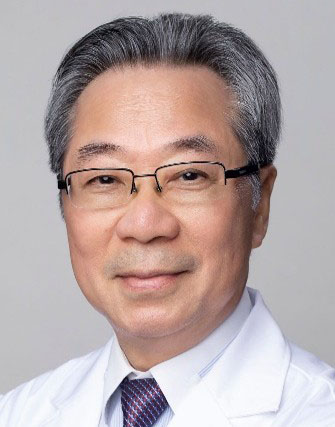
Founding Dean & Presidential Chair Professor, School of Medicine, The Chinese University of Hong Kong, China
Dr Davy Cheng is Fellow, Canadian Academy of Health Sciences (CAHS), Founding Dean & Presidential Chair Professor, School of Medicine, CUHK-Shenzhen, Distinguished University Professor Emeritus, Western University, CANADA, Adjunct Full Professor, University of Toronto, Canada, Canadian Certified Physician Executive (CCPE), Fellow, The Royal College of Physicians and Surgeons of Canada (RCPC), Fellow, The Royal Society of Medicine, United Kingdom (RSM), Honorary Fellow, Deutsche Gesellschaft fur Anasthesiologie und Intensivmedizin (DGAI), Honorary Fellow, The Hong Kong College of Anaesthesiologists (HKCA). His research fields include perioperative care, cardiac surgery, critical care medicine, evidence-based clinical decision-making, artificial intelligence in medical education and healthcare, and health policy.

Professor, Johns Hopkins University, United States of America
Board-certified in general psychiatry, Dr Chisolm has three decades of clinical experience, has served as PI or co-investigator on multiple nationally funded research projects, and has authored over 150 scientific, clinical, and medical education papers and book chapters on psychiatric disorders and humanistic medical practice. In addition, she has published two textbooks and an award-winning book for patients and families living with mental illness: "From Survive to Thrive: Living Your Best Life with Mental Illness". Dr Chisolm is the Director of the Paul McHugh Program for Human Flourishing where she uses the arts and humanities to explore the ‘big questions’ – what it means to be human, to be a physician, and to lead a good life (for doctors and patients) – with medical learners. She completed the Harvard Macy Institute Art Museum-based Health Professions Education fellowship and is a certified Visual Thinking Strategies facilitator and coach.
Professor, University of California, United States of America
Calvin Chou, MD, PhD is Professor of Medicine at the University of California at San Francisco, and staff physician at the Veterans Affairs Health Care System in San Francisco. As faculty with the Academy of Communication in Healthcare (ACH), he is recognised internationally for leading workshops in relationship-centred communication, feedback, conflict, and remediation in health professions education. He is co-editor of the books Remediation in Medical Education: A Midcourse Correction; Communication Rx: Transforming Healthcare Through Relationship-Centred Communication; and the forthcoming Transdisciplinary Spiritual Care: Practices at the Intersection of Vulnerability & Awe.
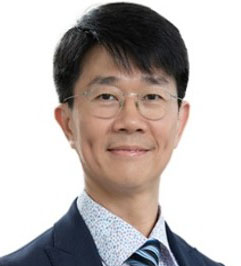
Director of Centre for Faculty Development, China Medical University Hospital, Taiwan
Dr Fremen Chihchen Chou is an emergency physician, Associate Professor in the School of Medicine at China Medical University in Taiwan, and Director of the Centre for Faculty Development at its affiliated hospital. He has led competency-based training reform for the Taiwan Society of Emergency Medicine since 2011. He actively engages with the international Competency-Based Medical Education (CBME) community and holds significant roles such as an International Regional Hub Leader for the Faculty Development in Assessment Program in collaboration with ACGME, oversight committee member of the International Course: Ins and Outs of Entrustable Professional Activities hosted by the Association of Medical Schools in Europe, and an inaugural member of the executive committee of International Competency-based Health Professions Educators Collaborative (ICBHPE, known as ICBME previously).

Senior Consultant, Department of Emergency Medicine, Changi General Hospital Pte Ltd, Singapore
Dr Yvonne Goh Guat Keng is a Senior Consultant with the Department of Emergency Medicine at Changi General Hospital (CGH). She completed her training in emergency medicine in 2010 and did her fellowship in simulation and trauma in 2013 at Sunnybrooks Health Science Authorities in Toronto, Canada. She is programme director for the Singhealth PGY1 program (CGH site) and completed her Masters in Medical Education Leadership (University of New England, Maine) in 2015. Dr Goh is also actively involved in simulation training and faculty development programs on medical education.

Senior Lecturer, IMU University, Malaysia
Dr Sameera Anuruddha Gunawardena is a Senior Lecturer at the International Medical University and a SEDA-accredited educator. With over 20 years of university academic experience in Sri Lanka and Malaysia, he has been recognised for his commitment to student-friendly, innovative pedagogical strategies. His teaching philosophy is deeply rooted in student-centred learning, and he employs diverse strategies to enhance peer engagement and interactive learning. He has extensive experience as an examiner for undergraduate and postgraduate medical degrees, including serving as an external examiner and reviewer for high-stakes summative assessments. He has also played a pivotal role in curriculum development and has been a member of several examination boards and institutional review panels. In the realm of educational research, Dr Gunawardena focuses on improving assessment standards and curriculum integration. His ongoing research compares the facility index with examiner-estimated difficulty and cognitive levels in preclinical examinations.
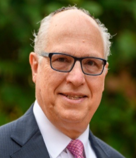
Professor, Division of Integrative Physiology, Georgetown University, United States of America
Aviad “Adi” Haramati, PhD, is an award-winning Professor of Integrative Physiology and Medicine, Founding Director of the Centre for Innovation and Leadership in Education (CENTILE) at Georgetown University Medical Centre, Washington, DC, and co-director of the graduate programme in Integrative Medicine and Health Sciences. Dr Haramati directs the course in Human Physiology for first year medical students. He also teaches mindful practices and culinary medicine to students, residents and faculty, and currently directs a new course on Human Flourishing. Dr Haramati is a Board Member of the Teaching Kitchen Collaborative, former member of the Board of Directors of the Association of American Medical Colleges (AAMC), and a member of the of the Governing Committee of the International Association for Health Professions Education (AMEE), and a member of the Executive Council of the World Federation for Medical Education. He has been a visiting professor at over 125 medical schools worldwide.

Academic Lead, University of Sydney, Australia
Dr Joanne Hart is the Academic Lead, MD Research and responsible for research education for the Post-Graduate Doctor of Medicine (MD) Program at the University of Sydney. She has extensive experience in tertiary research education teaching, biomedical research, research ethics and curriculum delivery and development. Her research focuses on research education in medical and health professions, with particular interest in curriculum design, supervision, and assessment in large-scale student research programs. She also conducts research on the use of artificial intelligence in teaching and research, examining its pedagogical, ethical, and governance implications for higher education.

Principal Clinical Teaching Fellow, Imperial College London, United Kingdom
Dr Jack Haywood is a Principal Clinical Teaching Fellow in the Educational Partnerships Office, Faculty of Medicine, Imperial College London. He is also a Public Health Physician. His medical education work focuses on admissions and curriculum development, including social accountability and assessment design. He graduated in Medicine (MBBS) from King’s College London and gained a BSc in Management from Imperial. He is a Fellow of the Academy of Medical Educators (FAcadMEd) and a Senior Fellow of the Higher Education Academy (SFHEA). Jack has held national medical education roles, leading projects in medical education reform. His work includes developing a postgraduate training programme in public health and general practice and strategies to improve recruitment and retention in rural and coastal areas. Globally, he co-authored the WHO Global competency and outcomes framework for essential public health functions and has advised on public health capacity building in low and middle income countries.
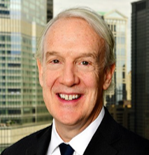
President and Intealth CEO, Intealth, United States of America
As President and Chief Executive Officer of Intealth, Dr Holmboe helps to set the strategic plan for Intealth, an integrated, nonprofit organisation, and its divisions, ECFMG and FAIMER. In addition to ensuring the continuing overall effectiveness of Intealth’s programs, Dr Holmboe is responsible for guiding the development of new opportunities worldwide for Intealth to provide its expertise to support outcomes-based health professions education, assess physician qualifications and abilities, and inform health workforce policy. He represents Intealth to a variety of domestic and international stakeholders, including communities of health care professionals, partners and associations, and governmental agencies. His research interests include studying factors and interventions affecting the quality of health care, methods in the assessment of clinical competence, and the relationship between medical education and health care outcomes.

Principal Lecturer in Medical Education, Imperial College London, United Kingdom
Dr Jo Horsburgh is a Principal Lecturer in Medical Education and works within both the Centre for Higher Education Research and Scholarship (CHERS) and the Medical Education Innovation and Research Centre (MEdIC) at Imperial College London. She is currently the interim Director of MEdIC and is an experienced faculty developer, previously holding leadership positions as course lead for Imperial’s MEd in University Learning and Teaching, and Director of Postgraduate Studies. She holds a BA (Hons) in Psychology and Education, a MEd in Educational Leadership, and Doctorate in Education, and is a Senior Fellow of Advance HE. Her teaching and research interests focus on the professional identity development of medical educators and medical students, learning from role models in clinical contexts, and experiences of belonging and connecting amongst medical students.

PhD, Association of American Medical Colleges, United States of America
Lisa Doyle Howley, PhD is an educational psychologist and a national leader in medical education. She serves as the Senior Director for Transforming Medical Education at the Association of American Medical Colleges (AAMC), where she drives advancements in competency-based medical education (CBME) and fosters innovation in teaching and learning. With more than three decades of experience in academic medicine, Dr Howley has held leadership roles at institutional, regional, and national levels. She currently leads a diverse portfolio and team dedicated to transforming models of teaching and learning across the continuum of medical education. Her work accelerates the adoption of CBME, reinforces the fundamental role of the arts and humanities, advances faculty development, and ensures that new and emerging areas of medicine are effectively integrated into curricula across AAMC’s member schools and teaching hospitals. Dr Howley also holds an adjunct faculty appointment at the University of North Carolina School of Medicine.

Consultant Physician and Geriatrician, Universiti Malaya Medical Centre, Malaysia
Dr Kejal Hasmukharay is a Consultant Physician and Geriatrician at University Malaya Medical Centre. A University of Malaya alumna and Bright Sparks scholar, she sub-specialised in Geriatric Medicine with research interests in immunosenescence, infections, and cognitive frailty. A staunch advocate for healthy aging, Dr Kejal has been instrumental in shaping national health policy. She contributed to COVID-19 infection control training for aged care facilities and co-authored the National Guidelines for Influenza Prevention (2023). Notably, she led the 2025 National Recommendations for Vaccine-Preventable Diseases in Older Adults. Beyond clinical research and academia, she is deeply committed to community empowerment. She is heavily involved in annual caregiver training workshops at the hospital, providing essential skills to both home-based carers and nursing home staff. Awarded the 2021 CHIMERA fellowship in implementation science, Dr Kejal aims to continue to bridge the gap between clinical excellence and practical, community-based aged care.
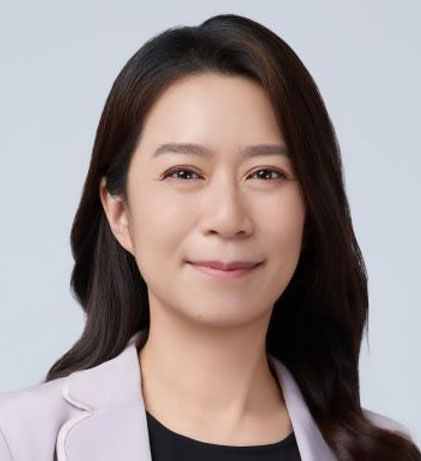
MD, DPhil, MBA, Senior Director, Foundation for Advancement of International Medical Education and Research (FAIMER), United States of America
Ming-Jung Ho, MD, DPhil, MBA, is Senior Director at the Foundation for Advancement of International Medical Education and Research (FAIMER), Adjunct Professor of Family Medicine at Georgetown University School of Medicine and Visiting Clinical Professor in the Department of Medical Education at the University of Illinois College of Medicine. A native of Taiwan, she earned her undergraduate degree in Biological Anthropology from Harvard University, MD from the University of Pennsylvania, and a DPhil in Social Anthropology from the University of Oxford. Dr Ho previously served as Assistant Dean for International Affairs at National Taiwan University College of Medicine. She has held leadership roles at Weill Cornell Medicine–Qatar, Georgetown University, and MedStar Health. Her research applies anthropological perspectives to medical education, focusing on professionalism and cross-cultural practice. She has published widely in leading journals and received international awards for her contributions to medical education scholarship and global health professions education.
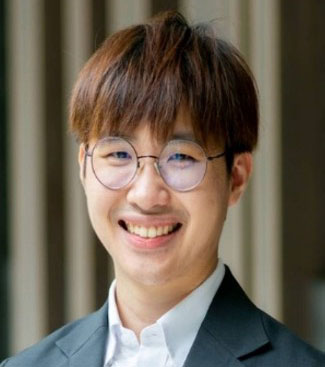
Lecturer and Health Policy and Systems Researcher, Department of Community Medicine, Faculty of Medicine Ramathibodi Hospital, Mahidol University, Thailand
Natthawut Iangtanarat is a Lecturer and Health Policy and Systems Researcher at the Department of Community Medicine, Faculty of Medicine Ramathibodi Hospital, Mahidol University. After completing his medical degree, he fulfilled a three-year government-bonded service as a general practitioner before transitioning into health policy and systems research. He teaches medical students in Years 3, 5, and 6 through experiential learning in community settings — covering health systems, health promotion, and quality improvement — to fulfil health systems science competencies. His research centres on value-based care, weaving together care delivery redesign, performance measurement, and payment incentives to optimise the Quadruple Aim: better patient experience, improved population health, lower per-capita costs, and enhanced clinician wellbeing. Beyond academia, he serves as Assistant Secretary-General of the Thailand National Health Foundation (NHF), bridging research evidence and policy, including drafting the National Health Assembly statement on proactive Thai health systems amidst geopolitical turbulence.
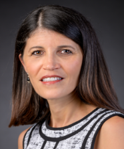
Vice President, Accreditation Council for Graduate Medical Education, United States of America
Dr Ibrahim is Vice President, International Outreach for the Accreditation Council for Graduate Medical Education. She is a board-certified internist with more than 25 years of experience in undergraduate and post-graduate medical education. As Chair of Academic Affairs and the founding designated institutional official and internal medicine residency programme director at Tawam Hospital in Abu Dhabi, United Arab Emirates (UAE), she spearheaded the institution’s initial achievement of ACGME-I accreditation. Most recently, she served as Associate Dean for Clinical Affairs at Khalifa University, where she oversaw clinical training and the transition to residency. She has served on multiple international advisory committees in medical education and has held editorial leadership roles, including associate editor of The Journal of Graduate Medical Education and deputy editor of Teaching and Learning in Medicine. Her own research focuses on the globalisation of medical education, with particular emphasis on developing culturally relevant professionalism curricula.
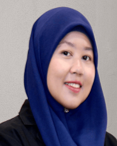
Assistant Dean of Teaching & Citra, Universiti Kebangsaan Malaysia, Malaysia
Dr Noor Akmal Shareela Ismail is a Senior Lecturer and Assistant Dean (Teaching & Citra) at the Faculty of Medicine, Universiti Kebangsaan Malaysia (UKM). She is an established medical educationist with a strong focus on artificial intelligence–enhanced learning, curriculum innovation, and technology-integrated assessment. Dr Akmal holds a Master’s degree in Medical Education and has led multiple initiatives to transform undergraduate medical training through AI-enabled teaching assistants, virtual patient simulations, and active learning strategies. Her scholarly work centres on aligning digital innovation with sound learning science, including experiential learning, self-directed learning, and holistic competency development. She is actively involved in faculty development, educational research, and international collaborations in AI in medical education. Through her leadership, she advocates for mindful, ethical, and evidence-based integration of emerging technologies to prepare future-ready, reflective healthcare professionals.
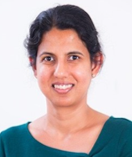
Senior Medical Educator, Royal Australian College of General Practitioners, Australia
Dr Adareeka Jayasinghe is a Medical Educator and General Practitioner in Brisbane, Queensland. She is a Senior Medical Educator in Assessment for the Royal Australian College of General Practitioners and a Senior Lecturer in the Faculty of Health, Medicine and Behavioural Sciences at the University of Queensland. She has a passion for supporting doctors through all stages of their general practice training journey.
Educational Assessments Lead, The Chinese University of Hong Kong, Hong Kong S.A.R.
Yan has 2 decades of assessment experience and is an expert at Item analysis. Her skills in building AI based assessments is unparalleled.

Professor, Weill Cornell College of Medicine, United States of America
Dr Jirasevijinda is a faculty member in General Academic Paediatrics and Director of Paediatric Undergraduate Medical Education. He cares for children as an inpatient hospitalist and provider in the General Paediatric Clinic, and strives to provide humanistic, patient-centred and culturally effective care as well as provide shared-decision making. In addition to his work at New York-Presbyterian Hospital/Weill Cornell Medical Centre, Dr Jirasevijinda serves as Editor Emeritus for the Journal of Communication in Healthcare where he remains Section Editor for the Patient Voices Section. He is an active member of the teaching subcommittee of EACH – International Association for Communication in Healthcare (tEACH). Dr Jirasevijinda’s scholarly efforts have focussed on health professions education, including innovative curriculum, mentoring, assessment and educational scholarship. He received the Fulbright Faculty Scholars award for the 2021-22 academic year. After a Fulbright Faculty exchange program in Thailand, he also joined one of their medical schools as consultant.
Director, Medical Education Development, Global Consulting, United States of America
Dr Elizabeth Krajic Kachur is Director of Medical Education Development, Global Consulting, based in New York City. She consults internationally across curriculum design, faculty development, learner assessment, and programme evaluation in health professions education. She has extensive expertise in performance-based assessment, working with Standardized Patients since 1982 and OSCEs, OSTEs, and related formats since 1986. Her work spans communication skills, cultural competence, professionalism, and other core competencies, delivered through in-person, virtual and blended modalities. With a background in Clinical Psychology, Dr Kachur has a strong scholarly interest in psychological safety. After academic roles at Albert Einstein College of Medicine, Interfaith Medical Centre, and New York Medical College, she became an independent consultant in 1997. She has published widely, co-edited a book on OSCEs, and presented at over 200 international conferences.

Head, Division of Developmental Paediatrics, University of Toronto, Canada
Dr Anne Kawamura is a developmental paediatrician at Holland Bloorview Kids Rehabilitation Hospital. Her clinical focus is with children who have complex medical and developmental disorders with a special interest in children with cerebral palsy and neuromotor disabilities. Dr Kawamura is also the Head of the Division of Developmental Paediatrics at the University of Toronto. She is a graduate of the Education Scholars Program through the Centre for Faculty Development and completed her Master’s of Health Professions Education at the University of Illinois in Chicago. She is currently pursuing her PhD in Health Professions Education Research at the University of Toronto.

Lecturer, The University of Hong Kong, Hong Kong S.A.R.
Dr Khong is a Lecturer / Digital Education Consultant at the School of Clinical Medicine and School of Biomedical Sciences at The University of Hong Kong (HKU). Her involvement in medical education ranges from transdisciplinary projects to incorporating blended learning into the curriculum through modified flipped classrooms, redesigned online learning environments, and optimised educational technology. She is especially passionate about exploring the possibilities of student-educator partnership in teaching and learning, where students and faculty collaborate to co-design curriculum and pedagogy. She advocates using the transformative potential of student-educator partnership in shifting learning perspectives and bringing about student-centred improvements to a curriculum. She is spearheading the student-educator partnership initiatives across HKU’s Medical Faculty. Her team’s initiative on formalising student-educator partnerships in curriculum/pedagogy co-creation and cross-disciplinary learning received Global Awards in QS Reimagine Education Awards 2023 and 2024, and multiple teaching innovation awards globally and locally.
Staff Physician, KK Women’s & Children’s Hospital Pte Ltd, Singapore
Dr Khoo Su Ann is a Staff Physician in the Department of Emergency Medicine at KK Women’s and Children’s Hospital (KKH), Singapore, with board certification in Paediatrics (MRCPCH (K); MMed Paediatrics) and a Master’s in Medical Education from the University of Dundee. She is a clinical lecturer across the three medical schools in Singapore and serves as a member of KKH Education Council and Quality Improvement committee. She holds core committee roles in the Centre of Interprofessional Healthcare Education (CIPHE), Centre for Healthcare Education and Research Scholarship (CHERS), and Centre of Healthcare Professional Educator Development (CHPED). Her contributions as a clinician educator have been recognised with the SingHealth Excellence Distinguished Educator Award (2025), the AMEI Golden Apple Award for Outstanding Young Educator (2024), and SingHealth RISE Award (2023). Her publications, programmes and scholarly interests span across feedback, learning culture, interprofessional education and collaboration, communication and coaching skills among healthcare professionals.

Associate Dean, Educational Partnerships, Imperial College London, United Kingdom
Dr Emma Keeling is the Associate Dean for Education Partnerships. She is the academic lead for LKCMedicine. Emma has led the development of the Pears Cumbria School of Medicine, a partnership with University of Cumbria. The school opened in 2025 with an initial intake of 50 students. Emma joined the London Office of LKCMedicine in 2018. Emma was part of the curriculum development team and led the curriculum review and renewal process for the first 2 years of the MBBS programme. Emma is practising clinician, working as a general practitioner in Buckinghamshire alongside her academic role. Emma holds a Master’s in Education from Imperial College and is a Fellow of the Higher Education Academy. She is an external examiner to the Kent and Medway Medical School. Emma’s interests include educational collaboration, international medical education, curriculum design and digital learning.
PhD, New York University, United States of America
My scholarly contributions advocate for improved learning environments embedded across health services. I study curricular innovations across health professions training, focusing on healthcare delivery systems, organisational learning, and decentralised approaches to improve physician learning, patient outcomes, and community health. My research incorporates systems-level theories as a conceptual framework coupled with multi-level analytics to examine the impact of structural factors from policy decision-making. I have extensive experience with extramural funded research, having successfully ascertained and managed NIH, HRSA, and foundational funding to research institutes, community health centres, and educational programs.

Psychiatry Registrar, Monash Health, Australia
Marie Kitano is a psychiatry trainee at Monash Health, Australia. She served as International Medical Graduate (IMG) Officer of the health service for two years, representing and supporting IMGs through initiatives focused on workplace inclusion, wellbeing and professional development. In this role, she introduced new initiatives to support IMG education and engagement. As IMG Officer, she was a member of the Junior Medical Advisory and Redesigning Committee (JMARC), where she contributed to representing junior medical staff interests and facilitating communication between trainees and hospital leadership on matters relating to welfare, clinical work, education and training. Marie is also engaged in medical student education as a part-time adjunct lecturer at Institute of Science Tokyo, Japan. She is involved in delivering teaching sessions, supporting clinical skills development, and mentoring students.
Assistant Professor of Emergency Medicine and Paediatrics, Harvard Medical School, United States of America
Jean Klig, MD is an Assistant Professor of Emergency Medicine and Paediatrics at Harvard Medical School, Staff Physician and Director of Medical Student Paediatric Emergency Medicine Programs at Massachusetts General Hospital. As founder and director of the Harvard Medical School Clinical Learning Coaching Program, she has guided student learning support for years. She leads workshops in coaching, empowering learners, and remediation in health professions education and remains committed to improving the experiences for all learners.

Research Assistant, National University Health System Pte Ltd, Singapore
Juanita Kong is a Research Assistant in the Department of Pharmacology and a key team member of the Virtual Integrated Patient (VIP) initiative. Her work focuses on the design and implementation of AI-enabled, technology-enhanced learning experiences for health professions education, with particular emphasis on conversational agents and no-code solutions that are accessible to educators. She works closely with academic staff to translate educational theory into practical tools that support clinical reasoning, feedback, and reflective learning, and is especially interested in the ethical and pedagogically sound integration of generative AI in medical and healthcare education.

Senior Vice President, Intealth; and Executive Director, FAIMER, United States of America
Dr Konopasek is Executive Director of FAIMER and Senior Vice President at Intealth, where she leads FAIMER’s global programmes, research, data initiatives, and partnerships supporting international medical graduates and the health professions worldwide. She works closely with executive leadership to align FAIMER’s strategy with Intealth’s vision and goals. Before joining Intealth in 2024, she was Senior Associate Dean for Education at the Frank H. Netter MD School of Medicine at Quinnipiac University, overseeing undergraduate and graduate medical education. Her prior roles include Director for Physician Engagement and Well-Being and Designated Institutional Official at New York-Presbyterian Hospital, and Associate Dean for Medical Education at Weill Cornell Medicine–Qatar. Her work spans the full medical education continuum, with extensive international faculty development focused on capacity building. She has held national leadership roles, served on the ACGME Task Force on Physician Well-Being, and trained in paediatrics at Massachusetts General Hospital.

Professor Emeritus, University of Rochester, United States of America
Michael (Mick) Krasner, MD, FACP, is Co-Chief Medical Officer and Vice President of Education at EmPRO Insurance Company and Professor Emeritus of Medicine at the University of Rochester. For more than 25 years, he has taught mindfulness-based programmes to patients and health professionals worldwide. He directed the landmark Mindful Communication project (JAMA, 2009), which led to the creation of the internationally recognised Mindful Practice in Medicine programmes that he co-directs, including global Centres of Excellence and multi-year facilitator training. His research has examined the effects of mindfulness on immune function, chronic illness, and caregiver stress. He hosts the podcast Flourishing in Medicine and is Executive Producer of the documentary The Healer’s Journey, following five medical students’ professional identity formation. A graduate of UC Berkeley and UC San Diego School of Medicine, he completed Internal Medicine and Paediatrics training at Rochester, where his career has focused on cultivating attention, reflection, and healing relationships.
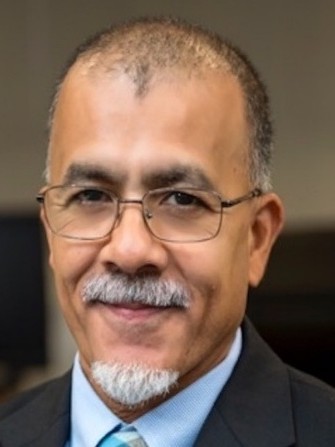
Professor, Northern Hospital, Australia
Professor Kumta has had a distinguished career in the Education Deanery of the Chinese University of Hong Kong. He has led IDEAL, as the Chairman of this consortium of medical schools that have built up an impressive Bank of High-Quality Assessment Items. Professor Kumta’s practical experiences and his innovative approaches towards education have been instrumental in opening up novel methods of formative and summative assessments.
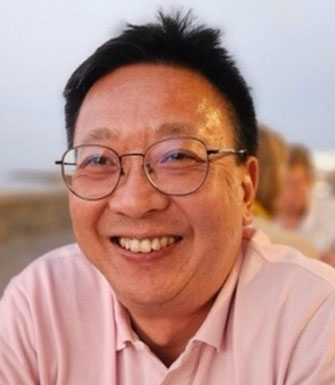
Senior Consultant, Department of Emergency Medicine, Tan Tock Seng Hospital, National Healthcare Group, Singapore
Associate Professor James Kwan is a Senior Consultant in the Department of Emergency Medicine at Tan Tock Seng Hospital, Singapore and a core clinical faculty member of the NHG Emergency Medicine residency program. He serves as Chair of the Academic Committee, a member of the Finance, Risk and Governance Committee, and the Past Chair of the Core Curriculum and Education Committee at the International Federation for Emergency Medicine (IFEM). James is also a Council Member of the College of Clinician Educators and a former Council Member of the College of Emergency Physicians, Academy of Medicine, Singapore. He holds adjunct associate professor appointments at the Yong Loo Lin School of Medicine, National University of Singapore, and the Lee Kong Chian School of Medicine, Nanyang Technological University. Passionate about medical education, James has led curriculum development, assessment and faculty development initiatives for undergraduate and postgraduate programs at both national and international levels.
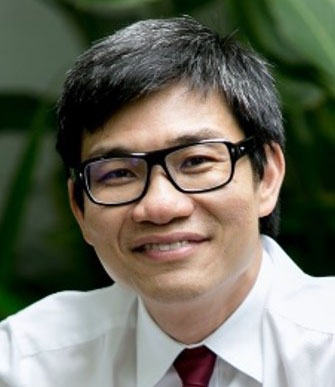
Chair, Centralised Institutional Review Board, SingHealth;
Editor, Proceedings of Singapore Healthcare, SingHealth Academy;
Vice-Chair (Education), Pathology Academic Clinical Programme, SingHealth Duke-NUS AMC;
Associate Professor, Duke-NUS Medical School;
Senior Consultant, Department of Anatomical Pathology, Singapore General Hospital
Dr Lai is Senior Consultant at Department of Anatomical Pathology, SGH and Vice-Chair (Education), Pathology ACP at SingHealth, where he served as pioneer pathology residency director from 2008 to 2016. He is Associate Professor at Duke-NUS Medical School where he was Lead for Phase 1 and Assistant Dean for Pre-clinical Integration of the MD programme until 2016. In 2022, Dr Lai was appointed Chair of the SingHealth Centralised Institutional Board.

Senior Assistant Director, Centre for Medical Education (CenMED), Yong Loo Lin School of Medicine, National University of Singapore (NUS), Singapore
Dr Lee Shuh Shing is a medical educationalist at the Centre for Medical Education (CenMED), Yong Loo Lin School of Medicine, National University of Singapore (NUS Medicine). Holding a PhD in Education, she has extensive experience in higher education and medical education. Dr Lee leads CenMED’s research team, spearheading collaborative research initiatives both locally and internationally. She serves as the managing editor of The Asia Pacific Scholar (TAPS) journal, which has recently been indexed in Web of Science and SCOPUS. She has also developed local and international medical education elective programmes for medical students. Her research focuses on students’ cognition, teaching and learning, and qualitative research methodologies. As an active contributor to the academic community, Dr Lee serves on the editorial boards of several journals, is a member of the BEME Council, and has published numerous articles and book chapters.
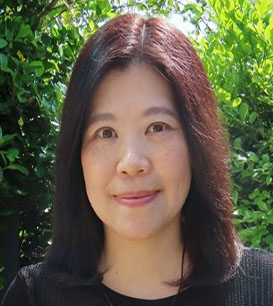
Senior Lecturer, Li Ka Shing Faculty of Medicine, The University of Hong Kong, Hong Kong S.A.R.
Dr Pauline Luk is a multidisciplinary medical educator in medical humanities, medical education, and health communication at the LKS Faculty of Medicine, The University of Hong Kong. She holds a PhD in Communication and New Media from the National University of Singapore. Working within the Medical Ethics and Humanities Unit and the Bau Institute of Medical and Health Sciences Education, she designs and facilitates medical humanities, interprofessional education, and problem‑based learning. Her innovations include game‑based sessions on health inequalities, a history of medicine walking tour, and mindfulness‑based workshops that foster empathy and professional identity formation. As an education scholar, she has led Teaching Development Grant projects on student‑directed learning, gamification, and student–teacher partnerships, with impact shared through presentations and publications. She mentors students in award‑winning projects and collaborates closely with colleagues and community partners across health disciplines and local NGOs. She has been awarded a Faculty Teaching Medal in 2024.

Senior Lecturer, Yong Loo Lin School of Medicine, National University of Singapore, Singapore
Dr Nathasha Luke is a Senior Lecturer and Deputy Education Director (Medicine and Health Professions) in the Department of Physiology at the Yong Loo Lin School of Medicine, National University of Singapore. She is a clinician and educator involved in undergraduate teaching across Medicine, Pharmacy, and Life Sciences, and contributes actively to curriculum design, assessment, and interdisciplinary health professions education. She is also a Resident Physician at Ng Teng Fong General Hospital and a member of the School’s Curriculum Implementation Task Force. Her academic interests include blended learning, curriculum innovation, and the integration of artificial intelligence into medical education. She was awarded the Yong Loo Lin School of Medicine Teaching Excellence Award (Individual) in 2025 in recognition of her contributions to teaching and learning.
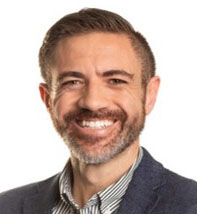
Senior Lecturer, University of Auckland, New Zealand
Dr Mataroria Lyndon is an indigenous clinician, academic, and governance leader. He is a Senior Lecturer in Medical Education at the University of Auckland, and a co-founder of Tend Health, one of New Zealand’s largest primary care providers. His previous leadership roles include Health Equity Lead at Mahitahi Hauora Primary Health Organisation and Medical Lead for Māori Health at Counties Manukau District Health Board. A Fulbright Scholar, he holds a Master of Public Health from Harvard University and a PhD in Medical Education. His research interests include cultural safety in health professions education, population health and equity, Māori (indigenous) health, and data and digital innovation. Dr Lyndon currently serves as co-chair for Pūtahi Manawa, the Centre of Research Excellence for heart health. He previously served as Deputy Chair of the Health Promotion Agency, and as a board member of Northland District Health Board and Te Aka Whai Ora – Māori Health Authority.
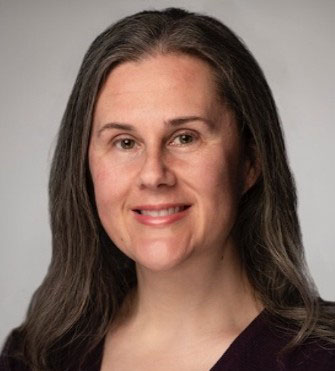
Professor and Director of Research, University of Illinois, United States of America
Lauren Maggio, PhD is a Professor and the Director of Research in the Department of Medical Education at the University of Illinois College of Medicine. Dr Maggio holds a PhD in Health Professions Education (HPE) from the University Medical Centre Utrecht. Her research aims to understand how health professionals and learners access, evaluate, and use information, including information generated by AI, in clinical and educational settings, with the goal of improving decision-making, learning, and patient care. Dr Maggio has authored over 200 peer-reviewed publications and has led and collaborated on numerous grant-funded projects. Methodologically, Dr Maggio’s research is grounded in qualitative and mixed methods approaches, allowing the capture of complexity, user experience, and implementation challenges. Currently, Dr Maggio is the Editor-in-Chief of MedEdPORTAL, the Association of American Medical Colleges’ journal of teaching and learning and serves on the editorial boards of Academic Medicine and Perspectives on Medical Education.
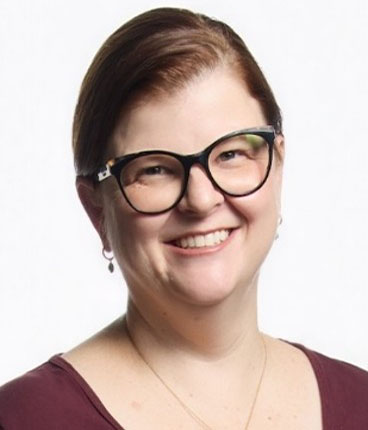
Academic Director, Primary Care and Family Medicine and Faculty Lead, Lee Kong Chian School of Medicine, Nanyang Technological University, Singapore
Jo‑Anne Manski‑Nankervis is an Associate Professor at the Lee Kong Chian School of Medicine (LKCMedicine), Nanyang Technological University, a Principal Clinician Scientist at NHG Polyclinics, and a Professorial Fellow in the Department of General Practice and Primary Care at the University of Melbourne. She is a primary care clinician‑researcher with expertise in health services research and implementation science. She serves as Academic Director of Primary Care and Family Medicine and is Faculty Lead of OPEN – the Office of Patient Engagement at LKCMedicine, where she advances meaningful patient and public involvement (PPI) across education, research, and clinical innovation. Her research focuses on improving the quality and effectiveness of primary care, with particular interests in data‑driven decision‑making, cancer risk assessment, and translating evidence into routine practice. She co‑leads national initiatives in Singapore to build capability and guidance for embedding PPI in population health and primary care research, multidisciplinary collaboration and research leadership.
Consultant, Khoo Teck Puat Hospital Pte Ltd, Singapore
Assistant Professor David Mathew is an Anaesthesia Consultant with Khoo Teck Puat Hospital. He is also the Deputy Head of Clinical Practice & Patient Safety at LKC Medicine. He serves as a member of the Medical Humanities Working Group with LKC Medicine and leads the Humanities Special Interest Group with the Singapore Society of Anaesthesiologists. In LKC Medicine, he is also involved in the curation and delivery of the Medical Humanities curriculum and lessons. He is passionate about inculcating the humanities into clinical practice and has published pieces of medical poetry and narratives in journals such as JAMA and Anaesthesiology to name a few. He hopes to develop the humanistic side within healthcare professionals and clinicians as they traverse through the science of their practice. In turn, this will help them to embrace the challenges within the profession as well as help them resonate with their patients and diseases.
Head, International Medical Education, University of Western Australia, Australia
Scott is the Head of International Medical Education and Sub-Dean at The University of Western Australia Medical School. He is an experienced medical and health professions educator developing and delivering award winning curricula in the broad field of Health, Medicine and Society. Scott is a collaborative educator delivering student-centred, solution-oriented and community contextualised curricula. He has over 8 years’ experience as a leader in recruitment and support of International Health students into Australian Higher Education and has expertise in selection, admissions and student diversity. He understands the impact the current pandemic has had on international health students and their respective institutions and is implementing a COVID-normal international Applicant-to-Alumni strategy at UWA medical school.
Assistant Professor of Medicine, Duke University of Medicine, United States of America
Marion McCrary MD FACP FAMWA NBC-HWC is an assistant professor and a primary care internal medicine physician at Duke University School of Medicine and serves as the Associate Director of the Duke Graduate Medical Education Professional Development Coaching program. She is the Governor for the North Carolina chapter of the American College of Physicians (ACP) and Chair-elect for the ACP Board of Governors. She serves as an ACP Well-being Champion and Peer Coach. She is an Emeritus Co-Director for the American Medical Women’s Association’s (AMWA) EVOLVE Certificate in Leadership program for physicians in training and Lead Faculty for the AMWA ELEVATE Leadership Program. She is passionate about facilitating well-being and leadership development for physicians. Her mission is to create opportunities for physicians to focus on themselves, to empower them to determine and advocate for what they need, and then to arm them with the tools to create a flourishing career.

Medical Student, Ramathibodi Hospital Medical School, Mahidol University, Thailand
Siriya Mektavepong is a medical student at the Faculty of Medicine Ramathibodi Hospital, Mahidol University, with a focus on medical education and institutional leadership. Her work examines the intersection of curriculum development and the evolving digital requirements of modern healthcare systems. She has been involved in several student-led initiatives, including the coordination of a medical student hackathon and the implementation of mission-based frameworks within student governance. Through these projects, she explores the role of learner-partnered approaches in navigating change within academic health centres.

Professor, University of Toronto; and Staff Physician, Critical Care Medicine, Sick Kids Hospital, Canada
Dr Briseida Mema is a staff physician in the Department of Paediatric Critical Care Medicine (PCCM) at SickKids Hospital and a Professor of Paediatrics at the University of Toronto. She is the Programme Director for PCCM at the University of Toronto and Associate Chief of Education for Perioperative Services at Sick Kids. She has received several awards for teaching excellence as a trainee and faculty member. Her interests include teaching skills through simulation, transfer of learning from simulation to clinical context, and assessment. She chairs the national PCCM simulation programme, TACTICS. She was the recipient of the University of Toronto Medical Humanities Education Grant from 2019 to 2025 and leads a Medical Humanities curriculum for trainees and faculty in PCCM to support the lifelong journey of Professional Identity Transformation. She has facilitated close to 100 workshops on faculty development internationally and nationally in topics od simulation, assessment and medical humanities.

Professor of Epidemiology and Public Health; and Deputy Dean (Research), Faculty of Medicine, University of Malaya, Malaysia
Dr Noran Hairi serves as Deputy Dean for Research at the Faculty of Medicine, Universiti Malaya, and holds the position of Professor of Epidemiology and Public Health. Dr. Noran’s scholarly work centres on the epidemiology of ageing, with particular emphasis on sarcopenia, frailty, and elder abuse. She spearheaded the Prevent Elder Abuse and Neglect Initiative (PEACE), which established financial exploitation as the most prevalent form of elder mistreatment and informed national calls for a strengthened elder protection framework. Subsequent phases, PEACE 2.0, in collaboration with AKPK (Credit Counselling and Debt Management Agency), under Bank Negara Malaysia, and PEACE 3.0, in partnership with the World Health Organization, have advanced the development and evaluation of elder abuse intervention and assessment tools. Dr Noran remains steadfast in her commitment to elder protection, the elimination of age discrimination, and the promotion of social inclusion among older adults.

Associate professor, Departmental Director of Education, Department of Medical Epidemiology and Biostatistics, Karolinska Institutet, Sweden
Riitta Moller, Associate professor, MD, PhD, MME, FAMEE is Departmental Director of Education at the Department of Medical Epidemiology and Biostatistics, Karolinska Institutet, and Senior Consultant at the Department of Otolaryngology, Karolinska University Hospital, Stockholm, Sweden. Dr Moller has held several educational leadership roles at Karolinska including Chair of Scientific Thread and Program Director for the medical program, and has served on national and international committees and working groups involved in quality evaluation of health professions education programs. She has been an external reviewer of medical programs for Swedish, Finnish and Norwegian higher education authorities. Her work spans curriculum design, simulation based learning, research education for medical students, faculty development with a particular focus on assessment. She has authored numerous articles and delivered oral, poster and workshop presentations at national and international conferences. She received Karolinska Institutet’s Pedagogical Prize in 2024 and was awarded the Karolinska Institutet student award Master Teacher in 2007. Her research interests include medical students research education, assessment, and curriculum design.
Professor and Chair, Education, Innovation and Technology; Thomas R. Powers Distinguished Chair of Educational Outreach, Baylor College of Medicine, United States of America
Dr Moreno is Professor and Chair of the Huffington Department of Education, Innovation & Technology, Thomas R. Powers Distinguished Chair of Educational Outreach, and past Associate Provost of Faculty Development and Institutional Research. An internationally recognised science educator, she aims to strengthen science and health education and literacy at all levels. Her scholarly work focuses on outcomes-driven curriculum development, learner-centred teaching, programme evaluation, education partnerships, technology applications and educator development. She is an elected Fellow of the American Association for the Advancement of Science (AAAS), won the AAAS Science Prize for Online Resources in Education and received Baylor’s most prestigious award for faculty contributions. She has given more than 100 international and national invited presentations and authored over 160 published works. She earned her BA from the University of Wisconsin-Madison, MSc from the Instituto Nacional de Investigaciones sobre Recursos Bióticos in Xalapa, Mexico, and her PhD from Rice University.

Senior Lecturer in Medical Education and Consultant ENT Surgeon, University of Kelaniya, Sri Lanka
Dr MTD Lakshan is a board-certified Consultant ENT and Head & Neck Surgeon (MBBS, MS, DOHNS, FEB ORL-HNS, FRCSEd ORL-HNS) with over 25 years of clinical practice and medical education experience. He serves as Honorary Senior Lecturer in Medical Education at the Faculty of Medicine, University of Kelaniya, Sri Lanka, and heads the Nawaloka Hospital Research and Education Foundation. He is also a Director of Nawaloka Hospitals PLC. His academic work integrates evidence-based cognitive science, AI-enhanced pedagogy, and contemplative attention practices informed by over 20 years of Buddhist mindfulness practice. He founded Infinite Learner AI (ilai.academy) to develop structured programs that help medical professionals master learning in the AI era without compromising cognitive depth. He regularly presents on AI in medical education at regional and international conferences and publishes on the intersection of learning science and AI through the Infinite Learner AI Substack.
Deputy Director, MSc in Medical Pharmacology programme, Yong Loo Lin School of Medicine, National University of Singapore, Singapore
Nurulhuda Mustafa is Deputy Director of the MSc in Medical Pharmacology programme at NUS Medicine and an experienced curriculum developer in pharmacology education. She plays a key role in designing clinically relevant, industry-aligned learning experiences that bridge foundational science with real-world application. Passionate about innovative pedagogy, she works closely with faculty to integrate emerging technologies into teaching in ways that enhance engagement while maintaining academic rigour. In her workshop, she contributes an educator’s perspective on implementing AI thoughtfully within postgraduate education, ensuring that technological adoption supports meaningful learning and professional formation.
Associate Professor, St. Luke’s Medical Centre, Philippines
Working at the intersection of values education and clinical care, Dr Maria Liza T. Naranjo is a faculty in the Department of Medical Ethics, Professionalism, and Humanities at St. Luke’s Medical Centre College of Medicine, and a paediatric haematologist and paediatric palliative care advocate at the National Children’s Hospital, Philippines, where she leads the development of the first Paediatric Palliative Care Fellowship Training Program in the Philippines. With over two decades of experience in patient engagement and advocacy, her work spans clinical care, education, and program development in haematology and paediatric palliative care. Her educational practice centres on reflective learning in complex clinical environments, with a focus on navigating uncertainty, addressing moral distress, and supporting professional identity formation through interprofessional collaboration, while grounding training in patient and family perspectives and translating these into clinical programs and fellowship education.

Assistant Professor, Huffington Department of Education, Innovation and Technology and the School of Health Professions, Baylor College of Medicine, United States of America
Dr Newell is an Assistant Professor in the Huffington Department of Education, Innovation and Technology and the School of Health Professions at Baylor College of Medicine. She specialises in educational research and evaluation, with a focus on advancing high-quality science and health professions education and scholarship at BCM and beyond, through curriculum design, faculty development, and broadening participation in biomedical and health professions education. Her scholarship and educational practice emphasise outcomes aligned curriculum, design-based approaches to teaching and learning, and the preparation of educators and learners for careers in science and medicine. Dr Newell has led multiple curriculum design initiatives and faculty workshops focused on backward design and regularly supports faculty and program teams in developing adaptable, outcomes aligned, evidence informed curricula that respond to evolving disciplinary and learner needs. She earned her BA from Rice University, and her MEd and PhD from the University of Houston.

MBBS student, The University of Hong Kong, Hong Kong S.A.R.
Ms Hayley Ng is a medical student at the LKS Faculty of Medicine, The University of Hong Kong (HKUMed). She is an Associate Fellow of Advance HE and currently serves as a Student Associate in the Medical Ethics and Humanities Unit at HKUMed. She also holds a bachelor’s degree in Anthropology from the University of Pennsylvania. Passionate about medical humanities and medical education, she is committed to bridging these interests through educational initiatives that promote medical humanities among medical students. She believes in teaching as a form of learning and values meaningful student involvement in curriculum design. At HKUMed, she has contributed to the student–educator partnership initiative by designing teaching materials, tutoring junior medical students, and collaborating on an award winning, game based intervention to raise awareness of healthcare inequalities. Her work also explores the pedagogical potential of anatomical dissection in professional development, earning academic recognition.
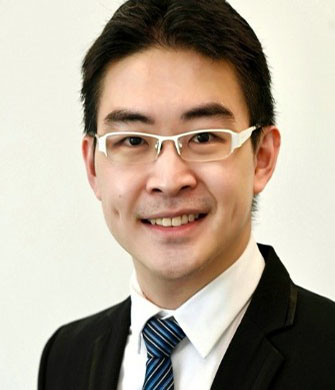
Consultant Paediatrician and Adjunct Assoc Professor, National University Health System Pte Ltd, Singapore
Dr Nicholas Ng is a Consultant Paediatrician at National University Hospital, Singapore, and Adjunct Associate Professor at the Yong Loo Lin School of Medicine, National University of Singapore. He serves as Program Director of the NUHS Paediatric Residency Program and is a core faculty member with the Office for Students. His academic interests include learner support systems, academic mentoring, and cultivating resilience and growth in health professions education. He is actively involved in mentoring students and junior doctors navigating academic and professional challenges. Dr Ng has received multiple institutional teaching awards for excellence in medical education.

Lecturer, Lee Kong Chian School of Medicine, Nanyang Technological University, Singapore
Olivia Ng, Ph.D., is a Lecturer in Medical Education, Assessment and Analytics at LKCMedicine, Singapore and a Health Professions Educator at the National Healthcare Group, Singapore. Her research interests include innovative assessment methods, learning analytics, and technology-enhanced learning in medical education. She has led the development of a learning progress dashboard to support programmatic assessment, enabling longitudinal tracking of student performance and more meaningful, data-informed feedback. She is also a Fellow of the Higher Education Academy (FHEA).
Consultant, National University Health System Pte Ltd, Singapore
Dr Ivy Ng is a Radiation Oncologist based in Singapore and serves as the Training Network Director for the Royal Australian and New Zealand College of Radiologists (RANZCR) Radiation Oncology training programme in Singapore. She is actively involved in postgraduate medical education and curriculum development, with a particular interest in how complex clinical skills are learned and refined in practice. Her educational work focuses on the development of expertise in radiation oncology, including the design of deliberate practice approaches for technical competencies such as contour delineation. She has presented her work at international conferences including the American Society of Clinical Oncology (ASCO) and the International Association for the Study of Lung Cancer (IASLC). Dr Ng is passionate about creating meaningful learning experiences that make the path to expertise more visible for trainees. She is currently pursuing further training in health professions education to deepen her work as a clinician-educator.
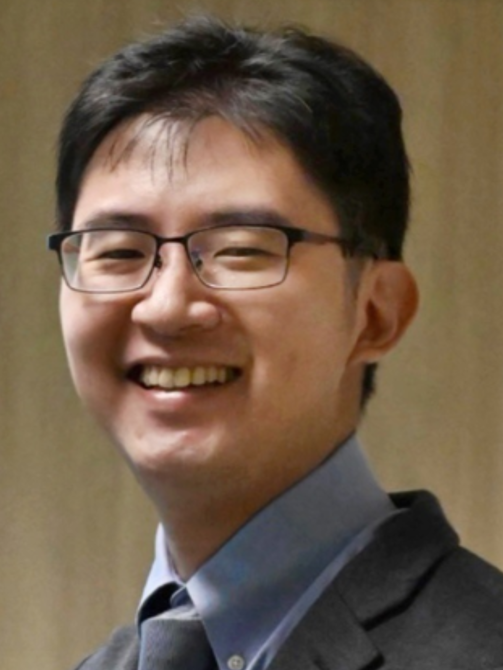
Senior Consultant, Department of Emergency Medicine, Tan Tock Seng Hospital, Singapore
Dr Ng Wei Xiang is a Senior Consultant in the Department of Emergency Medicine at Tan Tock Seng Hospital, Singapore, and Programme Director of the National Healthcare Group Emergency Medicine Residency Programme. He is actively involved in undergraduate and postgraduate medical education, serving as a clinical lecturer at the National University of Singapore Yong Loo Lin School of Medicine and NTU Lee Kong Chian School of Medicine. Dr Ng completed a Master of Clinical Simulation at Monash University with Distinction. His educational interests include competency-based medical education, workplace-based assessment, entrustable professional activities (EPAs), and simulation-based training for high-acuity, low-occurrence clinical scenarios. He has received multiple teaching awards, including the NUS Medicine Dean’s Award for Teaching Excellence and the NHG Teaching Award for Senior Doctors. Dr Ng regularly conducts faculty development workshops on assessment and clinical education and has presented educational work at regional and international medical education conferences.

Senior Consultant, National University Health System Pte Ltd, Singapore
Dr Nicola Ngiam graduated from the National University of Singapore and subsequently attained higher academic qualifications in the Master’s of Medicine in Paediatrics (NUS) and MRCPCH (UK). She received postgraduate training in the field of Paediatric Critical Care at the Hospital for Sick Children in Toronto, Canada. She is currently the Director of the Standardized Patient Program, Yong Loo Lin School of Medicine, NUS as well as a Senior Consultant in the Paediatric Intensive Care Unit and Paediatric Palliative Care, Khoo Teck Puat – National University Children’s Medical Institute, National University Health System. She is actively involved in undergraduate and postgraduate education for healthcare professionals in the field of paediatric acute care and communication skills. She has a special interest in standardized patient training, teaching of communication skills and the use of simulation-based teaching methods. She has recently started exploring narrative medicine and its benefits to students.

Researcher, Karolinska Institutet, Sweden
Dr Jonas Nordquist, PhD, is Deputy Director of Residency Programmes at Karolinska University Hospital, where he provides strategic leadership for 47 programmes and more than 700 resident physicians. Internationally recognised for his expertise in medical education, his work focuses on educational leadership and the impact of learning environments on clinical outcomes. He is Founding Director of the KIPRIME (Karolinska Institute Prize for Research in Medical Education) Fellows Programme at Karolinska Institute and a Harvard Macy Scholar at Harvard Medical School. Dr Nordquist has advised the World Health Organization and contributed to educational initiatives in over 40 countries. He co-founded the MedEd on the Edge conference and has co-chaired ICRE since 2016. His scholarly output includes over fifty peer-reviewed articles and multiple books. An interdisciplinary scholar, he collaborates with the BBC and pioneers innovative approaches—such as documentary playwriting and arts-based methods—to advance understanding of clinical learning environments.

Professor, Vanderbilt University School of Medicine, United States of America
Dr Neil Osheroff is Professor of Biochemistry and Medicine, Vanderbilt University School of Medicine, and the John G. Coniglio Chair in Biochemistry. Beyond his research laboratory, he has been a medical school course director since 1990, co-leads the pre-clerkship phase, and is a Past-Director of the Academy for Excellence in Education. He is a Past-President of the Association of Biochemistry Educators and the International Association of Medical Science Educators and is a member of the Steering Committee of the Asia-Pacific Biomedical Science Educators Association. Dr Osheroff has received awards for mentoring, teaching, curricular design, educational leadership, innovation, scholarship, and service, and diversity/inclusion. He is a Fellow of the American Association for the Advancement of Science, the Association for Medical Education in Europe, and the Australia and New Zealand Association for Health Professional Educators. He has published >300 papers and has presented ~500 scientific and educational talks in 46 different countries.

Professor of Family Medicine; and Head, Unit for Social Accountability in Health (SAHUM), University of Malaya, Malaysia
Dr Sajaratulnisah Othman is a Professor of Family Medicine at Universiti Malaya. She leads the Social Accountability in Health Unit, with a focus on strengthening how healthcare responds to complex social needs across the lifespan. Her work bridges clinical care, research, and education. She is the principal investigator of a Universiti Malaya Interdisciplinary Impact Research Grant (IIRG) supporting women and children affected by family violence and leads the PEACE (Prevent Elder Abuse Initiative), which enhances primary care capacity in managing elder abuse. Her research also explores ageing, loneliness, and the early development of social prescribing in Malaysia, alongside advocacy and mindfulness training to support wellbeing among students and healthcare staff. She was awarded the Malaysian Medical Association Award for Clinical Excellence in managing domestic violence in primary care and currently serves as Vice President of the Malaysian Association of Adolescent Health.

Professor of Primary Care and Clinical Education, University of Oxford, United Kingdom
Sophie Park is Professor of Primary Care and Clinical Education and Deputy Head of Department (Undergraduate Education) in the Nuffield Dept. of Primary Care Health Sciences at the University of Oxford. Sophie is a GP. She leads the Primary Care Workforce and Learning Research Group. She is current Chair of the Royal College of General Practice (RCGP) Scientific Foundation Board (SFB) funding panel, Co-Chair of the NIHR Incubator for Clinical Education Research, and Chair Society Academic Primary Care (SAPC) Education Research Group. She is an international advisor to LKC, Singapore on PPI in medical education. She is a strong advocate for patient involvement and partnership in education and research. She recently published an open access book. Generalism in Clinical Practice and Education. Her research explores generalism and workforce sustainability across clinical education, organisation and delivery of primary healthcare, to support equitable and effective patient care, healthcare services and learning systems.
Ilene B. Harris Endowed Professor, University of Illinois, United States of America
Yoon Soo Park is Department Head and Ilene B. Harris Endowed Professor of the Department of Medical Education at UIC-COM. He holds a Ph.D. in Measurement, Evaluation, and Statistics from Columbia University. Park’s experiences include both academic and industry settings, with research interests and experiences across multiple disciplines in psychometrics, biostatistics, educational psychology, and medicine. Park’s research agendas have focused on data science and learning analytics methodologies in health professions education. He has also actively engaged in interdisciplinary social science research, collaborating with diverse researchers and practitioners. His work in the health professions education has advanced the preparation of learners in clinical reasoning and measurement of competencies through validity studies. Park served as Vice President of the American Educational Research Association (AERA; 2018-2021) and Chair of Research in Medical Education for the Association of American Medical Colleges (AAMC; 2019-2020), actively involved in international collaborations, in both research and teaching.
Principal Teaching Fellow, Imperial College London, United Kingdom.
Dr Monika Pazio Rossiter is a Principal Teaching Fellow in Educational Development at the Centre for Higher Education Research and Scholarship (CHERS) at Imperial College London. She serves as Programme Director for the Master’s in University Learning and Teaching and is a module lead for assessment and feedback on the PgCert in Clinical Education. She has led projects and collaborated widely in the areas of technology-enhanced learning, assessment, and feedback. She holds an MA in Applied Linguistics and a PhD in Technology Enhanced Learning and is a Senior Fellow of Advance HE. Her research focuses on cultural influences on feedback, assessment design, and the role of technology in teaching, learning, and assessment.

Senior Consultant, Emergency Medicine, Tan Tock Seng Hospital, Singapore
Dr Phua Dong Haur is a Senior Consultant Emergency Physician at Tan Tock Seng Hospital and an Adjunct Associate Professor at Lee Kong Chian School of Medicine and Yong Loo Lin School of Medicine. Deeply committed to medical education, he serves as Assistant Dean of Assessment at LKCMedicine and Core Faculty for the NHG Emergency Medicine Residency Programme. As Programme Director (2017–2023), he strengthened residency training and continues to mentor faculty and trainees. His contributions were recognised with the NHG Teaching Award (2022) and the NHG Education Leaders Award (2025). Clinically, Dr Phua is trained in toxicology, having completed fellowships in Denver and Taipei, and helped establish a toxicology consultation service supporting complex poisoning cases. His research spans acute poisoning, clinical decision-making, and innovations in medical education, including AI in assessment. He also contributes to national specialist examination review with Singapore’s Ministry of Health.

Associate Professor and Assistant Dean, Yong Loo Lin School of Medicine, National University of Singapore, Singapore
Inthrani Raja Indran is Assistant Dean (Students) at NUS Yong Loo Lin School of Medicine, where she plays a pivotal role in fostering student development and resilience across the undergraduate programme. As a Newfield/Yong Loo Lin School of Medicine Associate Coach, she supports students in navigating the academic and personal demands of medical training. She is also Education Director in the Department of Pharmacology, where she advocates for innovative, evidence-informed teaching and integrates these approaches into the pharmacology curriculum to enhance student learning. As Deputy Advisor for the NUS Medicine Office of Postdoctoral Affairs, Dr Indran supports the personal and professional development of postdoctoral fellows through initiatives that strengthen their growth and contributions to the scientific community. Through her multifaceted roles in education, research, and mentorship, Inthrani aspires to make lasting contributions to medical education and the broader academic community.
Senior Consultant, Ng Teng Fong General Hospital Pte Ltd, Singapore
Dr Seow Choon Sheong graduated from the University of Aberdeen and undertook specialist general surgical training in the West of Scotland, UK. Currently, he is a senior consultant colorectal surgeon based at Ng Teng Fong General Hospital, Jurong Health Campus, NUHS. He is an adjunct assistant professor at the Yong Loo Lin School of Medicine, NUS, with active roles in both undergraduate and postgraduate teachings. He is a core faculty at the General Surgery Residency Program at NUHS. He serves as an examiner in both undergraduate (NUS and LKC School of Medicine) and postgraduate Medicine (Master of Medicine (Surgery), NUS and MRCS under the auspice of the Royal College of Surgeons of Edinburgh). He is winner of the International Scholarship at the Quality & Safety Conference, American College of Surgeons in 2024. He is currently the Chairman, Chapter of General Surgeons, College of Surgeons of Singapore.
FACEHP, FRSM, CHCP, Meducate Global, LLC, United States of America
Lawrence Sherman, FACEHP, FRSM, CHCP, is President of Meducate Global, LLC, a US-based organisation focused on capacity building in health professions education, global education system assessment, and continuing professional development. He also serves as Visiting Professor of Medical Education at the First Affiliated Hospital of Sun Yat Sen University in Guangzhou, China. With over 30 years of experience in medical and interprofessional education, Lawrence has authored numerous scholarly publications and delivered hundreds of presentations worldwide. His work focuses on continuing education, faculty development, and effective communication in healthcare. He is a Fellow of both the Alliance for Continuing Education in the Health Professions and the Royal Society of Medicine. Lawrence has extensive experience moderating workshops, advisory boards, and consensus panels, and is actively involved in global education initiatives, academic journals, and international conferences.

Associate Professor, Alice Lee Centre for Nursing Studies, Yong Loo Lin School of Medicine, National University of Singapore, Singapore
Dr Shorey is an Associate Professor with tenure at Alice Lee Centre for Nursing Studies, National University of Singapore (NUS). Her research programme focuses on family and women’s health. She has designed psychosocial and educational interventions for a varied group of populations. She has conducted both quantitative (e.g. randomised controlled trials, descriptive quantitative studies) and qualitative (e.g. descriptive qualitative) studies and has published more than 190 peer-reviewed papers in high-impact factor journals. She is an expert in qualitative systematic reviews and serves as an editorial board member and reviewer for renowned international peer-reviewed journals. Dr Shorey represents Singapore for the Southeast and East Asian Nursing Education and Research Network (SEANERN) and the Global Working Group (GWG) on Salutogenesis. Dr Shorey has received various awards for her academic and research excellence.
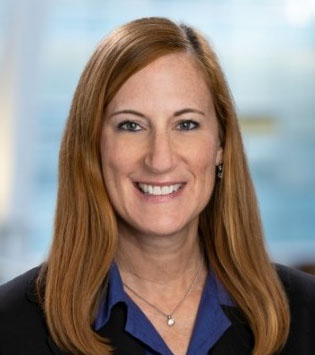
Physiotherapist and Senior Consultant, University of Toronto, Canada
Lynne Sinclair is a Physiotherapist and the Senior Consultant: Partnerships & Innovation at the Centre for Advancing Collaborative Healthcare & Education (CACHE), University of Toronto (UT). She holds an Assistant Professor appointment with the Department of Physical Therapy, Temerty Faculty of Medicine at UT. Lynne was one of the founding leaders that helped create the Centre for Interprofessional Education in 2009 and one of the original faculty developers of the ehpic™ (Educating Health Professionals in Interprofessional Care) program in 2005. She has wide expertise and publications in quality improvement, patient safety, intersectoral communication, and team-based practice. Lynne also served as a member of the Board of Directors for the Canadian Interprofessional Health Collaborative (CIHC) from 2018-2024.

Lecturer, Clinical Skills Department, School of Medicine, International Medical University (IMU), Malaysia
Dr Sunila, with a clinical background in anaesthesiology and sleep medicine, brings a strong foundation in structured clinical assessment, real-time decision-making, effective communication, and patient safety. These experiences shape a practical approach to clinical teaching and assessment. She is currently based in the Clinical Skills Department in IMU University, where Dr Sunila holds the position as the OSCE lead. In this role, she has extensive experience in the design, standardisation, and coordination of progression point OSCEs. Formally trained in simulation-based education, she is actively involved in clinical skills training through structured deliberate practice, feedback, and reflective learning. Dr Sunila also holds a postgraduate certification in Health Professions Education and is currently pursuing a Masters in the field.
Vice President for Well-Being, Accreditation Council for Graduate Medical Education, United States of America
Dr Stuart Slavin is the ACGME’s Vice President for Well-Being. A graduate of Saint Louis University School of Medicine, Dr Slavin completed his residency in paediatrics at the University of California, Los Angeles (UCLA) and then served as a faculty member there for 17 years. Dr Slavin returned to Saint Louis University as Associate Dean for Curriculum in 2004. While there, he led efforts to improve the mental health of medical students that produced dramatic decreases in rates of depression and anxiety in pre-clerkship students. He joined the ACGME in 2018 as a senior scholar for well-being and has helped to lead efforts to improve the mental health of residents, fellows, faculty members, and staff across the US. In addition to his work in graduate medical education, Dr Slavin is engaged in research focusing on mental health of high school, college, and medical students.

Associate Professor; Co-Director and Education Lead, MSc in Medical Pharmacology, Yong Loo Lin School of Medicine, National University of Singapore, Singapore
Judy Sng is an Associate Professor with interests in faculty development, educational leadership, and health professions education. She is an alumnus of the Harvard Macy Institute (HMI) and the Harvard Medical School MMSc in Medical Education programme. Drawing on lessons from HMI, she co-directs and helped develop the education track of the MSc in Medical Pharmacology in Singapore. HMI learning informed her approach to curriculum design, longitudinal faculty development, and the intentional cultivation of a community of practice for clinician educators. Her work emphasises aligning educational innovation with institutional priorities, supporting educators as agents of change, and designing programmes with scalability and sustainability in mind. Through this experience, Judy demonstrates how global faculty development frameworks can be thoughtfully adapted to local contexts, leading to meaningful faculty growth and lasting educational impact. She remains committed to advancing faculty development through reflective, collaborative, and evidence informed educational practice.
Educationist, Hong Kong Academy of Medicine, Hong Kong S.A.R.
Dr So Hing Yu is the Educationist of the Hong Kong Academy of Medicine (HKAM), Honorary Consultant in Intensive Care as well as the Quality & Safety Division of the NTE Cluster, and the Honorary Clinical Associate Professor at the Department of Anaesthesia & Intensive Care in CUHK. He is an ACLS and ATLS Instructor as well for more than 20 years. Dr So is an experienced Anaesthesiologist and Intensivist. He is the immediate Past President of the Hong Kong College of Anaesthesiologists (HKCA) and the Chairman of the Board of Intensive Care Medicine, HKCA. Prior to his master’s degree in MEd, Dr So completed a visiting scholarship, the attachment programme at the Centre of Medical Simulation (CMS) based at Harvard University in Boston, USA. Dr So has been committed to the service at JCIMED since its establishment and be the Course Director of the Comprehensive Simulation Educator Course.
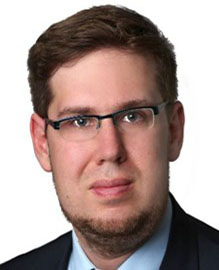
Deputy Director, Institute of Medical Education, University Hospital of LMU Munich, Germany
Matthias Stadler is Professor of Learning Analytics in Medicine (W2 tenure track) at the Institute of Medical Education at the University Hospital of LMU Munich, where he also serves as Deputy Director. He completed his doctoral work on computer-based assessment at the University of Luxembourg. His research focuses on how digital systems, including simulations, adaptive learning environments, and large language models, reshape epistemic processes in medical education. He leads and co-leads multiple projects within the DFG Collaborative Research Centre SHARP, with a particular focus on process data aggregation and the measurement of clinical reasoning across digital learning contexts. He is a member of the Junges Kolleg der Bayerischen Akademie der Wissenschaften.

Director, Master of Health Professions Education, School of Health Professions Education (SHE), Faculty of Health, Medicine and Life Sciences, Maastricht University, The Netherlands
Dr Renee Stalmeijer is associate professor in the department of Educational Development and Research, School of Health Professions Education (SHE), Faculty of Health, Medicine and Life Sciences, Maastricht University, the Netherlands. Trained as an educational scientist, Dr Stalmeijer is the Program Director for the Master of Health Professions Education at SHE. She supervises various national and international PhD candidates at SHE and teaches research methodology specializing in qualitative methodology. Dr Stalmeijer has (co)authored several, very impactful AMEE Guides. Her program of research addresses interprofessional workplace learning and guidance. In 2025 she received the honour of being made a KIPRIME Fellow at the Karolinska Institute, Stockholm Sweden.

Professor, McGill University, Canada
Yvonne Steinert, PhD, is a Professor of Family Medicine and Health Sciences Education at McGill University, Canada, and an internationally recognised leader in health professions education. Her scholarly work has made significant contributions to faculty development, clinical teaching, and the understanding of professionalism in medicine. She has a particular interest in how professionalism is taught, role-modelled, and influenced by cultural context and evolving societal expectations. Dr Steinert has led numerous national and international initiatives focused on enhancing educators’ capacity to teach and assess professionalism across diverse settings. Her research also explores professional identity formation and the impact of learning environments on professional values and behaviours. Widely published and highly regarded, she has received multiple awards for her contributions to medical education. Through her leadership, teaching, and mentorship, she continues to advance culturally responsive and contextually grounded approaches to professionalism in health professions education worldwide.

Medical Student, Faculty of Medicine Ramathibodi Hospital, Mahidol University, Thailand
Suttithan Suwannoppakun is a medical student at the Faculty of Medicine Ramathibodi Hospital, Mahidol University, concurrently pursuing a Master of Engineering in Biomedical Engineering. His work bridges clinical practice, technological innovation, and public health initiatives through systems thinking and interdisciplinary collaboration. As President of the Road Traffic Injury Pitching Challenge (RTIPC) and Vice President of Organizational Development for the Ramathibodi Medical Student Council (RAMSC), he leads student-driven incubators, capacity-building programs, and strategic governance reform. His research focuses on point-of-care diagnostics, specifically developing electrochemical aptasensors for sepsis detection, alongside innovation in medical education, with presentations at international platforms such as the AMEE conference.
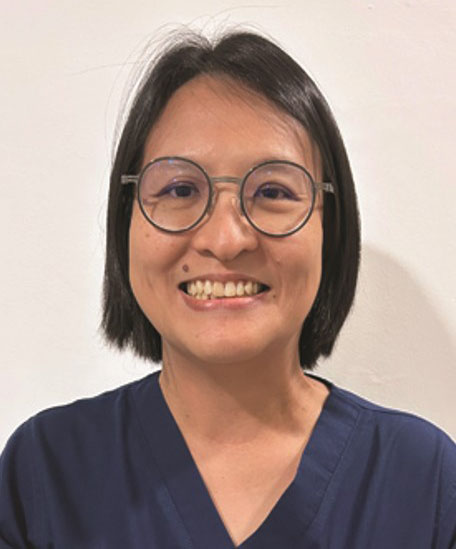
Senior Consultant, Changi General Hospital Pte Ltd, Singapore
Elaine is an emergency physician with an interest in simulation-based education, she is actively involved in multidisciplinary and inter-professional training as well as faculty development courses. She completed her fellowship with the Centre for Medical Simulation in Boston, USA, in 2013 and obtained her Masters in Health Professions Education at Massachusetts General Hospital Institute of Health Professions, USA in 2020.
Senior Consultant, National Neuroscience Institute, Singapore
Dr Kevin Tan is a Senior Consultant Neurologist at the National Neuroscience Institute (NNI) and Associate Professor at Yong Loo Lin School of Medicine, National University of Singapore and Duke-NUS Medical School. He is Lead for the Centre for InterProfessional Healthcare Education (CIPHE), Academic Medical Education Institute, Singhealth Duke-NUS Academic Centre. He completed his Fellowship in Neuroinfectious Disease and Neuroimmunology at Johns Hopkins University (2008) and Master of Science in Health Professions Education at MGH Institute of Health Professions (2016). He is currently Program Director, Neuroimmunology-Neuroinflammation (NI-2) Program (NNI), Education Director (NNI) and Vice Chair (Education), Neuroscience Academic Clinical Program. His main clinical and research interests are CNS inflammatory diseases, immune-mediated neurological syndromes, neurological infections and HIV neurology. His medical education interests are team-based learning, innovations in teaching and assessment, clinical reasoning and interprofessional education.

Lecturer, School of Biomedical Sciences, Li Ka Shing Faculty of Medicine, The University of Hong Kong, Hong Kong S.A.R.
Dr Tan Kok Keong is a lecturer in physiology in the School of Biomedical Sciences, Li Ka Shing Faculty of Medicine, at the University of Hong Kong. His medical education research focuses on technology-enhanced learning in physiology and student’s motivation through student-educator partnership.
Clinical Professor; Associate Dean (Academic Affairs); and Associate Designated Institutional Officer (Graduate Medical Education), Stanford University, United States of America
Pedro Tanaka is a Clinical Professor in the Department of Anaesthesia at Stanford University Medical School. He is Brazilian and completed medical school, anaesthesiology training, and his PhD in clinical investigation in Brazil. He graduated from the Master of Academic Medicine program at the University of Southern California in 2014 and completed a doctoral program in education at the University of Illinois at Chicago in 2021. At Stanford, he has been involved with resident education as an Associate Program Director and served as the inaugural Vice-Chair for Diversity, Equity, and Inclusion in the Department of Anaesthesiology. He currently serves as an Associate Designated Institutional Official for Graduate Medical Education and Associate Dean for Academic Affairs. He is also thrilled to be an Assistant Director with COACHME. Leveraging a rich foundation in Medicine, Education, Leadership, and Executive Coaching, He offers a unique blend of methodologies designed to empower faculty members on their journey of self-discovery within the academic.
Professor and Associate Dean, Office of International Education, University of Illinois, United States of America
Dr Tekian is Professor of Medical Education and the Associate Dean for the Office of International Education at UIC-COM. He is involved in teaching courses in both the master’s and the doctorate programmes in Professions Education. He is a leading scholar in professions education with significant and sustained research contributions that have made a groundbreaking and longstanding impact on the educational practices of health professionals, both within the United States and around the world. Dr Tekian has published over 200 peer-reviewed journal articles, presented over 160 peer-reviewed presentations, conducted over 325 invited workshops and courses, and 275 invited presentations, in over 45 countries. He is the recipient of several prestigious awards, including the ASME Gold Medal, the AERA Division I Distinguished Career Award, and the highly acclaimed Ellis Island Medal of Honor. Dr Tekian is also the Editor-in-Chief for the Innovation and Change in Professional Education (ICPE).
Deputy Director (Education Research) in Group Clinical Education, National Healthcare Group Pte Ltd, Singapore
Dr Winnie Teo is Deputy Director (Education Research) in Group Clinical Education and Associate Director at the NHG Institute of Humanistic Medicine (HuMe). Originally trained as a molecular biologist, her research now centres on the people, culture, and processes that shape clinical learning environments. Her studies encompass diverse healthcare domains, including leadership, continuing professional development, interprofessional teamwork, and communication. Dr Teo leads a multidisciplinary team of education researchers who work closely with clinician faculty to conduct research aimed at preparing healthcare professionals for future practice. Her work bridges the gap between scientific training and humanistic medicine, focusing on how educational environments can be optimised to develop both technical competencies and the interpersonal skills essential for effective healthcare delivery. Through her dual role, she contributes to advancing both educational research methodologies and the integration of humanistic approaches in medical education.

Medical Student, Faculty of Medicine Ramathibodi Hospital, Mahidol University, Thailand
Jaranrat Toranonboonsong is a medical student at the Faculty of Medicine Ramathibodi Hospital, Mahidol University, concurrently pursuing a Master of Engineering in Biomedical Engineering. His work focuses on advancing medical education through student-led innovation, integrating design thinking, systems thinking, and health system initiatives. He has led and co-developed national and institutional initiatives that integrate public health, interdisciplinary collaboration, and experiential learning, including a ThaiHealth-funded capacity-building programme and innovation-focused student incubators. His research explores innovation in education and competency development in learner-driven environments, with presentations at international platforms such as AMEE and AUN-HPN conferences.
MD ,MPH, PHD, Vice Dean for Medical Education, University of Turin Medical School, Italy
Dr. Torre is Professor of Medicine and Vice Dean for Medical Education at the University of Turin Medical School in Italy. He earned his medical degree from the University of Rome “La Sapienza,” completed his Internal Medicine residency at Drexel University, and a General Internal Medicine research fellowship at Johns Hopkins University, where he also obtained an MPH. He holds a doctorate in Adult and Continuing Education with a focus on health professions education from the University of Wisconsin–Milwaukee. He has held leadership roles across the medical education continuum in the US, including Clerkship Director, Residency Program Director, Vice-Chair for Education, and Director of Assessment Programs. His scholarship focuses on programmatic assessment and clinical reasoning. He has authored over 100 peer-reviewed publications, 20 book chapters, received multiple teaching awards, and serves as associate editor for Medical Teacher, Teaching and Learning in Medicine, and Diagnosis.
Associate Professor, Department of Pathology, School of Medicine, International Medical University (IMU), Malaysia
Dr Sunil Pazhayanur Venkateswaran is an Associate Professor of Pathology at the International Medical University (IMU), Malaysia, with over 13 years of experience in medical education and academic leadership. He holds postgraduate qualifications in Pathology and a Master’s in Health Professions Education, reflecting his commitment to advancing teaching and learning practices in medicine and medical education. At IMU, Dr Venkateswaran has held several key leadership roles, including Programme Director for the MBBS programme and Assessment Coordinator for Medical Sciences. He has contributed extensively to curriculum design, assessment strategies, and quality assurance processes. He is actively involved in student-centred teaching methodologies such as Problem-Based Learning (PBL), Case-Based Learning (CBL), and Team-Based Learning (TBL), and has played a significant role in developing innovative educational initiatives, including virtual clinical learning platforms and digital pathology resources. Dr Venkateswaran is an active researcher with a strong track record of publications in peer-reviewed journals and has secured competitive research grants, including national-level funding. His research interests include cancer biology, infectious diseases, and health professions education, with a particular focus on assessment practices and learner engagement. In addition to his academic and research contributions, he serves as an editorial board member for BMC Medical Education, and is actively involved in mentoring students, faculty development, and community engagement initiatives. His work reflects a strong integration of clinical expertise, educational innovation, and scholarly excellence.
Associate Professor, Maastricht University, The Netherlands
Dr Daniëlle M. L. Verstegen has a background in Cognitive Science and Instructional Design. She is Associate Professor and Director of SHE Educates at Maastricht University, the Netherlands. She supervises master and PhD students in health professions education and is and has been involved in numerous national and international research projects on, for example, resilience in healthcare, cost-conscious care, and integrating palliative care in undergraduate curriculum. Her research focuses on instructional design and educational innovation, especially innovation of student-centred learning onsite, online and blended. She is intrigued by the relation between instructional design and context: not trying to decide what is the best way to learn or teach, but what is optimal at this moment and in this context. Therefore, her research focuses on applying and researching theoretical insights in practice, involving stakeholders from the start and context-specific needs.
Vice President, FAIMER, United States of America
As the Vice President (VP), FAIMER Global, Dr Vyas provides vision, leadership, and operational oversight for the organization’s flagship fellowship programmes, regional fellowship tracks and other FAIMER Global programmes worldwide. She is responsible for FAIMER Global strategy including building and sustaining the global community, partner engagement and collaboration, and oversight of curriculum design, implementation, and evaluation of FAIMER Global programmes, ensuring alignment with organisational priorities and excellence in execution. Dr Vyas contributes her expertise in medicine, health professions education and understanding of international culture to FAIMER programmes geared towards health care education and workforce development in collaboration with international partners. Prior to joining FAIMER, Dr Vyas was a professor at medical school in India and led many education innovations, at institutional and national levels. Dr Vyas received her MD degree from India and the master’s in health professions education from University of Illinois Chicago, USA.
Professor, University of Notre Dame Australia, Australia
Prof Michael Wan is a distinguished medical educator and has contributed extensively to formative and summative assessments as a leader in medical education. His insight into novel developments in assessments are invaluable and will heavily inform the workshop.
MD, Association of American Medical Colleges, Chief Academic Officer, United States of America
Alison J. Whelan, MD oversees efforts that prepare and assist deans, faculty leaders, educators, and future physicians for the challenges of 21st century academic medicine. She leads a staff that addresses critical medical school data, administrative, and operational issues; explores new models of successful mission alignment; focuses on key student and faculty issues; transforms current models of education and workforce preparation across the full continuum of medical education; and supports medical school accreditation activities. Prior to joining the association in 2016 as Chief Medical Education Officer, Dr. Whelan served as Professor of Medicine and Pediatrics at Washington University School of Medicine in St. Louis. She held multiple education roles: course director, clerkship director, curriculum dean and ultimately was appointed the inaugural Senior Associate Dean for Education. In this role she oversaw the continuum of medical education from medical school admissions through CME. Dr. Whelan received her bachelor’s degree from Carleton College in 1981. She earned her medical degree from Washington University in 1986 and completed her postgraduate work and residency at the former Barnes Hospital, now Barnes-Jewish Hospital. Dr. Whelan is an internist and clinical geneticist.
Dean of Medicine, Queensland University of Technology, Australia
Professor Jen Williams, BA, BSc, MBBS, FACEM, MClinEd, GAICD Jen Williams is the foundation Dean of Medicine at Queensland University of Technology and a senior staff specialist emergency physician with the Sunshine Coast Hospital and Health Service. Jen has held various educational leadership positions in the tertiary and health sectors and national committee roles for the Australian Medical Council, Australasian College for Emergency Medicine and the Australian Medical Association. She provides assessment consultancy for Australian and international institutions.

Associate Professor, Monash University, Australia
Associate Professor Julie Willems is a regionally-based Australian academic with qualifications in Nursing, the Humanities, and Education. Across her career, she has developed content and delivered continuing professional development (face-to-face, hybrid, and fully online) and assessed and evaluated the outcomes of educational interventions. Her related research interests include teaching and learning, equity and intersectionality, curriculum development, selection and medical education, prevocational and GP training, rural health, and disasters, trauma, recovery and resilience.
Senior Director, FAIMER, United States of America
Shara D. Steiner, DO, Master of Academic Medicine, is a physician, medical educator, and tech entrepreneur with over 19 years of experience within academic medicine. She is the Senior Director of Curriculum Development at FAIMER, a division of Intealth. She has been a faculty member at Florida International University College of Medicine, Hofstra Northwell School of Medicine, University of New Haven, A.T. Still University - College of Graduate Health Studies, and the University of Southern California Keck School of Medicine. She graduated from University of North Carolina at Chapel Hill with a BA in Spanish Language and Literature. In 2007, Dr. Steiner graduated from Nova Southeastern University College of Osteopathic Medicine in Ft. Lauderdale, Florida. In 2014, she completed the Master of Academic Medicine program at USC Keck School of Medicine with Phi Kappa Phi Honor designation. She has published on and presented her research nationally and internationally. Her areas of expertise and interest include: undergraduate and post-graduate HPE program admissions; leadership development; curricular design, implementation, and evaluation; faculty development; theories and principles of adult learning; exploring the impact of professional relationships on teaching and learning; mentorship of academic scholars; and small-group teaching.

Director, Digital Education Development, University of Indonesia, Indonesia
Diantha Soemantri is a Professor of Medical Education at the Faculty of Medicine, Universitas Indonesia. She earned her medical degree from Universitas Indonesia in 2005, followed by a Master’s Degree in Medical Education from the University of Dundee in 2007, and a PhD in the same field from the University of Melbourne in 2013. She was selected as one of the 2023 Karolinska Institutet Prize for Research in Medical Education (KIPRIME) Fellows. She previously served as the Head of the Master’s Program in Medical Education at Universitas Indonesia and played a key role in advancing interprofessional education in the university. She is now the Director of Digital Education Development at Universitas Indonesia. Her research interests include student assessment, reflection, feedback, interprofessional education and professionalism. She has authored over 80 publications in peer-reviewed national and international journals and serves as an editorial board member for several high-impact journals in the field.
LOCAL SPEAKERS

Associate Professor, Jichi Medical University, Japan
Yoshikazu Asada, PhD, is an Associate Professor at the Medical Education Centre of Jichi Medical University, Japan. In his role as an LMS (Moodle) administrator, he leverages learning analytics to enhance educational outcomes. His work extends to faculty development, where he leads initiatives on technology-enhanced learning to support colleagues’ university-wide. Furthermore, he teaches students about information literacy and the strategic use of generative AI in their studies. His research interests lie at the intersection of instructional design, game-based learning, and technology-enhanced education, with a particular emphasis on asynchronous learning via LMS. Beyond the university, he holds leadership positions in several academic organizations, including the Moodle Association of Japan (MAJ) and the Japan Society for Medical Education (JSME). As the chairperson of the ICT Education Committee at JSME, he facilitates monthly online symposia exploring the educational applications of generative AI.
Director, Nakatsugawa Municipal Centre for Community Primary Health Care, Japan
Prof Nobutaro Ban is Director of the Nakatsugawa Municipal Centre for Community Primary Health Care and former Professor at the Medical Education Centre, Aichi Medical University. A family physician, he completed residency training at Creighton University, USA (1980–1983). Since returning to Japan, he has been instrumental in advancing primary care as a recognised specialty, with leadership roles at National Nagasaki Chuo Hospital, Kawasaki Medical School, and Nagoya University Graduate School of Medicine, where he led family medicine and primary care education. Prof Ban has contributed extensively to curriculum development, educational research, and publications, particularly in physician–patient communication and assessment. He introduced the Objective Structured Clinical Examination (OSCE) to Japan, now widely implemented nationwide. A former President of the Japan Society for Medical Education (2009–2016), he continues to contribute through international teaching and scholarship.
Professor and Head, Department of Applied Clinical English, Nara Medical University, Japan
Francesco Bolstad is Professor and Head of the Department of Applied Clinical English at Nara Medical University, Japan. A New Zealand-trained educator with over 28 years of experience across STEM and liberal arts disciplines, his work bridges health professions education and applied pedagogical practice. His research focuses on Content and Language Integrated Learning (CLIL), medical professionalism, and collaborative approaches to navigating the “clinical coalface”. He is dedicated to internationalising medical education by equipping students with the communicative meta-skills necessary to navigate global healthcare environments. Francesco is a passionate advocate for teacher efficacy and collaborative team-teaching; he welcomes collaboration with like-minded colleagues and can be contacted at: bolstad@naramed-u.ac.jp.

Project Assistant Professor, Juntendo University, Japan
Dr Fujikawa is a family physician and an expert in Health Professions Education (HPE). With over 10 years of academic and clinical experience, he has published more than 100 peer-reviewed articles in international journals. His research focuses on ambiguity tolerance, working-hour restrictions for physicians, patient care ownership, workplace social capital, shame, compassion, and the psychometric evaluation of educational instruments. In addition, he has been actively involved in implementing and studying arts and humanities-based educational approaches, including Visual Thinking Strategies and Haiku writing, in HPE. Dr Fujikawa has served as the corresponding author on multiple multicentre studies and has received competitive research funding and academic recognition for his contributions to the field of HPE research.
Professor, Keio University, Japan
Dr Junji Haruta is Professor at the Medical Education Center, Keio University School of Medicine, Japan. He is a board-certified family physician and a Certified Medical Education Specialist. He received his PhD in medical education from the University of Tokyo and completed a Certificate in Measurement and Assessment in Medical Education at the University of Iowa.
His research focuses on professional identity formation, community-based medical education, and interprofessional education. Drawing on his background in family medicine and community engagement, he explores professional identity as a relational and dynamic process shaped through interactions with patients, communities, peers, and other health professionals. His recent work examines how learners navigate tensions between professional expectations and responsiveness to others, and how experiences of uncertainty, responsibility, and boundary crossing contribute to becoming a healthcare professional. He is particularly interested in educational approaches that create space for learners to reflect on not only “Who am I becoming?” but also “To whom am I becoming responsible?”.
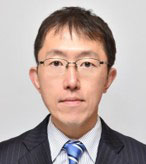
MD, MHPE, PhD, FACP, FAMEE, Kansai Medical University, Japan
Mikio Hayashi, MD, MHPE, PhD, FACP, FAMEE, is an associate professor at the Centre for Health Professions Education, Kansai Medical University. His background is family physician. He gained his PhD in Medical Education in 2020 from the University of Tokyo and earned his master’s degree of Medical Sciences in Medical Education at Harvard Medical School in 2024. He has been working as an associate editor of Medical Education Online since 2024 and The Clinical Teacher since 2026. He is also an active member of the AMEE research committee and JSME research promotion committee since 2024.

Clinical Assistant Professor, Nagoya University, Japan
Takeshi Kimura graduated from Fukushima Medical University in 2007 and completed his postgraduate clinical training in internal medicine and paediatrics. After working as a generalist physician, he developed an interest in medical education and joined the Centre for Medical Education at Kyoto University Hospital in 2019. He currently serves as a Clinical Assistant Professor at Nagoya University Hospital, where he is involved in faculty development and postgraduate clinical training. He obtained his Master’s degree in Health Professions Education (MHPE) in 2025. His interests focus on feedback practices and dialogue in clinical education, particularly how educators engage with learners in workplace-based settings. He has contributed to the design and facilitation of educational programs for clinical instructors.

Assistant Professor, Center for Postgraduate Clinical Training and Career Development, Nagoya University, Japan
Takeshi Kondo, MD, PhD, MHPE (Maastricht), works at the Center for Postgraduate Clinical Training and Career Development, Nagoya University Hospital, and the Center for Medical Education, Nagoya University Graduate School of Medicine. His research sits at the intersection of artificial intelligence and medical education, spanning AI-simulated patients for clinical reasoning, comparative studies of AI- and human-generated clerkship feedback, and LLM-assisted qualitative analysis. He currently leads KAKENHI-funded projects on collaborative feedback literacy between attending physicians and large language models, and AI-simulated patient systems for self-directed learning. He has contributed to the digital transformation of Japan's Model Core Curriculum for Medical Education, with recent work in JMIR Medical Education and the Nagoya Journal of Medical Science. He teaches clinical skills and ethics, supervises residents, and serves on national committees including the Japan Board of Medical Specialties and the Japanese Hospital General Medicine Society DEI committee.
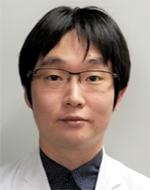
Junior Associate Professor, Kyoto University, Japan
Masashi Ikuno, MD, PhD, is a faculty member at Kyoto University with expertise in medical education and clinical training, with a particular focus on professionalism in healthcare. His work explores how professionalism is shaped by cultural context, generational change, and evolving societal expectations in medicine. He has been actively involved in developing educational programs that integrate professionalism with clinical competence, ethical decision-making, and reflective practice. Dr. Ikuno’s research interests include professional identity formation, the hidden curriculum, and the influence of learning environments on professional behavior, as well as learners’ interests and motivation in medical education. He has contributed to academic discussions on professionalism and has presented his work at national and international conferences. In addition, he is engaged in faculty development to support educators in teaching and assessing professionalism. Through his work, he aims to cultivate reflective, responsible, and culturally responsive healthcare professionals equipped to meet the changing needs of society.

Professor, Kyoto University, Japan
Hitomi Kataoka, MD, PhD, is a Professor at Kyoto University with expertise in medical education and clinical communication, with a strong focus on professionalism in healthcare. Her work examines how professionalism is expressed and taught within diverse cultural contexts and evolving healthcare environments. She has led the development of educational programs that integrate communication skills, patient-centered care, and professionalism, emphasising empathy, ethical practice, and reflective learning. Dr Kataoka’s research explores doctor–patient relationships, professional identity formation, and the influence of sociocultural factors on professional behavior. She has contributed to national and international initiatives addressing professionalism in medical education and has presented widely on these topics. In addition, she is actively engaged in faculty development to support educators in fostering professionalism among learners. Through her work, she aims to cultivate compassionate, culturally sensitive, and ethically grounded healthcare professionals who can respond to changing societal needs.

Clinical Lecturer, Nagoya University, Japan
Yuki Kataoka, MD, MPH, DrPH, is a Clinical Lecturer at the Centre for Postgraduate Clinical Training and Career Development, Nagoya University Hospital, and the Centre for Medical Education, Graduate School of Medicine, Nagoya University, Japan. He is a board-certified internist and pulmonologist with expertise in clinical epidemiology, systematic review methodology, and evidence-based medicine education. He received his MD from Tohoku University and his MPH and DrPH from Kyoto University. He is the founder and director of SRWS-PSG, a systematic review mentoring organisation with approximately 500 members in Japan. He serves as an Associate Editor of Systematic Reviews and an editorial board member of Medical Education (Japan) and the Journal of General and Family Medicine. His current research focuses on AI/LLM applications in research workflows, including automated systematic reviews.

Residency Programme Coordinator, Teine Keijinkai Hospital, Japan
Dr Mariko Kikegawa is the Residency Programme Coordinator at Teine Keijinkai Hospital in Sapporo, Japan, since 2022. She graduated from Keio University School of Medicine in 2016 and earned a Master of Public Health from the University of Manchester in 2022. In her current role, she leads curriculum quality improvement initiatives for the hospital’s junior residency programme and facilitates academic collaborations with partner institutions in the United States. She also plays a central role in coordinating the implementation of Accreditation Council for Graduate Medical Education International (ACGME-I) accreditation at both the institutional and internal medicine programme levels. With a background that bridges Japanese and international medical education systems, she is particularly interested in adapting global standards to local contexts and fostering learning environments that support both physician wellbeing and patient safety.

Associate Professor, Centre for the Study of Medical Education, Kurume University School of Medicine, Japan
Nobukazu Komatsu, PhD, is an Associate Professor at the Centre for the Study of Medical Education, Kurume University School of Medicine. His research interests in medicine include tumour immunology. In the field of medical education, his research focuses on cooperative learning. He is particularly involved in first-year medical education, with an emphasis on the implementation and facilitation of peer-assisted learning. Additionally, he conducts research on educational programs aimed at fostering medical professionalism grounded in the principles of cooperative learning.

Lecturer and Surgeon, Kanazawa Medical University, Japan
Seiko Miura, MD, PhD, MHPE (Maastricht), is a gastroenterological and acute care surgeon at Kanazawa Medical University, where she supervises medical students, residents, and trainees in clinical practice. Her research focuses on integrating artificial intelligence into learner assessment, particularly in evaluating clinical communication within OSCE settings. She is the principal investigator of a nationally funded research project in Japan (KAKENHI) on AI-based assessment and completed her MHPE thesis titled “Cultural Calibration of AI: Assessing Eye Contact in Japanese Medical OSCEs.” Her work has been presented at international conferences, including AMEE Conference and Ottawa Conference, and she serves as a symposium speaker at ICDS 2026 on AI and eye contact. She is an active member of the Japanese Society for Medical Education Internationalization Committee and the APMEC 2027 Organising Committee. Her interests include digital learning environments, sociocultural perspectives, diversity, lifelong learning, and Continuing Professional Development (CPD).
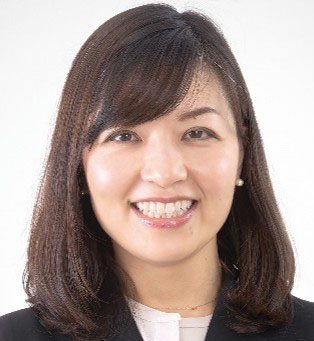
Associate Professor, Kyoto University, Japan
Tomoko Miyoshi is a faculty member at Kyoto University specializing in medical education and clinical training, with a particular focus on professionalism in health professions education. Her work explores how professionalism is shaped by cultural contexts, educational environments, and evolving societal expectations. She has contributed to qualitative and mixed-methods research on students’ learning experiences, professional identity formation, and reflective practice. At Kyoto University, she is actively involved in curriculum development and faculty development initiatives that integrate professionalism into clinical education. She has also engaged in international collaborations addressing cross-cultural perspectives in medical education. Dr Miyoshi regularly presents at academic conferences and facilitates workshops on teaching and assessing professionalism. Through her work, she aims to foster culturally sensitive, reflective, and ethically grounded healthcare professionals who can respond to the changing needs of society and deliver patient-centred care in diverse settings.

Lecturer, Nagoya University, Japan
Mariko Morishita is a medical education researcher and a family physician. She has been interested in phenomenological attitudes towards subjects she has encountered through her medical practice in an urban area in Kyoto and education. To understand more about how medicine and its education has formed healthcare professionals, her interests extend its scope to historical materials and stories in Japanese medical education. She has been involved in the foundation course of medical education for medical educators held at Nagoya University. From 2026, she has been a lecturer of the Department of education for community medicine at Nagoya University.
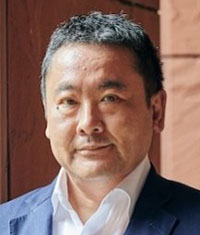
Professor, The University of Tokyo, Japan
Eisuke Nakazawa is Professor of Biomedical Ethics at the University of Tokyo and Chair of its Bioethics Collaborative Research Organization (BiCRO). His scholarship engages bioethics, public health ethics, research ethics, and neuroethics, with particular attention to autonomy, relational decision-making, and the ethical dimensions of emerging technologies including artificial intelligence and brain-machine interfaces. His work integrates philosophical analysis with empirical research, developing ethically robust and socially responsive frameworks for healthcare and public health practice.
Designated Institutional Officer and Internal Medicine Residency Programme Director, Kameda Medical Centre, Japan
Dr Masayuki Nogi graduated from Kyoto Prefectural University of Medicine and completed internal medicine residency and chief residency at the University of Hawai‘i. Currently serving as an academic hospitalist, Division Chief of Hospital Medicine, and Associate Medical Director for Instructional Design and Technology at The Queen’s Medical Centre in Honolulu, along with the Associate Clinical Professor at the University of Hawai‘i John A. Burns School of Medicine. He also holds a dual appointment as Programme Director and founding Designated Institutional Official (DIO) of the Internal Medicine Residency at Kameda Medical Centre in Kamogawa, Chiba, which achieved Japan's first ACGME-I accreditation in 2025. His professional interests include international medical education, faculty development, physician migration and accreditation. In 2015, he completed the University of Hawai‘i Medical Education Fellowship and the Master’s programme in Health Professions Education at FAIMER-Keele University in 2022.

Professor, Gifu University, Japan
Osamu Nomura, MD, MA, is a professor and medical education scientist at Gifu University, Japan, with expertise in paediatric emergency medicine. He is also a PhD candidate in Health Sciences Education at McGill University. His doctoral research examines emotions and emotion regulation among medical trainees in simulation-based training environments.

Project Professor, Akita University, Japan
Dr Sayaka Oikawa is a Project Professor at Department of Innovative and Digitalized Medical Education, Akita University, Japan, and the Adjunct Professor of the SimTiki Medical Education Simulation Centre at University of Hawaii, USA. She is a certified Emergency Medicine physician and holds a PhD in Medical Education from Kyoto University, and a Master of Science degree in Health Professions Education from the Maastricht University. She is a research secretary of the Pan Asia Simulation Society in Healthcare, and a vice chair of the internationalization committee of the Japan Society for Medical Education. She has engaged in international collaboration and development in the field of medical education. Her current research interests include teaching and learning with digital technology, cultural awareness and simulation-based education/assessment.
Medical director, Mie Prefectural Mental Care Centre, Japan
Itsuki Sano, MD, is Chief Psychiatrist at the Mie Prefectural Mental Care Centre, Japan, and a Visiting Researcher at the Centre for Medical Education, Nagoya University. His work focuses on interprofessional and dialogical education in healthcare. He explores the roles of love and trust in professional dialogue, challenging ideologies that are often tacitly sustained within everyday practice. Drawing on Japanese concepts such as Mederu and Kintsugi, he rethinks how healthcare professionals engage with vulnerability in themselves and others. Sano also conducts arts-based research, facilitating workshops on manga creation for healthcare professionals. As a practising manga artist, he integrates visual and verbal forms of communication and is currently undertaking ethnographic research on healthcare professionals becoming manga artists.

MD, Kameda Medical Centre, Japan
Mizuki Seki graduated from Okayama University Medical School. As a medical student, she was actively involved in a student committee dedicated to improving undergraduate medical education and received the university’s award in recognition of her contributions. After graduation, she entered the residency programme at Kameda Medical Centre, where she became a leader of the resident study group and planned and organized a lecture series on emergency presentations, in which second-year residents taught first-year residents. She subsequently trained in emergency medicine at the same institution. In her final year of residency, she served as chief resident and received the Emergency Department Best Teacher Award, selected by junior residents. She currently works as a staff. Drawing on her experience as chief resident, she also serves as one of the representatives of the Japan Association of Chief Residents.
Project Professor, Chiba University, Japan
Dr Ikuo Shimizu is a Project Professor in Medical Education at Chiba University Graduate School of Medicine and serves as Vice Director of the Quality and Safety Division at Chiba University Hospital. He holds an MD and a PhD in Medicine from Shinshu University, and earned both his Master’s in Health Professions Education (MHPE, 2016) and a second PhD in Medical Education (2024) from Maastricht University. Following a clinical career as a haematologist, Dr Shimizu transitioned to medical education in 2010. He currently holds a national leadership role as the Vice Chair of the Undergraduate Education Committee of the Japan National University Hospital Alliance on Patient Safety. His scholarly work focuses on patient safety education and collaborative learning.
Assistant Professor, Kyoto University, Japan
Maki Someya is a faculty member at a university hospital, actively engaged in both clinical practice and medical education. My clinical expertise lies in paediatric critical care, where I work in the paediatric intensive care unit (PICU). In parallel, I contribute to medical education as a faculty member and administrator of a simulation centre, where I design, implement, and evaluate simulation-based training programs. My academic interests focus on advancing educational practices through faculty development, simulation-based education, and mentorship. I am particularly interested in innovative approaches such as cinemeducation, which leverages film to facilitate reflective and dialogic learning. My work aims to bridge educational theory and clinical practice, with an emphasis on contextualized and learner-centred approaches. Through both research and educational practice, I seek to contribute to the development of sustainable and context-sensitive medical education frameworks that support the growth of healthcare professionals across diverse settings.
Assistant Professor, Fukushima Medical University, Japan
Dr Maham Stanyon is a UK-trained General Practitioner and Assistant Professor at Fukushima Medical University, Japan, based in the Centre for Medical Education and Career Development. Her work focuses on the intersection of culture, professionalism, and health professions education, exploring how cultural contexts shape teaching, leadership, and research practices. She uses innovative approaches such as Q-methodology to examine cultural constructions of professionalism in Japan and the UK and is particularly interested in how non-Western epistemologies can enrich global medical education. She leads an English-medium clinical communication programme in Tokyo, supporting healthcare professionals to deliver patient-centred care in diverse settings. Her educational work has been recognised with Silver and Young Investigator Awards from the Japan Society for Medical Education. Dr Stanyon also contributes to international collaboration through leadership roles in JSME and works to promote culturally grounded innovation in medical education.
Associate Professor, Toyo Gakuen University, Japan
Fumitaka Tanemura, PhD, is an Associate Professor in the Faculty of Human Sciences at Toyo Gakuen University and a Visiting Researcher at the Centre for Medical Education, Nagoya University. With expertise in lifelong learning and professional education, he explores the lifelong careers of professionals—including physicians and legal practitioners—as well as professional identity formation and transformative learning. Building on this expertise, he has conducted numerous workshops on lifelong career development and faculty development (FD) in professional education, approaching the field from both theoretical and practical perspectives while emphasizing humanity and a holistic perspective. He is particularly interested in reflection and transformative learning, with a focus on changes in values, the impact of disjuncture, and the role of spirituality.
Assistant Professor, Kyoto University, Japan
Akiko Tokinobu, PhD, is a faculty member at Kyoto University specialising in medical education and clinical training, with a particular focus on professionalism in health professions education. Her work explores how professionalism is shaped by cultural diversity, societal change, and evolving expectations in healthcare. She has been involved in developing and implementing educational programs that integrate professionalism with clinical competence, reflective practice, and patient-centred care. Dr Tokinobu’s research interests include professional identity formation, learning environments, and the role of cultural context in shaping professional values and behaviours. She has contributed to national and international discussions on professionalism and has presented her work at academic conferences. In addition, she is engaged in faculty development to support educators in teaching and assessing professionalism. Through her work, she aims to foster ethically grounded, culturally responsive healthcare professionals prepared for a rapidly changing global society.
Professor, Faculty of Health Data Science, Juntendo University, Japan
Akira Yamamoto, MD, PhD, is a Professor at Juntendo University's Faculty of Health Data Science. A physician and radiologist trained at Kyoto University, he earned his medical degree in 1995 and completed doctoral studies in nuclear medicine and diagnostic imaging, receiving a PhD in Medicine in 2005. He began his career at Kyoto University Hospital and Kyoto City Hospital, serving as resident, staff physician, chief physician, and deputy director. He also worked as a visiting researcher at Johns Hopkins University. Returning to Kyoto University, he held academic appointments in radiology, clinical education, and medical education reform, including Assistant Professor and later Lecturer at the Centre for Medical Education and Internationalization. Board certified in diagnostic radiology and nuclear medicine, Dr. Yamamoto has extensive experience in clinical practice, medical education, and faculty development. His current work integrates health data science with physician training to advance evidence-based education, research, and better patient care.