
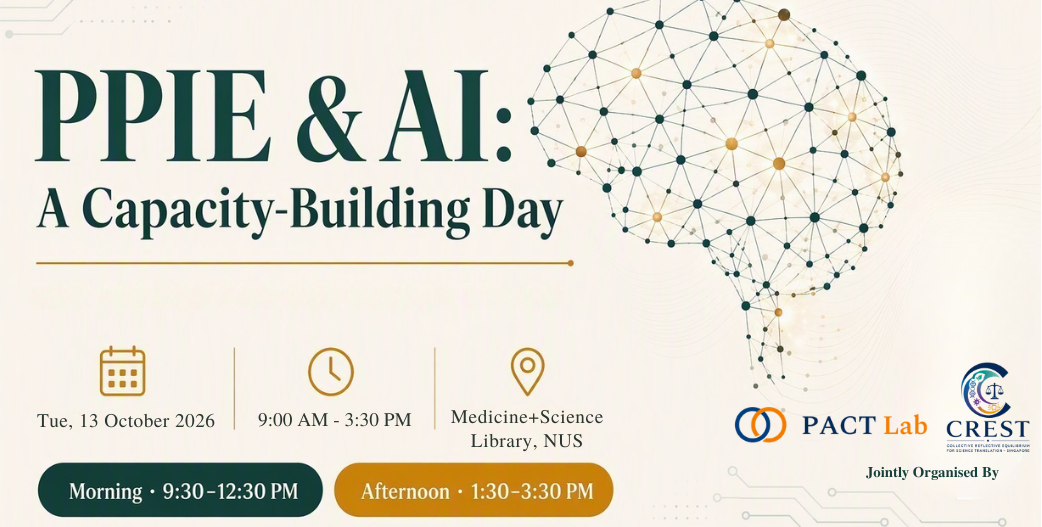
PPIE and AI: A Capacity-Building Day
Date: Tuesday, 13 October 2026
Time: 9:00 am – 3:30 pm
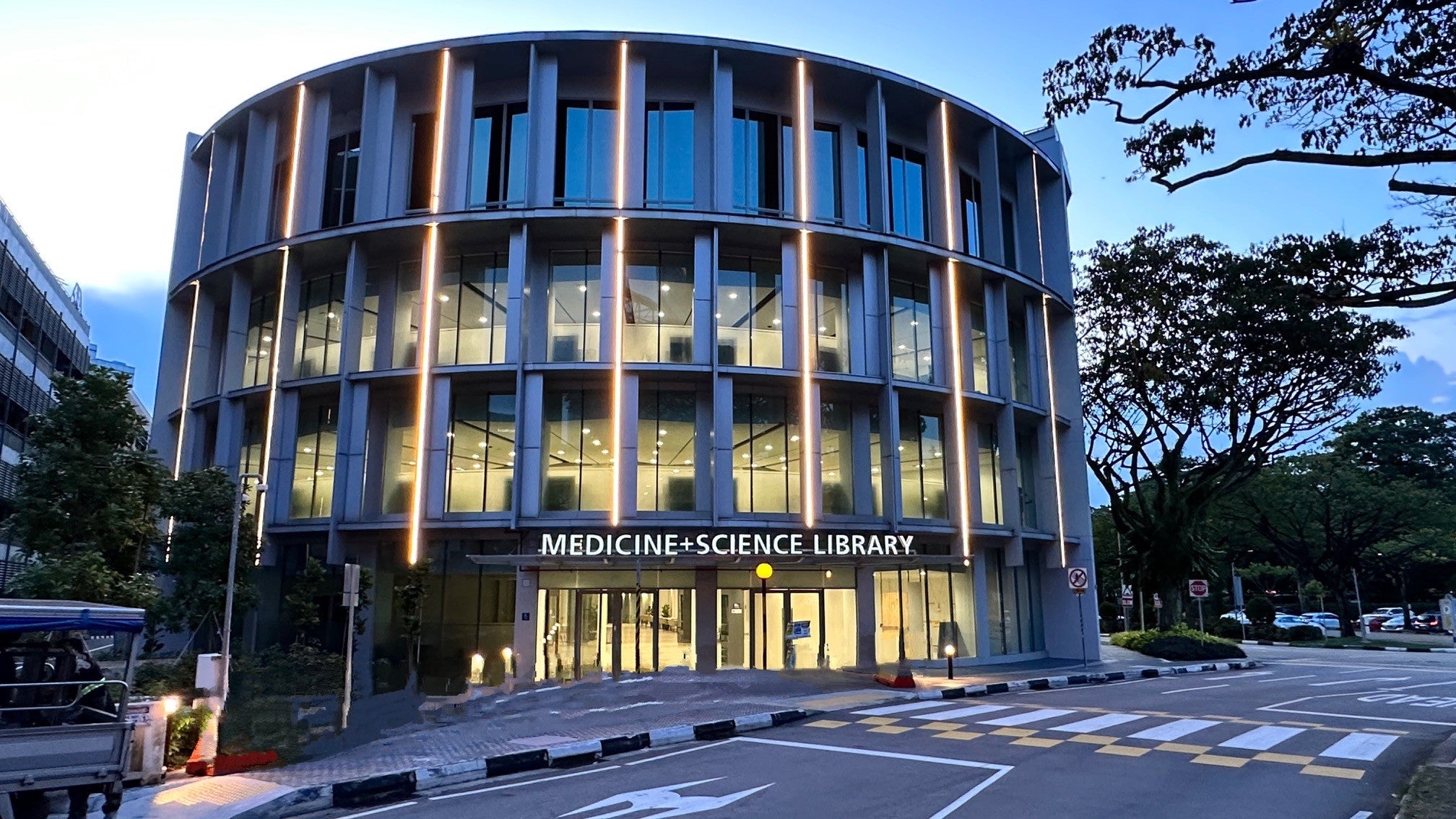
Venue: NUS Medicine+Science Library, Collaboration Space 2-3 (Level 1)
About the Workshop
This workshop introduces the principles and practice of Patient and Public Involvement and Engagement (PPIE) in health and biomedical research. It also explores how artificial intelligence (AI) is changing the landscape of research participation.
Participants will examine how meaningful involvement can strengthen research design, relevance and impact while considering the emerging opportunities and ethical challenges associated with AI-enabled engagement. Through expert presentations, case studies and discussions, the workshop will provide practical insights for researchers, clinicians and healthcare professionals seeking to build capacity in PPIE and responsible innovation.
Programme
| Time | Programme |
|---|---|
| 9.00am to 9.30am | Registration and Coffee |
| 9.30am to 12.30pm |
Morning Session Foundational Principles and Best Practice Professor Lucy Frith and Professor Angela Ballantyne |
| 12.30pm to 1.30pm | Lunch |
| 1.30pm to 3.30pm |
Afternoon Session Should AI Simulate Patients and the Public? Can it Help Citizen Science? Visiting Associate Professor Sebastian Porsdam Mann and Dr Alessandro Sparacio Chaired by Sankalpa Ghose |
Continuing Professional Education (for Singapore-practising doctors, nurses and pharmacists)
CME / CPE points application pending approval.
Speakers

Professor Lucy Frith
Professor of Bioethics and Health Research,
Centre for Social Ethics and Policy
University of Manchester
Lucy Frith is Professor of Bioethics and Health Research, Centre for Social Ethics and Policy, University of Manchester. She conducts research at the interface of bioethics and social science with research interests in: empirical bioethics; reproductive technologies; organisational ethics; public involvement in healthcare; and the use of evidence in practice and policy. She is principal investigator on the UKRI ESRC funded project ConnecteDNA that is exploring how people involved in donor conception both use and are impacted by the rise in online DNA testing, and the UKRI AHRC Reset Ethics Project that explored the ethical issues raised by managing non-Covid paediatric and maternity care during the Covid pandemic.

Professor Angela Ballantyne
Professor of Bioethics at Ōtākou Whakaihu Waka, Pōneke
University of Otago, Wellington
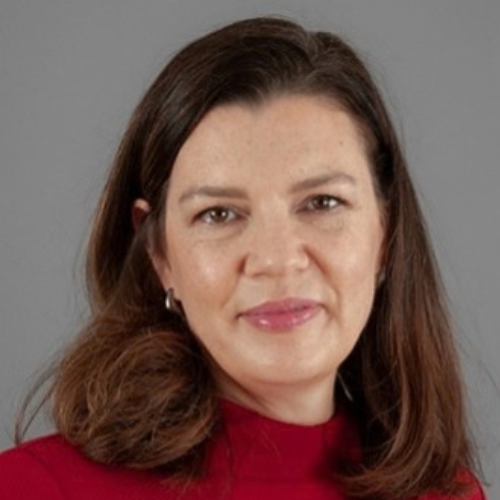
Angela Ballantyne is Professor of Bioethics at Ōtākou Whakaihu Waka, Pōneke (University of Otago, Wellington), New Zealand. She is an internationally recognised scholar in bioethics, research ethics, and health data governance. Her research examines how health systems can responsibly harness data, AI, and medical research while promoting equity, fairness and public trust. She has led influential work on learning health systems, public-private data partnerships, precision medicine governance, and public attitudes towards health data use, including collaborative projects in Singapore and internationally.

Dr Alessandro Sparacio
Research Scientist
A*STAR Institute for Human Development
and Potential
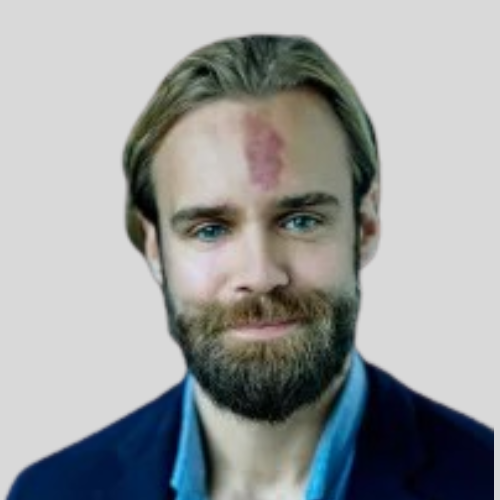
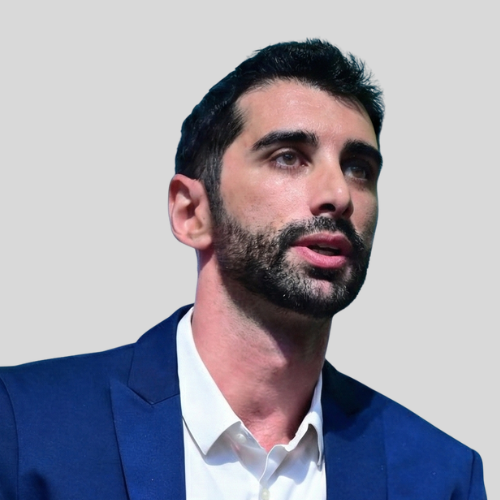
Alessandro Sparacio is a Research Scientist at the A*STAR Institute for Human Development and Potential, where his work focuses on advancing the field of mental health through research on cognition, mood and stress. He orchestrates the design of clinical studies and crafts meticulous protocols to ensure scientific integrity and operational feasibility. His interdisciplinary background has led him to combine rigorous scientific methods with innovative digital technologies to create accessible, evidence-based solutions for improving global mental well-being.

Visiting Associate Professor Sebastian Porsdam Mann
Visiting Associate Professor at Centre for Biomedical Ethics, NUS Medicine
Sebastian Porsdam Mann is an Assistant Professor at the Center for Advanced Studies in Bioscience Innovation Law at the University of Copenhagen and a Visiting Associate Professor at Centre for Biomedical Ethics, NUS Medicine. His background is in philosophy, neuroscience, applied ethics (BA, PhD, University of Cambridge) and international human rights law (DPhil pending, University of Oxford). He has held postdoctoral positions at Harvard Medical School and the Universities of Oxford and Copenhagen, the latter supported by a personal grant by the Carlsberg Foundation. His work focuses on the practical potential and regulatory conditions necessary for novel technologies to facilitate scientific progress and normative goals, with a focus on blockchain, generative artificial intelligence, and the human right to science. He is co-author/editor, recently, of The Right to Science: Then and Now (Cambridge University Press, 2021) and Scientific Freedom: The Heart of the Right to Science (Rowman & Littlefield, 2023), and has published widely across scientific, medical, and philosophical journals.
Discussion Venue
NUS, Level 1 Collaboration Spaces, Medicine+Science Library, located at 11 Lower Kent Ridge Road, Singapore 119083.
The nearest visitor parking is available at NUS Car Park 10, directly opposite the venue.
Registration
"*" indicates required fields