
- Home
- Neuroethics Asia 2026
NEUROETHICS ASIA 2026
Cross-Cultural Perspectives in Neuroethics
Singapore
6 & 7 November, 2026
Research abstracts deadline
31 May 2026
Registration opens
25 May 2026
Registration closes
30 September 2026
About the Conference
What does it mean to govern the brain responsibly — and who gets to decide?
Neuroethics Asia 2026: Cross-Cultural Perspectives in Neuroethics aims to address the field’s most urgent challenges. Global debates on AI, brain–machine interfaces, mental health, and brain organoid research have too often been shaped by a single Western paradigm. How do concepts of personhood, community, and moral responsibility differ across societies shaped by Confucian, Buddhist, Islamic, Hindu, and secular traditions? How should governance frameworks reflect this plurality without erasing it? And what pioneering scholarship is already flourishing across Asia that deserves a prominent place in the global conversation?
Hosted by the Centre for Biomedical Ethics at the National University of Singapore, in collaboration with the International Neuroethics Society and the Oxford–NUS Centre for Neuroethics, AI & Society, attendees will engage with world-leading keynote speakers, a distinguished cross-cultural panel, and parallel sessions showcasing new empirical, philosophical, and policy work from around the world. We welcome participants from all disciplines and career stages. Whether your background is in neuroscience, philosophy, law, medicine, or public policy, Neuroethics Asia 2026 has a place for you.
Abstracts previously submitted to the International Neuroethics Society (INS) are also welcome. Please resubmit via the Abstract Submission portal.
Programme
Friday 6 November — Day 1
*Programme details are subject to change
| Time | Programme | ||||
|---|---|---|---|---|---|
| 8.30am to 9.00am | REGISTRATION | ||||
| 9.00am to 9.10am | WELCOME ADDRESS | ||||
| 9.15am to 10.00am |
KEYNOTE Presentation Title To Be Confirmed Professor Ilina Singh, University of Oxford |
||||
| 10.00am to 10.45am |
DISTINGUISHED PANEL Chair: Professor Insoo Hyun Panellists: Professor Ilina Singh, Professor Osamu Sakura, Professor Marcello Ienca |
||||
| 10.45am to 11.00am | COFFEE BREAK | ||||
| 11.00am to 11.35am |
PLENARY The Relational Constitution of Agency: Rethinking Responsibility Attribution in Brain–Computer Interfaces Professor Guoyu Wang, Fudan University |
||||
| 11.35am to 12.10pm |
PLENARY How We Should Open and Widen New Horizons for a Cross-Cultural Approach in Neuroethics? Professor Tamami Fukushi, Tokyo Online University |
||||
| 12.10pm to 1.10pm | LUNCH BREAK | ||||
| CLUNY ROOM | DALVEY ROOM | EVANS ROOM | |||
| 1.10pm to 1.50pm |
WORKSHOP Publishing in Neuroethics Brian D. Earp |
WORKSHOP Neuroscience in Singapore Swati Jain and Toh Phern Chern |
WORKSHOP Experimental Neuroethics in Cultural Contexts Koji Ota, Tetsushi Tanibe, Kodai Sato, and Ryo Tanaka |
||
| 1.55pm to 2.35pm |
LIGHTNING TALKS Re-evaluating the Role of Data Commodification and Brain Essentialism in Neuroethics Alma Maria Ouweneel How Cultural Concepts of Personhood Shape Governance of Neurotechnology Anagha Yanamandra & Ananya Yanamandra |
LIGHTNING TALKS Soft Norms, Hard Choices: How China, Japan, and South Korea Are (Not) Regulating Neurotechnology Jing Li Forging a National Neuroshield: Identifying National Security Risks of Brain-Computer Interfaces and China's Regulatory Response Zhonghao Xu |
LIGHTNING TALKS Towards Responsible Neurotechnology: Evaluating Risks and Challenges in Brain-Computer Interfaces Anna Tomko Data Exploitation and Consumer Neurotechnology: The Emerging Threat of Consumer Brain Data Harvesting Jake Morrill |
||
| 2.35pm to 2.55pm | AFTERNOON BREAK | ||||
| 2.55pm to 3.35pm |
LIGHTNING TALKS Brain Fingerprinting in the Criminal Justice System in India: A Systematic Inquiry Into Neurorights in Action Jennifer Chandler Extended Bodies, Extended Selves: Neurotechnocorporality and the Linguistic Turn of Legal Personhood Fabián Porras-Matamoros |
LIGHTNING TALKS Authenticity Under Modulation: Thick Ethical Concepts and Cultural Misfit in Neuromodulation Ethics Shintaro Takahashi Rethinking the Experience Machine in Neuroethics: DBS, Narrative Identity, and Anti-Paternalism Shotaro Tamamiya |
LIGHTNING TALKS Rethinking Moral Responsibility in Neuroethics: Taklif, Ahliyyah, and the Limits of Autonomy Farheena Tariq Abbasi Assessing Cognitive Capacity Among Muslim Post-Stroke Survivors: A Religion-Paradigm Approach Based on the Validity of Prayer Muhammad Taftazany Abd Rahman |
||
| 3.35pm to 5.00pm | NETWORKING AND POSTER PRESENTATIONS | ||||
Saturday 7 November — Day 2
*Programme details are subject to change
| Time | Programme | ||||
|---|---|---|---|---|---|
| 9.00am to 9.15am | WELCOME ADDRESS | ||||
| 9.15am to 10.00am |
KEYNOTE On the Emergence of Neuroethics in Japan: Personal Reflections and Some Implications for the Present Professor Osamu Sakura, Jissen Women's University |
||||
| 10.00am to10.35am |
PLENARY Presentation Title To Be Confirmed Professor Andrew McGee, Queensland University of Technology |
||||
| 10.35am to11.00am | COFFEE BREAK | ||||
| 11.00am to 11.35am |
PLENARY Measuring Whose Mystical Experience? Validity, Culture, and Looping Effects in Psychedelic Neuroscience Professor Karen Yan, National Yang Ming Chiao Tung University |
||||
| 11.35am to 12.10pm |
PLENARY Presentation Title To Be Confirmed Dr. Matthew L. Baum, Brigham and Women's Hospital |
||||
| 12.10pm to 1.10pm | LUNCH BREAK | ||||
| CLUNY ROOM | DALVEY ROOM | EVANS ROOM | |||
| 1.10pm to 2.10pm |
WORKSHOP Strengthening Asian Voices in Global Neuroethics Publication Tamami Fukushi, Sung-Jin Jeong , Tsutomu Sawai, Junsik Yoon, Cheah Pike See, Brian D. Earp |
WORKSHOP Neurorights and Regulation Stephen Damianos |
WORKSHOP Mental Health Ethics Alessandro Sparacio |
||
| 2.15pm to 2.55pm |
LIGHTNING TALKS Cultural Variation in Moral Anger Regulation: A Neuroethical Critique of Universal Affective Frameworks Siti Aminah Omar Relational Minds: Mental Privacy, Moral Agency, and Human Identity in South Africa’s Plural Neuroethical Landscape Marietjie Botes |
LIGHTNING TALKS “And Yet”: Kuki Shūzō on Contingency and the Neuroethical Limits of Cognitive Neurochips Hifumi Yoshizawa Embryonic Consciousness Before the Cortex? Nyāya, Neuroethics, and Collective Reflective Equilibrium in Reconsidering Prenatal Moral Status Piyali Mitra |
LIGHTNING TALKS Making Epistemic Perspectives Explicit: The Case for Explicit Causal-Variable Assumptions in Psychedelic Trial Reporting Christina Ni Consent to Psychedelics: Taking Stock of Temporally Concentrated Agency Disruptions Hojjat Soofi |
||
| 3.00pm to 3.40pm |
LIGHTNING TALKS Traumatic Brain Injury (TBI) Neurodata Across Health Systems: Neuroethical Implications for TBI AI Development Anna Kim Ethical Challenges in Genetic Testing for Central Nervous System Malignancies: Supportive Shared Decision-Making in the Context of Cognitive Impairment Xiaoyun Tian |
LIGHTNING TALKS What should the “Comparative” in Comparative Neuroethics mean? Bryson Ng Emerging Chinese Perspective on Human Brain Organoids Christopher Wood |
LIGHTNING TALKS Food for Thought: Viewing Food Insecurity as a Neuroethical Problem Ria Saxena Microbiome, Brain, and Self: New Frontiers for Neuroethical Inquiry Yonghui Ma |
||
| 3.40pm to 4.05pm | AFTERNOON BREAK | ||||
| 4.05pm to 4.45pm |
CLOSING SESSION The Future of Neuroethics in Asia Tsutomu Sawai, Yonghui Ma, Brian D. Earp, and David Lyreskog |
||||
Keynotes & Distinguished Panel
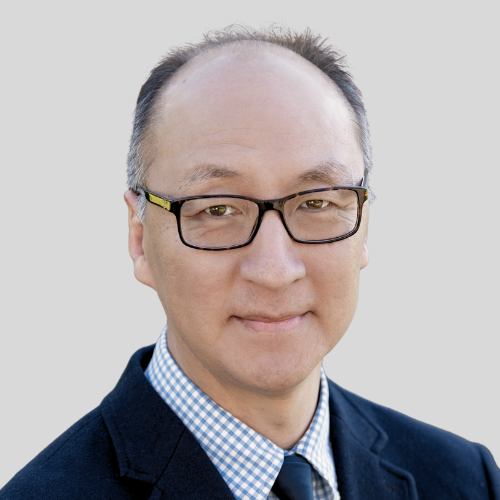
Insoo Hyun is Professor in the Centre for Biomedical Ethics at NUS and Senior Researcher at the Hastings Center for Bioethics. He is the former Director of Research Ethics at Harvard Medical School’s Center for Bioethics and was a Senior Lecturer in Harvard’s Department of Global Health and Social Medicine. Prior to his appointments at Harvard, Dr. Hyun was Professor of Bioethics and Philosophy at Case Western Reserve University School of Medicine. In recent years, he was Principal Investigator of an NIH BRAIN Initiative-funded project exploring the scientific and ethical issues surrounding human brain organoid research, in collaboration with labs headed by Harvard’s Paola Arlotta and George Church and Stanford’s Sergiu Pasca. He also was the PI on a Greenwall Foundation grant exploring the ethics of new bioengineering tools, including stem cell-based embryo models, in collaboration with Jianping Fu from the University of Michigan, Ann Arbor. Dr. Hyun has been heavily involved with the International Society for Stem Cell Research (ISSCR) since 2005, where he has helped draft each version of the ISSCR Guidelines. He has served twice as Chair of the ISSCR Ethics Committee, where he has led the publication of several influential white papers on chimera research and nuclear transplantation.
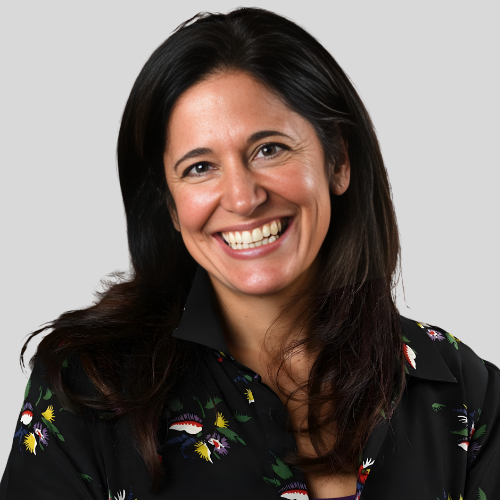
Professor Ilina Singh is a Professor of Neuroscience & Society in the Department of Psychiatry at the University of Oxford, and leads the Neuroscience, Ethics and Society (NEUROSEC) Team. She also co-directs the £4.5m Wellcome-funded Oxford Platform for Transformative Bioethics. In a continuous series of Wellcome Trust-funded projects (2008 – 2029), Professor Singh pioneered the development of ecologically valid, technology-forward, co-design methodologies to investigate intuitions, values and experiences around pivotal health, social and environmental dilemmas, including novel psychiatric interventions, AI, and nature exposure. The NEUROSEC Team’s work is largely focused on young people and is deeply informed by working with the NeurOx Young People’s Advisory Group. Professor Singh’s current projects include leading the Oxford Human-Nature Health Research Platform, bringing together rigorous science and real-world delivery to transform the ways that nature can support and improve mental health and wellbeing. In 2025 she was honoured with the Steven E. Hyman Award for Distinguished Service by the International Society for Neuroethics.
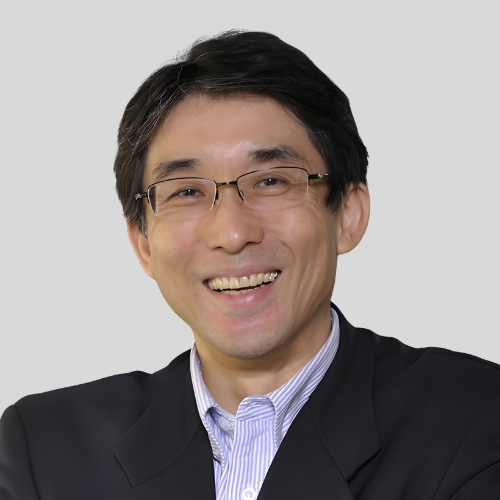
Professor Osamu Sakura is a pioneering figure in Asian neuroethics who helped bring rigorous ethical inquiry into neuroscience onto the Japanese and East Asian agenda. Now a Professor at Jissen Women’s University, he brings an extraordinary breadth of perspective to questions about how neuroscience intersects with culture, society, and governance. Professor Sakura’s intellectual journey began with a PhD in the behavioural ecology of wild chimpanzees from Kyoto University in 1992, followed by positions at Yokohama National University, a visiting research fellowship at the University of Freiburg in Germany, and a professorship at the University of Tokyo. This trajectory—from evolutionary biology through science and technology studies—gives his scholarship an exceptionally wide and comparative lens. He was central to the country’s first neuroethics research group, launched in 2004 under the Japan Science and Technology Agency’s Research Institute of Science and Technology for Society — the first such initiative in Asia. His research spans the ethical governance of brain-machine interfaces (BMI), as well as cross-cultural comparative studies examining how neuroethical questions play out differently across Japan, South Korea, Taiwan, and Western contexts.
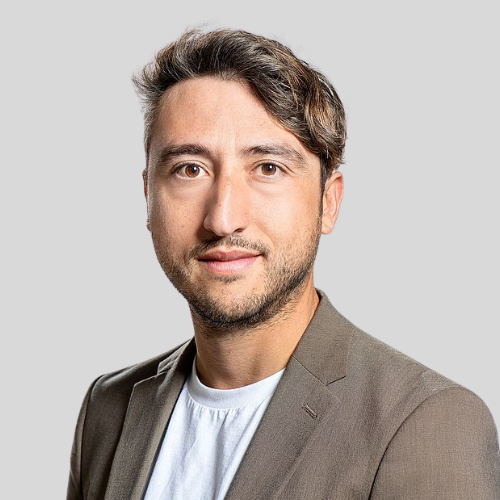
Professor Marcello Ienca is one of the most influential voices in global neuroethics and the President of the International Neuroethics Society (2026–2028). He holds the inaugural Chair in Ethics of AI and Neuroscience at the Technical University of Munich, where he also serves as Deputy Director of the Institute of History and Ethics in Medicine, and maintains a second appointment at EPFL (Switzerland), where he leads the research group on Ethics of Intelligent Systems. His scholarship sits at the intersection of neurotechnology, artificial intelligence, human rights, and data governance, and he is widely credited with pioneering the concept of “neurorights” — the argument that rapid advances in brain science require an expansion of international human rights frameworks. He is a member of the UNESCO Ad Hoc Expert Group on the Ethics of Neurotechnology, an appointed expert and rapporteur to the Council of Europe’s Convention 108 Committee, and has written policy reports for the OECD, the European Parliament, and the United Nations Human Rights Council. He completed his PhD in Biomedical Ethics at the University of Basel with summa cum laude honours, following studies in philosophy and cognitive science at the University of Rome, Humboldt-Universität zu Berlin, NYU, and KU Leuven.
Plenary Speakers
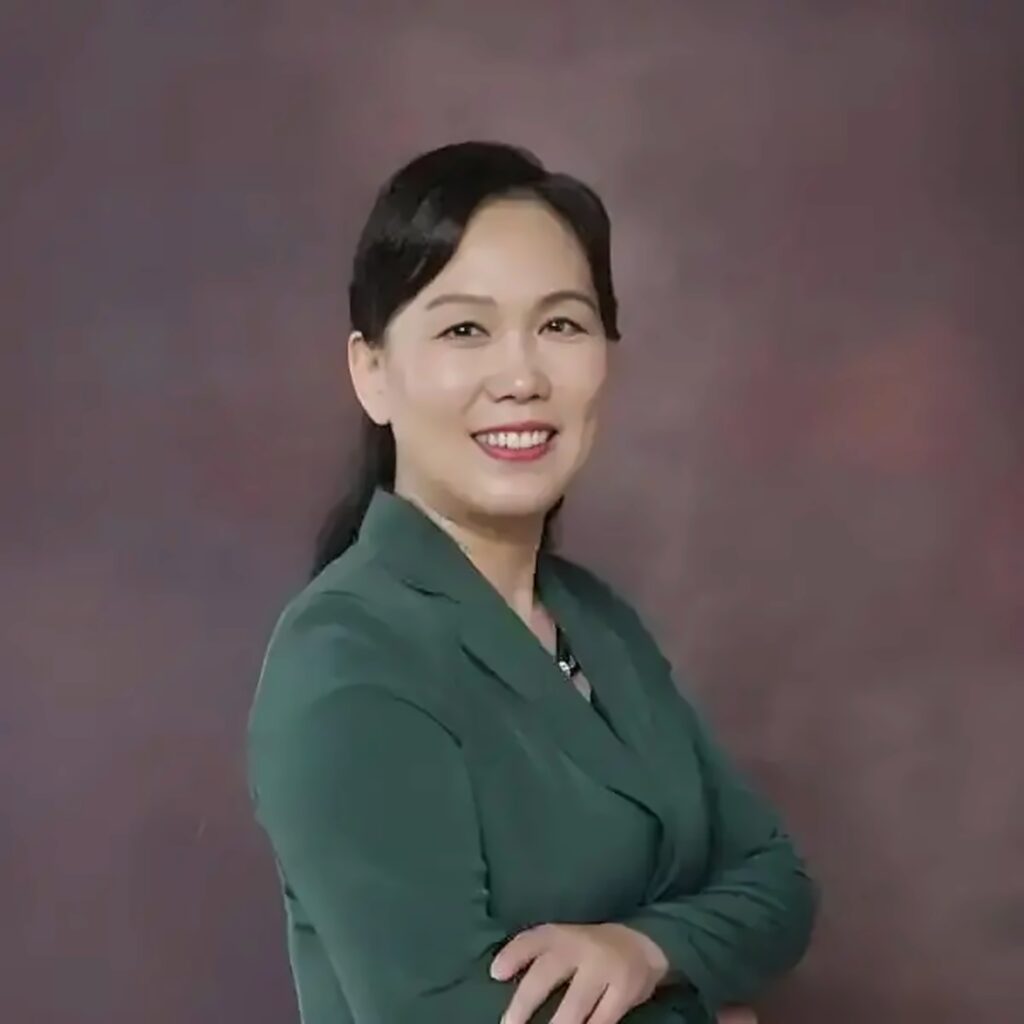
Professor Guoyu Wang is a leading authority on science and technology ethics in China. She holds a Bachelor of Philosophy from Fudan University, a Master’s degree in Philosophy and German Language and Literature from the Free University of Berlin, and a PhD in Philosophy from Dalian University of Technology. Her research spans biomedical ethics, nanoethics, digital ethics, AI governance, and the ethical governance of emerging technologies. She directs both the Applied Ethics Research Center and the Center for Biomedical Ethics at Fudan University, and serves as Dean of the Institute of Technology Ethics for Human Future. She is Chief Expert of a Major Project of the National Social Science Fund of China on ethical issues in high technology, and has published in Nature Human Behaviour on the role of ethics committees in promoting responsible research and innovation in China. Professor Wang brings an authoritative Chinese institutional and philosophical perspective on how emerging technologies — including neurotechnology — should be governed, and how non-Western regulatory traditions can contribute to genuinely global ethical framework
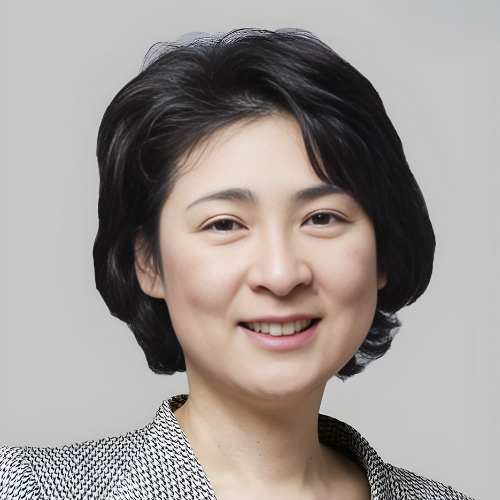
Professor Tamami Fukushi is a pioneering figure in Asian neuroethics. She holds a PhD in Behavioral Science from Hokkaido University and conducted postdoctoral research in motor control neuroscience at the University of Minnesota. Her research focuses on the ethics of neurotechnology, Responsible Research and Innovation (RRI), science policy, and regulatory science. She launched her career in neuroethics in 2005 at the Japan Science and Technology Agency, and organised the first international neuroethics symposium in the Asian region in July 2006. She has since been an active contributor to the Global Neuroethics Summit, the International Brain Initiative Neuroethics Working Group, the IEEE Neuroethics Framework, and the ISO/IEC JTC1 SC43 standards process, and from 2025 serves as a steering committee member of the OECD BNCT project. She participated as an expert member of the Japanese delegation to the UNESCO Intergovernmental Meeting on the Ethics of Neurotechnology in May 2025. Professor Fukushi brings two decades of experience building neuroethics capacity across Asia, and offers a vital East Asian policy and regulatory science perspective on the responsible development of neurotechnology
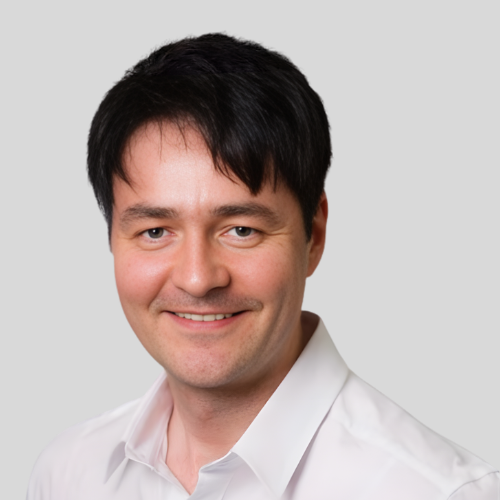
Professor Andrew McGee is a legal and philosophical scholar with rare dual expertise in the ethics and law of healthcare decisions, holding a PhD in Philosophy from the University of Essex and a Master of Law from QUT. Before joining QUT in 2010, he completed a postdoctoral fellowship in philosophy at University College Dublin and practised as a lawyer at Allens Arthur Robinson and the Office of the Queensland Parliamentary Counsel. His research centres on end-of-life decision-making — including euthanasia, voluntary assisted dying, and the withdrawal of life-prolonging treatment — as well as the definition of death in clinical and legal contexts, the ethics of embryonic stem cell research, organ donation, and utilitarian versus deontological approaches to healthcare. He has published extensively in journals including Bioethics, the Medical Law Review, the Journal of Medical Ethics, and the Journal of Medicine and Philosophy, and sits on the Editorial Board of the Journal of Medical Law and Ethics. Professor McGee contributes a rigorous legal-philosophical framework for interrogating the rights, responsibilities, and regulatory challenges that neurotechnology raises — particularly around consent, personhood, and end-of-life contexts.
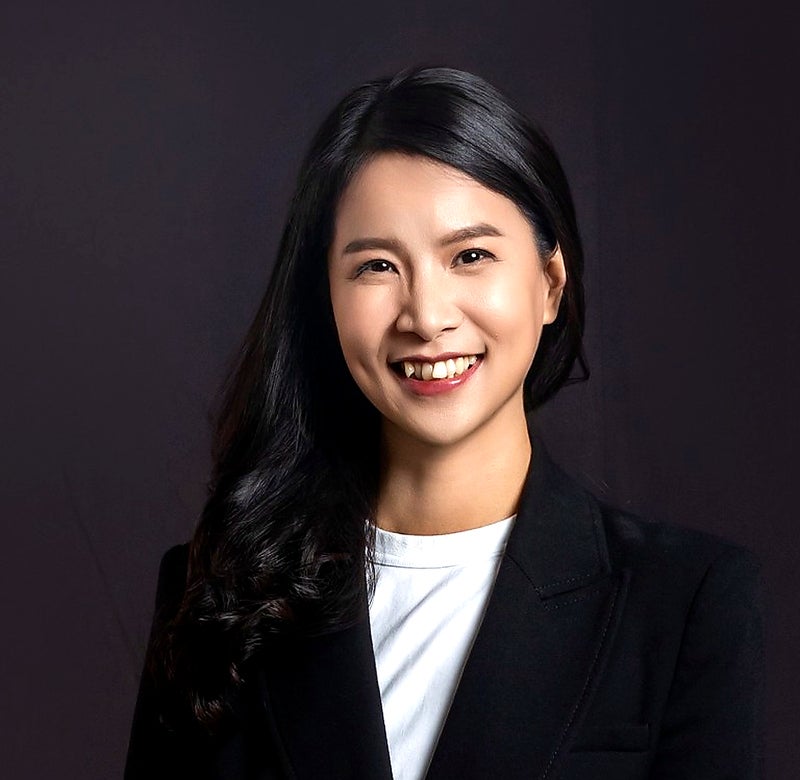
Professor Karen Yan is a philosopher of cognitive neuroscience whose work sits at the intersection of philosophy of science, philosophy of medicine, and the epistemology of interdisciplinary research. Her research investigates how cognitive neuroscientists construct knowledge of brain networks — examining the structural versus non-structural knowledge produced by techniques such as fMRI and graph-theoretic analysis — as well as computational philosophy of biomedical sciences and cross-cultural philosophy of science. She has published in leading journals including Nature Human Behaviour, Synthese, the European Journal for Philosophy of Science, and Phenomenology and the Cognitive Sciences. In 2023, she was awarded the Wu Da-you Memorial Award by Taiwan’s National Science and Technology Council, one of the most competitive recognitions for young researchers in the country. Professor Yan brings rigorous philosophical scrutiny of the methods and knowledge claims of neuroscience itself, equipping the conference with the analytical tools needed to critically examine what brain science can and cannot tell us about human cognition and identity.
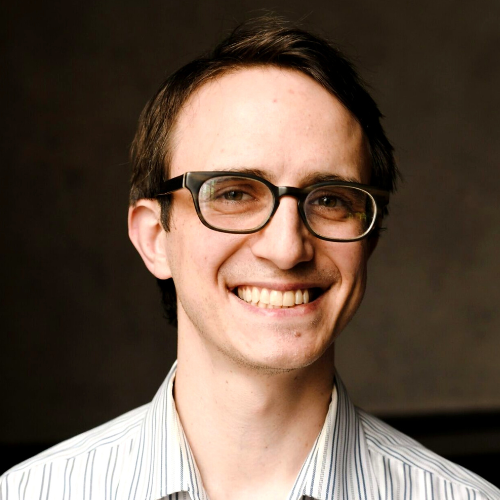
Dr. Matthew L. Baum holds an MD from the Harvard–MIT Health Sciences and Technology joint programme, a PhD in Neuroscience from Harvard Medical School, and a DPhil in Neuroethics from the University of Oxford — where he was a Caroline Miles Scholar at the Ethox Centre. He is the inaugural Director of the Translational Neuroimmune Psychiatry Research Program at Brigham and Women’s Hospital, where his clinical work focuses on psychiatric symptoms arising from autoimmune disorders such as autoimmune encephalitis and lupus. In parallel, his scholarly work addresses the neuroethics of biomarkers and bioprediction — examining what it means morally, legally, and clinically when neuroscience can predict future disease states or behaviours before they arise. His book The Neuroethics of Biomarkers: What the Development of Bioprediction Means for Moral Responsibility, Justice, and the Nature of Mental Disorder received the Carol Davis Ethics Award from the American Psychiatric Association. He has taught medical ethics at both Harvard Medical School and the University of Oxford.
Conference Organising Committee
- Tsutomu Sawai, Graduate School of Humanities and Social Sciences, Hiroshima University
- Brian D. Earp, Centre for Biomedical Ethics, National University of Singapore
- David Lyreskog, Department of Psychiatry, University of Oxford
- Adrian Carter, Monash Bioethics Centre, Monash University
- Tamami Fukushi, Faculty of Human Welfare, Tokyo Online University
- Aimi Nadia Mohd Yusof, Faculty of Medicine, Universiti Teknologi MARA
- Jiangbo Pu, Institute of Biomedical Engineering, Chinese Academy of Medical Sciences Peking Union Medical College
- Sung-Jin Jeong, Korea Brain Research Institute
- Soraj Hongladarom, Center for Ethics of Science and Technology, Chulalongkorn University
- Yonghui Ma, Centre for Bioethics, School of Medicine, Xiamen University
- Karen Yan, Institute of Philosophy of Mind and Cognition, National Yang Ming Chiao Tung University
Conference Hotel - The Ridge
We are pleased to offer speakers and participants of Neuroethics Asia 2026 access to a special discounted rate at The Ridge, our newly built on-campus hotel. Featuring 185 rooms, The Ridge offers modern comfort and unmatched convenience, located just a 5-minute walk from the event venue.
To make your reservation, please contact our CBmE representative directly:
Ms. Rosnizah Binte Mohd Ali (rosnizah@nus.edu.sg)
(Check-in date, check-out date, and preferred room type)
Please note: Participants are kindly requested to complete their conference registration prior to making a hotel booking.
Deadline for reservation is Friday, 11 September 2026.
Room Rates
Deluxe Room (King Bed)@ $210 + GST per night with breakfast for one
Deluxe Room (2 Single Beds) @ $225 + GST per night with breakfast for two
Premier Room (King Bed) @ $330 + GST per night with breakfast for one
Premier Suite (King Bed) @ $560 + GST per night with breakfast for one
Conference Venue
Kent Ridge Guild House NUSS
Cluny, Dalvey & Evans Room
Level 2, 9 Kent Ridge Drive, Singapore 119241
Note: Click here for the map and more public transport information.