The Sorrentino Laboratory

The Sorrentino Laboratory is based in the Department of Biochemistry and in the Centre for Healthy Longevity (CHL), part of the Healthy Longevity Translational Research Programme (HLTRP) at the Yong Loo Lin School of Medicine, National University of Singapore. Led by Assistant Professor Vincenzo Sorrentino, the lab investigates fundamental mechanisms that govern ageing and age-associated diseases, with a strong emphasis on identifying actionable targets to promote healthy longevity. Our work bridges basic molecular biology with translational and computational approaches to address the growing global burden of age-related decline.

What We Study

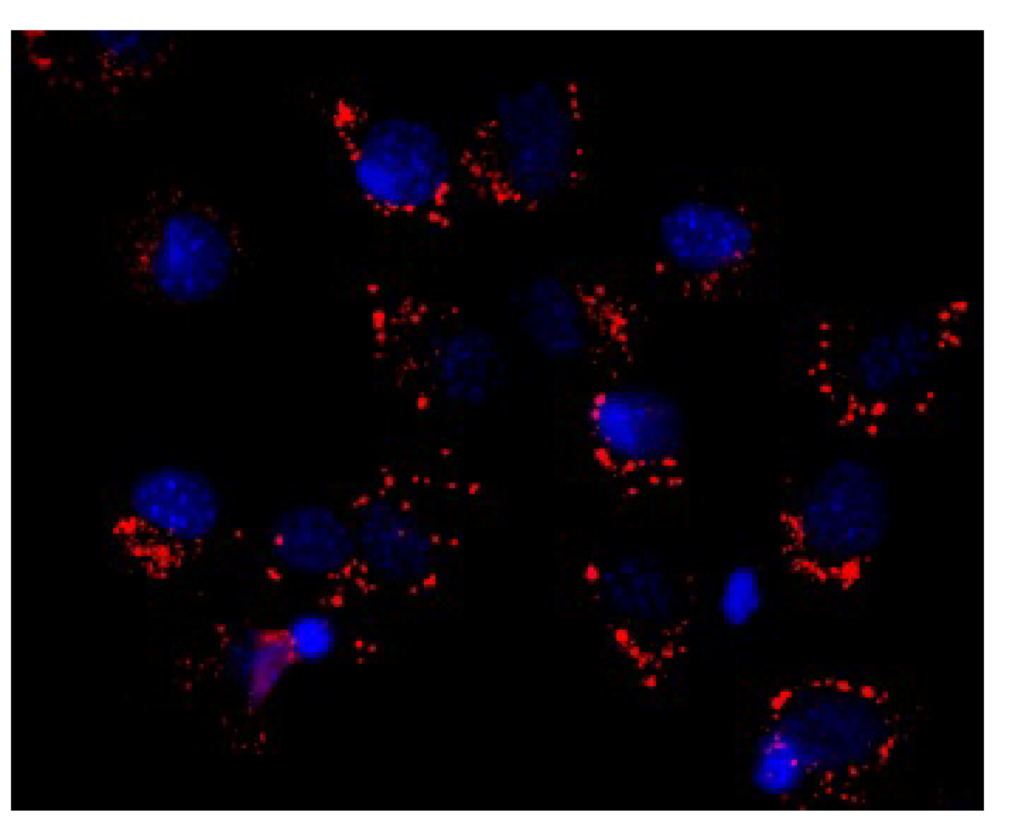
Our core scientific interest is to identify and mechanistically characterise molecular targets that regulate ageing and health span. The lab investigates how pathways involved in NAD⁺ metabolism, cellular energy homeostasis, stress responses, and protein quality control collectively contribute to cellular and organismal longevity. Using a combination of mechanistic studies, we examine how perturbations in these systems give rise to age-associated phenotypes, including metabolic dysfunction, neurodegeneration, and tissue decline.

The lab also makes use of computational biology and bioinformatics approaches to complement experimental work, aiding in hypothesis generation and exploratory analyses. We apply structure-based analyses, molecular docking, molecular dynamics simulations, and cheminformatics to support target prioritisation and small-molecule evaluation, particularly within NAD+-related and proteostasis-linked pathways. This integrative strategy allows the lab to connect in silico insights with mechanistic and functional validation in biological systems.

Our Points of Interest

 •  Molecular targets and pathways that regulate ageing, healthspan, and age-associated disease
 •  NAD⁺ metabolism, cellular homeostasis, and stress response mechanisms studied across in vitro, in vivo, and in silico models
 •  Mechanistic and translational evaluation of longevity-associated molecules using integrated experimental and computational approaches

Experimental Models and Translational Approach

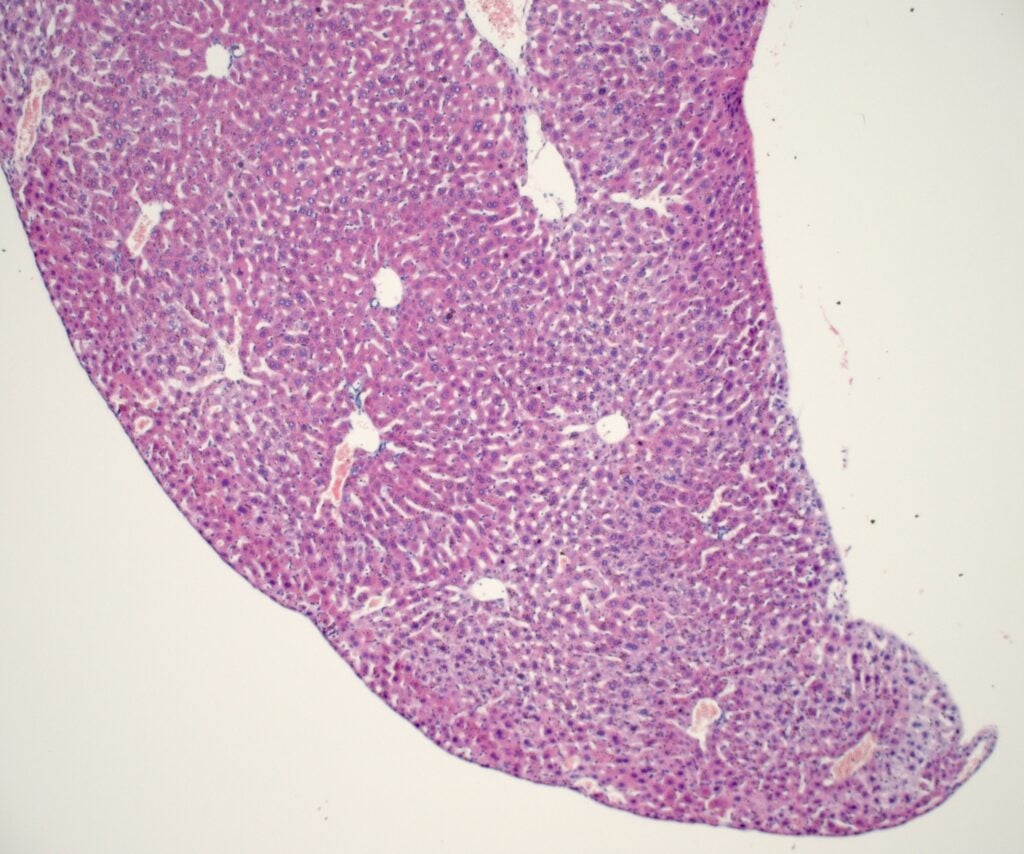
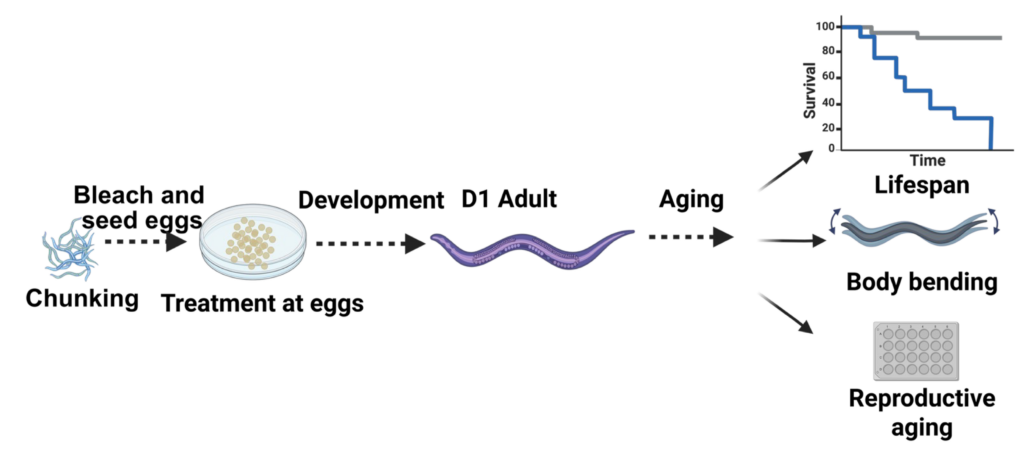
The lab employs a diverse range of preclinical models, including C. elegans, mammalian cell systems, and in vivo rodent models to uncover conserved ageing mechanisms and validate computational predictions. By combining wet-lab experimentation with in silico modelling, we aim to identify robust biomarkers and therapeutic strategies that can be translated toward interventions for age-associated diseases.

Global Impact and Collaborative Research

The lab’s innovative focus on mitochondrial biology, proteostasis, and computationally driven target discovery has gained international recognition. Sorrentino’s selection to the EMBO Global Investigator Network reflects the lab’s growing global footprint and commitment to collaborative, interdisciplinary research aimed at extending health span in ageing populations.