

10th International Symposium on Bioinformatics 2026
9:15am - 9:20am
InSyB2026 Opening Session
Nobel Laureate Virtual Welcome Address – Towards the Future of Precision Medicine for Everyone
Professor Michael Levitt

- Nobel Prize in Chemistry, Nobel Foundation (2013)
- Robert W. and Vivian K. Cahill Professor of Cancer Research
- Professor, Structural Biology, Stanford University
Moderator: Dr Subbiah Subramanian
9:20am - 9:45am
InSyB2026 Opening Session
Foundation Models for Human Health: Catch Cancer Early
Professor Chris Sander
Abstract
Scientific AI must be informed by domain knowledge to be efficient in solving meaningful goals. One example is the assessment of disease risk from people’s health histories. Another is the prediction and design of protein structures. While AI large language models are powerful generators of new text, using human health histories to predict progression to disease remains a challenging problem. A new machine learning model trained on millions of electronic health records combines the power of a time-aware generative model with supervised adaptive learning for specific subtasks, such as cancer risk stratification. Application to large EHR data sets in five different healthcare systems with millions of patients achieves good predictive performance for the probability of a first cancer diagnosis within a time horizon of up to three years. Application of an AI decision support tool, GenC-CancerRisk, is especially suitable for the implementation of screening programs for patients at highest risk for aggressive cancer types, such as pancreatic and ovarian cancer.
Speaker Biography
Chris Sander is a pioneer in biological data science, with recent innovation in computational cell biology and cancer risk stratification. He is faculty in Systems Biology at Harvard Medical School.
Sander made significant contributions to structural biology, functional genomics, cancer biology, and AI for biological problems. For protein 3D structure prediction, his team for the first time folded globular proteins correctly from sequence information alone using evolutionary couplings, setting the stage for solving the protein folding problem that had been unsolved for more than 40 years (EVfold, https://bit.ly/44IY9q2, 2011). His current focus is on predicting cancer occurrence in specific time intervals using AI foundation models trained on millions or real-world patient health trajectories for the design of early-cancer interception (early detection and prevention) programs: screen those at high risk and catch cancer early!
Moderator: Dr Subbiah Subramanian
9:45am - 10:30am
InSyB2026 Opening Session
Making Precision Medicine a reality in Singapore: Roadmap and Challenges
Professor Edison Liu

Speaker Biography
Edison Liu, M.D. is professor, President Emeritus and Special Fellow of the Jackson Laboratory (JAX). Between 2012 and 2021, he was the president and CEO of JAX, and the Director of the NCI designated JAX Cancer Center. Previously, he was the founding executive director of the Genome Institute of Singapore and the president of the Human Genome Organization. He was also the scientific director of the National Cancer Institute’s Division of Clinical Sciences in Bethesda, Md., where he led the intramural clinical translational science programs. In his earlier career, as professor at the University of North Carolina at Chapel Hill, he was the inaugural director of the UNC Lineberger Comprehensive Cancer Center’s Specialized Program of Research Excellence in Breast Cancer; the director of the Laboratory of Molecular Epidemiology (School of Public Health); and the Chief of Medical Genetics. Dr. Liu is an international expert in cancer biology, systems genomics, human genetics, molecular epidemiology, and translational medicine. His scientific research has focused on the functional genomics of human cancers, particularly breast cancer, deciphering, on a genomic scale, the dynamics of gene regulation that modulate cancer biology. Dr. Liu has authored over 360 scientific publications and co-authored two books. A recipient of many honors and awards, he has advised governments, institutions, and companies globally. In 2027, Dr. Liu will return to Singapore as the Executive Director of the Precision Health Initiative at the National University of Singapore.
Moderator: Dr Subbiah Subramanian
11:00am - 11:30am
The AiDP Approach to Quality, Trust and Discovery – Towards Generalizable AI for Precision Medicine
A/Prof Yu Weimiao
Abstract
Foundation models are opening new possibilities for scientific discovery, yet their performance remains constrained by data quality, inconsistent annotation, security requirements, and limited generalization across diverse settings. This talk introduces the AiDP programme and its vision for addressing these interconnected challenges through an integrated approach to data, learning, and trust. We will examine the bottlenecks facing our current foundation model, focusing on how variability in data acquisition, representation, and labelling can undermine robustness and transferability. We will then discuss quality control (QC), annotation strategies, and security solutions as essential components of a reliable AI pipeline.
At the heart of our approach is the hypothesis that a continuous, structured feature space can support meaningful representations across datasets and domains, helping models capture underlying relationships rather than dataset-specific patterns. We will explore how combining supervised learning with unsupervised approaches could reduce dependence on labelled data while enabling discovery of previously unrecognized structure. Finally, we will highlight model explainability as a prerequisite for scientific interpretation, informed evaluation, and user confidence. By bringing these elements together, AiDP aims to advance a practical framework for AI systems that generalize more effectively, remain secure, and produce insights that researchers can understand, scrutinize, and use responsibly in practice.
Speaker Biography
A./Prof. Weimiao Yu is a well-established scientist and innovator in the field of intelligent digital pathology, renowned for integrating advanced artificial intelligence and machine learning techniques into biomedical imaging informatics and clinical diagnosis. Currently, Yu serves as a Senior Principal Investigator at Bioinformatics Institute (BII), Agency for Science, Technology, and Research (A*STAR) Singapore. He also holds adjunct academic positions at Yong Loo Lin School of Medicine, National University of Singapore (NUS) and School of Biological Science, Nanyang Technological University (NTU). With a robust academic foundation earned, Prof. Yu transitioned seamlessly into industry, significantly contributing to cutting-edge research before pivoting back into academia. His unique blend of industrial and academic experiences, coupled with his entrepreneurial acumen demonstrated through co-founding biotech firm A!maginostic Pte. Ltd., positions him as a pivotal figure in Singapore’s biomedical ecosystem. Prof. Yu is a prolific grant awardee, having successfully secured and managed numerous large-scale projects, collectively ~ SGD 30 million. He currently leads the AI Digital Pathology (AiDP) National initiative, a groundbreaking ~SGD 17 million program to develop large-scale annotated digital pathology databases and national AI-based clinical diagnosis platforms. His cross-disciplinary collaborations span prestigious institutions, hospitals, and industry leaders, reinforcing his commitment to translating advanced computational and intelligent solutions into tangible clinical and social impacts.
11:30am - 12:00pm
Bioinformatics for Precision Medicine in Asian Populations
A/Prof Lim Weng Khong
Abstract
Genomic medicine is increasingly shifting from a challenge of generating genomic data to one of interpreting it and translating it into clinical decisions. In this talk, I will describe our experience building population and clinical bioinformatics capabilities in Singapore and Southeast Asia. Using SG10K and regional rare-disease programmes as examples, I will show how ancestry-aware population reference data can improve variant interpretation, inform the design of clinical genomic tests, and support diagnosis in underrepresented populations. I will then examine why many patients remain genetically unresolved, and our approaches to addressing these gaps through systematic resolution of variants of uncertain significance, long-read sequencing, and automated reanalysis as disease knowledge evolves. Finally, I will discuss the emerging challenge of scaling evidence integration for population-level genomic medicine, and how hybrid approaches combining deterministic bioinformatics, AI-assisted evidence synthesis, and expert review may help translate increasingly complex genomic evidence into reliable clinical decisions.
Speaker Biography
Dr Weng Khong Lim is an Assistant Professor at Duke-NUS Medical School and Principal Scientist at the Genome Institute of Singapore. He leads the bioinformatics team at the SingHealth Duke-NUS Institute of Precision Medicine (PRISM) and serves as Director of Bioinformatics at the SingHealth Duke-NUS Genomic Medicine Centre (SDGMC). His research focuses on bridging population-scale genomics with clinical application, integrating whole-genome data and electronic health records to improve diagnosis, disease risk prediction, and precision care. He led the SG10K_Med and SG100K_Med projects under Singapore’s National Precision Medicine Programme and now spearheads the SingHealth Duke-NUS Academic Medical Centre’s participation in NPM Phase III, which aims to sequence 150,000 genomes from each healthcare cluster.
12:00pm - 1:00pm
Translating Immunoinformatics: Navigating the Computational Landscape of Allergy
Professor Latha Narayanan

Abstract
The rising global prevalence of allergic diseases poses a significant public health challenge, demanding safer and more effective therapeutic interventions. Traditional allergy treatments often carry risks of inducing anaphylaxis. However, the convergence of immunoinformatics and computational biology offers a precise alternative for developing targeted immunotherapies. This talk will walk through in silico frameworks to systematically evaluate protein profiles, focusing on allergens, allergenicity assessment, allergen epitope prediction methods and in silico vaccine design. Together, these computational approaches pave the way for the epitope-targeted immunotherapies for allergy.
Speaker Biography
Prof Latha Narayanan is the Dean, School of Engineering & Applied Sciences (SEAS) & Head, Department of Biotechnology at Bennett University (The Times Group), India She has over 35 years of teaching experience and over 20 years of experience in research. With PhD in Bioinformatics & Computational Biology from IIT Delhi, her research work includes molecular modelling & simulation studies, computational drug discovery, network biology, immunoinformatics and AI/ML applications in healthcare. She has been the Principal Investigator of several research National projects and International Projects with bilateral collaborations under India-Belarus Cooperation Fund (2014), India-Austria Bilateral Cooperation (2019) and India Thailand Cooperation (2020). Dr Latha has been conferred the prestigious Excellence in Service Teacher’s Award by University of Delhi (2019) and the prestigious INSA Teacher Award by Indian National Science Academy (2020). Dr. Latha has served as Executive Committee member of the Asia Pacific Bioinformatics Network (APBioNET) from 2022-2026.
2:00pm - 2:45pm
Industry Session: AI/ML‑enabled Translational Research for Pharmaceutical R&D
Dr. Asad Abu Bakar Ali

Abstract
Drug development is a long, complex, and high-risk process that requires the integration of expertise across multiple scientific and technological disciplines. Translational medicine sits at the center of this effort, bringing together translational pharmacology, biomarkers, multiomic sciences, tissue and radiological imaging, data science, and AI/ML to bridge discovery research and clinical development. This talk explores how these capabilities are transforming pharmaceutical R&D by enabling earlier insights into disease biology, improving decision-making, and accelerating the discovery and development of innovative medicines. Through real-world examples, the session highlights how the convergence of biology, technology, and artificial intelligence is creating new opportunities to generate actionable insights, reduce development risk, and ultimately improve patient outcomes.
Speaker Biography
Asad Abu Bakar Ali is Executive Director and Site Head of the Translational Medicine Research Center (TMRC) at MSD Research Laboratories in Singapore. He leads multidisciplinary teams across translational pharmacology, multiomic sciences, biomarkers, tissue & radiology imaging, data science, and AI/ML to accelerate the discovery and development of innovative medicines. Having journeyed from precision engineering to precision medicine, Asad is passionate about advancing innovation at the intersection of biology, technology, data science, and AI. He is a strong advocate for purpose-driven leadership and believes that meaningful impact begins with connection, bringing together purpose, people, science, and innovation to create lasting impact for patients, communities, and society.
2:45pm - 3:15pm
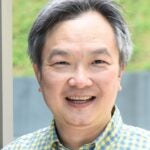
Explanatory Model Awareness in the Age of AI
Professor Wong Limsoon
Abstract
As AI gets better at reasoning, the hard part of expertise is changing. It is no longer mainly about reasoning well inside a model we already have. It is about noticing when the model itself no longer matches reality. I call this skill “explanatory model awareness”.
AI has two weaknesses here. First, it only knows the world through its training data, so when reality differs from that data, it has no way to notice — it keeps answering confidently. Second, even on pure math questions that involve no contact with the real world, AI can miss answers that are, in principle, within its reach.
I use examples from computational biology to make this concrete: methods that score well on standard benchmarks but merge distinct cell types, predict protein folds that look right yet cannot perform their function, or work on test data but fail in real deployment. In each case, the overall score hid the failure; only careful, diagnostic evaluation found where each method’s model breaks.
The lesson for scientists is simple: as AI takes over more reasoning, our job is increasingly to sense where its model ends — and to build better tests that show those boundaries.
Speaker Biography
Wong Limsoon is Kwan-Im-Thong-Hood-Cho-Temple Professor in the School of Computing at the National University of Singapore. His research spans knowledge discovery, computational biology, and database theory, with a focus on rigorous, interpretable, and justifiable methods. He is a Fellow of the ACM and the Singapore National Academy of Science.
3:15pm - 4:00pm
Can AI-based AlphaFold Protein Models Go Beyond Structure to Explain Function?
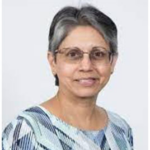
Professor Shoba Ranganathan
Abstract
AlphaFold (AF) is Google DeepMind’s contribution to the long-standing problem of protein structure prediction, earning its creators the 2024 Nobel Prize. It predicts 3D structures of proteins with a high degree of accuracy and is now widely used by researchers. However, can it explain protein function?
We have applied AlphaFold to insect odorant receptors (iORs), which are 7-transmembrane-domain (7TM) ion channels essential for the survival of insects. iORs play a key role in many insect behaviours, including foraging, pollination, social interactions, and host, prey and enemy recognition. ORs are therefore highly specialized and bear very little sequence similarity, even within the same species. These receptors present an “upside-down” topology relative to G-protein coupled receptors (GPCRs) and function without any accessory G proteins to let calcium ions in the olfactory neurons upon agonist binding.
We compared the AF models to classical template-based modelling (TBM) to check if these models can explain mutations that modify function. In vivo, ORs are tetramers composed of an OR subunit assembling in the membrane with three odorant co-receptor (Orco) subunits, while Orco homotetramers can form functional cation channels ex-vivo.
AF successes and failures in the case of iORs and Orco homotetramer will be presented.
Speaker Biography
Shoba Ranganathan is currently Honorary Professor in Applied Biosciences, Macquarie University, Sydney, Australia since 2023, after serving as Chair of Bioinformatics from 2004. Prior to that, she was Associate Professor in the Bioinformatics Centre and later the Department of Biochemistry, National University of Singapore. Her research interests include genome annotation, transcriptome analysis, structural bioinformatics, immunoinformatics, genome-phenome analysis, biological networks, biodiversity informatics and cheminformatics. Shoba’s achievements include the development of graph-theoretical methods for alternative splicing analysis, docking protocol for vaccine design, pipelines for assembly and annotation of transcriptomic data and network approaches for large scale data mining. She currently chairs the honorary Board of Directors of Asia-Pacific Bioinformatics Network Ltd, Singapore. She was awarded the 2023 Outstanding Contributions to the International Society for Computational Biology (ISCB) Award and the 2026 Lifetime Achievement Award for Excellence in Mentoring and Research from Bioclues, India. She is a Fellow of ISCB and the Asia-Pacific Artificial Intelligence Association (AAIA) since 2024 as well as an Honorary Senior Fellow of the Australian Bioinformatics and Computational Biology Society (ABACBS) since 2018.
4:00pm - 4:45pm
Towards Zero Embargo on Technology Through Open Access Publishing Models
Professor Pandjassarame Kangueane

Abstract
Science for service in a society is the success story of scientists with serenity. Hence, communication of science data is imperative across continents. This is done using scholarly journal platforms promoted and managed by publishers. Further, availability, accessibility and applicability of science data for Engineering and Technology are paramount for social developments. In this regard, access to known scientific data through open access publishing models have gained momentum in the last 3 decades. The Challenges and other linked features in promoting open access to Bioinformation literature over about 2 decades is an interesting path. Analysis of science data is monitored through peer citation metrics. However, it is not a hard and fast rule for service in a society. Thus, the role of open access to known data in advancing science is imperative towards zero Embargo on Technology across continents.
Speaker Biography
Dr. Pandjassarame Kangueane is a well-known scientist, professor, author, and entrepreneur who is a leading expert in the fields of biotechnology and bioinformatics.He has dedicated his life to teaching higher education, managing scientific discoveries, and using computational methods to solve complex healthcare puzzles.
Key Roles and Career
Founding Editor-in-Chief: He created and leads BIOINFORMATION, a popular online scientific journal where researchers from all over the world share new findings about biology.
Managing Director: Since 2006, he has run Biomedical Informatics Private Limited, a company based in Puducherry, India, focused on designing health solutions like short peptide vaccines to fight diseases.
Former Professor: He taught and supervised students as a professor at Nanyang Technological University (NTU) in Singapore.
Scientific Contributions
Dr. Kangueane uses computers, math, and statistics—a field called bioinformatics—to understand how biological data works. His main scientific work focuses on how proteins talk to each other, how cells function, and how to create computer models that predict the best ways to design new medicines. He has also written several important textbooks used by college students, such as
“Bioinformatics: A Concept-Based Introduction” and Protein-Protein and Domain-Domain Interactions.
Background and Personal Life
He grew up in Puducherry, India, where he was a top-ranking science student at the Petit Séminaire Higher Secondary School. He later went to Anna University and the National University of Singapore for his higher studies. Aside from being a busy scientist, author, and teacher, he describes himself as a farmer and a philanthropist who wants to use his knowledge to help people in need.
5:15pm - 6:00pm
InSyB2026 Closing Session
Welcome to Special Guest: Dr Sebastian Maurer-Stroh, Executive Director, Bioinformatics Institute, A*STAR
Lecture 1: Seven Grand Challenges in Bioinformatics Education and Training: Towards a Living Agenda
Professor Mohammad Asif Khan

Abstract
This symposium marks thirty years of bioinformatics at NUS, and across the same three decades the gap between what the tools can do and who can actually use them only widened. Generative AI has made that gap urgent rather than merely chronic. The field has never lacked diagnoses of its training problem. What it has lacked is a sustained process for turning diagnosis into work that somebody owns. A consortium started by APBioNET, now with member organisations across the world, identified seven grand challenges in bioinformatics education and training, and has since moved from naming them to working out what each would take to solve. The seven are held as a living agenda rather than a fixed list, and revised as the field moves.
Speaker Biography
Mohammad Asif KHAN is Professor and Associate Dean of the College of Computing and Information Technology at the University of Doha for Science and Technology (UDST), Qatar. He received his PhD from the National University of Singapore and then joined the faculty of Johns Hopkins University (JHU), USA. He was part of the JHU team that set up a collaboration with Perdana University in Malaysia, where he served as Founding Dean of the School of Data Sciences and Founding Director of the Centre for Bioinformatics. He was also a Visiting Professor at Bezmialem Vakif University, Istanbul, under Turkey’s International Fellowship for Outstanding Researchers. Dr Khan has served as President of the Asia-Pacific Bioinformatics Network (APBioNET) for multiple terms, is Chair of the Executive Board of the Global Organisation for Bioinformatics Learning, Education and Training (GOBLET), and is an Honorary Director of the International Society for Computational Biology (ISCB). He was among the organisers of the first InSyB in 2017 and hosted the ninth edition at UDST in 2025. His research focuses on biological data warehousing and on bioinformatics applications to viruses, immune responses, vaccines, drug design and disease biomarkers.
6:00pm - 6:45pm
InSyB2026 Closing Session
Lecture 2: 40 years of Bioinformatics: A Personal History
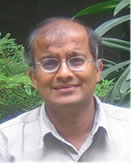
Dr Subramanian Subbiah
Speaker Biography
Dr Subbiah Subramanian is recognised for pioneering contributions to computational biology and bioinformatics, and for an exceptional career translating fundamental science into institutions, communities, technologies and enterprises with international impact.
Trained in biophysics and protein structure analysis at Harvard University, Dr Subramanian was among the early generation of scientists who recognised the transformative potential of computation for understanding biological macromolecules. His work addressed problems that remain fundamental to computational biology today: how protein sequences can be compared and related, how three-dimensional protein structures can be computationally modelled, and how rapidly expanding biological information can be integrated and analysed systematically.
Among his earliest contributions was *TULLA, a multiple sequence alignment program developed with Professor Stephen C. Harrison and reported in the *Journal of Molecular Biology in 1989. Their work employed dynamic programming to construct multiple sequence alignments with gaps, helping establish computational approaches for identifying relationships among protein sequences and structures.
Dr Subramanian subsequently made important contributions to *computational protein structure modelling. His work on predicting protein side-chain conformations demonstrated how packing optimisation and simulated annealing could transform a combinatorially prohibitive problem into a tractable computational procedure. At Stanford University, he also addressed one of structural biology’s longstanding challenges—the derivation of macromolecular structures from X-ray diffraction data. His sole-author 1991 paper in *Science introduced an ab initio computational approach to the macromolecular crystallographic phase problem based on low-resolution real-space molecular envelopes. This programme of work led to further methodological developments and patented approaches to high-resolution crystallographic modelling.
Dr Subramanian’s vision extended beyond individual algorithms. As biological databases and genomic information expanded rapidly during the 1990s, he advocated moving bioinformatics from laborious, ad hoc analysis towards a *protocol approach* in which computational workflows could integrate sequence analysis, structural and functional prediction, heterogeneous databases and scientific knowledge. This anticipated the automated data pipelines and integrated computational environments that became central to modern bioinformatics.
He was also instrumental in building the institutional foundations of the discipline in Singapore. Working closely with Dr Tan Tin Wee and colleagues at the National University of Singapore, Dr Subramanian helped establish and develop the *NUS Bioinformatics Centre*, which became an early regional focal point for bioinformatics research, infrastructure and training. The Centre fostered pioneering work in biological data integration, including the Kleisli/BioKleisli technology developed by Professor Wong Limsoon and colleagues for querying heterogeneous and distributed biological databases. Dr Subramanian subsequently served as CEO of the spin-out created to commercialise Kleisli, demonstrating at an early stage the potential to translate bioinformatics research into enterprise.
His contribution to community-building extended across the Asia-Pacific. In 1998, Dr Subramanian became *Founding President of the Asia-Pacific Bioinformatics Network, APBioNet*, helping establish a regional community for bioinformatics research, education, computing infrastructure and collaboration. His commitment to capacity building subsequently extended to international initiatives such as the S-Star Alliance in online bioinformatics education.
A distinctive feature of Dr Subramanian’s career has been his ability to move repeatedly from *scientific discovery to technological innovation and enterprise*.
In 1999, he was part of the pioneering NUS team that translated research on *multilingual and internationalised domain names* into commercial Internet infrastructure. The underlying multilingual Domain Name System technology, developed from research led by Dr Tan Tin Wee and colleagues, enabled Internet users to address online resources using domain names expressed in languages and scripts beyond the traditional ASCII-based system. Dr Subramanian is a named inventor on the resulting international patent family for multilingual domain-name services.
That research was spun out from NUS as *i-DNS.net International, backed by major investment from General Atlantic Partners. As a **Founder, Director and Chairman of i-DNS.net*, Dr Subramanian helped take university research into an international technology enterprise at a formative moment in the development of the multilingual Internet. The company became one of the earliest commercial implementers of internationalised domain-name technology, demonstrating how research originating in Singapore could address a fundamental challenge in making the Internet accessible across languages and cultures.
This pattern of technology entrepreneurship continued through subsequent ventures and investments. Dr Subramanian has been closely associated with *BrandShield*, the online brand-protection and digital-risk company led by Yoav Keren and Yuval Zantkeren, where he serves as a Director. His involvement reflects a continuing interest in the evolution of Internet infrastructure from accessibility and naming to trust, identity, security and protection in an increasingly complex digital environment.
More recently, this trajectory has extended into *privacy-preserving computation and artificial intelligence, including his involvement with **DataKrypto*, developer of FHEnom, a high-performance Fully Homomorphic Encryption platform. FHE addresses one of the central challenges of contemporary computing: enabling computation on information while it remains encrypted. DataKrypto is applying this technology to confidential AI, seeking to protect models, queries and sensitive datasets throughout computation rather than relying solely on encryption at rest or in transit. This work continues the theme running throughout Dr Subramanian’s career—the translation of difficult computational ideas into technologies capable of operating at real-world scale.
Across more than three decades, Dr Subramanian’s contributions have therefore traversed an unusually broad arc: *from algorithms for biological sequence comparison and protein structure prediction, to integrated bioinformatics systems; from building the institutional foundations of bioinformatics in Singapore and the Asia-Pacific, to multilingual Internet infrastructure; and from scientific research to technology enterprises in cybersecurity, data privacy and artificial intelligence.*
What unites these contributions is a consistent ability to recognise emerging computational challenges early, develop or support rigorous technical solutions, build communities and organisations around them, and translate innovation beyond the laboratory.
For his pioneering contributions to computational biology, his foundational role in establishing bioinformatics in Singapore and the Asia-Pacific, and his sustained record of translating computational science into technologies, institutions and enterprises with international reach, *Dr Subbiah Subramanian is recognised for a lifetime of pioneering achievement in computational science, bioinformatics, innovation and enterprise.*
7:00pm
Dinner & BIC 30th Anniversary Awards Ceremony (Invited Guests Only)
Venue: Nexus, Level 6, University Hall, NUS
Guest-Of-Honour:
Dr Sebastian Maurer-Stroh
Executive Director of Bioinformatics Institute, A*STAR
At the 30th Anniversary of the Bioinformatics Centre of NUS, the first bioinformatics institution in Singapore which was founded in 1996, over 30 nominations were received for the BIC30 Anniversary Awards. These awards recognize BIC staff and alumni who have distinguished themselves over the decades in bioinformatics and beyond. At the InSyB2026 Gala Dinner, award recipients will be presented with a trophy and a certificate by the Guest-Of-Honour.
In recognition of the outstanding achievements of these awardees, the executive committees of the Association for Medical and Bio-Informatics Singapore (AMBIS) and the Asia Pacific Bioinformatics Network (APBioNet) have also endorsed these BIC30 Awardees at the national and regional level respectively. Their award citations are listed in the links below.