

BIC 30th Anniversary Awards
BIC30 Anniversary Awards Nomination Committee
Tan Tin Wee (Chair)
P Kangueane
Shoba Ranganathan
BIC30 Anniversary Awards Selection Committee
Tan Tin Wee (Chair)
Caroline Lee
N Latha
AMBIS ExCo for National Endorsement
APBioNet ExCo for Regional Endorsement
BiC30 awards is held in conjunction with the 10th International Symposium on Bioinformatics (InSyB2026).
Both the APBioNet ExCo and AMBIS ExCo members have endorsed the BIC30 Awardees. As such, the Awards are now officially known as the APBioNet-AMBIS-BIC30 Awards.
Awards Process
Nominations Committee solicits, collects and collates nominations from the community and processes the nominations for CV/BioData/draft Citation and decides to escalate the nominees to Selection Committee, for BIC30 Anniversary event (14 Oct 2026 NUS Univ Hall auditorium), or for future awards, particularly if the nominee is not ready or for whatever reasons. Nomination Committee also reviews suitability for the category of award, and decides new categories if necessary.
Selection Committee reviews the candidates for awards according to category and determines if candidates are suitable and sufficiently meritorious for the award nominated for.
Once the awardees are determined, Nomination Committee will escalate it to AMBIS ExCo for their endorsement or not at National Level.
For those endorsed at National Level, they will have the AMBIS designation prefixed to the name of their award, e.g. AMBIS-BIC30 Award. These awardees shall be escalated to APBioNet ExCo for their endorsement, or not, at the Regional Level. If accepted, they will have the APBioNet designation prefixed to the name of their award, e.g. APBioNet-AMBIS-BIC30 Singapore Awards
Awardees will have their citations edited and sanitised for website display prior to the award ceremony on 14 Oct 2026 (evening dinner at NUS University Hall Nexus room)
Awardees may be invited by the InSyB 2026 symposium programme subcommittee to present a short paper during the 10th InSyB 2026. They may be invited to say a few words in their acceptance speech during the award ceremony.
Awardees will have a small trophy as a token of their award, and will have their citations and photograph kept in the online websites of the various relevant organisations.
Award Recipients
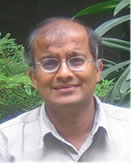
Dr Subbiah Subramanian
BIC 30th Anniversary Awards
APBioNet-AMBIS-BIC30 Distinguished Pioneer Award for Computational Biology, Bioinformatics, Innovation and Enterprise
Dr Subbiah Subramanian is recognised for pioneering contributions to computational biology and bioinformatics, and for an exceptional career translating fundamental science into institutions, communities, technologies and enterprises with international impact.
Trained in biophysics and protein structure analysis at Harvard University, Dr Subramanian was among the early generation of scientists who recognised the transformative potential of computation for understanding biological macromolecules. His work addressed problems that remain fundamental to computational biology today: how protein sequences can be compared and related, how three-dimensional protein structures can be computationally modelled, and how rapidly expanding biological information can be integrated and analysed systematically.
Among his earliest contributions was *TULLA, a multiple sequence alignment program developed with Professor Stephen C. Harrison and reported in the *Journal of Molecular Biology in 1989. Their work employed dynamic programming to construct multiple sequence alignments with gaps, helping establish computational approaches for identifying relationships among protein sequences and structures.
Dr Subramanian subsequently made important contributions to *computational protein structure modelling. His work on predicting protein side-chain conformations demonstrated how packing optimisation and simulated annealing could transform a combinatorially prohibitive problem into a tractable computational procedure. At Stanford University, he also addressed one of structural biology’s longstanding challenges—the derivation of macromolecular structures from X-ray diffraction data. His sole-author 1991 paper in *Science introduced an ab initio computational approach to the macromolecular crystallographic phase problem based on low-resolution real-space molecular envelopes. This programme of work led to further methodological developments and patented approaches to high-resolution crystallographic modelling.
Dr Subramanian’s vision extended beyond individual algorithms. As biological databases and genomic information expanded rapidly during the 1990s, he advocated moving bioinformatics from laborious, ad hoc analysis towards a *protocol approach* in which computational workflows could integrate sequence analysis, structural and functional prediction, heterogeneous databases and scientific knowledge. This anticipated the automated data pipelines and integrated computational environments that became central to modern bioinformatics.
He was also instrumental in building the institutional foundations of the discipline in Singapore. Working closely with Dr Tan Tin Wee and colleagues at the National University of Singapore, Dr Subramanian helped establish and develop the *NUS Bioinformatics Centre*, which became an early regional focal point for bioinformatics research, infrastructure and training. The Centre fostered pioneering work in biological data integration, including the Kleisli/BioKleisli technology developed by Professor Wong Limsoon and colleagues for querying heterogeneous and distributed biological databases. Dr Subramanian subsequently served as CEO of the spin-out created to commercialise Kleisli, demonstrating at an early stage the potential to translate bioinformatics research into enterprise.
His contribution to community-building extended across the Asia-Pacific. In 1998, Dr Subramanian became *Founding President of the Asia-Pacific Bioinformatics Network, APBioNet*, helping establish a regional community for bioinformatics research, education, computing infrastructure and collaboration. His commitment to capacity building subsequently extended to international initiatives such as the S-Star Alliance in online bioinformatics education.
A distinctive feature of Dr Subramanian’s career has been his ability to move repeatedly from *scientific discovery to technological innovation and enterprise*.
In 1999, he was part of the pioneering NUS team that translated research on *multilingual and internationalised domain names* into commercial Internet infrastructure. The underlying multilingual Domain Name System technology, developed from research led by Dr Tan Tin Wee and colleagues, enabled Internet users to address online resources using domain names expressed in languages and scripts beyond the traditional ASCII-based system. Dr Subramanian is a named inventor on the resulting international patent family for multilingual domain-name services.
That research was spun out from NUS as *i-DNS.net International, backed by major investment from General Atlantic Partners. As a **Founder, Director and Chairman of i-DNS.net*, Dr Subramanian helped take university research into an international technology enterprise at a formative moment in the development of the multilingual Internet. The company became one of the earliest commercial implementers of internationalised domain-name technology, demonstrating how research originating in Singapore could address a fundamental challenge in making the Internet accessible across languages and cultures.
This pattern of technology entrepreneurship continued through subsequent ventures and investments. Dr Subramanian has been closely associated with *BrandShield*, the online brand-protection and digital-risk company led by Yoav Keren and Yuval Zantkeren, where he serves as a Director. His involvement reflects a continuing interest in the evolution of Internet infrastructure from accessibility and naming to trust, identity, security and protection in an increasingly complex digital environment.
More recently, this trajectory has extended into *privacy-preserving computation and artificial intelligence, including his involvement with **DataKrypto*, developer of FHEnom, a high-performance Fully Homomorphic Encryption platform. FHE addresses one of the central challenges of contemporary computing: enabling computation on information while it remains encrypted. DataKrypto is applying this technology to confidential AI, seeking to protect models, queries and sensitive datasets throughout computation rather than relying solely on encryption at rest or in transit. This work continues the theme running throughout Dr Subramanian’s career—the translation of difficult computational ideas into technologies capable of operating at real-world scale.
Across more than three decades, Dr Subramanian’s contributions have therefore traversed an unusually broad arc: *from algorithms for biological sequence comparison and protein structure prediction, to integrated bioinformatics systems; from building the institutional foundations of bioinformatics in Singapore and the Asia-Pacific, to multilingual Internet infrastructure; and from scientific research to technology enterprises in cybersecurity, data privacy and artificial intelligence.*
What unites these contributions is a consistent ability to recognise emerging computational challenges early, develop or support rigorous technical solutions, build communities and organisations around them, and translate innovation beyond the laboratory.
For his pioneering contributions to computational biology, his foundational role in establishing bioinformatics in Singapore and the Asia-Pacific, and his sustained record of translating computational science into technologies, institutions and enterprises with international reach, *Dr Subbiah Subramanian is recognised for a lifetime of pioneering achievement in computational science, bioinformatics, innovation and enterprise.*
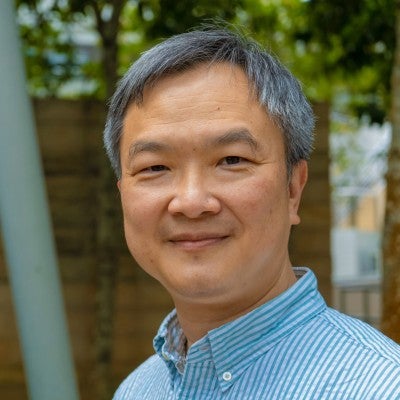
Professor Wong Limsoon
https://www.linkedin.com/in/limsoon-wong-75564/
BIC 30th Anniversary Awards
APBioNet-AMBIS-BIC30 Singapore Pioneering Founder Award
When the history of bioinformatics in Singapore is written, Limsoon Wong should be remembered as one of its founding scientists and institution-builders, and as an important intellectual force in shaping the character of the field. His contribution was not simply to introduce bioinformatics as a research area, but to help establish a distinctive style of research combining theoretical depth, methodological rigor, practical relevance, and openness to unconventional directions.
Wong’s work on the Kleisli data-integration and query system, begun in 1994, was an ambitious early initiative demonstrating how database theory and computational methods could be applied to biological data. The work attracted interest from several pharmaceutical companies, which sought to license the technology. To facilitate this, a company was spun out, with Subramanian Subbiah serving as CEO. Kleisli therefore provided an early demonstration not only of the scientific potential of bioinformatics, but also of its commercial and translational possibilities. The visibility and momentum generated by this work contributed to the emerging recognition of bioinformatics as strategically important to Singapore. In 1996, the Singapore Economic Development Board funded the Bioinformatics Centre (BIC) led by Tan Tin Wee at NUS and the BIC Bioinformatics Research Unit led by Wong at KRDL, providing an institutional base for the field’s subsequent development.
Wong’s contribution went beyond his own research. A database theorist who became a computational biologist, he brought formal rigor to problems ranging from data integration and gene-expression analysis to reliability assessment, protein-interaction analysis, pattern discovery, and query languages. More importantly, as leader of the BIC-KRDL, he built a research environment in which scientists with very different strengths could develop ambitious programmes of their own.
This breadth is illustrated by the researchers he recruited and supported. Vladimir Brusic developed an early programme in computational immunology and immunoinformatics, including epitope prediction and immune databases. Vladimir Bajic pursued demanding work on promoter recognition and gene-structure analysis, producing the Dragon Promoter Finder and Dragon Promoter Mapper. See-Kiong Ng developed biomedical text mining and BioNLP, an early effort to turn the biomedical literature into structured knowledge; Wong also recognized the potential of this expertise for translation, helping connect it to the founding of Molecular Connections, which grew into an international scientific information-services company. Louxin Zhang developed fundamental work in phylogenetic reconstruction and its mathematical foundations, ensuring that the group’s portfolio extended from applications to lasting theoretical questions.
What is distinctive about Wong’s contribution is therefore not merely the number of papers or projects associated with him, but the intellectual ecosystem he helped create. He recruited talented researchers, supported unconventional directions, and gave them room to develop work that was not simply derivative of his own. The resulting culture combined theory, computation, biology, software, information extraction, and entrepreneurship.
Wong’s legacy is thus both scientific and institutional. He helped establish early scientific and commercial foundations for bioinformatics in Singapore through Kleisli and its subsequent spin-out, and helped build the institutional foundation represented by BIC-KRDL. At the same time, he shaped the people, standards, and research directions through which the field developed. His later election as an ACM Fellow in 2013, for contributions to database theory and computational biology, and as a Fellow of the Singapore National Academy of Science in 2024 reflects the standing he achieved through this combination of scholarship, leadership, mentorship, and vision.

Professor Shoba Ranganathan
BIC 30th Anniversary Awards
APBioNet-AMBIS-BIC30 Pioneer LifeTime Achievement and Outstanding Academic Leadership Award
Shoba has made an outstanding contribution to bioinformatics, computational biology, scientific education and international research collaboration, with a particular impact on Singapore, Australia and the Asia-Pacific region.
She joined BIC in August 2000 as Research Associate Professor, from the Australian Genomic Information Centre at the University of Sydney, Australia. She spearheaded the NUS Bioinformatics Graduate Program, starting with 10 PhD students, supervised by BIC investigators. She then transferred to Associate Professor in the Department of Biochemistry, Faculty of Medicine and the Department of Biological Sciences, Faculty of Science in 2001, and was responsible for the core Bioinformatics unit in the Life Sciences UG curriculum, for 300 students each semester, with three concurrent labs for practical hands-on training. From 2000, she has been an integral part of the Asia-Pacific Bioinformatics Network (APBioNet) and was President from 2003-2014, fostering bioinformatics in the Asia-Pacific region by running workshops, conferences such as InCoB and starting the Workshop on Education in Bioinformatics (WEB) at Intelligent Systems for Molecular Biology (ISMB) 2001, Copenhagen, Denmark.
She was appointed Australia’s first Chair of Bioinformatics, at Macquarie University in 2004, a position she held until 2022. Over nearly two decades, she helped establish and strengthen bioinformatics as a major research and education discipline in Australia. Her research has encompassed genome and transcriptome analysis, structural bioinformatics, immunoinformatics, biodiversity informatics, computational systems biology and cheminformatics. Her research has been cited >11,000 times.
Her contribution has received substantial international recognition. She was the first Singapore and Australian Director of the Board of the International Society for Computational Biology (ISCB), the first UNESCO Chair of Biodiversity Informatics, was awarded Honorary Senior Fellowship of the Australian Bioinformatics and Computational Biology Society in 2018, and received the 2023 Outstanding Contributions Award from the International Society for Computational Biology for her leadership, education and service to the global bioinformatics community. She was subsequently elected an ISCB Fellow.

Professor Mohammad Asif Khan
BIC 30th Anniversary Awards
APBioNet-AMBIS-BIC30 Outstanding Academic Leadership and Capacity Building Award
Mohammad Asif Khan is the clearest example of what training at the National University of Singapore (NUS) Bioinformatics Centre (BIC) went on to build beyond Singapore. BIC taught him bioinformatics and how a centre gives a field a home. He has since given the field a home in Malaysia, Türkiye and Qatar, and is still building.
BIC’s training took him straight into a faculty appointment at Johns Hopkins University, without a postdoctoral position in between. Asif completed his BAppSc (Hons), MSc and PhD at NUS, the last in 2010, leaving with 22 peer-reviewed journal articles and a record of teaching, mentoring, supervision and event organisation already at faculty level.
Asif has since founded four academic units across Malaysia, Türkiye and Qatar. Johns Hopkins selected him for the pioneer team that established Perdana University in Malaysia in 2011, where he was the only bioinformatics faculty member. He founded its Centre for Bioinformatics in 2014 and, in 2016, the country’s first School of Data Sciences as Founding Dean. He led the establishment of four new academic programmes, from a postgraduate diploma in bioinformatics to a bachelor’s degree in data science. A TÜBİTAK International Fellowship took him to Istanbul in 2020, where he built a viral diversity analytics group at Bezmialem Vakıf University and trained its students through the pandemic years. He founded the Centre of Excellence in Bioinformatics at the University of Doha for Science and Technology in 2024. In each country, he also brought the community with him, hosting the APBioNET symposium at his own institution in Selangor in 2018, Istanbul in 2021 and Doha in 2025. Nearly 3,000 students in four countries have passed through his teaching, and 16 doctoral and master’s researchers have completed under his supervision.
One question has run through his research: what stays constant in viruses that survive by changing. He has pursued it from dengue to SARS-CoV-2, developing approaches that quantify sequence diversity dynamics and identify the minimal conserved set that remains a viable vaccine, drug and diagnostic target as the virus evolves. His work spans more than 20 tools and databases, from his BIC years to the suite his group runs today, more than 90 peer-reviewed papers cited over 3,700 times, and three granted US patents.
Much of the training Asif has delivered existed only because he built the platform for it first. He founded Perdana University’s joint workshop series with the Asia-Pacific Bioinformatics Network (APBioNET) in 2015, and the Bioinformatics Workshop Fiesta in 2018, nine monthly workshops in Indonesia, and a second series (2020-22) of 16 that drew close to 700 registrations. He has organised more than 80 conferences, workshops and meetings in all.
Asif has served APBioNET since 2006 and led it as President from 2018 to 2024, and what the network did in those years states plainly what he does. The Bioinformatics Grand Challenge Consortium, founded in 2021, produced in Nature Biotechnology a consensus framework of seven systemic challenges in bioinformatics education. The Asia and Pacific Bioinformatics Joint Congress, envisaged in 2015 and pursued for nearly a decade, convened for the first time in Okinawa in 2024 under a steering committee he chaired, bringing 15 of the region’s bioinformatics organisations onto one platform. He chairs GOBLET, the Global Organisation for Bioinformatics Learning, Education and Training, was appointed an Honorary Director of the International Society for Computational Biology (ISCB) in 2025, and remains Vice President of the Association for Medical and Bio-Informatics Singapore (AMBIS).
The APBioNET International Symposium on Bioinformatics (InSyB), which he helped found in 2017, comes to Singapore for the first time this year for its 10th edition, bringing him back to the Centre where he learned the work. A centre that gives a field a home is measured, in the end, by how many other homes it makes possible. Mohammad Asif Khan has spent his career building them.
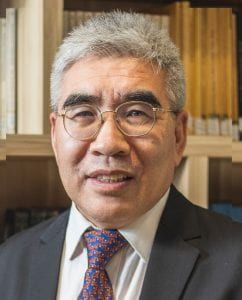
Professor Zhang Louxin
https://en.wikipedia.org/wiki/Louxin_Zhang
BIC 30th Anniversary Awards
APBioNet-AMBIS-BIC30 Lifetime Achievement in Computational Biology Award
Zhang Louxin is a Professor of Mathematics at the National University of Singapore and Director of the Center for Data Science and Machine Learning. He holds B.Sc. and M.Sc. degrees in Mathematics from Lanzhou University and a Ph.D. in Computer Science from the University of Waterloo (1996). He was awarded the Lee Kuan Yew Postdoctoral Fellowship in 1997.
Over a career spanning three decades, Zhang has published more than 150 refereed papers and co-authored a monograph on sequence comparison and a textbook on bioinformatics. His defining scientific contribution is not simply the breadth or volume of this work, but a distinctive intellectual approach. He repeatedly identifies the discrete mathematical structure underlying difficult problems in evolutionary genomics and develops the theory and algorithms needed to exploit that structure. His work has helped turn important biological questions into precise combinatorial problems with provable properties, computational algorithms, and lasting conceptual value.
Zhang has made fundamental contributions to the mathematical theory of phylogenetic networks. In his 2016 Journal of Computational Biology paper, he established a necessary and sufficient condition for tree-based networks and proved the existence of universal tree-based networks, resolving open problems posed by Francis and Steel. His subsequent work on reticulation-visible networks in Information and Computation (2017) developed further combinatorial and algorithmic foundations for analysing classes of phylogenetic networks. These contributions helped establish a rigorous mathematical framework for understanding which evolutionary histories can be represented by networks and how such structures can be recognized algorithmically.
Zhang’s work on gene-tree and species-tree reconciliation provided an important combinatorial foundation for understanding the discordance between gene histories and species histories. His 2000 SIAM Journal on Computing paper with Ma and Li, together with the subsequent 2011 work in IEEE/ACM Transactions on Computational Biology and Bioinformatics, formulated and analysed
reconciliation problems under the deep-coalescence criterion and established important complexity, optimization, and equivalence results. This line of work has become part of the theoretical foundation of phylogenomics, where reconciling gene
and species trees remains a central computational problem.
Zhang also showed how graph-theoretic optimization could be used to reconstruct large-scale features of ancestral genomes. His 2006 Genome Research paper developed a parsimony framework for reconstructing contiguous ancestral genomic regions and applied it to the reconstruction of the Boreoeutherian ancestral karyotype. The resulting predictions provided a striking
demonstration that rigorous combinatorial inference could recover ancient chromosome organization at a scale that was difficult to approach with purely sequence-level methods. Subsequent cytogenetic evidence provided independent
support for important aspects of the reconstruction.
Zhang’s contributions to sequence comparison likewise illustrate his ability to extract useful mathematical structure from practical computational problems. His work on spaced seeds, including the 2004 Bioinformatics paper with Choi and Zeng and the companion paper in Journal of Computer and System Sciences, developed combinatorial principles for designing seed patterns with improved sensitivity for homology search. This work contributed to the theoretical understanding of why different seed designs perform differently and how sequence-search sensitivity can be optimized through combinatorial design.
Zhang has also contributed substantially to the development of the computational-biology community. He has served on the editorial boards of Quantitative Biology and Bioinformatics Advances, and has served as program chair or co-chair for major international meetings and conferences, including APBC, RECOMB Comparative Genomics, the ISMB Evolution & Comparative Genomics track, and ECCB.

Professor Vladimir Brusic
BIC 30th Anniversary Awards
APBioNet-AMBIS-BIC30 Lifetime Scientific Contribution Award
Dr Brusic is an internationally recognized scientist and a global leader in biomedical informatics, immunoinformatics, and AI‑enabled health systems. His career spans four decades across premier institutions in the United States, China, Singapore, Australia, Europe, and the Middle East. He currently serves as Adjunct Professor of Computer Science at Boston University (2010–present) and has held senior leadership roles including Vice President for Applied Research and Graduate Studies at the University of Doha for Science and Technology (2025), Li Dak Sum Chair Professor in Computer Science at the University of Nottingham Ningbo China (2018–2024), and Director of Bioinformatics at the Cancer Vaccine Center, Dana‑Farber Cancer Institute, Harvard Medical School (2006–2014).
Dr. Brusic is widely regarded as one of the founders of computational immunology, having introduced machine learning, pattern recognition, and knowledge‑discovery methods into the study of immune responses. His early work at the Walter and Eliza Hall Institute in Australia, the Bioinformatics Centre (BIC) at the National University of Singapore, and later at Harvard Medical School and Dana‑Farber Cancer Institute established computational pipelines for T‑cell epitope prediction, antigen processing and presentation, and vaccine target discovery, shaping the modern discipline of immunoinformatics. His doctoral thesis, Knowledge Discovery from Immunological Databases (2001), and his supervision of early work on epitope‑based vaccines at BIC NUS helped define the computational foundations of antigen analysis and the principles of immunoinformatics.
During his tenure in Singapore (1998–2007), Dr. Brusic led the Discovery Systems Laboratory in BIC-KRDL and later the Knowledge Discovery Department at the Institute for Infocomm Research, overseeing a 40‑member research unit. In this period, he introduced machine learning and computational intelligence into vaccine research, producing the first systematic frameworks for epitope prediction, antigenic diversity analysis, and immune‑response modeling. These contributions established the core principles of immunoinformatics, enabling immunology to evolve into a high‑throughput computational discipline and laying the methodological foundation for today’s large‑scale antigen discovery pipelines, viral genome screening, and computational vaccine design.
Dr. Brusic’s broader research integrates AI, sensor systems, clinical informatics, and digital biomarkers, including AI‑driven vaccine discovery, single‑cell transcriptomics analytics, wearable‑based health monitoring, indoor positioning systems for healthcare, and privacy‑preserving smart‑health frameworks using federated learning and blockchain audit mechanisms. His work has influenced immunology, clinical medicine, digital health, and computational biology, reflected in more than 20,000 citations and an h‑index of 61. He has attracted tens of millions of US dollars in research funding.
He has held major leadership roles across continents, including Dean of the School of Science and Technology at Nazarbayev University, Head of the Sensors, Sensor Networks & Instrumentation Research Group at UNNC (25 academic members), President of the International Immunomics Society, Scientific Coordinator of the ImmunoGrid European Virtual Human Immune System Project, and Technical Expert for the European Commission’s FP7 and Horizon 2020 programs. He has supervised over 50 PhD, postdoctoral, MSc, and honors researchers, many now faculty at Harvard, Oxford, the University of Copenhagen, Boston University, and other leading institutions.
Dr. Brusic’s excellence has been recognized through numerous international honors, including election as a Foreign Member of the Academy of Engineering Sciences of Serbia (2025), an Honorary Doctorate from Semmelweis University (2005), repeated Stanford/Elsevier Top 2% Scientist rankings, and inclusion among the Most Cited Chinese Researchers and Top Microbiology Scientists in China.
Across four decades, Dr. Brusic has shaped computational immunology, AI‑enabled healthcare, and biomedical data science through pioneering algorithms, translational research, global leadership, and mentorship.

Professor Meena Sakharkar
https://www.linkedin.com/in/meena-sakharkar-71698331
BIC 30th Anniversary Awards
APBioNet-AMBIS-BIC30 Lifetime Achievement Award
Dr. Meena Sakharkar is a Tenured Professor in the College of Pharmacy and Nutrition at the University of Saskatchewan, and a proud alumna of the National University of Singapore.
She was the first Bioinformatics graduate student with the Bioinformatics Centre of Singapore when it was founded in 1996 and obtained her PhD via the Department of Biochemistry at NUS Medical Faculty by 2000. During her PhD she spent a year in Walter Gilbert’s laboratory in Harvard University under a TIBS scholarship from Singapore’s Economic Development Board (EDB) which had funded BIC in 1996.
Over a distinguished career spanning Canada, Japan, Singapore, and India, Dr. Sakharkar has established herself as an internationally recognized authority in bioinformatics, rational drug design, pharmacogenomics, and translational therapeutic development. Her interdisciplinary research integrates advanced computational modeling, multi-omics platforms, systems biology, and experimental validation to discover novel biological targets and formulate innovative treatments for complex human and animal diseases, most notably cancer, neurodegenerative disorders, and drug-resistant microbial infections.
Dr. Sakharkar’s research portfolio demonstrates sustained scientific impact, exceptional versatility, and commercial applicability, reflected in over 140 peer-reviewed journal publications, two edited books, 26 book chapters, and three patents. Her work bridges theoretical computational analysis and practical biomedical application across several core domains, including Novel Therapeutics for Antimicrobial Resistance (AMR), Oncology and Systems Biology, Neurodegenerative Disorders and Organellar Biology, and Genomic Architecture and Computational Databases.
Her research excellence is reflected in a strong record of securing competitive external grant funding as Principal Investigator from national and provincial funding bodies such as NSERC, ADF, MITACS, and SHRF in Canada, and the Agency for Science and Technology Research (A*STAR) and TIBS in Singapore. Her work has also drawn international recognition through the International Research and Partnership Fund and a Global Ambassador award facilitating global breast cancer research collaborations, and its translational focus is demonstrated by three provisional patents in the USA and Canada.
Dr. Sakharkar is a dedicated educator and mentor committed to fostering the next generation of researchers across undergraduate, graduate, and postdoctoral levels globally, with a mentorship footprint spanning three continents. She routinely mentors undergraduate researchers through prestigious pipelines, including NSERC Undergraduate Student Research Award (USRA) recipients and Honors thesis students.
She has supervised and co-supervised over 10 PhD candidates and more than 25 Master’s students (M.Sc. and M.Eng.) across leading institutions, including the University of Saskatchewan, the University of Tsukuba, and Nanyang Technological University (NTU). She has hosted numerous postdoctoral fellows, Shastri-Indo-Canada Institute (SICI) fellows, and international visiting scholars, including through MITACS Globalink Internships.
Beyond her research and teaching contributions, Dr. Sakharkar maintains a strong record of academic leadership and service within the international scientific community. In national peer review, she served as an appointed member of the Natural Sciences and Engineering Research Council of Canada (NSERC) Grant Evaluation Committee (1501). In administrative leadership, she previously served as Deputy Director of the Advanced Design and Modeling Lab at Nanyang Technological University and as Program Coordinator for Bioindustrial Sciences at the University of Tsukuba.
Across pharmacy, bioinformatics, and drug design, Dr. Sakharkar’s ability to bridge computational biology with experimental development has generated significant discoveries, proprietary intellectual property, sustained research funding, and a global legacy of student mentorship — with her ongoing work continuing to address critical challenges in human and veterinary medicine.
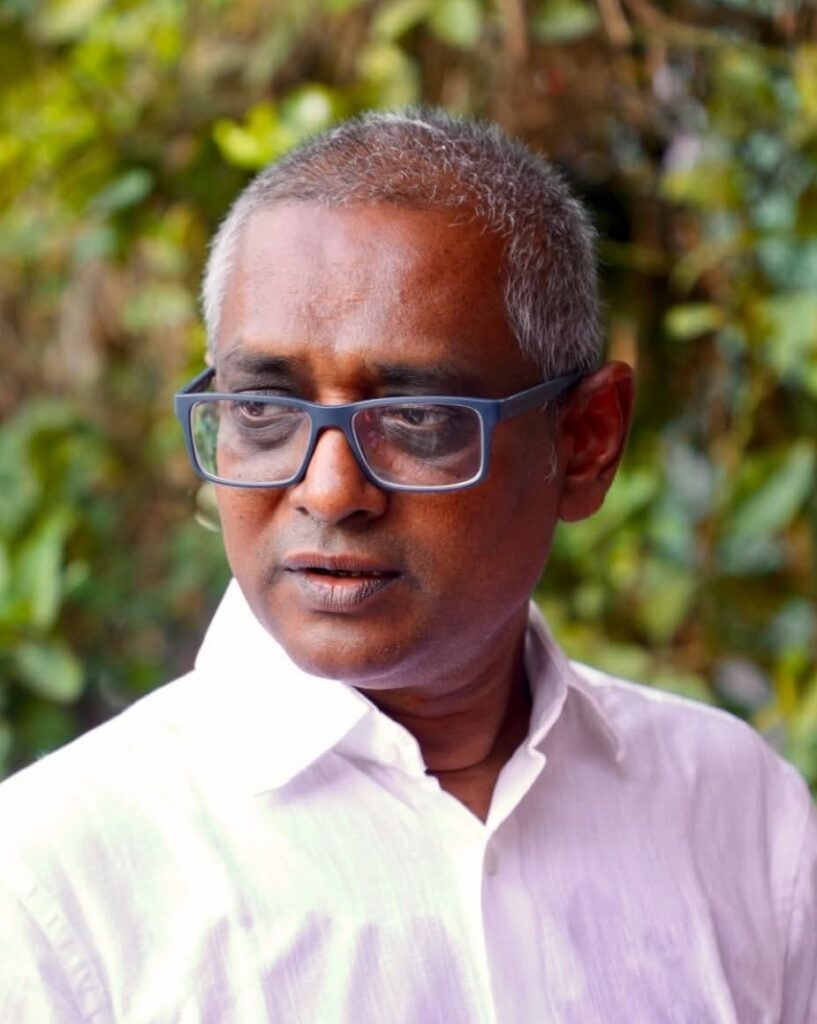
Professor Pandjassarame Kangueane
https://www.linkedin.com/in/kangueane/
BIC 30th Anniversary Awards
APBioNet-AMBIS-BIC30 Outstanding Academic and Editorial Award
Professor P. Kangueane is an Indian scientist, professor, and entrepreneur who is a prominent figure in the fields of Bioinformatics and Biotechnology. He is best known as the Founding Editor-in-Chief of Bioinformation, an open-access journal for biological data, and the Executive Director of Biomedical Informatics Private Limited in India.
Kangueane (fondly called as Kangs) came to Bioinformatics Centre (BIC) on April 15, 1998, having obtained his B.Tech in Industrial Biotechnology from Anna University. As one of the earliest pioneer PhD students from BIC, he graduated on June 26 2001, the fastest yet youngest PhD candidature (within 3 years), in the Department of Microbiology, Yong Loo Lin School of Medicine, National University of Singapore.
Since then he has obtained an honorary doctorate (2026) from Dunster Business School (Switzerland) for his two decades of work as founding and chief editor of the open access bioinformatics journal, Bioinformation, which he founded in 2005. He has led it to creditable impact factors by Clarivate (2022 IF:1.9) and PubMed indexing. Beyond helming his own journal as Founding Editor, he is an Associate Editor for BMC Bioinformatics since 2008.
In terms of academic leadership, he has served as a professor and visiting professor at several institutions, including AIMST University (Malaysia), VIT University (India), and Nanyang Technological University (Singapore). His research in these institutions focussed on structural bioinformatics, particularly protein-protein interactions, peptide vaccine design, and the development of the T-Epitope Designer web server for HLA-peptide binding prediction. He has authored several scholarly books, including Bioinformatics: A Concept-Based Introduction, Bioinformation Discovery and Protein-Protein & Domain-Domain Interactions. He has edited several volumes of Global Virology along with leading global scientists in Virology.
Professor Kangueane is involved in social reform and philanthropy. For his work in society, science and education, he has received honors such as the Ambassador for Peace (Universal Peace Foundation, 2008) and the Vishal Bharathi award (accorded Bharath Jothi, by the GOPIO, France Chapter, 2012).
Today, as Founding Chairman, he is actively driving a new tertiary educational institution, the Muthalammale Arts and Science College in Thirupanampakkam, Tamil Nadu, affiliated with the Annamalai University. It offers courses in Data Science, Artificial Intelligence, Computer Science, Visual Communication and Digital Tamil.

Practice Professor Ng See Kiong
https://www.linkedin.com/in/seekiong/
BIC 30th Anniversary Awards
APBioNet-AMBIS-BIC30 Translational Achievement Award
NG See Kiong is a Professor of Practice and Deputy Director of the Institute of Data Science at the National University of Singapore. He was a key member of the KRDL-BIC bioinformatics research group; during this period, See-Kiong Ng pioneered biomedical natural language processing. This work anticipated a fundamental challenge in modern computational biology: the enormous body of biological knowledge contained in scientific literature is largely unstructured, yet computational analysis requires that this knowledge be transformed into structured, machine-readable form.
See Kiong developed one of the early systems for extracting protein–protein interaction information from free-text biomedical literature. The significance of this work went well beyond the development of an individual text-mining algorithm. It demonstrated a far-sighted vision of literature mining as an enabling technology for computational biology: by converting the biological knowledge embedded in publications into structured interactions, one could construct biological networks and subsequently apply computational methods to discover functional relationships, protein complexes, pathways, and other higher-order biological phenomena.
Ng then carried this insight from research into practice. Together with Limsoon Wong and Jignesh Bhate, he co-founded Molecular Connections, where he served as Chief Scientific Officer. He designed and developed novel information-curation and quality-assurance workflows that addressed a central limitation of automated literature mining: extracted information is useful only when it is sufficiently accurate, consistent, and traceable to serve as reliable scientific knowledge. This combination of computational extraction, expert curation, and systematic quality assurance became a powerful model for converting the scientific literature into high-quality structured data at scale.
The long-term impact of this vision is remarkable. Over the past two decades, Molecular Connections has grown approximately 400-fold. Today, it has around 3,000 curators, scientists, and engineers working across multiple centres. The company has also gained recognition as a leading SME in India and as one of the best companies for women to work in. Thus, See Kiong’s contribution to BioNLP extends beyond an early pioneering system: he helped establish an enduring paradigm in which natural-language processing, human scientific expertise, and rigorous quality assurance work together to transform unstructured biomedical literature into computationally usable biological knowledge.
In retrospect, this was a remarkably prescient contribution. What was once an emerging idea in biomedical text mining has become a central enabling technology for biomedical knowledge graphs, network biology, and AI-driven discovery. Ng was working on this fundamental problem decades before these applications became mainstream.

Professor Olivo Miotto
https://www.linkedin.com/in/olivo-miotto-1a768720/
BIC 30th Anniversary Awards
APBioNet-AMBIS-BIC30 Translational Achievement and Outstanding Global Health Leadership
Olivo Miotto is Professor of Evolutionary Genetics at the University of Oxford and Senior Informatics Fellow at the Mahidol-Oxford Tropical Medicine Research Unit (MORU) in Bangkok. Over a career spanning computing, bioinformatics and global health, he has helped transform malaria genomics from a research endeavour into a practical tool for combating drug resistance and supporting malaria elimination.
Olivo’s journey into biomedical science began at the National University of Singapore. After an early career in physics and software engineering, he joined the NUS Institute of Systems Science in 1995, where he taught postgraduate computing and conducted research for 13 years. His growing interest in applying computational methods to biology, and a chance encounter with Vladimir Brusic, led him to undertake a PhD in Bioinformatics at the Yong Loo Lin School of Medicine, under the aegis of Tan Tin Wee and BIC, laying the foundations for his subsequent work in pathogen genomics.
Since joining the University of Oxford and MORU in 2008, mentored by the late Professor Dominic Kwiatkowski, Olivo has become a leading contributor to the genomic epidemiology of malaria. Working through international collaborations including MalariaGEN and the Tracking Resistance to Artemisinin Collaboration, he pioneered large-scale genomic analysis of malaria parasites, publishing in 2012 the first global population-level study of clinical samples taken directly from patients. His research has illuminated how Plasmodium falciparum populations evolve and spread, and has made important contributions to understanding the emergence of resistance to artemisinin and its partner drugs in Southeast Asia. His work included studies revealing distinct populations of artemisinin-resistant parasites, collaboration in the discovery of the kelch13 resistance marker, and the identification of genetic factors associated with resistance to artemisinin and piperaquine.
Perhaps his most distinctive contribution has been to bridge the gap between genomic discovery and public health. Olivo initiated and leads GenRe-Mekong, a genetic-surveillance programme working in partnership with National Malaria Control Programmes in Cambodia, Laos, Thailand and Vietnam. The programme turns parasite samples collected at routine health facilities into actionable information on drug resistance, outbreaks and parasite movement, presented through reports and maps designed for public-health decision-makers. More than 16,000 P. falciparum and 4,500 P. vivax infections have been analysed, while laboratories, informatics systems and local expertise have been established across the region.
Throughout his career, Olivo has championed collaborative and open science, contributing thousands of parasite genomes to global open-access resources and sharing surveillance datasets, analytical tools and expertise with researchers and public-health partners. His work has combined scientific discovery with capacity building and long-term partnerships in malaria-endemic countries, across Asia and Africa.
From his formative years at NUS to his leadership of regional genomic surveillance in Southeast Asia, Olivo’s career demonstrates the power of bringing computation, biology and public health together. His work has helped make the malaria parasite’s evolving genome not simply an object of scientific study, but a source of intelligence that can be used to protect communities and advance the goal of malaria elimination.

Dr Prasanna Ratnakar Kolatkar
https://www.linkedin.com/in/prasanna-kolatkar-2085861/
BIC 30th Anniversary Awards
APBioNet-AMBIS-BIC30 Outstanding Scientific and Technical Excellence Award
Dr. Prasanna Ratnakar Kolatkar is today a prominent structural biologist and a Senior Scientist at the Qatar Biomedical Research Institute (QBRI). He is also a faculty member at Hamad Bin Khalifa University (HBKU) in Doha, Qatar. His research primarily bridges biochemistry and structural biology to explore stem cell function, pancreatic development, and diabetes.
PK as he is fondly known as, joined BIC as one of its earliest research staff in 1997. As principal investigator of structural biology, he was attached to the Institute for Cell and Molecular Biology (IMCB) A*STAR Singapore. He is well-known for being the key person who solved Singapore’s first crystal structure at 0.97 angstrom resolution of bucandin, a snake neurotoxin of the Malayan krait. What was even more unique was that the structure was determined by remote access via the US-Singapore high speed link between Singapore’s advanced internet network SINGAREN and the US vBNS network, linking NUS through STARTAP to the Stanford Synchrotron Radiation Lightsource (SSRL).
As one of the pioneer researchers of the Genome Institute of Singapore (GIS), PK was one of the earliest structural biologists in the Structural and Systems Biology Group in GIS to connect genomic pipelines with protein structure. He rose to PI and ran the Laboratory of Structural Biochemistry in GIS.
Dr. Kolatkar’s research laboratory in Qatar today focuses heavily on the structural mechanisms governing cell fate and development, including the following:
Transcription Factors (TFs): Studying the molecular details of transcription factor complexes associated with stem cell pluripotency and pancreatic β-cell development.
Diabetes and Pancreatic Biology: Exploring how specific TFs like SOX9 dictate pancreatic pathways, with a major goal of developing targeted differentiation protocols for diabetes care and prevention.
Cancer Stemness: Analyzing the dysregulation of TF networks that support cancer stem cells, driving tumor initiation, metastasis, and treatment resistance.
Methodologies: His lab widely utilizes recombinant protein production, protein-DNA interaction assays (like EMSA and ITC), and X-ray crystallography to map three-dimensional macromolecular structures.
Career History & Timeline
Dr. Kolatkar has an extensive international career spanning the United States, Singapore, and Qatar.

Associate Professor Zhang Guanglan
BIC 30th Anniversary Awards
APBioNet-AMBIS-BIC30 Scientific and Technical Excellence Award with Academic Leadership
Dr Zhang joined BIC in 2000 as a Research Scientist in the Brusic Lab, under BIC-KRDL (Kent Ridge Digital Labs). She was promoted to Senior Research Scientist in the Knowledge Discovery Department, and a Group Leader when KRDL merged into I2R, the Institute for InfoComm Research.
By 2006, she was Project Leader of antibody epitope discovery program in two NIH-funded grants. She obtained her PhD in Bioinformatics (2008) from Nanyang Technological University. In 2009, she secured a lectureship at the Computer Science Department of the Metropolitan College (MET), Boston University, while working as Research Associate at the Dana-Farber Cancer Institute and the Harvard University Medical School (2007-2019). By 2012, she made Assistant Professor and was promoted to Associate Professor by 2018. Since 2022, she served as Associate Chair and from 2024, serves as Chair of the Computer Science Department at Metropolitan College (MET), Boston University.
She has more than 20 years of experience in biomedical informatics and leads research activities in the MET Health Informatics Research Lab. She maintains active research collaborations with colleagues at Boston University and other academic and research institutions in immunoinformatics and related areas.
Her research focuses on utilizing computational methods to address challenges in biomedical and health sciences. Key areas of her work include the development and implementation of biomedical databases, computational simulation of laboratory experiments, development of diagnostic methods for tissue typing, and computational support for vaccine design. The computational tools and systems she built have been applied to research in immunology, vaccinology, infectious diseases, and cancer.
Dr. Zhang has authored more than 60 peer-reviewed journal publications and has developed dozens of specialized biomedical databases and computational systems. She currently serves as a co-Principal Investigator and key contributor on two NIH-funded research grants.
In addition to her research activities, Dr. Zhang leads the the Computer Science Department as its Chair, and runs the Master of Science in Health Informatics program at Boston University MET as its Faculty Coordinator.
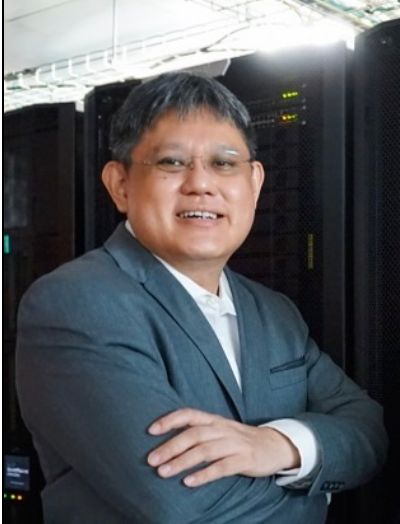
Assistant Professor Bernett Lee
https://www.linkedin.com/in/bernett-lee-6b070b4/
BIC 30th Anniversary Awards
APBioNet-AMBIS-BIC30 Academic Leadership and Capacity Building in Bioinformatics Award
Bernett Lee has devoted more than two decades to advancing bioinformatics, computational biology and biomedical data science in Singapore. From his early training at the NUS Bioinformatics Centre (BIC), through leadership roles spanning academia, industry and national research institutes, to his current role at the Lee Kong Chian School of Medicine (LKCMedicine), NTU Singapore, his career has been distinguished by a sustained commitment to building people, programmes and institutional capabilities in bioinformatics.
Bernett received a BIC scholarship in 2001 to pursue his PhD in Bioinformatics at NUS, completing his doctorate in 2006 on the computational analysis of alternatively spliced variants. Entering the field when bioinformatics was still emerging, he was an early adopter of Python for biological data analysis. His subsequent career has mirrored the evolution of bioinformatics itself, from biological databases and computational drug discovery to immunology, genomics, single-cell analysis, precision medicine and artificial intelligence.
His career has included The Blueprint Initiative Asia, A*STAR’s Bioinformatics Institute, Thomson Reuters, Eli Lilly and the Singapore Immunology Network (SIgN). At the Bioinformatics Institute, he managed bioinformatics specialists, supported internal and external research projects and trained scientists locally and internationally. At Eli Lilly’s Singapore Centre for Drug Discovery, he led multidisciplinary informatics and software development activities, including a PK/PD solution recognised among the InformationWeek 500’s “20 Great Ideas To Steal”.
A defining contribution came at SIgN, where Bernett served as Principal Investigator and headed its bioinformatics core. He helped establish and continuously develop the core’s computational infrastructure while supporting researchers across next-generation sequencing, microarrays, NanoString, genotyping, flow cytometry and other high-throughput technologies. This exemplifies a recurring theme in his career: bioinformatics not as an isolated analytical activity, but as an enabling capability embedded within the wider scientific community.
Today, Bernett is Assistant Professor of Biomedical Informatics and Programme Director for Data Science and Artificial Intelligence at LKCMedicine, leading at the interface of medicine, data science and AI. He supervises bioinformaticians who collaborate with researchers within and beyond the School, extending his longstanding role as a bridge between experimental and computational science.
Education has been equally central to his contribution. His teaching spans more than two decades, from undergraduate bioinformatics at NUS and Python and Biopython for Singapore-MIT Alliance students to an advanced PhD course at Karolinska Institutet. At SIgN, he developed recurring statistics and data visualisation workshops and delivered intensive 10-week and 12-week Python, bioinformatics and data analytics programmes for A*STAR scientists.
At LKCMedicine, he has taught and led undergraduate and postgraduate courses and played a key role in developing the new Digital Health and Precision Medicine curriculum for MBBS students. This curriculum equips future doctors with foundations in data science, artificial intelligence, digital health and precision medicine, preparing them to practise in an increasingly data-driven healthcare environment. His educational contributions were recognised with the Dean’s Award for Education in 2025.
Bernett has combined this capacity-building mission with substantial research impact. His publications have received 18,072 citations, with an h-index of 58 and an i10-index of 152 on Google Scholar. His research spans computational immunology, infectious diseases, cancer, genomics, biomarker discovery, neuroscience and precision medicine, reflecting a collaborative model in which computational expertise enables experimental and clinical teams to extract insight from complex biomedical data.
His leadership extends nationally and regionally. He is a member of the Scientific Committee of PRECISE, Singapore’s national precision medicine programme, and contributes to the PRECISE-SG100K research ecosystem. He has also served as a Director of the Asia Pacific Bioinformatics Network, extending his contribution to bioinformatics capacity building beyond his institution.
There is a compelling symmetry to Bernett’s career. More than two decades ago, BIC helped launch him into an emerging discipline. Today, he is helping build the people and capabilities required for its next generation. From BIC scholar to bioinformatician, trainer, research leader, educator and programme director, his career demonstrates the multiplier effect of academic leadership: not simply producing impactful science, but creating the people, programmes and capabilities that enable an entire scientific community to do more.
His sustained contributions to research, education, mentorship, and institutional and national capacity building strongly embody the spirit of the BIC30 Academic Leadership and Capacity Building in Bioinformatics Award.

Harry Lim Teck Sin
https://www.linkedin.com/in/harry-lim-728161257/
BIC 30th Anniversary Awards
APBioNet-AMBIS-BIC30 Outstanding Entrepreneurship and Enterprise Award
Harry Lim Teck Sin is a tech entrepreneur and technology leader with over three decades of experience driving innovation across bioinformatics, urban technology, and venture building.
An NUS alumnus (BSc 1990, ISS 1991), Harry was among the earliest in the region to work on genetic algorithms and neural networks. He later earned his MSc from the University of Oxford (1994–95) and completed an industrial attachment at Cambridge (1995) while on leave from the Centre for Natural Products Research (CNPR).
Between 1993 and 2000, Harry served as the IT Manager at CNPR and was cross-appointed as a Principal Investigator at the NUS Bioinformatics Centre (BIC). In 1998, he was the principal lead for the SGD 3 million BIC-CNPR bioinformatics grant funded by Glaxo Wellcome—a historic sum of industry research funding for a project at the time. Under his leadership, his team built an IT system to collect, curate, and computerise data from indigenous flora and fauna, which eventually led to the commercial spin-off, Merlion Pharmaceuticals.
Out of this grant, Harry led the spin-off of KOOPrime Pte Ltd in 2000, which later evolved into Integral Omni Inspire (IOInspire) Pte Ltd. As one of Singapore’s earliest bioinformatics companies, KOOPrime developed bespoke solutions for MNCs and government agencies. The exceptional quality and durability of their technology are proven by the fact that one of their DNA sequencing systems ran more than 17 years at a client site in Biopolis.
Throughout his entrepreneurial career, Harry has established several major initiatives:
- HKUST-KOOPrime-HP Centre (2006): Served as the Founding Partner of the tripartite Bioinformatics Centre in Hong Kong.
- iGATES BioInnovation: Formed a joint venture with Eu Yan Sang International to build IT systems for farm-to-fork tracking of Traditional Chinese Medicine (TCM) products. The venture grew out of a project supported by the Singapore Prime Minister’s Office and the Agri-Food and Veterinary Authority (now the Singapore Food Agency).
- i3 Precision (2009): Spun off in partnership with Red Dot Ventures, with support from the Singapore National Research Foundation and an innovation hub set up with NUS.
In 2019, Harry became the CTO of the Smart Urban Co-Innovation Lab, Singapore, and in 2022 served as the CTO of ripple2wave. Today, he continues his entrepreneurial work while actively mentoring and inspiring the next generation of young founders.

Dr Xie Chao
https://www.linkedin.com/in/xiechao/
BIC 30th Anniversary Awards
APBioNet-AMBIS-BIC30 Outstanding Industry Leadership Award
Xie Chao graduated from the National University of Singapore (NUS) with a BSc (Hons) in Biochemistry in 2004 on an MOE Scholarship, and obtained his PhD in Bioinformatics from NUS in 2010 on an NUS Research Scholarship.
He made significant contributions to the field of bioinformatics during his academic career. His research publications have garnered more than 18,600 citations, including 12 publications with over 100 citations each.
While in academia, Xie Chao began extending his expertise beyond research to real-world industrial and computational challenges, participating in machine learning and algorithm competitions open to the public.
In 2013, together with two colleagues in Singapore and Germany, he won the US$1 million DTRA Algorithm Challenge, organised by the Defense Threat Reduction Agency (DTRA) of the U.S. Department of Defense. His team developed the fastest and most accurate algorithm in the competition for identifying microorganisms in clinical samples, supporting U.S. government efforts in bioterrorism surveillance. The team emerged as the sole winner from 2,789 teams worldwide.
In 2016, he won the US$10,000 first prize in TopCoder’s inaugural Data Science Marathon as an individual participant. He has participated competitions in Kaggle’s early days, achieved both high site-wide overall ranking (the 14th) and individual competion ranking.
In 2014, Xie Chao joined Human Longevity, Inc., the pioneering genomics and biotechnology start-up founded by J. Craig Venter, as part of its early team in Singapore.
In 2016, he joined Grab as Principal Data Scientist and was subsequently promoted to Data Science Lead and Senior Manager in 2019, where he played a key role in applying data science and machine learning at scale across the business.
In 2019, he became Head of Data at AirAsia, helping to drive the transformation of its operations and commercial businesses through data and analytics.
In 2020, he joined Singapore biotechnology start-up Lucence as Chief Data Scientist, where he built and led its data science capabilities.
In 2021, Xie Chao joined GIC, Singapore’s sovereign wealth fund, where he has since led the development of data science, AI and innovation capabilities. He was appointed Managing Director and Head of Data Science and Innovation in 2025.
Today, Xie Chao continues to drive AI strategy and initiatives at GIC, applying advances in artificial intelligence and data science to strengthen investment capabilities and support the long-term stewardship of Singapore’s financial assets.

Dr Goutham Reddy Edula
https://www.linkedin.com/in/goutham-edula-77486470/
BIC 30th Anniversary Awards
APBioNet-AMBIS-BIC30 Outstanding Entrepreneurship and Enterprise Award
Dr Goutham Edula, (Osmania Medical College, Hyderabad) obtained his medical qualifications in 2000, and yet decided that he would pursue a MSc in Bioinformatics from the Dept of Biochemistry, NUS Medicine from 2000 to 2002.
Armed with bioinformatics skills, one of the few and the earliest in the world back then, he secured a job first at Lilly Systems Biology (LSB) in Singapore in 2002 and later at AstraZeneca R&D Sweden. Since 2005 he has set up a global network of companies across USA, Singapore, Sweden, Dubai and India.
His enterprises in Healthcare Technology include Zebl LLC, Florida, USA; GED Biomedical Innovations AB, Malmö, Sweden; Indus Healthcare Consulting LLC, Georgia, USA
In the EduTech space he has established NextSteps Career LLC, Wyoming, USA; Yudenta Private Limited, India.
In event tech, conferences and publishing space he is co-founder and board member of United Scientific Group, Texas USA; and Yuktan Technologies Pte Ltd, Singapore; Zebl Events LLC, Dubai.
He owns a chain of eye hospitals and multi-speciality hospitals in India (VEB Healthcare Private Limited); and one cardiology center in Atlanta, USA.
All of these companies and institutions are thriving till today, and it is testimony to his amazing founding entrepreneurial skills and his diverse talents and interests in multiple fields that has led him to his successes.
He attributes his many successes in enterprise to the mentorship and guidance of colleagues in BIC during his formative years in the Biochemistry Department, NUS Medicine, and to his basic training in bioinformatics.

Dr Vivek Gopalan
https://www.linkedin.com/in/vivekgopalan/
BIC 30th Anniversary Awards
APBioNet-AMBIS-BIC30 Industry Leadership Award
Dr Vivek Gopalan worked for his PhD in Bioinformatics from the Department of Biochemistry, NUS for 2001 to 2005 after his industrial biotechnology degree at Anna University (1993 batch Centre for Biotechology CBT) and his stint as Research Scientist at Vittal Mallya Scientific Research Foundation (VMSRF), Bangalore, India (1997 to 2001)
As one of the earliest bioinformatics PhDs in the global market then, he has never looked back at working and managing Bioinformatics projects since.
He left for the USA for a post doc experience at University Of Maryland working on Computational Molecular Evolution (2005 to 2007) before joining Lockheed Martin’s Health and Life Science Division where he rose to Infrastructure Lead in two years, serving NIH institutes. In another two years, he rose to Bioinformatics Lead, introducing a transformative effect in bioinformatics advancement to Lockheed’s corporate and customer stakeholders.
By 2014, he took bioinformatics to Ingenuity Systems, a Qiagen Company in California, where he streamlined product development cycles and integrated variant annotations with NGS data visualization tools.
For five years in MedGenome, Bangalore India, he headed the Clinical Bioinformatics as Director of Operations and Software Development.
By 2018, he had already worked as technology partner for the start-up company SeekQuence Inc which was acquired by DoctorForMe in 2018 working with co-founder, Dr. Wei Zhou for 3 years.
Not content with new found wealth, he continued to help companies grow their bioinformatics capabilities. From 2021 to 2025 he joined Novo Nordisk India to help them integrate R&ED discovery datasets for AI analytics, collaborating with global teams to harmonize omics datasets.
Since 2025, his new venture in Bioinformatics led him to be Director, Bioinformatics and Data Engineering, ClairLabs AI, catalyzing scientific progress integrating Genomics, AI, and Precision Engineering for Precision Medicine.

Dr. Govindarajan Kunde Ramamoorthy
BIC 30th Anniversary Awards
APBioNet-AMBIS-BIC30 Leadership in Bioinformatics and Genomic Innovation Award
Dr Ramamoorthy has built a distinguished career spanning more than two decades at the intersection of bioinformatics, genomics, biomedical informatics, scientific software engineering, artificial intelligence, and precision medicine.
His journey in bioinformatics began in 2000 with advanced training in Biochemistry and Bioinformatics at BIC, followed by a PhD in Bioinformatics from the National University of Singapore (NUS). He also earned a Graduate Diploma in Software Engineering from the Institute of Systems Science at NUS. At a time when bioinformatics was still an emerging discipline, his training at BIC provided an interdisciplinary foundation in biology, computation, and data analysis that would shape the direction of his career.
Building on this foundation, Dr. Ramamoorthy joined the Genome Institute of Singapore in 2002, where he spent six years working in bioinformatics, software engineering, and computational genomics. From 2008 to 2010, he joined Eli Lilly in Singapore, applying bioinformatics and systems biology to pharmaceutical research and drug discovery.
After moving to the United States in 2011, he joined Baylor College of Medicine as a Senior Bioinformatics Analyst and subsequently the Joint Genome Institute at Lawrence Berkeley National Laboratory (Berkeley Lab), where he served as Group Lead for Institutional Informatics within Genomic Technologies R&D. His work expanded from computational genomics into scientific informatics, software engineering, data platforms, and leadership of large scale genomic research capabilities.
In 2016, Dr. Ramamoorthy joined The Jackson Laboratory (JAX), eventually becoming Director of Scientific Software Engineering. He built and led multidisciplinary teams of more than 25 professionals developing major biomedical resources, including the Clinical Knowledgebase (CKB), Clinical Genomics platforms, Patient Derived Xenograft (PDX) resources, BioConnect, Mouse Phenome Database (MPD), and Mouse Variant Registry (MVAR). He also championed knowledge graphs and AI and ML applications, including graph based integration of genomic and biomedical data and computational approaches for biomedical imaging and animal behavior. His leadership contributed to approximately a 30% improvement in data analysis efficiency and supported approximately $3 million annually in research and technology funding.
Alongside his technology leadership, Dr. Ramamoorthy has maintained a strong scientific research record, contributing to approximately 40 publications across bioinformatics, genomics, computational biology, and biomedical informatics. His research has received more than 5,000 citations, reflecting the broader scientific impact of his work.
Since 2024, Dr. Ramamoorthy has been leading Clinical Genomics Engineering at Natera in California, where he leads the development of clinical platforms supporting genomic analysis, tertiary interpretation, variant curation, workflow automation, and clinical reporting across oncology and women’s health. These platforms support more than one million patient samples annually, while AI and automation have helped reduce variant curation. His work also includes emerging AI capabilities such as retrieval augmented generation (RAG) and agentic AI workflows for clinical genomics.
Across his career, Dr. Ramamoorthy has progressed from bioinformatics scientist to scientific software and computational leader, and ultimately to an engineering leader building AI enabled clinical genomics platforms at population scale. More than two decades after his early bioinformatics training at BIC, the interdisciplinary foundation he gained there continues to shape his work. His journey from computational genomics and scientific research to knowledge graphs, AI, and precision medicine reflects both the evolution of bioinformatics as a discipline and the lasting impact of BIC’s pioneering role in preparing scientists to bridge biology and computation for biomedical discovery and patient care.
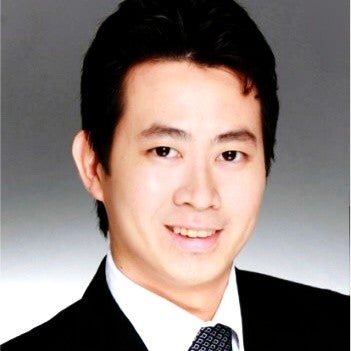
Dr Lawrence Wee Jin Kiat
https://www.linkedin.com/in/lawrence-wee
BIC 30th Anniversary Awards
APBioNet-AMBIS-BIC30 Industry and Public Sector Leadership Award
Lawrence obtained his BSc with Honours (2003) and his PhD (2008) in Machine Learning in Computational Biology from the Biochemistry Dept, National University of Singapore, while serving as Research Assistant and Teaching Assistant.
He worked at various institutes in the Agency for Science Technology and Research (A*STAR) including Singapore Immunology Network (SIgN) and the Institute for Infocomm Research (I2R), where he rose to Deputy Director (Analytics) and Principal Investigator, where he founded the Healthcare and Biomedical Analytics Laboratory focused on building deep capabilities in machine learning for biomedicine and healthcare.
He moved into industry in 2016, as Chief Data Scientist of Zuellig Pharma, where he led the development of institutional data science capabilities across the APAC region. In 2017, he joined Allianz Asia Pacific as their Regional Director for Data Science and Innovation, responsible for building the regional APAC healthcare data science capabilities across Allianz’s life and health insurance business units.
Lawrence returned to the Public Sector in 2021 as Deputy Director for AI and Emerging Technologies at the Ministry of Health, Singapore, where he drove strategy and capability development in AI and emerging technologies for the public health sector.
Since 2024, he is Director of Business and Ecosystems at the Infocomm and Media Development Authority of Singapore (IMDA), responsible for driving strategic collaborations to catalyze enterprise exploitation and adoption of AI and emerging technologies.
He was also an Associate Faculty at the Singapore University of Social Sciences, President of the Association for Medical and Bio-informatics Singapore (AMBIS), and vice-chair of the Chinese-American Pharmaceutical Society (CABS) Singapore chapter.

Dr Manisha Brahmachary
linkedin.com/in/manisha-brahmachary-a0168b5
BIC 30th Anniversary Awards
APBioNet-AMBIS-BIC30 Biostatistics & Data Science Leader Award
Dr. Manisha Brahmachary is a biostatistics and data science leader whose distinguished career spans leadership roles in major biopharmaceutical corporations, academic institutions, and biotech advisory boards. Over nearly two decades, her expertise across bioinformatics, computational biology, artificial intelligence, biostatistics, drug development, and precision medicine has helped translate complex biological and clinical data into decisions that move medicines forward — an arc that began at BlueBells School International, New Delhi where she is among most accomplished alumnae.
She earned her PhD. from the Department of Biochemistry at the National University of Singapore in 2006, conducting her doctoral research in computational biology at the Bioinformatics Institute (BIC). Her research subsequently took her to the Institute for Cancer Genetics at Columbia University and to the Icahn School of Medicine at Mount Sinai, where she was a senior research scientist and then became Adjunct Assistant Professor, working on bioinformatics pipelines, genome sequencing, genotyping, and disease modeling. During this period, she also completed a Master’s degree in Biostatistics at the Mailman School of Public Health, Columbia University (2012–2014), adding formal statistical training to her computational biology background.
She pivoted to an industry career and went on to undertake multiple research and data leadership roles at Eli Lilly and Company, earning the Lilly Innovator Award in 2017 for an automated gene-expression analysis pipeline that cut turnaround time by roughly 90% for translational oncology workflows. Her analytical and bioinformatics leadership supported landmark clinical and preclinical programs that advanced Lilly’s oncology pipeline, including Abemaciclib, Ramucirumab, and CSF-1R inhibitor candidates. She later served as Head of Data Science at L’Oréal USA, building and leading a team of statisticians and programmers and uncovering causal drivers of acne by integrating microbiome and clinical endpoint data.
For more than half a decade, Dr. Brahmachary has held statistical and data-science leadership roles at Sanofi in USA, serving as Statistical Project Leader on early-phase oncology, immunology, and dermatology clinical programs — authoring statistical analysis plans, guiding biomarker and patient-stratification strategy, and contributing to regulatory submissions. She built Sanofi’s first scRNA-seq analysis pipeline for clinical development and designed a predictive “patient switch” model supporting real-world treatment-pathway analysis for Dupixent in eosinophilic esophagitis. In her role as Real-World Evidence Project Lead and Associate Director of Biostatistics and Data Science, she led multimodal analyses integrating claims, EMR, and molecular data to identify and prioritize decision-ready therapeutic opportunities. Currently, she is director of promising biotech company contributing to the field of Ophthalmology at the crossroads of RWE, Omics and clinical trial data.
Throughout her career, Dr. Brahmachary has maintained close ties to academia — particularly the Icahn Institute — and mentored junior statisticians, bioinformaticians. She serves as a member of the BioIdea Group, an industry biotech advisory, and was an invited panelist in 2026 industry discussions on AI, interpretability, reproducibility, and multi-omics data harmonization in biomedical research. Her trajectory — from bench biologist to bioinformatician, biostatistician, and data science executive at Eli Lilly, L’Oréal, and Sanofi — reflects both technical depth and the cross-disciplinary leadership that shapes how data is used to bring new medicines to patients.
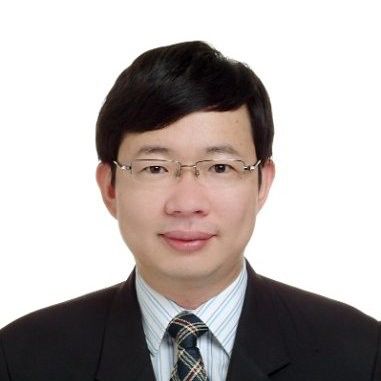
Dr Kong Lesheng
https://www.linkedin.com/in/kong-lesheng-a8a48712
BIC 30th Anniversary Awards
APBioNet-AMBIS-BIC30 Scientific Award
Lesheng Kong is a computational biologist and bioinformatics researcher whose work focuses on protein structure, genomics, evolutionary biology, and computational biology. He obtained his B.Sc. and M.Sc. degrees from Shanghai Jiao Tong University and later completed a Ph.D. in Bioinformatics at the National University of Singapore (2007) on an NUS-BIC research scholarship.
His research career has included positions at the Temasek Life Sciences Laboratory in Singapore and the University of Oxford, where he has worked as a researcher and investigator scientist.
Dr. Kong’s research centers on genomics, molecular evolution, and epigenetics. Notable work and collaborative studies include:
* Neural Differentiation: Co-authored research on the long non-coding RNA Dali as an epigenetic regulator.
* Comparative Genomics: Contributed to genomic evolution studies, including work on Antarctic penguin genomes and kinase gene families.
* Genetic Screening: Involved in high-throughput genetic screening methodologies using genome-wide CRISPR libraries.
His work has contributed to a better understanding of protein evolution, structure-function relationships, and computational approaches for biological discovery.

Anita Suresh
https://www.linkedin.com/in/anitasuresh
BIC 30th Anniversary Awards
APBioNet-AMBIS-BIC30 Outstanding Global Health Leadership Award
Anita Suresh is a Global Health Leader with two decades of experience directing the biomedical product development lifecycle across industry, public sector and international organizations including the World Health Organization. Her journey began with an MSc in Bioinformatics in 2003 through the Bioinformatics Centre (BIC), affiliated with the National University of Singapore, supported by a full scholarship from the National Research Council.
Her foundational Masters’ training with BIC in Bionformatics paved the way for her early career at the Agency for Science, Technology and Research (A*STAR). There, she built the Singapore Researchers Database at the Biomedical Research Council, earning a National Merit Award in Innovation. Moving to the newly-formed Bioinformatics Institute, she led computational research in antimicrobial design and developed a pioneering antimicrobial peptides database. This core expertise in biomedical databases profoundly shaped her subsequent impact in global health.
Following 8 years in the diagnostics industry commercializing novel diagnostics for infectious diseases, Anita joined FIND, a product development partnership and WHO Collaborating Centre. There, she established a multidisciplinary team of scientists and bioinformaticians, securing over US$50M to advance diagnostics for infectious diseases like tuberculosis. Her leadership generated critical clinical evidence that resulted in WHO’s first global policy on sequencing for TB diagnosis, and the world’s first TB mutation catalogue to predict drug resistance from sequence and metadata. Today, as the founder of Mitokondrion Consulting, Anita is back home in Singapore continuing to leverage her bioinformatics foundation, advising global health organizations (WHO, PATH, CHAI, Ministries of Health), funders (RIGHT Foundation, Novo Nordisk Foundation), innovators (Duke-NUS, Heidelberg University, life sciences startups and MNCs) on harnessing data-driven strategies, surveillance and diagnostic tools for scalable health impact.
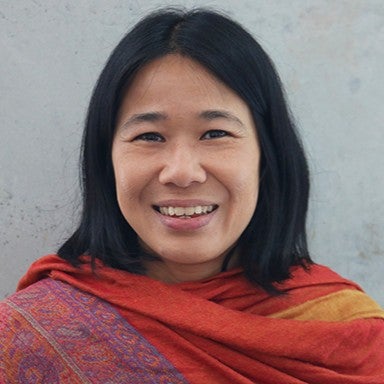
Dr Marie Wong
https://www.linkedin.com/in/marie-wong-00b965/
BIC 30th Anniversary Awards
APBioNet-AMBIS-BIC30 Scientific and Technical Excellence Award
Dr Marie Wong obtained her PhD in Structural Biology from the Department of Biochemistry, National University of Singapore in 2013.
She began her career at the Bioinformatics Centre (BIC), Singapore, in 1997 as a one of the earlier researchers, working on software development for BioJAKE, a molecular pathways visualisation tool, and on BIC’s flagship technology, KRIS/Kleisli exchange formats.
From 1999 to 2002, she worked at the Institute of Molecular and Cell Biology (IMCB, A*STAR), Singapore, progressing from Research Officer to Senior Research Officer. Her work included Fugu genomics, NLP for molecular interaction extraction, and the development of PathVision (aka BioJAKE).
From 2002 to 2005, she was a Senior Bioinformatics Specialist at the Genome Institute of Singapore (GIS, A*STAR), where she worked on viral diagnostics, genome data integration, annotation and analysis pipelines, and comparative genomics.
In 2005, she joined Lilly Singapore Centre for Drug Discovery, part of Eli Lilly and Company, where she was a Principal Bioinformatics Scientist working on oncology biomarker discovery and validation, genome annotation pipeline services, data warehousing and integration, and partnerships supporting drug discovery.
One of the few structural biologists to graduate from NUS, Marie joined the Ontario Institute for Cancer Research in Canada in 2010 and contributed to major international bioinformatics and cancer genomics initiatives, including the International Cancer Genome Consortium (ICGC), a multidisciplinary, multi-institutional effort to systematically characterise somatic mutations, and the BioMart Central Portal, a first-of-its-kind community-driven platform providing unified access to biological databases spanning genomics, proteomics, model organisms, cancer data, and ontology information.
In 2012, she returned to Singapore and took the role of Chief Technology Officer at PathGEN Dx Pte Ltd, where she worked on PathChip®️, a custom Affymetrix human pathogen detection microarray, PathSEQ®️ Virome, a BaseSpace™️ app for virus detection in NGS data.
From 2014 to 2017, she was a Bioinformatics Scientist at Craig Venter’s startup, Human Longevity Pte Ltd in Singapore, where she worked with oncology teams spanning San Diego and Singapore on cancer genomics products, cloud-based analysis workflows, and cancer web portal development.
She moved to Australia in 2017, joining the Garvan Institute of Medical Research as a Senior Bioinformatician on the Lions Kids Cancer Genome Project before joining the Children’s Cancer Institute in 2018 as a Senior Bioinformatics Engineer. She became Precision Medicine Informatics Manager in 2020 and Principal Bioinformatics Engineer and Enabling Platforms Data Chair in 2023.
At the Children’s Cancer Institute, Marie leads a team of software and bioinformatics engineers who automate, visualise, and share molecular profiling results for the ZERO Childhood Cancer Program and related collaborations. Her team develops and supports multi-omic analysis infrastructure, including pipelines and platforms such as Graphene, Carbonite, and ZeroDash, helping to make precision medicine data more accessible, scalable, and useful for research and clinical translation.

Dr Rashmi Sukumaran
https://www.linkedin.com/in/rashmisuku/
BIC 30th Anniversary Awards
APBioNet-AMBIS-BIC30 Cross-Sector Impact Award
Rashmi Sukumaran’s career is marked by a sustained pattern of carrying scientific rigor across the boundaries of research, entrepreneurship, clinical diagnostics, and industry – repeatedly translating insight from one world into impact in the next.
Part of the pioneer cohort of NUS’s undergraduate program in Computational Biology, Rashmi was the first Indian to graduate from it, on an MOE Scholarship. Her first role in bioinformatics followed immediately as a Research Assistant at the Bioinformatics Centre, Department of Biochemistry, NUS. It was here that she learnt the foundation of bioinformatics research under the mentorship of Prof. Tan Tin Wee and Prof. Asif Khan. Later, she went on to work at Temasek Life Sciences Laboratory and at the Genome Institute of Singapore, A*STAR, where she developed a novel structural variant detection method.
Upon returning to India in 2014, and completing her Master’s in Computational Biology, Rashmi made her first major cross-sector move: founding Massive Data Analytics, a genomics R&D startup translating advanced genomics analysis into accessible services and training for academic and industry clients. The venture catered to clients all over the world, translating their data into scientific insights, delivered over 25 workshops in genomics, was named a Top 25 Impact Startup in the Global Impact Challenge 2018, and won government seed funding.
She then returned to academic research, completing a PhD in Computational Biology through a collaboration between the University of Kerala and BRIC-Rajiv Gandhi Centre for Biotechnology, studying the genetic and functional correlates of stroke comorbidities. In parallel, she contributed to the Government of India’s pan-India initiative for Pediatric Rare Genetic Disorders (PRaGeD), translating complex variant evidence into clinical decisions for families and clinicians.
Following which she again crossed sectors, taking her experience directly into clinical diagnostics, where as the Bioinformatics Head, she built the bioinformatics division of KIMSHEALTH Genomics Laboratory, India from inception, establishing workflows for oncology and rare disease. Today, as Life Science Solutions Lead at Sequoia Applied Technologies, she continues this pattern of cross sector impact by bringing scientific and clinical genomics rigor into product thinking.
This cumulative record of translating science into practice was recognized with the 2026 Bioclues Innovation, Research and Development (BIRD) Award. She remains an active contributor to India’s bioinformatics community through Bioclues.

Dr Hu Yongli
https://www.linkedin.com/in/yhu-sg
BIC 30th Anniversary Awards
APBioNet-AMBIS-BIC30 Translational Bioinformatics, AI & Responsible Innovation Award
Dr Hu Yongli represents a generation of bioinformaticians whose careers have evolved alongside the transformation of the field itself—from computational biology and biomedical data science to artificial intelligence, Responsible AI and Generative AI.
A graduate of the National University of Singapore with a PhD in Bioinformatics, Yongli began her career at the intersection of biology, computation and education, including several years supporting the teaching of Bioinformatics at NUS. She subsequently led biomedical and healthcare analytics at A*STAR’s Institute for Infocomm Research, where her work spanned machine learning applications in healthcare, public health, predictive toxicology, precision nutrition, electronic medical records and genomics.
Over the following decade, she progressively brought this scientific foundation into industry. Her work has ranged from healthcare AI and explainable machine learning to manufacturing, banking and public-sector applications, eventually progressing to Head of Data Science and later Senior Manager at PwC Singapore. At PwC, she became a firm lead for Trusted and Responsible AI and developed frameworks for model validation, AI lifecycle management and AI controls aligned with standards including ISO 42001, AI Verify and the NIST AI Risk Management Framework. Alongside industry practice, she has continued contributing to education, including designing and delivering practitioner-focused AI training under Singapore’s SkillsFuture programme.
Today, as an Advisory Consultant in Generative AI at Dell Technologies, she works at the frontier of enterprise AI deployment—designing and implementing secure AI and GenAI platforms spanning Kubernetes, NVIDIA AI technologies, LLMOps, retrieval-augmented generation and on-premise or air-gapped environments.
Her career exemplifies the widening impact of bioinformatics: not simply as a research discipline, but as a foundation for translating biological data science into trustworthy, deployable AI systems that serve healthcare, industry and society. The BIC30 Award for Translational Bioinformatics, AI & Responsible Innovation recognises this distinctive bridge between bioinformatics heritage and the emerging AI era.

Mark De Silva
https://www.linkedin.com/in/mark-de-silva-7b80482/
BIC 30th Anniversary Awards
APBioNet-AMBIS-BIC30 Excellence Award for Digital Infrastructure and Systems Architecture
Looking back at the bioinformatics infrastructure and systems engineering in Singapore and the Asia-Pacific, Mark De Silva is one of its foundational architects, technical pioneers, and digital stewards. His contribution was not merely to maintain computational resources, but to design, build, and sustain the underlying digital bedrock—spanning network topology, high-performance computing, open-science operating systems, and web architecture—upon which research, education, and institutional programs have thrived for over three decades.
De Silva’s journey at the National University of Singapore (NUS) began over 30 years ago, serving in critical roles as Lead Systems Engineer, Technical Architect, and Research Fellow within the Bioinformatics Centre (BIC), Department of Biochemistry at NUS Medicine. Today, as Principal IT Architect and Senior Associate Director at the NUS Life Sciences Institute (LSI), he leads the network, compute, and storage architecture for the entire institute and its multi-disciplinary laboratories. His enduring dedication to both academic excellence and public service is reflected in his 30-Year Long Service Award (Pingat Bakti Setia) and Community Long Service Award for his grassroots leadership.
De Silva’s career is defined by landmark engineering achievements built with an extraordinary degree of technical self-reliance—acting as sole designer and developer without reliance on automated tools or modern AI assistance. Key technical milestones include:
BioSLAX & Open Workstations: As Chief Engineer and sole developer, De Silva created BioSLAX, a landmark Linux Live CD/DVD distribution enabling any standard PC to boot directly into a pre-configured bioinformatics workstation. Developed alongside the APBioBox and SunBioBox deployment environments, customized versions of BioSLAX were integrated into the NUS Life Science Curriculum and regional APBioNET educational initiatives. In August 2007, a specialized BioSLAX build was deployed at Bio-IBT (Institute of Biotechnology, Hanoi) to establish the Bioinformatics Resource Node of Vietnam during the 1st UNESCO-IUBMB-FAOBMB-APBioNET Bioinformatics Workshop (a satellite event of InCoB 2007).
High-Performance Grid Computing & BioMirrors: Working alongside key collaborators including Assoc Prof Tan Tin Wee, Dr. Mohammad Asif Khan, and Lim Kuan Siong, De Silva co-developed web interfaces for the Tera-Scale Campus Grid (TCG) at NUS, earning HPC Challenge Runner-Up honors for deploying a distributed PC grid supporting hundreds of concurrent students. He also engineered and maintained the Singapore node for the regional BioMirrors project in collaboration with APBioNET, delivering localized, high-speed access to GenBank, PDB, BLAST, and Swiss-Prot.
Architect of Scientific Reproducibility Platforms (Pre-Containerization Era): Single-handedly architecting and building core open-science platforms, De Silva created:
• AuthorID (AID): A novel registry using DNS resource records as a compact, non-database mechanism to eliminate author ambiguity and cross-reference publisher identifiers (such as Scopus and ResearcherID) to unique individuals.
• MIABI / DocID: Anticipating the rise of modern containerization paradigms (such as Docker and Kubernetes), De Silva designed an early precursor utilizing cloud-reinstantiable OS images and data deltas. This allowed full-featured biological databases to be archived, reinstantiated on demand, and inspected in perpetuity, halting data loss and guaranteeing long-term scientific reproducibility.
• BioDB 100: The underlying architecture supporting APBioNET’s initiative to establish 100 standards-compliant, interoperable bioinformatics databases built on the MIABI/DocID framework.
Digital Stewardship, Global E-Learning & Branding Architecture: De Silva designed the iconic legacy logos for APBioNET, InCoB, and InSyB. He built and continuously redesigned the main BIC portal (biomed.nus.sg then, and the current bic.nus.edu.sg)—recognized as Singapore’s longest continuously running website, still operating today under umbrella of LSI. Furthermore, as Chief Systems Architect for the S* (S-Star) Alliance for bioInformatics education, he oversaw early online learning delivery frameworks. Operating well before platforms like Coursera or Khan Academy and using early streaming protocols over low-bandwidth connections, The S* Alliance delivered live video lectures, quizzes, and Problem-Based Learning (PBL) modules across nodes in Singapore, Sweden, Australia, the US, South Africa, and across Asia, Africa, and Latin America.
Pioneering Multilingual Internet Domain Names (iDNS) & Network Pipelines: Drawing from his early Internet Research and Development Unit (IRDU) background, De Silva co-authored and served on the core engineering team that built the initial proof-of-concept for the Internationalized Domain Name System (iDNS). This landmark initiative enabled domain name resolution in non-Latin scripts (including Chinese, Tamil, Arabic), breaking down critical language barriers on the early Web. He extended this deep networking expertise to life sciences, leveraging high-speed vBNS/Internet2 links to support transnational data pipelines and providing technical consultancy to Singapore’s National Cancer Centre (NCC) Bioinformatics Resource Unit, iGenomix IT Group, and the Bioprocessing Technology Centre (A*STAR)
LSI IT Operations & Data Center Architecture: Over the past 15 years at LSI, De Silva has effectively bridged research requirements and IT operations by establishing an internal, non-routable pipeline that links high-performance computing clusters with a petabyte-scale Isilon central storage system. Designed and built under his direction at the Center for Life Sciences (CeLS) in 2014, the data center continues to meet modern compute demands, providing the robust power and cooling infrastructure required for high-density GPU clusters. Its petabyte erasure-coded storage delivers scalable, isolated virtual storage pools supporting active HPC workloads, transient laboratory data from devices like sequencers and CT scanners, VM snapshot backups, and long-term archival. Beyond storage and HPC, the facility operates a hypervisor platform capable of hosting over 300 virtual machines across testing, application, and core production environments.
Technical Leadership & Biological Computing Breakthroughs: De Silva leads the technical unit through an empathetic, trust-based approach, rejecting micromanagement in favor of staff empowerment, structured skill-building, and proactive problem-solving. A core aspect of this leadership involves continually bridging researcher expectations and practical IT constraints—translating complex research demands into secure, scalable technical solutions while keeping research operations unimpeded. De Silva and the team collaborate closely with diverse research divisions (e.g., SLING, SCELSE, Immunology, and the Rickie Patani Lab) to resolve software, hardware, and architectural bottlenecks. When standard university IT policies clash with specialized research computing needs, De Silva liaises with the NUS Computer Center to engineer novel solutions, such as configuring certificate-based VPN access for headless servers. Most recently, De Silva and the team designed and deployed the underlying IT architecture to integrate 20 Cortical Labs CL1 biological computing units into the LSI network infrastructure, successfully powering the NUS Medicine biological data center prototype.
What makes De Silva’s contribution distinct is not simply the systems he deployed, but the sheer longevity, technical independence, and stability of the digital ecosystem he built. Through his pioneering architectural work, Mark De Silva created and sustained the vital technical and digital foundation upon which generations of bioinformaticians, life scientists, and academic institutions across NUS, Singapore, and key regions of the Asia-Pacific continue to rely.
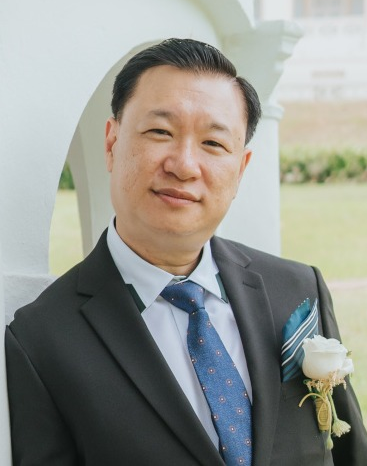
Lim Kuan Siong
BIC 30th Anniversary Awards
APBioNet-AMBIS-BIC30 Excellence in Technical Service & Support Award
Acknowledging a lifetime of dedicated technical support bridging complex IT architecture with research operations, since joining the Bioinformatics Centre (BIC) in 2000, Lim Kuan Siong has served as an indispensable pillar of the life sciences computing ecosystem at the National University of Singapore (NUS) and across the Asia-Pacific region. Spanning over two decades of dedicated service at BIC and the NUS Life Sciences Institute (LSI), his technical vision, hands-on systems management, and steadfast commitment have empowered generations of researchers, scientific teams, and regional academic institutions.
In the early frontier of Internet infrastructure, Kuan Siong was an essential team member behind the proof-of-concept for the Internationalized Domain Name System (iDNS)—a groundbreaking initiative that pioneered multilingual domain capabilities on global networks. Applying this same pioneering spirit to bio-IT, he collaborated extensively with Mark De Silva (Principal IT Architect and Senior Associate Director) on key regional infrastructure projects under the Asia-Pacific Bioinformatics Network (APBioNet).
Kuan Siong’s technical engineering and service stewardship encompass multiple layers of modern bio-IT:
Integrated Software Platforms: Supporting development of portable, pre-configured Linux environments—including BioSLAX and APBioBox—that democratized access to complex bio-analysis tools for researchers worldwide.
Global Database & Service Mirroring: Managing BioMirrors, a critical database replication service providing reliable, high-speed regional access to essential genomic databases, alongside technical backing for the S* Alliance global education network.
Core Tool Administration: Supporting essential life sciences computational tools—including BLAST, EMBOSS, MODELLER, and PyMOL—enabling high-throughput sequence analysis, molecular modeling, and structural visualization across the research community.
Capacity Building & Teaching: Leading educational workshops in the formative years of bioinformatics, including technical modules for NUS (LSM3241), staff training for the Department of Biological Sciences (DBS) and the National Cancer Centre Singapore (NCCS), and two World Health Organization (WHO) courses in Thailand.
In the last 15 years at LSI, Kuan Siong has been also been instrumental in assisting to establish, scale, and maintain a highly efficient, high-performance IT infrastructure, playing a crucial role in managing and maintaining LSI’s enterprise-grade IT architecture, bridging high-performance computing needs with robust, daily IT operations.
Beyond supporting and building systems, Kuan Siong built human capacity. In the formative years of bioinformatics, he was instrumental in upskilling the scientific community, conducting specialized training for the Department of Biological Sciences (DBS) and the National Cancer Centre Singapore (NCCS), co-delivering the technical framework for the NUS LSM3241 Bioinformatics module, and leading World Health Organization (WHO) Perl programming workshops in Thailand.

Diane Bun Pui Ching
BIC 30th Anniversary Awards
APBioNet-AMBIS-BIC30 Distinguished Administrative Leadership Pioneer Award
Diane Bun joined the Bioinformatics Centre in 1996 as its pioneer administrator and played a key role in establishing the Centre’s administrative operations during its formative years.
As BIC was a newly established national and subsequently university centre, Diane was responsible for setting up its office and developing the administrative policies, procedures and working arrangements needed to support its operations. She worked closely with central University offices, including Human Resources and the Bursar’s Office, to establish processes for financial administration, staffing and other operational matters.
Diane coordinated the recruitment and onboarding of BIC’s early employees, including bioinformaticians, systems engineers and administrative support staff. This involved managing administrative processes across different University offices and ensuring that the Centre had the people, resources and operational support required to commence its work.
She also coordinated the financial administration of BIC’s initial S$6 million funding and the S$3 million provided for BIC-CNPR during its formative phase. Her contribution went beyond maintaining established processes. She helped create the administrative foundations for a new and developing centre, resolving practical issues as they arose and translating institutional requirements into workable arrangements for BIC.
Diane subsequently built a career in academic programme administration and operations at NUS. She is currently a Senior Manager and Team Lead at the Saw Swee Hock School of Public Health, where she leads education planning and operations across undergraduate and postgraduate programmes.
Diane is nominated for the BIC30 Distinguished Administrative Leadership Pioneer Award in recognition of her administrative leadership and foundational contribution to the establishment of the Bioinformatics Centre.
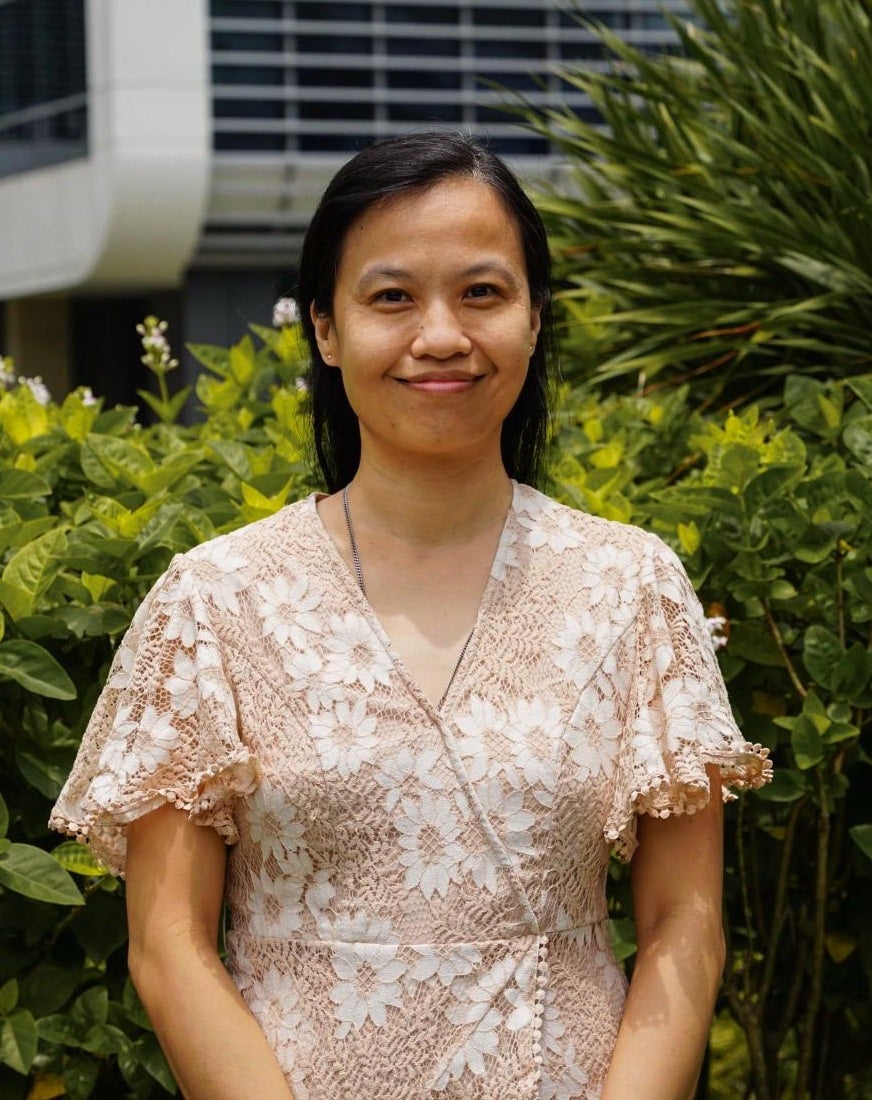
Lim Yun Ping
https://www.nus.edu.sg/cncs/lim-yun-ping/
BIC 30th Anniversary Awards
APBioNet-AMBIS-BIC30 Administrative Excellence Award
Lim Yun Ping joined the Bioinformatics Centre in 1999 as an administrative officer, helping to administer the first grant of $6M from the Economic Development Board awarded to the National University of Singapore (NUS) for setting up the Bioinformatics Centre (BIC).
By 2001, she was actively involved in bioinformatics education.
Prior to the rise of modern e-learning platforms like Khan Academy, Coursera, edX became mainstream, Yun Ping served as the coordinator for the S* Life Science Informatics Alliance trial course — an early global experiment in collaborative online education. Involving six world-class universities across five continents: Singapore (NUS), Sydney, Stanford, South Africa (SANBI), Sweden (Uppsala and Karolinska), and San Diego (UCSD joined later). It provided a modular curriculum covering everything from introductory molecular biology to genomics, proteomics, and medical informatics. High-speed data and lecture accessibility were managed globally via distributed mirror sites by system administrators and co-BIC30 award nominees: Mark De Silva and Lim Kuan Siong
She first-authored the paper documenting the execution, pedagogical framework, and global student reception of the foundational S*-Star trial bioinformatics course, helping to share the pedagogical lessons of this early digital learning effort with the wider academic community, an effort that pre-dated subsequent successful online courses such as Rosalind (https://iubmb.onlinelibrary.wiley.com/doi/abs/10.1002/bmb.2003.494031010160)
From 2001 to 2007, this global Alliance (also known as the S-Star Alliance), facilitated the collaborative effort of experts in these universities to provide the S-Star Bioinformatics Online courses (http://www.s-star.org/). The course is one of the first global experiments in Bioinformatics Distance Education with certificates issued jointly by all participating universities.
She later successfully handed over the course coordination to colleagues and fellow awardees Dr Justin Choo.
BIC was the secretariat and the host of the S* Alliance resources, and pioneered these e-courses incorporating online learning with video recorded lectures by top bioinformatics, structural biology and computational biology experts, including Michael Levitt, who subsequently won the Nobel Prize (Chemistry, 2013). In the six annual editions, the online course trained over a thousand individuals throughout the world, and incorporated online assessments, online problem-based learning via two-way video conference tools for project team members to work on projects from remote locations.
Subsequently, she supported the undergraduate bioinformatics curriculum development at NUS, as part of the LSM2104 (Essential Bioinformatics and Biocomputing) team, which became a compulsory second year life science undergraduate course, taken by all life sciences graduates. This created a whole generation of life science graduates who were proficient in bioinformatics.
From 2016 to 2021, she successfully managed the $25 million grant for the Marine Science Research and Development Programme at the National University of Singapore (NUS).
She has been administering the research grants at the Centre for Nature-Based Climate Solutions (CNCS), NUS, launched in 2020.
She is currently part of the grant administration team for the National Institute for Marine and Ocean Sciences, (NIMOS), a new $60M marine research centre of excellence under Singapore’s RIE2030 plan, led by the National Parks Board and hosted in NUS.
This award recognises Yun Ping’s dedication to early contributions in BIC to global bioinformatics education, educational support and research administration. Her subsequent involvement in the administration of marine research projects demonstrated her continued commitment towards the development of life science research, and her lifetime achievement of sustained, large-scale grant administration across decades and multiple major programmes.

Hazel Tan Ying Rui
https://www.linkedin.com/in/ying-rui-tan/
BIC 30th Anniversary Awards
APBioNet-AMBIS-BIC30 Administrative Excellence Award
Hazel Tan joined the Bioinformatics Centre (BIC) on 15 November 1999 as an intern and subsequently transitioned to the role of Administrative Officer in 2000. Joining during BIC’s formative years, she supported the administration of the first and second S$6 million grants from the Economic Development Board (EDB) awarded to the National University of Singapore (NUS) for the establishment and development of BIC.
Hazel assumed a broad portfolio of responsibilities across BIC’s financial and administrative operations. She managed 13 research accounts funded by organisations including the then National Science and Technology Board (NSTB), Glaxo Wellcome and other academic research funds. Her responsibilities also included supporting staffing requirements, coordinating BIC workshops and symposia, arranging travel for staff and visiting senior scientists, and preparing administrative papers, reports and meeting minutes.
In early 2001, following the departure of BIC’s Chief Operating Officer and another administrative officer, Hazel assumed responsibility for the Centre’s administrative function. During this period of transition, she helped ensure the continuity of BIC’s financial and administrative operations while supporting the Centre’s expanding research and educational activities.
Hazel also demonstrated initiative in adapting to changes in NUS’s administrative systems. Following the implementation of SAP at NUS in 2000, she proactively familiarised herself with the new system to ensure the continued functioning of BIC’s administrative and financial processes. Her then Director, Assoc Prof Tan Tin Wee, recognised her ability to manage multiple responsibilities effectively and commended her for being meticulous, thorough and proactive in keeping abreast of evolving NUS administrative procedures.
BIC also contributed significantly to Hazel’s professional development. With the recommendation of Prof Tan, she obtained a partial scholarship to pursue a Master’s degree in Statistics at NUS, which she completed in 2006.
The experience and professional foundation established during her years at BIC continued to shape Hazel’s subsequent career. She went on to pursue a career in accounting and taxation, eventually progressing to regional tax management roles with exposure to multiple jurisdictions, including Singapore, China and the United States, including her role as International Tax Manager at Broadcomm Inc, and at Deloitte and KPMG Singapore.
Her commitment to professional development continued throughout her career. She subsequently obtained a Master’s degree in Taxation and is currently pursuing a Specialist Diploma in Applied Artificial Intelligence, reflecting a sustained commitment to developing new professional and technical capabilities.
This award recognises Hazel’s contributions to BIC during its formative years, particularly her role in supporting the administration of major research grants, managing multiple research accounts, coordinating key administrative activities and maintaining continuity of the Centre’s administrative operations during a significant period of transition. Her subsequent professional progression and continued pursuit of advanced qualifications reflect the strong foundation in resilience, adaptability and continuous learning established during her early career at BIC.

Madeleine Koh
https://www.linkedin.com/in/madeleine-cckoh
BIC 30th Anniversary Awards
Special BIC30 Excellence in Administrative and Technical Support Award
In recognition of her outstanding dedication, professionalism, and invaluable contributions to the BioInformatics Center (BIC).
During her time with BIC, Madeleine played a key role in supporting the Center across both administrative and technical functions. Her contributions included managing day-to-day office administration, providing IT and technical support, maintaining the BIC and Office of Life Sciences websites, supporting data backup and information management, and assisting with the administration of the Graduate Programme in Bioinformatics.
She also contributed to the successful coordination of symposiums, conferences and other Center activities, including preparations for the 5th Annual Bioinformatics Symposium.
Madeleine’s versatility, reliability, and willingness to take on responsibilities beyond traditional administrative duties helped bridge operational and technical needs within the Center. Her commitment and contributions played an important part in supporting the smooth functioning and development of BIC.
With sincere appreciation for her dedicated service and valuable contributions during her time with BIC.