N2CR is committed to advancing transformative cancer research and training future leaders in the field. Your contributions will strengthen our mission by enabling pioneering discoveries, fostering interdisciplinary collaboration, and supporting the development of innovative therapies. By giving to NCR, you join us in driving progress to improve health and save lives through excellence in research, education, and care.
Efficacy of Combined Pembrolizumab and Bevacizumab in Platinum-Resistant Nasopharyngeal Carcinoma
Nasopharyngeal carcinoma (NPC) is common in South China and parts of Southeast Asia. Despite treatment, 20-30% of patients relapse within five years and ultimately become…
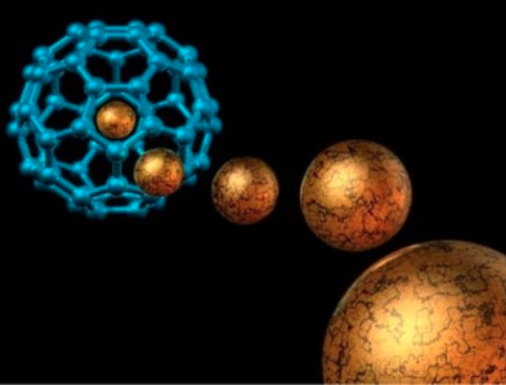
Revolutionising Nanomedicine: DNA Barcodes for Gold Nanoparticles
Gold nanoparticles (NPs) are promising for cancer therapy due to their versatile properties. However, their interactions with cells vary, affecting reproducibility and application. To optimise…
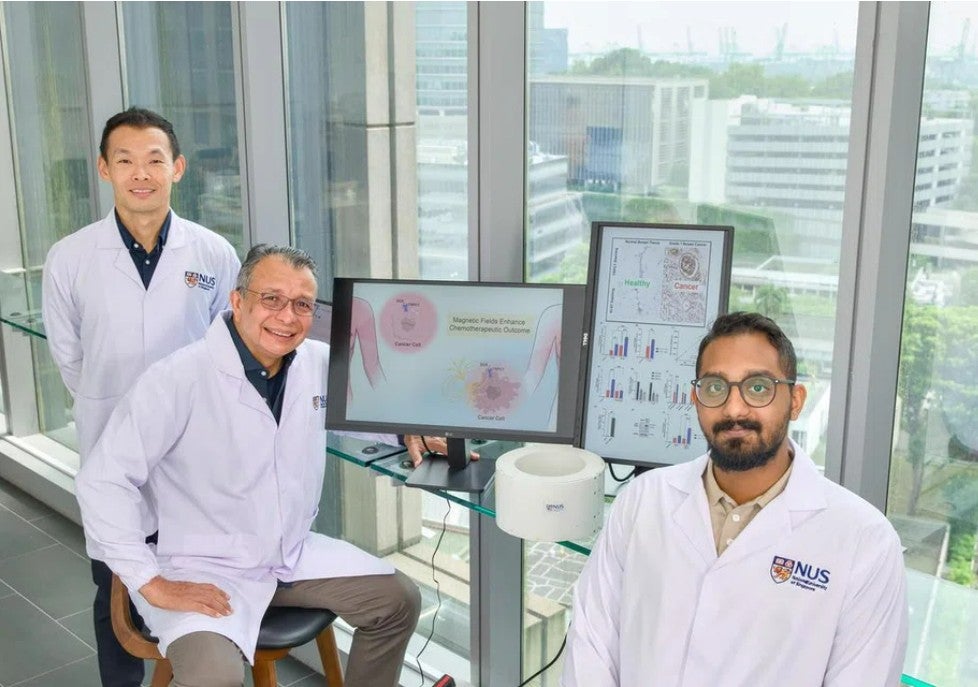
Magnetic Field Therapy Improves Breast Cancer Treatment with Fewer Side Effects
Chemotherapy, although the first line of defense in cancer treatment, is indiscriminate and is damaging to the entire body, which, ironically, worsens a patient’s chances…
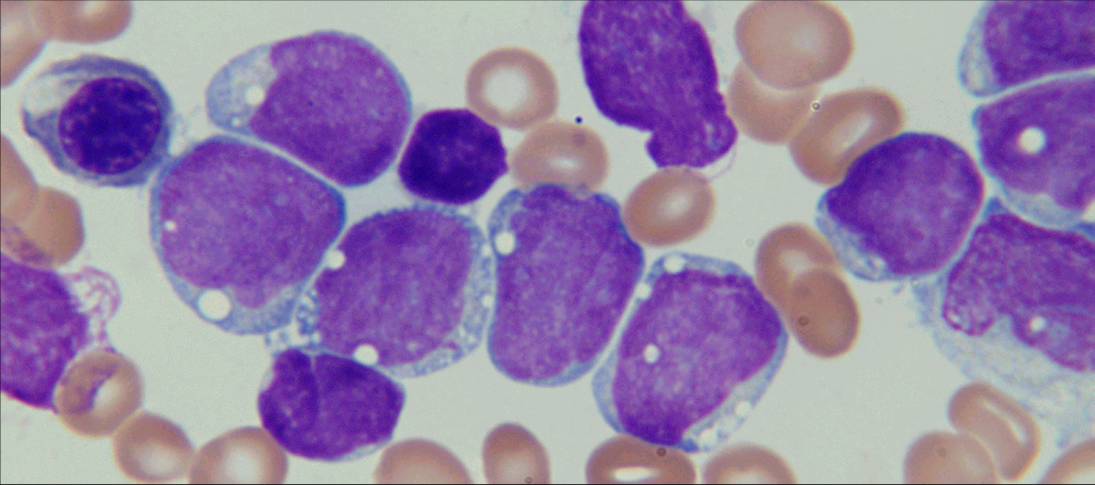
New CAR T-Cell Therapy Offers Hope for Relapsed or Refractory T-cell Leukaemia
Relapsed/refractory T-cell acute lymphoblastic leukemia (T-ALL) is challenging to treat. Outcome for such patients is dismal. A recent experimental treatment – using CD7 CAR T-cell…
Clinical Trial Shows Promise in Treating Advanced Gastric Cancer
A recent phase l trial evaluated the safety and efficacy of combining pressurised intraperitoneal aerosol chemotherapy-oxaliplatin (PIPAC-OX) with nivolumab in patients with gastric cancer peritoneal…
N2CR researchers uncover a missing link between poor diet and higher cancer risk
N2CR researchers led by Prof Ashok Venkitaraman and Dr Kong Li Ren have unearthed new findings which may help explain the connection between cancer risk…