Pathogens as Cell Biology Tools

Nov 24, 2026
MD4-02-03E, Microbiology, L2 Seminar Room

Abstract

Legionella pneumophila, the causative agent of Legionnaires’ disease, has evolved an extraordinary strategy to survive and replicate within host cells. Central to this strategy is the delivery of more than 300 bacterial effector proteins that rewire nearly every major eukaryotic cellular process, allowing the bacterium to establish a specialized intracellular niche.

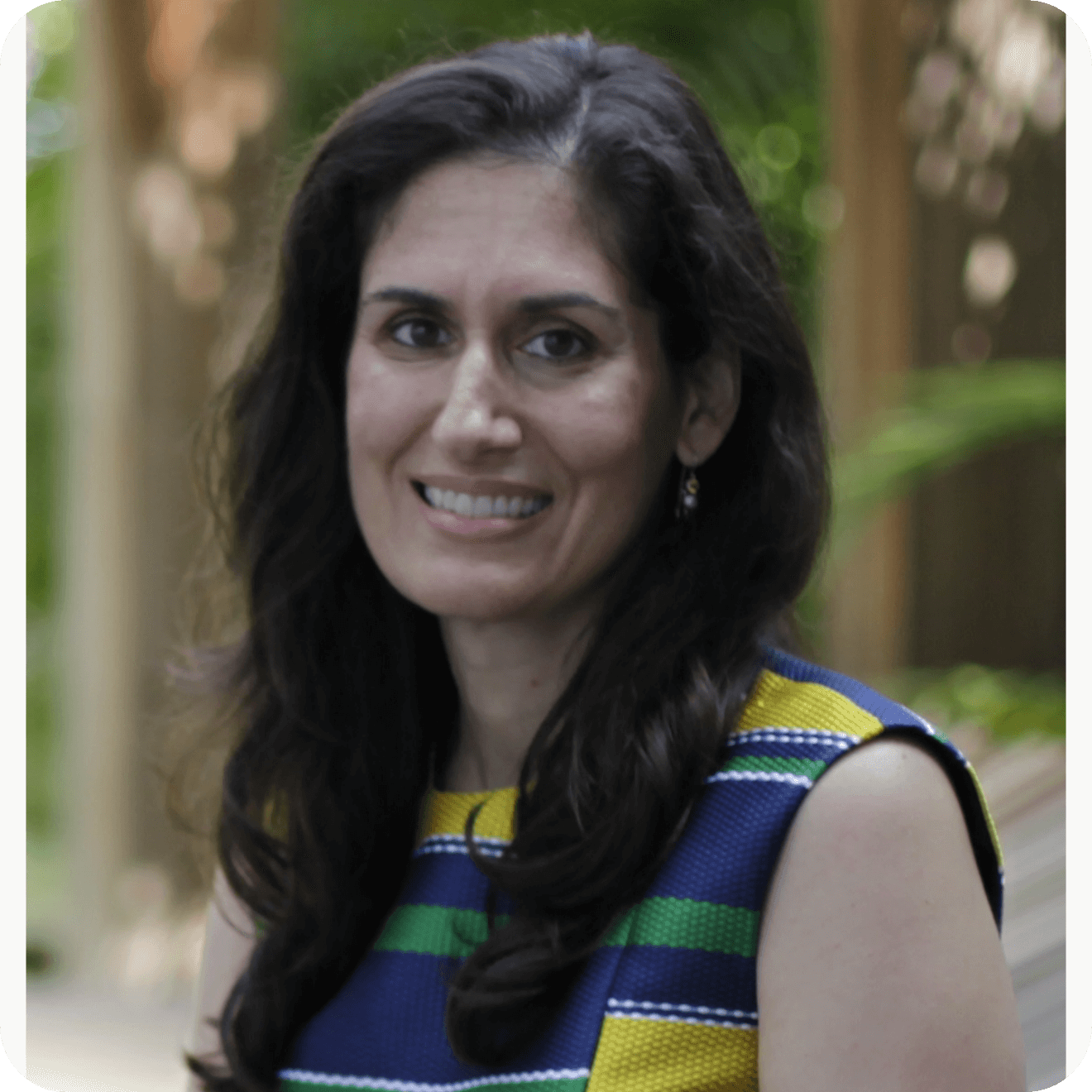
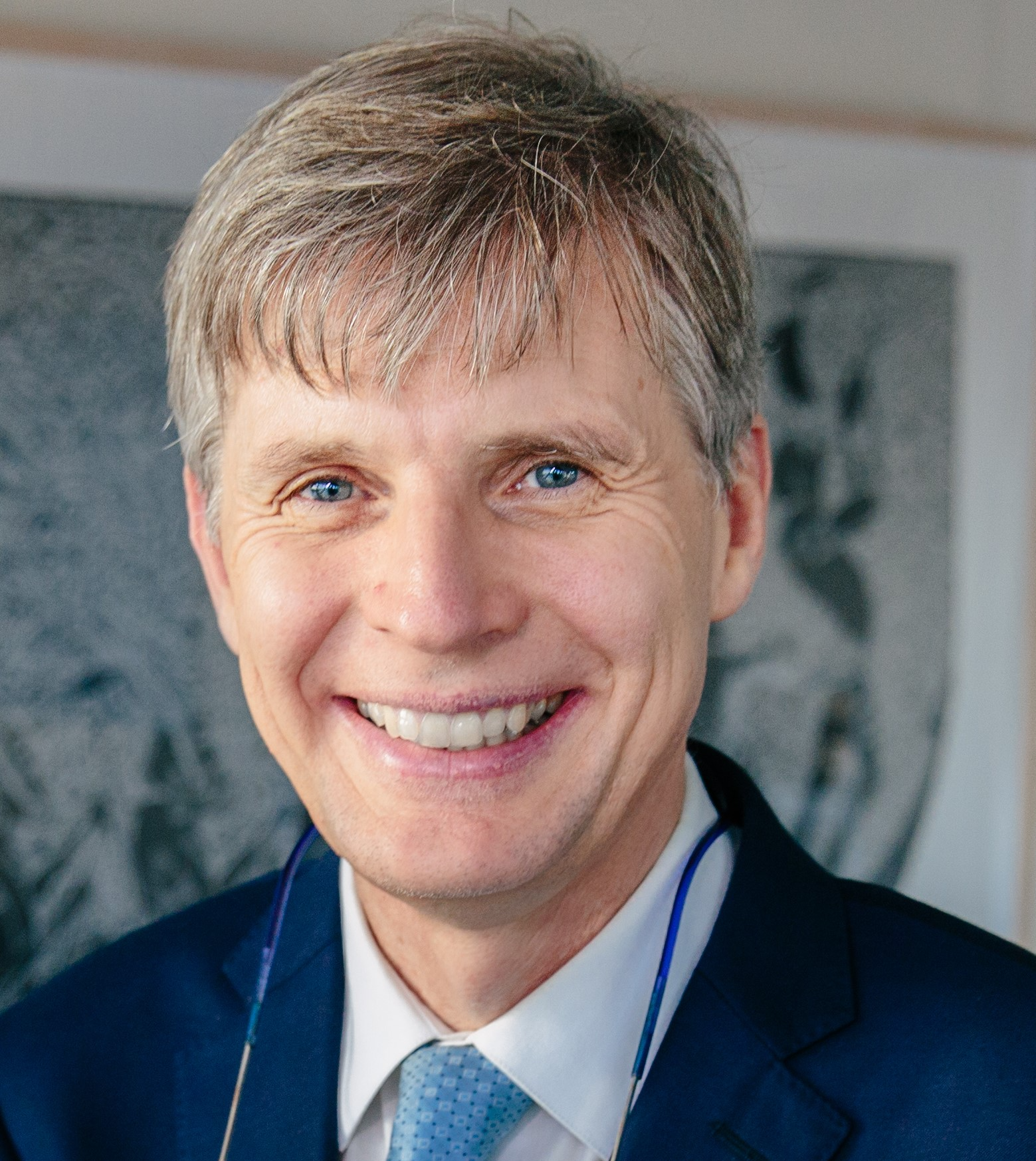
In the Mukherjee lab, Prof Mukherjee and her team investigates how these effectors manipulate host cell biology and exploit them as powerful molecular tools to uncover fundamental mechanisms that govern eukaryotic cells. Their research lies at the interface of microbial pathogenesis and mammalian cell biology, integrating microbiology, biochemistry, cell biology, and molecular genetics to understand how bacterial proteins reshape host signaling, membrane trafficking, organelle dynamics, and other essential cellular pathways.

By studying the sophisticated molecular strategies employed by L. pneumophila, we gain insights not only into the pathogenesis of Legionnaires’ disease but also into basic biological processes that are broadly relevant to cell function, host-pathogen interactions, and human health.


Biography

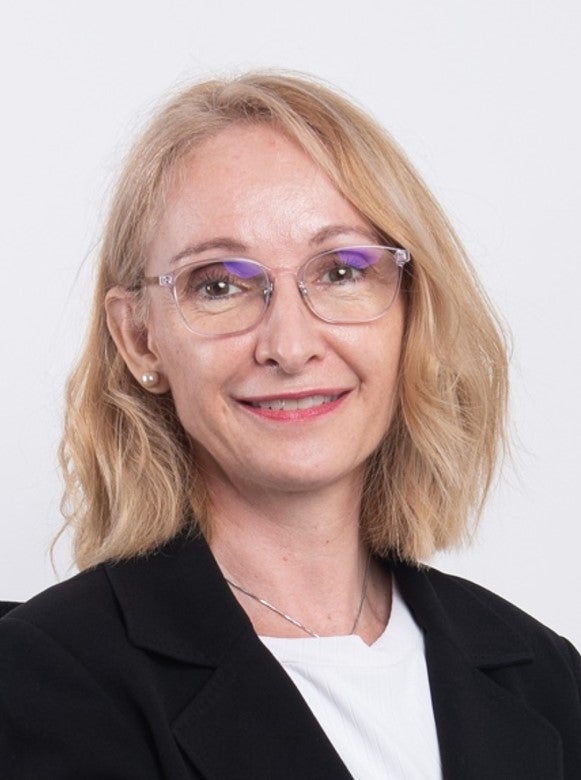
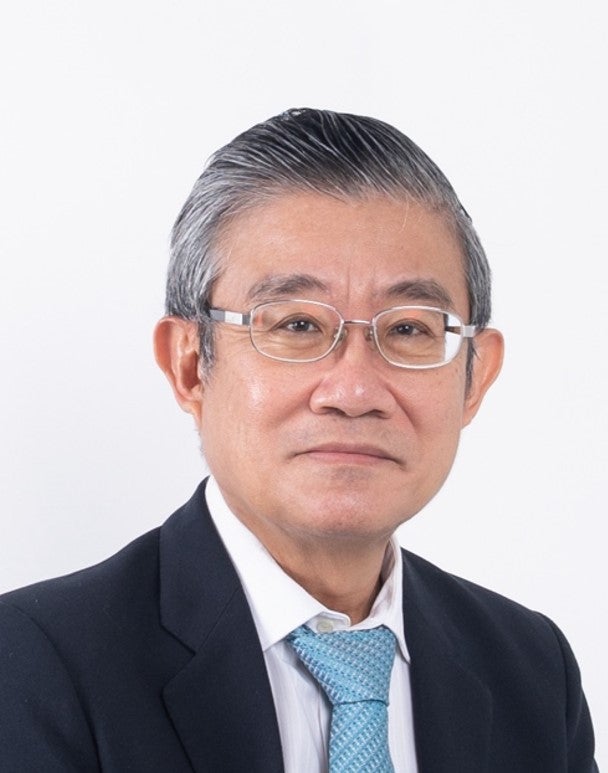
Shaeri Mukherjee, PhD, is Professor and Vice Chair of the Department of Microbiology and Immunology at the University of California, San Francisco, and a member of the G.W. Hooper Foundation. Her laboratory uses Legionella pneumophila and its effector proteins to uncover fundamental mechanisms of eukaryotic cell biology and host-pathogen interactions. Dr. Mukherjee is a Bowes Biomedical Investigator, Chan Zuckerberg Biohub Investigator, and Pew Scholar. Her earlier honors include the Julius Marmur Award for Outstanding Thesis and the Anna Fuller Fellowship.
More Seminar, Courses & Workshops

On-site

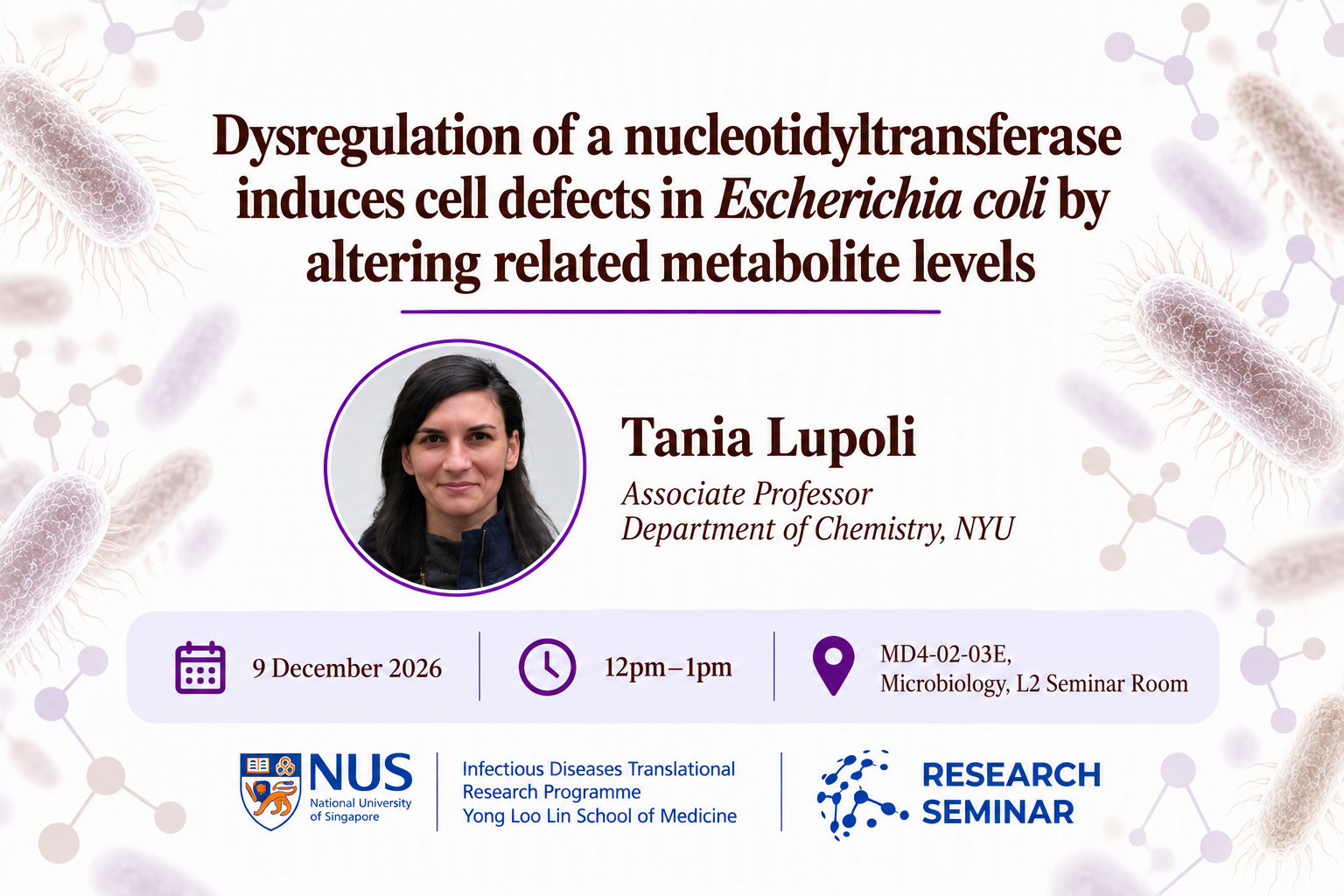
Dysregulation of a nucleotidyltransferase induces cell defects in Escherichia coli by altering related metabolite levels

Abstract The cell surface of gram-negative Escherichia coli is rich ...
On-site

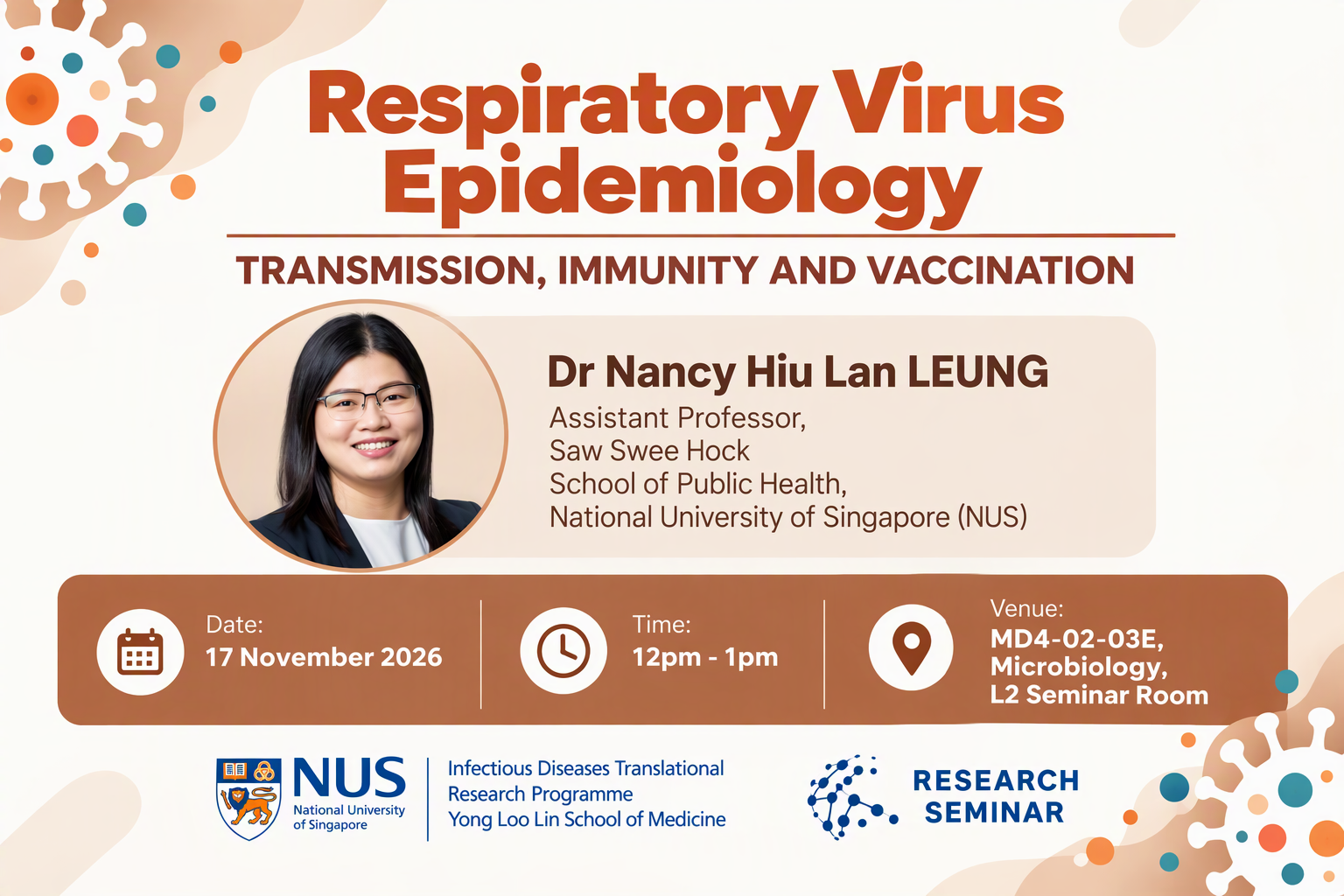
Respiratory Virus Epidemiology: Transmission, Immunity and Vaccination

Abstract Studying human immune responses to respiratory viruses is a ...
On-site

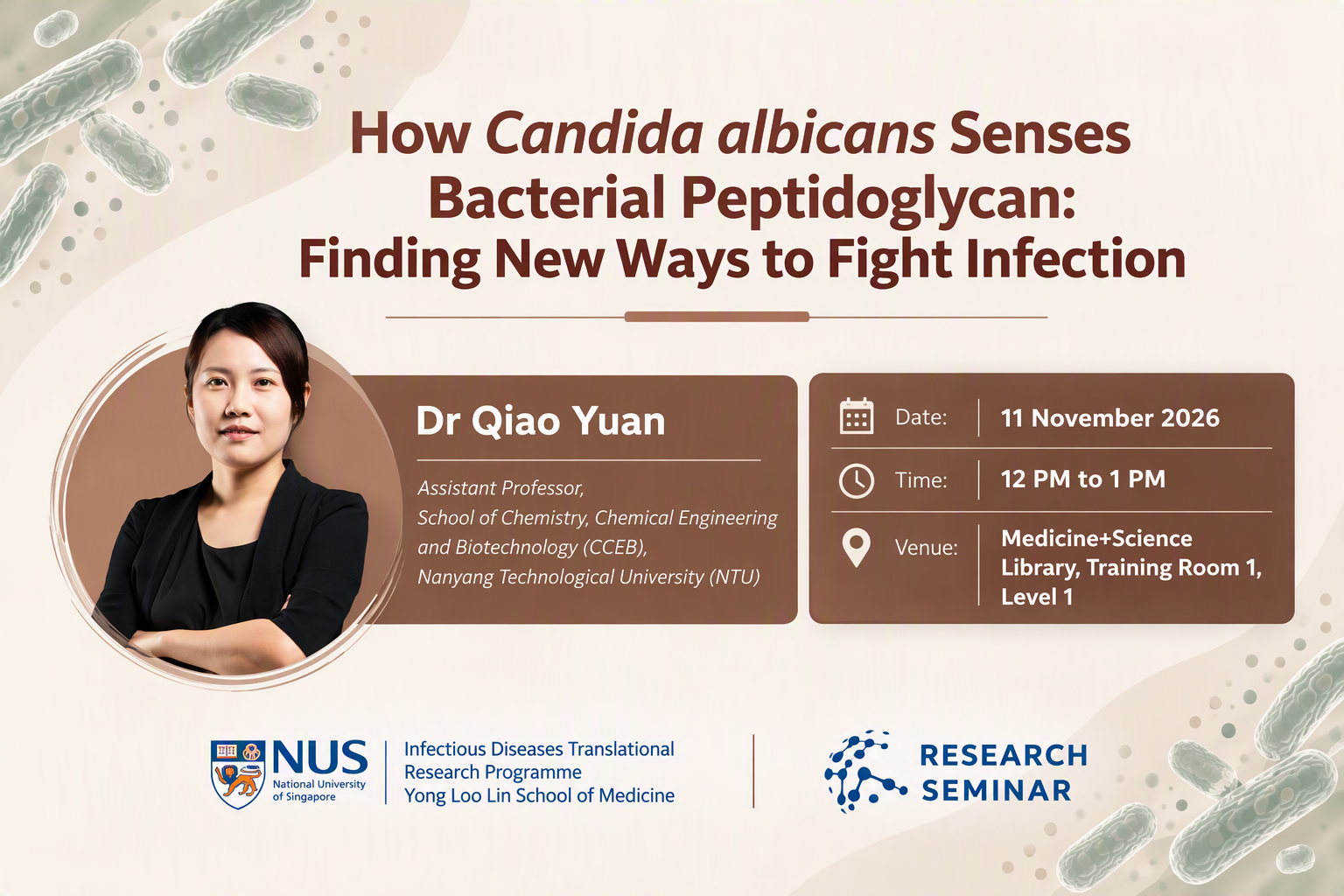
How Candida albicans Senses Bacterial Peptidoglycan: Finding New Ways to Fight Infection

Abstract Candida albicans is a common fungal commensal of the ...

Secondary Members

David ALLEN

Associate Professor​ (Medicine)​ ​

Sophia ARCHULETA

Associate Professor (Medicine)

Yann BOUCHER

Associate Professor (SPH)​

Louis CHAI

Associate Professor​ (Medicine)​

Kaiwen CHEN

Assistant Professor (Micro & Immuno)

CHN'G Jun Hong

Senior Lecturer (Micro & Immuno)


LOK Shee Mei

 Professor (Duke-NUS)

Hannah CLAPHAM

Assistant Professor (SPH)

Dale FISHER​

Professor​ (Medicine)​

KOH Cho Yeow

Associate Professor (Medicine)

Raymond LIN

Associate Professor​ (NPHL-NCID)​

LUO Min

Assistant Professor (DBS)

Benoit MALLERET

Assistant Professor (Micro & Immuno)

Matthew TAY

Adjunct Assistant Professor (Biochemistry)

Kevin TAN

Associate Professor​ (Micro & Immuno)​

Adjunct Members

Guillaume CARISSIMO

Assistant Professor​ (A*STAR ID Labs)

Yin Xiang SETOH​

Assistant Professor​ (EHI)​

Marco VIGNUZZI

Associate Professor 
(A*STAR ID Labs)

Primary Members

Catherine ONG

Associate Professor

Cheryl LEE

Assistant Professor

CHNG Shu Sin

Associate Professor

David PATERSON

Professor

GAN Yunn Hwen

Professor

HSU Li Yang

Professor

John CHEN

Associate Professor

Justin Jang Hann CHU

Associate Professor

MO Yin

Adjunct Assistant Professor

Nick PATON

Professor

Niranjan NAGARAJAN

Associate Professor

Paul A. TAMBYAH

Professor

QU Kun

Assistant Professor

Seng Gee LIM

Professor

SHAM Lok To

Associate Professor

Sylvie ALONSO

Professor

TAN Chee Wah

Assistant Professor

TAN Yee Joo

Associate Professor

Thai TRAN

Associate Professor

Vincent CHOW

Associate Professor

WANG De Yun

Professor

Yassine CHERRAK

Assistant Professor

ZHONG Youjia

Assistant Professor