



Abstract
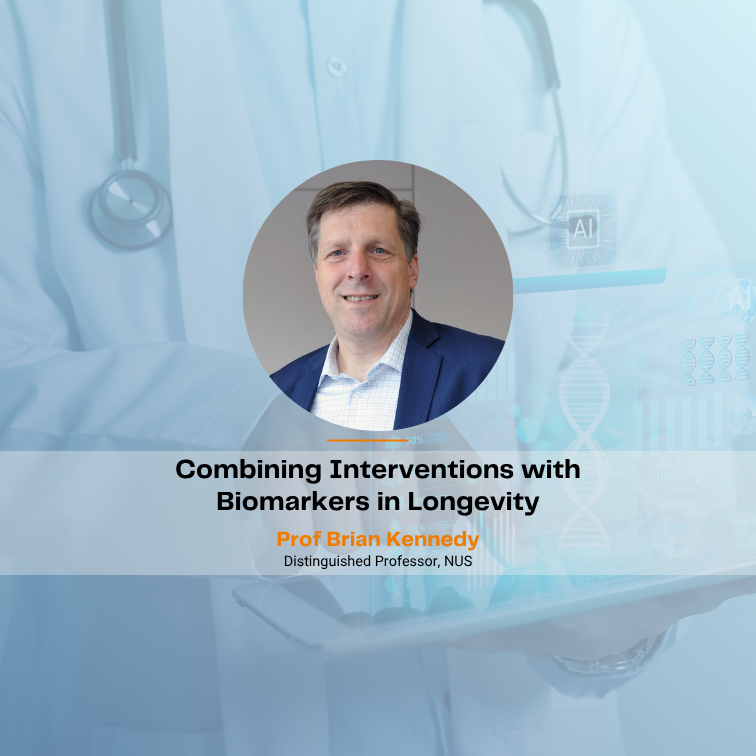
Extending lifespan alone is no longer the primary goal of longevity research; increasing healthspan—the years lived free from chronic disease and functional decline—has emerged as the central objective. Achieving this requires the integration of interventions with robust biomarkers capable of measuring biological aging and predicting clinical outcomes.
This presentation examines the evolving ecosystem of longevity interventions, including lifestyle modification, drugs, and supplements, alongside advances in biomarker development. We discuss how AI-driven drug discovery and screening platforms are accelerating the identification of geroprotective compounds, while mechanism studies continue to elucidate pathways involved in aging and age-related disease. Human cohort studies provide critical validation of candidate interventions and biomarkers across diverse populations.
The convergence of interventions, biological age assessment, and artificial intelligence is creating a framework for precision longevity medicine, enabling more effective strategies to optimize healthspan and potentially reshape the future of aging research.
Biography
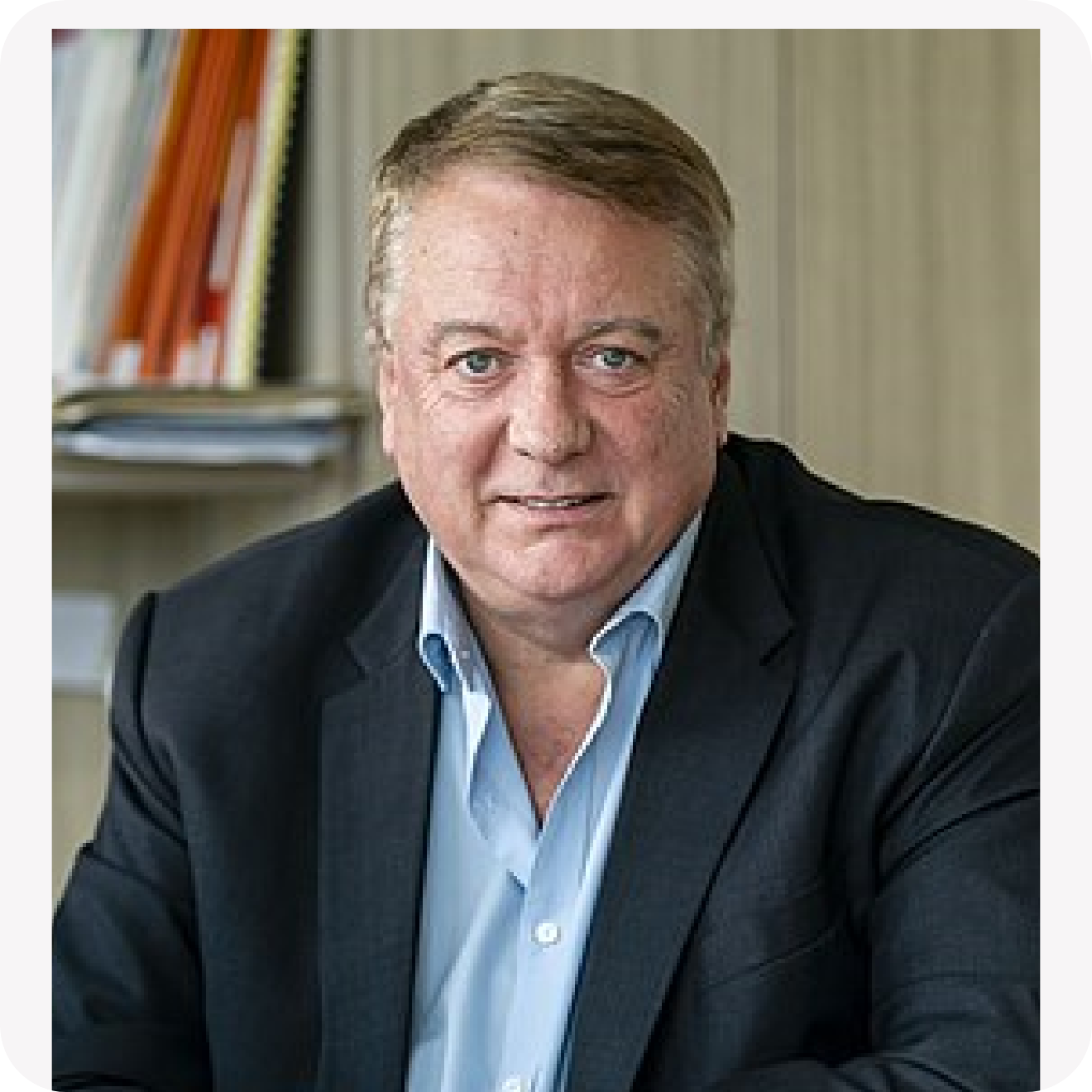
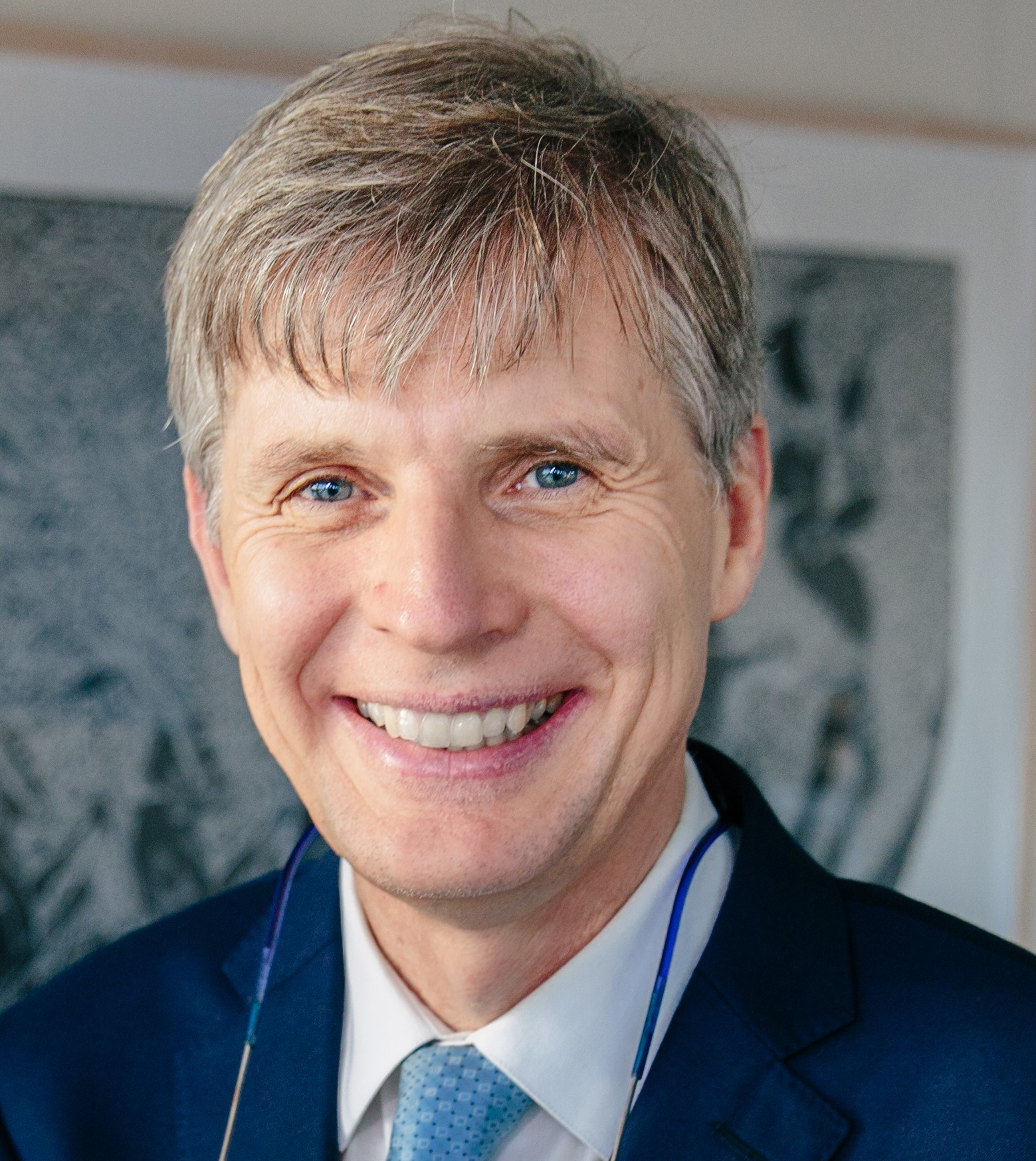
Dr Brian Kennedy is a Distinguished Professor in the Departments of Biochemistry and Physiology and also serves as the Programme Chair of the Healthy Longevity Translational Research Programme and Director of the Bia-Echo Asia Centre for Reproductive Longevity and Equality, Yong Loo Lin School of Medicine, National University Singapore.
In addition, he is also the Director of the Centre for Healthy Longevity, National University Health System. His research focuses on delineating mechanisms driving biological aging and identifying longevity interventions that can be successfully employed in humans to extend healthspan and lifespan.