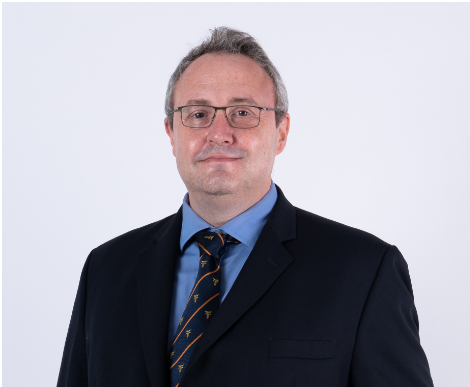
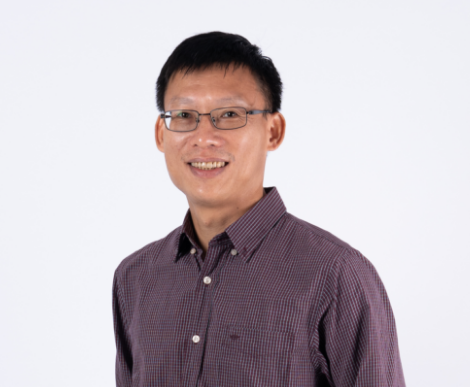
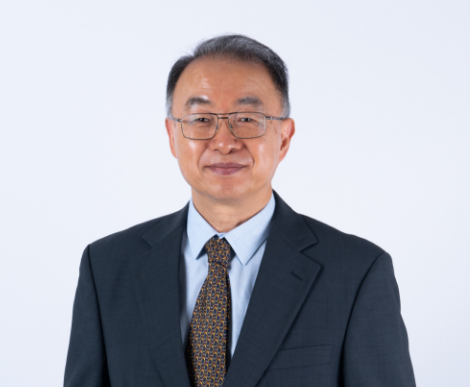
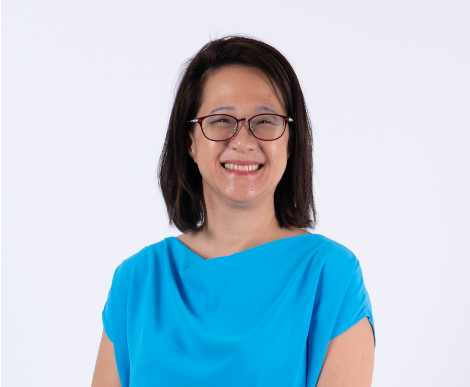
Introduction of
Who we are
The Immunology Translational Research Programme aims to understand the role of the immune system in health and diseases and its regulation with the goal of enabling discovery and development of more effective immunotherapy, new treatment guidelines and diagnostic tests for patients with disease-specific problems such as autoimmune and airway diseases, cancer, chronic inflammation, infections and organ / tissue transplantation.
Director’s Message
The Immunology Translational Research Programme (ITRP) is founded on two core principles that drive our research and training mission:
First, a deep understanding of immune mechanisms forms the foundation for diagnosing, treating, and ultimately preventing human diseases. Second, the most impactful scientific advances arise when a diverse team of scientists and clinicians—each bringing complementary expertise—collaborates in an interactive, and supportive environment.

Our People
Get to know our team players who diligently contributed to the research programme
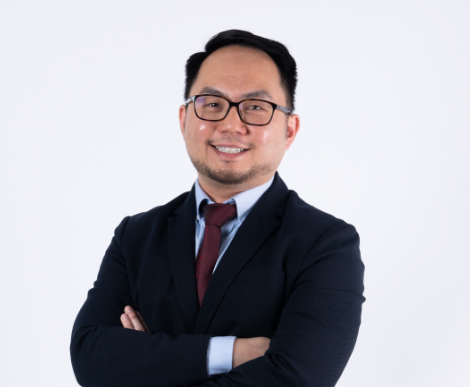
Dr Amanda Chan Chee Yun
Key Areas of Research
- Small fiber neuropathies
- Autonomic disorders
- Neurological sleep disorders
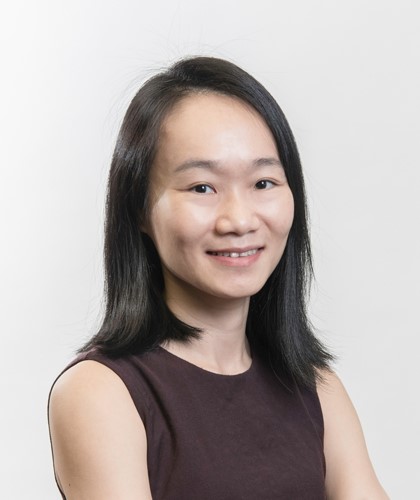
Dr Benoit Malleret
Key Areas of Research
- Human and zoonotic malaria
- Gut microbiome dysbiosis
- Electron microscopy
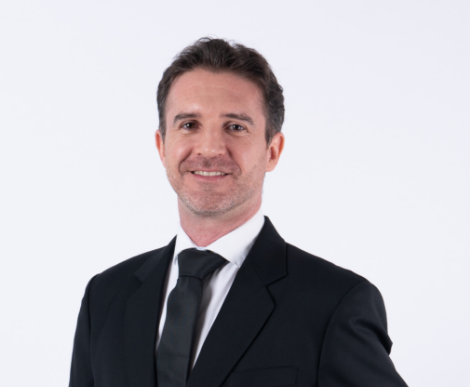
A/Prof Chen Jinmiao
Key Areas of Research
- Single-cell omics, Spatial omics, AI, Immunology.
- Developing novel analytical methods and databases for the integration and analyses of single-cell and spatial omics data.
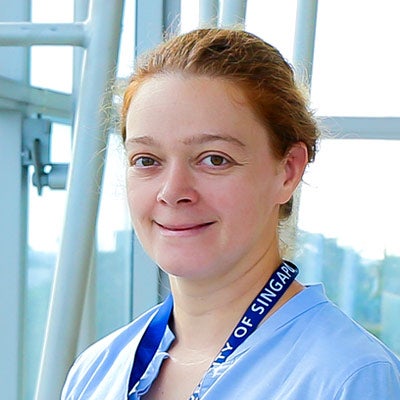
Dr Chen Kaiwen
Coordinator
Key Areas of Research
- Innate immunity and inflammation
- Programmed cell death
- Host-pathogen interactions
Prof Dario Campana
Key Areas of Research
- Prognostication and monitoring of hematologic malignancies
- Development of practical approaches to enhance the anti-cancer activity of immune cells
A/Prof Herbert Schwarz
Key Areas of Research
- Tumour Immunology
- Cancer vaccines
- Dendritic Cells
- CD137 – CD137 ligand
Research Team of
Immune Homeostasis
To advance understanding the role of the immune
system in health and diseases and its regulation.
Dr Chen Kaiwen
Coordinator
Key Areas of Research
- Innate immunity and inflammation
- Programmed cell death
- Host-pathogen interactions
Research Team of
Immunotherapies
To advance understanding the role of the immune
system in health and diseases and its regulation.
A/Prof Zhang Yongliang
Key Areas of Research
- Immune response to infection and cancer
- Signal transduction in cancer development
- Dual-specificity phosphatases (DUSPs)
Research Team of
The Asian Immunophenotype
and Clinical Investigations
To advance understanding the role of the immune
system in health and diseases and its regulation.
Dr Tay Sen Hee Frank
Coordinator
Key Areas of Research
- Systemic lupus erythematosus
- Nonsteroidal anti-inflammatory drug hypersensitivity
- Immune-related adverse effects
- Neutrophils
- Epigenetics
A/Prof Paul MacAry
Coordinator
Key Areas of Research
- Human Antibody Discovery and Engineering
- Alloantibody
- Dengue Virus Antibodies
Providing Quality
Core Facilities
Equipped with cutting edge tools at the forefront of technology
Explore Our Trending
News & Events
Publications
Digitalized organoids: integrated pipelinefor high-speed 3D analysis of organoidstructures using multilevel segmentationand cellular topology
Publications
Molecular basis of Spns1-mediated lysophospholipid transport from the lysosome
Publications
Nation-wide surveillance of tick (Acari: Ixodidae) infestations of humans in Singapore
Publications
Plasticity of cell death pathways ensures GSDMD activation during Yersinia pseudotuberculosis infection
Publications
DUSP6 regulates Notch1 signalling in colorectal cancer
Media
Farewell to A/Prof. Veronique Angeli
Media
SingHealth Duke-NUS Academic Medical Centre leads S$10m national effort to tackle muscle-loss in ageing Singapore
Media
Ticking time bomb? Study on ticks in Singapore calls for greater vigilance
Media
Happy CNY 2025. Thank you everyone for helping with the hampers.
Media
Singleron Seminar (Organized by ITRP Single Cell Genomics Core & Singleron)
Seminar
The cGAMP transporter LRRC8VRAC and the noncanonical STING signaling in antiviral and antitumor immunity
Seminar
Ubiquitination in Cell Death and Tissue Injury
NUSMED ITRP Seminar Series
Basic Research and Translational Medicine in Lupus
Seminar
Intron Retention of DDX39A is a sensor for Myc/Spliceosome program in hepatocellular carcinoma
Seminar
NUS Yong Loo Lin School of Medicine Immunology TRP Research Seminar
be part of us