Dean's Message
Feb 2026
DEAN’S MESSAGE

In a fortnight’s time, we will celebrate the Lunar New Year along with millions of people around the world. The celebrations welcome the arrival of spring and the promises of renewal and fresh beginnings. The pursuit of fresh starts and the gathering of momentum before a reset: these herald the commencement of new as well as renewed efforts in all areas of social, economic and political human activity.
And so it is for all of us here at the Yong Loo Lin School of Medicine, National University of Singapore (NUS Medicine) where medical education and research follow the rhythms of the academic year, one that carries challenges and opportunities that must be faced and seized. We see these in the trend of increasing numbers of elderly Singaporeans living longer, many coping with sub-optimal health in their twilight years. Extending human longevity and well-being requires answers that go beyond the application of medicine. Our researchers are working towards multidisciplinary, holistic solutions that will enable people to live longer, in good health right into their last days.
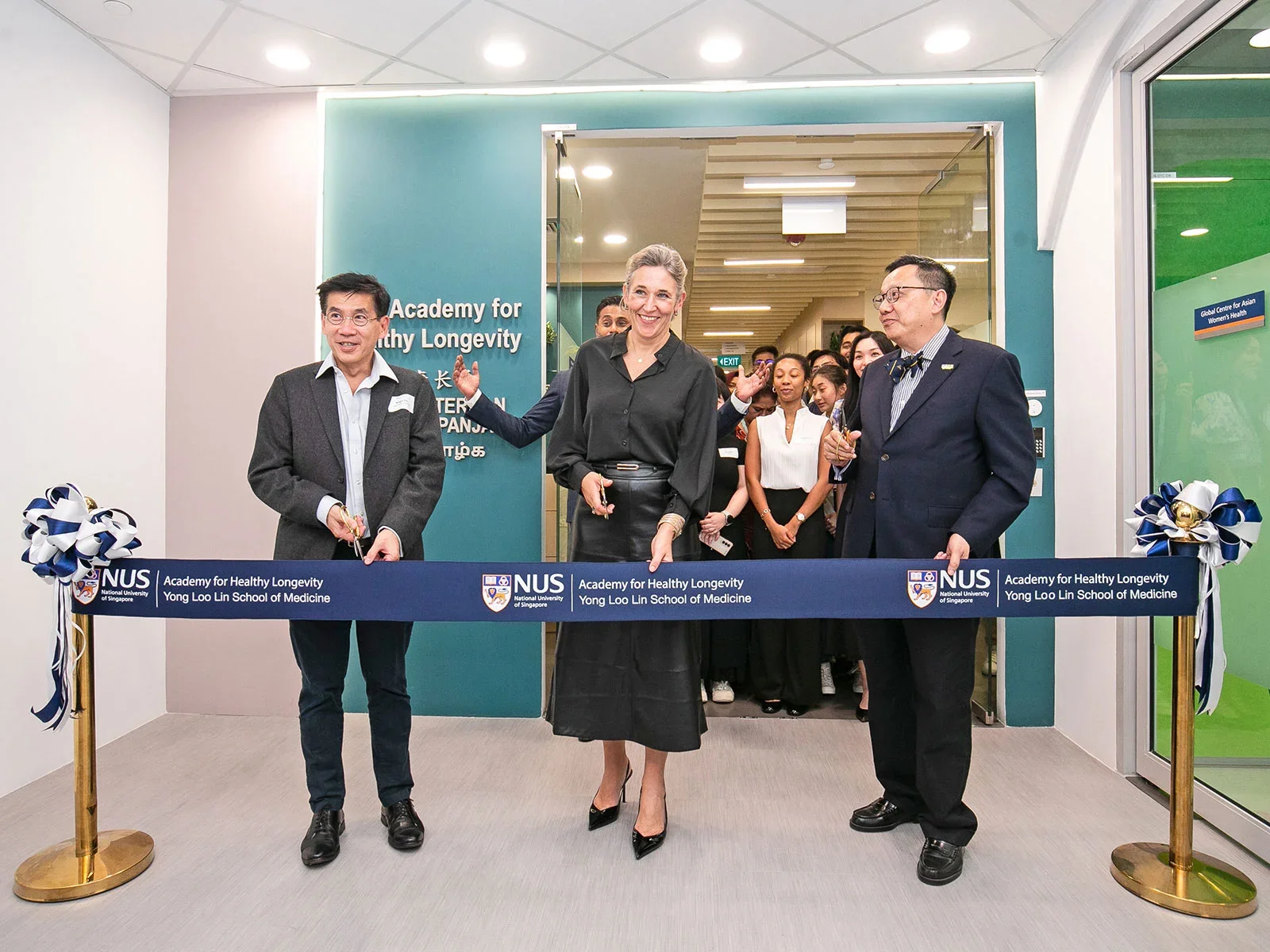
Towards this objective, we established the Clinical Trial Centre under the NUS Academy for Healthy Longevity recently to strengthen our ability to translate our research into real-world solutions that improve care, policy and population health. The new centre will enhance research capabilities and accelerate the clinical translation of geroscience into real-world solutions. Precision geromedicine entails the application of personalised, biomarker-driven strategies to optimise health, extend healthspan, prevent age-related diseases, and tailor interventions to an individual’s unique genetic, molecular, clinical, social, environmental and behavioural profile. By integrating multi-omics data, digital health monitoring, and systems biology, precision geromedicine can predict ageing trajectories, detect early deviations from healthy ageing and implement gerotherapeutics that enhance resilience and promote longevity throughout the adult lifespan.
The second area where we are applying ourselves is in contributing to solutions to address climate change. While efforts to decarbonise health systems are already underway, measuring progress demands that we first understand where we stand. Determining health sector baselines is an essential first step toward decarbonisation. One of the NUS Medicine Centre for Sustainable Medicine’s (CoSM) key priorities is developing comprehensive greenhouse gas emissions baselines for health systems, providing the foundation for action and enabling us to track progress. CoSM is co-leading the development of the world’s first technical guidance on health system baselining, which was launched at COP30 in Belém in November last year. This framework will set a global standard for measuring and managing health sector emissions—a practical foundation upon which countries can build. The team is also supporting the Philippines Department of Health and the Fiji Ministry of Health and Medical Services in developing their national health sector baselines. Here, at home, we released the first-ever comprehensive national emissions report for Singapore’s healthcare sector, and the first comprehensive study across Asia in September.
A third, abiding area of concern that the school is actively engaged with is enhancing the health and well‑being of women. Even as the world marks International Women’s Day on 8 March, it is a troubling, persistent fact that women spend 25% more of their lives in poor health. The burden of women’s health loss negatively impacts families, communities and entire societies, while closing the women’s health gap could unlock as much as $1 trillion in global economic growth each year by 2040. Current systems fail to capture the complexity of women’s health and women’s health data often sit in silos. Health data collaboration can turn isolated data points into a connected ecosystem of knowledge. By leveraging Artificial Intelligence (AI), we can generate insights that are more inclusive, predictive and impactful. By having a more complete picture of a woman’s health trajectory across her lifespan, we can detect long-term trends and risk factors that would otherwise remain hidden.
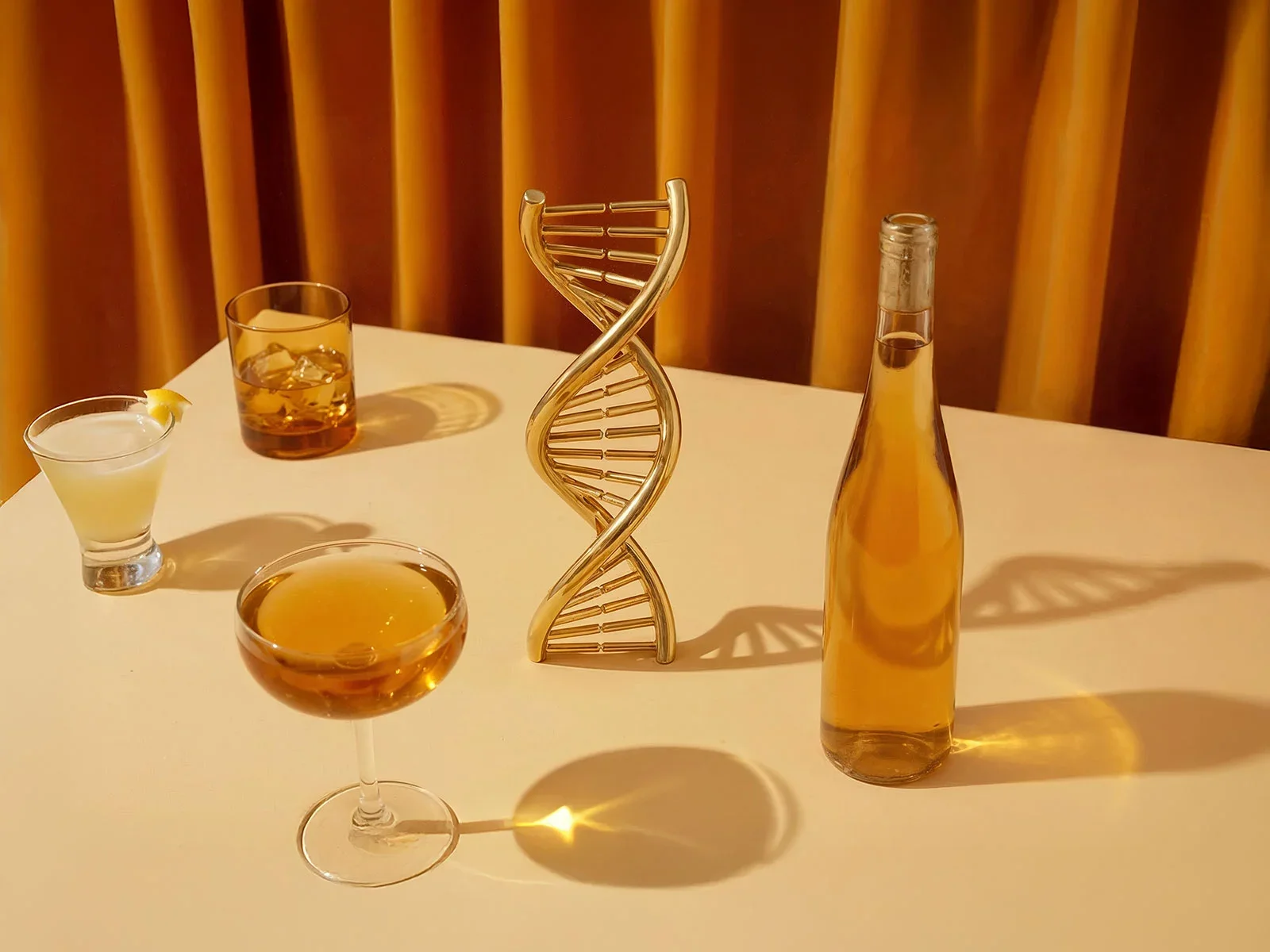
Festive seasons like the Lunar New Year are occasions for gatherings where larger amounts of alcohol are often consumed. Moderation is indeed prudent: in a timely finding, NUS Medicine scientists have discovered genetic variation in a single gene, chrna3, can alter alcohol sensitivity. These findings provide new insights into factors that may predispose individuals to alcohol use disorders and could inform personalised treatment plans. Food for thought as we tuck into festive goodies this season!
Wishing everyone a healthy, peaceful and happy Lunar New Year.

More from this issue