
Issue 54
Jul 2025
INSIGHTS
Synthetic biology is a transformative discipline that integrates biology and engineering, enabling researchers to reprogramme biological systems with unprecedented precision. By applying the principles of design, automation, and modularity, scientists can engineer microbes with novel functions tailored to address some of the world's most pressing challenges. From revolutionising healthcare to developing sustainable bio-based materials, synthetic biology is poised to reshape industries and accelerate technological advancements.
Recognising the immense potential of this emerging field, the National University of Singapore (NUS) established the Synthetic Biology for Clinical and Technological Innovation (SynCTI) in 2014. Under the leadership of Professor Matthew Chang, SynCTI was envisioned as a hub for pioneering research and innovation in synthetic biology, placing Singapore at the forefront of global developments. Over the past decade, SynCTI has made important strides in advancing scientific discovery, fostering international collaborations, and supporting Singapore’s ambitions to lead in bio-based innovation.
Its 10th anniversary in November 2024 provided an opportunity to reflect on the advances and value of synthetic biology for therapeutic applications, sustainable production of value-added chemicals, and bioremediation.
One of SynCTI’s key research areas involves the development of microbe-based solutions for the healthcare sector. Its researchers pioneered synthetic biology applications to develop engineered microbes to combat infections, cancers, and metabolic diseases, offering innovative alternatives to conventional treatments. In collaboration with clinician-scientists, the centre has engineered microbes with sense-and-respond systems to target pathogens, metabolise dietary molecules to induce anti-cancer effects, enable intranasal delivery of therapeutic molecules for brain disorders, and enhance chemotherapy by preventing adverse effects through precision tumour-specific delivery. The centre has also developed microbes capable of efficiently producing pharmaceutical ingredients, reducing reliance on traditional chemical synthesis for complex reactions. These advancements hold immense promise for next-generation therapeutics and cost-effective methods of drug production.
Beyond healthcare, SynCTI has contributed to sustainable manufacturing solutions by engineering microbes to convert abundant feedstocks and waste materials into valuable products. Notably, its research has focused on producing complex molecules used in perfumes, flavourings, and key industrial chemicals from renewable feedstocks and wastes. In the area of environmental sustainability, SynCTI has harnessed microbes for carbon capture, utilising synthetic biology approaches to convert industrial emissions into useful biomaterials and biofuels. Additionally, in the realm of bioremediation, researchers have developed bioprocesses for recovering precious metals from electronic waste, providing a greener alternative to conventional mining practices. These groundbreaking achievements demonstrate SynCTI’s commitment to addressing urgent environmental and industrial challenges through innovative biotechnological solutions.
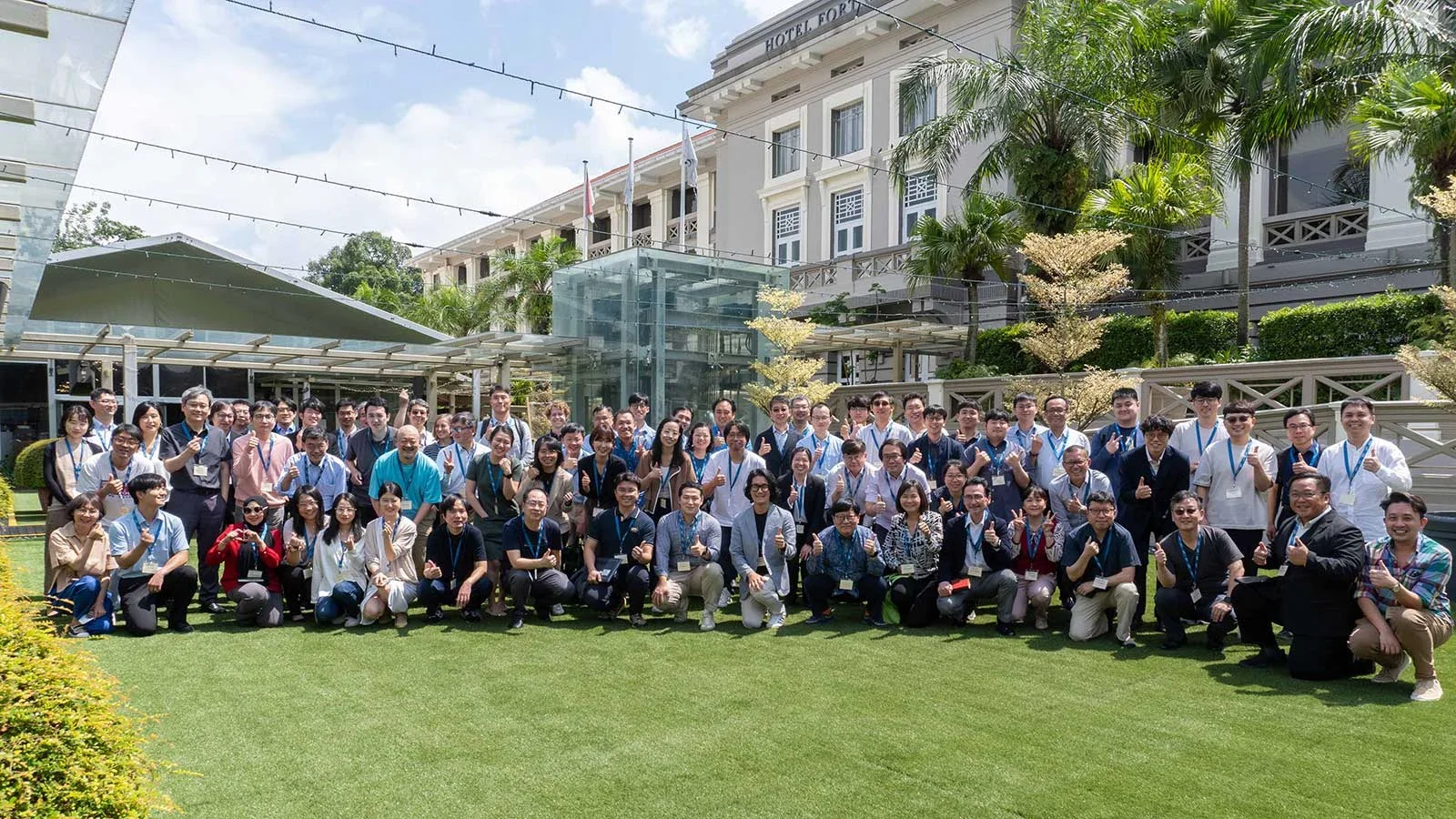
Recently, SynCTI welcomed new members and strengthened regional partnerships at the Fourth ASBA Annual Meeting.
Expanding global collaborations and networks
A key driver of SynCTI’s success has been its extensive collaborations with leading international institutions and industry partners. By fostering strong global networks, SynCTI has created a vibrant synthetic biology ecosystem that strengthens Singapore’s position as a leader in the field.
It has forged strategic partnerships with top-tier research institutions such as Shanghai Jiao Tong University, the French National Centre for Scientific Research, and the University of Illinois Urbana-Champaign. These collaborations have led to impactful projects, including efforts to develop sustainable aviation fuels, convert CO2 into high-value biomaterials, and use precision fermentation for producing food ingredients. By working alongside international experts, SynCTI continues to push the frontiers of synthetic biology, driving technological advancements with real-world applications.
Beyond Singapore, SynCTI has played a crucial role in fostering international cooperation and knowledge-sharing. As a co-founder of the Global BioFoundry Alliance (GBA) and the Asian Synthetic Biology Association (ASBA), the centre has contributed significantly to advancing synthetic biology on a global scale. The GBA connects leading biofoundries worldwide, promoting collaboration on standardised biomanufacturing techniques and shared infrastructure. Meanwhile, ASBA serves as a regional platform that unites synthetic biology researchers across Asia, facilitating idea exchanges and strengthening the community.
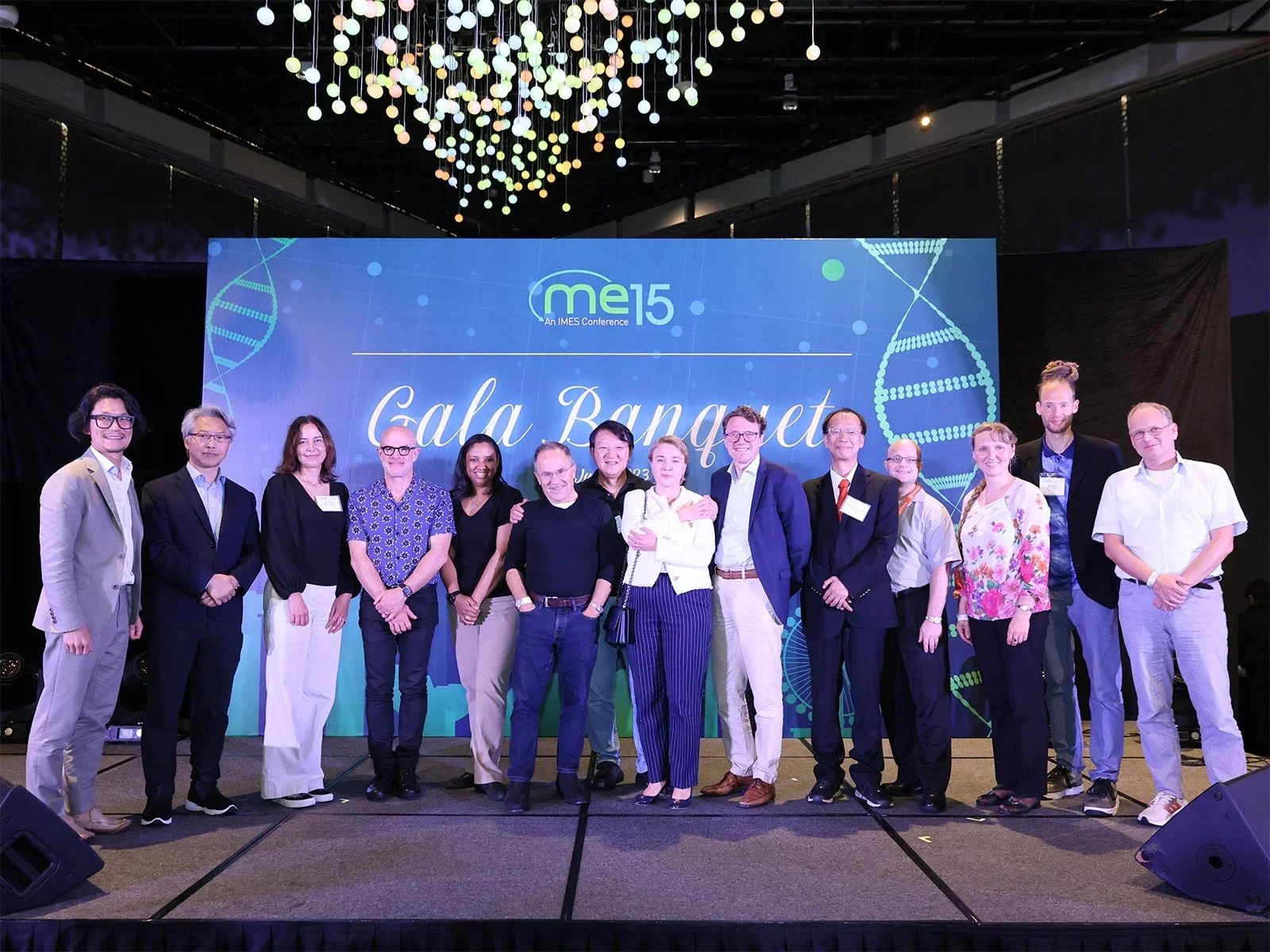
SynCTI’s role in the global synthetic biology landscape is further solidified by its organisation of flagship conferences that bring together scientists, researchers, and industry professionals. As host of the Seventh International Meeting on Synthetic Biology in 2017 and the 15th Metabolic Engineering Conference in 2023, SynCTI has provided platforms for thought leadership, collaborations, and discourse on the latest developments in synthetic biology. Most recently, the centre hosted the Fourth ASBA Annual Meeting in Singapore, welcoming new members and strengthening regional partnerships. These conferences facilitate networking and showcase Singapore’s contributions to the field.
Looking ahead, SynCTI’s legacy of innovation continues with the recent establishment of a national synthetic biology initiative. This landmark initiative aims to propel Singapore’s synthetic biology capabilities to new heights by focusing on interdisciplinary research and biomanufacturing.
Connecting academia and industry
Beyond academia, SynCTI actively engages with private industries to translate research into commercial applications. Through industry collaborations, researchers have co-developed innovative bio-based products and sustainable biomanufacturing processes. These partnerships reinforce the importance of integrating synthetic biology into industrial applications, ensuring that research breakthroughs lead to tangible benefits for society.
To bridge the gap between academia and industry, SynCTI spearheads the Singapore Consortium for Synthetic Biology (SINERGY), a key initiative that fosters industry engagement and commercialisation of synthetic biology technologies. SINERGY unites nine academic institutions and 27 industry partners to advance Singapore’s bio-based economy by promoting sustainable biomanufacturing practices. One of its most significant achievements has been its partnership with Wilmar International Limited, a leading agribusiness group. This collaboration has facilitated the development of microbes to produce chemicals derived from renewable feedstocks, replacing conventional chemical synthesis methods with environmentally friendly alternatives. Such industry-driven initiatives exemplify how SynCTI is translating cutting-edge research into commercially viable applications that contribute to economic growth and sustainability.
Through SINERGY, SynCTI continues to support industry partnerships, ensuring that synthetic biology innovations make a meaningful impact on global markets. The consortium’s success highlights the importance of fostering strong connections between researchers and industry leaders to drive the commercialisation of bio-based technologies.
Establishment of Singapore’s national synthetic biology initiative: A milestone for the future
Looking ahead, SynCTI’s legacy of innovation continues with the recent establishment of a national synthetic biology initiative. This landmark initiative aims to propel Singapore’s synthetic biology capabilities to new heights by focusing on interdisciplinary research and biomanufacturing.
The national initiative is dedicated to developing environmentally friendly alternatives to traditional manufacturing processes, leveraging synthetic biology to create bio-based solutions for industrial applications. By integrating expertise across multiple disciplines, the initiative seeks to address global challenges related to sustainability, resource efficiency, and climate change. The establishment of this initiative marks a major step forward in ensuring that Singapore remains at the forefront of bioengineering innovation.
Looking ahead
SynCTI’s 10th anniversary is a testament to NUS’ unwavering commitment to advancing synthetic biology locally and internationally. The work of the centre has positioned Singapore as a leader in this rapidly evolving field.
More from this issue