Issue 54
Jul 2025
ALUMNI VOICES
By Dr Ng Chew Lip, MBBS Class of 2010, NUS Yong Loo Lin School of Medicine
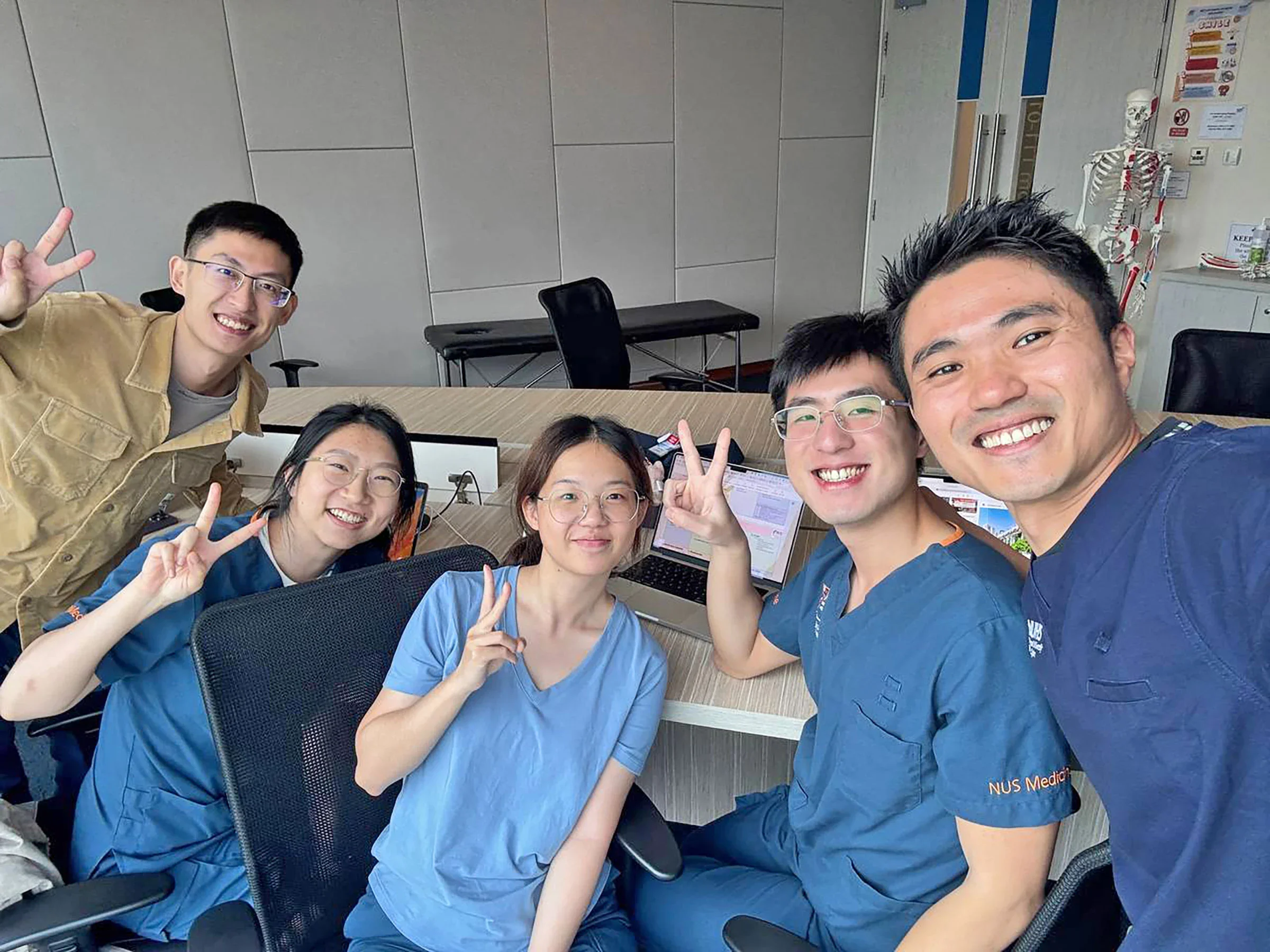
As I reflect on the 120th anniversary of my alma mater, I am grateful for the transformative journey which began there and moulded me into the clinician I am today. I entered this remarkable institution seeking a medical education, and left with a sense of purpose, an ethical compass, and a mindset to navigate the challenging yet incredibly rewarding world of Medicine.
Halcyon days
I remember vividly the first day I entered medical school. My class of 230 students was the Centennial Class—when the Yong Loo Lin School of Medicine, National University of Singapore (NUS Medicine) celebrated 100 years since its founding in 1905. I still have that blue and orange commemorative Centennial mug. I stayed at the King Edward VII Hall for the first two years, in room G401. Some of my fondest memories involved supper with friends at the prata shop at Fong Seng, hall sports and Playhouse. We spent an inordinate amount of time in the KE library, which was colonised by us medical students and the old medical library. In the preclinical years, we were in awe of the seniors doing their clinical rotations who looked so professional in their shirts and ties.
In those days, we didn’t wear scrubs for our clinical rotations. I recall being regaled by their tales of the massive polycystic kidney they balloted and the whooshing murmur that replaced the comforting lub-dubs (heartbeats during systole and diastole) of the healthy heart. We looked forward to the clinical years and were not disappointed, as we roamed the labyrinthine wards seeking our own gems of clinical signs and authoring our own odysseys, metamorphosising eventually into freshly minted young clinicians, ready to take on the marauding hordes of diseases.
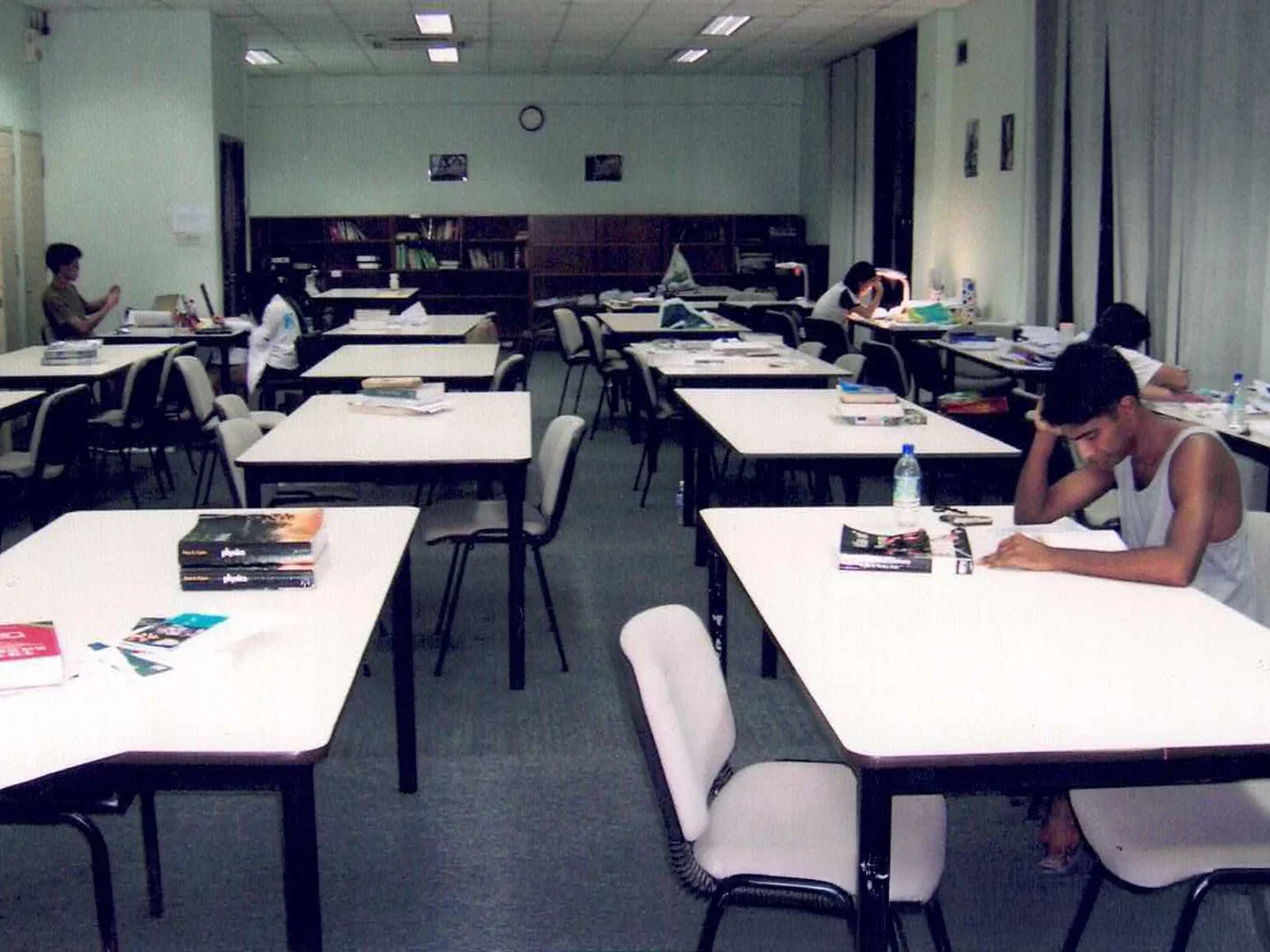
The King Edward VII Hall library at night.
Learning beyond books
As we turned house officers, we soon realised that being a doctor required a lot more than just knowledge of diseases but most of us were prepared. As I looked back, I saw that learning in medical school came in all forms, not just the acquisition of clinical knowledge. For me, the Medical Society (Medsoc) which I served as Welfare Secretary and President, was a transformative experience. My friends and I spent half of our time doing Medsoc work, and it proved to be one of the best learning experiences for us. We identified some areas that we could add value to and started some new initiatives.
The first day of med school was composed of talks by the Dean and faculty members before classes began. We thought the orientation programme could be made more memorable, so we organised the White Coat Ceremony, which to our delight has become a NUS Medicine rite of passage for all new students. We invited parents whom we thought would be proud to see their sons and daughters don the white coat and take the School pledge. It turned out to be well-received by students, parents and faculty.
Another event was the Medicine-Law Debate and Games. To rally students, we needed some external competition and Law came to mind. We had some brilliant debaters in Medicine but we were not certain if we would win so we packed in four other games, strategising that we could win three out of the five events. The results of that first-ever Games were as we had anticipated—Medicine won three games and Law won the debate and one other competition, so we won the Challenge Trophy. The Games are still ongoing but the Debate has ceased. Perhaps it is time to bring it back!

Playhouse 2005.
There were only a small handful of bursaries at that time, so Medsoc conducted the first study on the financial demographics of students, and the cost of one year of medical school, including transport, books, and other expenditures. We found that 21% of students came from lower income families. With the study results, the Dean’s Office, Singapore Medical Association (SMA) and Medsoc organised a series of successful fundraising activities. This led to a significant increase in the financial assistance schemes available, such as the SMA Charity Fund.
The Medsoc years were intense and also life-changing. I learnt valuable leadership lessons, teamwork, task prioritisation, communication, negotiation, delivering results despite challenges and limitations—all of which are essential skills we employ daily as doctors. I often encourage students to actively participate in extra-curricular activities, as it takes so much more to become a holistic doctor than book knowledge, and these activities provide the opportunities for us to develop holistically.
Experiences beyond the Little Red Dot
The School gave me the opportunity to do two overseas trips—to the Christian Medical College (CMC) in India with the Dean to establish collaborations, and Johns Hopkins in the US as a sub-intern. In CMC, I was moved by their doctors’ commitment to service. Many of them were top experts in their fields who could have had lucrative practices but instead dedicated themselves to the service of the underserved. At Johns Hopkins, I saw an institutional culture of relentless pursuit of excellence through innovation, dedication and hard work. The medical giants who once walked the hallways there tackled difficult problems in Medicine and devised many effective treatments, devices and techniques. The institution had a history and an environment which encouraged that. I believe an exposure to that culture in my formative years has shaped my thinking to some extent.
Those trips overseas encouraged me to seek knowledge beyond our shores. After my ENT residency in National University Health System (NUHS), I went for fellowships in London, Toronto and Shanghai, and visited many other surgeons on shorter stints, learning from the kungfu masters in my field. Every master surgeon has his/her own approach to disease conditions, tips, hacks and tricks and practice management. Learning from them enriches one’s repertoire of surgical skills and broadens one’s mind on what is possible. I now share what I’ve learnt with residents and fellows from Singapore and overseas.
Practising in these varied healthcare systems also allowed me to see how different systems function, and how the Singapore system is vis-à-vis these other systems. These perspectives have helped me in my work in optimising and transforming systems and processes in the hospital. The best systems function on common sense, good planning and execution—efficient enough to be cost-effective, feature reasonable guardrails to ensure quality and safety, and are kept in balance by acknowledging the friction and costs guardrails may impose, all undergirded by a strong public service ethos. I have benefited greatly from my learning trips abroad. This desire to seek knowledge continually was first planted in me through the opportunities given by the School.
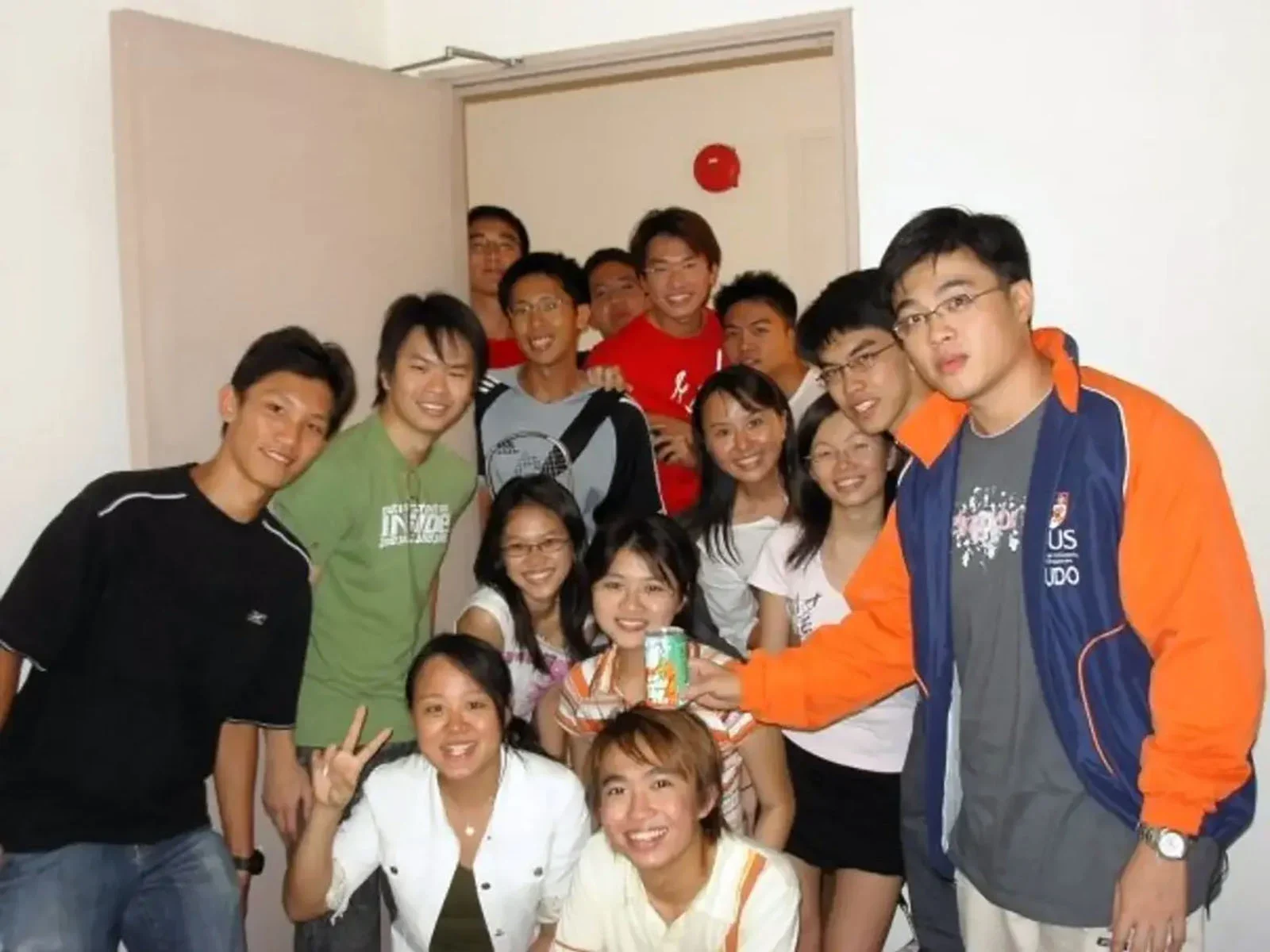
Hanging out with classmates after school.
As alumni, we share a bond that transcends the years. Whether it’s reconnecting with old friends or meeting classmates at conferences or gatherings, there is a sense of camaraderie that endures long after graduation. The shared experiences—long hours of studying, late-night discussions, moments of triumphs and setbacks—create a bond of solidarity. These are people who understand the demands and sacrifices that come with pursuing a career in Medicine, and they are the ones who will celebrate your successes and offer support through challenging times.”
Friendship and community
One of the greatest gifts of medical school is the community. As alumni, we share a bond that transcends the years. Whether it’s reconnecting with old friends or meeting classmates at conferences or gatherings, there is a sense of camaraderie that endures long after graduation. The shared experiences—long hours of studying, late-night discussions, moments of triumphs and setbacks—create a bond of solidarity. These are people who understand the demands and sacrifices that come with pursuing a career in Medicine, and they are the ones who will celebrate your successes and offer support through challenging times.
Indeed, when our classmates are promoted, start their own practices or are featured in the news, we cheer them on in our Class chat group. When our parents or children fall ill, the first people we consult are often our classmates. I see many of my classmates and their loved ones for their ENT conditions, and it is a great feeling to be of help to one another.
Teachers and mentors
We have been blessed with many great educators and administrators over the past 120 years. They were committed to nurturing the next generation of healers. The School has done much to honour and encourage our educators, which is heartening for we are all beneficiaries of our teachers’ generosity in sharing their time and expertise. The culture of education amongst our graduates is strong, with many becoming educators even while serving housemanship. This bodes well for the future of Singapore healthcare, and we should encourage and nurture this culture.
I have also been blessed in having wonderful mentors in my career. They have given me guidance, advice and opportunities that have helped me along the way. A rewarding mentoring relationship is a two-way street, requiring commitment from both mentor and mentee, with the mentor enabling the mentee to reflect, to clarify one’s thoughts and goals, provide feedback and opportunities for growth and advancement. The mentor derives satisfaction in the growth and maturation of the mentee, and the gratitude and friendship of the mentee. Mentoring also enables the mentor to gain insights into themselves, and mature further professionally. Some of my mentors have guided me from my student days, and now they know my three children. In turn, I have been mentoring some juniors. These are beautiful relationships. I would encourage students to actively seek out mentors, who will be invaluable in your professional and even personal life.
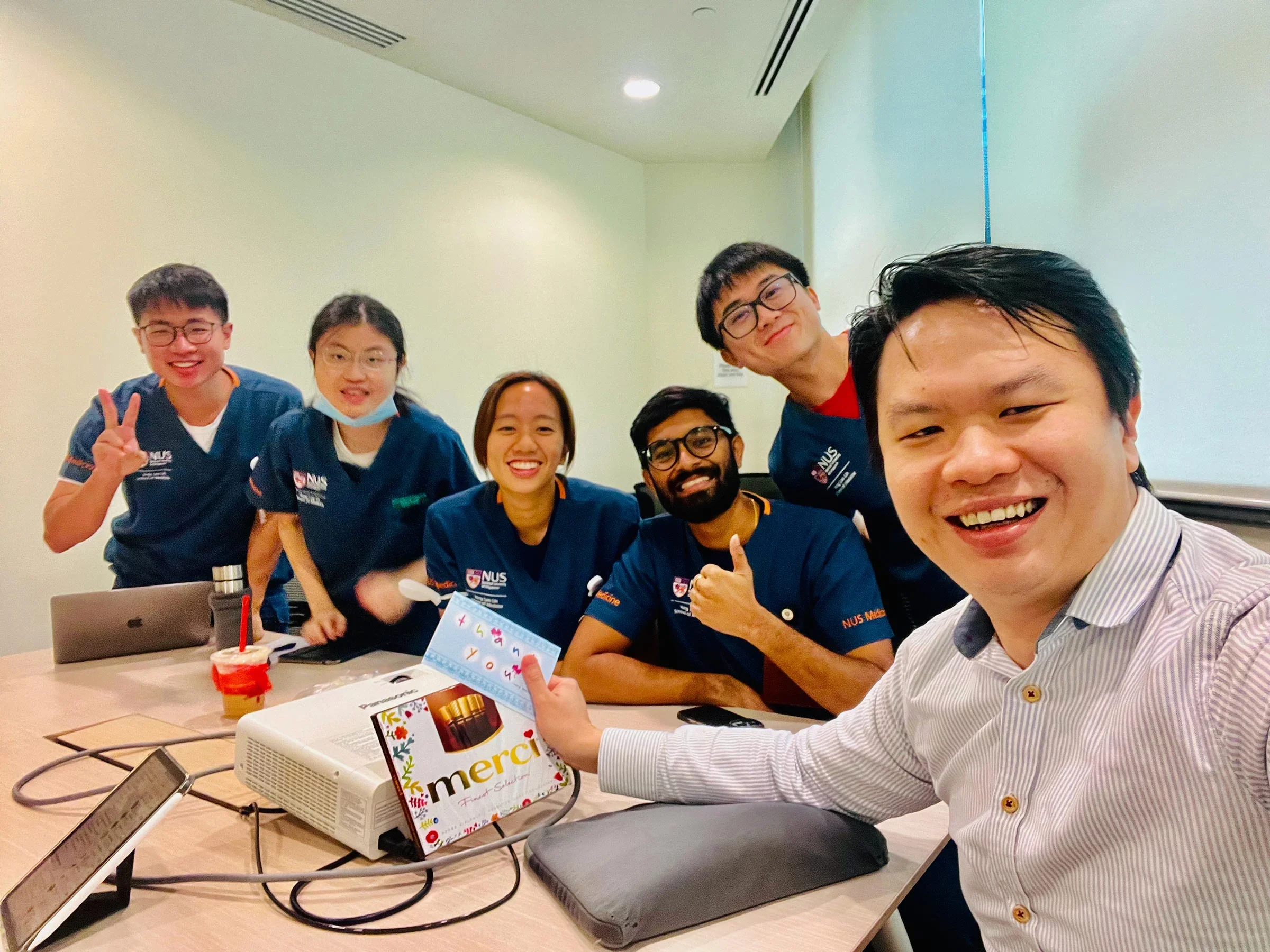
I previously served as Undergraduate Director for my department as I wanted to help shape the outlook and align the professional and ethical compasses of students amidst a rapidly evolving healthcare landscape. We are fed so much content on social media, some of which evoke negative emotions and paint a grim outlook. We live in a world connected by digital technology, with content available immediately online and goods delivered to us within hours. Throw in the COVID-19 pandemic which had been thoroughly disruptive, rapid inflation, the crisis of deglobalisation, global political polarisation, and we have a VUCA (volatile, uncertain, complex, ambiguous) world that can be disorientating, particularly for our youths. In such confusing times, the role of medical educators in calibrating the professional and ethical compass of future physicians is more important than ever.
However, as a wise professor once told my clinical group: “The wind may change its directions, but keep your eyes on the destination and you will know how to trim the sails”. In the spirit of his advice, there are four messages which I usually share with students.
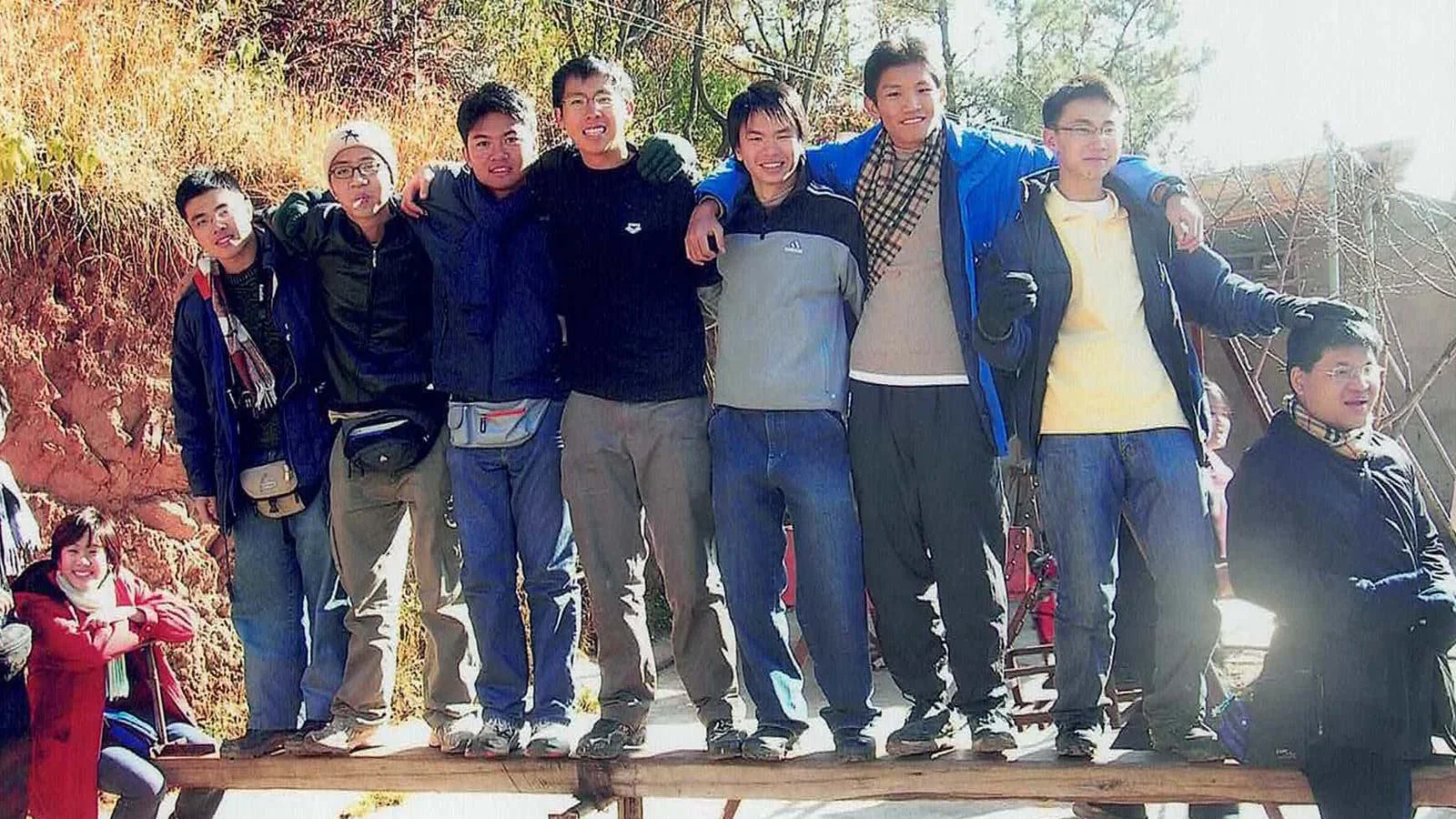
Yunnan Overseas Community Involvement Project.
As I continue on my journey in healthcare and embrace the challenges and experiences that come with being a doctor, I am glad that my alma mater equipped me not just with knowledge and skills, but also imbued in me a commitment to learning, service and continuous improvement. And for that, I will forever be grateful.”
Know why you are here
Firstly, reinforcing the raison d’etre for signing up to a life in Medicine. A medical life is, at its core, a life in compassionate service of the sick and suffering. It is a privilege that makes for an immensely satisfying life. Seniors can demonstrate that in word and in deed, and inculcate a sense of gratitude for the opportunity to be in our profession.
Look and plan ahead
Secondly, establishing a mental timeline of a medical career early on. While many things have become instant today, professions like Medicine still require a long process of learning and maturation and that journey of personal and professional growth can be very gratifying. While the training phase can be challenging, it only makes up the first 25% of one’s medical career. We have the next 75% to practise as full-fledged clinicians. For seniors, providing support and helping learners build resilience for this lifelong journey can make a big difference. In short, looking further and wider into the horizon puts everything in a better perspective.
Seek fulfilment
Thirdly, sharing that holistic professional satisfaction in Medicine encompasses multiple aspects—satisfaction from patients getting better from our efforts, knowing that we are getting better in our craft over time, pushing boundaries in our field, contributing to the professional community and mentorship of juniors amongst others. Work-life balance is certainly possible today as working conditions have improved significantly. A competent doctor worth his/her salt will be able to provide a decent quality of life for his/her family. Allaying the financial concerns of juniors is important to prevent rash career moves that may hold little satisfaction or prospect in the long-term. There are also a myriad of career paths beyond clinical practice such as informatics, data, bioengineering, entrepreneurship, finance with a focus in healthcare amongst others.
Embrace change
Fourthly, keeping an open mind and embracing change. Technological breakthroughs will increase in frequency and intensity. The current big one is Artificial intelligence (AI), which will likely catalyse changes in the way healthcare is delivered and accelerate discovery of medical knowledge. I am also exploring this promising new technology to harness AI in transforming the care models of chronic ENT conditions in a nationwide programme—Project ENTenna. Singapore is well-connected, well-digitised and well-resourced. We are fortunate to be in an environment where we can potentially be at the forefront of this technology and harness it to transform the delivery of care, so we should work to position Singapore as a first mover.
The world may be evolving rapidly but the key values and principles of Medicine taught to us are timeless and will serve as a beacon to us all. We have good reason to believe that the next 120 years of the School will be even better. As I continue on my journey in healthcare and embrace the challenges and experiences that come with being a doctor, I am glad that my alma mater equipped me not just with knowledge and skills, but also imbued in me a commitment to learning, service and continuous improvement. And for that, I will forever be grateful.
I wish the School, students and fellow alumni a happy 120th anniversary!

Dr Ng Chew Lip is a Senior Consultant and Clinical Director of the Department of Otolaryngology-Head and Neck Surgery and Associate Chairman Medical Board (Care Transformation) at Ng Teng Fong General Hospital. He was the president of the NUS Medical Society from 2007 to 2008. He is an Adjunct Associate Professor at NUS Medicine.
More from this issue