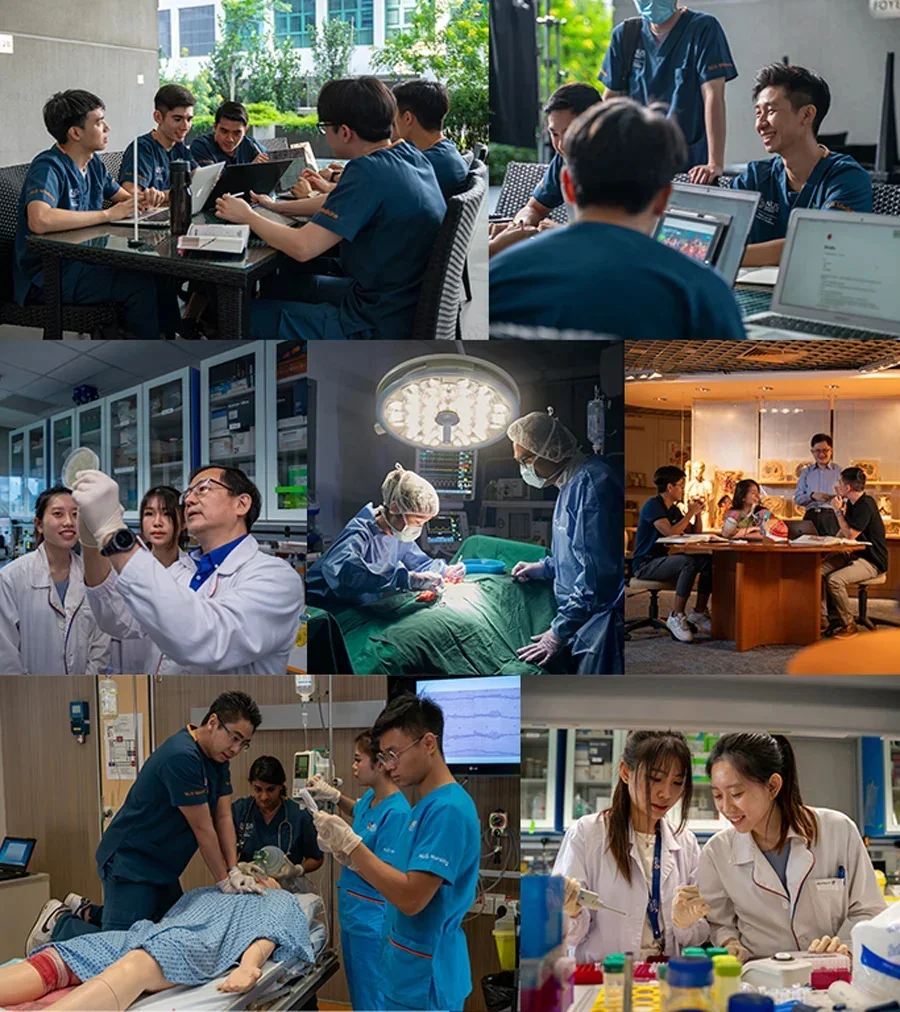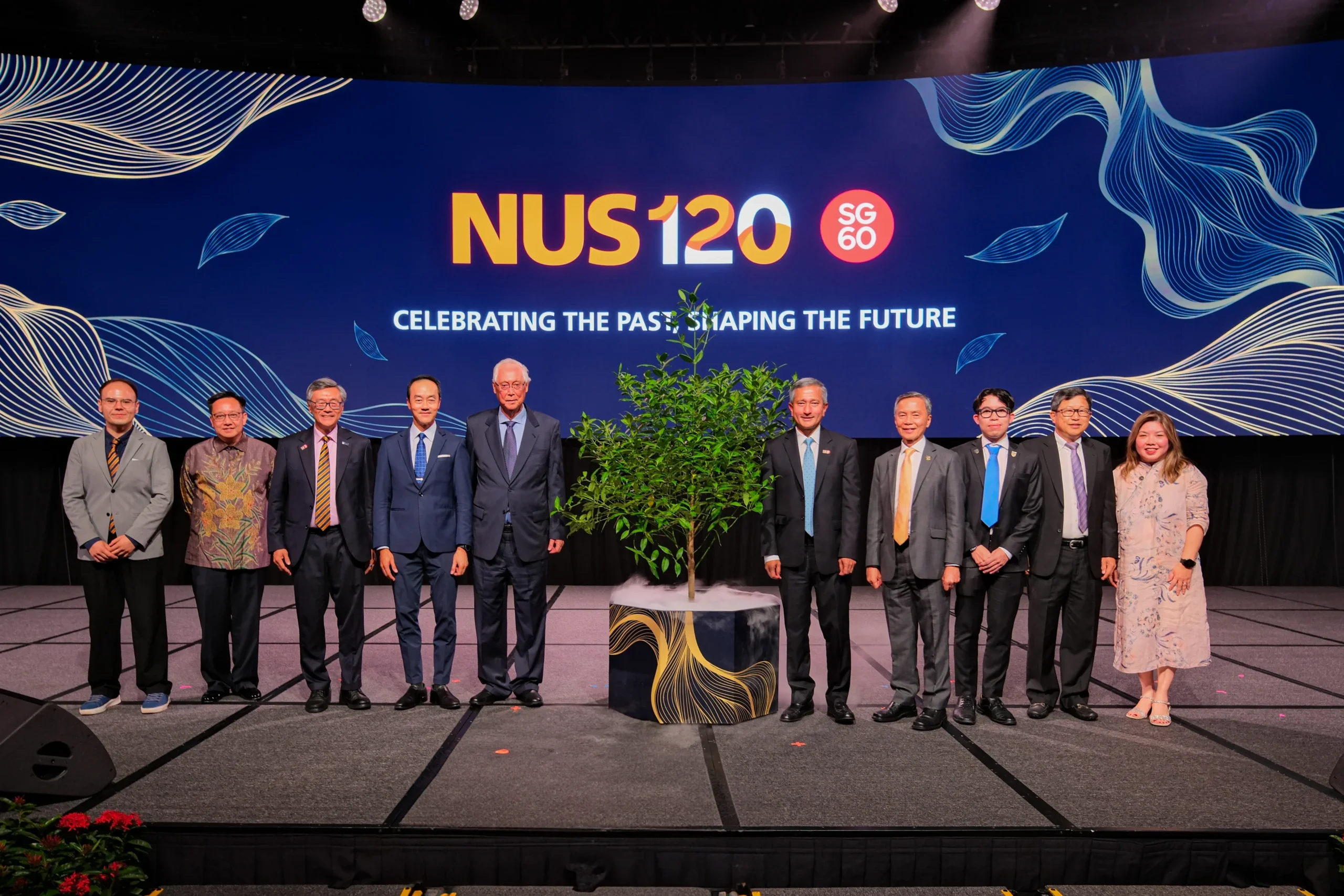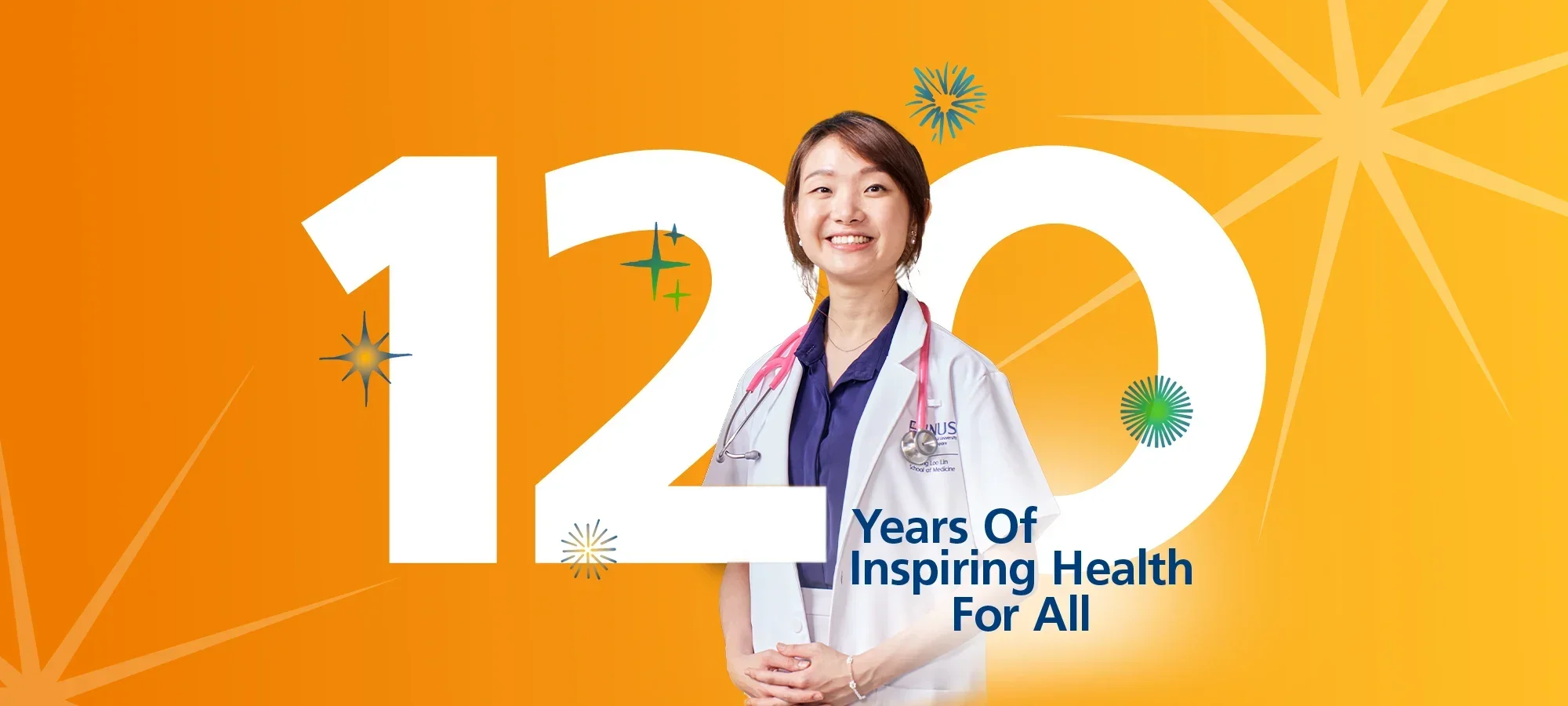
As we celebrate 120 years of teaching and research excellence at NUS Medicine, we are inspired by the pioneering leaders and generations of healthcare professionals who planted, watered and tended what would become a teaching and research-intensive medical institution of higher learning. Through cutting-edge innovation and a focus on tomorrow’s healthcare challenges, we are committed to shaping the future of healthcare with purpose and passion. With your support, we will continue this journey to lead, innovate, and transform healthcare for generations to come. Join us as we #inspire120.
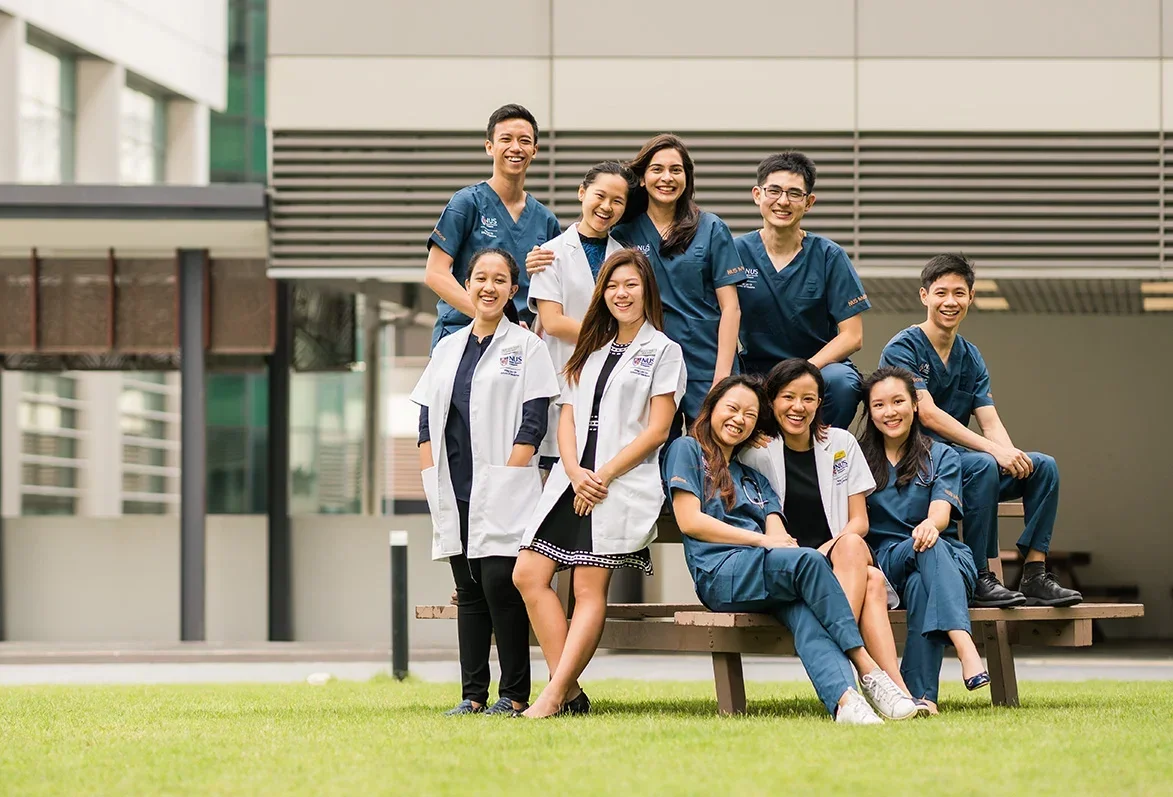
INSPIRING HEALTH FOR GENERATIONS
The history of the NUS medical school, in many ways, parallels that of Singapore. Set up to meet the pressing needs of the time, the School has strived, thrived, and triumphed beyond the expectations of many due to the contributions of the community, the calibre and quality of her staff and students, and the commitment of her supporters.
Twenty-three students enrolled when the school opened its doors on 3rd July 1905 and seven young men eventually graduated from that pioneering class with licentiates in Medicine and Surgery, becoming colonial Singapore’s first locally-trained medical practitioners. A century later, in July 2024, 305 young men and women followed in these pioneers’ steps, earning MBBS degrees and becoming the latest additions to the 11,861 medical graduates educated and trained by what is today the NUS Yong Loo Lin School of Medicine. They are joined by the 3,442 graduates from the Alice Lee School of Nursing Studies, which was established as part of the medical school in 2005.
As the School marks 120 years of service to the nation, we look back with pride and gratitude on the efforts of the thousands of our men and women graduates (Singapore’s first female medical practitioner, Lee Choo Neo, graduated in 1918) as well as the unwavering support of our benefactors and stakeholders, who inspire and enable us to educate and train healthcare professionals while also deciphering and mastering the specific biology and circumstances of our population, and to promote the health and well-being of all.
The modest, little medical school that was founded to serve the local colonial population’s most basic of healthcare needs at the turn of the 20th Century has gone from strength to strength to become one of the top 20 medical institutions of learning in the world in the 21st Century, ranked among the top 20 best medical schools globally by the 2025 Times Higher Education World University Rankings. Thanks to the efforts of the early NUS Medicine pioneers and those who came after them, Singapore’s quality of healthcare today ranks among the best in the world.
Going into the third decade of its second century, the Yong Loo Lin School of Medicine continues to educate and train competent healthcare professionals as we work towards our goal of being the best medical school in the world, for Asia.
NUS Medicine will adopt an Asian-centric, technology-driven approach to advance efforts in measuring and optimising health outcomes. This undertaking will see us producing Asia-contextualised research and knowledge that will contribute to new insights and interventions that can extend the healthspan of populations across Asia.
To inspiring health for all, together.
Chong Yap Seng
Lien Ying Chow Professor in Medicine
Dean, NUS Yong Loo Lin School of Medicine
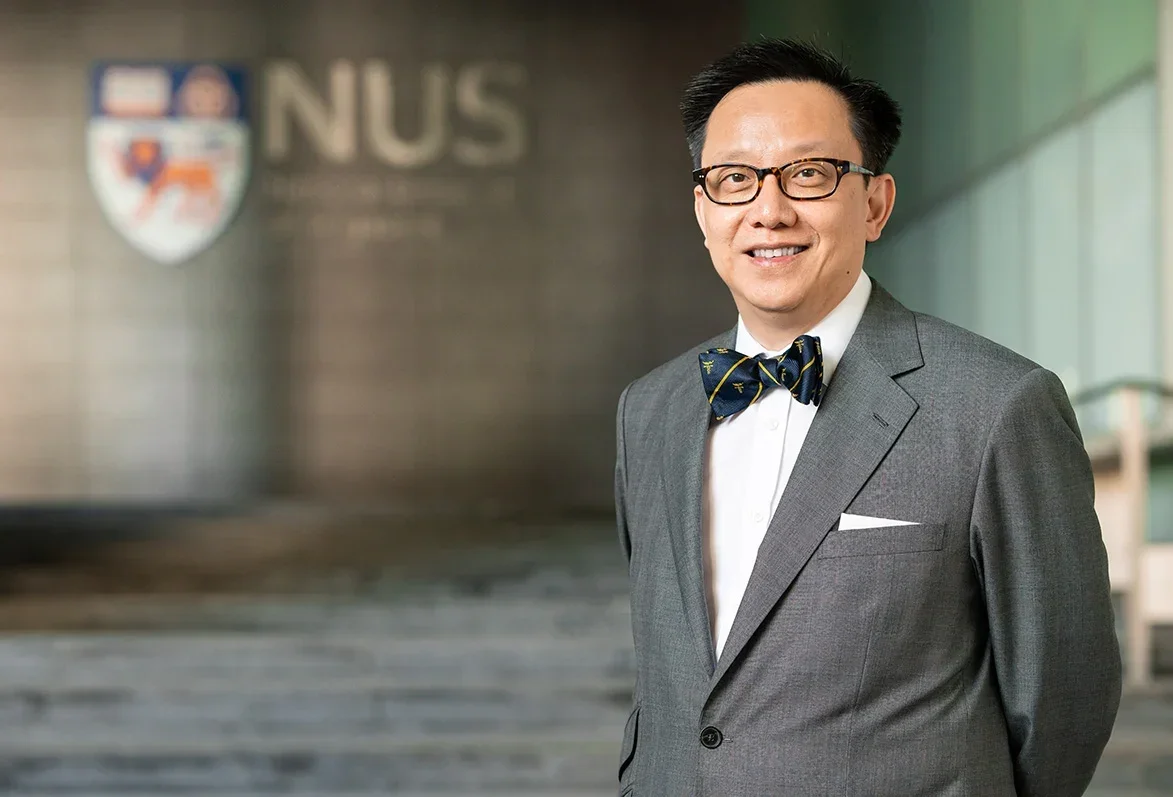
NUS Yong Loo Lin School of Medicine started out in 1905 as a modest medical school with just 23 students. Its success over the years in caring for the health of the local community eventually paved the way for the country’s first university — the National University of Singapore.
In the 120 years since its establishment, NUS Medicine has nurtured generations of healthcare professionals — more than 12,000 doctors and, since 2005, more than 2,000 nurses. These ever-expanding alumni are plugged into every single part of Singapore’s healthcare network, and their work with patients and communities helps to address the evolving healthcare needs of our society.
It is befitting, then, that medical education at NUS is premised on preparing students to become competent, confident, and compassionate doctors and nurses. To this end, the School continually revises its medical and nursing undergraduate and postgraduate curriculum to help its students grow as medical professionals. Introduced in 2023, the common curriculum for NUS Medicine, Nursing, Dentistry, and Pharmacy students trains them to collaborate efficiently as a healthcare team to deliver our future vision of healthcare, with a focus on preventive healthcare and facilitating ageing in place through the use of technology and analytics.
The School is already breaking new ground in several areas. It is home to 13 specialised medical research centres, which often bring together multidisciplinary expertise from clinicians and scientists from various academic medical centres, universities, hospitals, and research institutes around the world. One example is the Singapore Gastric Cancer Consortium (SGCC), set up by former Medicine Dean Prof Yeoh Khay Guan, which has established itself as an international leader in gastric cancer research with extensive collaborations with academic and industrial partners worldwide.
The rapid advancement of technology will change the practice of medicine in ways we have yet to comprehend fully. The future of medicine might also see the proliferation of personalised medicine, including the mass customisation of treatment to the individual. Given these changes, the teaching and learning of medicine will need to evolve. Students need to be prepared to learn, unlearn and relearn in their medical journey and continuously upgrade their professional competencies.
Yet amidst such changes, one thing must endure— the care that one has for the patient. Hence, all medical students and professionals alike need to be guided by strong moral and ethical standards in the practice of medicine and constantly build and strengthen trust with their patients.
I thank all alumni, staff, students and donors for their invaluable contributions to Singapore’s healthcare landscape. I am confident that NUS Medicine will continue to be a premier medical school — a beacon of hope, discovery and excellence in the many years to come.
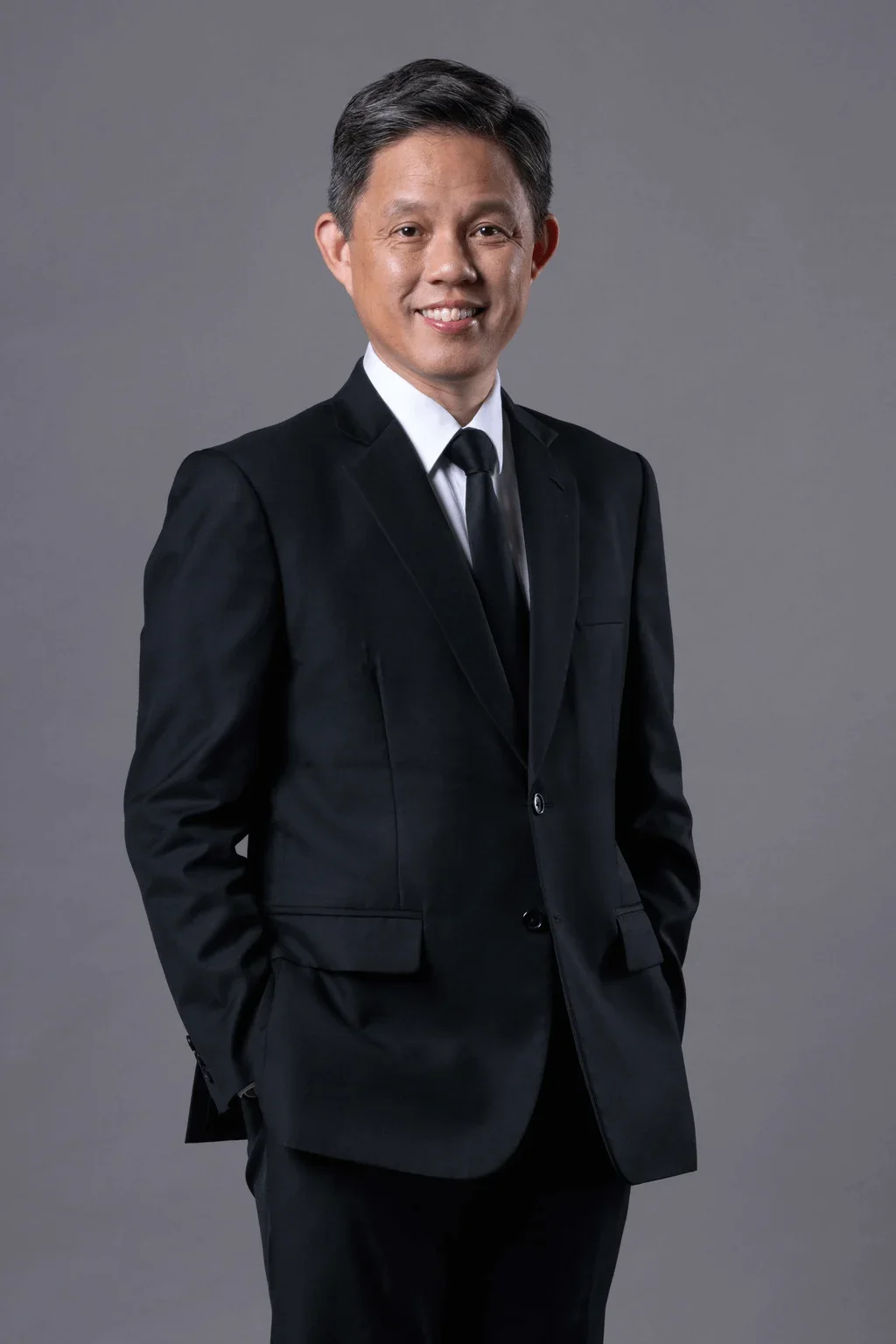
Congratulations, NUS Medicine! May you always uphold your founders’ vision of nurturing tomorrow’s healthcare leaders who will give back to the community and care for the most vulnerable amongst us.
CHAN CHUN SING
Minister for Education, Singapore
2 September 2024

120 Years of Inspiring Legacy

Inspiring the Future of Healthcare

Health for All

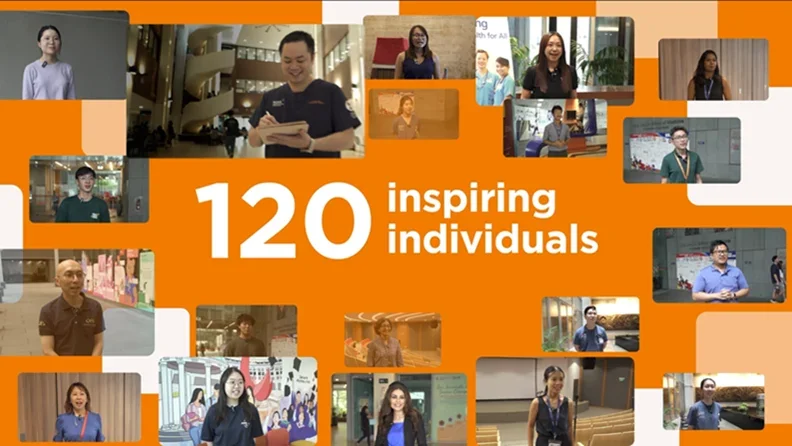
We stand on the shoulders of giants as we build on their legacy. Meet some of our inspirational people.
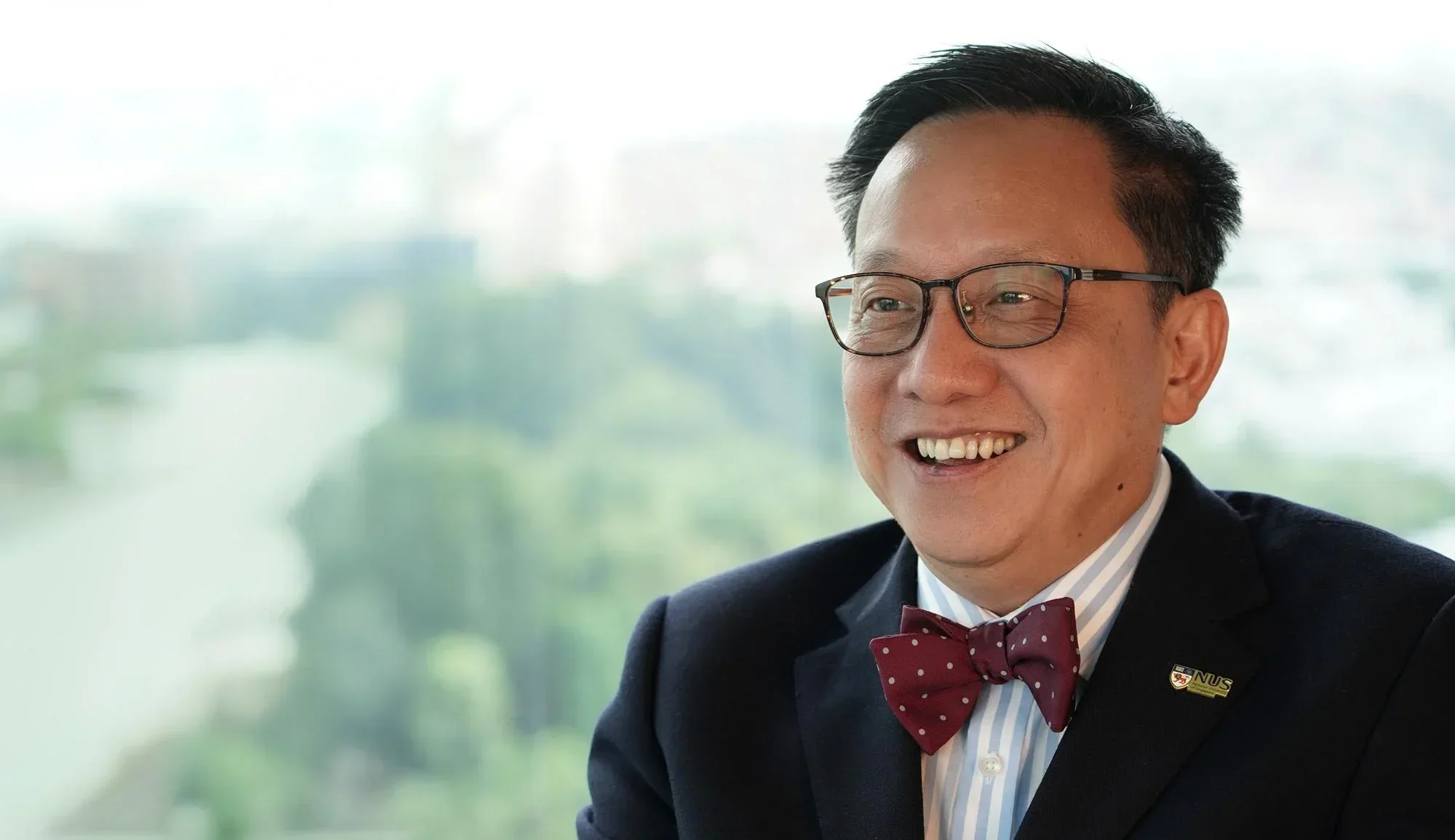
As NUS Medicine marks its 120th anniversary, Professor Chong Yap Seng, Dean of the NUS Yong Loo Lin School of Medicine reflects on the school’s illustrious history and shares his plans for bringing the School’s vision of “Inspiring Health for All” to life during his term. His story and journey exemplify the transformative power of mentorship, collaboration, and purpose.
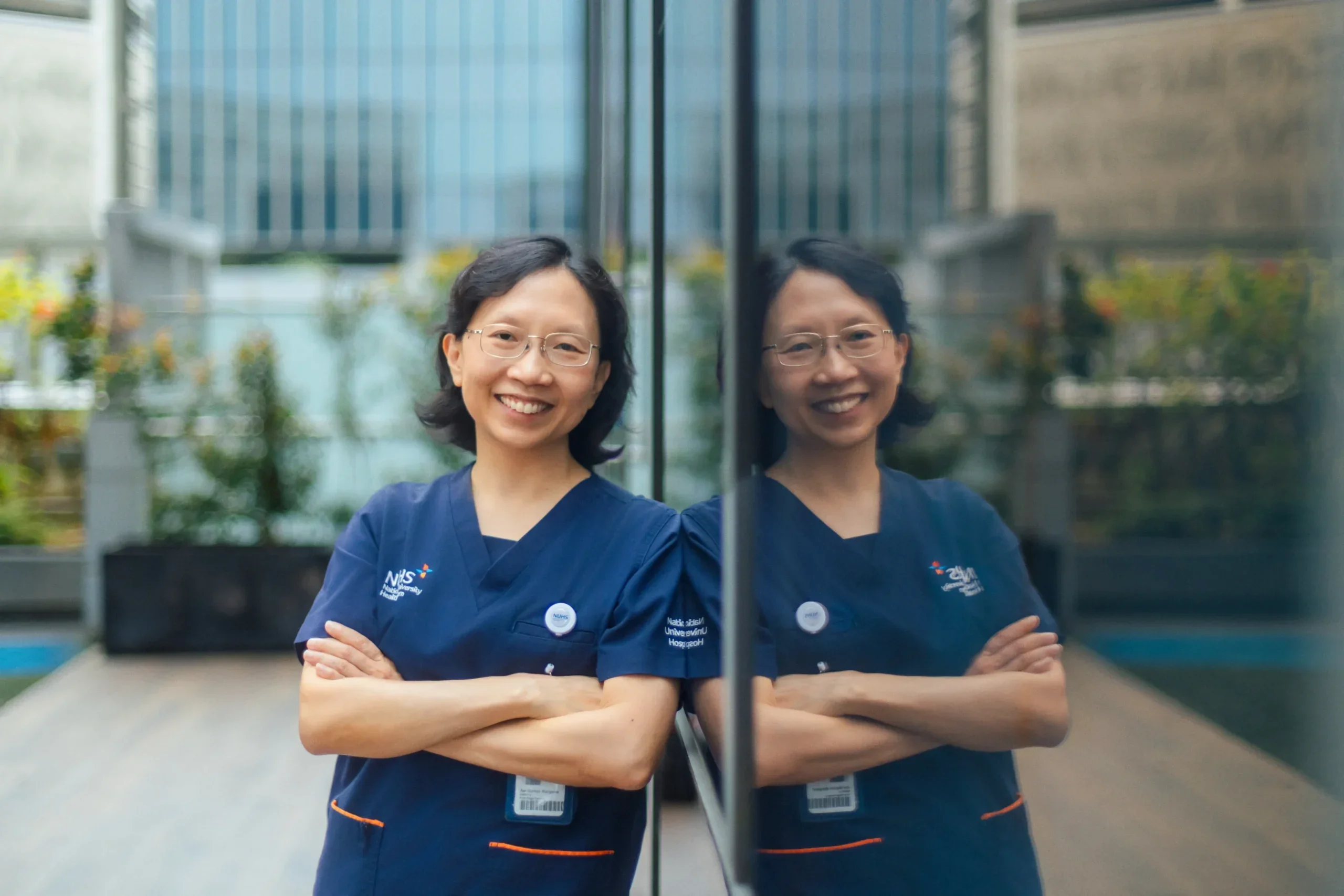
In NUS Medicine’s 120th anniversary year, the institution’s commitment to inspiring health for all takes on a unique dimension through Associate Professor Marion Aw’s vision. As Vice-Dean (Office for Students) of the Yong Loo Lin School of Medicine, National University of Singapore, and a leading paediatric gastroenterologist, she champions an evolution in medical education that goes beyond textbooks and test scores to nurture doctors who can navigate the complexities of modern healthcare with both competence and compassion.

From her groundbreaking research in childhood cancers to her transformative approach to education, Professor Reshma Taneja exemplifies how scientific excellence and human-centred leadership can create lasting impact. Her journey from being the only woman faculty member in her department at the Mount Sinai School of Medicine in New York to becoming a department head at the Yong Loo Lin School of Medicine, National University of Singapore (NUS Medicine), shows how breaking barriers can pave the way for future generations.
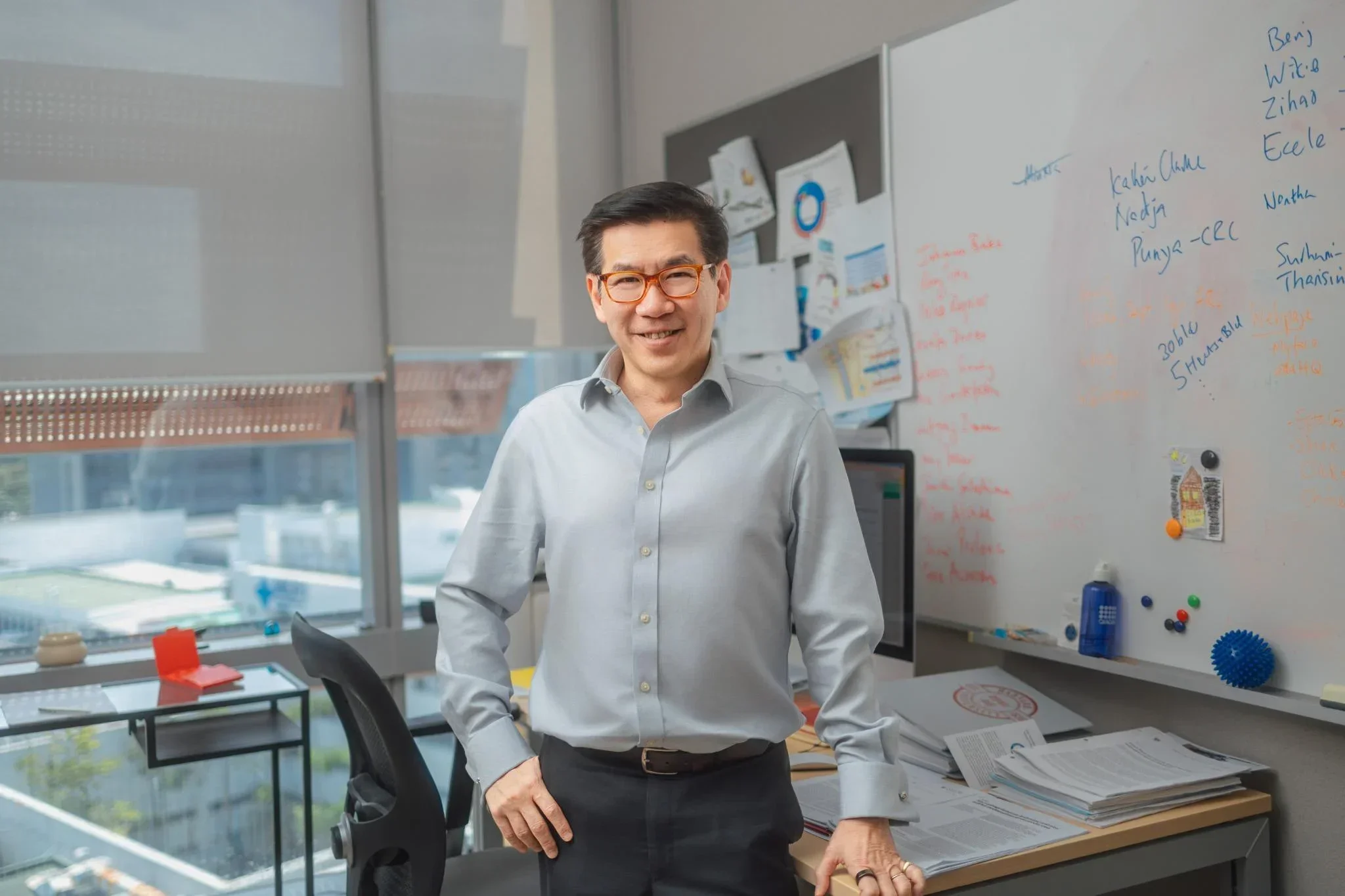
While the age of maritime discovery may have passed, Professor Roger Foo has found his own uncharted waters in cardiovascular research. As Vice-Dean (Research) at Yong Loo Lin School of Medicine, National University of Singapore (NUS Medicine), Prof Foo embodies the spirit of exploration that has driven the institution’s advancements over its 120-year history. In celebration of this significant milestone, his pioneering initiatives in Asian heart health research represent the forward-thinking vision that has established NUS Medicine as a globally-recognised leader in medical education, research and healthcare.

From studying ants as a curious child to pioneering research in microbial diseases at the Yong Loo Lin School of Medicine, National University of Singapore (NUS Medicine), Associate Professor Kevin Tan’s scientific journey embodies the transformative power of wonder. His impact extends far beyond his groundbreaking research – it lies in his ability to inspire generations of scientists through an approach that celebrates curiosity, embraces challenges, and finds beauty in the unexpected.
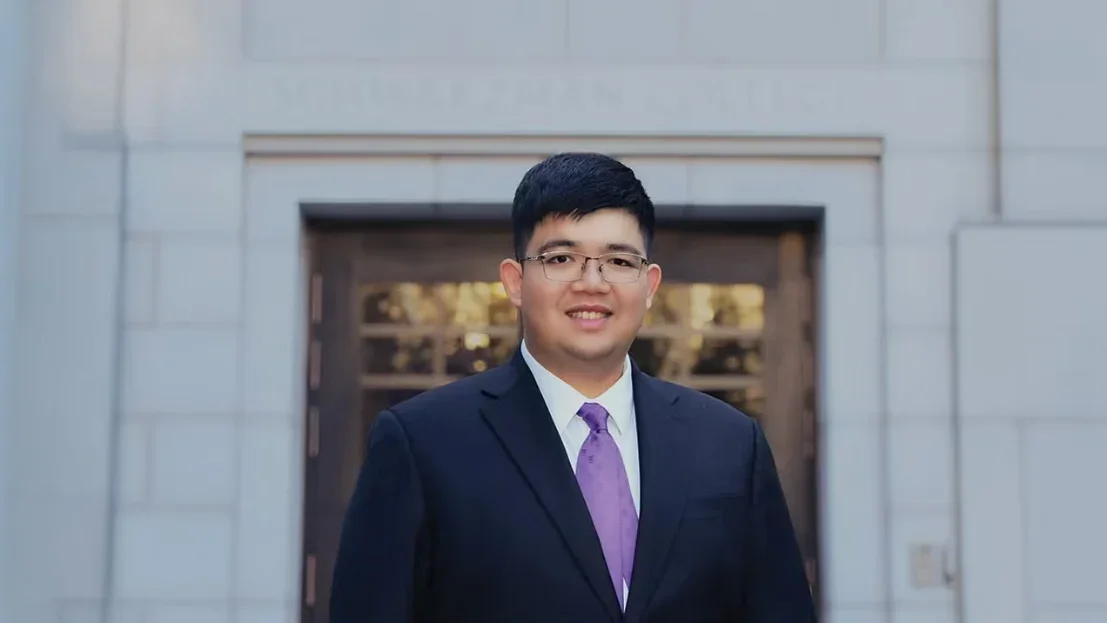
Dr Matthew Chew embodies the NUS Yong Loo Lin School of Medicine’s (NUS Medicine) 120-year legacy of pushing boundaries and inspiring change. While his childhood dream was simply to become a doctor, his journey through medical school unexpectedly uncovered a deeper passion – driving innovation in healthcare to address real human needs.

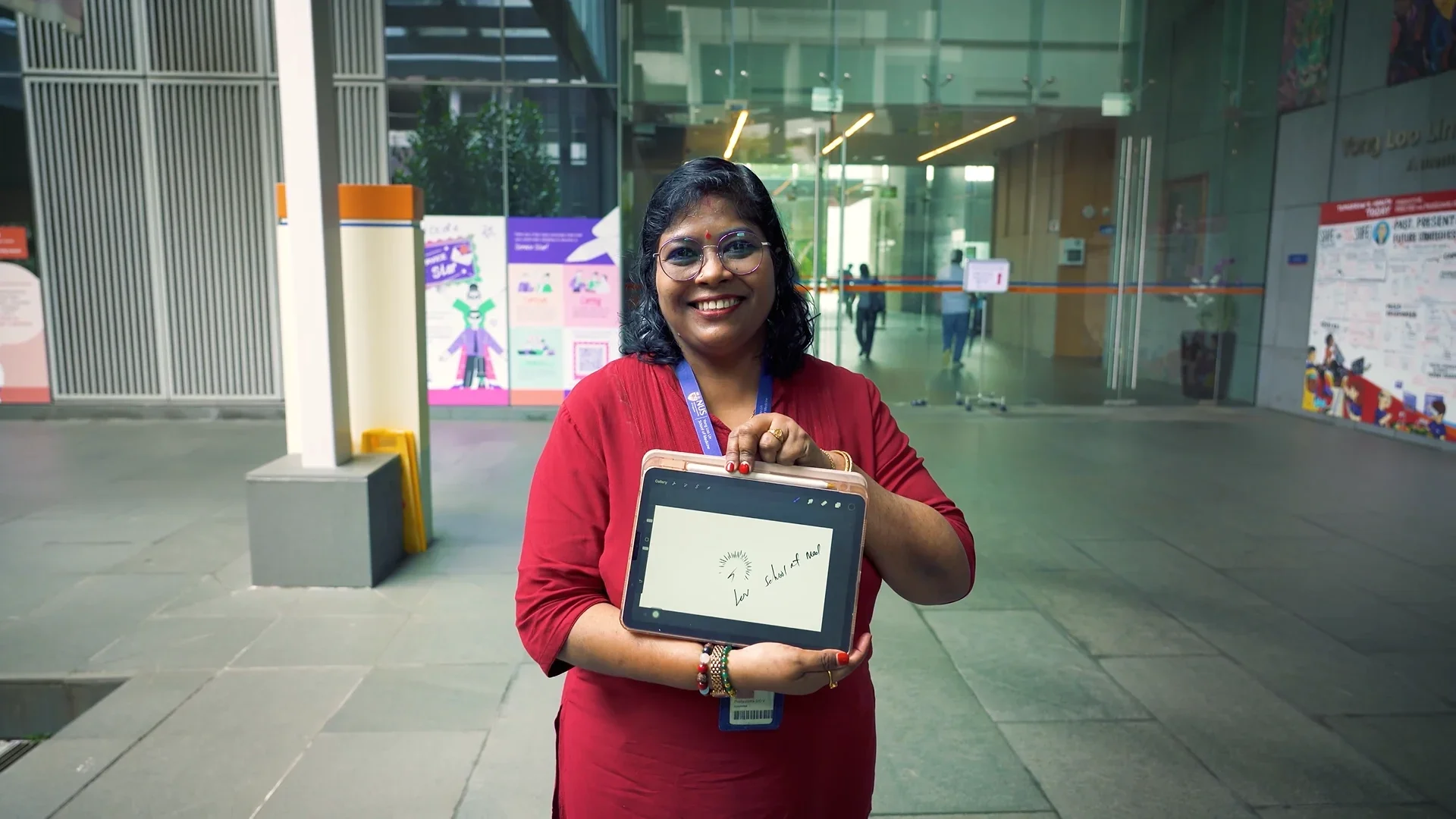
In the 120 years since its founding, the NUS Yong Loo Lin School of Medicine (NUS Medicine) has evolved through the dedication of countless individuals working behind the scenes. Among these unsung heroes is Senior Manager Liu Ching Man, whose decade-long career in the Education Division’s Curriculum Planning and Development team exemplifies the transformative power of collaboration and resilience in reshaping medical education. From navigating pandemic challenges to embracing innovation, her journey reflects the School’s enduring commitment to excellence in nurturing future healthcare professionals.

Assistant Professor Jocelyn Chew stands out as a pioneer who’s transforming healthcare through technology and behavioural science. The youngest nurse in Singapore to obtain a PhD, A/Prof Chew’s innovative approach to obesity management is redefining how we address one of Singapore’s most pressing health challenges.
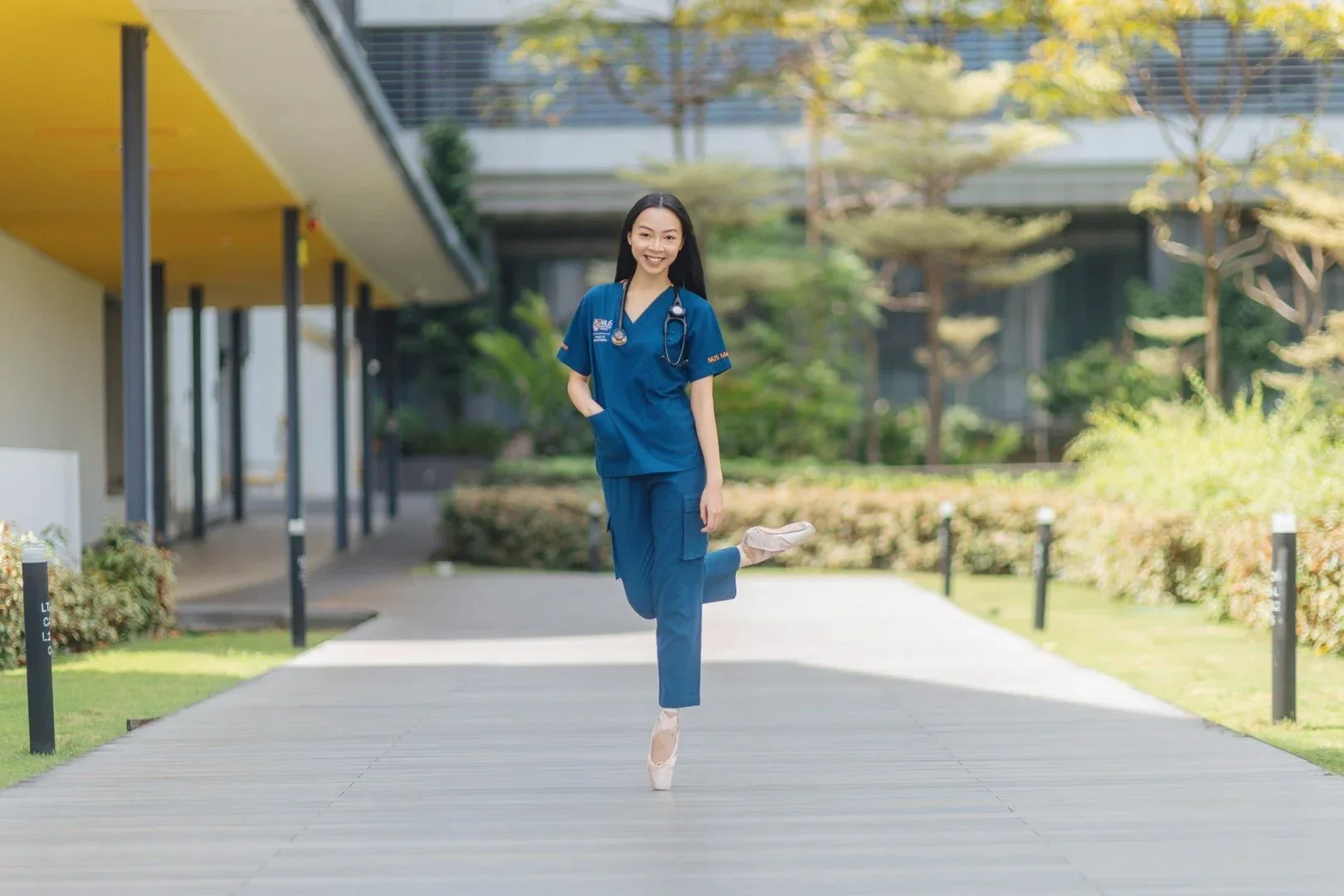
A final-year student at the NUS Yong Loo Lin School of Medicine (NUS Medicine), Megan Ling personifies a new generation of healthcare professionals – one where logic meets passion and science embraces art. Her journey balancing ballet with medical studies illustrates how passions beyond academics complement the practice of holistic and humanistic medicine.

Fourth-year medical student at the NUS Yong Loo Lin School of Medicine (NUS Medicine), Chen Yiming, represents a new generation of healthcare pioneers, uniquely combining medical studies with his passion for art and design. As Singapore’s youngest gallery-represented illustrator in 2022 and founder of the country’s only healthcare-focused design startup, Made for Good, Yiming’s journey highlights how diverse talents and perspectives can transform healthcare communication and patient experiences.
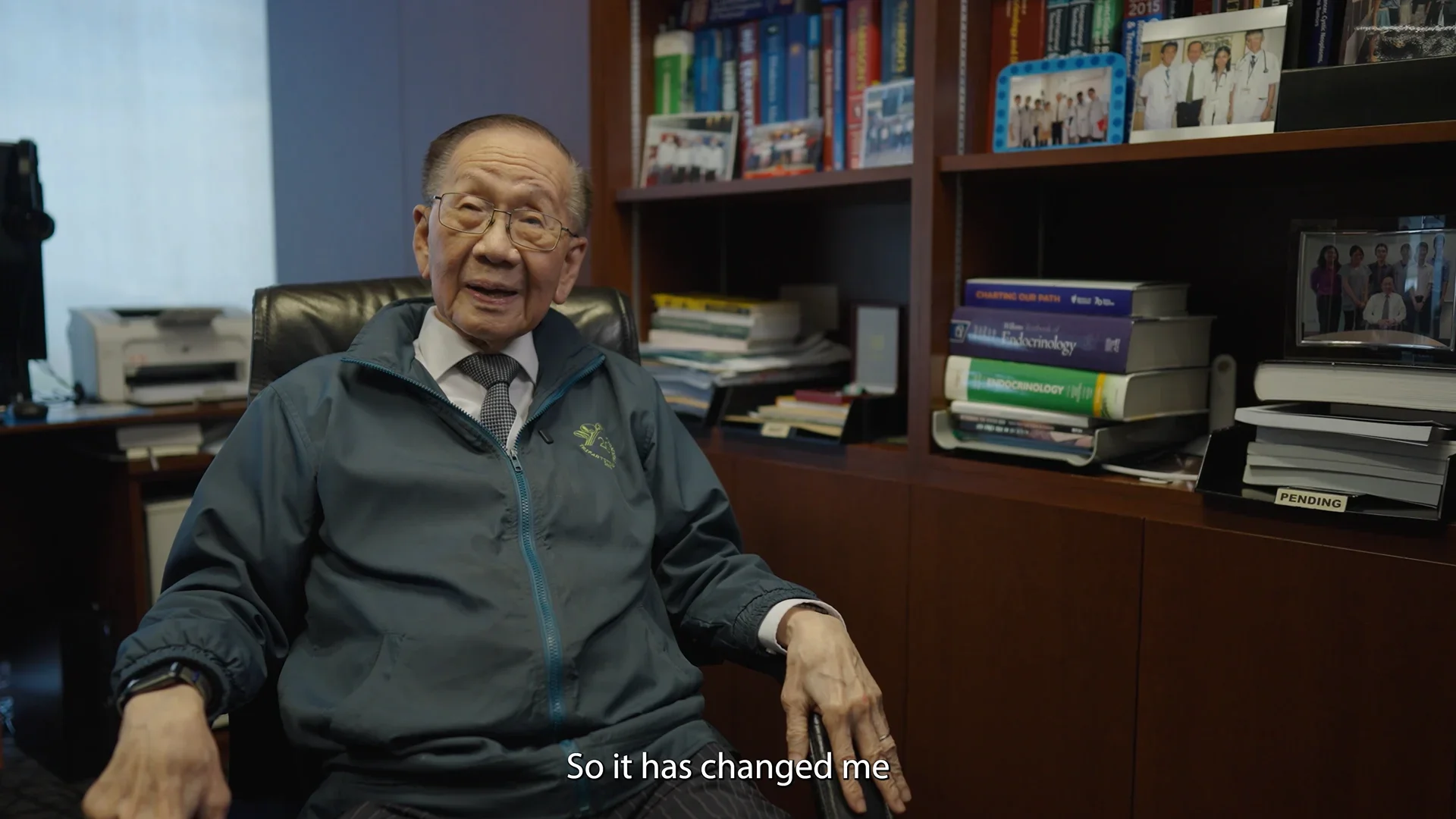
‘Making a difference that matters’: Professor Chong Yap Seng on advancing NUS Medicine’s legacy
“It's not the person who gets four ‘A’s”: Associate Professor Marion Aw on what makes a great doctor
'Be confident, be yourself': Professor Reshma Taneja on breaking barriers in medical science
"If I lived in the time of Christopher Columbus, I'd be an explorer": Professor Roger Foo's journey through medical research
“There’s beauty in being proven wrong”: Associate Professor Kevin Tan on embracing challenges
‘Innovation is not a means to an end’: Dr Matthew Chew on healthcare innovation and inspiration
'Designing the curriculum with the end in mind': Liu Ching Man on outcome-based medical education
"We hope to create an ecosystem for innovation": Assistant Professor Jocelyn Chew's vision for Nursing excellence
‘May my practice be defined by love’: Megan Ling’s pursuit of purpose
'Hold on dearly to your passions': Chen Yiming on bridging art and medicine
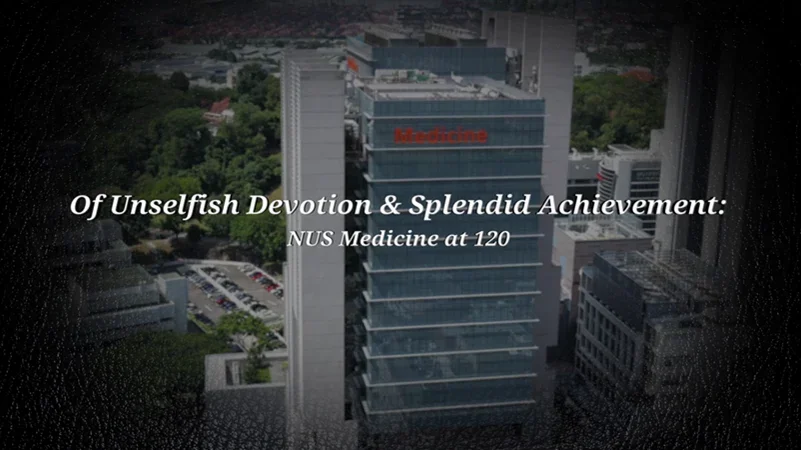
Of Unselfish Devotion and Splendid Achievement
Lighting The Fire
Keepers Of The Flame
Unselfish Devotion

For 120 years, the generosity of our supporters has powered breakthrough discoveries, nurtured healthcare leaders, and changed countless lives.
Today, you can be part of this inspiring legacy. Your gift will empower the next generation of medical excellence, continuing a tradition of transformation that began over a
century ago.