
How we can beat the heat in Singapore

For this special episode of the Green Pulse podcast, co-hosts Audrey Tan and David Fogarty – who are also ST’s assistant news editor and deputy foreign editor respectively – speak with a dynamic duo who have helped shape Singapore’s response to heat.
ST Podcasts Live: Co-existing with wildlife, tackling heat stress among issues discussed

Associate Professor Jason Lee, director of the NUS Heat Resilience and Performance Centre, explained that people have different thresholds for heat, depending on their age and occupational exposure.
As temperatures rise, vulnerable groups such as the elderly and outdoor workers will suffer more compromise from heat stress. The rest of society will also feel the ill effects of excess heat, he added.
Human-centred AI for positive impact

“Older adults are not a one-size-fits-all group. CURATE.DTx recognises that even the same person may perform differently from day to day. By using their own performance data to adapt and improve, the system offers training that is both personalised and dynamic,” said Dr Remus who is also Senior Research Fellow at the Heat and Resilience Performance Centre at the NUS Yong Loo Lin School of Medicine.
Global warming may affect the tourist experience. Scholar: The impact of high temperatures on the tourism industry has not been revealed.
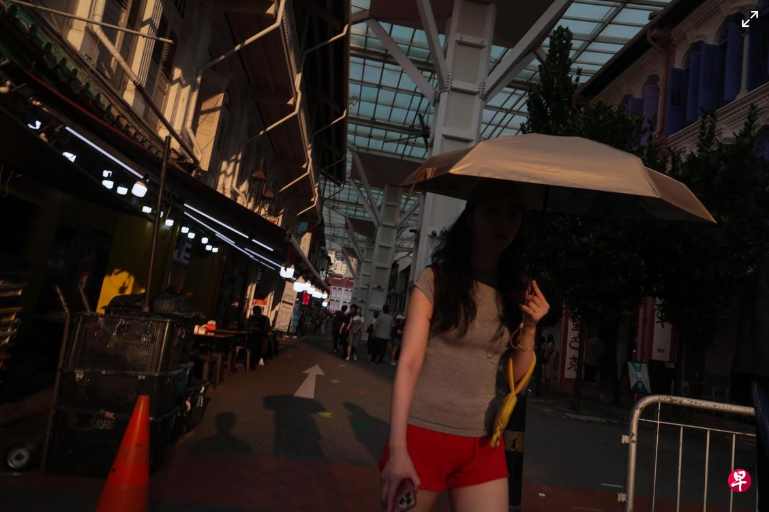
Global warming may affect the tourist experience and even tourism revenue, but the interviewed scholars believe that the impact of hot weather on the local tourism industry is not obvious at present, and the exact impact needs to be further studied.
Sentosa uses thermal insulating coatings and spray systems to help visitors cool off and make travel more enjoyable

Local attractions such as Sentosa are taking steps to improve visitors’ experience on hot days, including piloting thermal insulation coatings and cooling spray systems. The Sentosa Development Authority plans to publish the results of the outdoor “thermal comfort” study by October at the latest, which will provide guidance on long-term measures for islands to cope with global warming.
NUS Medicine’s focus on research leads to better patient care, raises school’s standing globally

Research is a very important facet of working at the NUS Yong Loo Lin School of Medicine, and almost every member of its faculty is involved in scientific or clinical studies.
The school secures more than $100 million in research grants each year to fund impactful research and breakthroughs that shape the future of healthcare, with the money coming from a variety of sources, including the university, the Government, industry partners and private foundations.
‘Global Boiling’: Extreme Heat Taking Toll on Health, Economy
Prolonged periods of extreme heat resulting from global climate change are rapidly transforming the way people live and work, requiring an “urgent call” for action by world leaders who have not yet fully embraced the growing crisis.
“We have entered into the brand new phase,” Jason Lee, director of the Heat Resilience and Performance Center at the National University of Singapore, told the National Press Foundation’s International Trade Fellowship program. “You think global warming; that’s not true. It’s global boiling now and we are right in the midst of the crisis.”
Yangon residents trapped between heat, humidity and power cuts
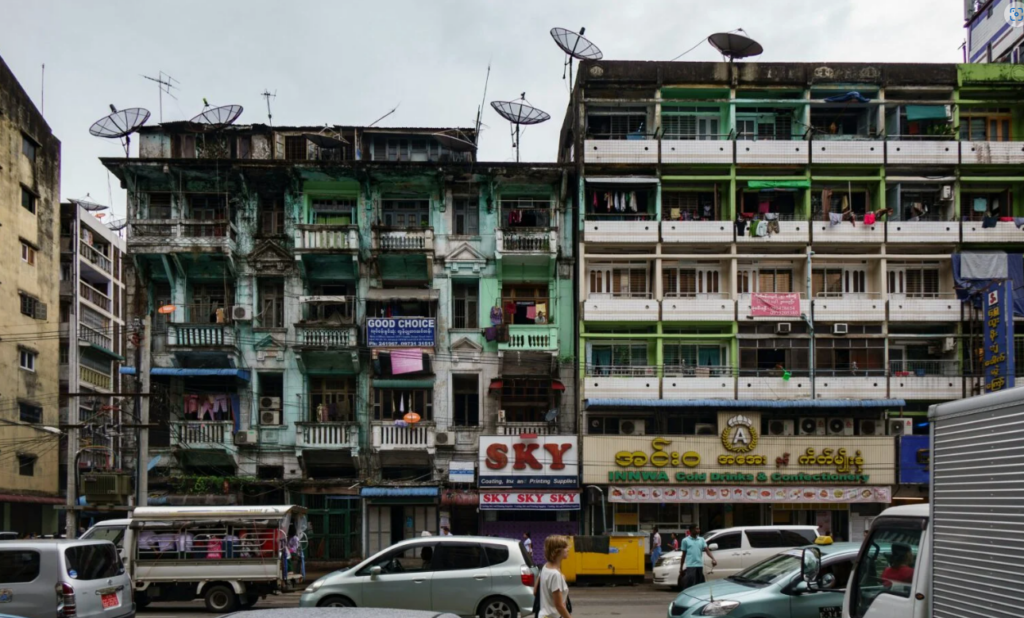
“As the air is already saturated with moisture, high humidity conditions limit the evaporation of sweat, resulting in a reduction in the body’s ability to remove heat from our body and cool down,” said Associate Professor Jason Lee, Chair of the Global Heat Health Information Network (GHHIN) Southeast Asia Hub.
Stifling heat in Singapore could ease as onset of S-W monsoon brings breezier weather
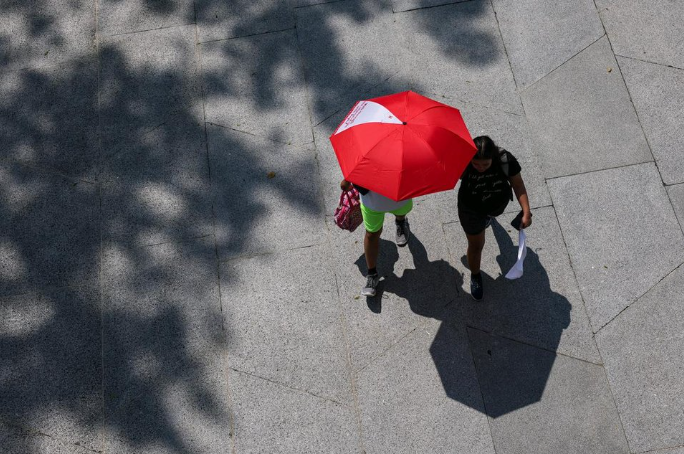
Some relief from the stifling heat is expected in the coming weeks with the onset of windier conditions during the south-west monsoon season.
The Meteorological Service Singapore (MSS), under the National Environment Agency, said on June 2 that winds over Singapore are expected to strengthen and blow from the south-east or south-west in early June.
The Republic was previously in the throes of the inter-monsoon season, when winds were light and variable. The light winds and occasional clear skies had made hot afternoons common, the weatherman told The Straits Times.
‘Too hot to think’: Rising heat leaves Singapore students cranky and distracted
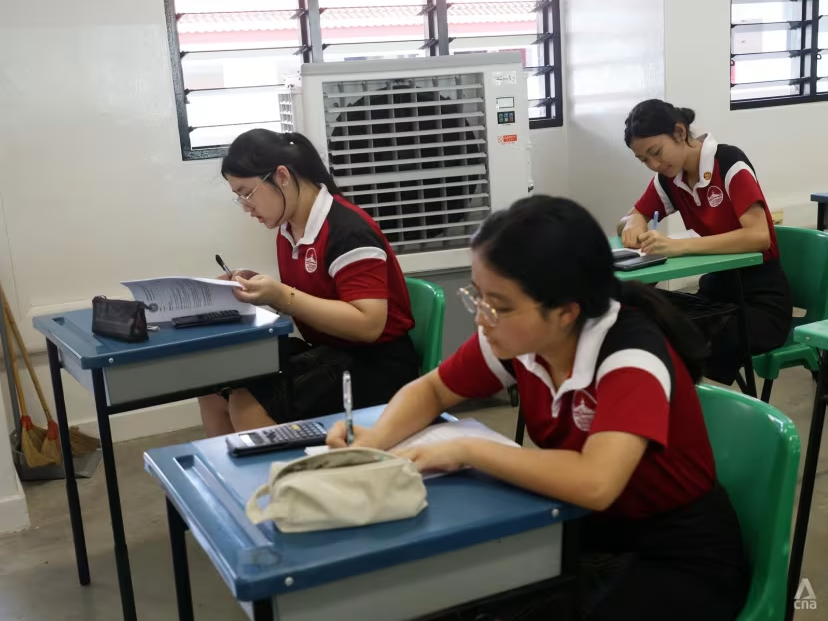
Several studies found that rising temperatures reduce educational outcomes and children’s cognitive ability. To deal with this heat, students and schools are doing what they can to stay chill.