
Nearly 400 local people fell ill due to extreme heat last year, more than in previous years
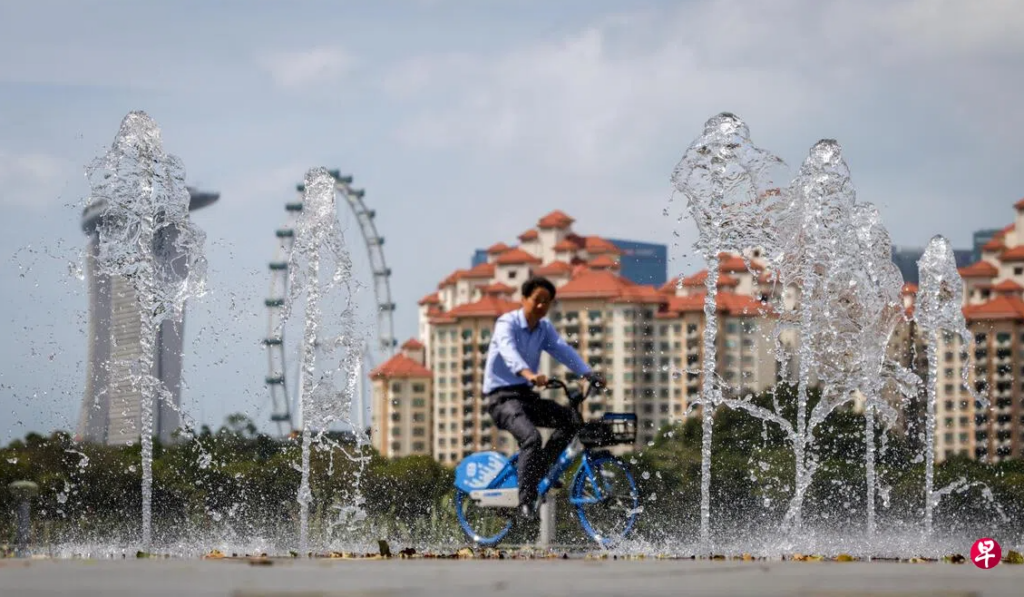
The weather is getting hotter and the risk of heat stroke is greater. There were nearly 400 cases of extreme heat in Hong Kong last year, which is higher than the annual average from 2020 to 2023.
Singapore to set up new Heat Resilience Policy Office to tackle rising temperatures
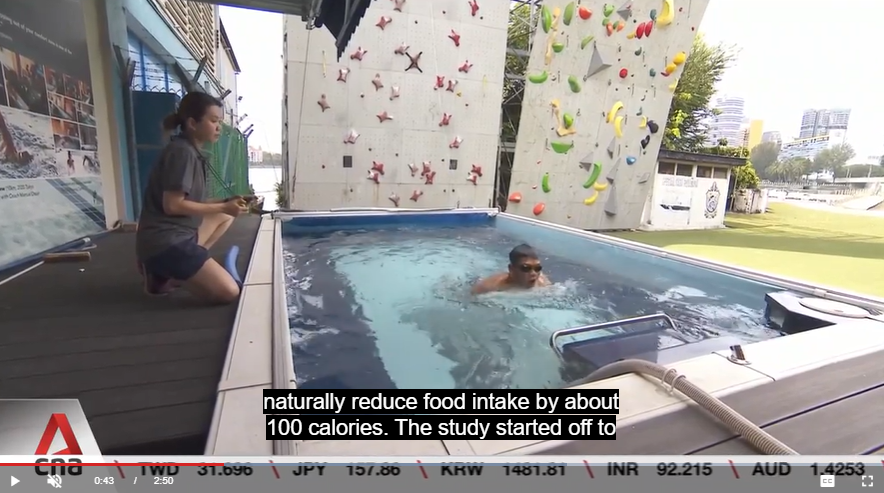
A new Heat Resilience Policy Office aims to coordinate whole-of-government efforts to help Singapore tackle the growing impacts of rising heat. It will bring together heat resilience efforts across various agencies, oversee research efforts and represent Singapore internationally on heat issues. The government will also launch a heat resilience research and development programme. It will include a S$40-million fund to step up studies in areas like community heat resilience.
The heat inside: Why urban heat is a hidden health crisis — and how cities can fight back

Associate Professor Jason Lee directs the Heat Resilience & Performance Centre at the National University of Singapore’s Yong Loo Lin School of Medicine, and chairs the Global Heat Health Information Network’s Southeast Asia Hub.
TCM can be part of a country’s toolkit against rising heat: NUS study

For decades, Singapore’s Chinese community has turned to acupuncture treatments, barley water and herbal remedies not only to boost healing and wellness, but also to cope with the hot weather.
These traditional approaches should not be overlooked as Singapore builds a suite of solutions to strengthen resilience against rising temperatures, said heat experts and historians from the National University of Singapore.
Check out a suit made for 38 deg C heat at free exhibition addressing climate change through fashion

Here is a hot take: It is time to get friendly with the sun. Stop avoiding it. This is the premise, and provocation, of Hot Bodies, a fashion exhibition running until end-December that rethinks design in a time of record-breaking heat and air-conditioner dependency.
Organised by locally-based branding firm Anak and done in consultation with researchers like director of the Heat Resilience & Performance Centre at NUS Medicine, Associate Professor Jason Lee, the show commissioned 10 creatives around the world to make heat-fit apparel and accessories, with no cutbacks on style.
Embrace the sun — reduce reliance on air-conditioning for a cooler, low-carbon future.
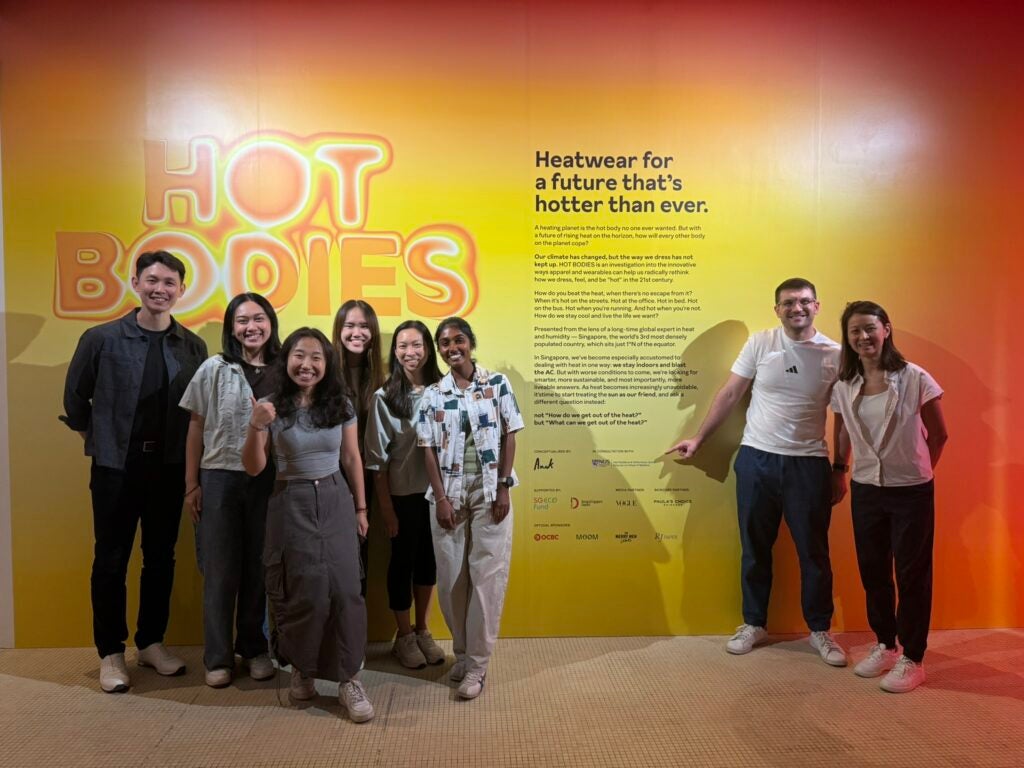
When the weather gets hot, many people instinctively hide indoors with the air-conditioning on. But exercising outdoors in warm conditions can actually help build your body’s heat tolerance and reduce dependence on air-conditioning — a win for both your health and the environment. The ongoing “Hot Bodies” exhibition explores various ways to cope with heat and clears up common misconceptions about sunlight and high temperatures.
How safe are our races
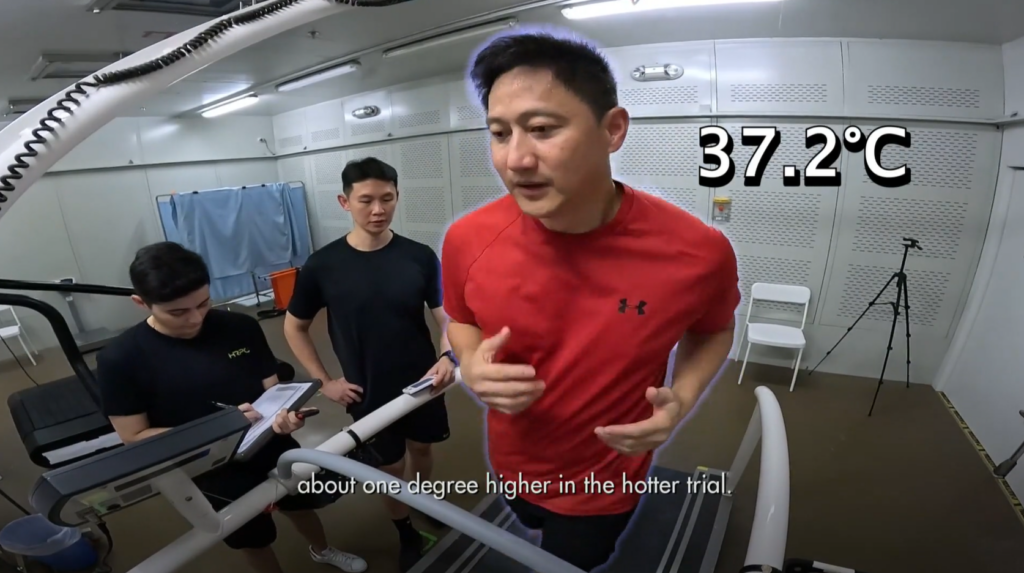
More Singaporeans are lacing up their running shoes. But as the number of races grows, so do the risks. In our hot and humid climate, what does it really take to prepare for a race in Singapore?
Step Into the Future: Experience Singapore’s Climate in 2050
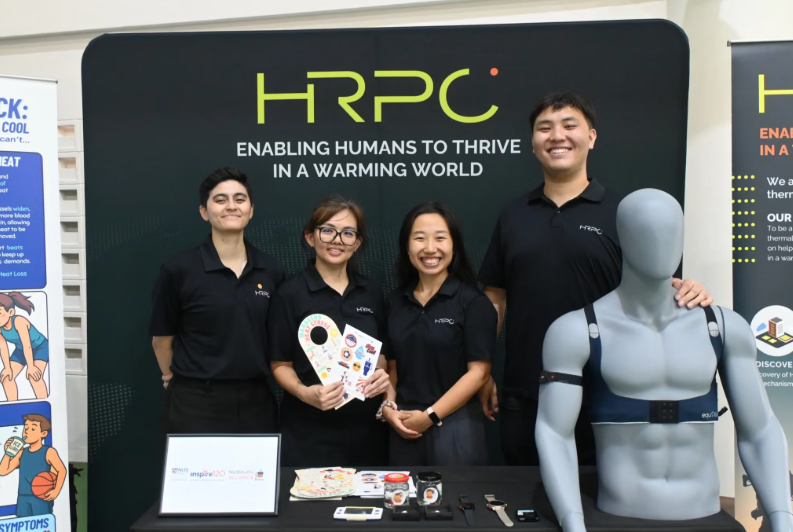
In celebration of the NUS Medicine’s 120th Anniversary and organised under the NUSMedSci Alliance Brew outreach programme, the Heat Resilience & Performance Centre (HRPC) under NUS Medicine held an outreach event at Cedar Girls’ Secondary School on 17 October 2025, where students were invited to explore the science of heat and human heat resilience through three exciting experiences: the Experiential Climate Pod, the Heat Resilience Booth, and a presentation by Cedar alumna Dr Sharifah Badriyah, Research Fellow at HRPC.
Global cooling demand will more than triple by 2050, and carbon emissions are likely to double
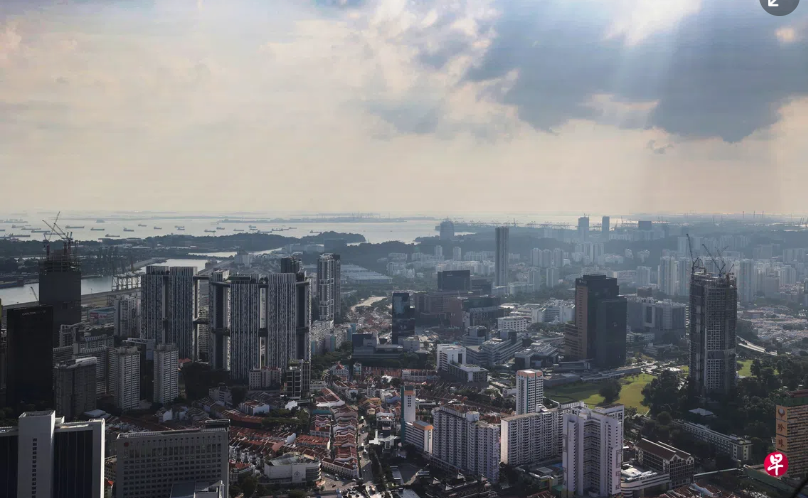
Associate Professor Jason Lee, Director of the Heat Resilience & Performance Centre at the Yong Loo Lin School of Medicine, National University of Singapore, also participated in the preparation of the report. In an interview with Lianhe Zaobao, he said that in hot and humid countries such as Singapore, passive cooling measures alone cannot provide year-round cooling comfort, but they can complement fans and air conditioners to reduce energy use and costs across the system.
NUS scientist wants to expand research to help vulnerable groups in S’pore, S-E Asia beat the heat

ears of record-breaking temperatures and severe heatwaves have made heat an issue that governments around the world are increasingly paying attention to.
Singapore, for example, has rolled out a national heat advisory as well as heatwave response plans for various sectors. Heat-reflective paint will also coat more HDB blocks by 2030.