Symposium on Advancing Molecular Imaging and Theranostics featuring Prof. Rodney Hicks as Keynote Speaker
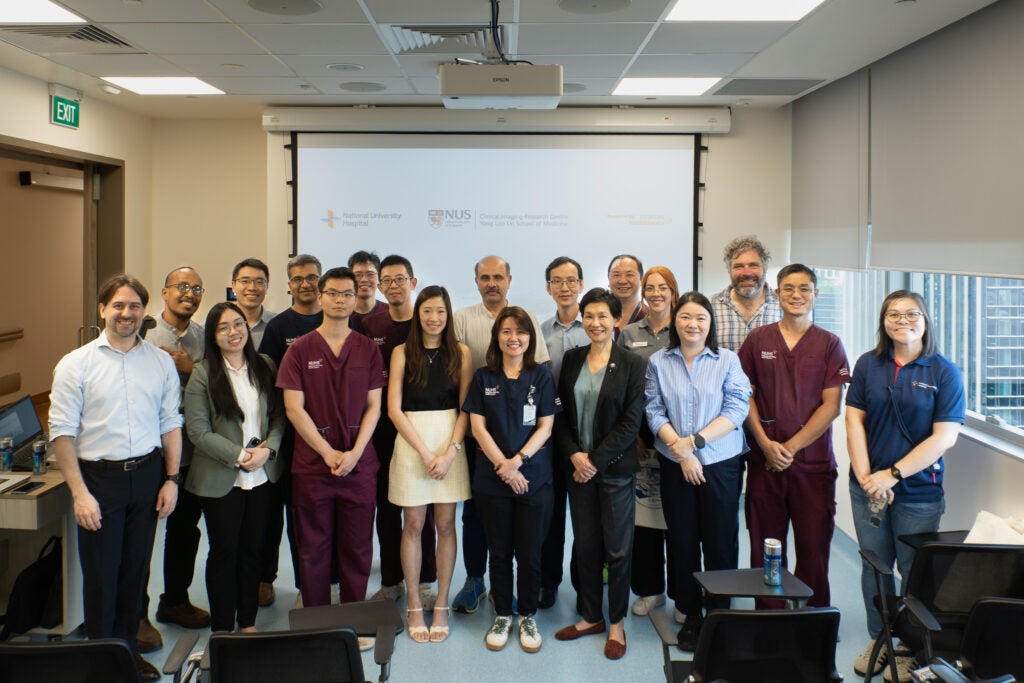
The inaugural Molecular Imaging and Theranostics Symposium and Research Seminar was successfully held, jointly organised by the Department of Diagnostic Radiology at National University Hospital (NUH), National University of Singapore (NUS), and CIRC.
The symposium brought together clinicians, scientists, and industry partners to discuss recent advances in molecular imaging and theranostics, with particular emphasis on total-body PET/CT technology, the clinical implementation of theranostic services in Singapore, and emerging applications across oncology, cardiology, infection, and systemic diseases. We were honoured to welcome Prof. Rodney Hicks, AM, as our keynote speaker, who delivered a comprehensive overview of total-body PET/CT and the evolving landscape of molecular imaging.
Following the symposium, the research seminar provided a platform for in-depth scientific exchange, covering topics such as theranostics, novel radiotracer development, quantitative PET imaging, artificial intelligence, and advanced image analysis. The sessions generated valuable discussions that fostered interdisciplinary collaboration and advanced clinical translation.
Invited speakers from NUH, NUS, and CIRC presented on cutting-edge topics including FAPI-based tracers, carbon-11 radiochemistry, amyloid and tau PET imaging in neurodegenerative disease, GMP radiopharmaceutical development, and AI-driven image segmentation. The event highlighted the critical role of collaboration between clinicians, researchers, and industry partners in advancing precision medicine and shaping the future of molecular imaging and theranostics.
On 13 March 2026, the PET/CT Quadra Workshop at National University Hospital (NUH) brought together regional experts and international speakers to share knowledge and innovations in molecular imaging. Jointly organized by the CIRC and NUH, with support from Siemens Healthineers, the workshop highlighted advances in PET imaging and explored both the clinical and research applications of the Quadra system. Key discussions included the implementation of the Quadra system at Australian sites, as well as practical experiences from NUH. Dr Klass Koopmans, Nuclear Medicine Physician at the University Medical Center Groningen (UMCG), shared his expertise on ultra-low dose PET and CT imaging, pediatric and ICU protocols, and advanced tracers and imaging techniques.
The workshop also presented upcoming clinical services and research projects using the Quadra system and concluded with a tour of NUH’s Molecular Imaging and Theranostics Centre, demonstrating the integration of cutting-edge research with clinical practice. CIRC and NUH extend their thanks to all speakers and participants for contributing to an insightful and collaborative workshop that reinforced connections across institutions and regions.
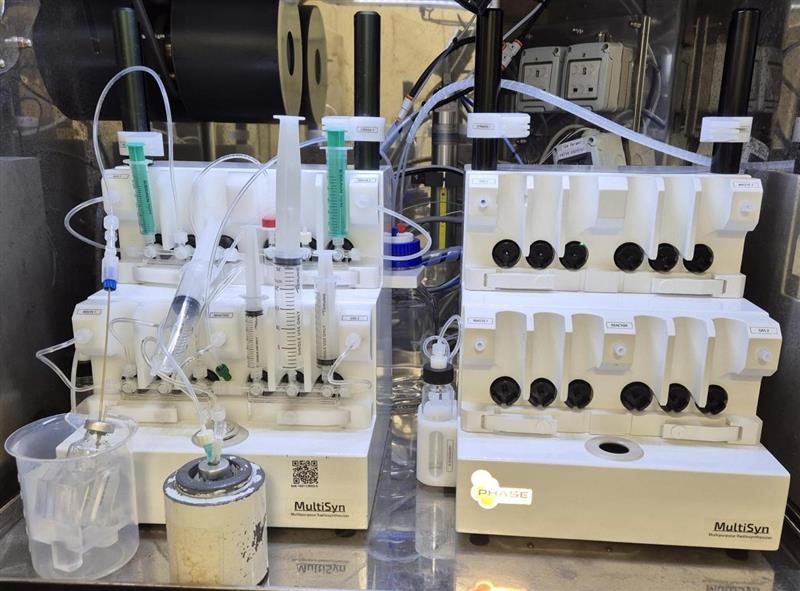
We have successfully installed our second iPHASEMultiSyn module, completing our integrated production platform for cyclotron produced Gallium 68 radiopharmaceuticals and establishing a streamlined, high capacity manufacturing workflow.
Within this configuration, the first MultiSyn module is dedicated to the purification of cyclotron produced Gallium 68, ensuring a high purity radionuclide input. The purified Gallium 68 is subsequently transferred to the second MultiSyn module for fully automated radiolabelling of a broad range of precursors, including peptides and other biomolecules.
Cyclotron produced Gallium 68 offers significant advantages over generator derived material. It enables substantially higher activity yields, supports larger patient volumes and potential regional distribution, and allows production schedules to be aligned with clinical demand rather than generator decay constraints.
This installation represents a strategic advancement toward a scalable, efficient, and future ready production model for Gallium 68 based PET radiopharmaceuticals, further strengthening our ability to meet the growing clinical demand in Singapore.
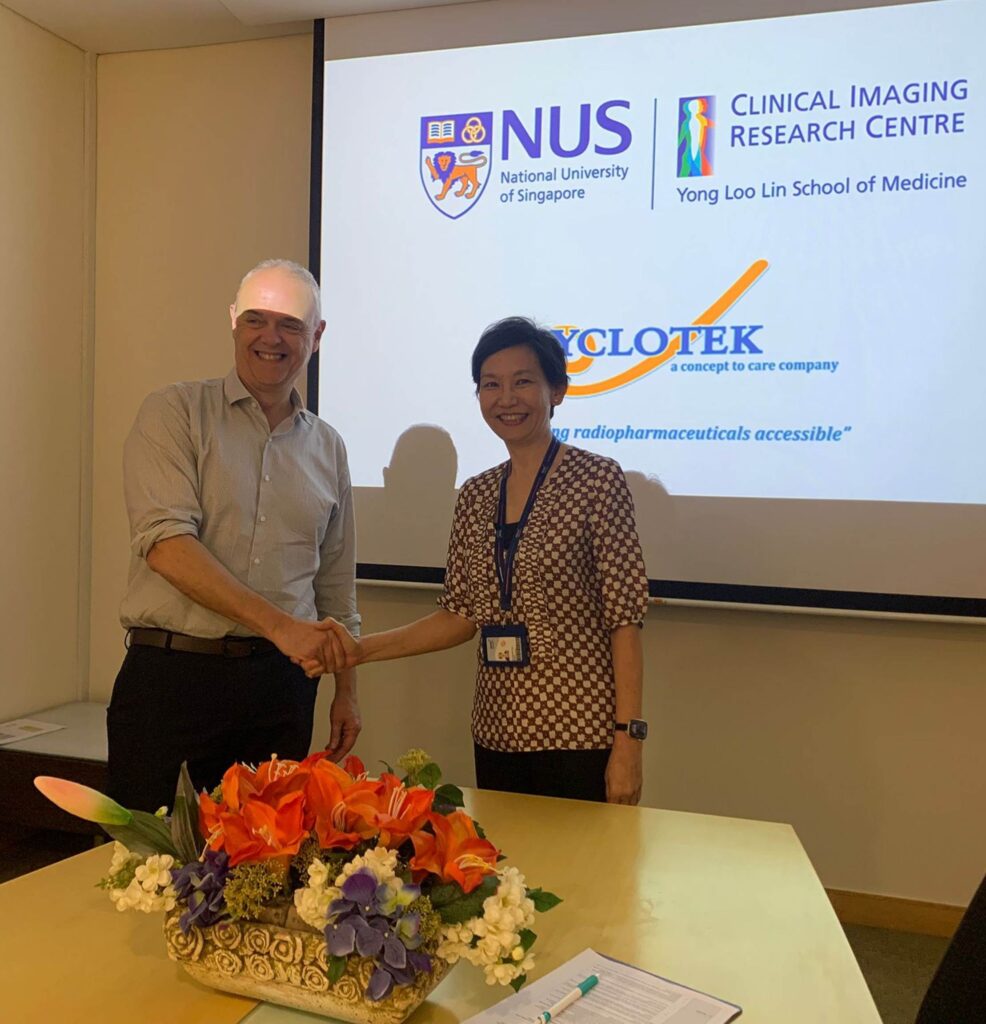
CIRC has entered a strategic partnership with Cyclotek to advance radiopharmaceutical capabilities in Singapore and across the ASEAN region.
This collaboration aims to accelerate the development, production, and clinical translation of next-generation radiopharmaceuticals, supporting both diagnostic imaging and targeted therapeutics.
By combining CIRC’s strengths in research, clinical imaging, and translational science with Cyclotek’s extensive industry expertise, the partnership will enhance regional access to advanced radiotracers and promote knowledge exchange.
The initiative also includes plans for training and capability building, strengthening the nuclear medicine ecosystem and supporting precision medicine across the region.
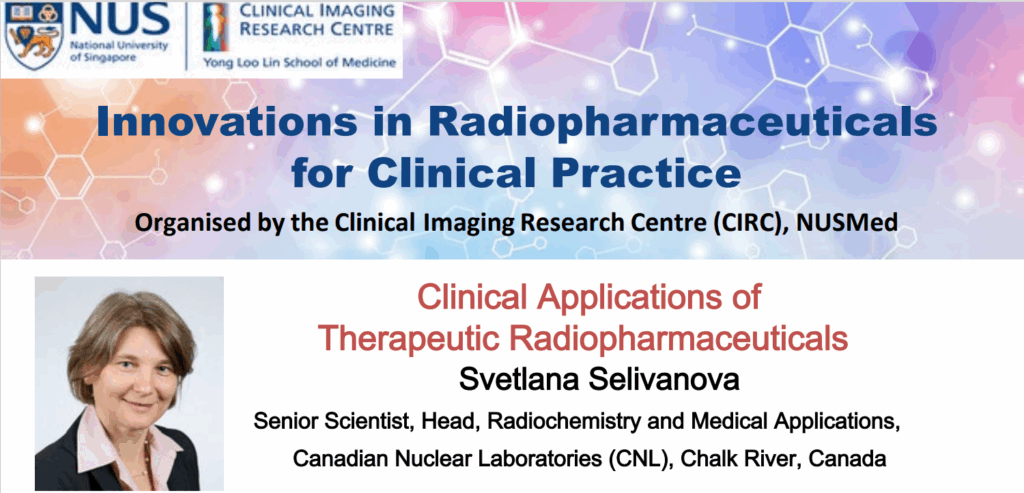
CIRC was pleased to host a seminar featuring keynote speaker Dr Svetlana Selivanova, an internationally recognised expert in radiopharmaceutical chemistry and radiobiology. With more than 20 years of experience spanning early-stage radiopharmaceutical development to first-in-human clinical studies, Dr Selivanova has held senior research positions in both Canada and Switzerland. She currently serves as an Executive Member of the Canadian Association of Radiopharmaceutical Scientists, a Director-at-Large on the SNMMI Board, and an expert for the IAEA.
Her seminar showcased recent advances in translational radiopharmaceutical science and stimulated valuable discussions on emerging opportunities in the field. The event brought together collaborators from across NUS Medicine, strengthening interdisciplinary connections and fostering new avenues for collaboration.
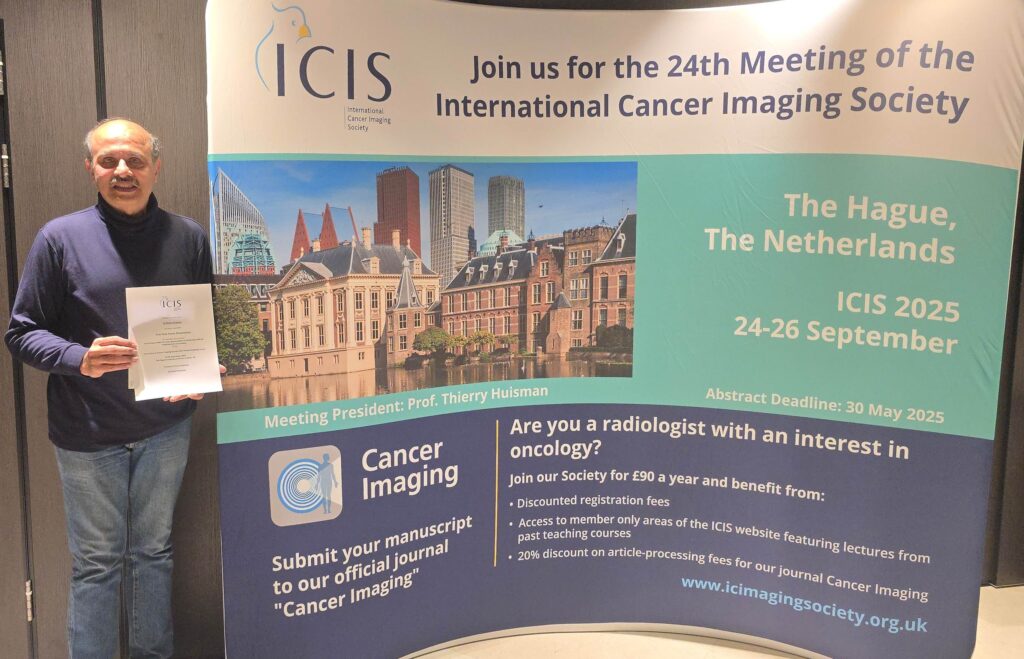
Dr Bhanu Prakash KN represented CIRC at the 24th International Cancer Imaging Society (ICIS) Meeting and Annual Teaching Course, where he showcased several ongoing research projects in cancer imaging and AI.
He presented two posters, including “Evaluating nnUNet for Liver Segmentation in Multiphasic MRI of Hepatocellular Carcinoma”, which was awarded First Prize in the poster competition. His second poster, “AI-Based End-to-End Framework for Comprehensive MRI and FAPI-PET Analysis in Hepatocellular Carcinoma”, highlighted a novel multimodal approach to liver cancer assessment.
In addition, Dr Bhanu delivered an oral presentation on “FAPI-PET and Multiphasic MRI Correlation of Tumor Microenvironment Dynamics in HCC: A Preliminary Study”, contributing to discussions on advanced imaging biomarkers in hepatocellular carcinoma.
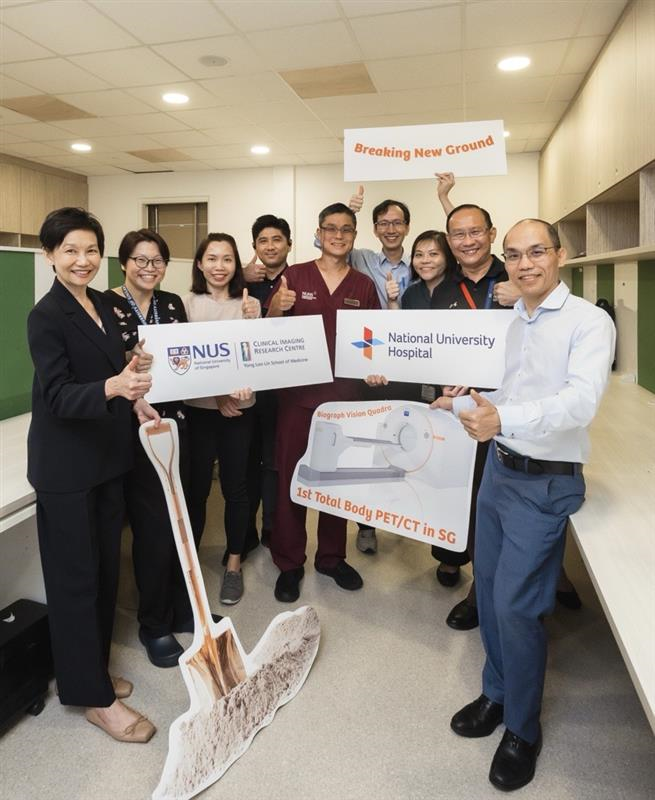
We are excited to jointly launch a practice changing next generation total body PET/CT (Hybrid Positron Emission Tomography and Computer Tomography) system with the National University Hospital (NUH), in collaboration with Siemens Healthineers.
The system, which will be ready in November 2025, sets a new benchmark for molecular imaging and development of novel theranostics in the region.
In addition to improving diagnostic accuracy, patients can look forward to a shortened scan time with reduced radiation exposure and radiotracer dosage.
The site move-in is now complete, signifying the commencement of this exciting journey. Stay tuned – we are just getting started. Watch this space!
Two of our radiochemists represented the CIRC at the International Symposium on Radiopharmaceutical Sciences (iSRS) 2025. They actively contributed to the scientific programme, engaged with leaders in the field, and strengthened CIRC’s international network.
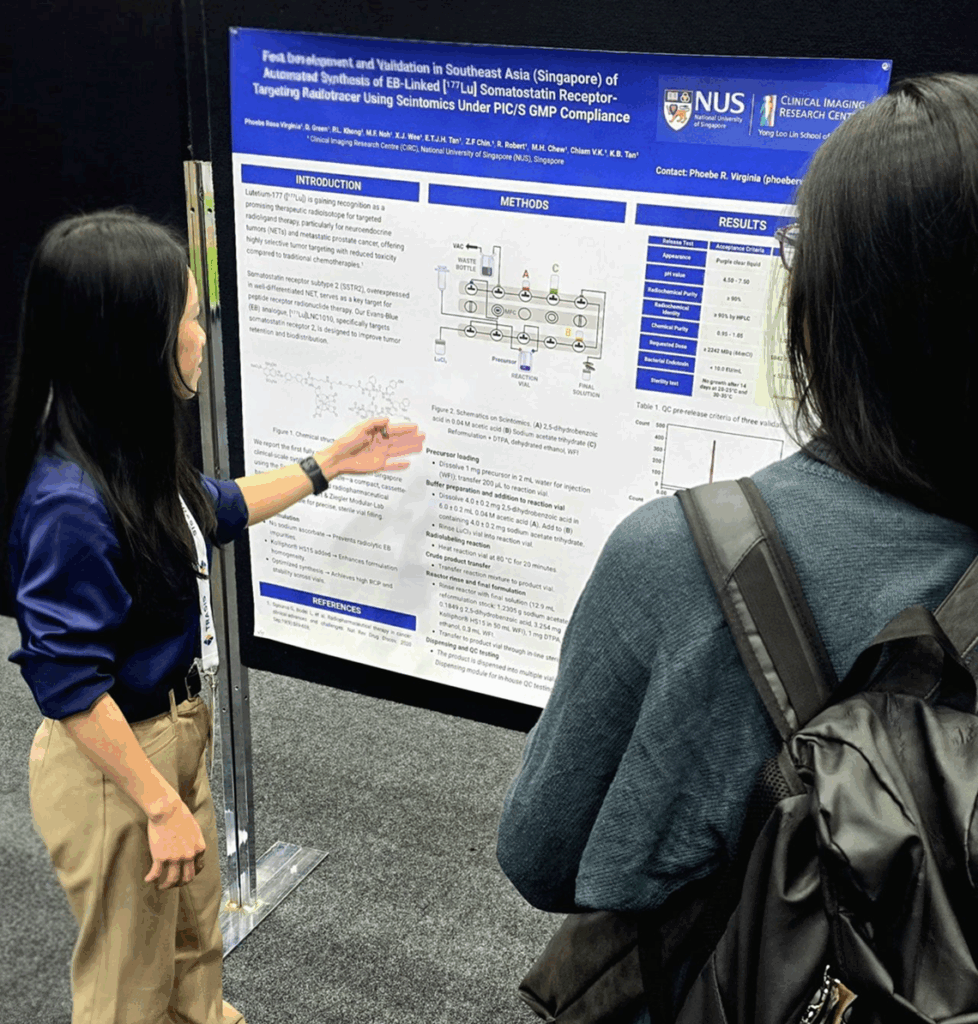
During the exhibition, they also presented two posters showcasing ongoing work within our radiochemistry team: “A Gallium-68 Radiolabelled NOTA-Conjugated Evans Blue Derivative: Optimization of the Synthesis and Purification Approach” and “First Development and Validation in Southeast Asia (Singapore) of an Automated Synthesis of an EB-Linked [177Lu] Somatostatin Receptor–Targeting Radiotracer Using Scintomics Under PIC/S GMP Compliance.” Their participation highlights CIRC’s commitment to advancing radiopharmaceutical science and fostering global research collaborations.
CIRC collaboratively developed and GMP validated a novel Ac 225 based radiopharmaceutical, representing a significant scientific and translational milestone. In parallel, CIRC supported the sponsor with regulatory activities, including contributions to the FDA filing process. The radiopharmaceutical demonstrated high radiochemical purity, stability, and reproducibility, thereby establishing a robust and reliable manufacturing process for alpha emitter therapeutics. This work also resulted in a peer reviewed publication, co authored by CIRC, entitled Development of [225Ac]Ac LNC1011 for targeted alpha radionuclide therapy of prostate cancer (European Journal of Nuclear Medicine and Molecular Imaging, 2025). Collectively, these achievements position the institution to support external translational and clinical partners, strengthen the national alpha therapy ecosystem, and enhance CIRC’s attractiveness for future research, development, and funding opportunities.
Three of our radiochemists attended the Malaysian Society of Nuclear Medicine and Molecular Imaging Annual Scientific Meeting 2024 (MYNM 2024), where they actively contributed to scientific exchange in radiopharmaceutical development, GMP manufacturing, and regulatory science. One CIRC radiochemist delivered an oral presentation entitled “Generic Gallium 68 Labelling Strategy Utilizing iQS Synthesis Module in Compliance with PIC S GMP,” which was recognised with the Best Oral Presentation Award. In addition, two poster presentations were showcased: “Navigating the Regulatory Landscape for Clinical Trial Application in Singapore on 177Lu and 68Ga Theranostics Pair Manufactured by a PIC S GMP Certified Facility” and “Practical Modifications to Improve Efficiency of GMP Compliant [Lu 177] Radiopharmaceuticals’ Validation Process.”