Dean's Message
Nov 2026
DEAN’S MESSAGE
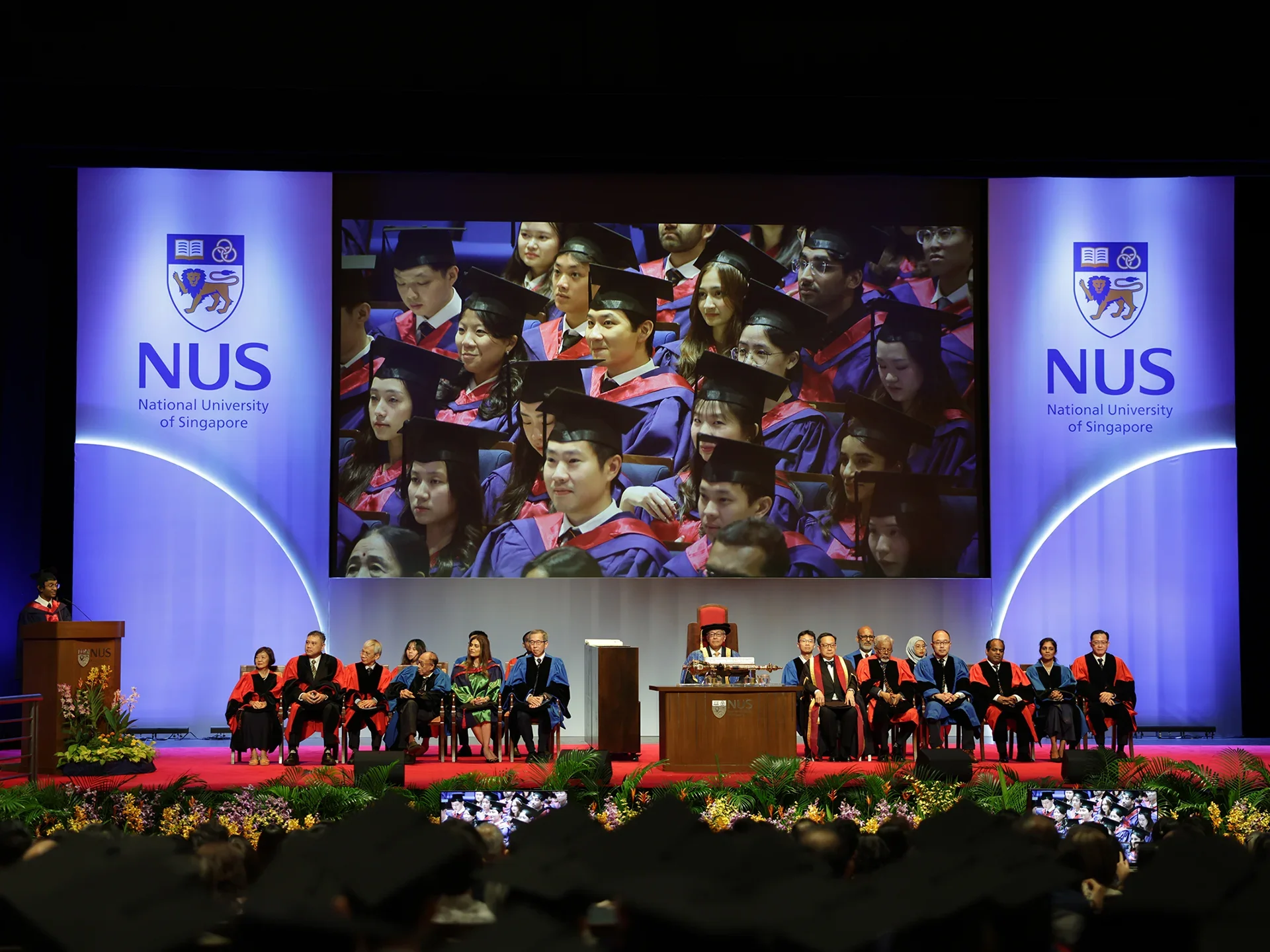
As the world turned, we welcomed a new batch of entrants to Singapore’s medical workforce in the Medicine Class of 2026. Their MBBS course was made torrid by the disruptions to school life posed by the COVID-19 pandemic. The unexpected global and national medical crisis offered useful public health lessons, providing insights that their clinical educators then built on to deepen the students’ learning.
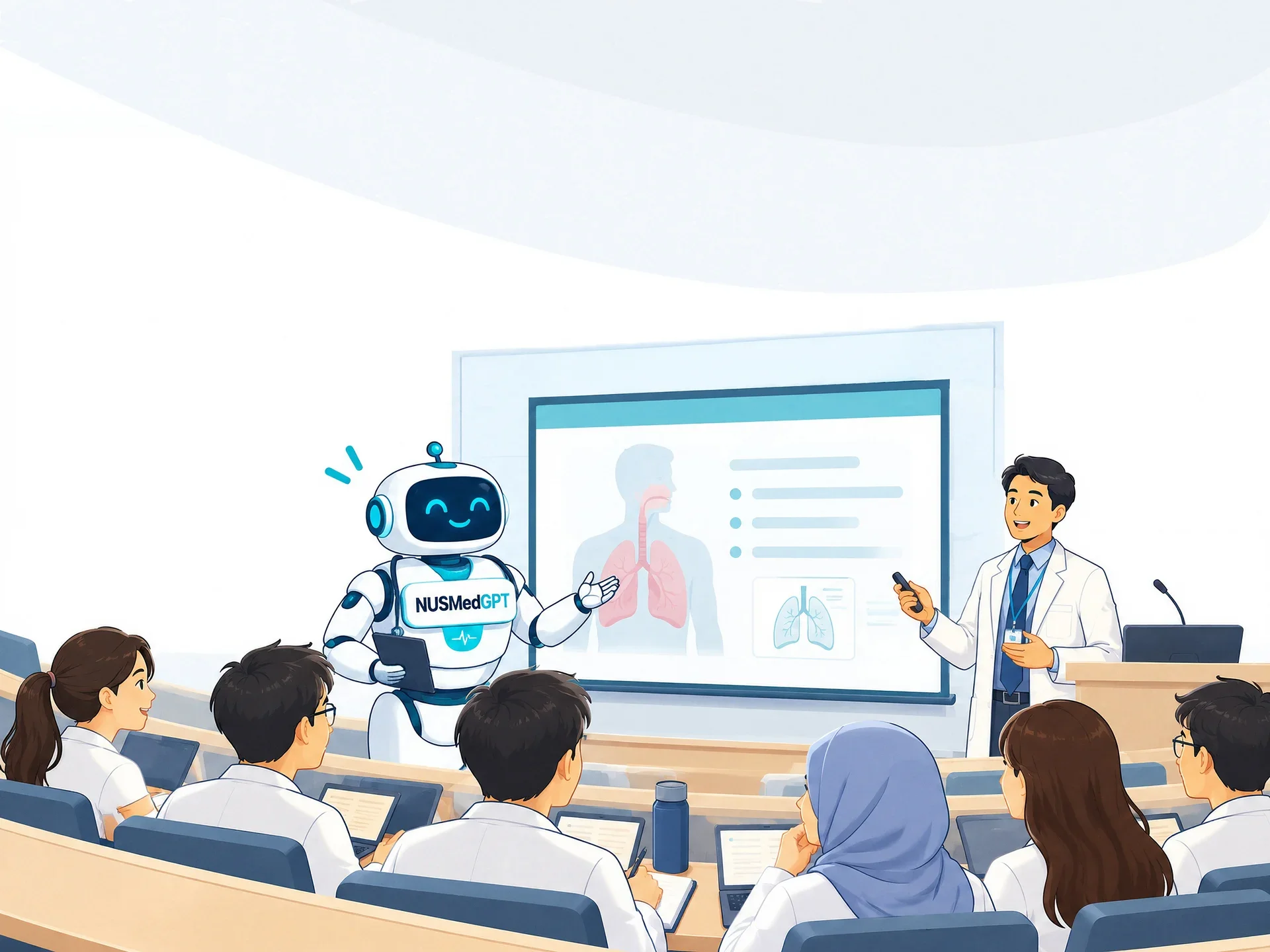
In an era where our students can access, in a single prompt, more information than any of us accumulated over years of training, our task is no longer simply to teach them what to know. We must teach them to wield these powerful tools with both confidence and conscience—and to do the irreplaceably human things.
How we teach shapes the kind of doctors our students become, just as our teachers moulded us. In July, we saluted one of Singapore Medicine’s best—University Professor Lim Pin, a pioneering clinician who has dedicated his entire life to the practice, learning and teaching of Medicine. As NUS’ longest serving Vice-Chancellor, Prof Lim laid the foundations for the academic powerhouse that is the NUS today. His lifelong dedication was honoured by the University, which conferred on him its highest award—the Honorary Degree of Doctor of Letters—during the Commencement ceremonies that month.
Learning begets understanding, which again begets more learning. It is a virtuous cycle that energises our scientific work here at the School. While Singapore ranks first in the world for life expectancy, our final decade of life is marked by frailty and debilitating illness. We want to find solutions that enable Singaporeans to live lives full of years, and healthily. Our search is led by respected leaders in their field: one is Professor Andrea Maier, Founder and co‐director of the School’s Academy of Healthy Longevity, whom TIME magazine named one of the world’s foremost investigators in the field of geroscience.
Meanwhile, our research in new and better ways of treating disease continues unabated. A case in point is the work of NUS Medicine scientists on cancer: in colon capsule endoscopy, a patient swallows a vitamin tablet-sized shell containing a miniature wireless camera that takes thousands of high-resolution images of the inside of the large intestine. Now, NUS researchers have developed a pill that survives a trip through the gastrointestinal tract—one of the most corrosive environments in the human body—to hunt for a tumour hiding in the stomach lining. It then unleashes its cancer-fighting payload right on target. This drug delivery system is what a trio of researchers from NUS Medicine has built in the lab. Early results suggest it could change how one of the world’s deadliest cancers is treated.
This microscopic exoshell has been designed to survive stomach acids, sneak into tumours, before switching on a cancer-killing reaction. Stomach cancer is the 5th most common cancer and the 4th biggest cancer killer on the planet. The disease is often caught late, spreads fast and shrugs off chemotherapy and surgery. Doctors have always hoped to deliver treatment directly into the tumour without destroying healthy tissue along the way; a problem this new technology may have the potential to solve. The team is now working to refine the technology, and eventually move towards human trials.
Yet promising discoveries in the laboratory mean little until they reach the bedside—and do so swiftly. By applying implementation science methods to good ideas and proven innovations, right and safe care can be delivered to patients faster. I look forward to the efforts of the newly established National University Health System (NUHS) Health Services and Population Health Unit, led by Professor Nick Sevdalis, Director of the Centre for Behavioural and Implementation Science Interventions (BISI), to accelerate the translation of research into frontline care across NUHS.
Yours sincerely,